A Guide to 5 Delicious Passiflora Fruits You Can Grow at Home
Discover 5 types of passiflora fruits you can grow at home, from classic passion fruit to cold-hardy maypop. Zone-specific planting guide included.
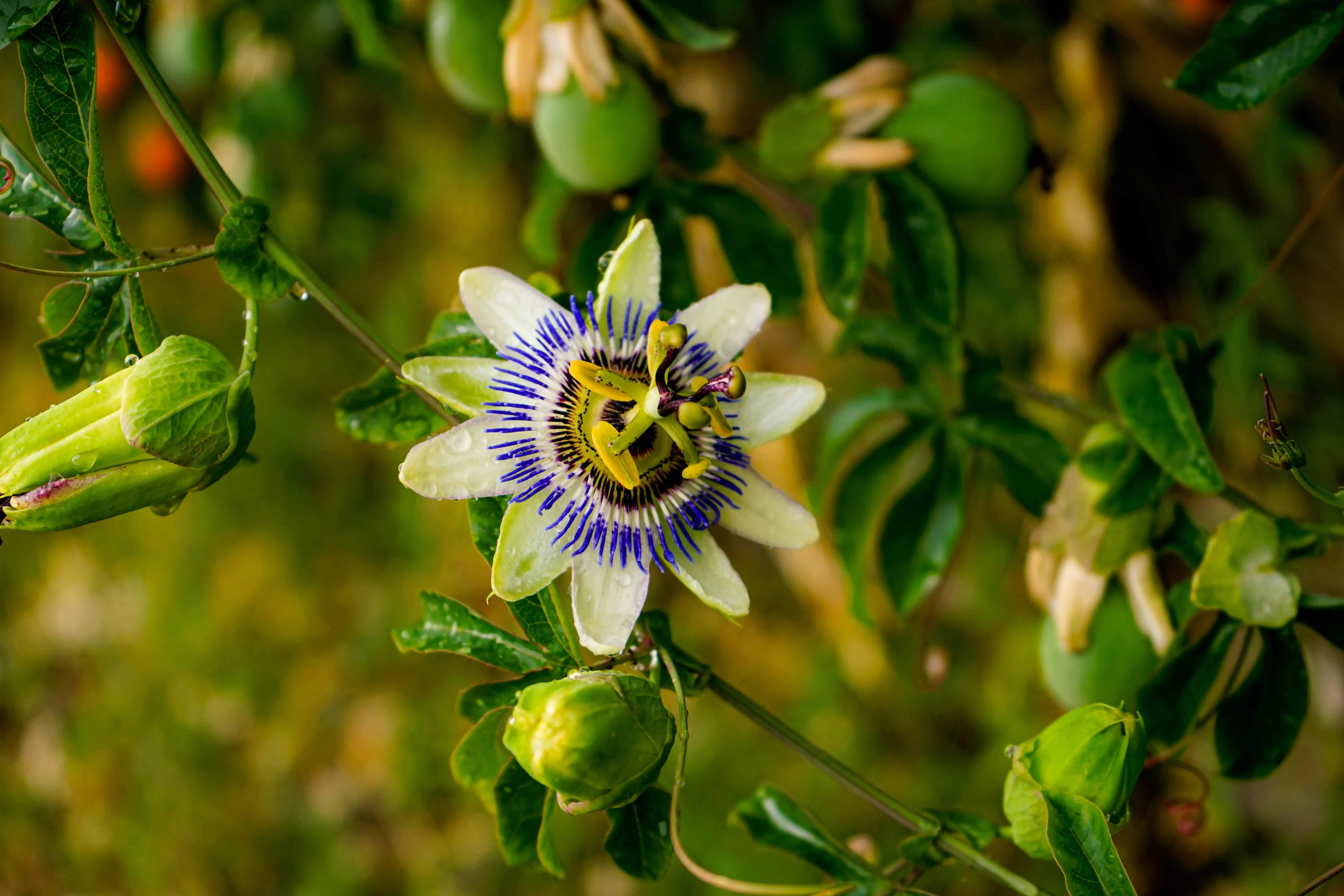
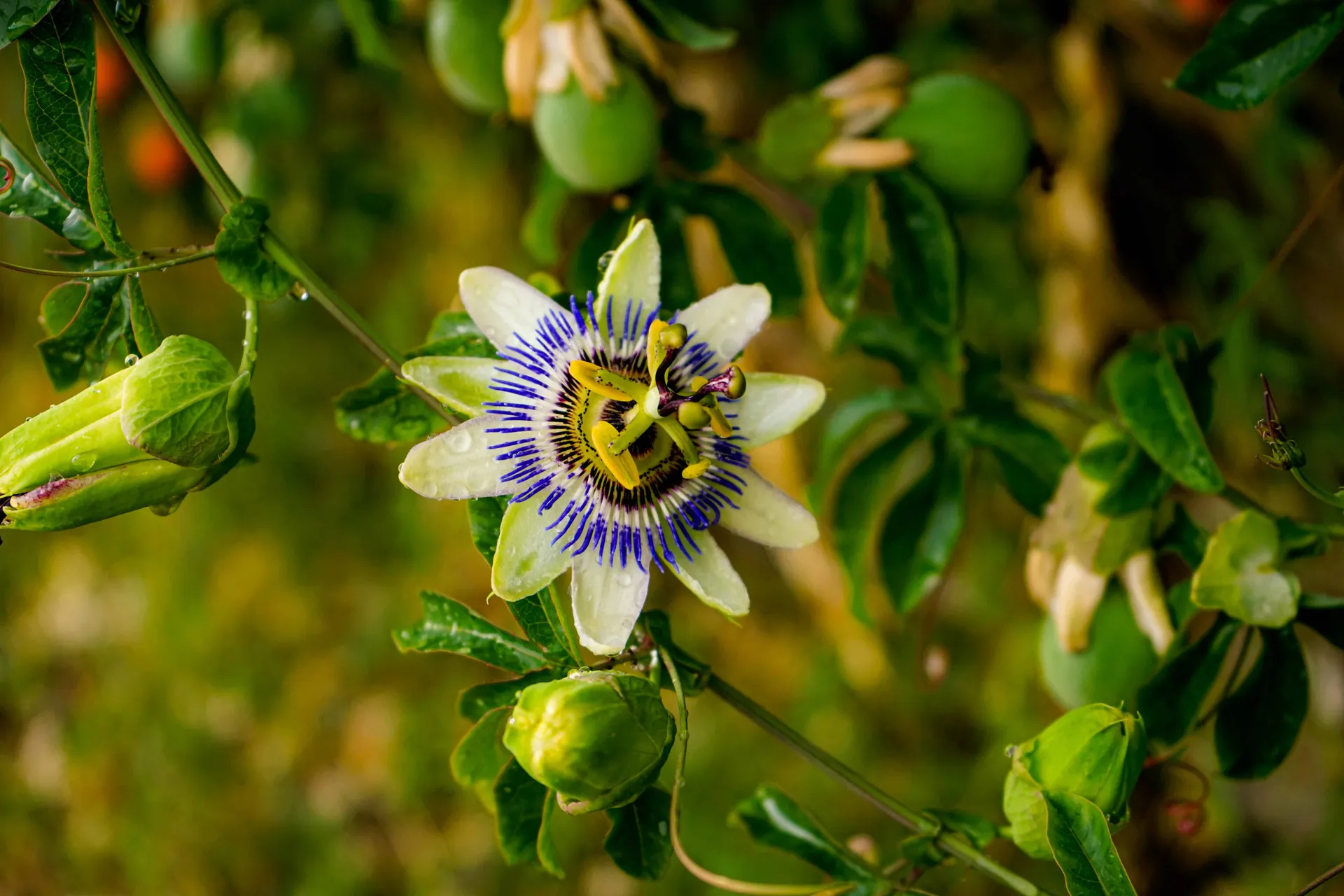
When you see the stunningly intricate, almost alien-like bloom of a passion flower, you might think the flower is the main event. But for many gardeners and fruit lovers, the real treasure comes next: the wonderfully diverse and flavorful passiflora fruits.
From the common passion fruit you see in stores to hard-to-find tropical delights, the genus Passiflora offers a surprising variety of tastes, sizes, and colors. Ready to grow your own? This guide will introduce you to five incredible types of passiflora fruits and the zones where you can plant them.
Before we dive into specific varieties, check your USDA hardiness zone map to determine which passiflora fruits will thrive in your climate. Understanding why the USDA Hardiness Zone Map matters will help you make better planting decisions.
5 Types of Passiflora Fruits for Home Gardens
1. The Classic: Purple Passion Fruit (Passiflora edulis)
This is the fruit that most people picture when they hear “passion fruit.” The vine produces a beautiful white and purple flower, which gives way to a small, round fruit that ripens from green to a deep, wrinkly purple.
The Fruit: Inside the tough rind is a bright orange, jelly-like pulp filled with crunchy, edible seeds. The flavor is a perfect balance of sweet and tart, with a powerfully aromatic, tropical taste. It’s fantastic eaten fresh with a spoon or used in juices, desserts, and cocktails.
Planting Zone: This subtropical vine thrives in USDA Zones 9-11. It’s sensitive to frost and needs a warm, protected location to produce these delicious passiflora fruits reliably.
Growing tips:
- Requires full sun (6-8 hours daily)
- Well-draining soil is essential
- Provide sturdy trellis support
- Water regularly during growing season
View full growing guide for Purple Passion Fruit →
2. The Tropical Staple: Yellow Passion Fruit / Lilikoi (Passiflora edulis f. flavicarpa)
A close relative of the purple variety, Yellow Passion Fruit—often called Lilikoi in Hawaii—is another major commercial type of passiflora fruit. The vine is typically more vigorous, and the flowers are slightly larger.
The Fruit: The fruit is larger than its purple cousin, with smooth, yellow skin when ripe. The pulp is generally more acidic and intensely aromatic, making it a favorite for juices, syrups, and baking where a strong passion fruit flavor is desired.
Planting Zone: Being slightly more tropical, it does best in USDA Zones 10-12. It requires high humidity and heat to flourish. Many yellow varieties also require cross-pollination with another vine to set fruit.
Growing tips:
- Prefers hot, humid climates
- Plant two vines for better pollination
- More vigorous than purple variety
- Excellent for juice production
Note: Yellow passion fruit is a variety of the same species as purple passion fruit (Passiflora edulis).
3. The Cold-Hardy Native: Maypop (Passiflora incarnata)
If you live in a colder climate, this is the passion flower for you! Native to the southeastern United States, the Maypop is a resilient perennial vine. It dies back to the ground in winter and “pops” back up in late spring, hence the name. Its fringed, lavender flower is breathtaking.
The Fruit: The Maypop produces an oval, greenish-yellow fruit about the size of a chicken egg. The pulp is sweet and has a unique, almost grape-like or guava-like flavor. While it has less pulp than its tropical cousins, the flavor is delightful.
Planting Zone: This is the most cold-hardy of all passiflora fruits, thriving in USDA Zones 5-9. It’s a must-have for anyone wanting to grow passiflora fruits outside of the subtropics.
Growing tips:
- Dies back to ground in winter (herbaceous perennial)
- Native plant—great for pollinators
- More drought-tolerant than tropical varieties
- Can spread aggressively via underground runners
- Perfect for northern gardeners wanting to grow passiflora fruits
View full growing guide for Maypop →
4. The Gentle Giant: Giant Granadilla (Passiflora quadrangularis)
For a truly impressive harvest, look no further than the Giant Granadilla. This tropical vine produces the largest of all passiflora fruits, supported by a robust vine with unique square-shaped stems.
The Fruit: The fruit is enormous, resembling a football-sized melon that can weigh several pounds. The flesh is mild and sweet, with a watery texture that’s incredibly refreshing. Uniquely, the thick green rind is also edible when cooked and is often treated like a vegetable.
Planting Zone: This is a true tropical plant and needs the consistent warmth and humidity of USDA Zones 10-12. It is extremely sensitive to cold and will not survive a frost.
Growing tips:
- Needs very strong trellis support (heavy fruit!)
- Requires consistent tropical conditions
- Square stems make it easy to identify
- Both fruit and rind are edible
- Can produce year-round in ideal climates
5. The Sweet Treat: Sweet Granadilla (Passiflora ligularis)
If you find a standard passion fruit a bit too tart, the Sweet Granadilla is your perfect match. Revered in Mexico and South America, it is prized for its lack of acidity.
The Fruit: This fruit has a hard, brittle orange shell that cracks open easily. Inside, you’ll find translucent, greyish pulp with a wonderfully sweet, floral flavor reminiscent of grapes and honeydew. It’s perfect for eating fresh—no sugar needed!
Planting Zone: It grows best in cool, high-altitude tropical climates, making it a good fit for specific microclimates in USDA Zones 9-11 that don’t experience extreme heat or frost.
Growing tips:
- Prefers cooler tropical climates
- Less acidic than other passiflora fruits
- Brittle shell cracks easily when ripe
- Best eaten fresh
- Ideal for high-altitude gardens
Ready to Plant? What to Know Before You Grow Passiflora Fruits
Growing passiflora fruits successfully requires understanding a few key requirements:
All Passiflora Need a Trellis
These are vigorous vines that need something sturdy to climb on, like a fence, arbor, or strong trellis. Plan for at least 10-15 feet of vertical and horizontal space.
Check Your Zone First
The most important factor for success is choosing a variety suited to your USDA Hardiness Zone. This determines which passiflora fruits will survive and thrive in your climate. If you’re new to zone-based planting, our guide to seed starting by USDA zone offers valuable timing insights that apply to many plants.
Quick zone reference:
- Zones 5-9: Maypop (cold-hardy)
- Zones 9-11: Purple passion fruit, Sweet Granadilla
- Zones 10-12: Yellow passion fruit, Giant Granadilla
Sun is Essential
For the best flower and fruit production, plant your vine in a location that receives at least 6-8 hours of direct sunlight per day. Passiflora fruits need full sun to develop their signature sweet-tart flavor.
Pollination Matters
While some varieties are self-fertile, many passiflora fruits produce more abundantly when cross-pollinated with another genetically different vine. If you have space, planting two is always a good idea.
Pollination tips:
- Hand-pollinate if you have only one vine
- Encourage native bees and pollinators
- Some varieties require carpenter bees for pollination
- Morning is the best time for hand pollination
Harvesting Your Passiflora Fruits
Knowing when to harvest is key to enjoying passiflora fruits at peak flavor:
Signs of ripeness:
- Fruit changes color (purple, yellow, or orange depending on variety)
- Skin becomes slightly wrinkled
- Fruit falls naturally from the vine
- Gives slightly when gently squeezed
Harvest tips:
- Don’t pick too early—let fruit ripen fully on the vine
- Fallen fruit is often perfectly ripe
- Store ripe fruit in the refrigerator for up to 2 weeks
- Fruit continues to ripen slightly after picking
Common Uses for Passiflora Fruits
Once you’ve harvested your passiflora fruits, the culinary possibilities are endless:
Fresh eating:
- Cut in half and scoop out with a spoon
- Add to fruit salads
- Top yogurt or ice cream
Beverages:
- Fresh juice (strain seeds if desired)
- Smoothies and milkshakes
- Cocktails and mocktails
- Tea flavoring
Cooking and baking:
- Sauces and syrups
- Jams and jellies
- Cheesecake topping
- Tropical desserts
Tip: If you’re growing other edible plants, consider pairing passiflora fruits with vegetables you can grow in winter to extend your fresh harvest year-round.
The Bottom Line: Growing Passiflora Fruits at Home
Whether you’re in a tropical paradise or a temperate climate, there’s a variety of passiflora fruits perfect for your garden. From the cold-hardy Maypop that survives Zone 5 winters to the massive Giant Granadilla of the tropics, these exotic vines bring both stunning flowers and delicious fruit to your backyard.
Remember the essentials:
- Match variety to your USDA zone
- Provide full sun and sturdy support
- Be patient—most vines take 1-2 years to fruit
- Consider planting multiple varieties for extended harvest
- Properly care for your soil with compost storage techniques
Ready to start your passiflora fruit adventure? Check your zone, choose your variety, and prepare for one of gardening’s most rewarding experiences! For more beginner-friendly growing guides, explore our collection of indoor plants by USDA zone to complement your outdoor passion fruit vines.
Explore More Passiflora Varieties
Want to see other passion flower options? Browse our complete collection:
- Purple Passion Fruit (Passiflora edulis) - Full growing guide
- Maypop (Passiflora incarnata) - Cold-hardy native
- Blue Passionflower (Passiflora caerulea) - Stunning ornamental
- Browse all Passiflora varieties - Discover more options