Allium: How to Grow, Design, and Care for This Architectural Garden Favorite
A clear, beginner-friendly guide to planting and designing with ornamental alliums, with zone-aware tips, care basics, and variety ideas.
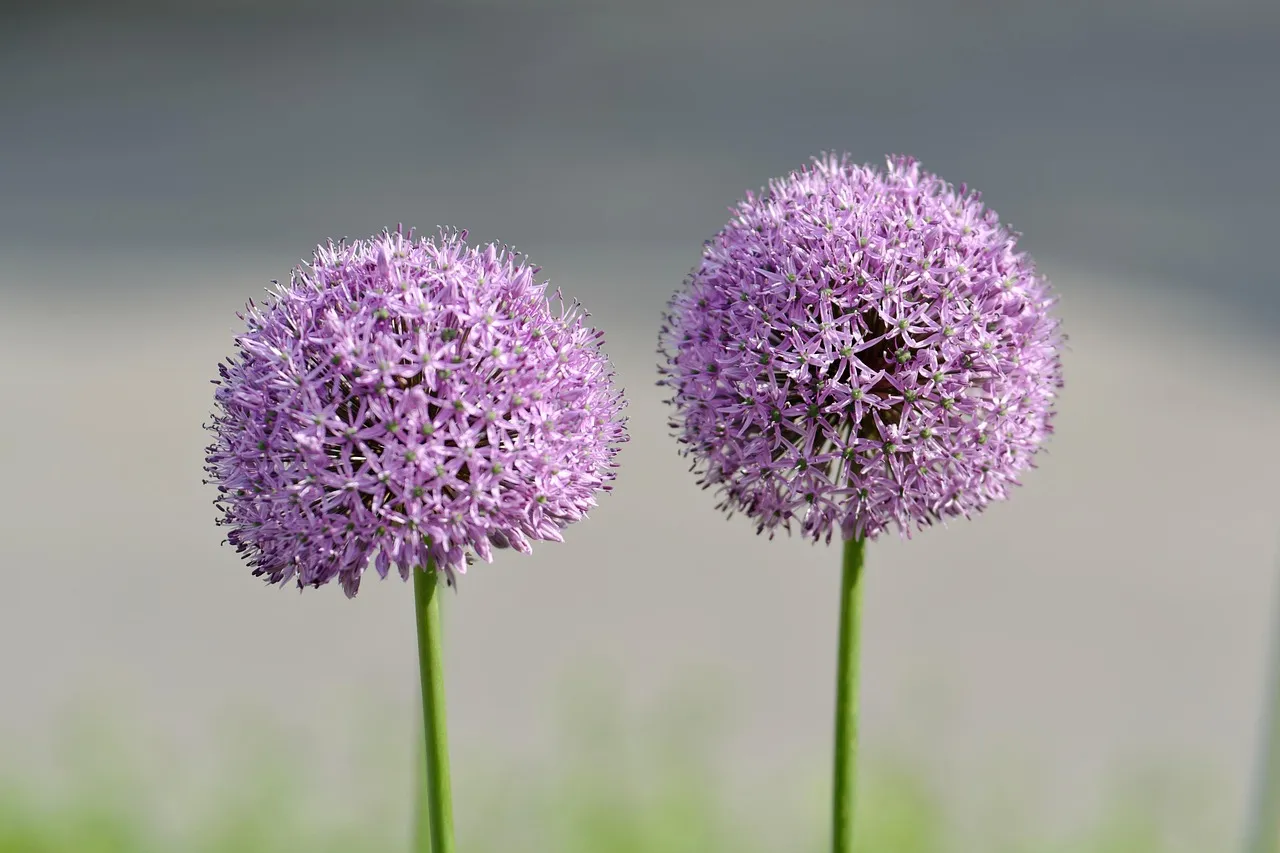
Alliums are the kind of plant that change how a garden feels. They add height without heaviness, structure without stiffness, and drama without demanding attention. Once you grow them, you start noticing how often they appear in well-designed gardens and timeless landscape plans.
Alliums are not trendy plants that disappear after a season. They are enduring, dependable, and surprisingly versatile. Whether you garden in a cold northern climate or a warmer southern zone, there is likely an allium that will thrive where you live.
At Rita’s Garden Path, understanding plants through the lens of USDA hardiness zones is central to how we garden. Alliums are a perfect example of how climate-aware planting leads to better results, fewer frustrations, and more joy in the garden.
This guide brings together everything you need to know about alliums: what they are, how to grow them, how to design with them, where to buy them, what they need to thrive, and how to avoid common mistakes.
Quick Start Checklist
- Plant bulbs in fall, 4 to 6 weeks before the ground freezes.
- Choose full sun and fast-draining soil.
- Plant bulbs 3 times as deep as the bulb is tall.
- Water after planting, then let winter moisture do the rest.
- Leave foliage to yellow naturally after bloom.
Want to browse varieties first? Start with the allium search page.
What Is an Allium
Allium is a large genus of plants that includes both edible and ornamental species. Onions, garlic, leeks, and chives all belong to the allium family. Ornamental alliums are grown not for the kitchen, but for their striking flowers and architectural presence.
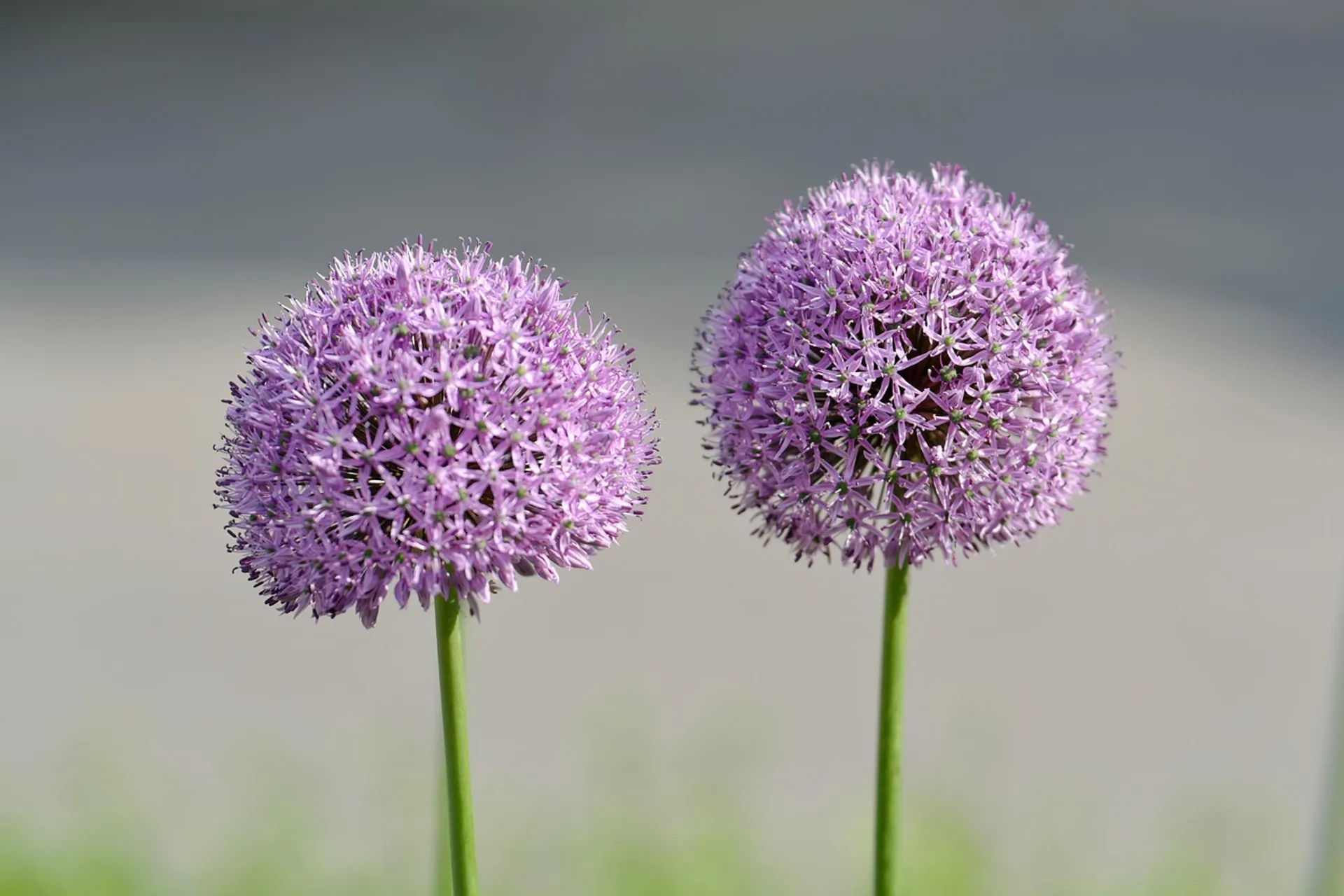
Ornamental alliums grow from bulbs. They are planted in fall, rest during winter, and bloom in late spring or early summer. Their flowers are typically globe-shaped, made up of dozens or hundreds of tiny star-shaped blossoms held high on strong, upright stems.
What sets alliums apart from many other flowering plants is their form. They do not blend quietly into the background. Instead, they punctuate the garden, drawing the eye upward and creating rhythm and repetition.
Why Alliums Belong in a Thoughtful Garden
Alliums are loved by experienced gardeners for good reason. They offer beauty with very little effort.
- Low maintenance once planted
- Reliable perennials that return each year
- Naturally resistant to deer, rabbits, and rodents
- Long-lasting interest, even after bloom
- Pollinator-friendly, especially for bees
- Flexible in many design styles
Alliums and USDA Hardiness Zones
Understanding your USDA hardiness zone is one of the most important steps in growing alliums successfully. The zone tells you how cold your winters get, which directly affects bulb survival and flowering.
Most ornamental alliums grow well in USDA zones 3 through 9. Within that range, some varieties perform better than others, depending on winter cold, summer heat, and soil conditions.
If you are unsure of your USDA zone, use the USDA hardiness zone map before you buy bulbs.
Growing Alliums in Zones 3 to 5
Cold-climate gardeners often have excellent success with alliums. Many varieties need a true winter chill to bloom properly.
In these zones:
- Plant bulbs in fall before the ground freezes.
- Choose cold-hardy varieties such as tall globe alliums and classic purple types.
- Light mulching after planting can help protect bulbs during extreme cold.
Cold winters usually lead to strong stems and abundant blooms.
Growing Alliums in Zones 6 to 7
These moderate zones are ideal for a wide range of allium varieties.
In these zones:
- Fall planting is still essential.
- Focus on good drainage rather than winter protection.
- Many alliums will naturalize and slowly multiply over time.
Gardeners in these zones have the most flexibility in choosing size, color, and bloom time.
Growing Alliums in Zones 8 to 9
Alliums can thrive in warmer climates with thoughtful selection and planting.
In these zones:
- Choose heat-tolerant varieties such as drumstick alliums and starburst types.
- Plant bulbs in the coolest part of fall.
- Ensure excellent drainage to prevent bulb rot.
In areas with very mild winters, some gardeners pre-chill bulbs in the refrigerator for several weeks before planting to encourage stronger flowering.
Popular Types of Ornamental Alliums
With hundreds of allium species available, narrowing down your choices can feel overwhelming. These are some of the most reliable and widely loved ornamental alliums for home gardens.
If you want to explore specific plants, browse allium results or jump to a few favorites like German garlic and ornamental onion ‘Globemaster’.
Tall Globe Alliums
These are the classic alliums most people recognize. They feature large, round flower heads held high above the foliage. They work best toward the back of borders and as focal points.
Medium-Sized Alliums
These varieties balance height and subtlety. They blend easily with other perennials and provide structure without dominating the space.
Drumstick Alliums
These alliums have smaller, oval-shaped flower heads that change color as they mature. They add movement and texture and are excellent for warmer zones.
Starburst Alliums
These have looser, more open flower heads with a firework-like appearance. Their dried seed heads are especially striking.
Low-Growing Alliums
These are ideal for the front of borders, rock gardens, and smaller spaces. Some varieties also spread gently over time.
How to Plant Allium Bulbs Successfully
Planting alliums is straightforward, which makes them approachable even for newer gardeners.
When to Plant Alliums
Allium bulbs are planted in fall. In colder zones, plant four to six weeks before the ground freezes. In warmer zones, late fall to early winter is ideal.
Where to Plant Alliums
Choose a location with full sun. Alliums tolerate light shade, but full sun produces stronger stems and better blooms.
Soil must drain well. Bulbs sitting in wet soil are far more likely to rot than to survive winter.
How Deep and How Far Apart
Plant bulbs at a depth about three times the height of the bulb. Larger bulbs go deeper, smaller bulbs shallower.
Spacing depends on the mature size of the variety. Large alliums need more space, while smaller types can be planted closer together for a fuller look.
Caring for Alliums Through the Seasons
One of the greatest advantages of alliums is how little care they require once established.
Spring Growth
Leaves emerge in early to mid spring. These leaves are essential for feeding the bulb, so allow them to grow naturally.
Water only during extended dry periods.
Bloom Time
Alliums require almost no care while blooming. Their sturdy stems usually do not need staking.
Pollinators, especially bees, are drawn to the flowers.
After Bloom
After flowering, you can leave the seed heads for structure or cut them for dried arrangements.
Allow the foliage to yellow and die back naturally. Removing it too early can reduce flowering the following year.
Dormant Period
Once dormant, alliums do not need watering or special care.
Designing With Alliums in the Garden
Alliums are exceptional design plants because of their strong shape and timing.
- Plant in groups for rhythm and cohesion.
- Pair with softer plants like ornamental grasses, peonies, catmint, and lady’s mantle.
- Use them to bridge the gap between spring bulbs and early summer perennials.
- Add vertical interest without blocking views, even in small gardens.
If you want to explore companion plants, start with the broader plant catalog.
Where to Buy Allium Bulbs and Seeds
Buying Allium Bulbs
Most gardeners grow ornamental alliums from bulbs rather than seeds. Bulbs are widely available in fall through:
- Local garden centers
- Specialty bulb suppliers
- Online gardening retailers
When buying bulbs, look for firm, dry bulbs with no signs of mold or softness.
Buying Allium Seeds
Allium seeds are less common and take longer to produce flowering plants. They are best suited for patient gardeners or those interested in experimenting.
Seeds can be found through:
- Specialty seed catalogs
- Online seed retailers
- Botanical garden seed exchanges
Growing from seed requires several years before flowering, but it allows access to unusual varieties.
Choosing Plant Nurseries
Some nurseries offer potted alliums in spring. These are convenient but often more limited in variety than fall bulbs.
Local nurseries are also a good source of advice about which alliums perform best in your specific region.
Fertilizers and Soil Needs for Alliums
Alliums are not heavy feeders, but good soil preparation improves performance.
Best Soil for Alliums
Alliums prefer well-draining soil with moderate fertility. Heavy clay soil should be amended with organic matter to improve drainage.
Fertilizing Alliums
In most gardens, alliums do well with minimal fertilization.
A light application of balanced fertilizer or compost in early spring is usually sufficient.
Avoid high-nitrogen fertilizers, which encourage leaf growth at the expense of flowers.
Are Specialty Fertilizers Necessary
Specialty bulb fertilizers are not required. Healthy soil and proper drainage matter far more than specific products.
Subscription Boxes and Alliums
Some gardening subscription boxes include seasonal bulbs, including alliums. These can be a fun way to discover new varieties, but they may not always be tailored to your climate.
If using a subscription service:
- Check that bulbs are suitable for your USDA zone.
- Confirm planting instructions match your climate.
- Use them as a supplement, not your primary source for long-term garden planning.
Common Problems and How to Avoid Them
Alliums are generally trouble-free, but a few issues can occur.
No Blooms
This is usually caused by:
- Too much shade
- Poor drainage
- Cutting foliage back too early
- Insufficient cold exposure in warm zones
Floppy Stems
This can result from:
- Too little sunlight
- Overly rich soil
- Sheltered locations with limited air movement
Bulb Rot
Almost always related to wet soil. Improving drainage is the best solution.
Are Alliums Safe Around Pets and Wildlife
Ornamental alliums are not intended for consumption. Their strong scent usually discourages pets and wildlife from chewing on them.
One advantage of alliums is that deer and rabbits typically leave them alone, making them useful in areas with browsing pressure.
Why Alliums Are a Long-Term Garden Investment
Alliums reward patience and thoughtful planning. They do not demand constant attention or frequent replacement.
When planted with an understanding of your USDA hardiness zone and basic growing needs, alliums become one of the most reliable plants in the garden.
They return each year with confidence, marking the season and adding structure long after other blooms fade.
If you are planning a garden that feels intentional, balanced, and enduring, alliums are a natural choice. Start with your zone, choose varieties that fit your space, and let alliums quietly transform your garden.