21 Things to Know About Black Walnut Trees
Thinking about planting a black walnut tree? Learn how juglone affects nearby plants, what to grow under it, and how to manage nuts, cleanup, and long-term care.
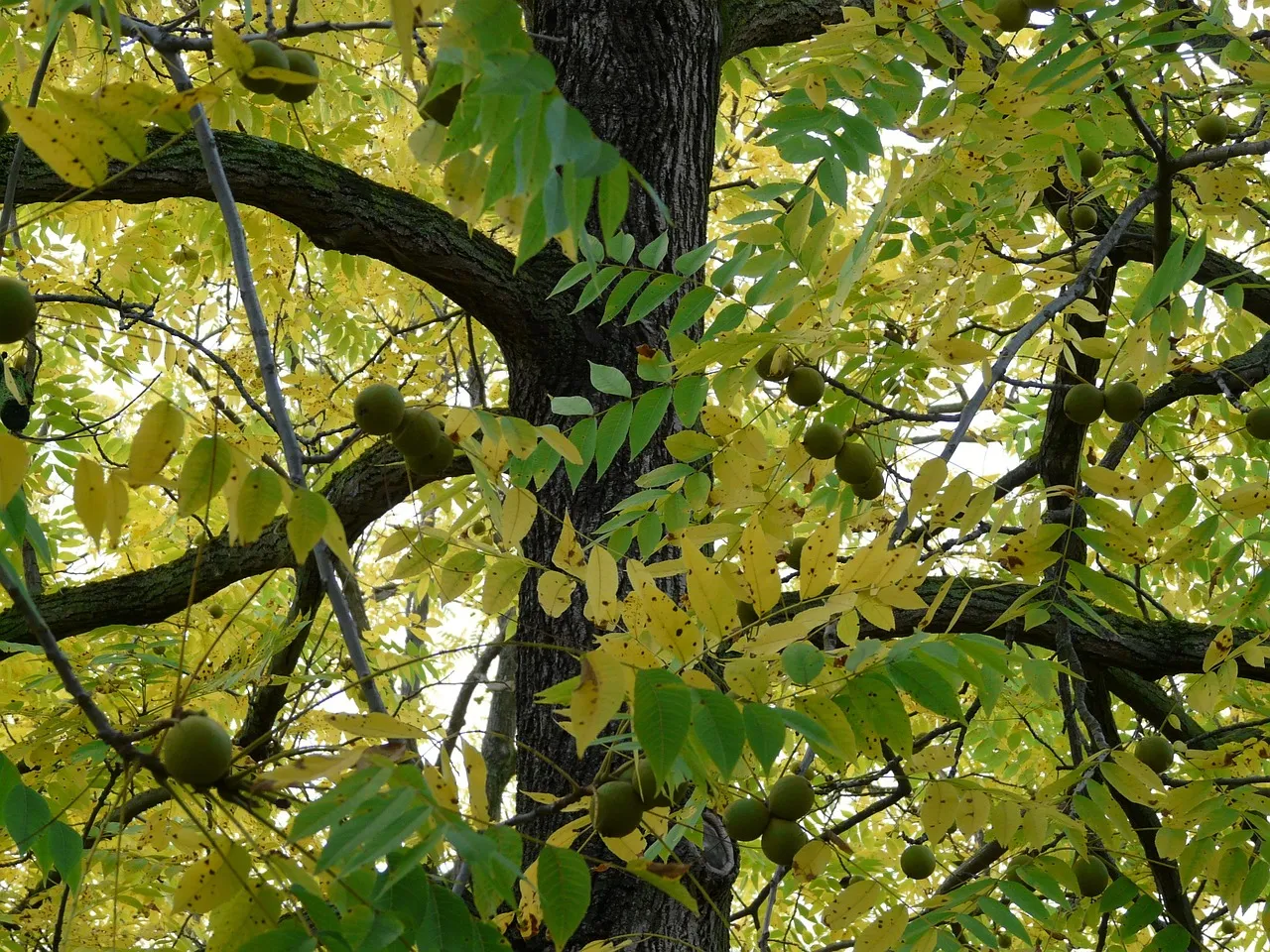
21 Things to Know About Black Walnut Trees
Black walnut trees are impressive, useful, and sometimes frustrating to live with. They give you deep shade, edible nuts, and valuable lumber. They also drop a lot of debris and release juglone, a natural chemical that can make nearby plants struggle.
If you are deciding whether to plant one, or figuring out how to deal with a tree you already have, this guide will save you some trial and error.
1. Black walnut is native to the U.S.
Black walnut (Juglans nigra) is native to much of the eastern and central United States. It has grown here for thousands of years, and Indigenous communities used the nuts, bark, and hulls long before modern landscaping became a thing.
2. Juglone is real, and it matters
Black walnut produces juglone, a chemical that can suppress sensitive plants. Roots are the biggest source, but leaves, twigs, and hulls add to it as they break down. If tomatoes or azaleas keep failing near a walnut tree, juglone is often part of the story.
3. Juglone impact is strongest near the roots
The highest concentration is usually inside and just beyond the drip line, which is the ground area under the outer branches. The challenge can extend farther with mature trees because root systems spread well beyond what you see above ground.
4. Some popular garden plants are sensitive
Plants with known sensitivity include many nightshades and some ornamentals.
- Tomatoes
- Potatoes
- Peppers
- Eggplant
- Azalea
- Rhododendron
- Peony
- Apple (in some sites)
A struggling plant near black walnut is not always a watering issue. Sometimes the location is the real problem.
5. Plenty of plants can still thrive nearby
You can garden around black walnut if you choose tolerant species.
- Perennials: hosta, bee balm, daylily, ferns, coral bells
- Shrubs: forsythia, viburnum, some hydrangeas, juniper
- Trees: oak, hickory, redbud, many maples
This is the practical approach: work with the site instead of fighting it.
6. Juglone symptoms can mimic other problems
Common signs include wilting in moist soil, yellowing leaves, poor growth, and sudden collapse in sensitive annuals. The clue is pattern: several sensitive species decline in the same zone around the walnut.
7. Mature trees get very large
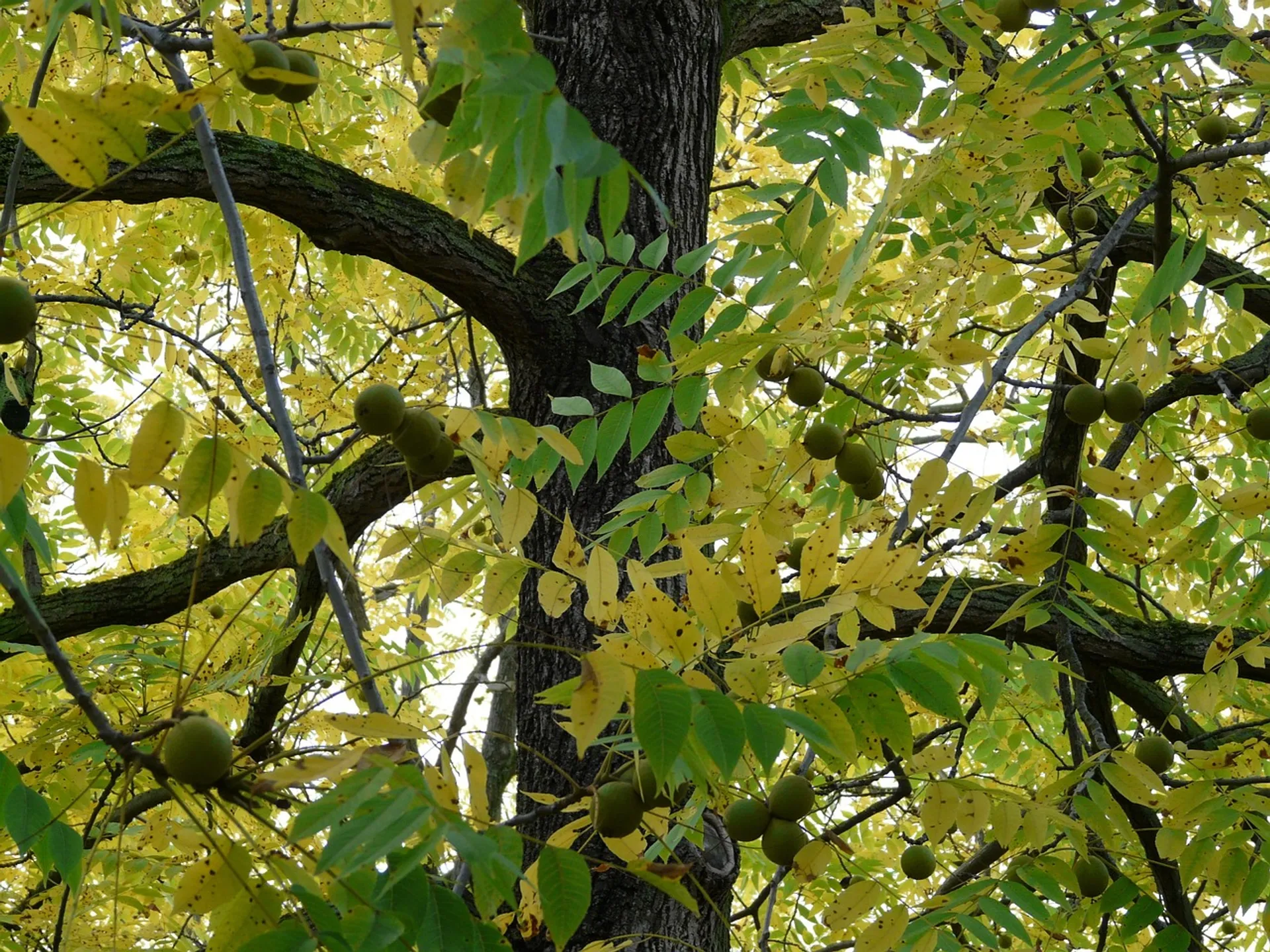
A healthy black walnut can reach 75 to 100 feet tall with a wide canopy. This is not a small yard tree. It needs space away from foundations, driveways, septic fields, and utility lines.
8. It grows best in USDA zones 4-9
Black walnut handles cold winters and warm summers, but it does best in USDA Hardiness Zones 4 through 9.
Check your location first on our USDA Hardiness Zone Map before planting.
9. Plant young trees where they can stay forever
Black walnut develops a deep taproot early, so transplanting older trees is hard and often unsuccessful. Choose the site carefully before planting and treat the placement as permanent.
10. Sun and soil make a big difference
For strong growth and nut production, black walnut wants full sun and well-drained soil. It tolerates different soil types, but waterlogged or heavily compacted ground will limit growth.
11. Nut production takes time
If grown from seed, expect a wait. Some trees begin producing around 10 to 15 years, with heavier crops often coming later. If quick nut harvest is the goal, this is probably not the right tree.
12. The cleanup is part of the deal
Leaves, twigs, and nuts drop in quantity. Falling nuts can dent cars, trip people, and make mowing difficult. Most owners end up planning their fall routine around walnut cleanup.
13. Harvest season is usually early fall
Nuts are typically ready in September and October, depending on local weather. Gather them soon after drop if you want to beat squirrels and reduce staining on hard surfaces.
14. Processing the nuts is labor-intensive
The green hull has to come off first, then nuts need washing and curing before cracking. Shells are very hard, and standard kitchen nutcrackers are usually not enough.
15. Black walnut flavor is stronger than English walnut
The taste is bold, earthy, and distinctive. Some people love it immediately. Others need time to warm up to it. In baking, a little goes a long way.
16. Hulls can be used as a natural dye
Walnut hulls produce a deep brown dye used for fabric, wood, and craft projects. Wear gloves if you handle hulls for this purpose. The stain is stubborn.
17. The wood is valuable
Black walnut lumber is prized for furniture and cabinetry because of its rich color and workability. A mature, high-quality tree can carry significant timber value.
18. It supports wildlife
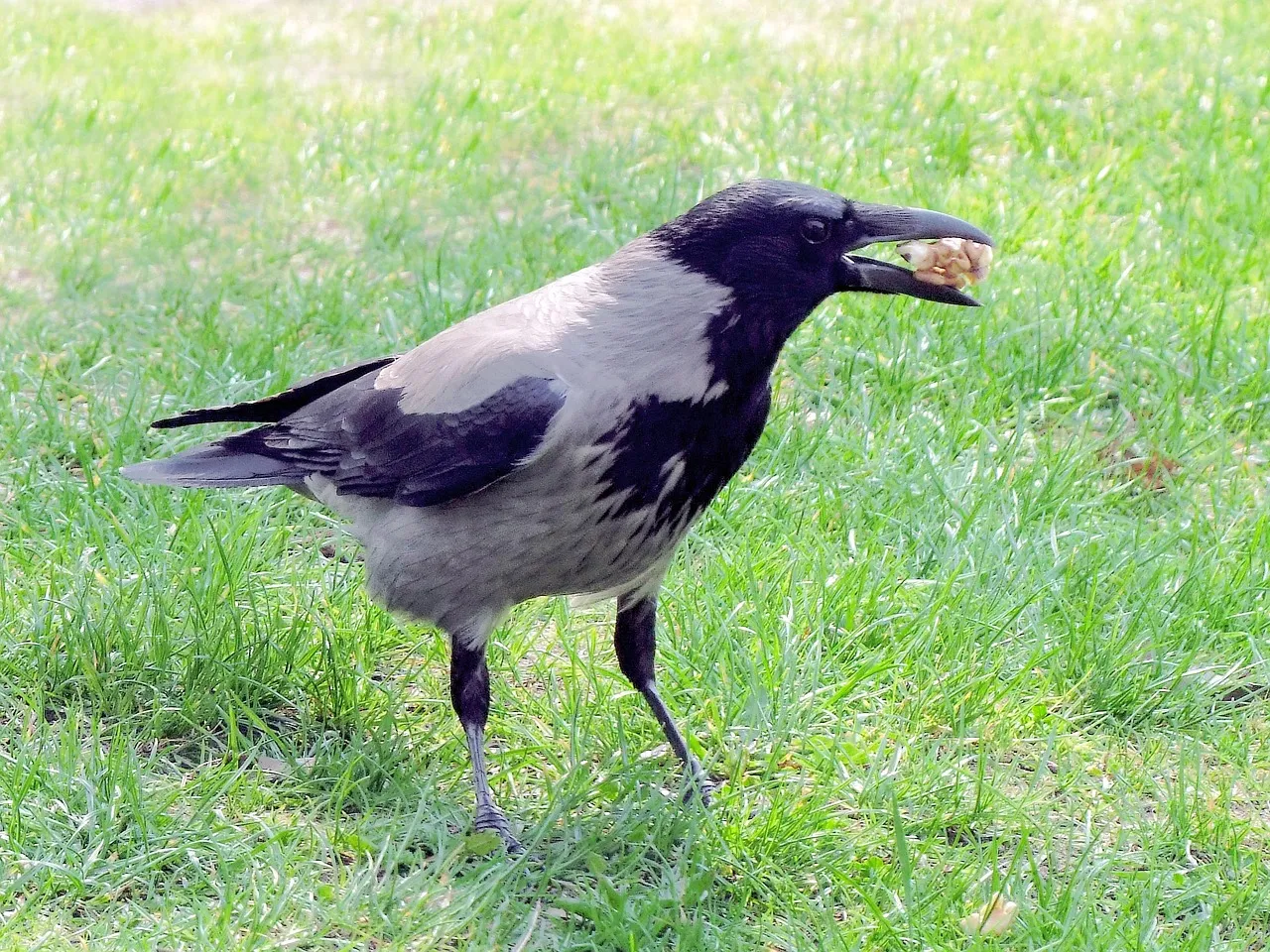
Squirrels, birds, and insects use walnut trees for food and shelter. Caterpillars of several moth species feed on walnut foliage, and birds forage along the bark and branches.
19. Watch for common disease and insect issues
Anthracnose is a frequent leaf disease that causes spotting and early leaf drop. Walnut caterpillars can also defoliate sections of the tree. Healthy, established trees often recover, but sanitation and monitoring help.
20. Existing tree? You still have options
If the tree is already in your yard, you can adapt your planting plan, use tolerant species, and install raised beds for sensitive vegetables. Tree removal is possible, but large walnut removals are expensive and should be a considered choice.
21. Is a black walnut tree worth it?
That depends on your goals. If you want a tidy yard and lots of tomatoes near the house, it may be a poor fit. If you have space, value native trees, and do not mind seasonal cleanup, it can be an excellent long-term tree.
In other words, black walnut rewards the right setting and the right expectations.
Explore more plants in our Plant Library, or browse by sun exposure to find options that match your site.