Garden Design
Blooming Season Guide by Month
Use this blooming season guide to plan spring, summer, fall, and winter color with zone-aware timing, plant ideas, and smart garden design tips.
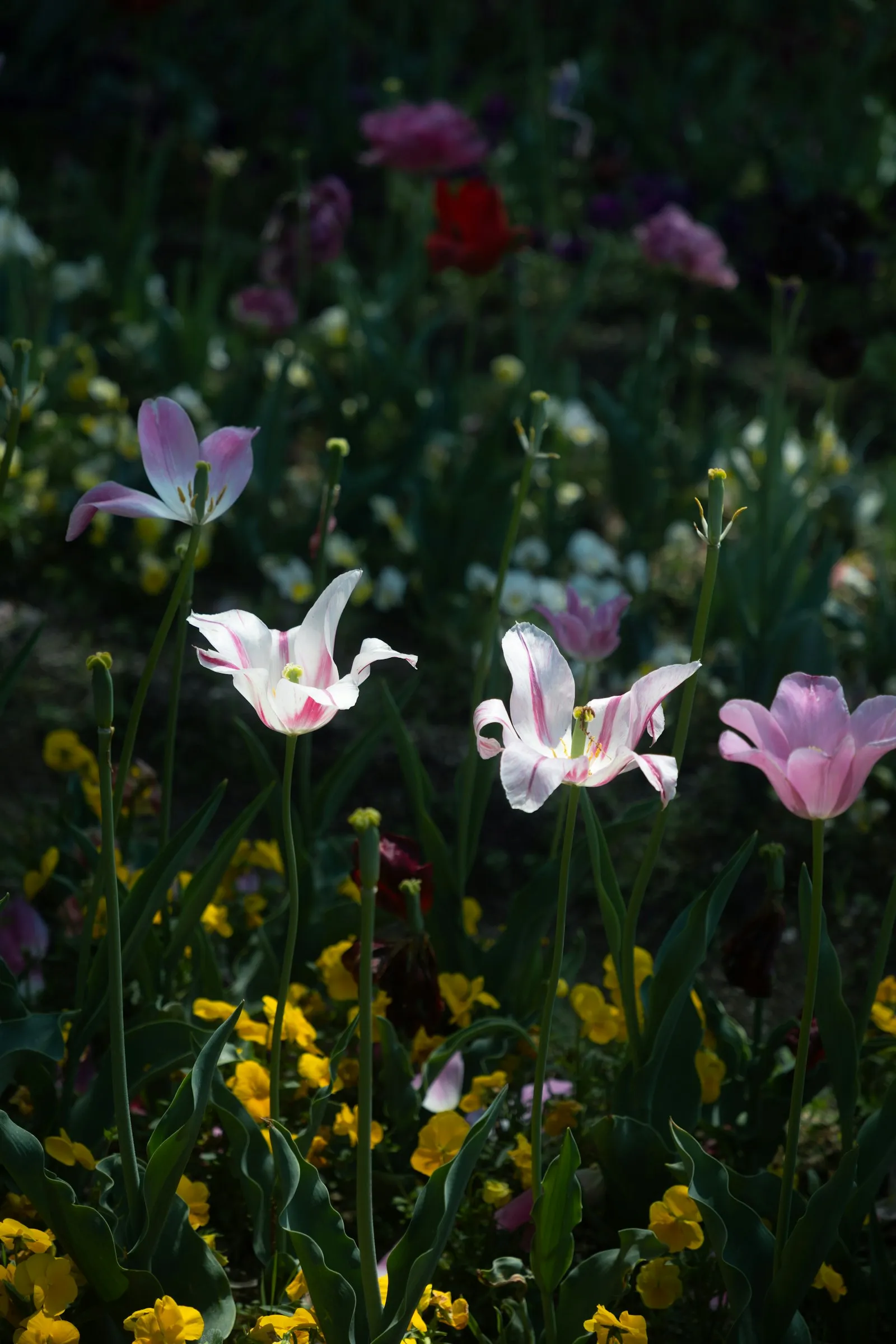
Blooming season is the window when a plant produces its flowers. For gardeners, it is also the difference between a border that looks beautiful for two weeks and a garden that carries color from the first spring bulbs to the last fall asters.
The mistake many new gardeners make is buying whatever looks good at the garden center that weekend. That can work for instant color, but it often creates one big flush followed by long quiet gaps. A better approach is to plan by bloom time, hardiness zone, sun exposure, and plant type before you buy.
Use this blooming season guide as a practical calendar. It will help you understand what blooms when, how timing shifts by climate, and how to layer plants so something is always carrying the garden forward.
If you already know your USDA zone, keep it in mind as you read. If not, check your location first with the USDA hardiness zone map, then browse plants by bloom time when you are ready to build your list.
Blooming Season Quick Answer
In most temperate gardens, blooming season starts in late winter or early spring with bulbs and early shrubs, peaks in late spring through summer with perennials and annuals, and continues into fall with asters, sedum, mums, ornamental grasses, and late-blooming shrubs. In warm zones, blooming season can stretch through winter. In cold zones, it may be shorter but more concentrated.
Here is the simple version:
| Season | Common Bloom Window | Typical Plant Choices |
|---|---|---|
| Late winter | January to March | Hellebores, witch hazel, winter jasmine |
| Spring | March to May | Tulips, daffodils, alliums, iris, peonies |
| Early summer | May to June | Salvia, catmint, yarrow, roses, foxglove |
| Midsummer | June to August | Coneflowers, daylilies, bee balm, hydrangeas |
| Late summer to fall | August to November | Asters, sedum, mums, goldenrod, dahlias |
These windows are not fixed dates. They move earlier or later depending on your zone, elevation, rainfall, heat, and microclimate. For month-by-month plant lists, see what blooms in April and what blooms in September, or start from the full bloom time guide.
Why Blooming Season Changes by Garden
Two gardens can grow the same plant and still see different bloom timing. That is normal.
The biggest factor is climate. The USDA Plant Hardiness Zone Map is based on average annual extreme minimum winter temperature, which helps gardeners choose perennials that can survive winter in a specific location 1. Hardiness does not tell you the exact flowering date, but it gives you the climate context that shapes the season.
Sun exposure matters too. A plant in full sun often blooms earlier and heavier than the same plant in part shade. Water, soil temperature, pruning, and stress can also shift the timing.
That is why bloom calendars should be treated as planning tools, not promises. Think in windows: early spring, mid spring, late spring, early summer, midsummer, late summer, and fall.
If a plant page says “spring,” it may bloom in March in a mild coastal garden and in May in a colder inland garden. The plant is not wrong. The climate is different.
How to Plan a Long Blooming Season
The easiest way to create a longer blooming season is to stop thinking about one perfect flower and start thinking in layers.
1. Start With Early Anchors
Early bloomers are important because they make the garden feel alive before most perennials have filled in.
Good early-season choices include:
- Hellebores for late winter and early spring
- Daffodils and tulips for spring color
- Creeping phlox for low groundcover color
- Serviceberry and redbud for flowering trees
- Iris for mid to late spring structure
Spring bulbs are especially useful because they bloom before many shrubs and perennials leaf out. Plant them in fall, tuck them between later-emerging perennials, and let the next layer hide their fading foliage.
2. Build the Main Show With Spring and Summer Perennials
Late spring and summer are when most flower gardens hit their stride. This is where perennials earn their place.
For reliable color, mix different flower shapes and bloom periods. Pair upright spikes like salvia with daisy forms like coneflowers, rounded umbels like alliums, and soft fillers like catmint.
You can start with these internal searches:
- Allium plants for late spring structure
- Coneflower plants for summer color
- Hydrangea plants for shrubs with a long garden presence
- Bee balm plants for pollinator-friendly summer blooms
Before choosing, compare each plant’s zone range and sun needs. A beautiful plant in the wrong light will rarely deliver its best blooming season.
3. Add Annuals for Flexible Color
Annuals are not a shortcut. They are a tool.
Perennials give structure and repeat performance, but many bloom for a defined window. Annuals can fill the gaps between perennial waves, brighten containers, and keep a new garden colorful while slower plants mature.
For a long blooming season, use annuals near paths, patios, and entry areas where steady color matters most. Zinnias, cosmos, marigolds, calendula, nasturtiums, and snapdragons can all be useful depending on your climate.
Some annuals also respond well to succession planting. University of Minnesota Extension notes that sunflowers can be kept blooming through the season by planting varieties with different maturity dates or sowing at intervals 2. That same idea can help with many seed-grown flowers.
4. Do Not Forget Late Summer and Fall
Fall is where many gardens lose momentum. The spring plants are finished, summer perennials are tired, and the border starts to look thin.
Plan fall color on purpose.
Strong late-season plants include:
- Asters
- Goldenrod
- Sedum
- Japanese anemone
- Chrysanthemums
- Dahlias in frost-free months
- Ornamental grasses
- Shrubs with fall flowers, fruit, or foliage
Late bloomers do more than help the garden look finished. They also support pollinators at a time when fewer nectar sources are available. Minnesota Extension recommends selecting a variety of nectar-producing plants to provide flowers throughout the season for butterflies 3.
Blooming Season by Month
Use this monthly blooming season outline as a starting point, then adjust for your zone.
January and February
In cold zones, most outdoor flowers are dormant. Focus on structure: evergreen shrubs, seed heads, bark, and winter-interest plants.
In mild zones, you may see hellebores, camellias, winter jasmine, calendula, pansies, and early bulbs. This is also a good time to review last year’s gaps and make a bloom calendar before spring buying begins.
March
March often begins the visible spring shift. Crocus, snowdrops, daffodils, hellebores, witch hazel, and early flowering trees may appear depending on climate.
If your garden is bare in March, add early bulbs and one early-flowering shrub. A single well-placed shrub can make the whole garden feel intentional.
April
April is a major spring month in many regions. Tulips, daffodils, creeping phlox, woodland flowers, serviceberry, redbud, and early iris can all take the stage.
This is also when garden centers tempt you with plants in full bloom. Buy some if you love them, but check whether your garden already has enough April color. Many gardens need more late summer and fall plants, not more spring plants.
May
May bridges spring and summer. Peonies, iris, alliums, salvia, columbine, foxglove, catmint, and early roses often begin or peak now.
For a strong May display, combine bulbs with perennials that emerge around them. This keeps the bed from looking empty after the first spring flowers fade.
June
June is one of the richest months for flowering gardens. Roses, yarrow, bee balm, daylilies, coneflowers, hydrangeas, lavender, and many native perennials may begin to bloom.
If June is strong but July is weak, choose plants with midsummer staying power rather than adding more early bloomers.
July
July rewards heat-tolerant plants. Coneflowers, black-eyed Susans, zinnias, cosmos, bee balm, daylilies, phlox, and many hydrangeas can carry the garden.
Water stress can shorten bloom time in hot weather. Mulch, deep watering, and right-plant-right-place choices matter more now than they did in spring.
August
August separates resilient gardens from tired ones. Sedum, dahlias, zinnias, cosmos, phlox, ornamental grasses, late hydrangeas, and some roses can keep color going.
Deadheading helps some plants rebloom, but not all. For a stronger August, plant flowers that naturally peak then instead of relying only on maintenance.
September and October
This is prime time for asters, goldenrod, mums, sedum, ornamental grasses, Japanese anemones, and late-season annuals.
Fall bloomers look best when they are woven through the border rather than isolated in one corner. Repeat them in small groups so the garden has rhythm.
November and December
In cold climates, blooming season usually gives way to structure. Leave some seed heads for texture and habitat. In mild climates, pansies, violas, camellias, calendula, and other cool-season flowers may continue.
This is the time to evaluate. Which months had color? Which months were empty? Write it down before you forget.
Best Plants for a Longer Blooming Season
No single plant can carry a garden all year. The goal is a sequence.
Try this simple mix:
- 20 percent early bloomers for spring excitement
- 40 percent midseason perennials and shrubs for the main display
- 25 percent late-season flowers for August through fall
- 15 percent annuals, bulbs, and containers for flexible color
That balance gives the garden a reliable backbone without making it feel too rigid.
You can also browse by conditions instead of guessing. Start with plants by bloom time, filter the plant library by your garden needs, and use the sun exposure guide to match plants to the light you actually have.
Common Blooming Season Mistakes
Planting Only What Is Blooming at the Store
Garden centers display plants when they look good. That does not mean your garden needs more plants blooming in that same window.
Take photos of your garden once a month. The empty months will tell you what to buy.
Ignoring Your Zone
A plant can have the perfect bloom time and still be wrong for your climate. Always check hardiness before buying perennials, shrubs, and trees.
Forgetting Foliage
Flowers are temporary. Leaves, stems, seed heads, bark, and shape carry the garden between blooms.
Choose some plants for foliage first and flowers second. Hostas, ferns, ornamental grasses, coral bells, and evergreens can make the garden feel full even when fewer flowers are open.
Expecting Every Plant to Bloom for Months
Some plants bloom for a short, spectacular period. Others bloom lightly for a long time. Both are useful.
The trick is to combine them so each plant has a role.
Blooming Season FAQ
What is blooming season?
Blooming season is the period when a plant produces flowers. Some plants bloom for a few days, while others flower for weeks or repeat in waves.
When is peak blooming season?
Peak blooming season is usually late spring through midsummer in many temperate gardens. In warm climates, peak bloom may come earlier, and winter flowers may be part of the normal garden calendar.
How do I keep flowers blooming all season?
Choose plants with different bloom times, match them to your USDA zone and sun exposure, include late-season flowers, and use annuals or succession planting to fill gaps.
What flowers bloom the longest?
Long-blooming choices often include zinnias, cosmos, coneflowers, catmint, salvia, roses, coreopsis, lantana, and some hydrangeas. Performance depends on climate, watering, soil, and maintenance.
The Simple Blooming Season Plan
The best blooming season plan is not complicated. Choose early, middle, and late bloomers. Check your zone. Match plants to sun and water. Leave room for foliage. Then review the garden month by month instead of judging it on one perfect weekend.
Start with the timing first, then shop for plants. That one shift can turn a short burst of flowers into a garden with color, movement, and interest for most of the year.
Ready to build your list? Explore plants by bloom time, search the full plant library, or find your climate with the USDA hardiness zone map.