

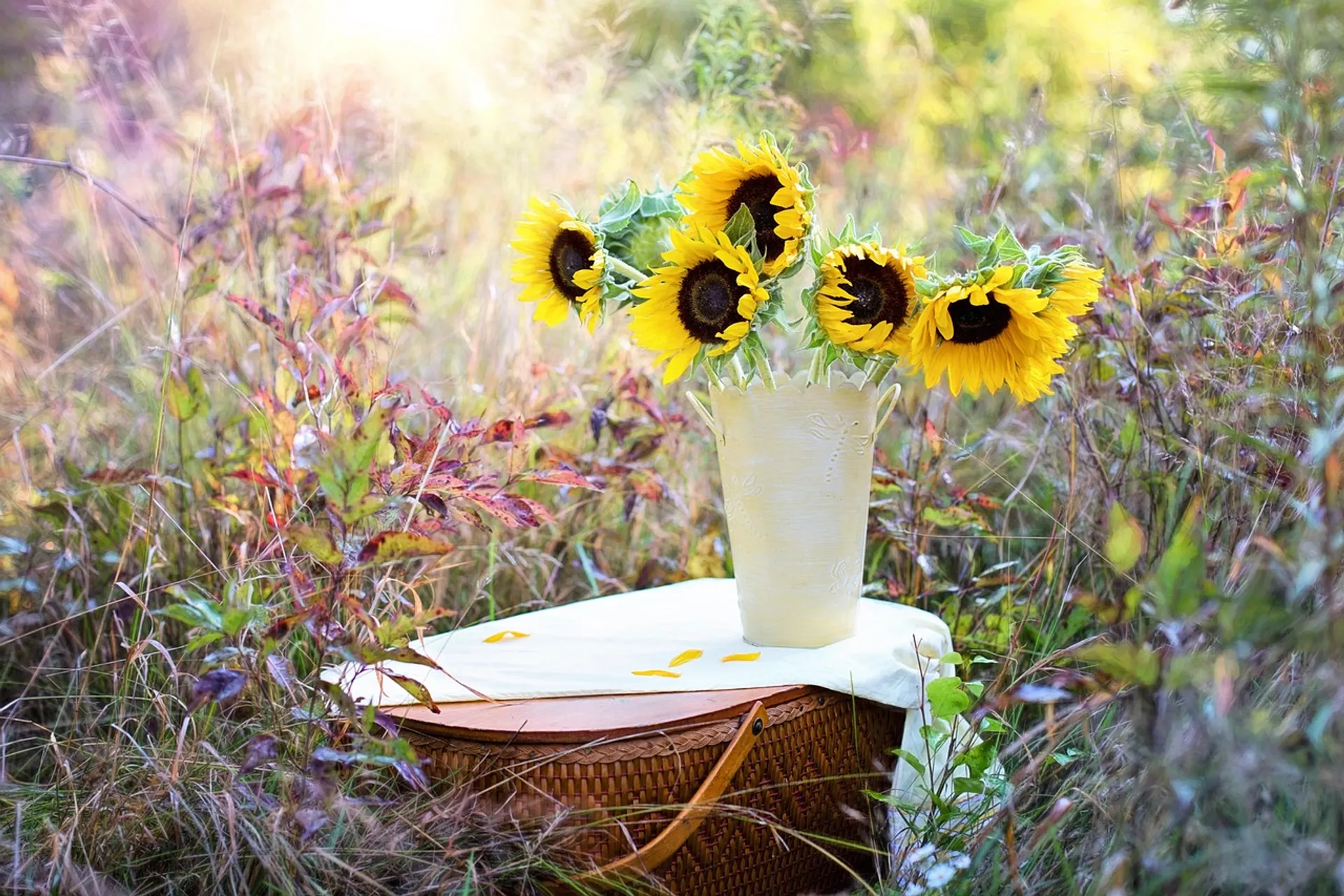
Designing Flower Color: How Science Is Helping Us Grow More Beautiful Gardens
Flower color isn’t magic — it’s pigments, petal “backgrounds,” and plant health working together. Learn the science in plain English and use it to design a garden palette you’ll love.
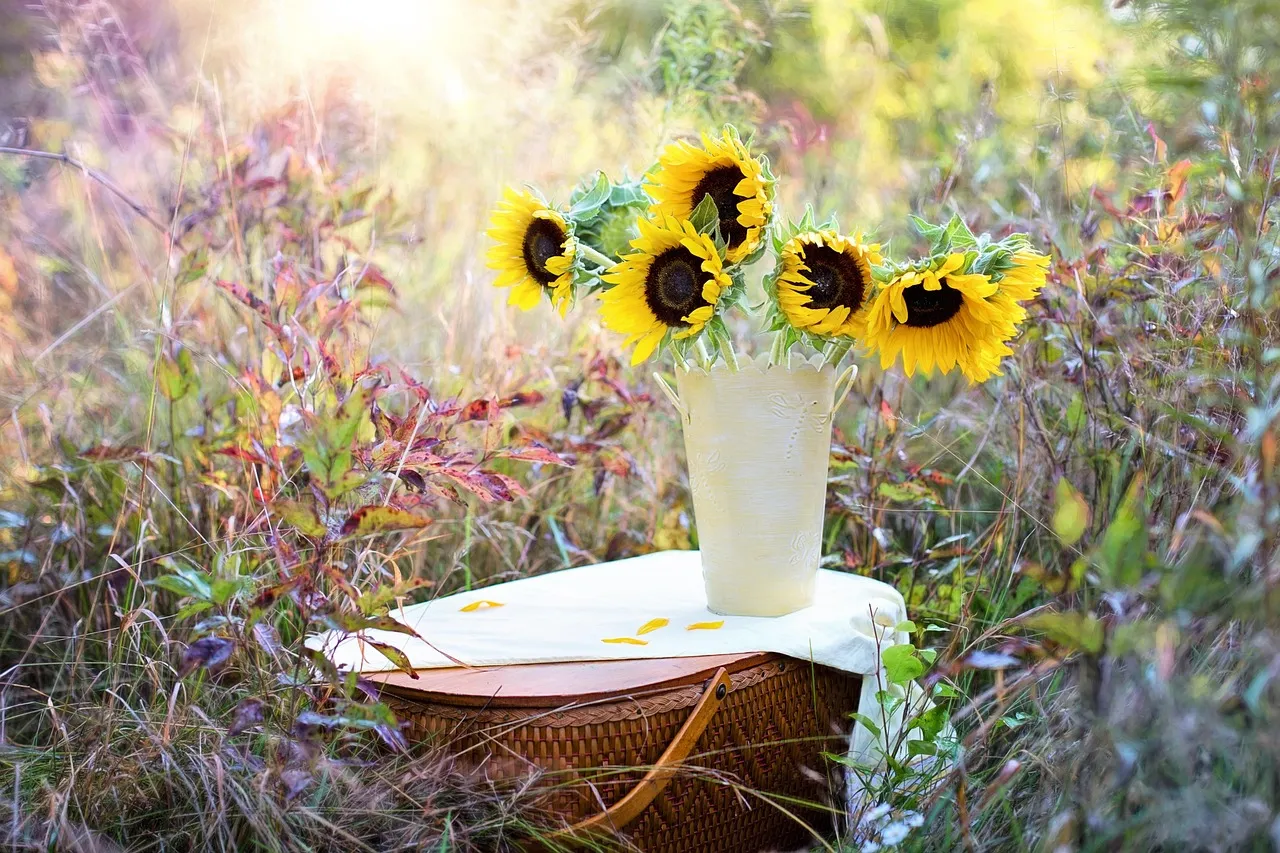
If you’ve ever bought a plant because the tag photo looked dreamy… and then the blooms in your yard felt a little “meh,” you’re not alone.
Flower color is one of the most emotional parts of garden design. It can make a small patio feel like a vacation, turn a front walk into a welcome-home moment, or give you that quiet “ahh” feeling after a long day. And while color feels like pure art, it’s also biology.
In this post, we’ll look at a recent science study on flower color engineering (in rapeseed, Brassica napus) and translate the big ideas into something you can use: how pigments mix, why some colors “read” differently in your light, and how to build a palette that looks intentional from spring through fall.
You don’t need a science background for this. Think of it as color theory for gardeners, with a peek under the hood.
Quick Takeaways
- Flower color is mostly pigments, plus how petals “layer” those pigments.
- A petal’s base color (the “background”) changes how added pigments show up.
- Stress and care matter: heat, drought, and nutrition can dull color or shorten bloom time.
- For design: repeating a small palette beats collecting a rainbow of one-offs.
If you want to build a palette around your climate, start with your USDA hardiness zone map and choose plants that thrive first. Color is always prettier on a healthy plant.
The Study, In Plain English
The paper (published in Horticulture Research) focused on rapeseed flowers, which are typically yellow or white. The researchers explored how to expand that palette into deeper oranges and reds by changing which pigments the petals can make.
The headline idea is simple:
- Add a new pigment pathway to petals.
- Control where it turns on (petals, not leaves).
- Watch how existing petal color changes the final result.
This is not something you’ll do at home, but it teaches a useful lesson: flower color is a mix, not a single ingredient.
The Three “Paints” Plants Use Most
Plants lean on three main pigment groups. You don’t need to memorize these, but recognizing them helps you predict color behavior.
- Carotenoids: yellows to oranges (marigolds, calendula, daffodils).
- Anthocyanins: pinks, reds, purples, blues (roses, pansies, hydrangeas, berries).
- Betalains: vivid reds and yellows in certain plant families (beets are the classic example).
In rapeseed flowers, carotenoids are the usual “base paint.” The researchers added a betalain pathway, which created new colors depending on what the petal already had going on.
Why Background Matters (Yellow + Red = Orange)
Here’s the most garden-useful part of the whole experiment: the same pigment addition looked different depending on the petal’s starting color.
- Yellow-flowering plants shifted toward orange when the added pigment layered on top of carotenoids.
- White-flowering plants shifted toward deeper reds because there was less yellow “underpainting” to warm the color.
That’s a science-lab version of something you already know as a designer: layering changes the final read.
In real gardens, you see this when:
- a coral bloom looks peachy in full sun but turns salmon at dusk
- the same “purple” flower reads blue next to chartreuse foliage and reads magenta next to brick
- white flowers glow against dark evergreens but disappear against a pale fence
Keeping Leaves Green: Petal-Only Color
When the added pigment pathway turned on in the whole plant, leaves also changed color. That’s pretty, but it can come with tradeoffs because leaves aren’t just decoration — they’re the plant’s solar panels.
So the researchers used a petal-specific switch (a promoter) to make pigment mostly in petals, keeping leaves green while still getting bold blooms.
For garden design, the analogy is handy:
- You want “color drama” in the right places.
- You still want strong foliage so the whole planting looks lush and healthy.
What Garden Designers Can Learn From This
You won’t be doing genetics experiments in the backyard, but you can absolutely use the same principles when you pick plants and place them.
1. Design in Layers, Not Single Colors
Color is never just “the bloom.” It’s bloom + foliage + background + light. When you plan a bed, plan those layers on purpose.
2. Protect Color With Plant Health
In real gardens, stress often shows up as faded blooms, shorter bloom windows, or a plant that stops flowering once heat hits. The more stable your care routines, the more stable your color.
If you want color that lasts:
- Water consistently (especially for containers and new plantings).
- Mulch to smooth out moisture and temperature swings.
- Avoid pushing heavy nitrogen when you want flowers (it can favor foliage).
3. Let Genetics Do Some of the Work
Some colors are simply more reliable in certain climates, light conditions, and seasons. If a particular “dream shade” keeps disappointing you, it may not be you — it may be a mismatch between that cultivar and your conditions.
Try a small experiment:
- Plant two cultivars in the same color family (two “purples,” two “pinks,” two “whites”).
- Put them in the same light.
- Track which one holds color and keeps blooming when weather shifts.
Practical Tips for Designing With Color
Let’s bring these scientific ideas home with actionable garden design tips:
Build a Palette (And Repeat It)
If you want a garden that looks “pulled together,” repetition is your secret weapon.
- Pick 2 main colors (your “anchors”).
- Add 1 supporting color (a softer neighbor shade).
- Add 1 neutral (white, cream, soft green, or silver foliage).
- Repeat that set in at least three spots.
Use Backgrounds On Purpose
In the study, white vs. yellow petals changed how added pigments showed up. Your garden has backgrounds too.
- Dark backgrounds (evergreens, stained fences, dark mulch) make colors look richer and more dramatic.
- Light backgrounds (pale siding, gravel, light stone) make colors look brighter and cleaner.
Plan for a “Color Story,” Not a Moment
Your garden doesn’t need to peak for two weeks and then coast. Aim for a sequence.
- Early season: bulbs and early perennials for the first big mood-lift.
- Mid season: reliable repeat bloomers (or long bloomers) as the backbone.
- Late season: plants that hold color into fall when light turns golden.
If you want help picking plants that match your light and climate, browse our plant catalog and start filtering by what reliably thrives where you live.
Where This Is Headed (And What You’ll See in Nurseries)
Most home gardeners won’t interact with this research directly. Where you’ll feel it is downstream:
- Breeders get better tools to understand why a color appears (and why it fades).
- New cultivars can be selected more deliberately for stable, specific hues.
- We may see more “impossible” colors show up reliably in familiar plants.
And the bigger takeaway still stands: color is biology + environment + design. When you work with all three, your garden starts to look like you meant it.
Final Thoughts
Flowers delight us not just because they’re pretty, but because they’re alive — responding to light, weather, and care in real time.
The more you understand how flowers make color, the easier it becomes to design with confidence. You’ll waste less money chasing a shade that won’t hold in your conditions, and you’ll get better at creating palettes that feel like “you,” whether that’s soft and romantic, bright and playful, or calm and modern.
Happy gardening!
Reference
Zheng Y., Shi R., Chen W., Wang X., Dun X., Wang H., Deng J. Precise pigment biosynthesis for flower color design in Brassica napus. Horticulture Research 12(10): uhaf193 (2025). https://doi.org/10.1093/hr/uhaf193