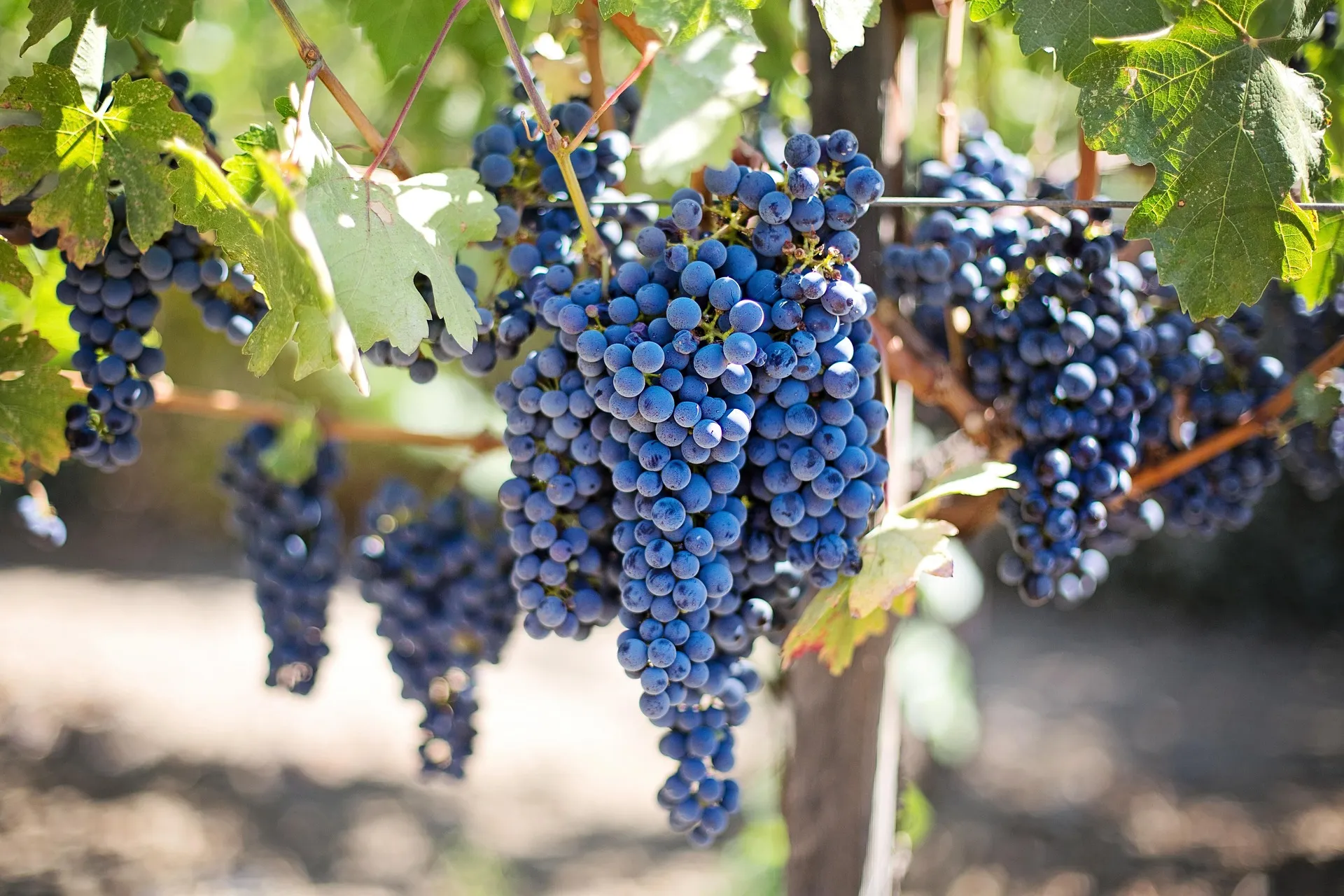
How Grapevines Fight Stress Naturally: A Deep, Gentle Look at Plant Antioxidants
Grapevines cannot flee heat, drought, or disease. Here's how their antioxidant recycling system (the ascorbate-glutathione cycle) helps them cope.
Plants may look calm and still, but they are constantly responding to their environment. Heat waves, drought, intense sunlight, salty soil, pests, and disease all put pressure on plant cells. Unlike animals, plants cannot move away from these conditions, so they survive by running quiet, sophisticated defense systems inside their tissues.
One of the most important is the ascorbate-glutathione cycle (often shortened to the AsA-GSH cycle), an antioxidant “recycling” network found across green plants. A recent scientific paper explores how this system evolved across plant lineages and takes a closer look at how it functions in grapevine (Vitis vinifera).1
The paper is technical. The big picture is not: stress often means a burst of reactive oxygen chemistry, and plants stay healthy by keeping that chemistry in balance.
In this post:
- What “oxidative stress” means in plain language
- What the AsA-GSH cycle does (and why it matters)
- What the grapevine results suggest about resilience
- Simple ways to reduce preventable stress in the garden
Plants Under Pressure: Stress at the Cellular Level
Every day, plants perform photosynthesis, converting sunlight into chemical energy. It is essential for life, but it also produces byproducts called reactive oxygen species (ROS).
ROS can spike when a plant is stressed, including:
- Extreme heat or cold
- Drought or waterlogging
- High soil salinity
- Pollution or heavy metals
- Pathogens like fungi or bacteria
In small amounts, ROS act like signals. In excess, they become harmful, damaging proteins, DNA, and cell membranes. That overload is called oxidative stress, and if it is not controlled it can slow growth, reduce yields, and in severe cases kill tissue.1
Plants have several antioxidant systems to keep ROS under control. The AsA-GSH cycle is one of the best known and most widely used.1
What Is the Ascorbate-Glutathione Cycle?
The AsA-GSH cycle is a biochemical pathway that helps neutralize ROS without “running out” of protective molecules.
It relies on two main antioxidants:
- Ascorbate (vitamin C)
- Glutathione (a small but powerful antioxidant molecule)
The cycle uses enzymes to convert these antioxidants between “used” and “ready-to-use” forms so the plant can keep cleaning up ROS as long as the stress lasts.1
If you want one extra layer of detail, common enzyme abbreviations in this pathway include:
- APX (ascorbate peroxidase)
- MDHAR (monodehydroascorbate reductase)
- DHAR (dehydroascorbate reductase)
- GR (glutathione reductase)1
If you prefer a metaphor: it’s a cleanup crew with a refill station. The crew does the work, restocks, and goes right back out.
Why Evolution Matters in Plant Defense
The study examined AsA-GSH cycle genes across 127 green plant species (algae, mosses, ferns, and flowering plants). One of the key themes is that this antioxidant toolkit expanded and specialized as plants moved from water to land.1
On land, plants faced:
- Stronger sunlight (and more ROS pressure)
- Bigger temperature swings
- Drier air and soils
- Different pathogens and injuries
Over deep time, gene duplication and specialization gave modern land plants a stronger, more flexible system for dealing with oxidative stress.
A Closer Look at Grapevines
Grapevines are both agriculturally important and sensitive to environmental conditions. The researchers identified 16 genes involved in the AsA-GSH cycle in grapevine and analyzed how they behave across tissues and under stress.1
One practical takeaway from this kind of result: the pathway is not a single on/off switch. It is more like a panel of knobs. Different genes show different expression patterns, suggesting grapevines can tune their antioxidant response depending on the type of stress and where it is happening in the plant.1
How Stress Turns Defenses On
When grapevines experience stress, ROS can rise quickly. In response, AsA-GSH cycle genes can increase their activity, helping the plant produce more of the enzymes that manage that ROS surge.1
That rapid response supports:
- Protection of leaf tissues during heat
- Maintenance of photosynthesis under harsh conditions
- Recovery after infection or physical injury
When antioxidant capacity is overwhelmed, damage accumulates. Over time, that tends to show up as weaker plants and (for crops) more inconsistent performance.1
What Gardeners Can Take From This
You do not need to think about enzymes while watering, but the logic carries over: plants handle stress better when they are not also dealing with avoidable strain.
Reduce Preventable Stress
Small choices add up:
- Improve drainage and soil structure (roots dislike “surprise puddles”)
- Water deeply and less often, instead of a little every day
- Mulch to smooth out moisture and temperature swings
- Provide temporary shade during extreme heat
- Avoid heavy, frequent fertilizing during stressful weather (tender growth is often more stress-sensitive)
Choose Plants With the Climate in Mind
As weather patterns shift, more gardeners and growers will benefit from varieties selected for resilience in heat, drought, and disease. Understanding antioxidant pathways helps explain why those traits matter and how breeding decisions can be guided.1
Grapevines, Climate Change, and the Future
Climate change is increasing the frequency of heat waves, droughts, and unpredictable weather patterns. Grapevines can be particularly sensitive to these shifts.
Research like this can contribute to:
- Selecting or developing grape varieties that maintain quality under stress
- Reducing reliance on interventions by improving plant resilience
- Supporting long-term agricultural sustainability1
Final Thoughts
Plants do not shout when conditions become harsh. They respond with chemistry, coordination, and efficiency. The ascorbate-glutathione cycle is one example of that quiet strength: a system that helps keep cells working when the environment is not cooperating.
When you see a vine pushing new leaves after a hard week of heat, or bouncing back after stress, you are watching millions of small protective processes do their work, moment by moment.1