

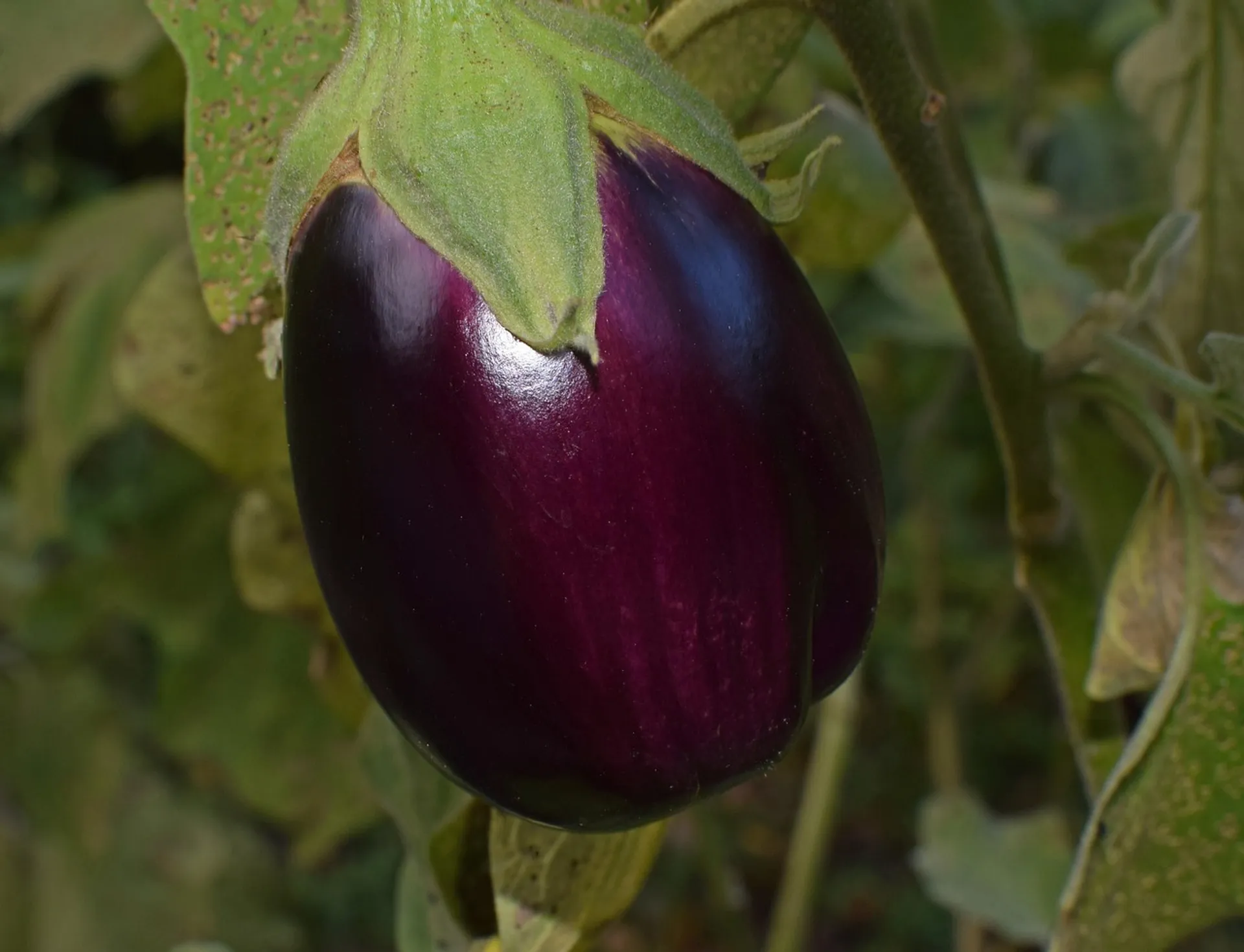
What a Pan-Genome Can Teach Us About Eggplants: A Gardener’s Guide to Hidden Genetic Diversity
Pan-genomes reveal the hidden genes that make some eggplants tougher, tastier, or better adapted. Here’s what that means for choosing varieties and growing resilient plants.
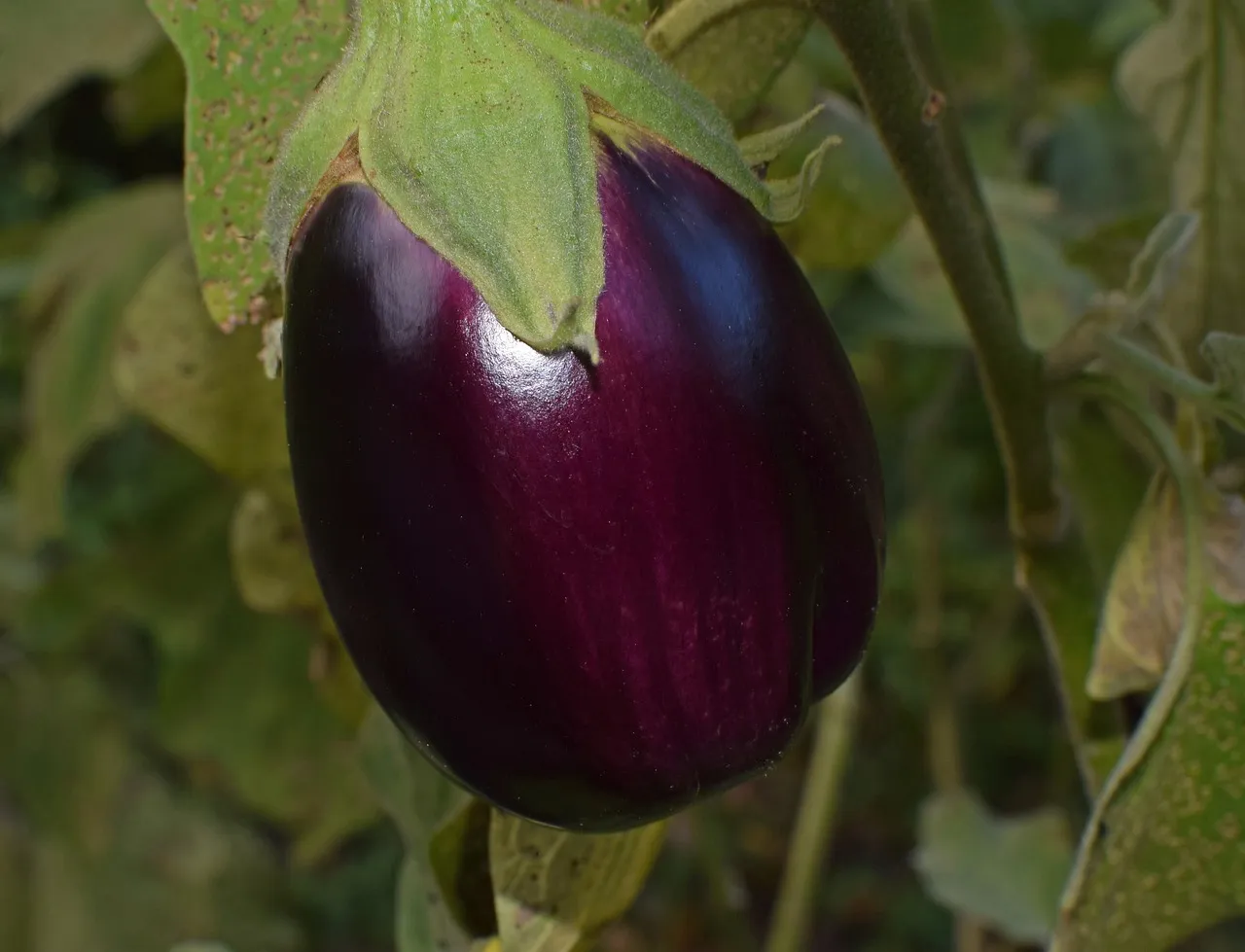
Eggplants can be maddeningly inconsistent.
One variety shrugs off heat and keeps setting fruit. Another stalls, wilts, or gets chewed up by pests. Some are silky and sweet; others are bitter unless you pick them young. Those differences aren’t just “garden luck” — they’re often written into the plant’s DNA.
In this post, we’ll unpack a piece of modern genetics called a pan-genome (and why it matters), using eggplant as the example. You don’t need a science background — just the curiosity of someone who has ever wondered why two “eggplants” can behave like totally different plants.
Quick Takeaways (For Gardeners)
- A pan-genome looks at many eggplant genomes at once, not just one “reference” plant.
- Some important traits are driven by genes that are present in some varieties and missing in others.
- Wild relatives and underused varieties can hold genetic “tools” for stress tolerance and disease resistance.
- In practical terms: grow more than one variety, keep notes, and keep seed from the plants that thrive in your conditions.
Before you start picking varieties, it helps to know your climate baseline: use our Interactive USDA Hardiness Zone Map to confirm your zone.
1. What Is a Genome — and What Is a Pan-Genome?
You may have heard the word genome — it’s the complete set of genetic instructions that a living thing carries in its DNA. For plants, the genome contains the information that helps a seed sprout, leaves grow, flowers bloom, and fruit set. It’s like a recipe book for how a plant is built.
But here’s a twist: one single reference genome doesn’t tell the full story for a whole species. That’s where a pan-genome comes in.
A pan-genome is like a combined recipe book that includes all the unique ingredients found across many different varieties of a plant species — not just one. This includes:
- Core genes — found in every variety
- Dispensable genes — found in some but not others
- Unique genes — found in only one or a few varieties
This richer picture helps scientists understand how different varieties cope with stress, resist disease, or produce better fruit — and it helps breeders stop “missing” useful genes just because they weren’t in the one plant chosen as the original reference.
2. Why Eggplant Genetics Matter to Gardeners
Eggplant (Solanum melongena) might not be the first plant that comes to mind when you think cutting-edge plant science, but it deserves attention. It’s an important vegetable in gardens and farms around the world, especially in Asia, Europe, and parts of Africa. Its glossy purple skin and tender flesh make it a favorite in Mediterranean, Asian, and Middle Eastern cuisines.
But eggplant, like many crops, has a challenge: over generations of breeding for certain market traits (like size, color, and uniformity), genetic diversity can narrow. Less diversity can mean fewer built-in options for handling pests, disease, drought, or temperature swings.
By building a pan-genome, researchers can capture genetic variation across cultivated eggplants and (in some studies) their wild relatives. That gives breeders — and eventually gardeners like us — more tools to grow stronger, healthier plants.
3. How Scientists Studied Eggplant DNA
In the new study, researchers tackled an enormous challenge: putting together complete, high-quality genomes for different eggplant plants. This wasn’t easy because plant DNA can be large, full of repetitive regions, and hard to assemble.
To do this, the scientists:
- Sequenced two telomere-to-telomere (T2T) genomes — one from a wild African eggplant and one from a cultivated variety called ‘Gui5’.
- Sequenced 238 eggplant varieties from around the world, including China, Southeast Asia, Europe, and Africa.
- Built a pan-genome using both reference genomes and genetic data from those many varieties.
That “many-genomes-at-once” view matters because it reveals what a single reference genome can hide: entire genes (and gene variants) that some eggplants have and others don’t.
4. What the Eggplant Pan-Genome Shows Us
The data revealed a fascinating breakdown:
- About 38% of genes are core genes — shared across all eggplant varieties
- Nearly 47% are dispensable genes — found in some but not all
- Around 15% are unique genes — present in only a few varieties
Why does this matter? Because dispensable and unique genes are often where the “special abilities” live — the variations that can influence stress tolerance, disease resistance, plant architecture, or fruit traits. Those are exactly the kinds of differences you notice in the garden.
The pan-genome approach can also help clarify how varieties are related and how diversity is distributed geographically. In this study, the authors describe distinct genetic groupings that reflect breeding history and regional lineages.
5. Genetic Diversity and What It Means for Resilience
If you grow eggplants, you might already notice that some plants handle heat better, while others shrug off pests. That’s genetic diversity at work.
The pan-genome analysis found that:
- Wild species often retain more genetic variation than cultivated varieties
- Some genes related to stress resistance, like defending against pathogens or coping with environmental stress, are present in specific eggplant groups
- Many useful traits are associated with presence–absence variation — meaning certain genes show up in some plants and not others, rather than being universally present
What this means for gardeners is powerful: diversity isn’t just a scientific term. It’s part of why some plants are tougher in certain soils, climates, or micro-environments.
6. Traits Hidden in the Genetic Code
In the pan-genome and broader genetic analyses, the study pinpointed many genetic signals associated with important traits. Not every marker is a “silver bullet,” and many specific gene functions still need follow-up work, but several themes stand out:
Fruit Size and Shape
Some genes involved in hormone pathways — for example, zeatin biosynthesis, which affects plant growth regulators — showed strong links to fruit size and shape. These traits are especially relevant for gardeners who grow eggplants for both beauty and harvest yield.
Stress Tolerance
Genes associated with plant stress responses (including plant–pathogen interactions and hormone signaling) showed up among the variable parts of the genome. That’s a reminder that resilience can be variety-specific — and sometimes invisible until your garden throws a challenge at the plant.
Geographic Patterns
Across many accessions, genetic groupings often mirror geography and breeding history — clues to how domestication and selection shaped the eggplants we grow today.
7. What This Means for Growing Better Eggplants
So how does this high-tech genomic research connect to your garden?
A Bigger “Toolbox” for Better Varieties
The pan-genome gives plant breeders far more genetic information than before. That can accelerate the development of new eggplant cultivars with traits like:
- Drought tolerance
- Pest and disease resistance
- Improved flavor and nutrient content
These improved varieties may eventually reach nurseries or seed suppliers, giving home gardeners more resilient plants.
How You Can Use This Right Now
Even before new breeding programs reach seed catalogs, you can use the core idea — diversity is protective — in simple, practical ways:
- Grow two or three eggplant varieties each season instead of betting everything on one.
- Choose varieties with different backgrounds (Italian types, Asian types, heirlooms, modern hybrids) and compare performance.
- Keep basic notes: first flower, first harvest, pest pressure, bitterness, and productivity through heat waves.
- If you save seed, save from the plants that stayed productive and healthy in your garden (and keep varieties isolated to avoid accidental crosses).
Gardening efforts that embrace genetic diversity are not only beautiful — they are resilient.
Climate-Ready Gardens
As climates shift, plants with broader genetic tools to cope with stress will be key. This research helps ensure gardeners have access to varieties equipped to handle heat waves, drought spells, and unpredictable seasons.
8. The Bigger Picture: From Labs to Gardens
It’s natural to wonder how these scientific findings will filter down to practical gardening. Genetic research like this often starts in labs and field trials, but it sets the foundation for:
- Improved seed breeding programs
- Better-adapted cultivars in seed catalogs
- More accurate prediction of plant performance in specific climates
In essence, today’s genomic maps become tomorrow’s stronger, healthier, more adaptable eggplants in your garden beds.
Plus, understanding genetics can help gardeners make better decisions about:
- Choosing varieties for particular climates
- Managing stress before it becomes damage
- Preserving diverse plant lines for future seasons
9. Final Thoughts
Eggplants — with their deep purple fruits, glossy skins, and versatile culinary uses — are more than just garden beauties. They are living archives of genetic history, shaped by domestication, geography, and centuries of cultivation.
Pan-genome research gives us a richer understanding of what eggplants carry in their DNA — and what we might be able to harness for more resilient gardens. Whether you grow eggplants for grilling, curries, or a classic parm, this kind of science is ultimately about helping plants perform better where it counts: in real soil, under real weather.
Here’s to digging deeper, planting with purpose, and growing with knowledge!
References
Horticulture Research. Graph pan-genome advances genetic discoveries and the improvement of eggplant (uhaf248). https://academic.oup.com/hr/issue/13/1/uhaf248.