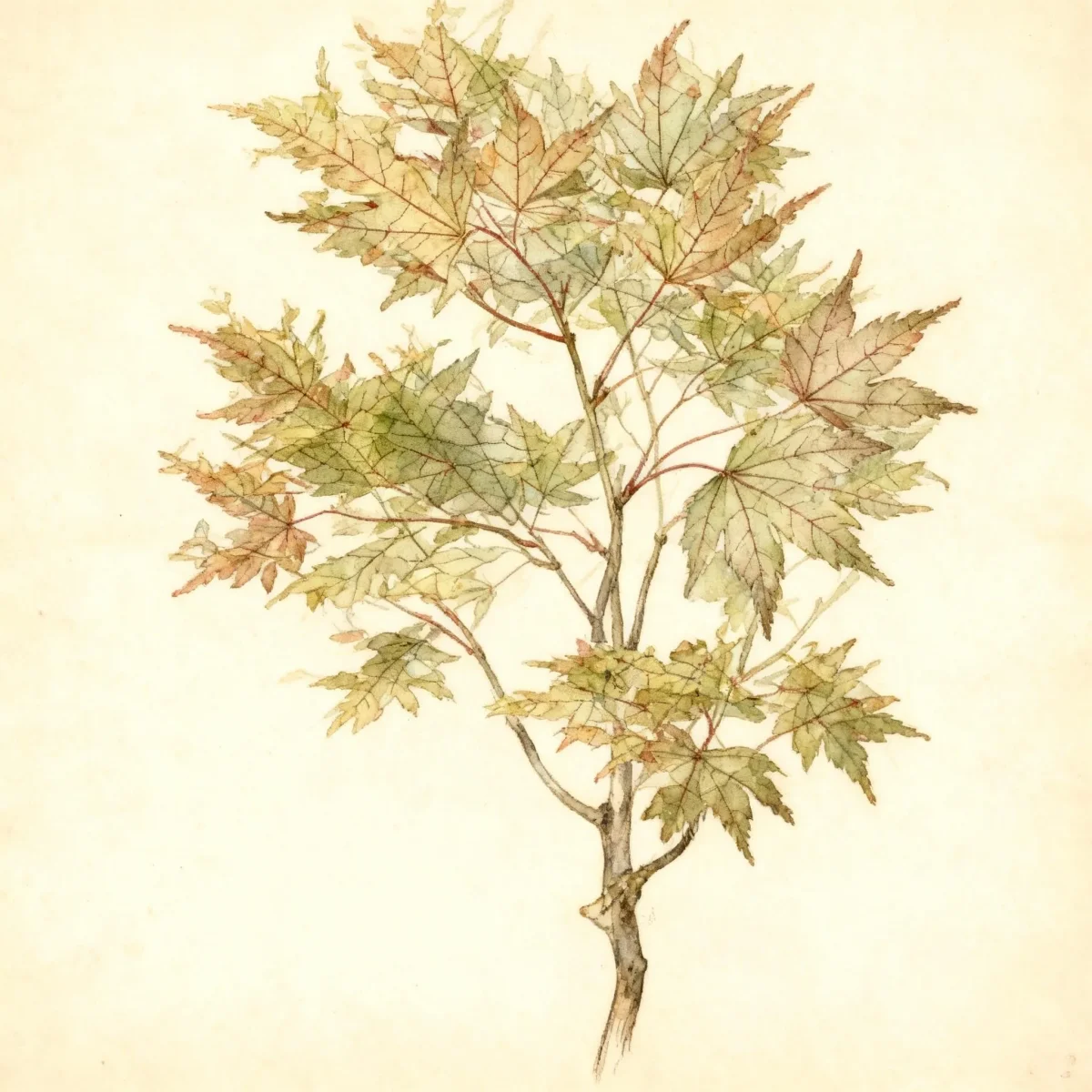
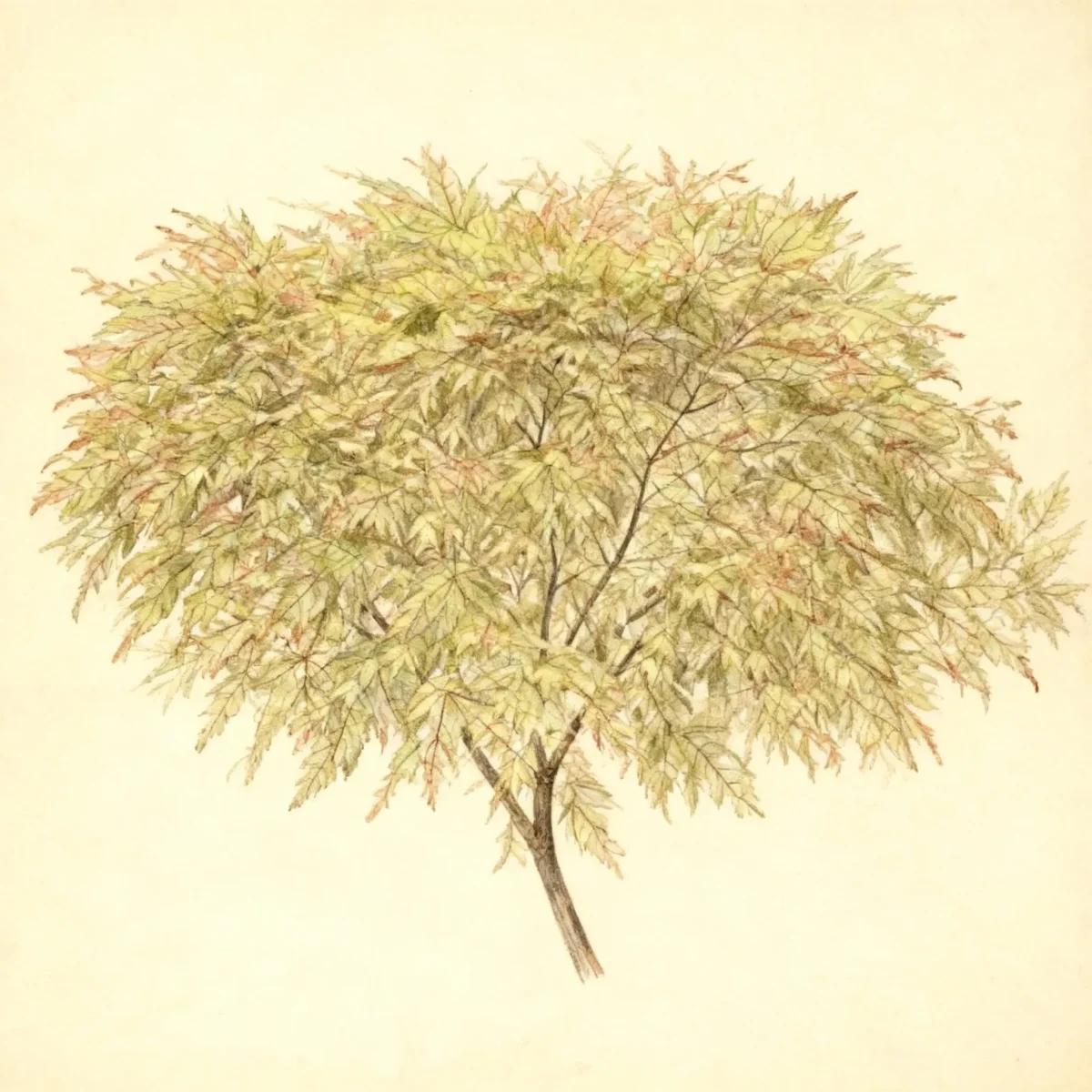
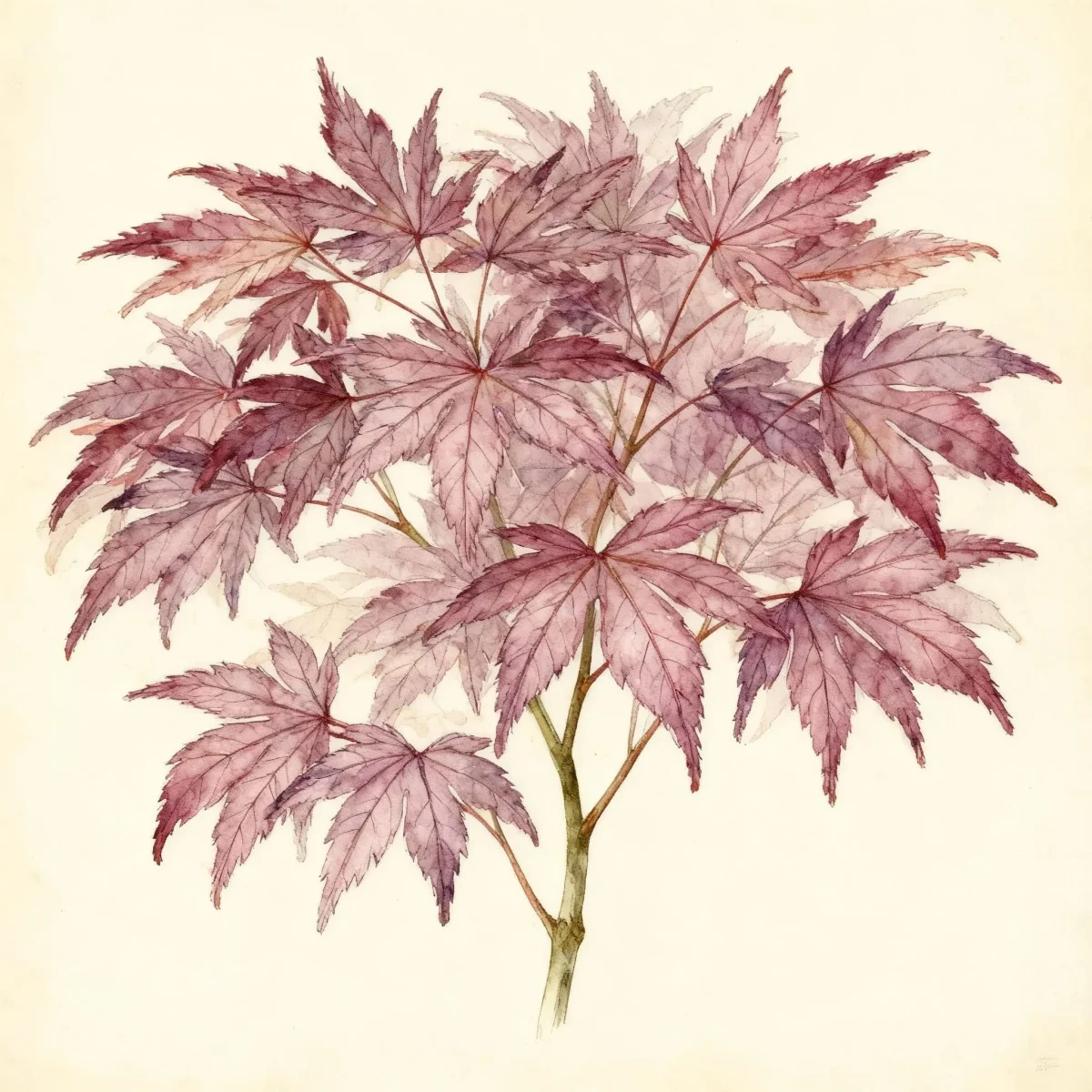
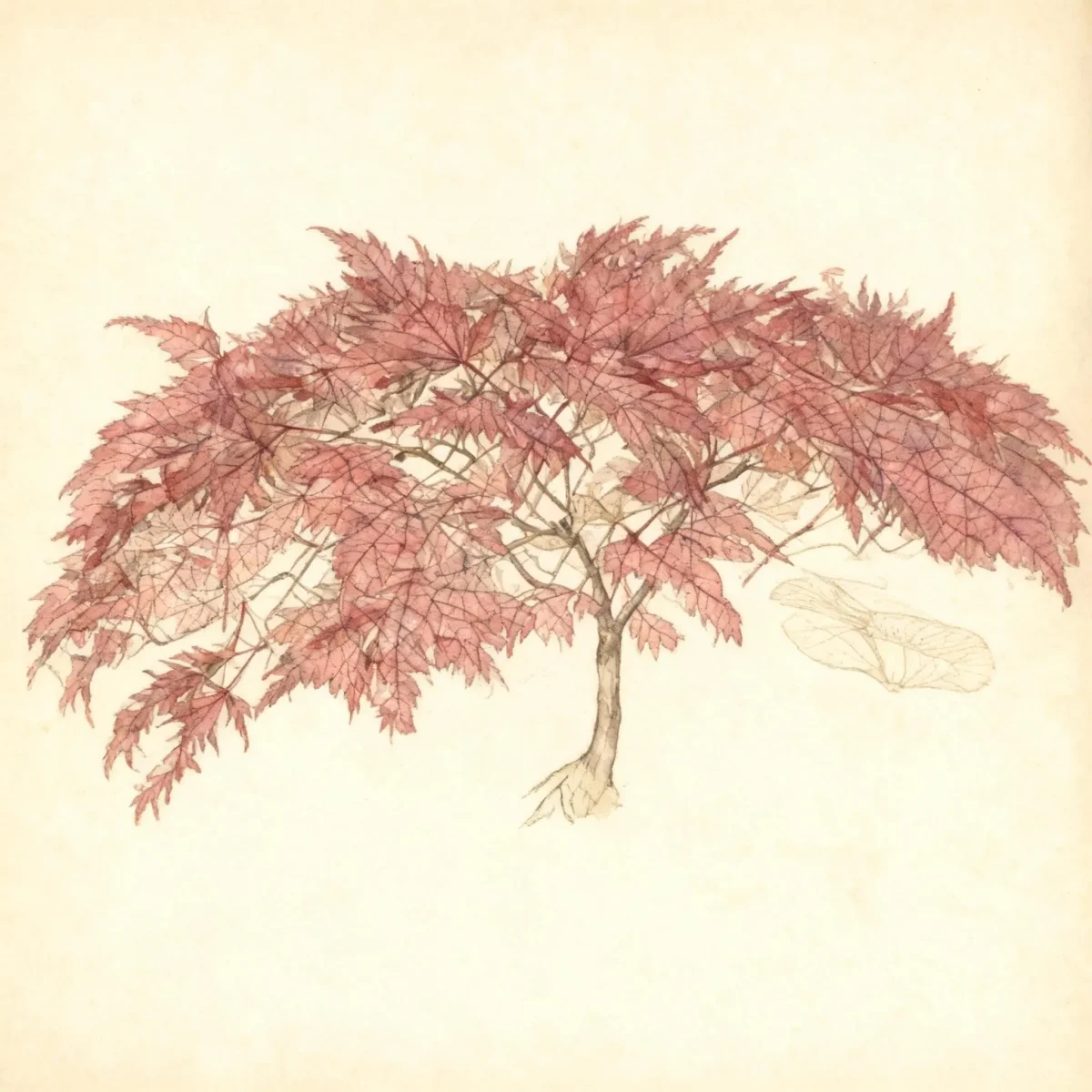
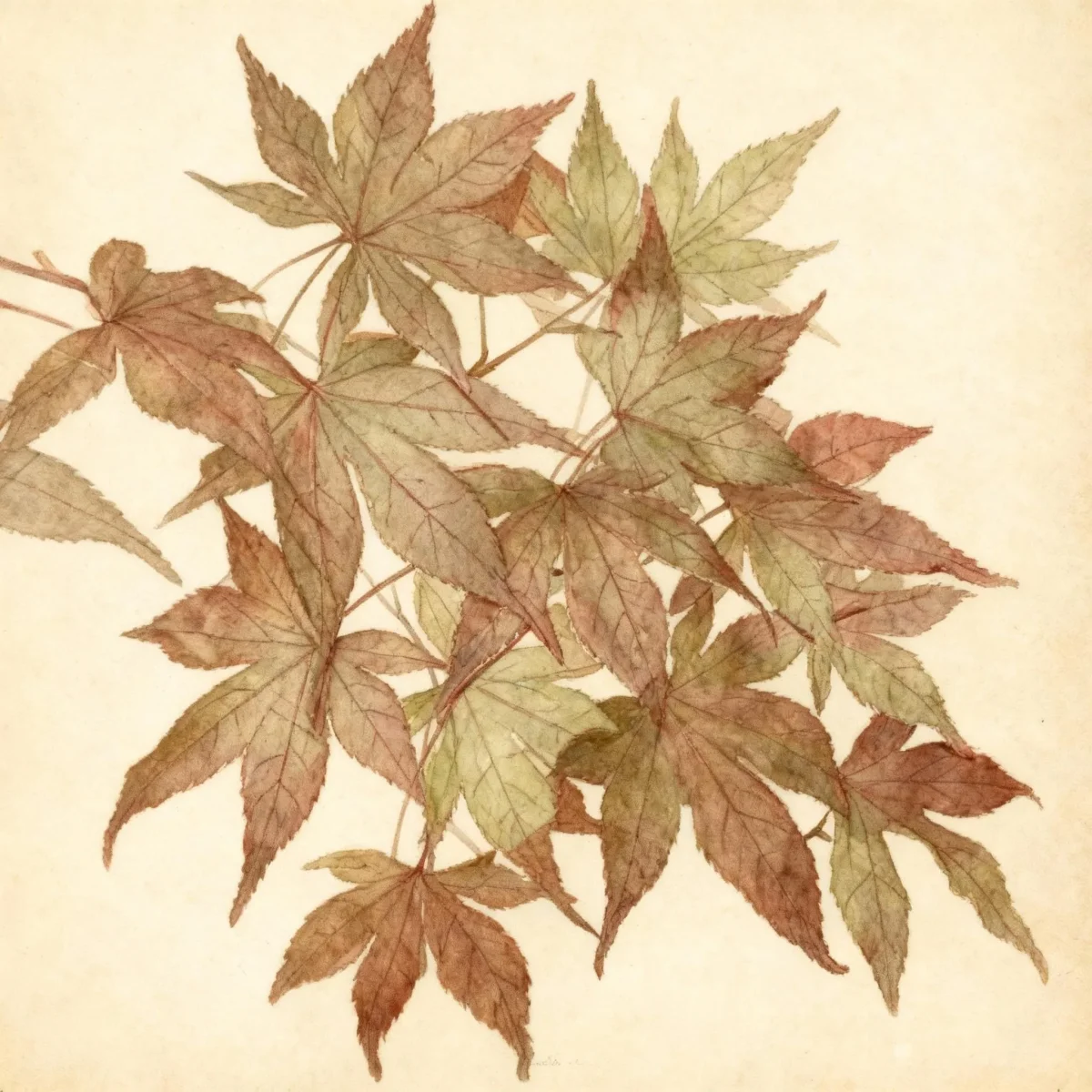
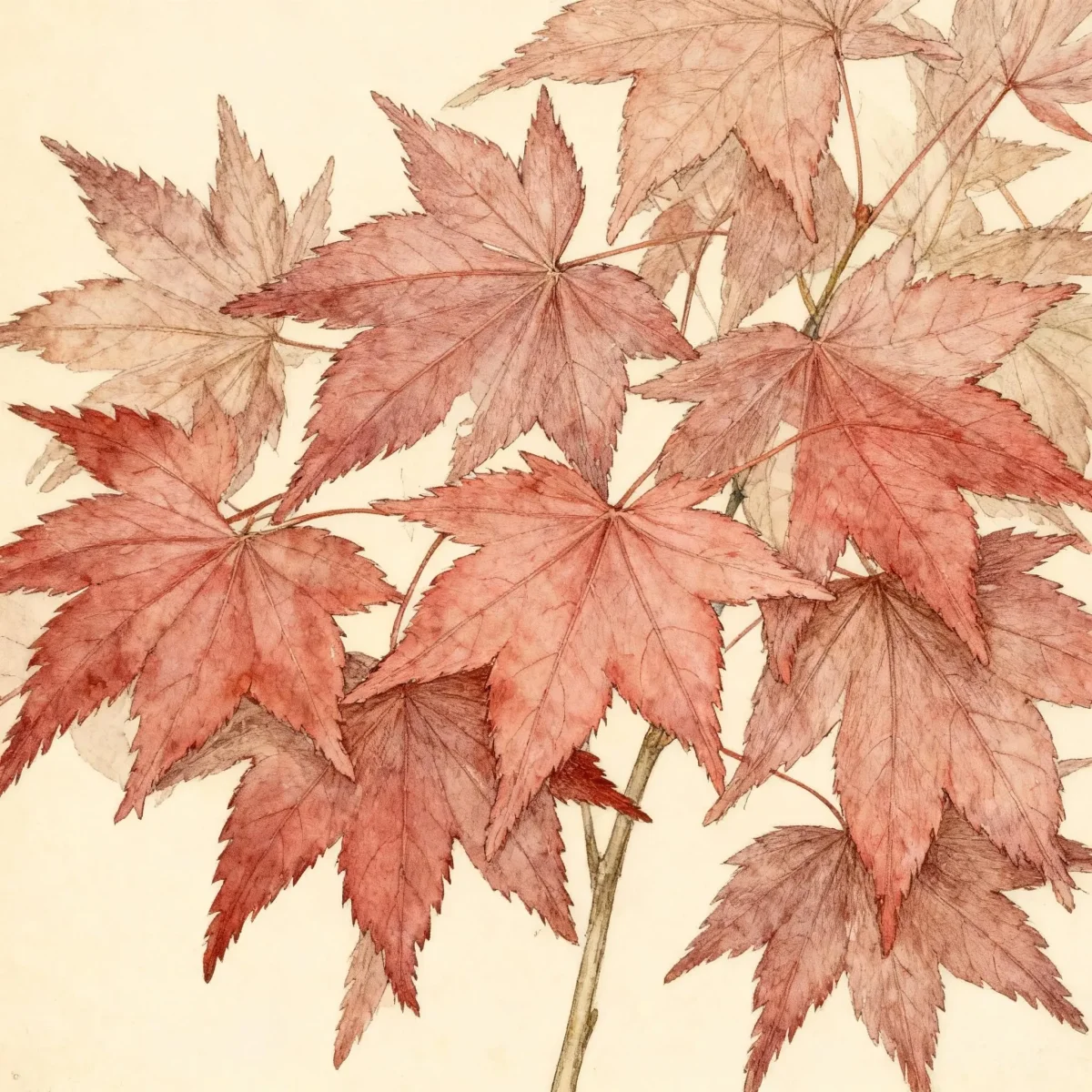
Japanese maple (Acer palmatum 'Shindeshojo')
Acer palmatum 'Shindeshojo' is a slow-growing Japanese maple prized for its brilliant crimson spring color, maturing to green.

Bloom Boldly, No Matter the Season - Sweatshirt
Cozy organic cotton sweatshirt featuring our exclusive Purple Coneflower design. Perfect for gardeners who bloom year-round.
Inspired by the beautiful Japanese maple
Limited first batch (50) — join the waitlist for early access
Waitlist closes Feb 15, 2026.
Complete Plant Information
Field Guide Continues
Ready for care notes, companion picks, and planting tips?
The map is just the start. The full guide below covers growth habits, seasonal performance, and landscape uses.
Overview
The Acer palmatum ‘Shindeshojo’, a highly sought-after cultivar of Japanese maple, offers exceptional seasonal interest, particularly for its stunning spring performance. Gardeners value this variety because it emerges in a bright, showy crimson red that holds for about a month before transitioning into green for the summer months. As a small, relatively slow-growing cultivar, the ‘Shindeshojo’ maintains a manageable, rounded, shrubby form ideal for smaller gardens or specimen planting.
This deciduous shrub provides excellent structure and texture throughout the growing season, culminating in attractive red and orange hues before leaf drop. While typical Japanese maples offer broad adaptability, the Acer palmatum ‘Shindeshojo’ thrives best when protected from intense winds and requires consistent moisture to prevent leaf scorch during hot summers. Its low maintenance needs and brilliant foliage make it an indispensable focal point.
Fast Facts
- Plant Family: Sapindaceae
- Plant Type: Deciduous shrub
- Hardiness Zones: USDA Zones 5-9
- Size at Maturity:
- Height: 7-10 ft
- Spread: 7-10 ft
- Bloom Time: April
- Bloom Description: Red
- Sun Exposure: Full sun to part shade
- Water Needs: Medium
- Maintenance Level: Low
How to Grow
Plant the Acer palmatum ‘Shindeshojo’ in spring or fall when conditions are mildest, ensuring it receives moist, organically rich, slightly acidic, well-drained soil. While these Japanese maples tolerate full sun in cooler northern regions, it is crucial to site them where they receive some afternoon shade, especially in hotter climates, to prevent leaf scorch. Mulch application is vital to help keep the roots cool and maintain consistent soil moisture levels, avoiding hot and dry spots entirely.
Watering needs are medium; consistency is key for this cultivar, as stressed plants are more susceptible to foliage damage. Fertilize in early spring just before the leaves emerge to support vigorous new growth. Pruning should be kept to an absolute minimum. If necessary, perform structural pruning during the late fall or mid-winter months; avoid pruning in spring or summer, as this frequently causes significant sap bleeding from the cuts.
Protecting the location from strong winds is important, especially given the possibility of early spring leaf-out that makes new foliage susceptible to late frosts. If high pH soils are encountered, monitor the Japanese maple for signs of chlorosis (yellowing between the veins).
Landscape Uses
Japanese maples, including the beautiful Acer palmatum ‘Shindeshojo’, are fundamentally grown to serve as living sculptures and textural accents within the landscape. Their refined structure and stunning seasonal color make them perfect specimen plants, drawing the eye to border peripheries or anchoring transitional spaces. Because this specific cultivar tends to remain smaller and shrub-like, it excels as a focal point near entrances or windows.
The ‘Shindeshojo’ is also wonderfully suited for woodland garden margins where it can benefit from dappled light filtering through taller trees. Due to its manageable size maturity (up to 10 feet), this cultivar can be successfully incorporated into large containers, enabling growers in very cold or very hot zones to provide protection during extreme weather. Consider pairing it with contrasting evergreen textures or lighter-colored groundcovers to highlight its distinctive red spring foliage.
Standout Features
Flower Qualities
- Insignificant
Noteworthy Characteristics
The Acer palmatum is recognized for its classic palmate leaf structure, where 5 to 7 lobes radiate from a single point. The specific cultivar, ‘Shindeshojo’, is renowned for possessing some of the best brilliant red spring foliage color among cultivated Japanese maples. This cultivar maintains a refined, upright, rounded habit, maturing slowly to about 7 to 10 feet tall and wide, offering detailed, serrated leaves that shift from crimson to reddish-green before achieving lovely red and orange fall tones.
Tolerances
- Rabbit
- Black Walnut
Potential Problems
The vibrant foliage of the Acer palmatum ‘Shindeshojo’ leaves out early, making it susceptible to direct damage from late spring frosts, which can necessitate pruning out the burned sections. A significant cultural concern involves adequate moisture; consistently dry soil leads quickly to scorched foliage, particularly in exposed or hot sites.
Common diseases include fungal issues like leaf spots, anthracnose, and potentially fatal conditions such as Verticillium wilt or root rots, all exacerbated by poor drainage or high humidity. Monitor for pests, as aphids, scale insects, borers, and troublesome spider mites can infest the branches and hinder vigor. High-pH soils are known to induce chlorosis, which diminishes the plant’s overall color display.
Frequently Asked Questions
What hardiness zones is Japanese maple suitable for?
The Acer palmatum ‘Shindeshojo’ is suitable for USDA Hardiness Zones 5 through 9.
How large does Acer palmatum ‘Shindeshojo’ grow?
This slow-growing cultivar typically reaches mature heights between 7 to 10 feet high and spreads to a similar width of 7 to 10 feet.
What sun exposure does Japanese maple need?
This Japanese maple performs best in locations receiving full sun to part shade, though afternoon shade is recommended in warmer parts of its range.
When does Acer palmatum ‘Shindeshojo’ bloom?
This plant blooms in April, producing small flowers described as red.
Conclusion
The Acer palmatum ‘Shindeshojo’ remains a premier choice for gardeners seeking dynamic, reliable color in a manageable size. Its unparalleled spring crimson accent, combined with a low-maintenance nature, secures its place as an essential specimen shrub. Ensure you verify your local hardiness zone compatibility and plant it with consistent moisture retention in mind to enjoy the best of this stunning Japanese maple.
Companion Planting
When designing your garden around the Acer palmatum ‘Shindeshojo’, it is beneficial to select plants that share similar cultural needs—specifically, protection from intense heat and a preference for moist, well-drained soil. Native woodland companions work exceptionally well, providing a natural backdrop that mimics its preferred habitat. Consider planting understory shrubs like Oakleaf Hydrangea (Hydrangea quercifolia), whose exfoliating bark and large leaves contrast beautifully with the maple’s delicate foliage.
To maximize the visual impact of the bright red spring color of the ‘Shindeshojo’, use groundcovers with contrasting foliage colors, such as bright green hostas or ferns that thrive in partial shade. Avoid planting directly beneath dense evergreen canopies that might create overly dark, dry conditions as the Japanese maple matures.
Design Ideas
Due to its neat, rounded, shrubby habit, the ‘Shindeshojo’ lends itself perfectly to foundation plantings where a formal, yet colorful, accent is required near the home. Use it near a patio or seating area to highlight the fine texture of its smaller, deeply lobed leaves, which are best appreciated up close. Placing this cultivar near a water feature or on a slight slope can enhance the effect of constant moisture, which keeps the foliage looking its best.
For those embracing contemporary or Asian-inspired gardens, the clean silhouette of this cultivar is ideal. It functions well when repeated sparingly along a winding walkway, providing points of interest that change color significantly throughout the seasons. Remember that minimal foreground planting is often best, allowing the inherent structure of the Acer palmatum ‘Shindeshojo’ to dominate the composition.