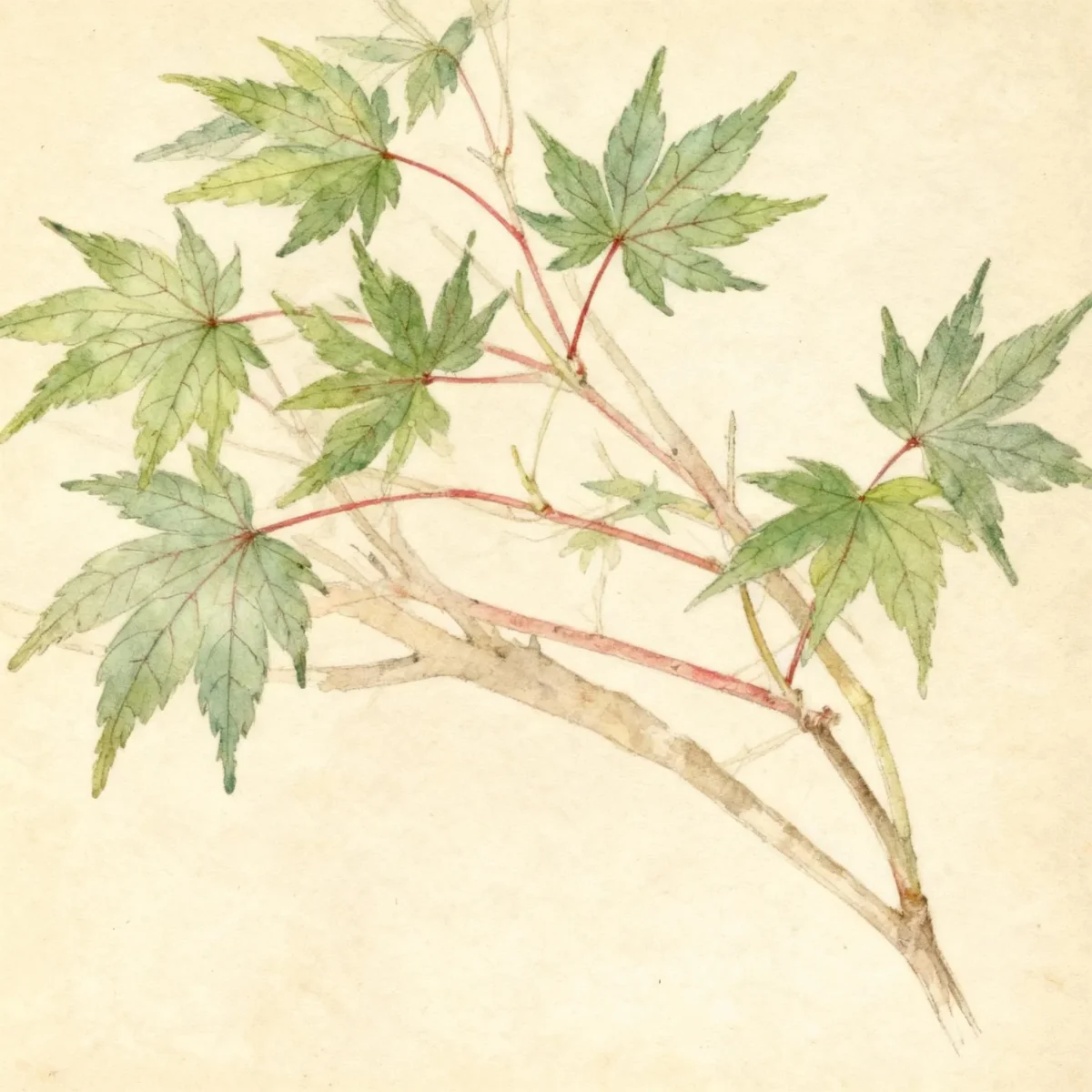

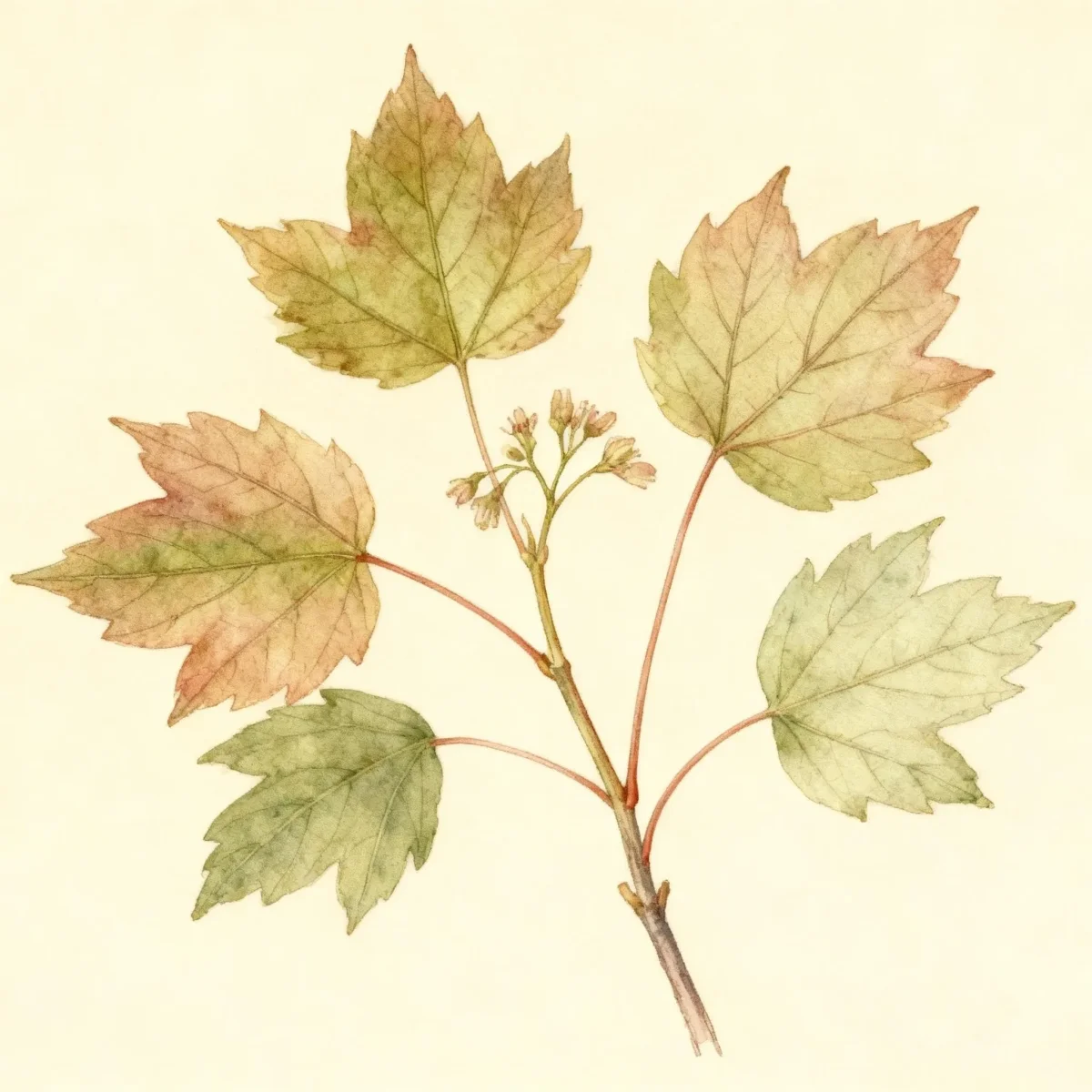
Hedge maple (Acer campestre 'Postelense')
The compact Acer campestre 'Postelense' (Hedge maple) offers stunning golden yellow spring foliage, ideal for hedges or small specimen trees in USDA Zones 5-8.
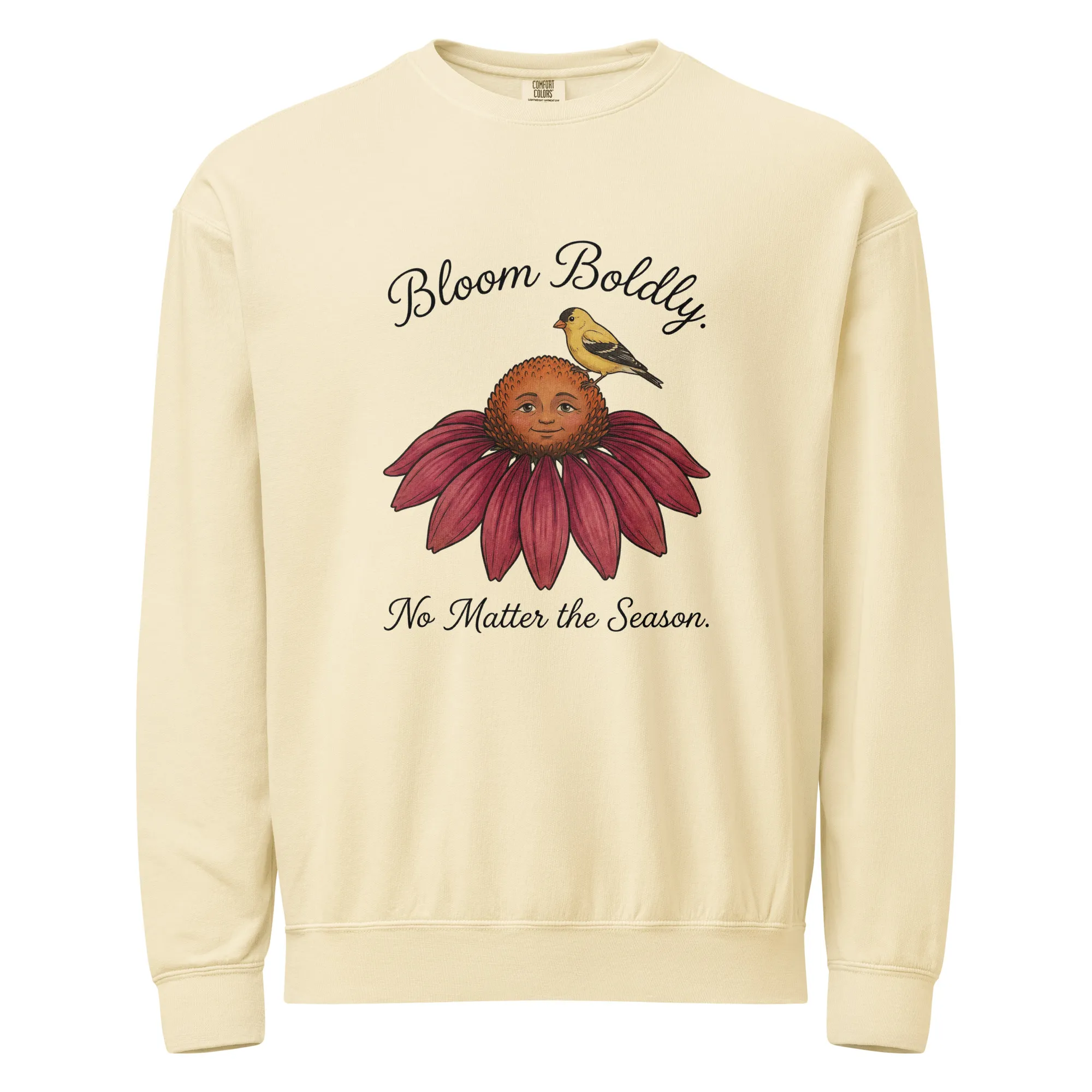
Bloom Boldly, No Matter the Season - Sweatshirt
Cozy organic cotton sweatshirt featuring our exclusive Purple Coneflower design. Perfect for gardeners who bloom year-round.
Inspired by the beautiful Hedge maple
Limited first batch (50) — join the waitlist for early access
Waitlist closes Feb 15, 2026.
Complete Plant Information
Field Guide Continues
Ready for care notes, companion picks, and planting tips?
The map is just the start. The full guide below covers growth habits, seasonal performance, and landscape uses.
Overview
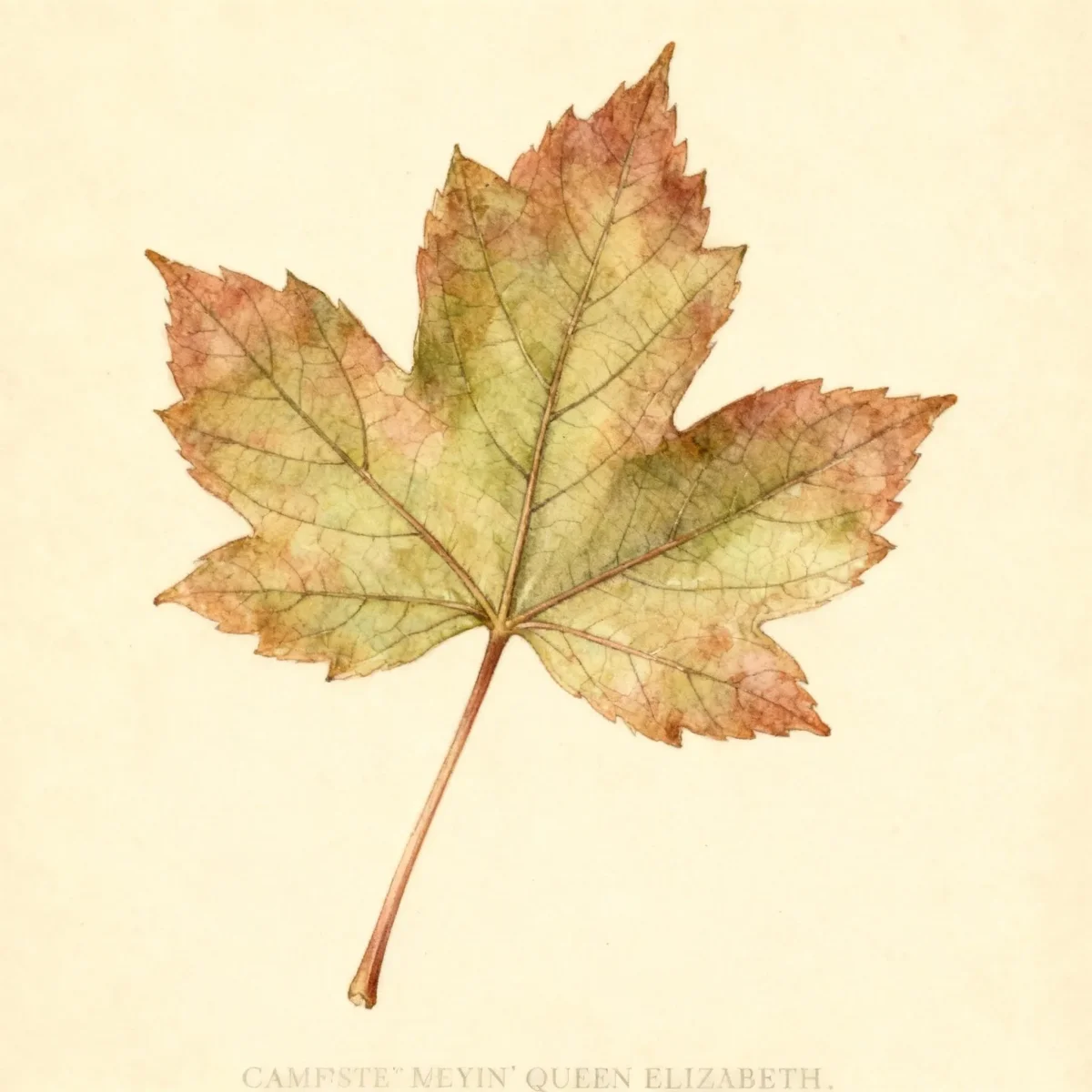
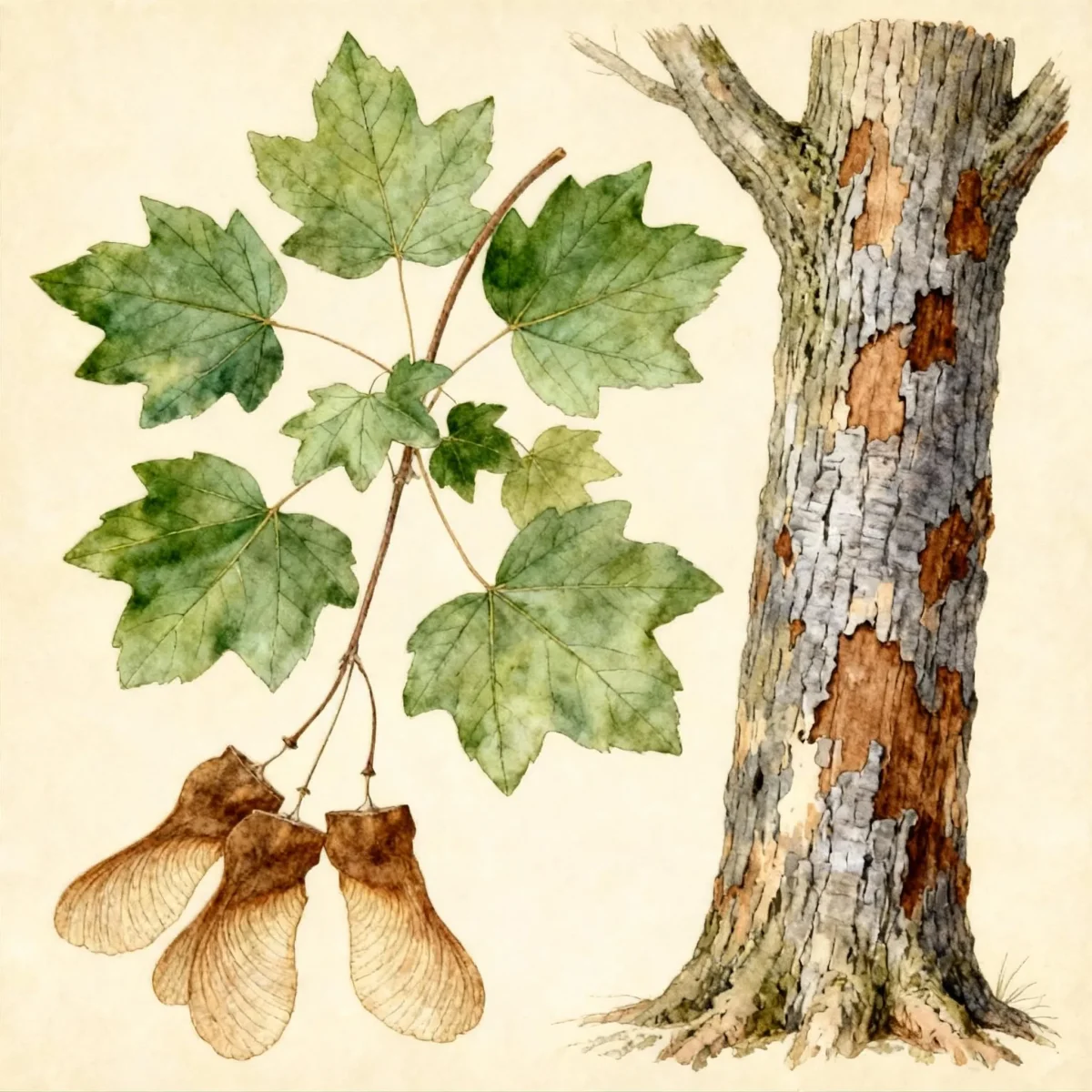
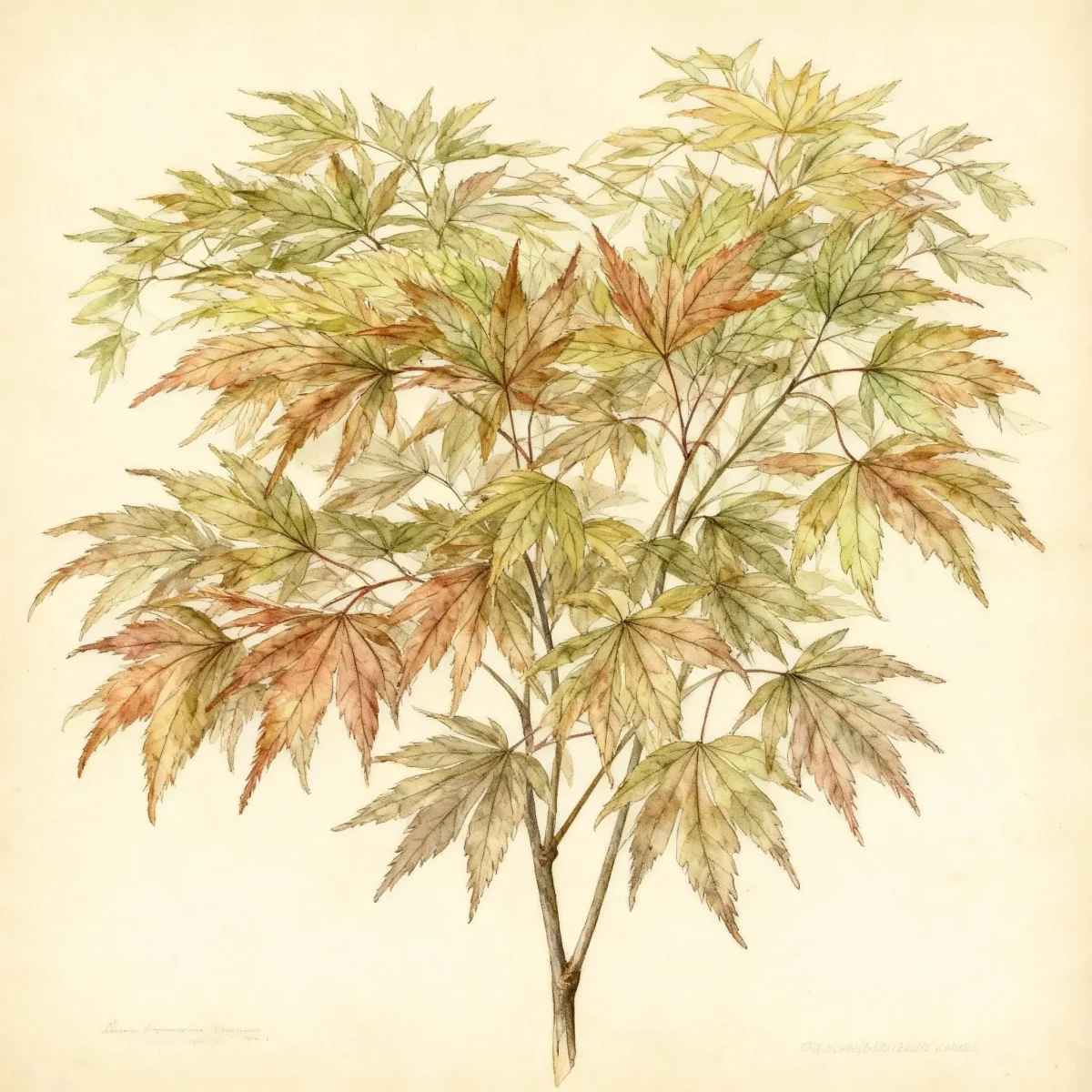
The Acer campestre ‘Postelense’, commonly known as the Hedge maple, is a highly valued cultivar prized for its compact size and brilliant seasonal color. Unlike the larger species form, this cultivar remains reliably small, making it perfect for constrained garden spaces. Gardeners appreciate this specific variety because its young foliage emerges in a stunning shade of golden yellow each spring, providing a vibrant accent.
This deciduous tree or large shrub establishes easily, thriving in full sun to partial shade conditions. Its adaptability is excellent; Acer campestre ‘Postelense’ tolerates drought once established and adapts well to difficult soil structures, including heavy clay. Its low maintenance profile ensures that it remains an attractive, functional asset without demanding constant attention.
Whether you require a specimen tree for a small lawn, a vibrant screen, or a diligently sheared hedge, the Hedge maple delivers reliably. The yellow spring show, fading to yellow-green in summer, ensures visual interest throughout the growing season for this versatile selection.
Fast Facts
- Plant Family: Sapindaceae
- Plant Type: Tree
- Hardiness Zones: USDA Zones 5-8
- Size at Maturity:
- Height: 8-10 ft
- Spread: 8-10 ft
- Bloom Time: April to May
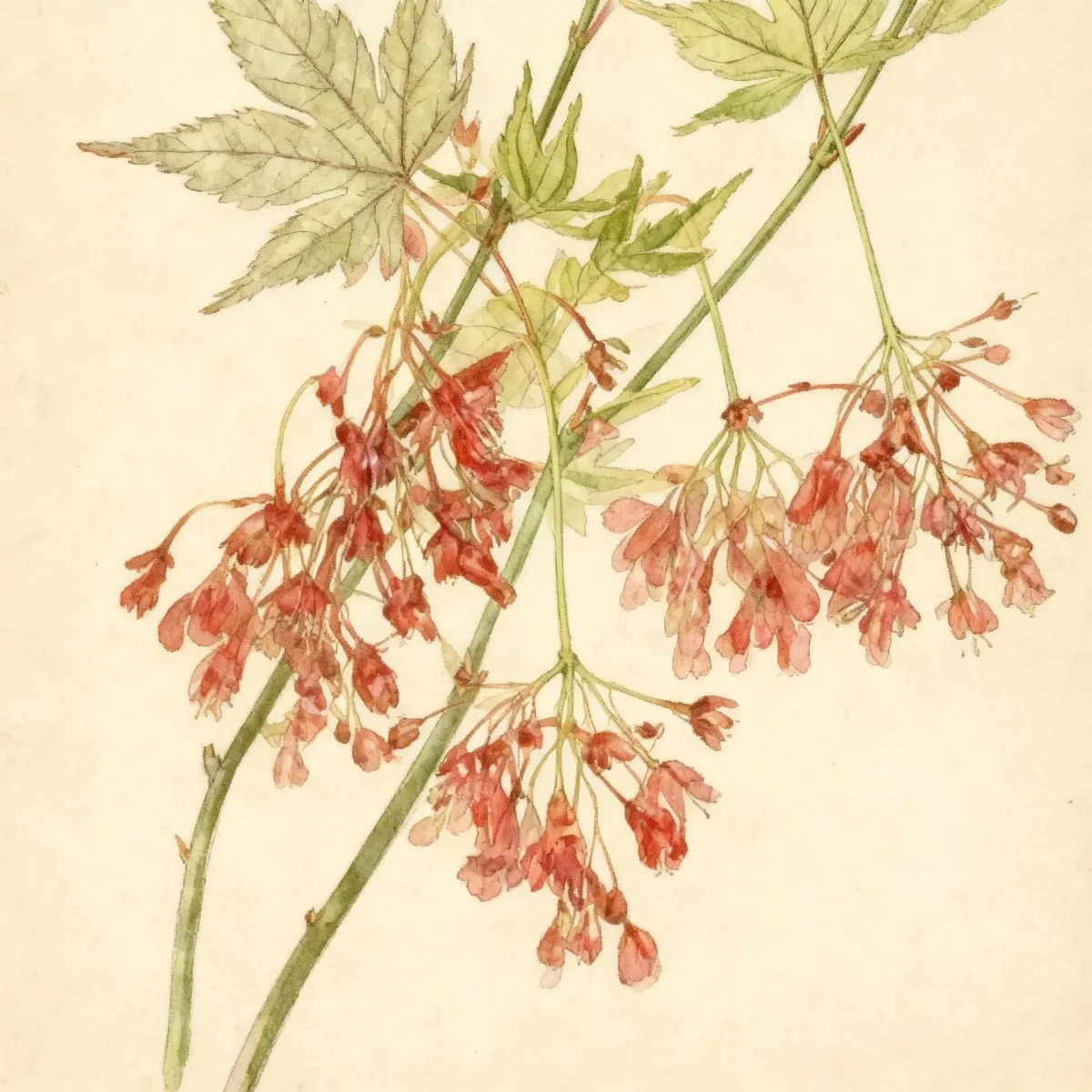
- Bloom Description: Yellowish green
- Sun Exposure: Full sun to part shade
- Water Needs: Medium
- Maintenance Level: Low
How to Grow
Planting the Hedge maple is straightforward; it performs best when placed in average, medium-moisture, well-drained soils. While it tolerates partial shade, achieving the best growth and color density for Acer campestre ‘Postelense’ requires a site receiving full sun. It adapts readily to a variety of soil types, making it a forgiving choice for urban gardening situations where soil quality may be variable.
Care requirements are minimal, fitting its low maintenance rating. Water consistently until the plant is established, after which it exhibits good drought tolerance, though supplemental water during prolonged dry spells is always beneficial. Fertilization is rarely necessary unless the soil is extremely poor. Pruning should be focused on shaping when utilized as a hedge or standard, or simply thinning older, crossing branches if grown as a multi-stemmed shrub.
The tolerance of this cultivar to urban conditions, including air pollution, makes it an excellent street tree candidate or addition to challenging foundation plantings. Ensure adequate air circulation, especially in humid climates, to mitigate potential foliar issues later in the season.
Landscape Uses
The primary suggested use for Acer campestre ‘Postelense’ is as a high hedge. Its dense, rounded growth habit means it responds very well to shearing, allowing gardeners to maintain a formal, tall green barrier that incorporates beautiful golden accents in the spring. This adaptability also allows it to be top grafted onto a standard form, creating a diminutive, formal tree suitable for small patios or courtyards where standard maples would quickly overwhelm the space.
For those designing smaller landscapes or mixed borders, this compact specimen provides excellent structure without the vast spread of larger maples. The bright yellow foliage acts as a fantastic focal point or accent color against darker green evergreens or perennial shrubs. Consider pairing the bright spring yellow of the Hedge maple with deep purple foliage plants to maximize the contrast effect.
Standout Features
Flower Qualities
- Insignificant
Noteworthy Characteristics
Acer campestre is commonly called hedge maple, native to Europe and western Asia, frequently found on plains, hills and along rivers. This specific cultivar, ‘Postelense’, grows much shorter than the species, typically reaching only 8-10’ tall with spreading branches, and is sometimes called yellow hedge maple due to its stunning golden yellow young leaves in spring. This cultivar can be utilized effectively as a hedge or top grafted into a small standard tree, serving as an attractive, manageable specimen.
Tolerances
- Clay Soil
- Air Pollution
Potential Problems
While generally robust, Acer campestre ‘Postelense’ is susceptible to several common maple issues. Fungal diseases such as leaf spots and tar spot can appear, particularly in humid conditions or if air circulation is poor. More serious are potential systemic issues like verticillium wilt, canker, and various root rots, which often indicate poor drainage or planting shock.
Monitor for common insect pests, including aphids, scale insects, borers, and caterpillars, which can affect overall vitality. Minor infestations of mites can also occur, especially during hot, dry periods. Cultural management, such as ensuring proper planting depth and avoiding overly wet sites—despite its tolerance for heavy soil—is the first line of defense against these problems.
Frequently Asked Questions
What hardiness zones is Hedge maple suitable for?
The Acer campestre ‘Postelense’ is suitable for gardening in USDA Hardiness Zones 5 through 8.
How large does Acer campestre ‘Postelense’ grow?
At maturity, you can expect this cultivar to reach a height between 8 to 10 feet, with a comparable spread of 8 to 10 feet.
When does Hedge maple bloom?
This Hedge maple displays its yellowish green flowers relatively early in the season, typically between April and May.
What sun exposure does Acer campestre ‘Postelense’ need?
For best performance, this plant prefers full sun but is adaptable enough to tolerate partial shade conditions.
Conclusion
The Acer campestre ‘Postelense’ offers low-maintenance beauty perfectly suited for the smallest yards or structured formal environments, primarily valued for its compact stature and brilliant golden spring foliage. Its exceptional tolerance for clay and urban air pollution makes the Hedge maple a reliable selection across various challenging landscapes. Before planting, confirm that its hardiness zone falls between 5 and 8 to ensure success.
Companion Planting
When selecting companions for the Hedge maple, focus on plants that share similar cultural requirements for medium moisture and full to partial sun. Combining the bright spring yellow of the cultivar with plants that have deep blue or purple foliage provides a dynamic color contrast that highlights both specimens. Consider low-growing groundcovers that don’t require heavy disturbance, as maples prefer not to have their surface roots compacted or heavily dug around.
For a sophisticated texture pairing near this small tree, look toward low-growing ornamental grasses that provide fine texture against the maples broader, though dense, leaf structure. Ensure that any neighboring plants do not intensely compete for surface water, especially during the establishment phase of your Acer campestre ‘Postelense’.
Seasonal Care Calendar
Spring is the crucial aesthetic period; watch for the emergence of the distinct golden-yellow foliage. Apply a light, balanced slow-release fertilizer early in the season if you desire faster growth, though it is rarely required. Summer care mainly involves monitoring water needs during drought periods, recalling that while tolerant, medium supplemental moisture yields the best health.
Late fall is an ideal time for any major structural pruning or shaping of the Hedge maple if it is being maintained as a formal hedge line. While the leaves do drop, cleanup is generally minimal as the dense branching structure retains less debris than some other deciduous trees. Protection from heavy snow loads while the branches are still young can prevent breakage when the plant is fully dormant.