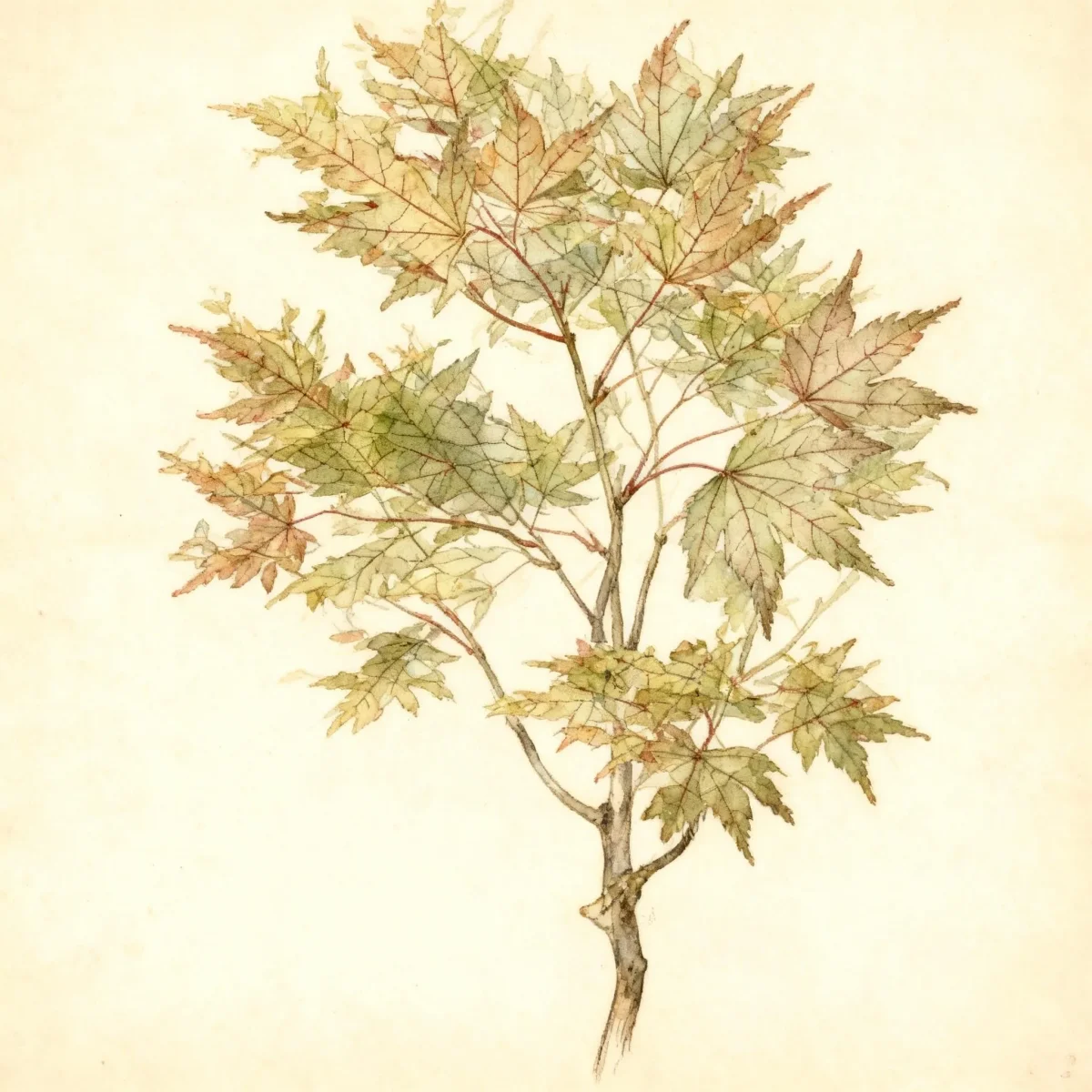
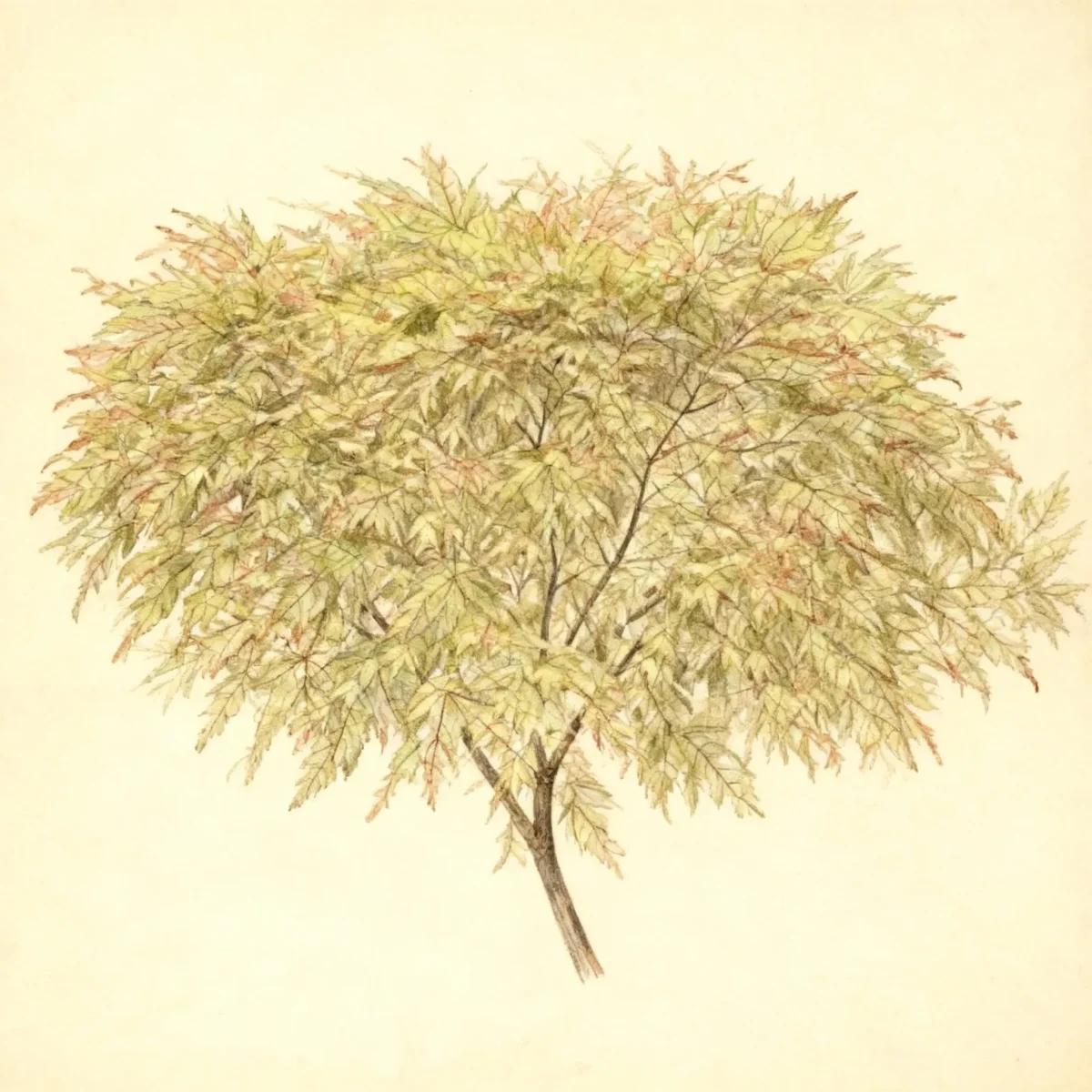
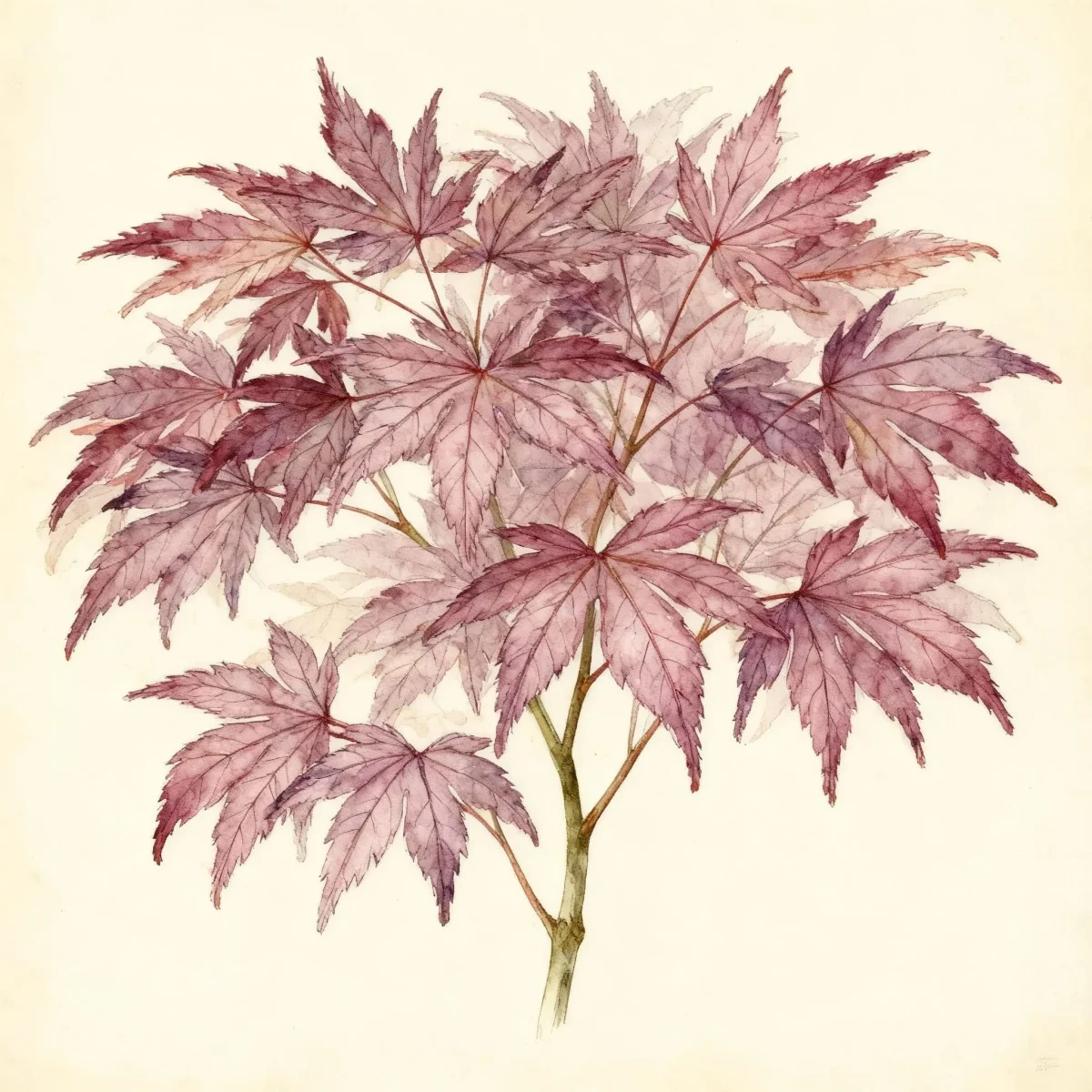
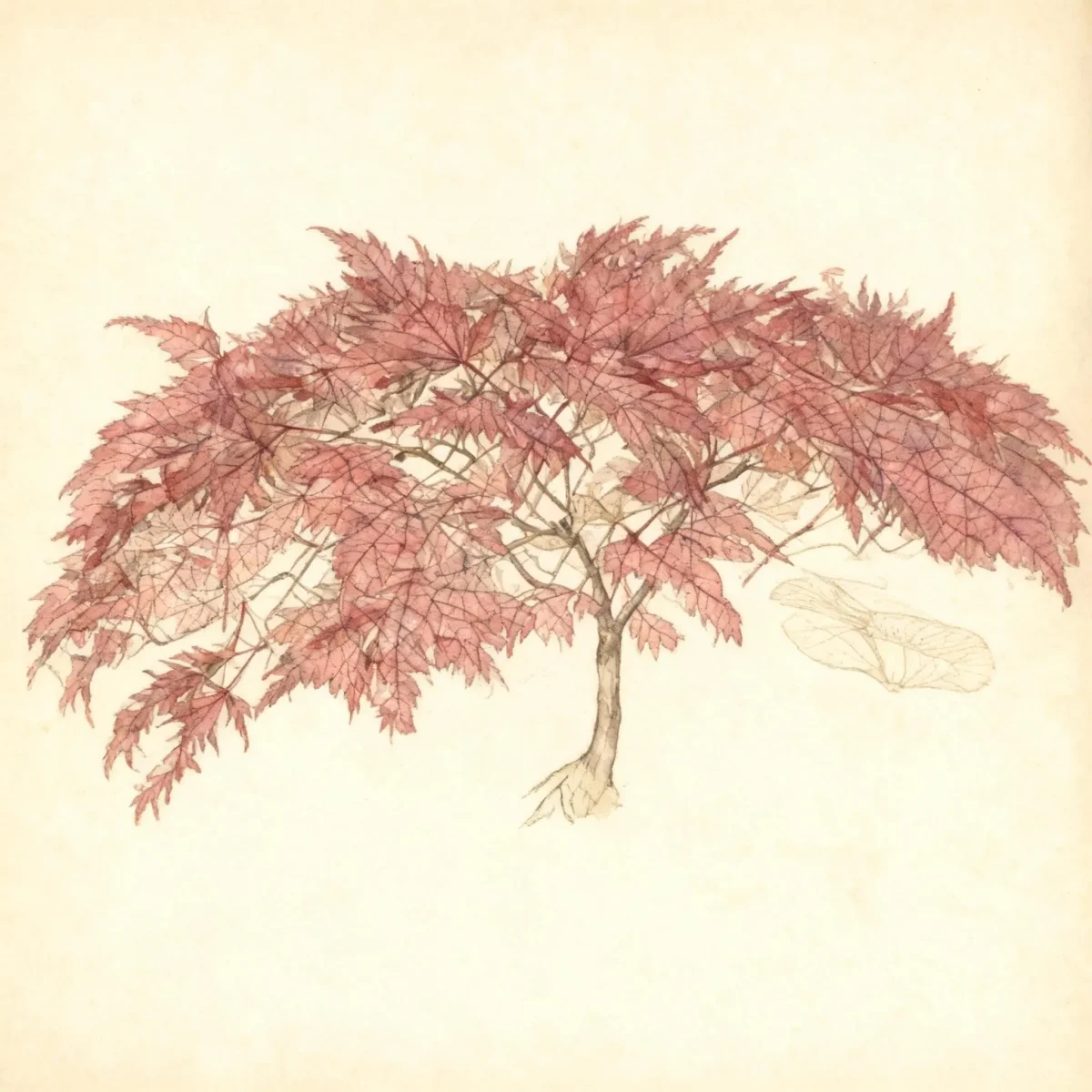
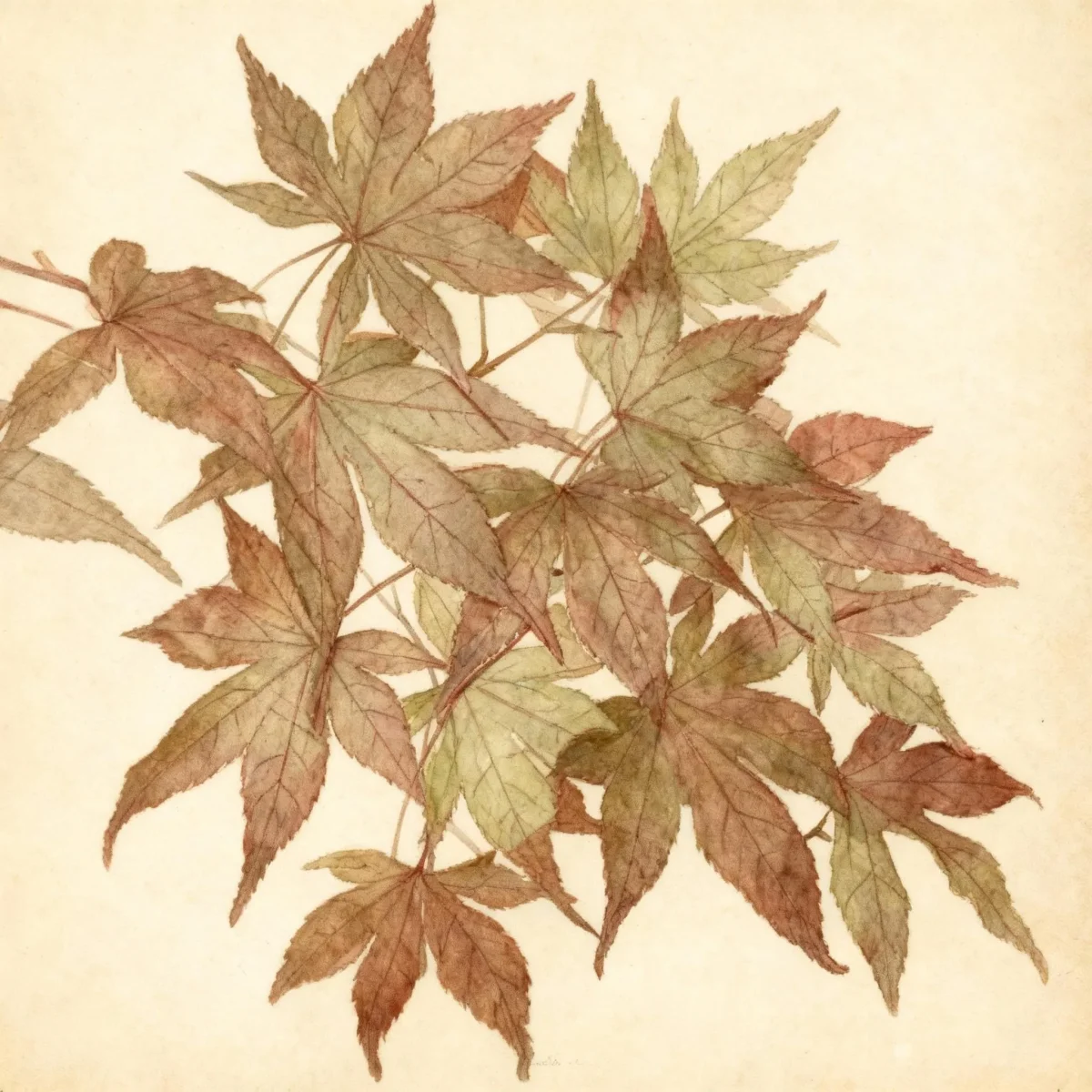
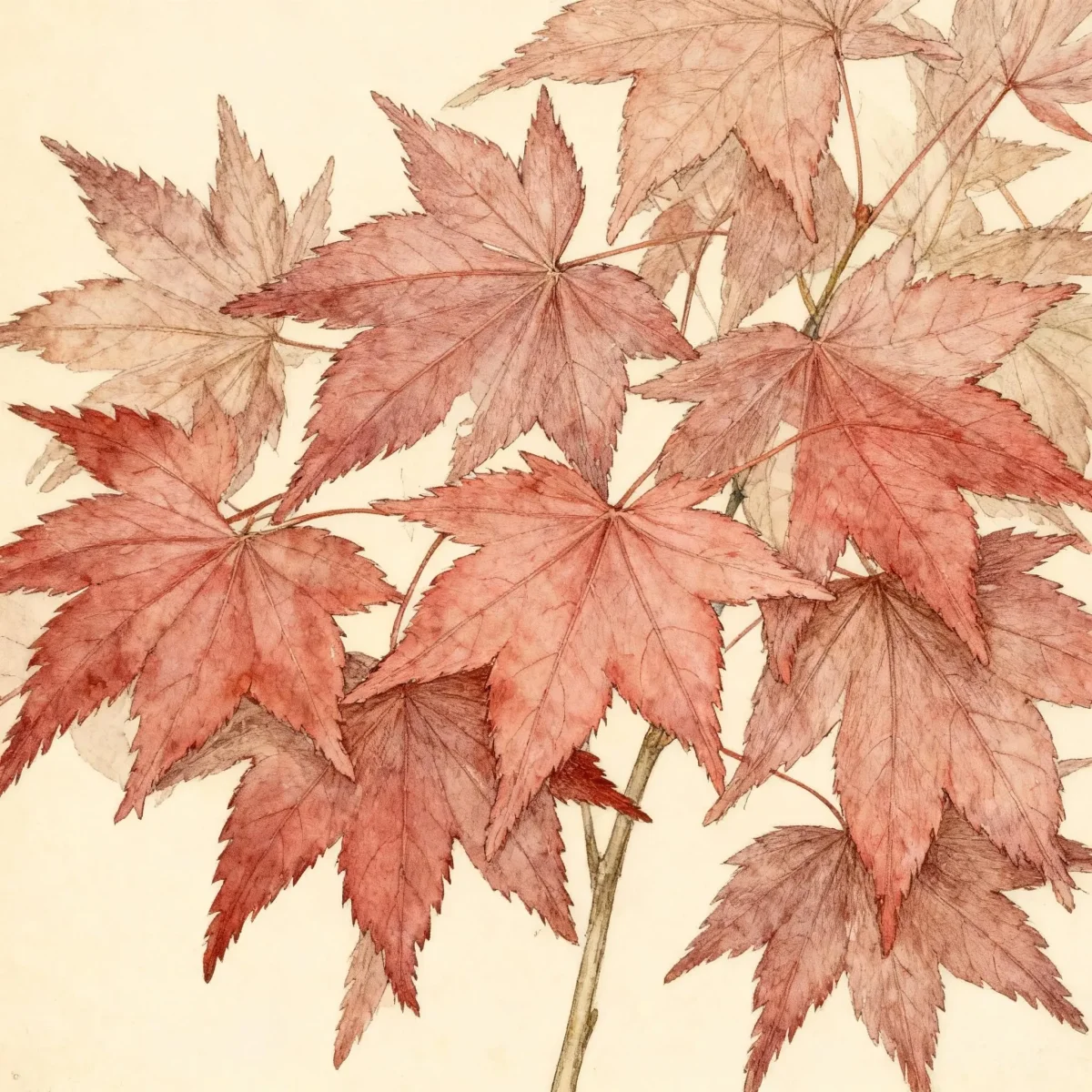
Japanese maple (Acer palmatum 'Beni-tsukasa')
Acer palmatum 'Beni-tsukasa' is a striking Japanese maple prized for its slow growth and continuous foliage color changes from spring through fall.

Bloom Boldly, No Matter the Season - Sweatshirt
Cozy organic cotton sweatshirt featuring our exclusive Purple Coneflower design. Perfect for gardeners who bloom year-round.
Inspired by the beautiful Japanese maple
Limited first batch (50) — join the waitlist for early access
Waitlist closes Feb 15, 2026.
Complete Plant Information
Field Guide Continues
Ready for care notes, companion picks, and planting tips?
The map is just the start. The full guide below covers growth habits, seasonal performance, and landscape uses.
Overview
The Acer palmatum ‘Beni-tsukasa’ is a beautiful, slow-growing cultivar of the Japanese maple, highly valued for its refined, willowy habit and remarkable seasonal foliage display. This variety offers gardeners significant visual interest as its leaves transition from bright peach-red in spring to complex pinks, reds, and eventual vibrant oranges and reds in autumn. As a low-maintenance specimen, the Japanese maple excels as a focal point in garden designs where its elegant structure can be appreciated.
While general Acer palmatum can reach greater heights, the ‘Beni-tsukasa’ maintains a more refined, shrubby form, typically maturing to 10–12 feet tall and wide, making it suitable for smaller landscapes or near home foundations. Its dense, rounded shape provides excellent structure year-round, though gardeners must site it thoughtfully to prevent sun scorch during intense summer heat. Careful placement ensures this Japanese maple thrives for decades.
This cultivar stands out among the myriad of Japanese maples due to these specific color transitions and its manageable size compared to some upright forms. It fulfills aesthetic roles beautifully, offering shade-dappled texture and year-round color, making Acer palmatum ‘Beni-tsukasa’ a staple for discerning landscape designers.
Fast Facts
- Plant Family: Sapindaceae
- Plant Type: Deciduous shrub
- Hardiness Zones: USDA Zones 5-9
- Size at Maturity:
- Height: 10-12 ft
- Spread: 10-12 ft
- Bloom Time: April
- Bloom Description: Red
- Sun Exposure: Full sun to part shade
- Water Needs: Medium
- Maintenance Level: Low
How to Grow
Establish your Acer palmatum ‘Beni-tsukasa’ in a location that offers protection from strong winds. Optimal planting occurs when the soil is moist, organically rich, and slightly acidic, with excellent drainage being critical to prevent root issues. While it can tolerate full sun in cooler northern climates, gardeners in the southern portions of its range should situate this Japanese maple where it receives afternoon shade to prevent leaf scorch.
Consistent moisture is key, especially during summer heat, as dryness contributes to foliage scorching. Apply a generous layer of mulch around the base to help retain soil moisture and keep the roots cool. Fertilize sparingly, ideally in the spring just before the leaves begin to emerge, avoiding over-fertilization which can encourage weak, lush growth.
Pruning for the Japanese maple should be kept minimal. If shaping or removal of dead wood is necessary, perform this task in late fall or mid-winter. Avoid pruning in the spring or summer months, as cuts made during active growth often result in significant sap bleeding from the wounds.
Landscape Uses
Japanese maples, and specifically the striking Acer palmatum ‘Beni-tsukasa’, are almost exclusively grown for their superior foliage texture and color impact. They function exceptionally well as specimen or accent plants, drawing the eye to a specific area of the yard due to their refined structure and seasonal color shifts. Use them as singular features near patios or entryways where close inspection of the intricately lobed leaves is possible.
For a more integrated design, group them around the periphery of borders or utilize them as sun-dappled understory trees, allowing them to filter light onto woodland garden margins. The ‘Beni-tsukasa’ can also serve as an attractive, medium-scale screen where a dense, layered visual barrier is desired without the bulk of larger deciduous trees. Their relatively slow growth rate makes them excellent companions for slower-growing perennials or dwarf conifers.
Standout Features
Flower Qualities
- Insignificant
Noteworthy Characteristics
Maple trees are renowned for their distinctive foliage, and the ‘Beni-tsukasa’ cultivar is particularly noteworthy. This slow-growing, willowy tree eventually reaches 10 to 12 feet tall, offering an upright, rounded shrubby form. Its palmate leaves emerge with a unique peach-to-yellow-red hue, maturing through complex pink and red stages before turning attractive orange and red shades in the fall, providing nearly season-long color interest far beyond what a standard green Japanese maple delivers.
Tolerances
- Rabbit
- Black Walnut
Potential Problems
The Japanese maple is susceptible to various fungal diseases, including stem canker, leaf spots, anthracnose, and potentially fatal verticillium wilt. Proactive cultural care is the best defense; ensure excellent air circulation and avoid overhead watering to discourage fungal development. Should pest issues arise, watch for aphids, scale, and troublesome spider mites, treating promptly with horticultural oil or insecticidal soap according to label directions.
A common challenge for Acer palmatum ‘Beni-tsukasa’ is frost damage; as this cultivar often leafs out early in spring, late frosts can damage the tender new foliage, leading to temporary cosmetic damage. Furthermore, if planted in high pH soils, chlorosis (yellowing of leaves due to nutrient deficiency) may occur, necessitating soil amendment to maintain slightly acidic conditions.
Frequently Asked Questions
What hardiness zones is Japanese maple suitable for?
The Acer palmatum ‘Beni-tsukasa’ is well-suited for USDA hardiness zones 5 through 9, giving it wide applicability across many temperate regions.
How large does Japanese maple grow?
This cultivar typically matures to a height and spread between 10 and 12 feet, maintaining a manageable, rounded shrubby form.
When does Japanese maple bloom?
The Acer palmatum ‘Beni-tsukasa’ produces small red flowers during the month of April, though the bloom is not highly showy from a distance.
What sun exposure does Japanese maple need?
This Japanese maple prefers full sun to part shade; however, afternoon shade is highly recommended in the hottest climates to protect the delicate foliage from scorching.
Conclusion
The Acer palmatum ‘Beni-tsukasa’ is an exceptional specimen plant, offering unparalleled seasonal foliage color shifts in a manageable, low-maintenance shrub form ideal for residential landscapes. Its year-round visual appeal secures its place as a top choice among gardeners seeking an elegant focal point. Plan your site preparation carefully to ensure rich, well-drained soil and check your local USDA zone suitability before planting this fantastic Japanese maple.
Design Ideas
When incorporating Acer palmatum ‘Beni-tsukasa’ into modern landscape plans, consider utilizing its fine texture to contrast against bolder, coarse-leaved plants. Pair it with contrasting evergreen shrubs like dark green yews or broadleaf evergreens whose solid color allows the delicate, changing leaves of the Japanese maple to truly pop. Its relatively small mature size makes it perfect for foundational plantings that won’t overwhelm the house structure over time.
Use this cultivar near water features or stone accents where the moist soil requirements can be easily met, enhancing the serene, contemplative atmosphere typical of Japanese-inspired gardens. Because it maintains a rounded crown, it also works well when underplanted with low-growing groundcovers that share similar acidic soil preferences, such as azaleas or rhododendrons that provide spring color against the emerging spring foliage of the Japanese maple.
Companion Planting
Selecting companions for Acer palmatum ‘Beni-tsukasa’ should focus on plants that thrive in similar partially shaded conditions with rich, well-drained, slightly acidic soil. Classic partners include various ferns, such as Japanese Painted Ferns (Athyrium niponicum) or Autumn Ferns, which echo the desired woodland aesthetic. These groundcovers provide excellent textural diversity beneath the canopy.
For underplanting the slow-growing Japanese maple, consider spring ephemerals or shade-tolerant perennials that won’t aggressively compete for moisture or nutrients. Hostas with blue or gold variegation provide excellent contrast to the red/pink tones of the ‘Beni-tsukasa’ in summer, while Astilbes can offer late-season color and texture in the filtered light beneath its branches.