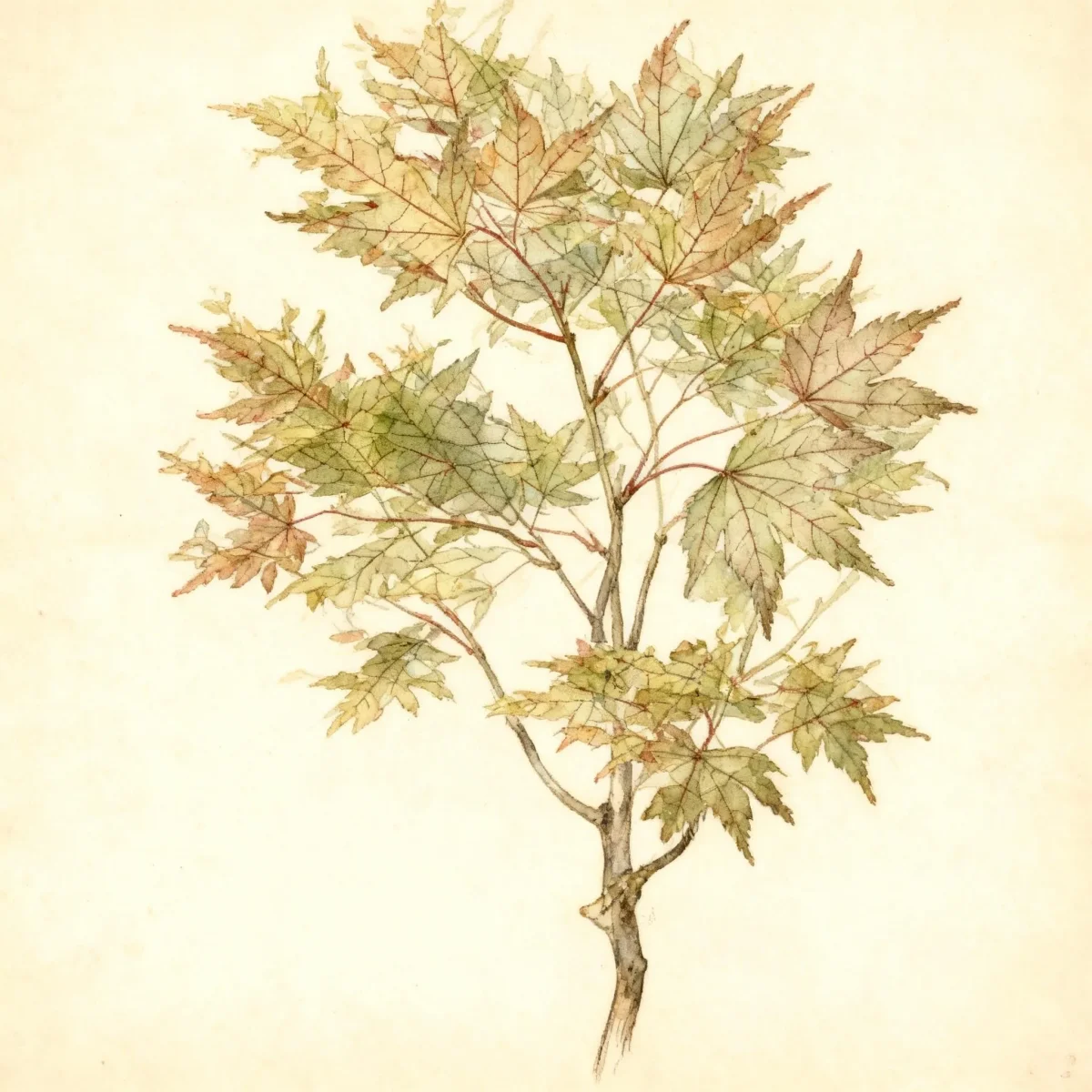
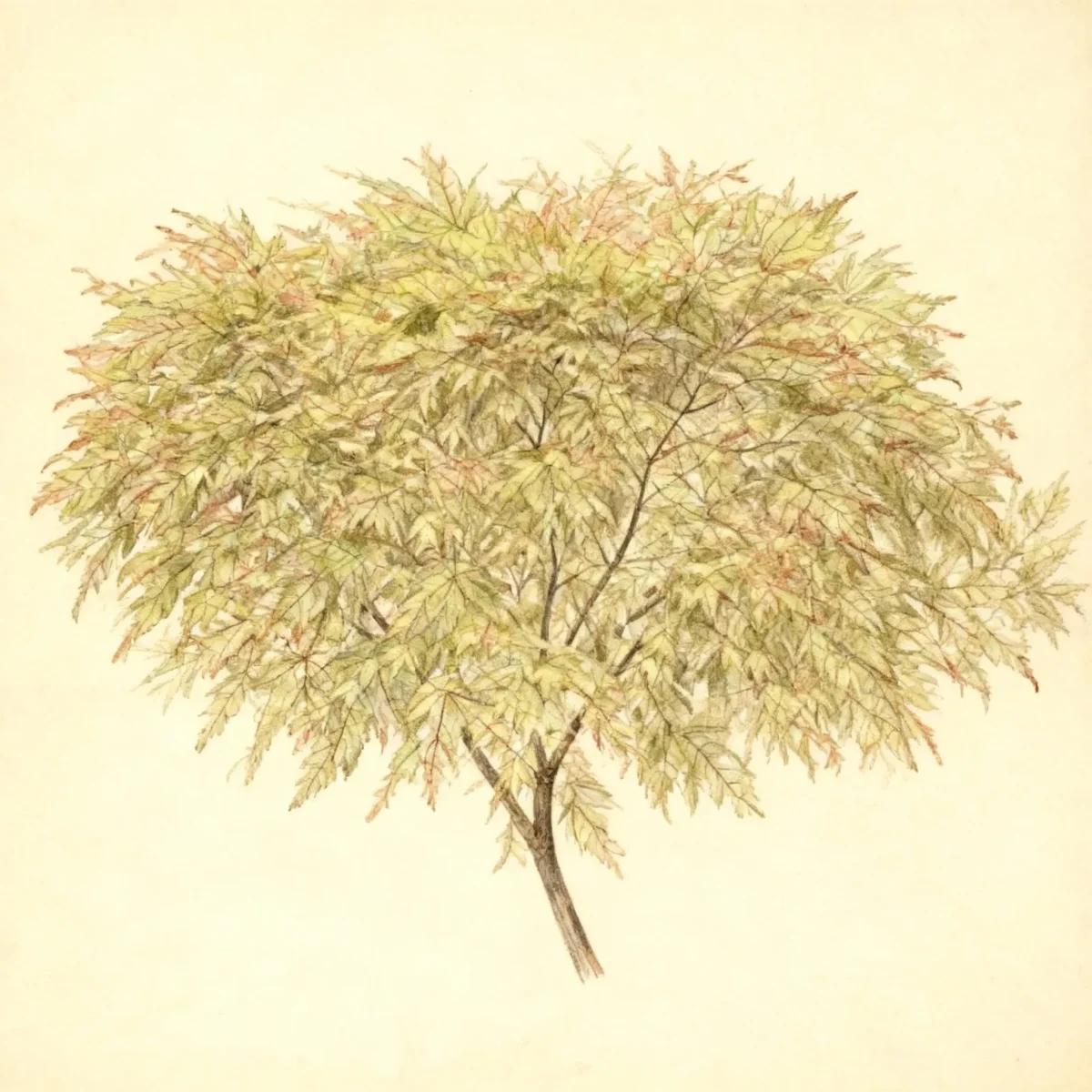
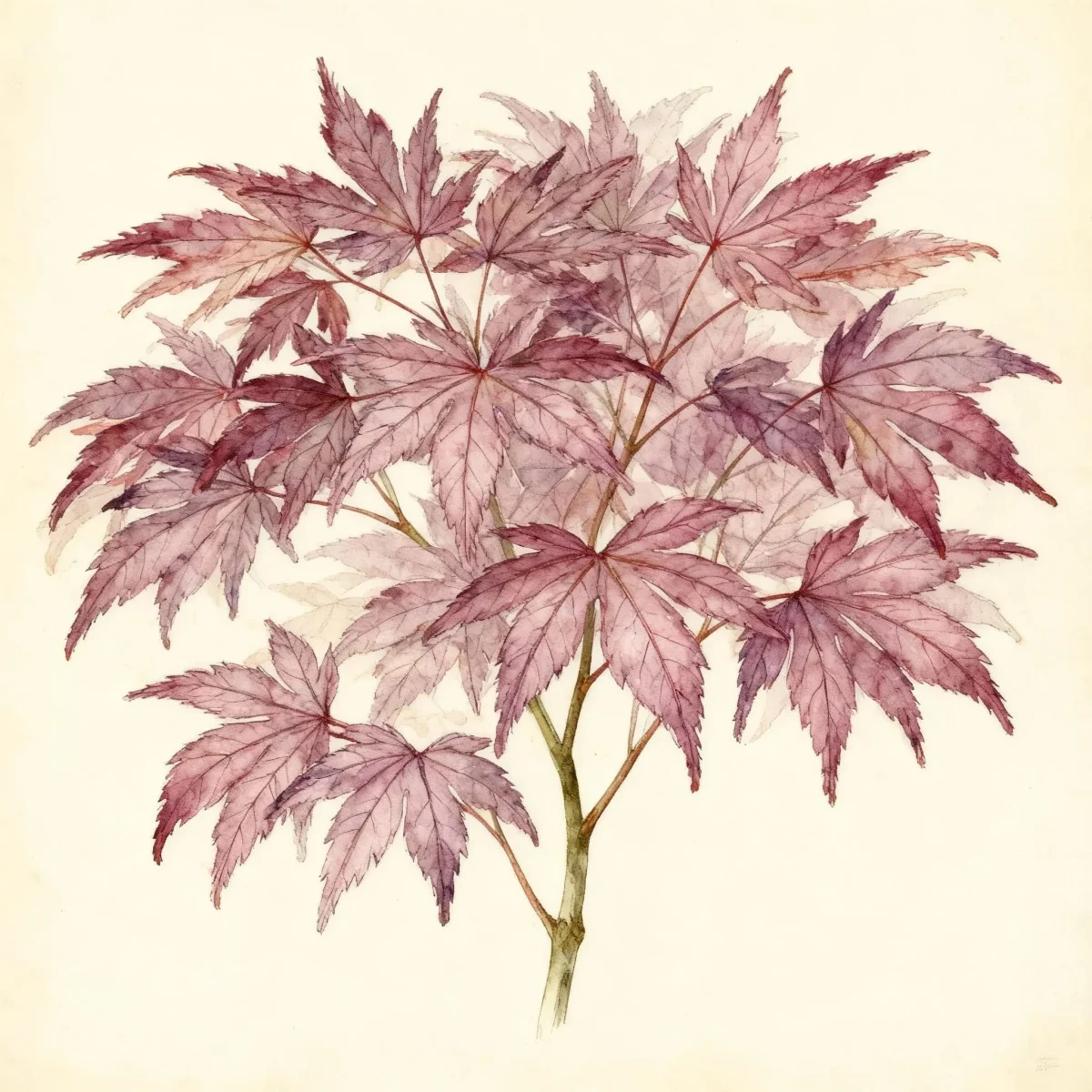
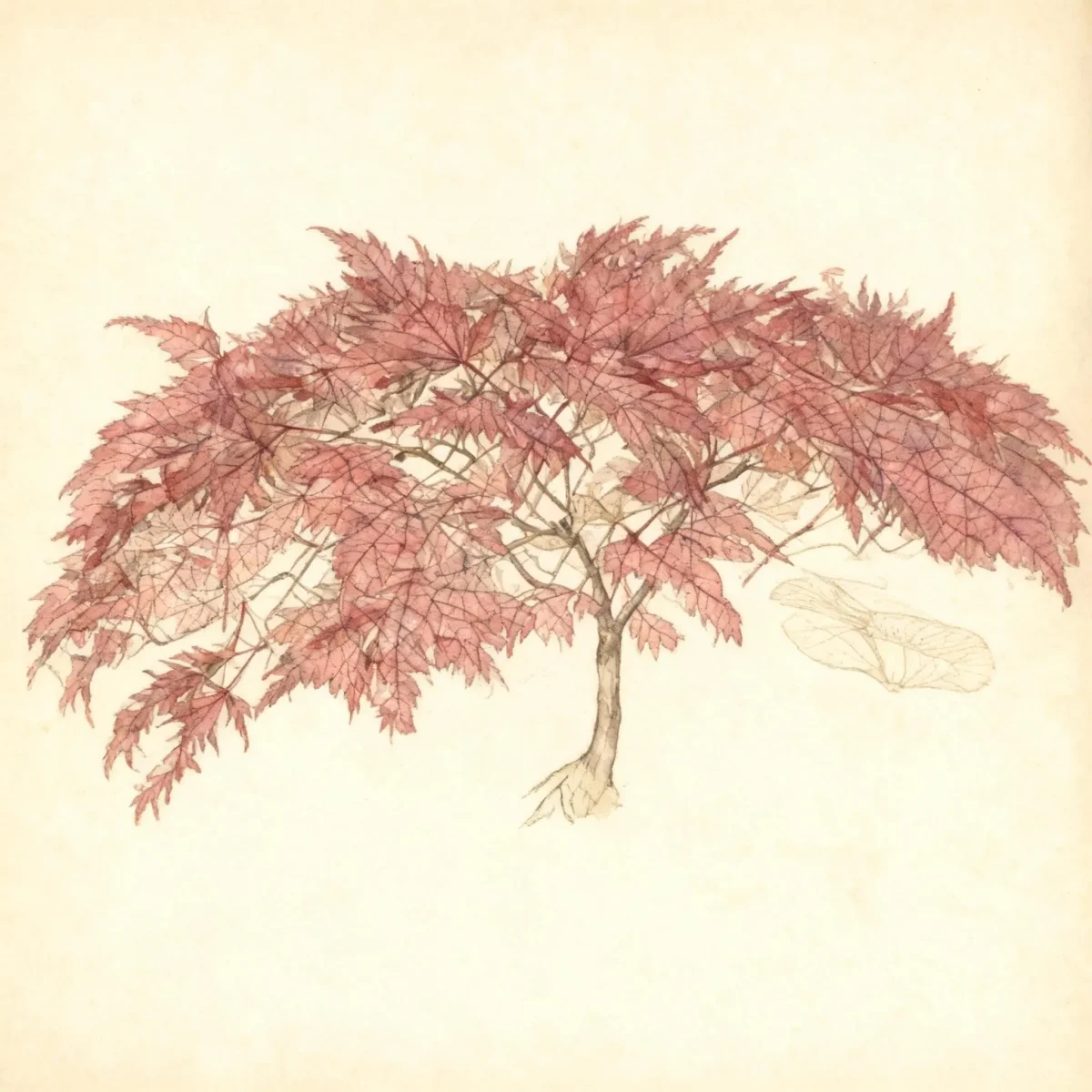
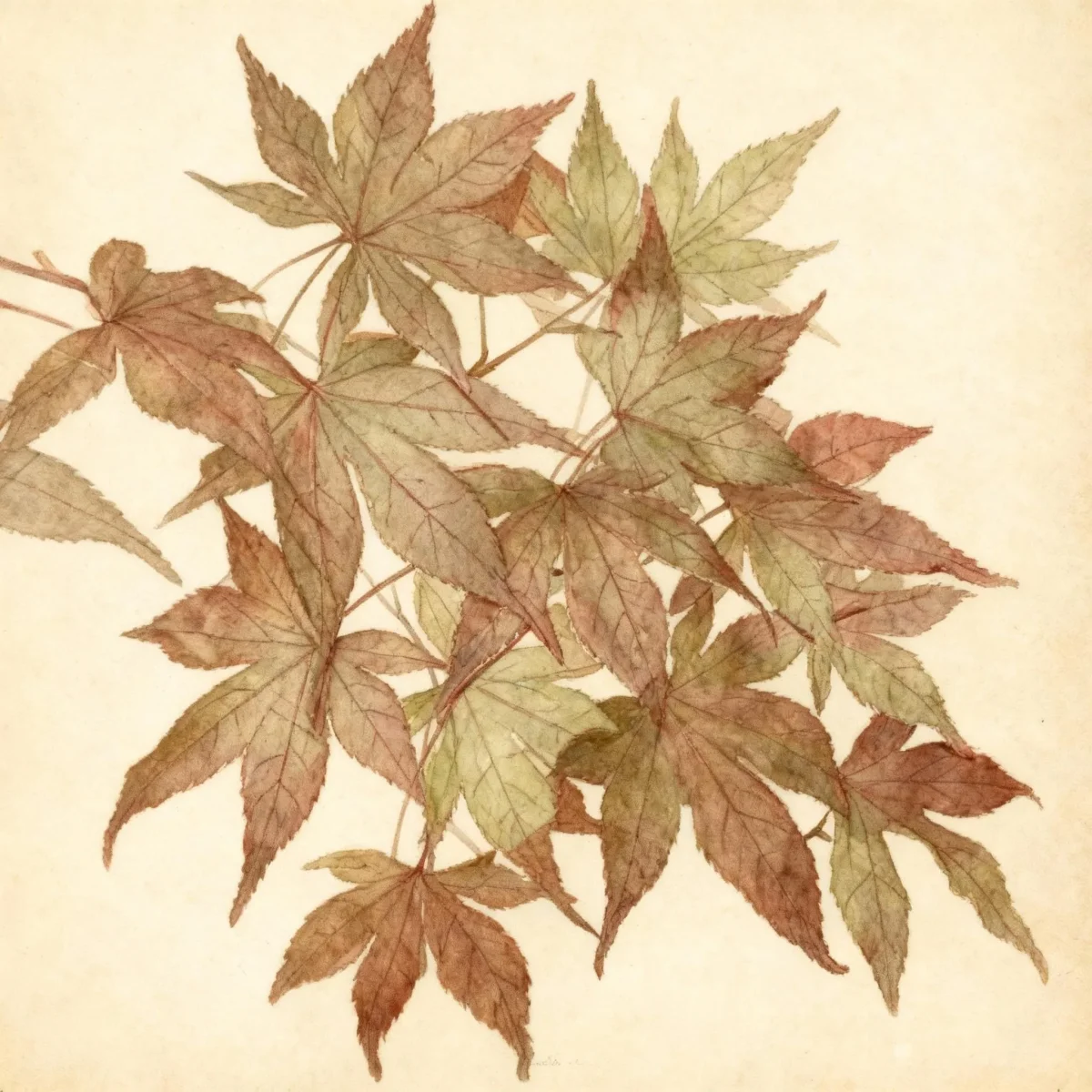
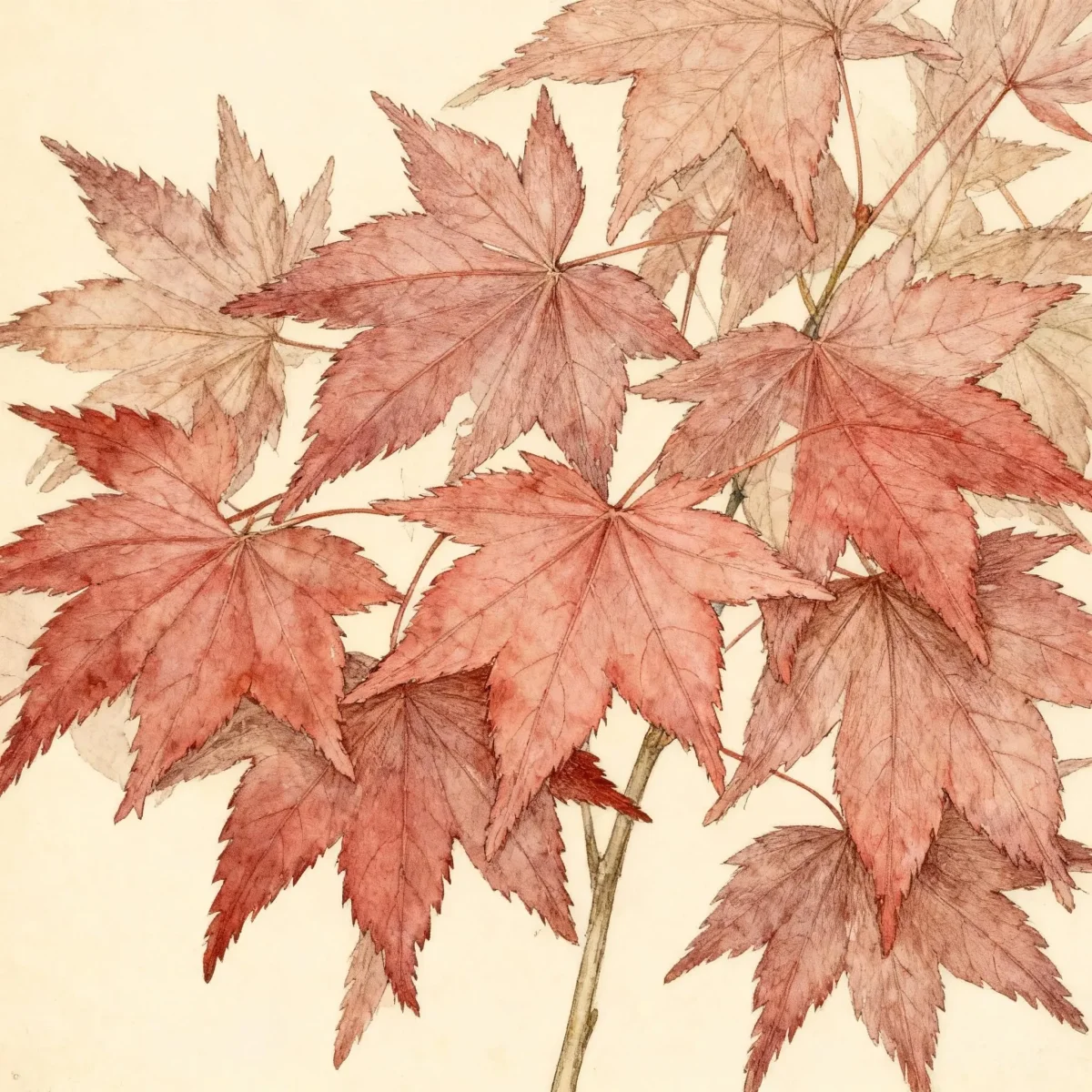
Japanese maple (Acer palmatum var. Dissectum)
Discover Acer palmatum var. dissectum, the graceful Japanese maple, known for its delicate, deeply cut foliage and low-spreading habit.
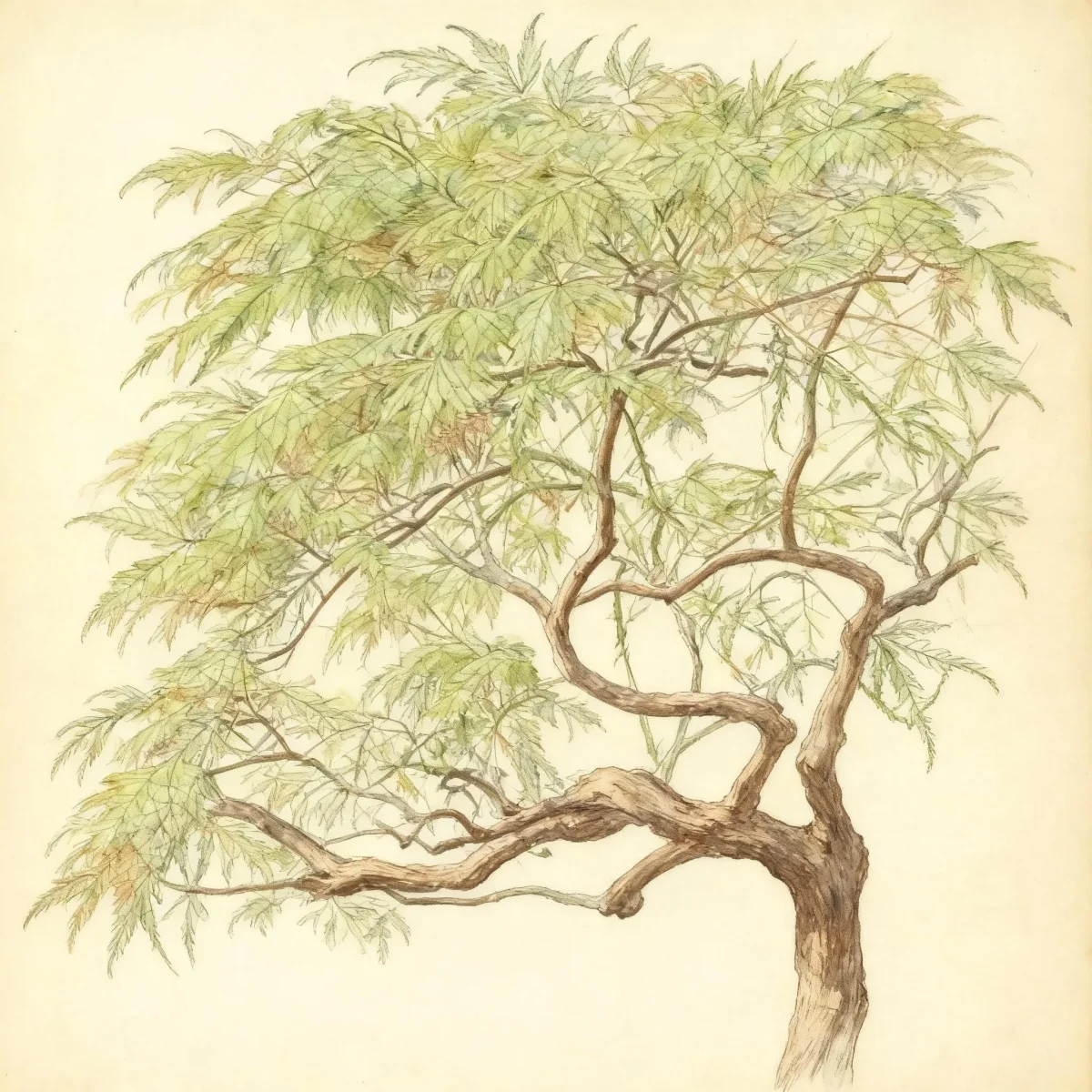

Bloom Boldly, No Matter the Season - Sweatshirt
Cozy organic cotton sweatshirt featuring our exclusive Purple Coneflower design. Perfect for gardeners who bloom year-round.
Inspired by the beautiful Japanese maple
Limited first batch (50) — join the waitlist for early access
Waitlist closes Feb 15, 2026.
Complete Plant Information
Field Guide Continues
Ready for care notes, companion picks, and planting tips?
The map is just the start. The full guide below covers growth habits, seasonal performance, and landscape uses.
Overview
The Acer palmatum var. dissectum cultivar group, commonly known as the laceleaf Japanese maple, offers unparalleled ornamental value through its deeply incised, feathery foliage and often cascading, shrubby growth habit. These deciduous shrubs create elegant focal points, contrasting sharply with broader-leaved plants in the landscape. They are prized for holding seasonal interest, featuring soft spring growth, deep summer greens, and spectacular fall coloration.
Unlike many standard Japanese maples, the Acer palmatum var. Dissectum forms mature into smaller, rounded specimens, rarely exceeding 12 feet high, making them perfect for restricted garden spaces. Their low maintenance nature, once established in the correct environment, further contributes to their popularity among both novice and expert horticulturists seeking refined texture.
These cultivars thrive when given adequate moisture and protection from harsh elements. The unique structure of the dissected leaves means gardeners must pay attention to midday sun exposure, especially in warmer climates, to prevent scorching and maintain the flawless texture this particular Japanese maple offers.
Fast Facts
- Plant Family: Sapindaceae
- Plant Type: Deciduous shrub
- Native Range: China, Korea, Japan
- Hardiness Zones: USDA Zones 5-9
- Size at Maturity:
- Height: 6-12 ft
- Spread: 9-15 ft
- Bloom Time: April
- Bloom Description: Red
- Sun Exposure: Full sun to part shade
- Water Needs: Medium
- Maintenance Level: Low
How to Grow
For optimal health, plant Acer palmatum var. dissectum in moist, organically rich, well-drained soils that maintain a slightly acidic pH. Planting should occur in spring or fall, allowing the root system time to establish before seasonal extremes hit. While they can tolerate full sun in cooler northern ranges, southern gardeners should ensure afternoon shade to protect the delicate new foliage from scorching during hot summers.
Watering requires consistency; soils must be kept moist, especially during periods of high heat, as these Japanese maples dislike hot and dry sites. Applying a layer of mulch around the root zone aids significantly in retaining soil moisture and keeping the roots cool, which is crucial for preventing stress.
Pruning should generally be avoided, as the natural cascading form is highly desirable. If pruning is necessary, perform the work in late fall or mid-winter, as cutting during spring or summer often causes significant sap bleeding. Site your laceleaf Japanese maple where it is protected from strong winds that can damage the finely textured branches and leaves.
Landscape Uses
Dissected forms of Japanese maples are exceptionally valued for their attractive, lacy foliage and naturally low, spreading, and sometimes cascading shapes. This habit makes Acer palmatum var. dissectum ideal as a specimen plant or accent feature where its texture can be appreciated up close, such as near patios or entryways. Groupings of these shrubs work well at the periphery of borders or integrated into rock gardens, softening hard lines.
Because of their tendency to weep or sprawl, these maples excel when planted near ponds or water features, where their form can be dramatically reflected. Furthermore, their need for protection from intense sun makes them excellent understory plants, thriving in sun-dappled shade beneath taller, established trees. Smaller specimens also transition beautifully into large containers, provided drainage and moisture control are carefully managed.
Standout Features
Flower Qualities
- Insignificant
Noteworthy Characteristics
The Acer palmatum var. Dissectum is instantly recognizable as a shrubby, slow-growing relative of the general Japanese Maple, typically maturing under 12 feet tall with a wider spread. Its signature feature is the deeply cut, feathery palmate leaves, each possessing 7-11 deeply incised lobes that often reach the leaf base. While its spring flowers are small and reddish-purple, the primary aesthetic appeal lies in its texture and the spectacular fall display of yellow, red, purple, and bronze tones.
Tolerances
- Rabbit
- Black Walnut
Potential Problems
This exceptional Japanese maple is susceptible to several fungal and pest issues if cultural needs are ignored. Potential disease problems include stem canker, leaf spots, and root rots, often exacerbated by overly wet conditions or poor air circulation. Insect pests like aphids, scale, borers, and spider mites may also prove troublesome; regular scouting is essential for early detection. A common cultural issue is foliage scorch, which occurs when the delicate leaves are exposed to intense afternoon sun, especially if soil moisture drops too low during peak summer heat. Chlorosis, or yellowing of leaves, can signal that the soil pH is too high, requiring slight acidification amendments.
Frequently Asked Questions
What hardiness zones is Japanese maple suitable for?
The Acer palmatum var. dissectum is reliably hardy in USDA Zones 5 through 9.
How large does Japanese maple grow?
This variety typically reaches a mature height between 6 and 12 feet, with a spread often wider, ranging from 9 to 15 feet wide.
What sun exposure does Japanese maple need?
This plant performs best when situated where it receives full sun to part shade; afternoon shade is highly recommended in the hotter southern limits of its range.
When does Japanese maple bloom?
Flowering occurs in the spring, typically during April, and the small blooms are described as red.
Conclusion
The Acer palmatum var. dissectum offers graceful form and unrivaled lacy texture, making it a superb choice for adding delicate contrast to any garden composition. This low-maintenance Japanese maple provides exceptional visual appeal across multiple seasons. Before planting, ensure your site offers the required afternoon shade and consistently moist, well-drained soil to celebrate the beauty of your new laceleaf Japanese maple for years to come.
Companion Planting
Selecting appropriate companions for the Acer palmatum var. dissectum centers on honoring its preference for dappled sunlight and consistent moisture. Consider pairing the fine texture of the Japanese maple with plants that offer bolder, broader leaves, such as Hosta varieties or large-leafed Hydrangea. These companions also share similar cultural needs regarding soil richness and moisture retention.
For seasonal color, low-growing groundcovers like creeping Jenny (Lysimachia nummularia) or various spring-flowering bulbs that fade before the summer heat sets in work beautifully beneath the canopy. Avoid placing aggressive, shallow-rooted competitors nearby, as the slow-growing Acer palmatum var. dissectum requires its soil resources undisturbed.
Seasonal Care Calendar
Spring is the critical time for monitoring your laceleaf plant; watch for late frosts, which can damage the newly emerging, delicate foliage, necessitating temporary protection if a hard freeze is predicted. Immediately after flowering fades, apply a slow-release, balanced fertilizer if needed, though low maintenance often means amending the soil is sufficient.
Summer care revolves entirely around consistent moisture management. Deep, infrequent watering is preferred over shallow sprinkling to encourage deep root growth, supplemented by a thick layer of organic mulch retained around the base, but kept clear of the trunk flare. Avoid stressing the Acer palmatum var. dissectum by letting the soil become too dry.
As fall progresses, enjoy the spectacular change in leaf color that culminates the season for this Japanese maple. Winter preparation involves ensuring the plant is adequately watered before the ground freezes solid, protecting the established root zone before any potential dormant pruning occurs between late fall and mid-winter.