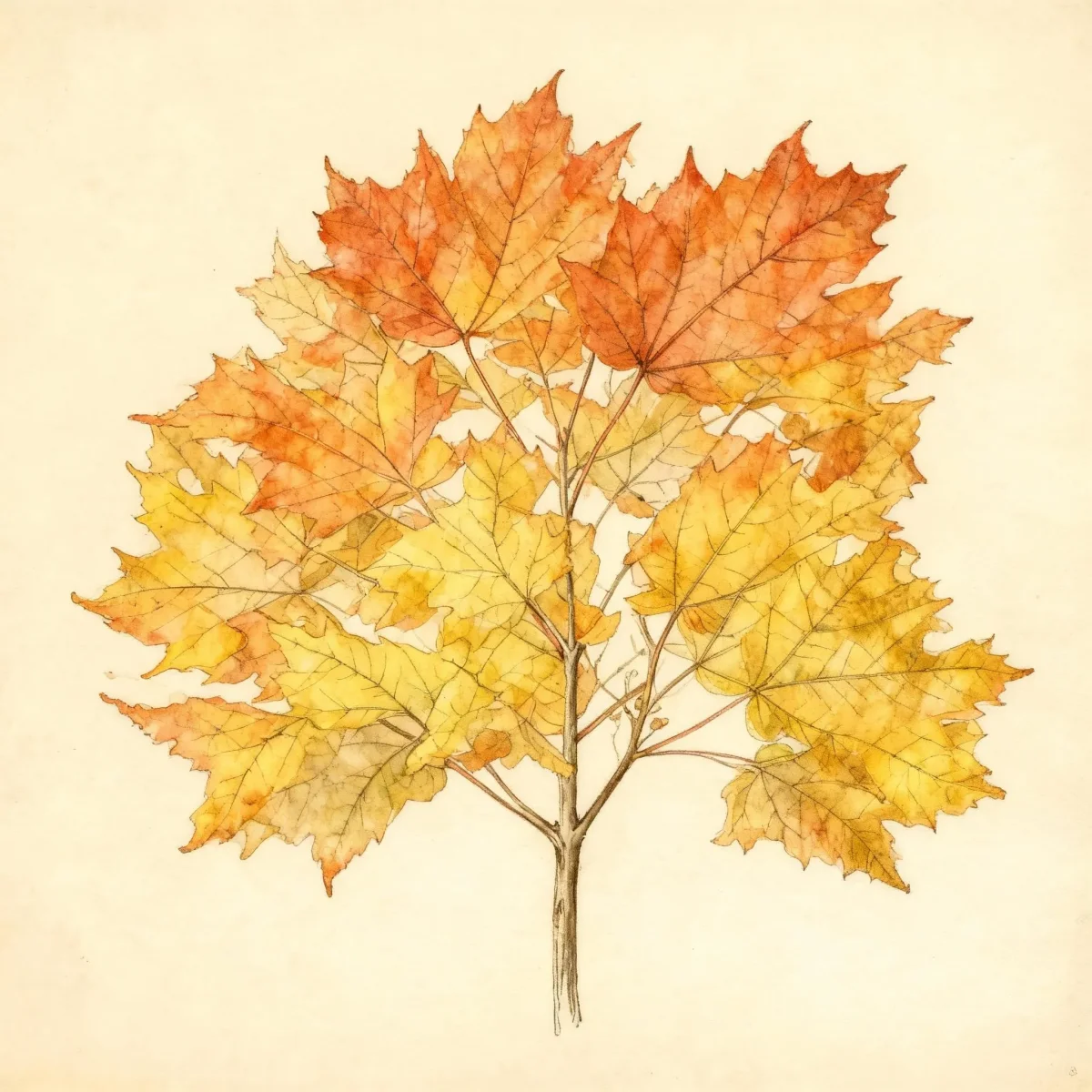
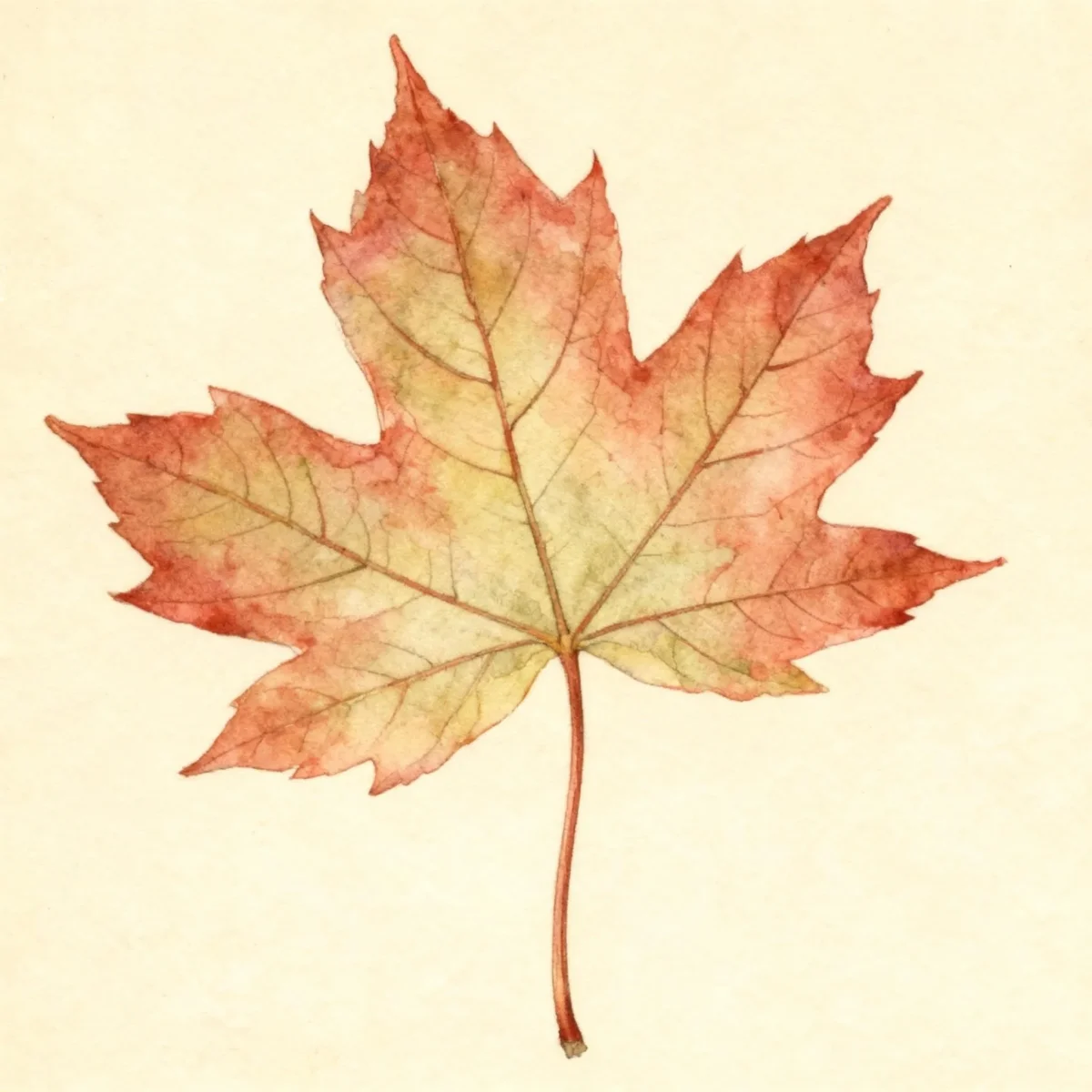
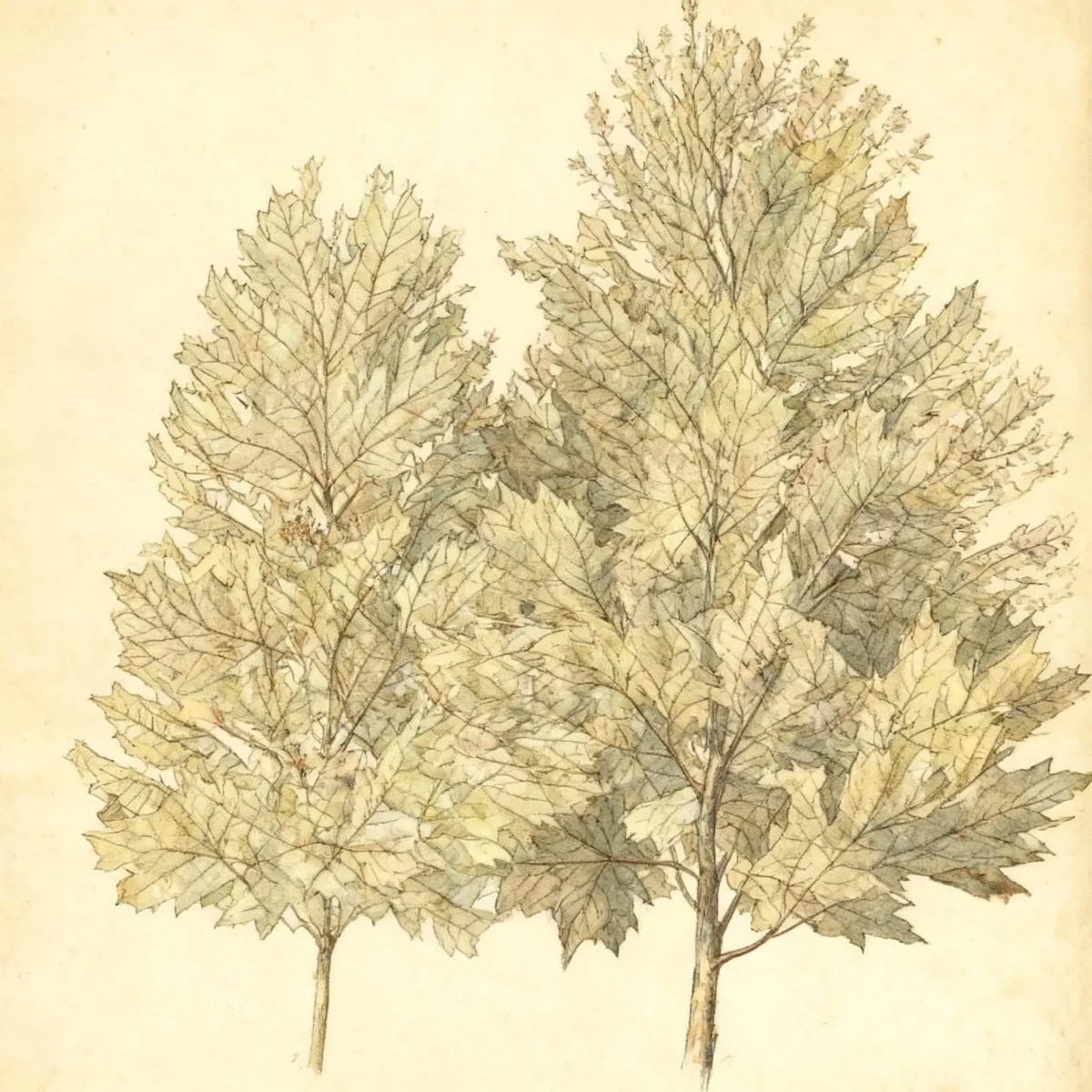
Red maple (Acer rubrum 'October Glory')
Acer rubrum 'October Glory' delivers brilliant orange-red fall color, making this Red maple a prized shade tree for zones 4-9.
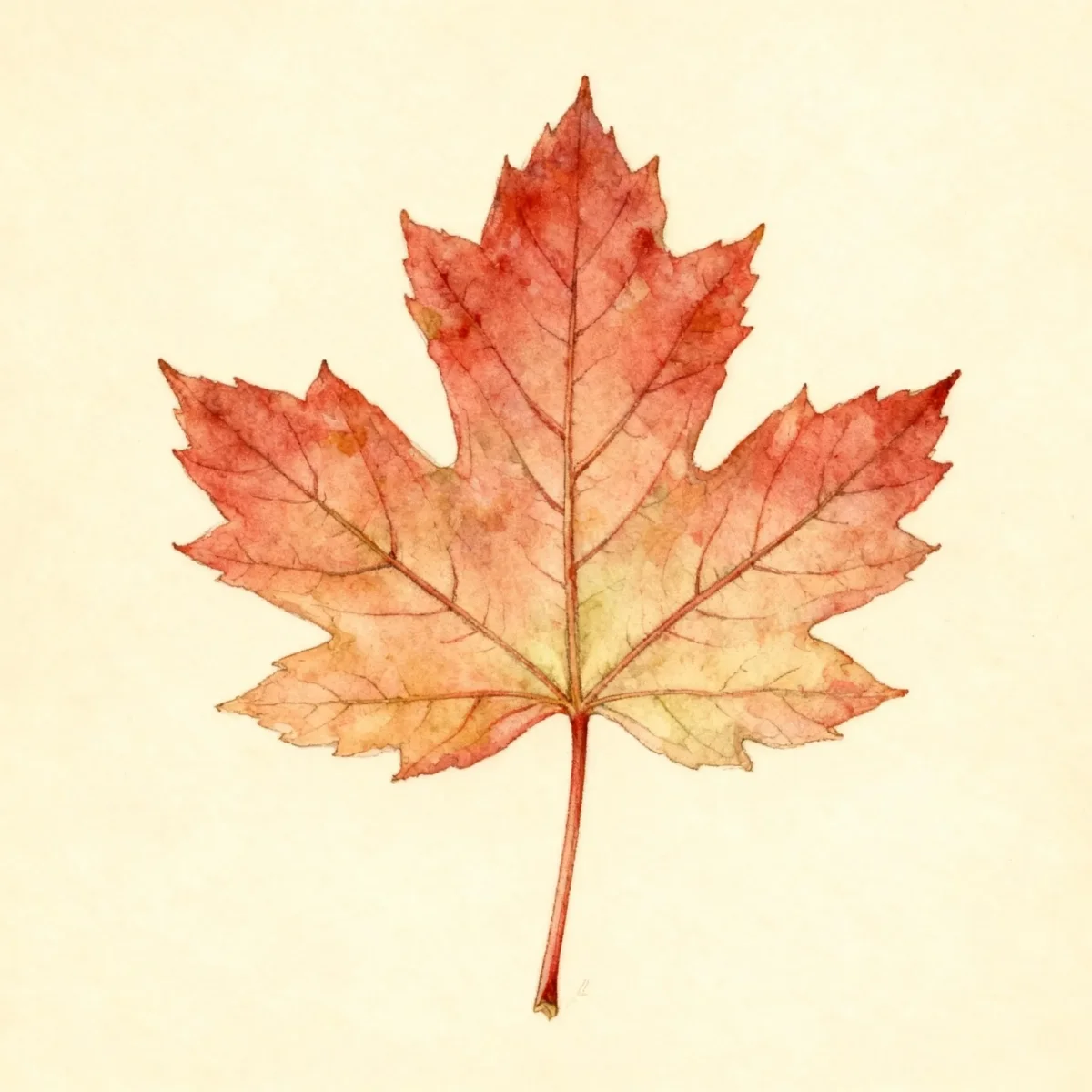

Bloom Boldly, No Matter the Season - Sweatshirt
Cozy organic cotton sweatshirt featuring our exclusive Purple Coneflower design. Perfect for gardeners who bloom year-round.
Inspired by the beautiful Red maple
Limited first batch (50) — join the waitlist for early access
Waitlist closes Feb 15, 2026.
Complete Plant Information
Field Guide Continues
Ready for care notes, companion picks, and planting tips?
The map is just the start. The full guide below covers growth habits, seasonal performance, and landscape uses.
Overview
Acer rubrum ‘October Glory’, known commonly as Red maple, is celebrated across North America primarily for its reliable and incredibly brilliant fall transition. This cultivar is specifically selected for its consistent orange-red foliage color, which often appears later in the season compared to other red maples. It serves as an outstanding specimen or street tree, maturing into a handsome, rounded form.
This medium-sized, deciduous tree grows moderately fast, offering necessary shade while enhancing the landscape with its year-round color accents. The species is native to eastern North America, but the hardiness of Acer rubrum ‘October Glory’ allows it to thrive across USDA Zones 4 through 9. Its value extends beyond aesthetics, as it provides essential habitat and food sources for various bird species.
Gardeners appreciate the low maintenance requirements of this Red maple, provided it is situated where it receives sufficient moisture. While adaptable, the rich red display seen in its namesake month is best achieved when cultural needs for acidic, moist soils are met. Planting Acer rubrum ‘October Glory’ ensures a vibrant focal point for years to come.
Fast Facts
- Plant Family: Sapindaceae
- Plant Type: Tree
- Hardiness Zones: USDA Zones 4-9
- Size at Maturity:
- Height: 40-50 ft
- Spread: 30-40 ft
- Bloom Time: March
- Bloom Description: Red
- Sun Exposure: Full sun to part shade
- Water Needs: Medium to wet
- Maintenance Level: Low
How to Grow
Planting Acer rubrum ‘October Glory’ should ideally occur in the early spring or fall when temperatures are moderate to reduce transplant shock. Choose a site that receives full sun to partial shade, ensuring the soil is well-drained despite its tolerance for moisture. This Red maple develops best in slightly acid conditions; amend heavy clay soils if necessary with organic matter to improve drainage and lower pH.
Watering is critical, especially for newly established trees. While mature specimens tolerate medium to wet conditions, consistent moisture is required when the tree is young. Avoid letting the soil fully dry out between waterings, particularly in summer heat, though prolonged saturation should be avoided. Fertilization is rarely necessary if the soil is adequate, but a balanced slow-release fertilizer in early spring can benefit young specimens.
Maintenance is generally low, fitting its designation as a street-tolerant tree. Pruning should focus on removing dead, damaged, or crossing branches, best performed in late winter before buds swell. Be mindful that the genus Acer bleeds sap if pruned heavily in late winter or early spring; late spring or summer pruning avoids excessive sap loss.
Landscape Uses
The adaptable nature of Acer rubrum ‘October Glory’ makes it an excellent choice for varied landscape applications, ranging from large residential lawns to municipal plantings. It excels as a specimen tree due to its excellent structure and dependable fall display. Furthermore, its tolerance for wet conditions makes it a superior choice for rain gardens or low-lying areas where other trees might struggle.
When utilizing this Red maple in street or park settings, gardeners must account for its shallow, flattened root system. Planting too closely to hardscaping like sidewalks or driveways can result in pavement heaving over time. Consider wide, unpaved planting strips or areas where root barriers can be effectively installed.
Designers often pair the brilliant fall foliage of the Acer rubrum ‘October Glory’ with later-blooming shrubs or evergreens that provide contrasting texture throughout the cooler seasons. Its seasonal interest—red flowers in spring, deep green in summer, and intense red/orange in autumn—ensures year-round appeal.
Standout Features
Flower Qualities
- Showy
Noteworthy Characteristics
The specific epithet rubrum refers to the abundance of red coloration present on this tree, including the flowers, fruit, twigs, and buds. ‘October Glory’ is a female cultivar prized because its glossy dark green leaves hold their color well into autumn before displaying brilliant orange to red fall color, often later than other cultivars. This deciduous tree establishes a rounded, oval crown and grows relatively quickly compared to slower maples like Norway or Sugar maples.
Tolerances
- Wet Soil
- Air Pollution
Potential Problems
Acer rubrum ‘October Glory’ is susceptible to several pests and diseases common to the species. Watch for common issues such as aphids, leafhoppers, borers, scale insects, and various caterpillars feeding on the foliage. Management often involves monitoring and targeted, timely insecticide application if infestations become economically damaging.
Fungal issues like canker, fungal leaf spot, and root rots can occur, especially in poorly drained or stressed conditions. Verticillium wilt is a serious concern, attacking the vascular system and potentially proving fatal; prevention relies on planting in appropriate, well-drained sites. Additionally, branch failure due to strong winds or ice storms is possible, meaning structural pruning advice is essential.
Frequently Asked Questions
What hardiness zones is Red maple suitable for?
Acer rubrum ‘October Glory’ thrives in USDA Hardiness Zones 4 through 9, offering suitability across a broad range of climates.
How large does Acer rubrum ‘October Glory’ grow?
This Red maple typically reaches mature heights between 40 and 50 feet tall, with a spread generally ranging from 30 to 40 feet wide.
What sun exposure does Red maple need?
For best performance and optimal fall color, Acer rubrum ‘October Glory’ requires full sun to part shade conditions.
When does Red maple bloom?
The attractive red flowers of the Red maple appear quite early in the growing season, typically around March, emerging before the leaves fully develop.
Conclusion
The Acer rubrum ‘October Glory’ stands out as a reliable, low-maintenance, and stunning landscape asset, thanks chiefly to its spectacular autumn transformation. Whether used as a stately shade provider or as a colorful street specimen, this Red maple fulfills its promises of vibrance and durability across zones 4 to 9. Assess your site’s moisture levels and potential for nearby hardscaping damage before finalizing planting plans for your new Acer rubrum ‘October Glory’.
Companion Planting
Companion planting near your Red maple should focus on species that share cultural needs, specifically preferring moist, slightly acidic soils. Low-maintenance ferns like Ostrich Fern (Matteuccia struthiopteris) thrive in the dappled shade provided by the maturing canopy. Acid-loving foundation shrubs such as large Azaleas or Rhododendrons can create an attractive, colorful border beneath the tree canopy.
Since the Red maple has a shallow root system, avoid aggressive groundcovers directly beneath the critical root zone that might compete heavily for surface moisture. Instead, utilize light mulching to help retain soil humidity and regulate soil temperature, which benefits both the tree and any accompanying acid-loving perennials.
Wildlife Benefits
Beyond its visual appeal, Acer rubrum ‘October Glory’ provides valuable ecological services throughout the year. The small red flowers appearing in early spring are an important, early nectar source for emerging pollinators before many other landscape plants awaken. This timing is crucial for jump-starting local insect populations.
The tree also supports avian life directly. The seeds (samaras) and flower buds are recognized food sources for numerous bird species across its native range. Furthermore, insects that feed on the foliage provide necessary protein for nesting birds, making this Red maple a vital component in sustaining local backyard ecosystems.