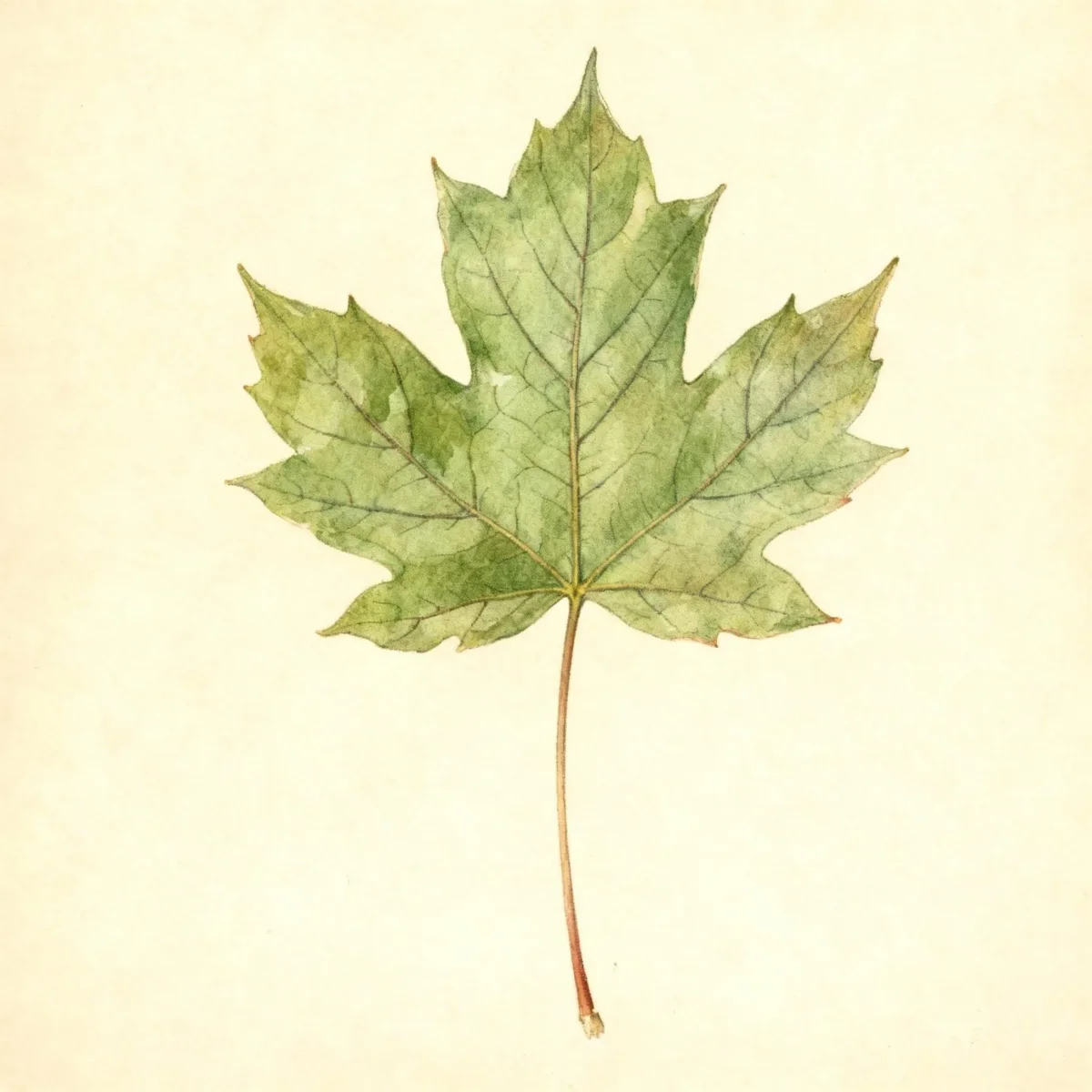
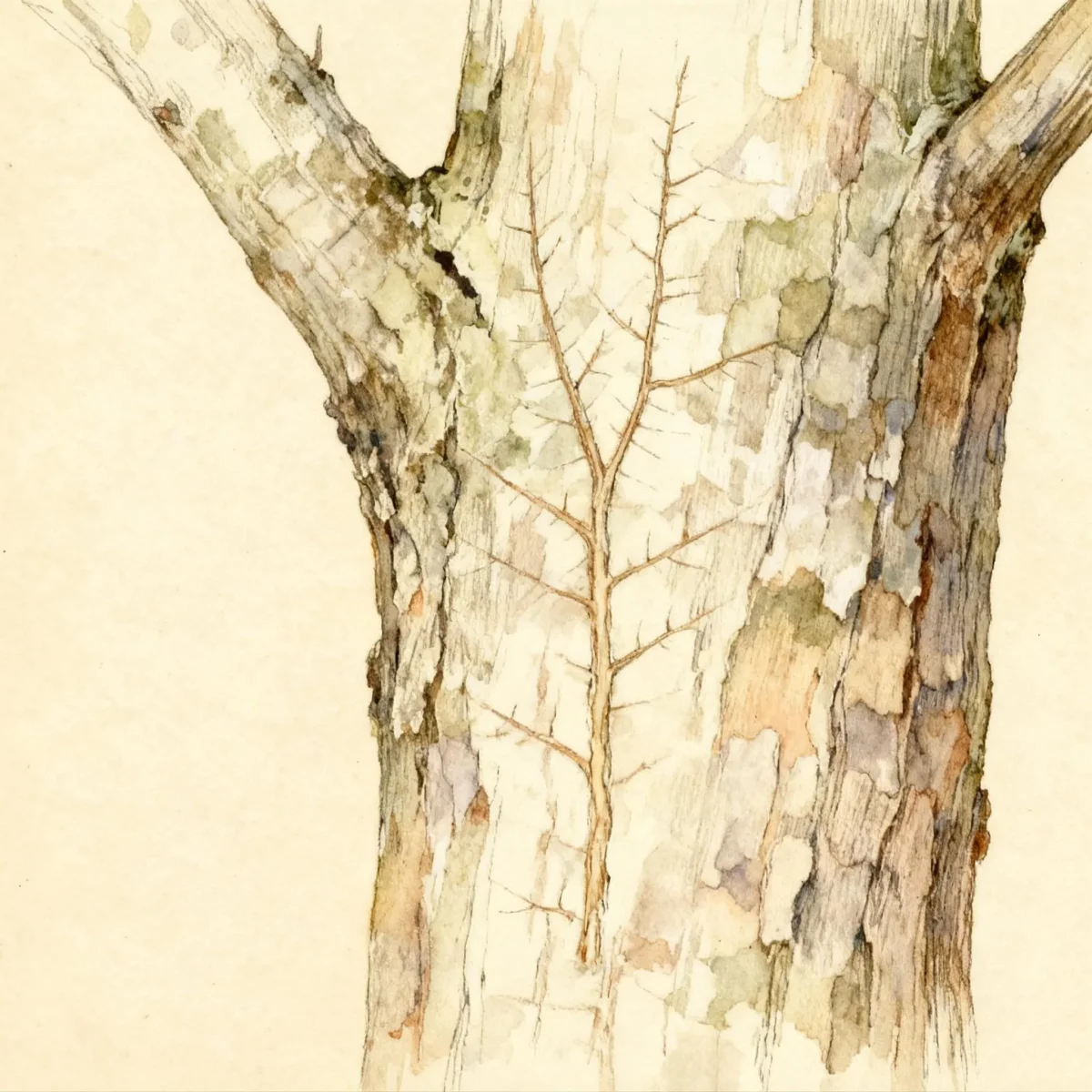
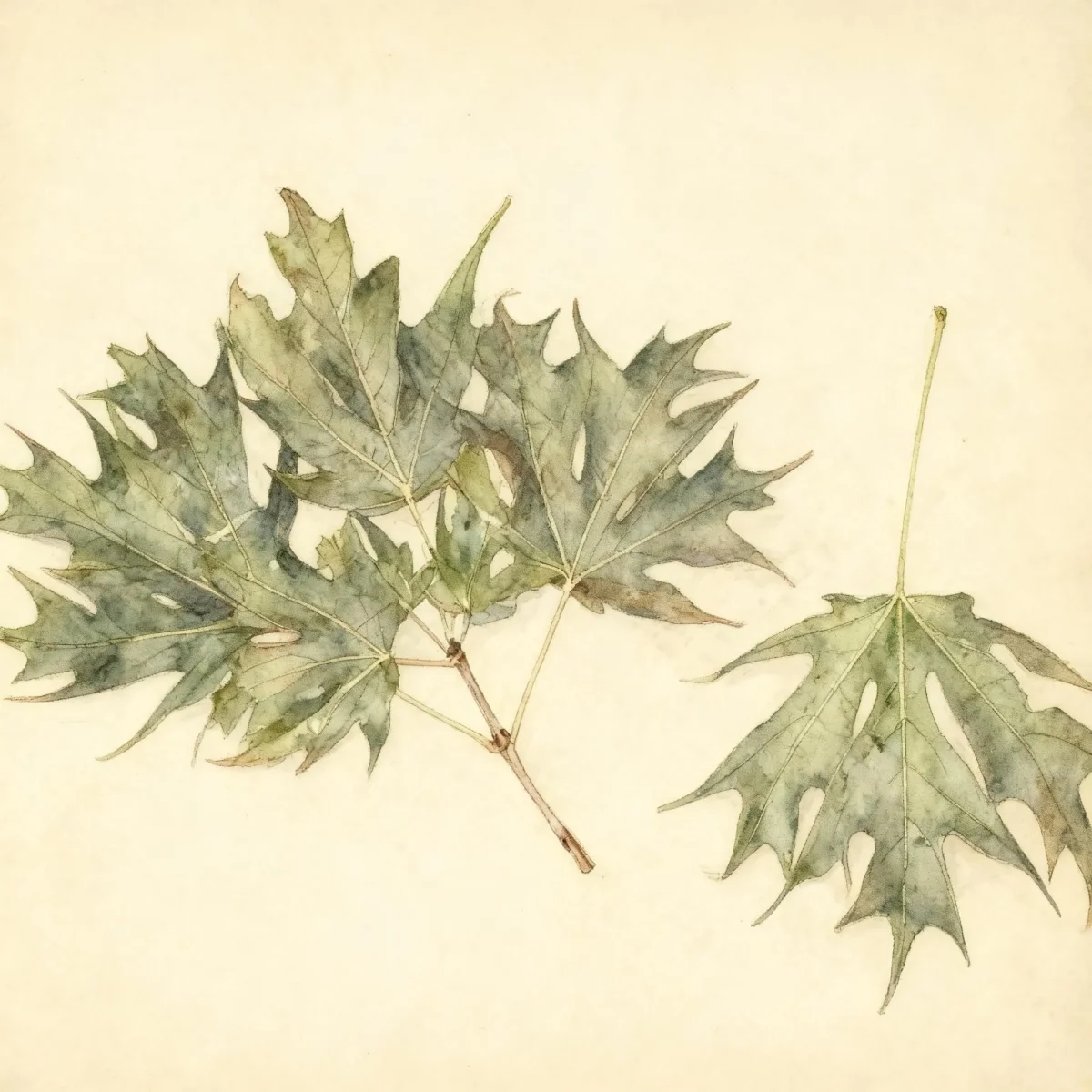
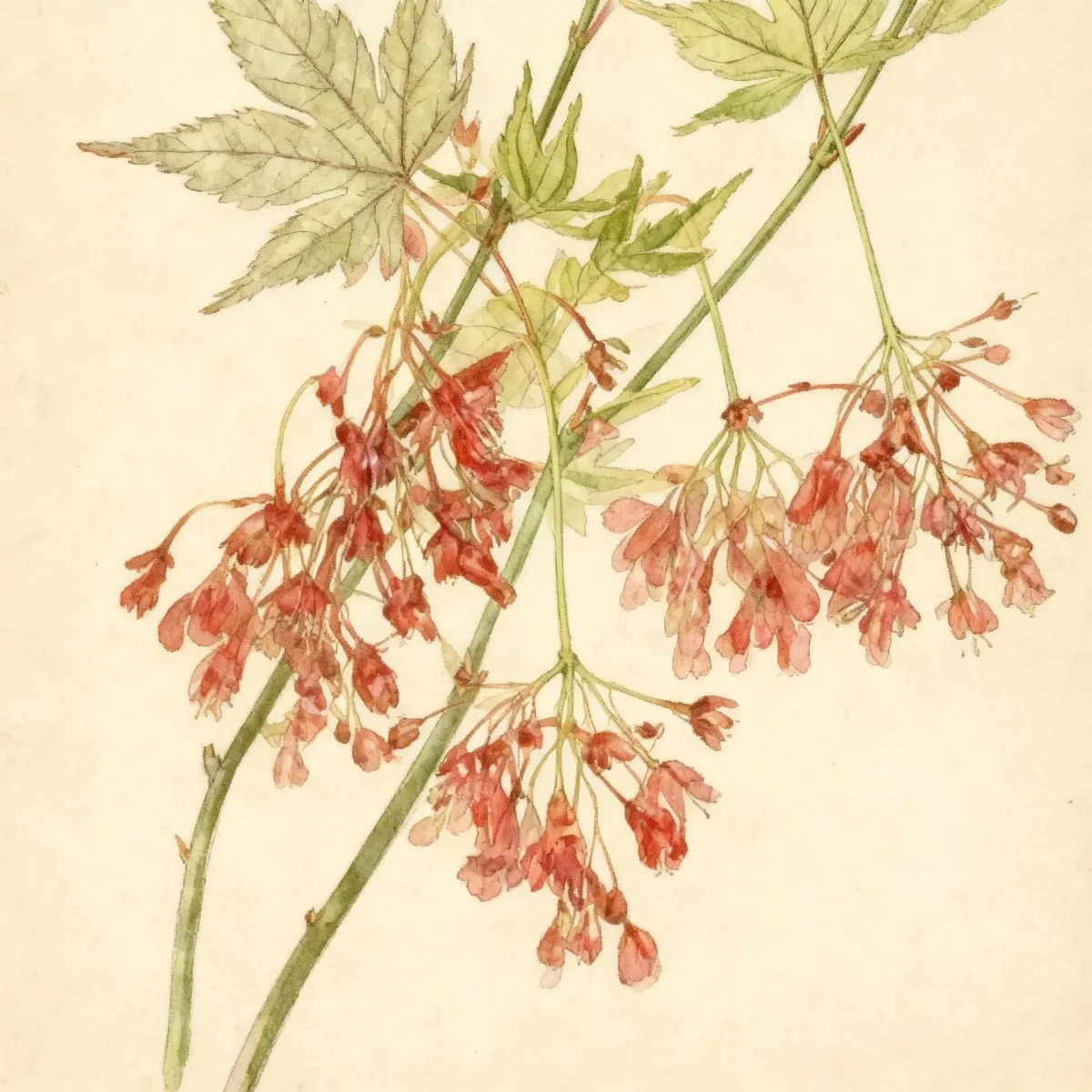
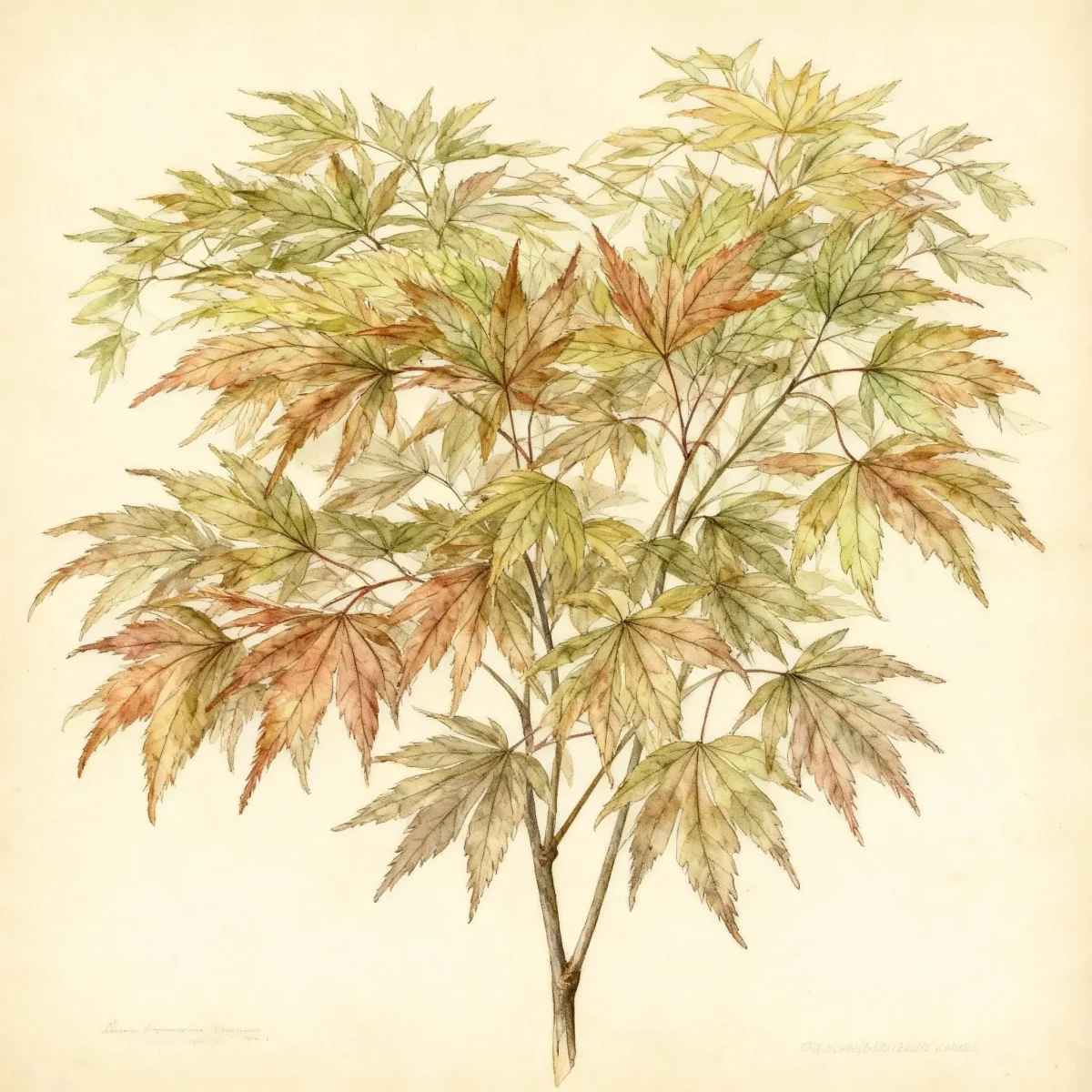
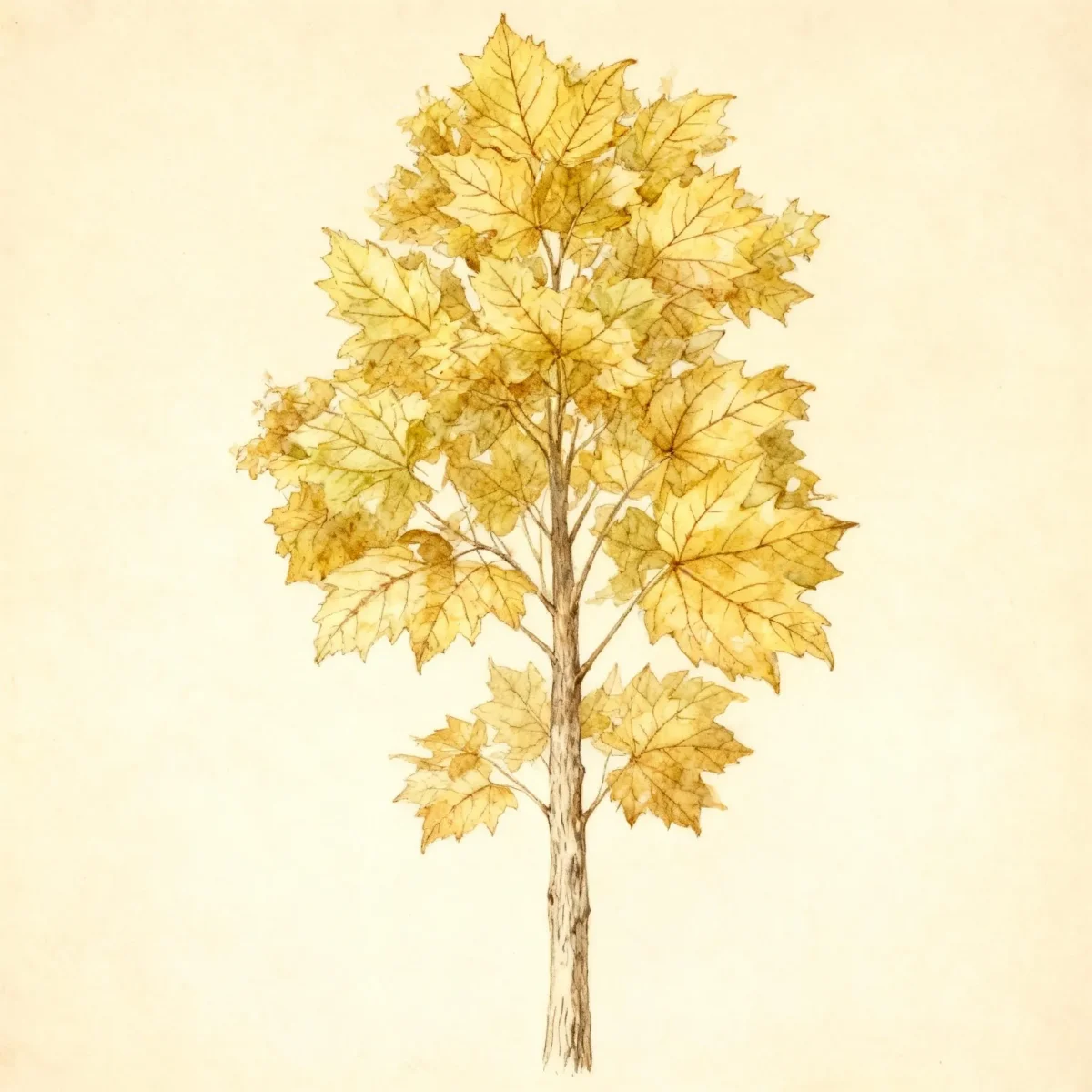
Sugar maple (Acer saccharum 'Goldspire')
Acer saccharum 'Goldspire' is a columnar Sugar maple prized for its dense form and brilliant golden fall color, perfect for specimen planting.

Bloom Boldly, No Matter the Season - Sweatshirt
Cozy organic cotton sweatshirt featuring our exclusive Purple Coneflower design. Perfect for gardeners who bloom year-round.
Inspired by the beautiful Sugar maple
Limited first batch (50) — join the waitlist for early access
Waitlist closes Feb 15, 2026.
Complete Plant Information
Field Guide Continues
Ready for care notes, companion picks, and planting tips?
The map is just the start. The full guide below covers growth habits, seasonal performance, and landscape uses.
Overview
The Acer saccharum ‘Goldspire’ cultivar offers the classic beauty of the Sugar maple but in a much more tailored, upright silhouette, making it an excellent choice for tighter landscapes. This variety maintains the species’ celebrated longevity and adaptability, providing excellent structure throughout the year. Gardeners prize this tree, specifically Acer saccharum ‘Goldspire’, for its dense, narrow, columnar form complementing traditional woodland aesthetics while avoiding excessive spread.
As a cultivar of the native Acer saccharum, this Sugar maple contributes significantly to seasonal interest, culminating in spectacular autumn foliage that transforms from dark green to a striking golden yellow. Its relatively slow growth rate ensures that the tree maintains its distinctive shape for many years, establishing itself as a reliable focal point or specimen planting. Successful cultivation relies on providing the preferred environment that minimizes stress, ensuring robust health for this outstanding shade tree option.
Fast Facts
- Plant Family: Sapindaceae
- Plant Type: Tree
- Hardiness Zones: USDA Zones 4-8
- Size at Maturity:
- Height: 40-50 ft
- Spread: 12-15 ft
- Bloom Time: April
- Bloom Description: Yellow-green
- Sun Exposure: Full sun to part shade
- Water Needs: Medium
- Maintenance Level: Low
How to Grow
Plant Acer saccharum ‘Goldspire’ during the dormant season, typically early spring or late fall, when transplant shock is minimized. This Sugar maple thrives best when situated in fertile, slightly acidic, and consistently moist but well-drained soil. While it tolerates average conditions, maximizing its growth and fall color potential requires placing it where it receives full sun to light part shade.
Water requirements are medium; establish a deep, consistent watering schedule, especially during the first few years as the root system develops. Once established, Acer saccharum ‘Goldspire’ is relatively low maintenance. Avoid planting it where soil compaction is severe or where it will be heavily exposed to road salt, as this variety, like the species, shows poor tolerance for those urban stresses.
Pruning should be minimal, focusing only on removing crossing or damaged branches during its dormant period. Because this tree can suffer from leaf scorch in severe drought, ensure supplemental deep watering occurs during dry summer periods. Avoid planting in areas prone to poor drainage, which can predispose the tree to root issues.
Landscape Uses
The upright, columnar habit of Acer saccharum ‘Goldspire’ makes it an exceptional specimen tree, ideal for highlighting entryways or providing vertical interest on smaller properties where a traditional sprawling maple would be too large. It serves beautifully as an anchor element in foundation plantings or as an accent in formal perennial borders, offering strong autumn structure.
For parks and larger lawns, this Sugar maple functions well in groupings, creating a refined screen or a narrow allée effect without blocking sightlines completely. While capable of being used near streets, gardeners must prioritize locations shielded from significant road salt runoff to ensure the long-term health of the Acer saccharum ‘Goldspire’. This tree provides year-round structure, transitioning from its summer green to its golden signature in the fall.
Standout Features
Flower Qualities
- Insignificant
Noteworthy Characteristics
The species, Acer saccharum, is a deciduous Missouri native renowned for creating spectacular Eastern U.S. hardwood forests and contributing to New England’s famous fall displays. The cultivar ‘Goldspire’ specifically maintains a dense, narrow, columnar form, growing usually 40’ to 50’ tall, while its dark green leaves turn a stunning golden yellow in autumn. Native Americans historically tapped sugar maples for their sweet sap, demonstrating this tree’s foundational role in North American heritage.
Tolerances
- Heavy Shade
Potential Problems
Like many maples, Acer saccharum ‘Goldspire’ is susceptible to several fungal diseases, including verticillium wilt, anthracnose, cankers, leaf spot, and tar spot. Pests such as aphids, borers, and scale can also pose threats, requiring vigilance. Leaf scorch is a particular concern during periods of intense heat or drought, often signaling insufficient water availability.
Preventative measures are crucial for managing these issues in your Sugar maple. Ensure proper air circulation through minimal pruning and avoid overhead sprinkling, which encourages fungal growth on foliage. If borer activity is noted, proper cultural care, especially maintaining adequate moisture, helps the tree resist infestation. Always inspect new plantings carefully to avoid introducing disease.
Frequently Asked Questions
What hardiness zones is Sugar maple suitable for?
The Acer saccharum ‘Goldspire’ is suitable for cultivation in USDA Hardiness Zones 4 through 8.
How large does Acer saccharum ‘Goldspire’ grow?
This columnar Sugar maple typically reaches a mature height between 40 and 50 feet, with a relatively narrow spread of 12 to 15 feet.
What sun exposure does Acer saccharum ‘Goldspire’ need?
This tree performs best in locations receiving full sun to part shade, though it can tolerate some heavy shade, which may slightly reduce its fall color intensity.
When does Sugar maple bloom?
The tree generally blooms in April, producing small, yellow-green flowers that are not primary ornamental features.
Conclusion
The Acer saccharum ‘Goldspire’ stands out as a magnificent specimen tree, offering the iconic stature of the Sugar maple captured in a manageable, columnar shape that delivers phenomenal golden fall color. Its low maintenance level and long lifespan make it a rewarding investment for structured landscapes. Before purchasing, confirm that your site provides well-drained, slightly acidic soil and is protected from excessive road salt exposure to best enjoy your new Acer saccharum ‘Goldspire’.
Companion Planting
Selecting appropriate companions can enhance the root health and visual appeal surrounding your Sugar maple. Consider underplanting with acid-loving, shade-tolerant groundcovers like Pachysandra (Japanese Spurge) or Hosta varieties that thrive in the dappled light beneath the canopy. Avoid shallow-rooted turf grasses directly adjacent to the trunk to prevent root competition and compaction.
For mid-story interest, utilize shrubs that tolerate similar moist, well-drained conditions but do not require deep shade. Azaleas or Rhododendrons, providing vibrant spring color, often share successful cultural requirements with established maples. Remember that the mature canopy of the Acer saccharum ‘Goldspire’ will eventually create significant shade, so select plants tolerant of medium to heavy shade conditions.
Design Ideas for Columnar Trees
The narrow profile of Acer saccharum ‘Goldspire’ is invaluable when designing spaces where width is restricted. Use two specimens to formally frame an entrance, providing symmetry and vertical emphasis that traditional shade trees cannot offer. In modern or minimalist gardens, a single, well-placed specimen acts as a powerful architectural element contrasting with lower, horizontally spreading plantings.
When using multiple columnar trees, space them slightly wider than their typical spread (15 ft) to allow for air movement, which is critical for disease prevention. The upward sweep of the branches helps draw the eye vertically, making smaller yards feel taller and more defined. Utilize its excellent fall color by placing it near structures clad in complementary cool tones, such as gray stone or deep blue siding.