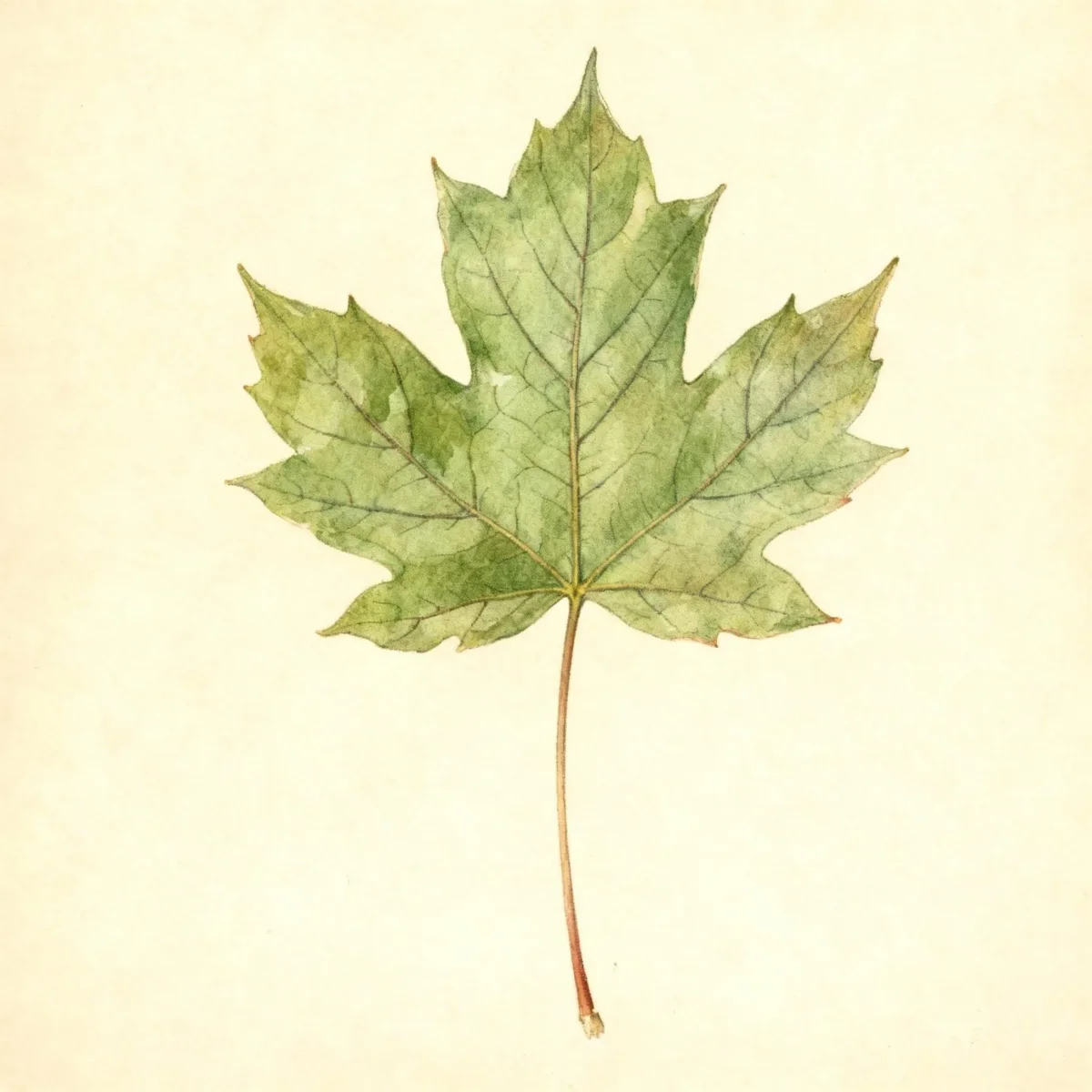
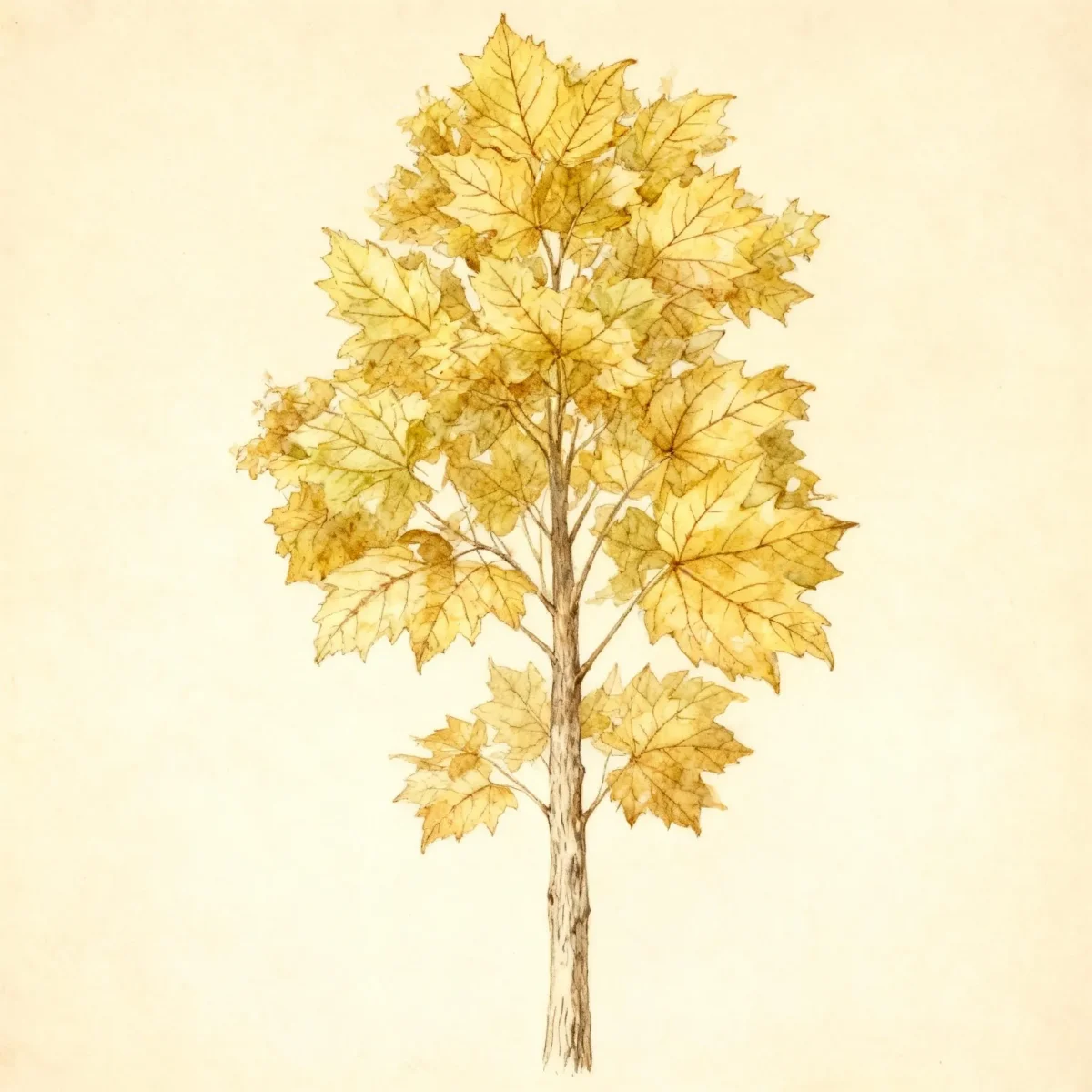
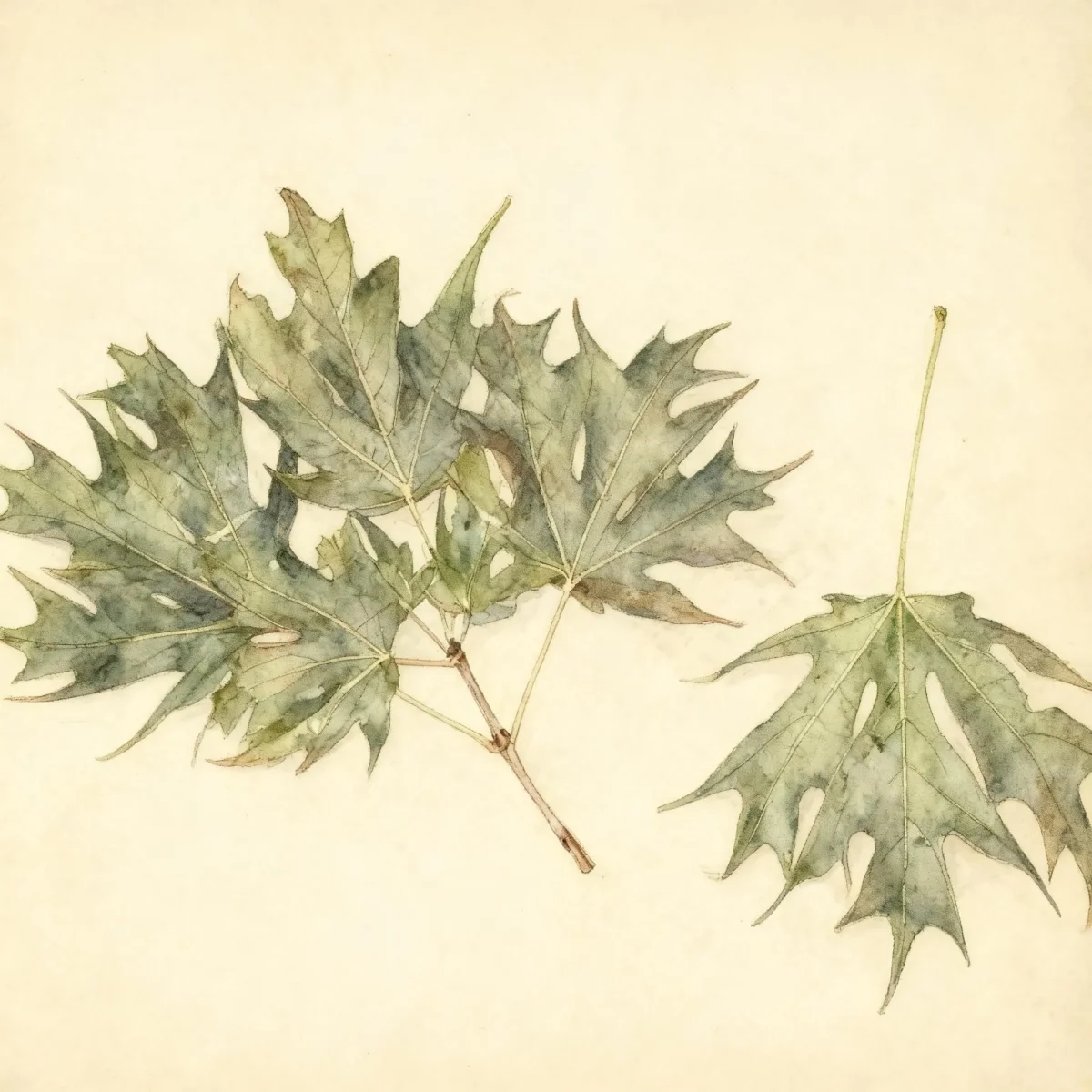
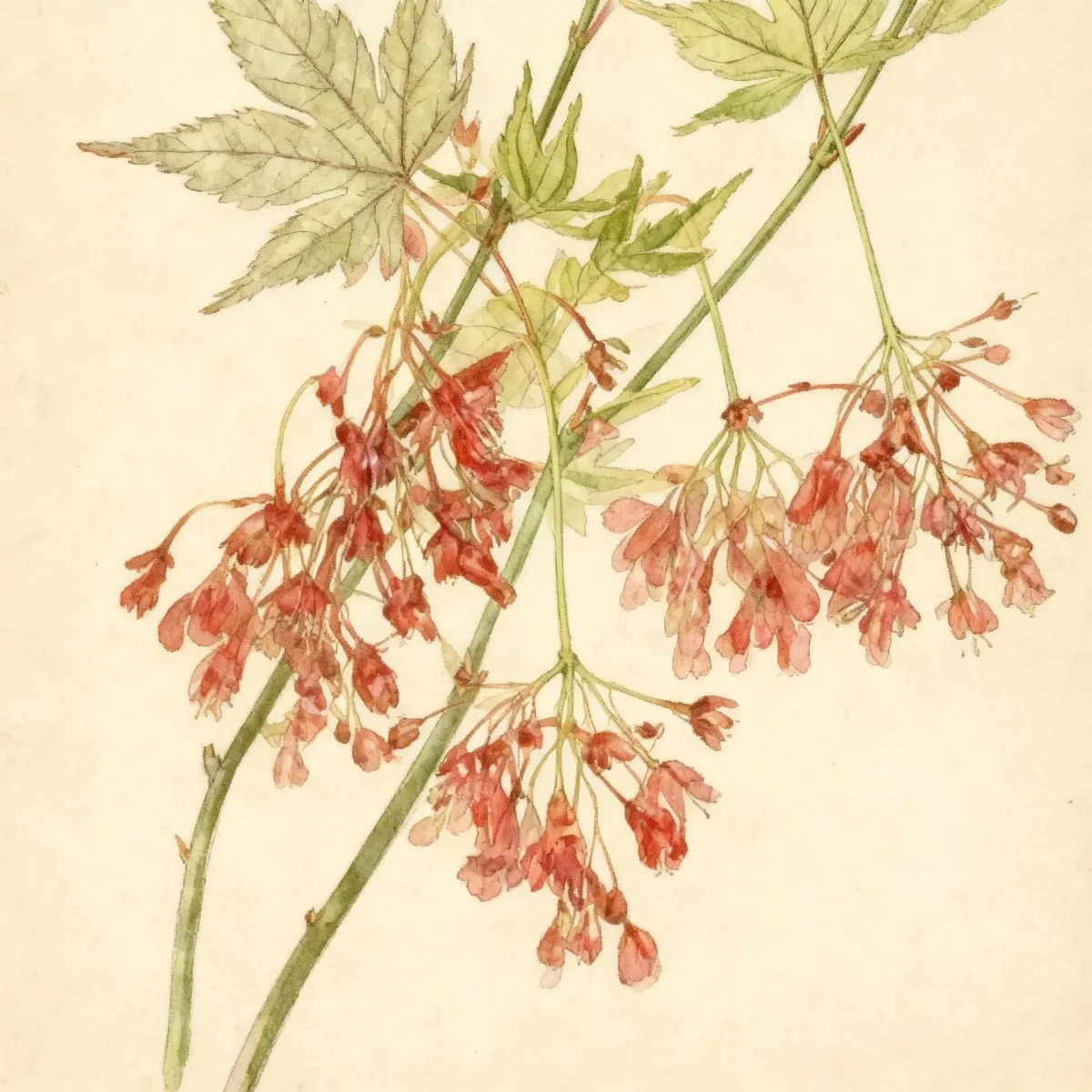
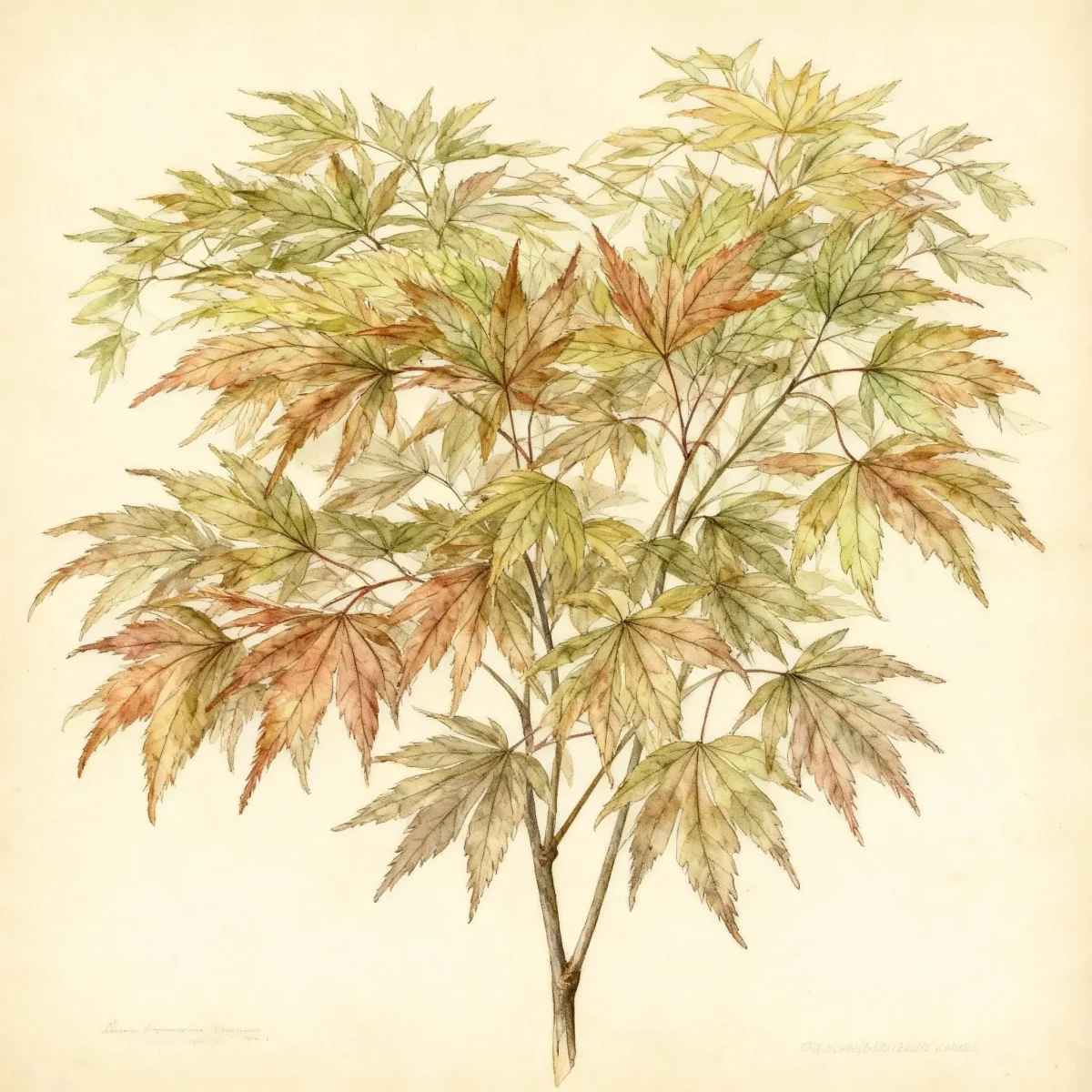
Sugar maple (Acer saccharum 'Newton Sentry')
Acer saccharum 'Newton Sentry' is an exceptionally narrow Sugar maple cultivar, celebrated for its upright form and reliable fall color, ideal for tight spaces.

Bloom Boldly, No Matter the Season - Sweatshirt
Cozy organic cotton sweatshirt featuring our exclusive Purple Coneflower design. Perfect for gardeners who bloom year-round.
Inspired by the beautiful Sugar maple
Limited first batch (50) — join the waitlist for early access
Waitlist closes Feb 15, 2026.
Complete Plant Information
Field Guide Continues
Ready for care notes, companion picks, and planting tips?
The map is just the start. The full guide below covers growth habits, seasonal performance, and landscape uses.
Overview
The Acer saccharum ‘Newton Sentry’ stands out in the landscape due to its remarkably narrow, upright columnar habit, providing the classic beauty of the Sugar maple without the broad spread of the species form. This cultivar is highly desirable for gardeners constrained by space who still want the iconic fall foliage for which Sugar maple trees are famous. It maintains the long lifespan and excellent shade capabilities of its parent species while offering a unique vertical accent.
This cultivar typically matures between 40 and 50 feet tall but spreads minimally, often staying under 16 feet wide. This slim profile makes Acer saccharum ‘Newton Sentry’ an outstanding vertical anchor in formal settings. It develops leathery dark green leaves that transform into excellent yellow, orange, and red hues in autumn.
While the standard Sugar maple is widely known, the ‘Newton Sentry’ variety, introduced in 1885, offers architectural interest. Gardeners seeking structure and seasonal performance should consider this distinctive Acer saccharum ‘Newton Sentry’ specimen for its superior upright growth habit.
Fast Facts
- Plant Family: Sapindaceae
- Plant Type: Tree
- Hardiness Zones: USDA Zones 4-8
- Size at Maturity:
- Height: 40-50 ft
- Spread: 10-16 ft
- Bloom Time: April
- Bloom Description: Yellowish green
- Sun Exposure: Full sun to part shade
- Water Needs: Medium
- Maintenance Level: Low
How to Grow
For optimal establishment, plant Acer saccharum ‘Newton Sentry’ during the dormant seasons—either early spring or fall—allowing the roots time to establish before summer heat or winter freezes. This tree prefers fertile, slightly acidic, moist soils and performs best when situated in full sun to dappled part shade. Ensure the planting location offers excellent drainage; this tree grows poorly in compacted or waterlogged soils.
Water mediumly, especially during the first few years after planting to encourage a robust root system. While generally considered low maintenance once mature, regular monitoring for common maple issues is recommended. Pruning should be minimal, focusing only on removing damaged or crossing branches, preferably during the winter dormant season when sap flow is reduced.
A critical consideration for siting Acer saccharum ‘Newton Sentry’ is its intolerance to environmental stressors. Avoid planting near areas where de-icing salts containing sodium chloride are heavily used, as the tree is sensitive to salt exposure. Its intolerance to urban pollution also means it is best situated in residential yards or parks rather than heavily trafficked central city locations.
Landscape Uses
The primary value of Acer saccharum ‘Newton Sentry’ lies in its narrow, columnar form, making it an excellent specimen tree where width is a constraint. It provides desirable vertical structure in small lawns, courtyards, or framing narrow entryways where a traditional Sugar maple would overwhelm the space. Its striking fall color ensures seasonal interest even in constrained areas.
Due to its specific requirements regarding soil quality and salt tolerance, plan your planting carefully. In parks or large residential landscapes, use this tree to create strong vertical rhythm along avenues or property lines, contrasting nicely with lower, broader plantings. While historically used as a street tree, ensure that street locations for this specific Acer saccharum ‘Newton Sentry’ are protected from excessive road salt runoff.
Standout Features
Flower Qualities
- Insignificant
Noteworthy Characteristics
The Sugar maple (Acer saccharum) is famous as a source of maple syrup and for creating spectacular hardwood forests, with the ‘Newton Sentry’ being a specialized cultivar introduced in 1885. This unique variety retains the species’ superior fall color, which ranges from yellow to orange and red, but maintains an extremely narrow, upright shape, growing 40-50 feet tall with a spread of only 10-16 feet, owing to its ascending vertical branches lacking a strong central leader in the upper canopy. The pale yellowish-green flowers appear in spring just before the dark green, leathery leaves emerge, contributing to the overall vertical architecture of this long-lived shade provider.
Tolerances
- Intolerant of road salt
- Generally intolerant of urban pollution
Potential Problems
Acer saccharum ‘Newton Sentry’ shares susceptibility with the species to several fungal and pest issues, requiring vigilant care. Fungal diseases like anthracnose, cankers, leaf spot, and tar spot can become problematic, especially in humid conditions or if air circulation is poor. Furthermore, watch for common pests such as aphids, borers, and scale insects.
To manage these issues proactively, ensure proper site selection, honoring the tree’s dislike of salt and compaction, which weakens its defense systems. Good cultural practices—providing deep, medium moisture—will help it resist secondary infections, though leaf scorch can still occur during significant drought periods. For established trees, pruning sanitation is key to limiting the spread of cankers and wilt diseases.
Frequently Asked Questions
What hardiness zones is Sugar maple (Acer saccharum ‘Newton Sentry’) suitable for?
This cultivar is suitable for USDA Hardiness Zones 4 through 8.
How large does Acer saccharum ‘Newton Sentry’ grow?
This specific cultivar typically reaches a mature height of 40 to 50 feet, with a very narrow spread of only 10 to 16 feet wide.
When does Sugar maple bloom?
The yellowish-green flowers of the Sugar maple typically appear in April before the main flush of leaf development.
What sun exposure does Acer saccharum ‘Newton Sentry’ need?
For the best performance and fall color, plant this Sugar maple in locations receiving full sun to light part shade.
Conclusion
The Acer saccharum ‘Newton Sentry’ is an unparalleled choice for adding vertical structure and legendary autumn color to restrictive landscapes where typical shade trees cannot fit. By recognizing its need for well-drained, quality soil and avoiding road salt exposure, gardeners can successfully cultivate this low-maintenance, visually stunning Sugar maple specimen. Always confirm your location falls within USDA Zones 4-8 before planning your planting this fall or spring.
Design Ideas
The extreme narrowness of Acer saccharum ‘Newton Sentry’ makes it an ideal element for formal design schemes, providing vertical punctuation without disrupting sight lines. Use pairs of these trees to flank garden entrances or staircases, creating an imposing, yet contained, sense of entry. This cultivar works exceptionally well in contemporary or minimalist landscapes where clean, strong vertical lines are prioritized over sprawling canopy coverage.
This Sugar maple variety contrasts beautifully with low-growing, ground-hugging perennials or broad, mounding shrubs, emphasizing its upright stature. Since it is generally intolerant of urban pollution, reserving the ‘Newton Sentry’ for internal garden spaces, rather than the immediate roadside, maximizes its vigor and longevity, allowing its characteristic yellow-orange fall display to shine in a protected environment.
Companion Planting
When integrating Acer saccharum ‘Newton Sentry’ into a layered landscape, select understory plants that thrive in medium moisture and appreciate the dappled shade provided by the maturing canopy. Hostas, especially those with blue or variegated foliage, offer textural contrast near the base of the trunk. Ferns, such as Japanese Painted Ferns (Athyrium niponicum var. pictum) or Ostrich Ferns (Matteuccia struthiopteris), will appreciate the consistent moisture levels favored by the Sugar maple.
Consider companion bulbs that bloom early, like snowdrops or species tulips, which will finish their cycle before the Acer saccharum ‘Newton Sentry’ fully leafs out, maximizing early spring sunlight exposure for seasonal ground cover interest. If utilizing it as a specimen tree, ensure surrounding foundation plantings do not encroach upon the root zone to prevent soil compaction, which this plant dislikes.