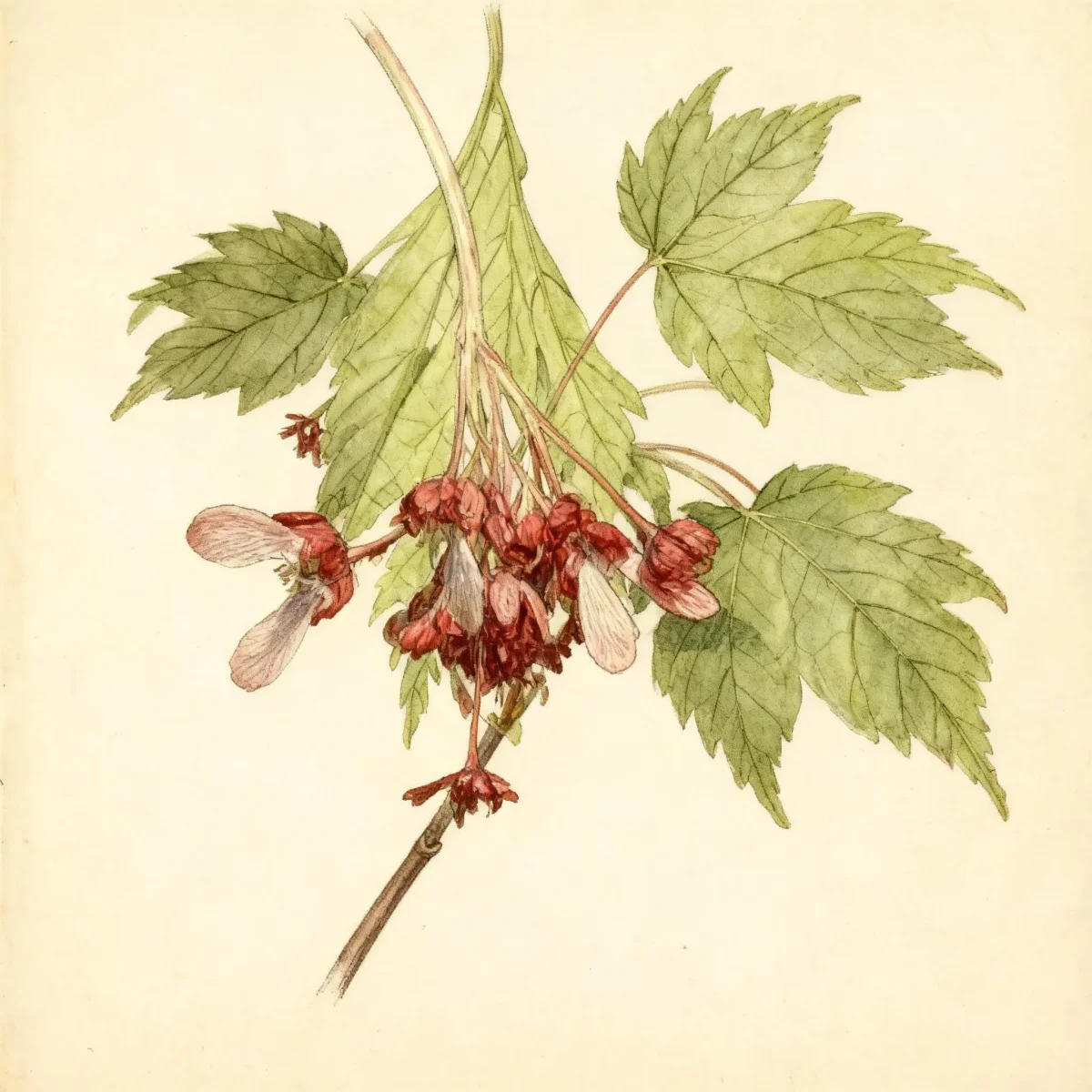
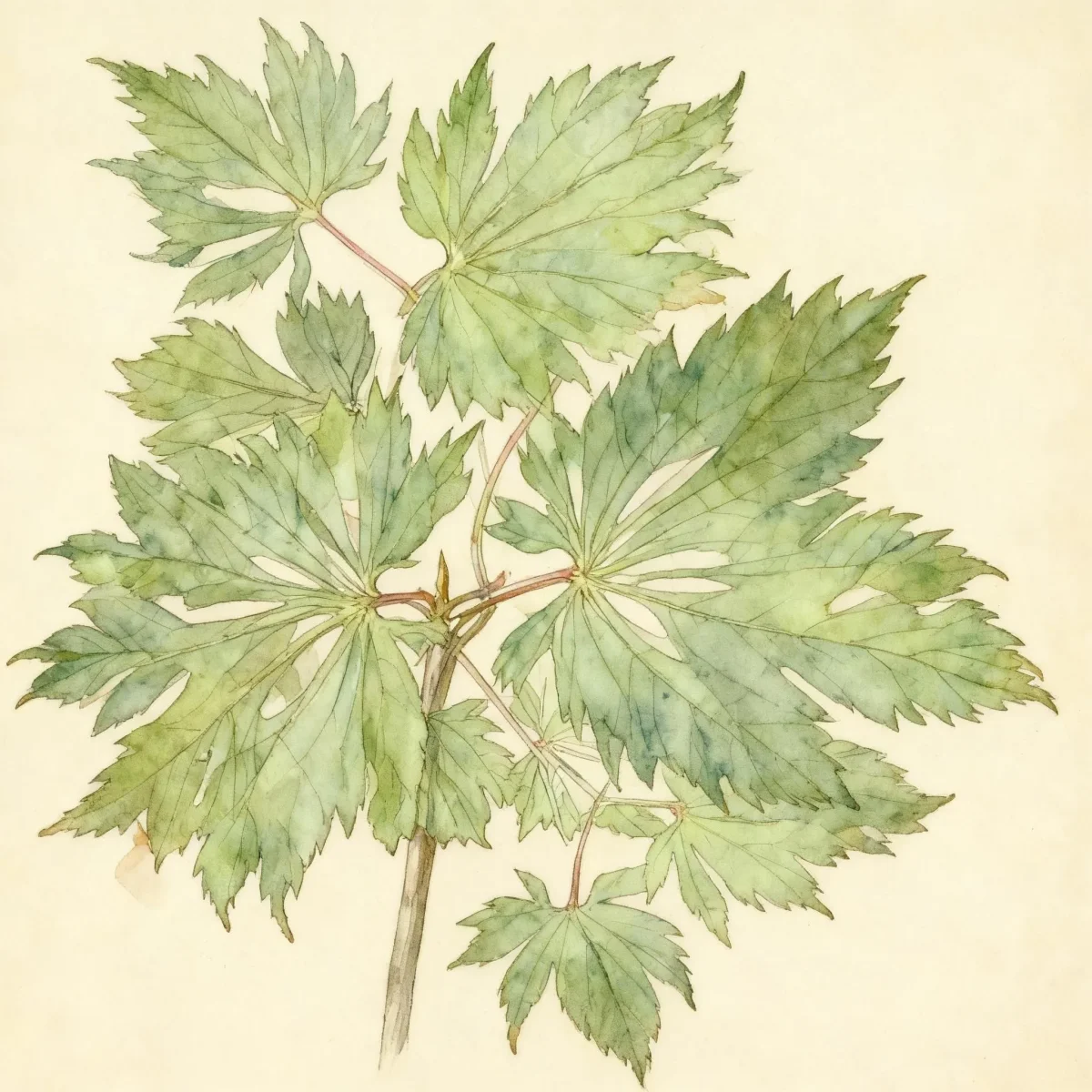
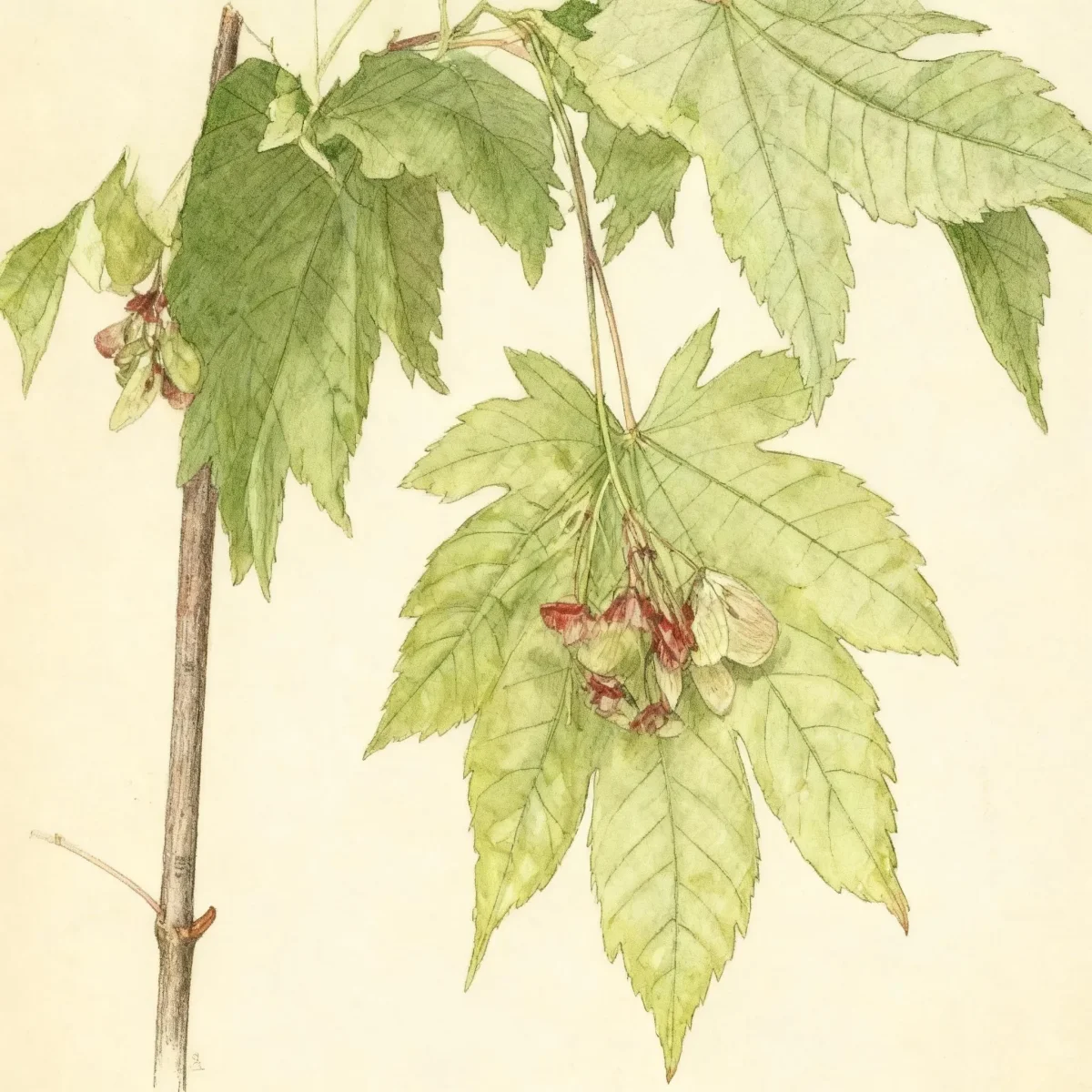
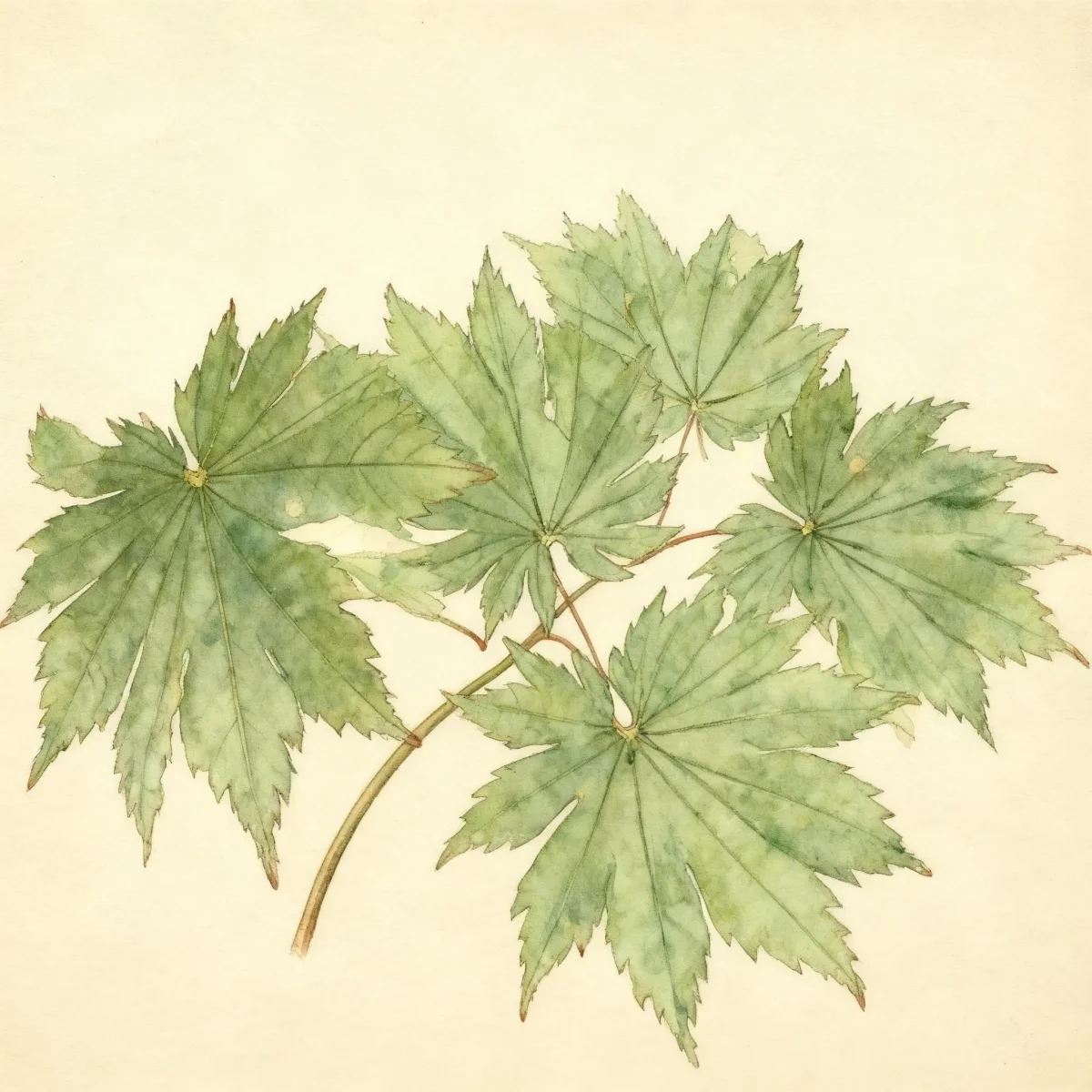
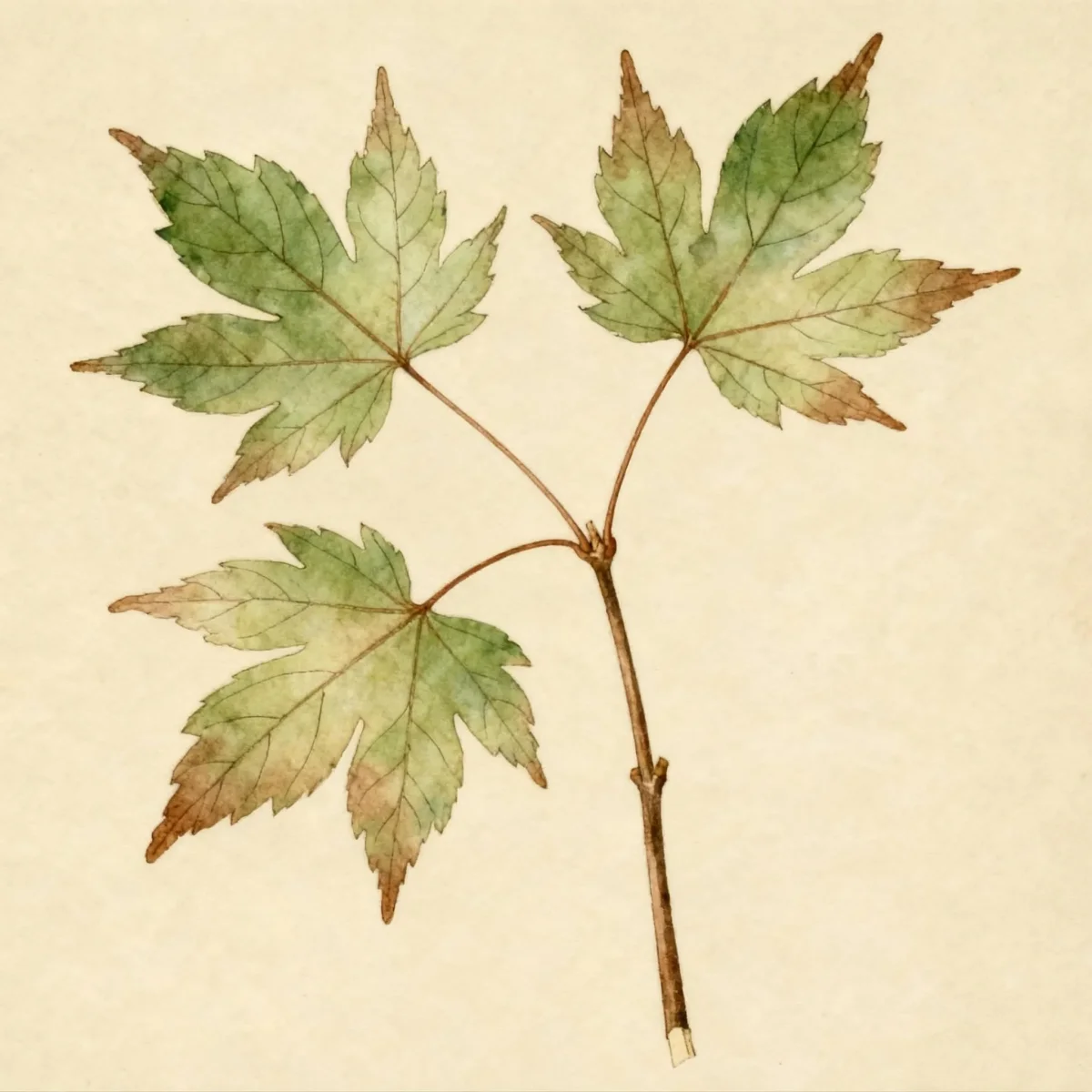
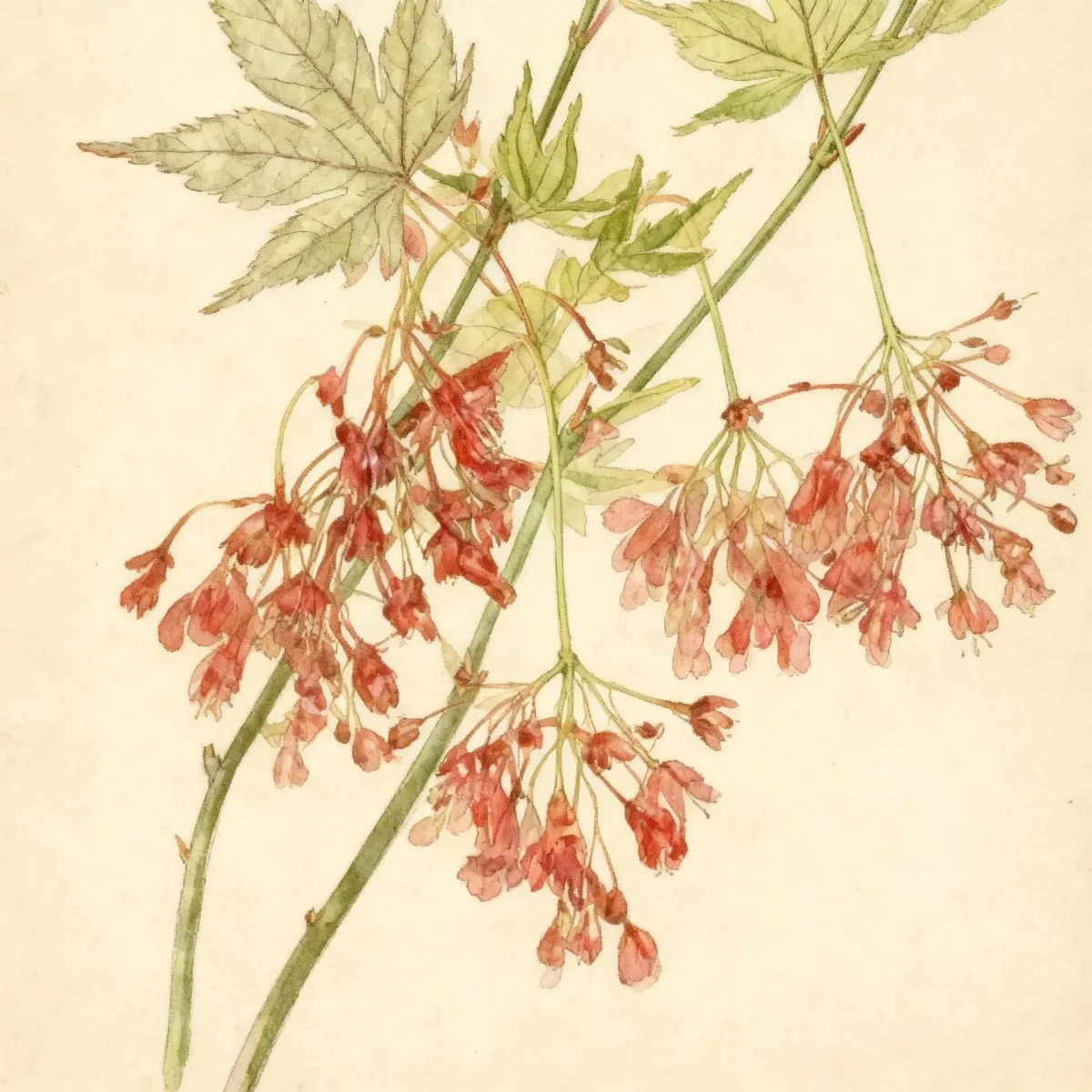
Full moon maple (Acer shirasawanum 'Aureum')
Acer shirasawanum 'Aureum', the Full moon maple, offers brilliant yellow foliage that matures to green, providing excellent structural interest.
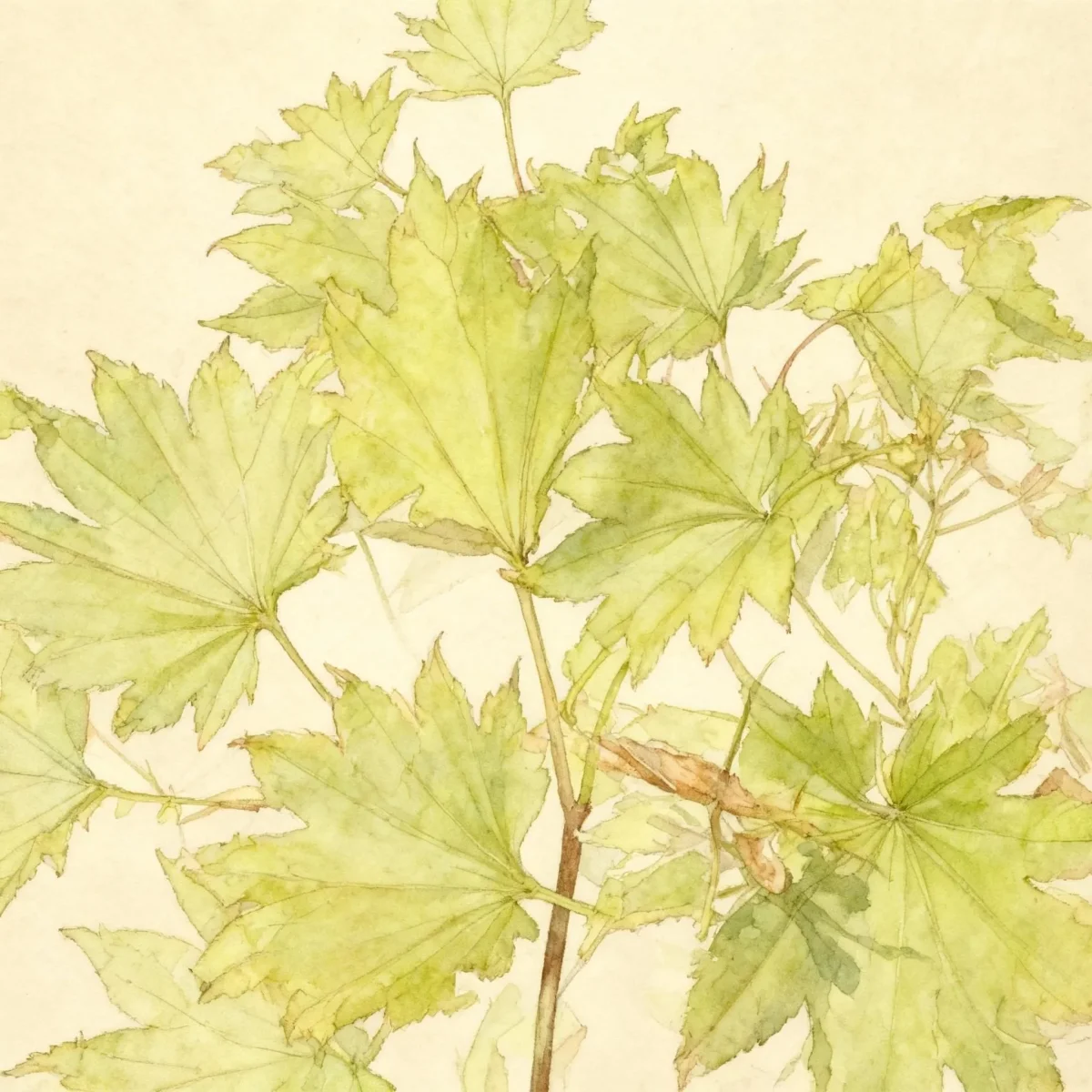

Bloom Boldly, No Matter the Season - Sweatshirt
Cozy organic cotton sweatshirt featuring our exclusive Purple Coneflower design. Perfect for gardeners who bloom year-round.
Inspired by the beautiful Full moon maple
Limited first batch (50) — join the waitlist for early access
Waitlist closes Feb 15, 2026.
Complete Plant Information
Field Guide Continues
Ready for care notes, companion picks, and planting tips?
The map is just the start. The full guide below covers growth habits, seasonal performance, and landscape uses.
Overview
The Acer shirasawanum ‘Aureum’, commonly known as the Full moon maple, is a stunning deciduous tree prized universally for its brilliant, vibrant foliage color. This cultivar stands out with yellow leaves in spring that gradually deepen, offering dynamic seasonal interest unavailable in many other landscape trees. It develops slowly into a small, upright-rounded specimen, making it perfect for showcasing features in smaller garden spaces or as a standalone accent.
Native to Japan, the growth habit of the Full moon maple is highly adaptable; it can mature as a multi-stemmed shrub or a distinct, small tree reaching heights up to 20 feet. Beyond its spring and summer color, the foliage of Acer shirasawanum ‘Aureum’ transforms into attractive orange-red and purple hues in the autumn, maximizing visual appeal throughout the growing season. Gardeners value this maple highly for its low maintenance requirements once established, provided it receives adequate shelter and consistent moisture.
Fast Facts
- Plant Family: Sapindaceae
- Plant Type: Tree
- Hardiness Zones: USDA Zones 5-7
- Size at Maturity:
- Height: 16-20 ft
- Spread: 16-20 ft
- Bloom Time: April
- Bloom Description: Reddish-purple
- Sun Exposure: Full sun to part shade
- Water Needs: Medium
- Maintenance Level: Low
How to Grow
Planting the Full moon maple should ideally occur in the spring or fall when conditions are cooler, ensuring the roots establish before extreme summer heat or winter cold sets in. Successful cultivation requires average, medium moisture, well-drained soil. While acceptable in full sun, the best foliage color for Acer shirasawanum ‘Aureum’ is achieved with some afternoon shade, which also helps prevent leaf scorch. Site your tree away from strong winds, as physical damage to the leaves or branches can occur.
Ongoing care for this maple is generally straightforward, aligning with its low maintenance rating. Ensure the medium water needs are consistently met, particularly during dry spells, keeping the soil evenly moist but never waterlogged. Fertilization is rarely necessary unless the soil is extremely poor; otherwise, focus on regular deep watering rather than frequent feeding. Pruning should be minimal, usually reserved for removing crossing branches or damaged wood, as the natural rounded form is highly desirable.
A significant cultural consideration is protecting the sensitive foliage from harsh environmental factors. Late spring frosts pose a threat, capable of damaging the delicate new leaves just as they emerge, which can temporarily interrupt the tree’s bright color display. Providing afternoon shade, as mentioned, is crucial for preventing leaf scorch during hot summer afternoons, especially in the upper range of its hardiness zones.
Landscape Uses
The Full moon maple is overwhelmingly grown for its exceptional structural shape and year-round color display, making it a premier specimen or accent plant. Its relatively contained size (16–20 feet) allows it to anchor focal points near patios, entrances, or lawn features without overwhelming the space. When group planted, these maples create a luminous understory effect, thriving if given protection beneath taller, hardier canopy trees.
Because the bright yellow foliage of Acer shirasawanum ‘Aureum’ catches light so effectively, position it against darker green backgrounds or near structures that contrast its form. It pairs beautifully with darker green companion plants like evergreen shrubs or deep-purple leafed perennials to enhance the golden effect. Consider using it as a brilliant backdrop object in a Japanese-inspired garden design where texture and form are paramount.
Standout Features
Fruit Qualities
- Showy
Noteworthy Characteristics
Acer shirasawanum (often called Full moon maple) is closely allied with A. japonicum but is distinguished by this cultivar, ‘Aureum’. This popular variety is famed for its showy, bright yellow spring foliage, sometimes edged in red, which shifts to yellow-green in summer before offering robust orange-red fall coloring. The developing reddish-purple flowers precede attractive red samaras, adding another layer of contrasting visual appeal to this slow-growing, upright deciduous tree.
Tolerances
- Susceptible to verticillium wilt, leaf spots, root rots, anthracnose, collar rot and stem canker. Potential insect pests include aphids, scale, borers and caterpillars. Mites may appear
Potential Problems
While the Acer shirasawanum ‘Aureum’ is considered low maintenance, astute gardeners must monitor for potential cultural or pest issues. The primary concerns revolve around fungal diseases like root rots, anthracnose, and verticillium wilt, all of which thrive in overly moist or poorly draining heavy soils. Prevention centers on ensuring excellent drainage and avoiding overwatering established trees.
Insect pests are generally minor but warrant inspection, particularly aphids, scale insects, borers, and occasional caterpillar defoliation. Mites can also become an issue, especially if the tree is stressed by heat or lack of water during hot summer months. Maintaining ideal growing conditions—protection from wind, afternoon shade, and consistent moisture—is the best defense against these potential invaders.
Frequently Asked Questions
What hardiness zones is Full moon maple suitable for?
The Full moon maple is suitable for USDA Hardiness Zones 5 through 7.
How large does Acer shirasawanum ‘Aureum’ grow?
This tree typically reaches a mature height and spread between 16 and 20 feet tall and wide, growing slowly.
What sun exposure does Full moon maple need?
It thrives best in full sun to part shade, though afternoon shade is highly recommended to prevent its spectacular gold foliage from scorching.
When does Full moon maple bloom?
Flowering occurs in April, featuring small, reddish-purple blossoms that give way to attractive samaras.
Conclusion
The Acer shirasawanum ‘Aureum’ stands as a premium choice for gardeners seeking year-round foliage interest supported by a manageable size and low maintenance profile. The brilliant gold effect of the Full moon maple makes it an indispensable specimen plant in curated landscapes. Ensure you site this treasure correctly, protected from harsh winds and excessive direct sun, before planting in your USDA Zone 5-7 garden this season.
Companion Planting
When siting your Full moon maple, selecting companions that appreciate similar filtered light conditions enhances the overall composition. Consider pairing the bright yellow leaves of the Acer shirasawanum ‘Aureum’ with plants possessing dark foliage or cool-toned colors for high contrast. Hostas with deep blue or dark green leaves work exceptionally well beneath its canopy, as they share a moderate preference for shade and consistent moisture. Consider ferns that appreciate dappled light, such as Japanese Painted Ferns, whose silvery fronds will complement the delicate texture of the maple’s leaves.
Design Ideas
Utilizing the Full moon maple near water features or reflective surfaces can significantly amplify its visual impact, especially when the morning light strikes the gold leaves. As a standalone specimen, it functions as a living, slow-growing sculpture; ensure you leave ample open space around the perimeter so the mature, rounded form can be fully appreciated. In foundation plantings, place it toward the outer corners where it receives beneficial afternoon shade but remains visible from a distance, creating a bright punctuation mark against the home’s façade.