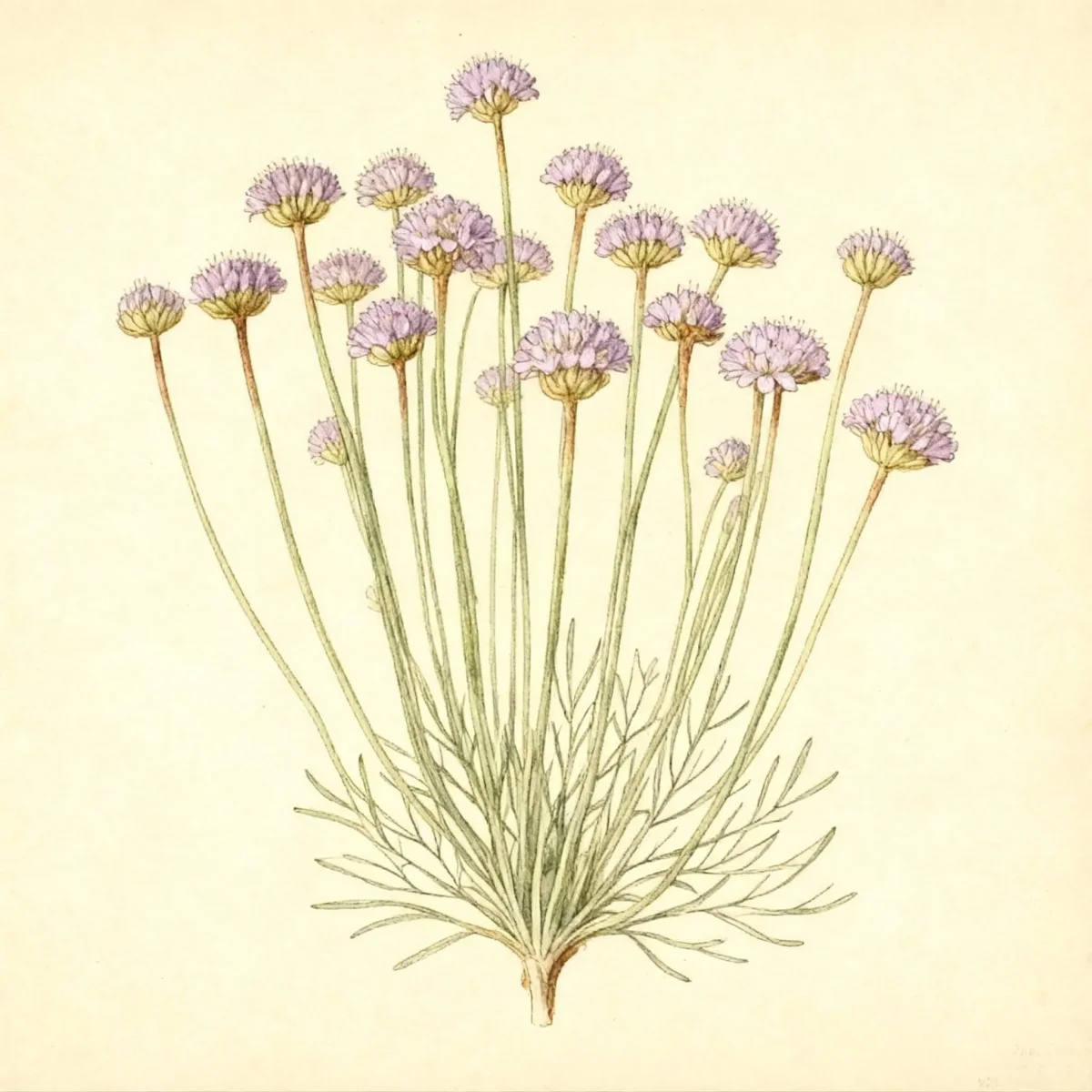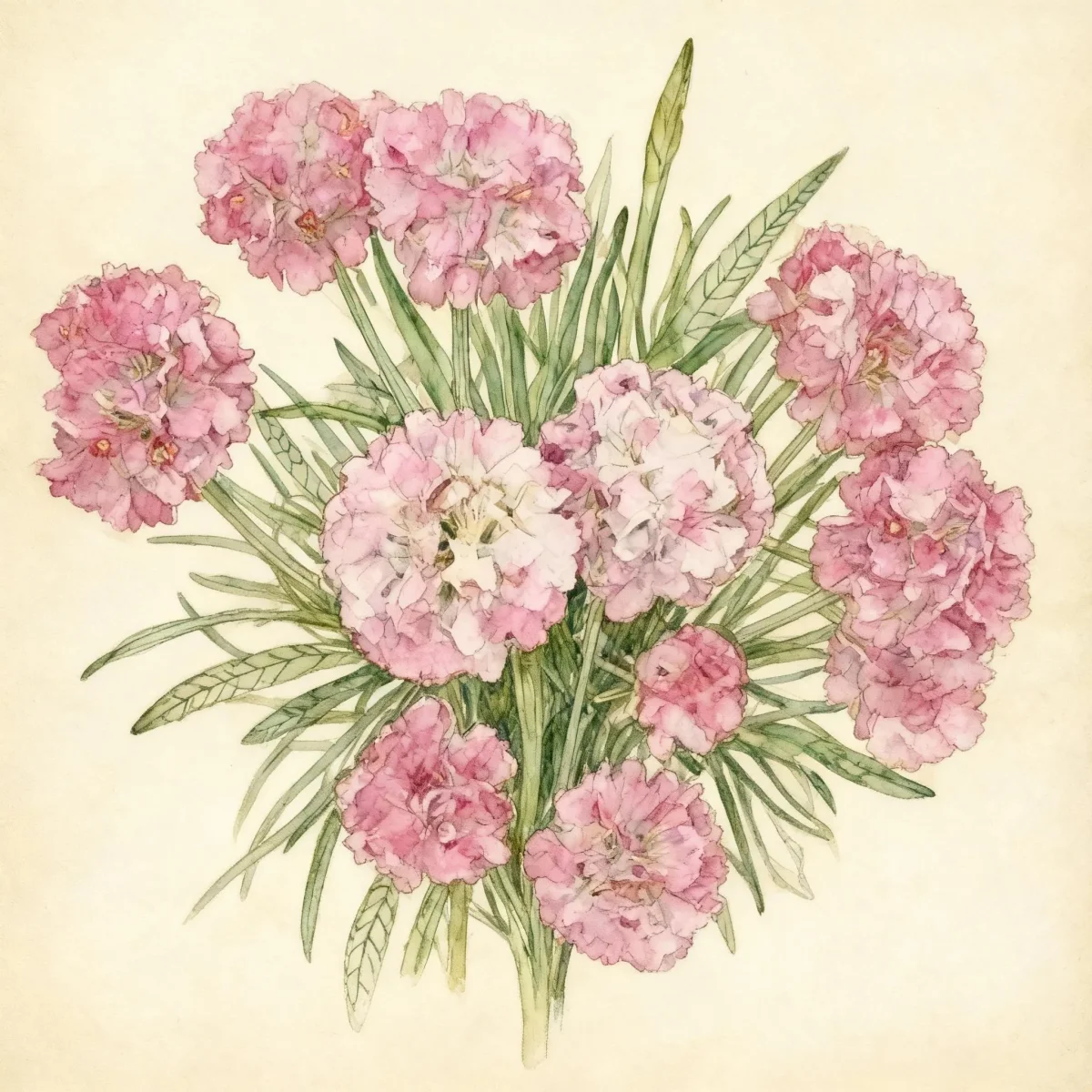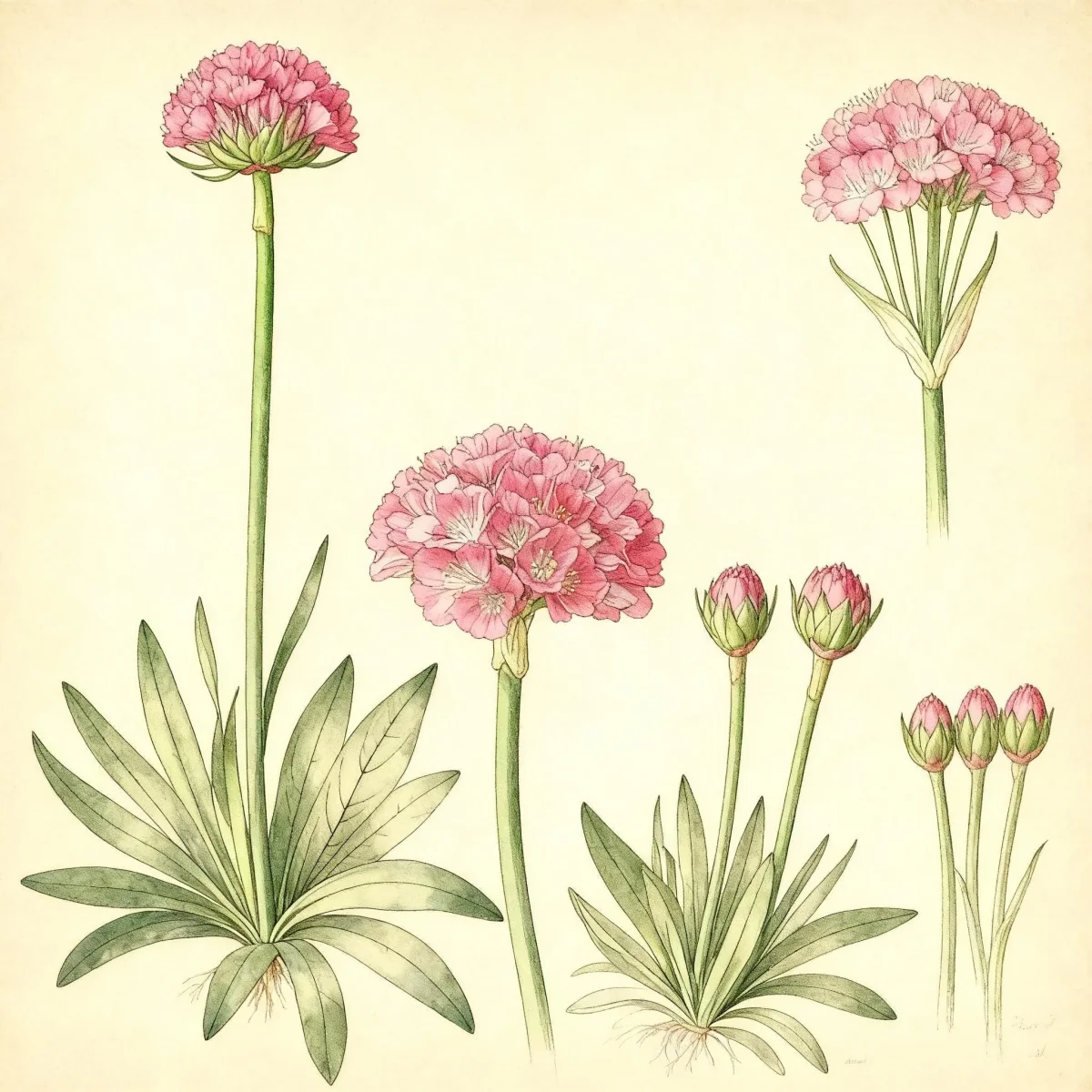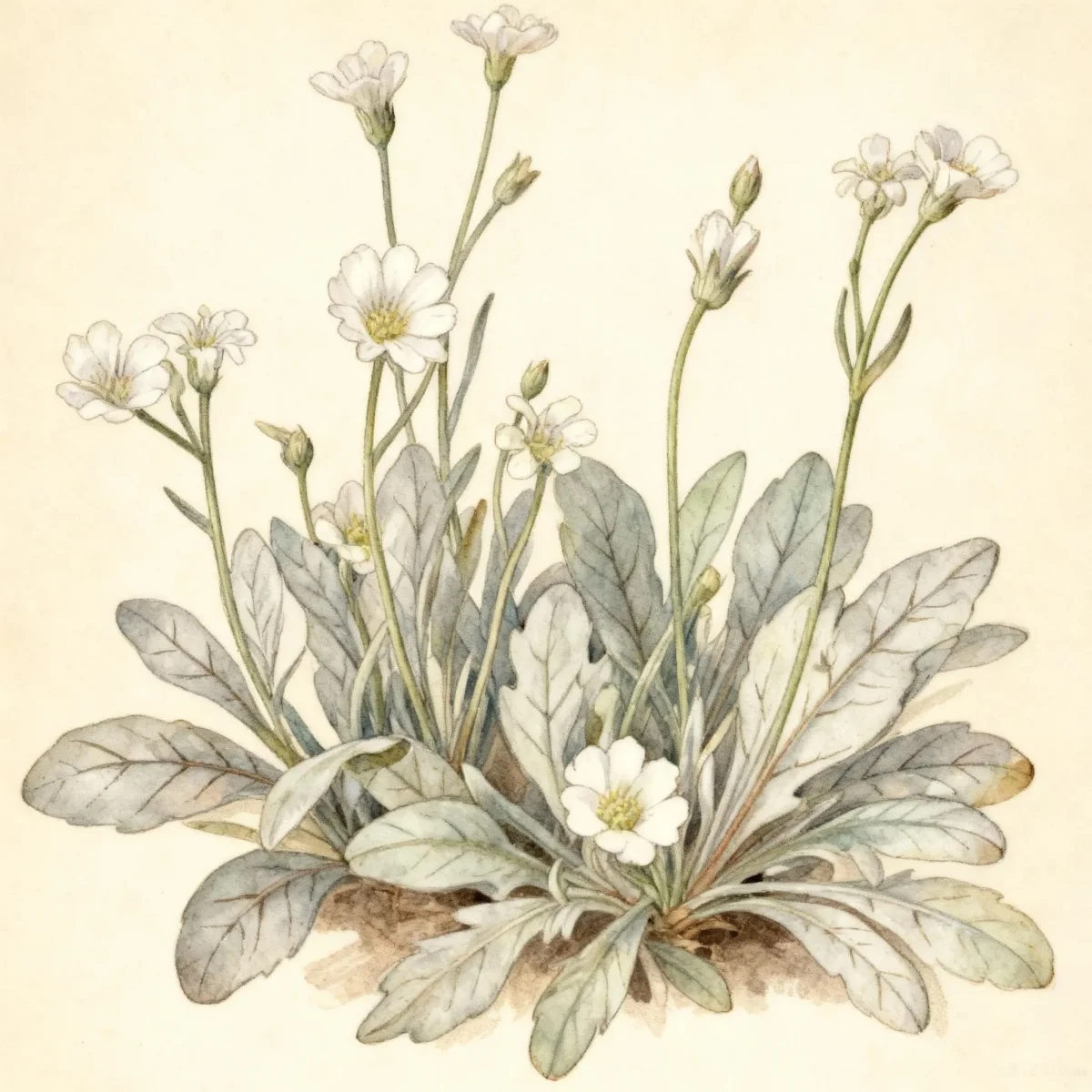

Sea thrift (Armeria maritima 'Rubrifolia')
Armeria maritima 'Rubrifolia' (Sea thrift) is a striking, low-growing perennial with purplish-red foliage and rosy pink blooms. Ideal for dry, full sun exposures.
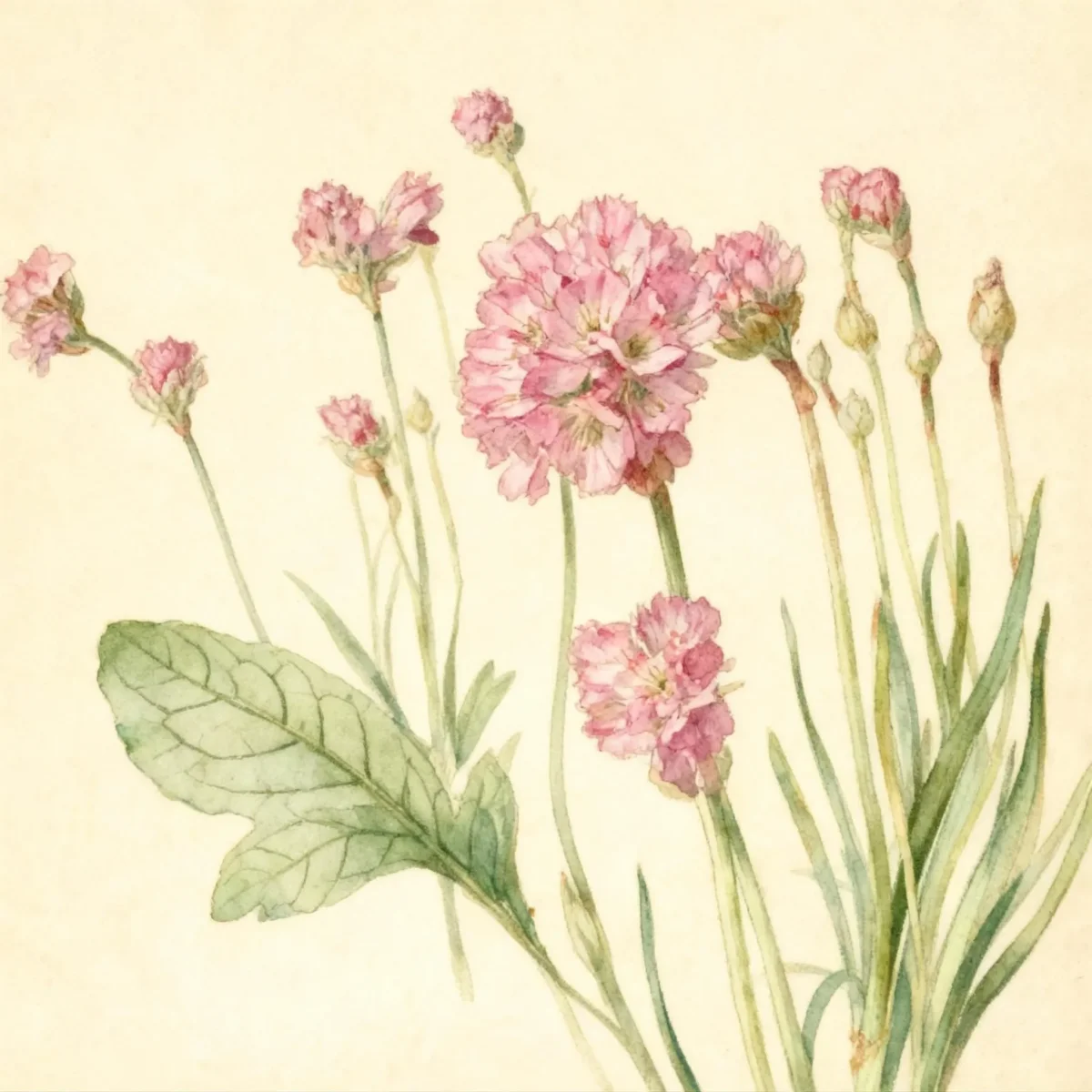
Bloom Boldly, No Matter the Season - Sweatshirt
Cozy organic cotton sweatshirt featuring our exclusive Purple Coneflower design. Perfect for gardeners who bloom year-round.
Inspired by the beautiful Sea thrift
Limited first batch (50) — join the waitlist for early access
Waitlist closes Feb 15, 2026.
Complete Plant Information
Field Guide Continues
Ready for care notes, companion picks, and planting tips?
The map is just the start. The full guide below covers growth habits, seasonal performance, and landscape uses.
Overview
Armeria maritima ‘Rubrifolia’, commonly known as Sea thrift, provides exceptional texture and unique color contrast in the garden. This herbaceous perennial forms dense, mounded tufts of foliage that often take on bronze tones in the cooler months, setting it apart from standard green varieties. Its compact nature makes it highly adaptable to constrained spaces where drainage is reliable.
The display of rosy pink, globular flower clusters rising above the foliage from April to May ensures that this variety is highly valued for its spring interest. Gardeners prize Armeria maritima ‘Rubrifolia’ for its ability to thrive where many other ornamentals fail—specifically in poor, dry soil conditions common in coastal or rock garden settings.
Proper cultivation of Sea thrift relies heavily on excellent drainage; this plant actively resists rot, ensuring long-term health when placed in its preferred infertile, sunny locations. Its diminutive size and drought tolerance offer significant practical benefits for low-input landscaping schemes.
Fast Facts
- Plant Family: Plumbaginaceae
- Plant Type: Herbaceous perennial
- Hardiness Zones: USDA Zones 4-8
- Size at Maturity:
- Height: 0.5-0.75 ft
- Spread: 0.5-0.75 ft
- Bloom Time: April to May
- Bloom Description: Rosy pink
- Sun Exposure: Full sun
- Water Needs: Dry
- Maintenance Level: Medium
How to Grow
Planting Sea thrift should occur during the cooler parts of the season, either spring or fall, ensuring the crown is placed at soil level. The single most important cultural requirement for Armeria maritima ‘Rubrifolia’ is excellent drainage. They must be grown in infertile, dry, well-drained soils; heavy clay or overly rich, moist soils will frequently cause the central foliage mounds to rot.
Watering should be infrequent once established, reflecting its preference for dry conditions. Fertilizing is generally unnecessary, as rich soil promotes weak growth and reduces flowering durability. Minimal attention is required, aligning with its medium maintenance designation.
Deadhead spent flower stems promptly after blooming subsides. This practice encourages sporadic, repeat flowering throughout the summer months and helps maintain the plant’s tidy, mounded appearance throughout the growing season. No winter protection is typically required in USDA Zones 4-8, provided drainage remains sharp.
Landscape Uses
Armeria maritima ‘Rubrifolia’ excels in applications where tight spacing and sharp architectural structure are desired. Its low stature makes it perfect for creating crisp edging along walkways or defining the front edge of perennial borders. The unique coloration of this Sea thrift variant also lends itself well to rock gardens and specialized wall pockets.
Due to its slow spreading habit, Armeria maritima ‘Rubrifolia’ remains practical for smaller ground cover projects, unlike some faster-spreading species. It is also an excellent candidate for containers or mixed troughs, where its fine texture contrasts beautifully with coarser-leaved succulents or alpine plants.
Consider grouping this variety densely to enhance the visual impact of its grassy foliage and spring flowers. While it may be impractical for large-scale application, it shines as a sophisticated accent plant in cottage or coastal-themed designs.
Standout Features
Flower Qualities
- Showy
- Good Cut
Noteworthy Characteristics
Armeria maritima, commonly called thrift or sea pink, forms a dense, mounded tuft of stiff, linear leaves. Tiny, pink to white flowers bloom in mid spring in globular clusters atop slender stalks rising well above the foliage. The ‘Rubrifolia’ cultivar distinguishes itself with small, rose-pink flowers and purplish-red leaves that spread out to about 12 inches wide, with foliage turning bronze in the fall.
Tolerances
- Drought
- Dry Soil
- Shallow-Rocky Soil
Potential Problems
Armeria maritima ‘Rubrifolia’ generally displays excellent resistance, suffering from no serious insect or disease problems when sited correctly. The primary threat to the health of this Sea thrift selection is rot caused by poor drainage or overly rich, moist soil, particularly around the center of the foliage mound. Ensure the planting location provides sharp drainage to prevent fungal issues and crown decay.
Frequently Asked Questions
What hardiness zones is Sea thrift suitable for?
Armeria maritima ‘Rubrifolia’ performs well across USDA Zones 4 through 8.
How large does Armeria maritima ‘Rubrifolia’ grow?
This plant typically reaches a height between 0.5 and 0.75 feet, with a similar spread between 0.5 and 0.75 feet, forming a tight cushion.
What sun exposure does Sea thrift need?
Sea thrift requires full sun exposure to maintain its compact habit and prolific blooming schedule.
When does Armeria maritima ‘Rubrifolia’ bloom?
The main flush of bloom occurs from April to May, displaying lovely rosy pink flowers.
Conclusion
Armeria maritima ‘Rubrifolia’ is an invaluable, low-maintenance perennial prized for its architectural foliage and vibrant spring color against a backdrop of dry, challenging soil. Utilizing this Sea thrift variety ensures textural interest and reliability in full sun environments. Before planting, confirm your soil drains exceptionally well, and plan to site this gem near the front of borders this coming spring.
Companion Planting
When selecting companions for Armeria maritima ‘Rubrifolia’, focus on other sun-loving, drought-tolerant plants that appreciate lean soil. Alpine plants make ideal neighbors, such as creeping thyme varieties or small Sedums, which share similar low-water needs. Grouping Sea thrift near gray-leaved foliage plants enhances the purplish-red tones of the ‘Rubrifolia’ cultivar. Avoid aggressive spreaders, as they can overwhelm these low-growing mounds.
Seasonal Care Calendar
Spring is key for rejuvenation; remove any old, dead foliage from the base of the Sea thrift clump just as new growth emerges. Deadheading spent flower stalks immediately after the main April–May bloom will prompt a secondary showing later in the summer. During the heat of summer, monitor watering, ensuring the plant only receives moisture when the surrounding soil becomes thoroughly dry. In autumn, the bronze coloration deepens; no extensive cleanup is required unless removing spent stalks from the sporadic later bloom.