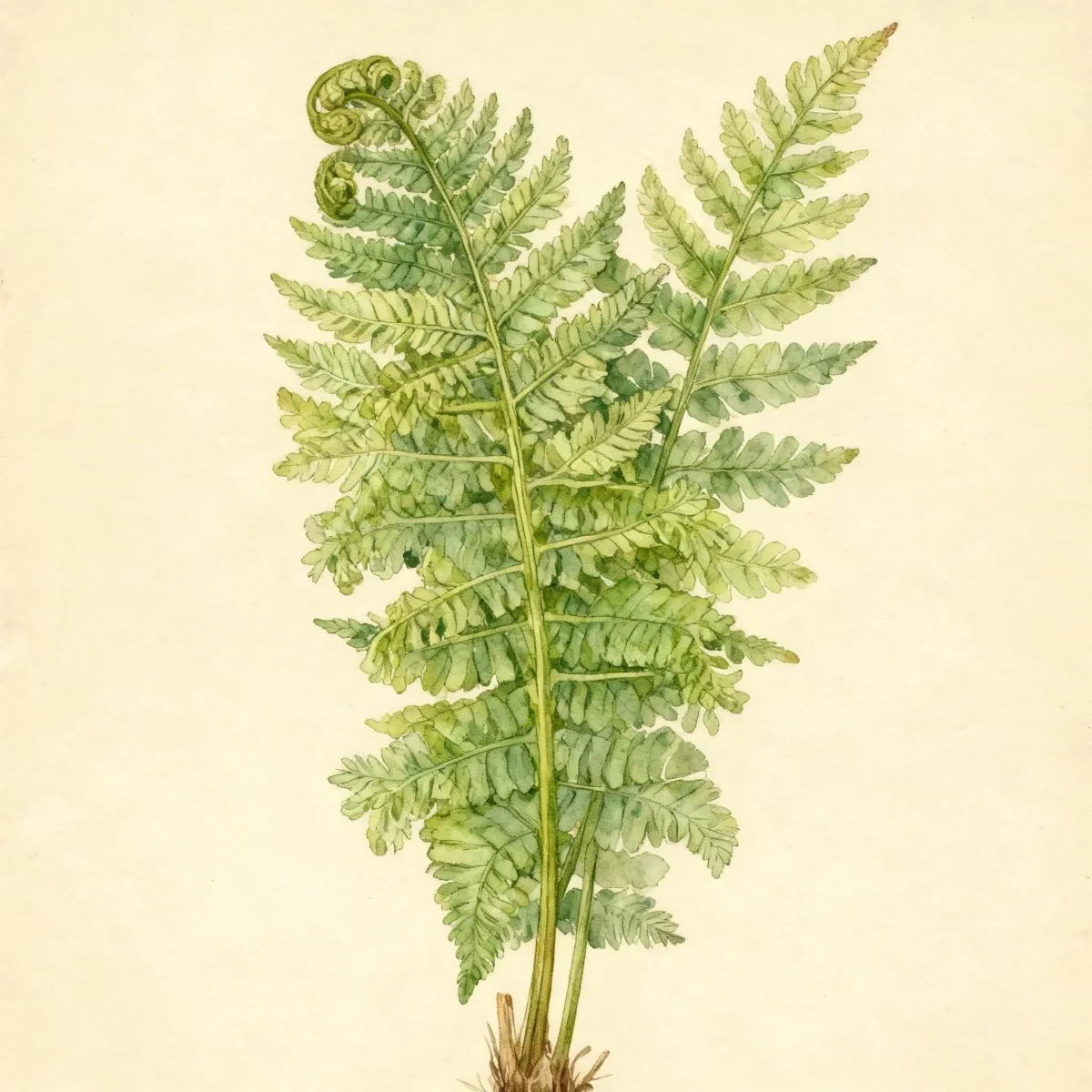
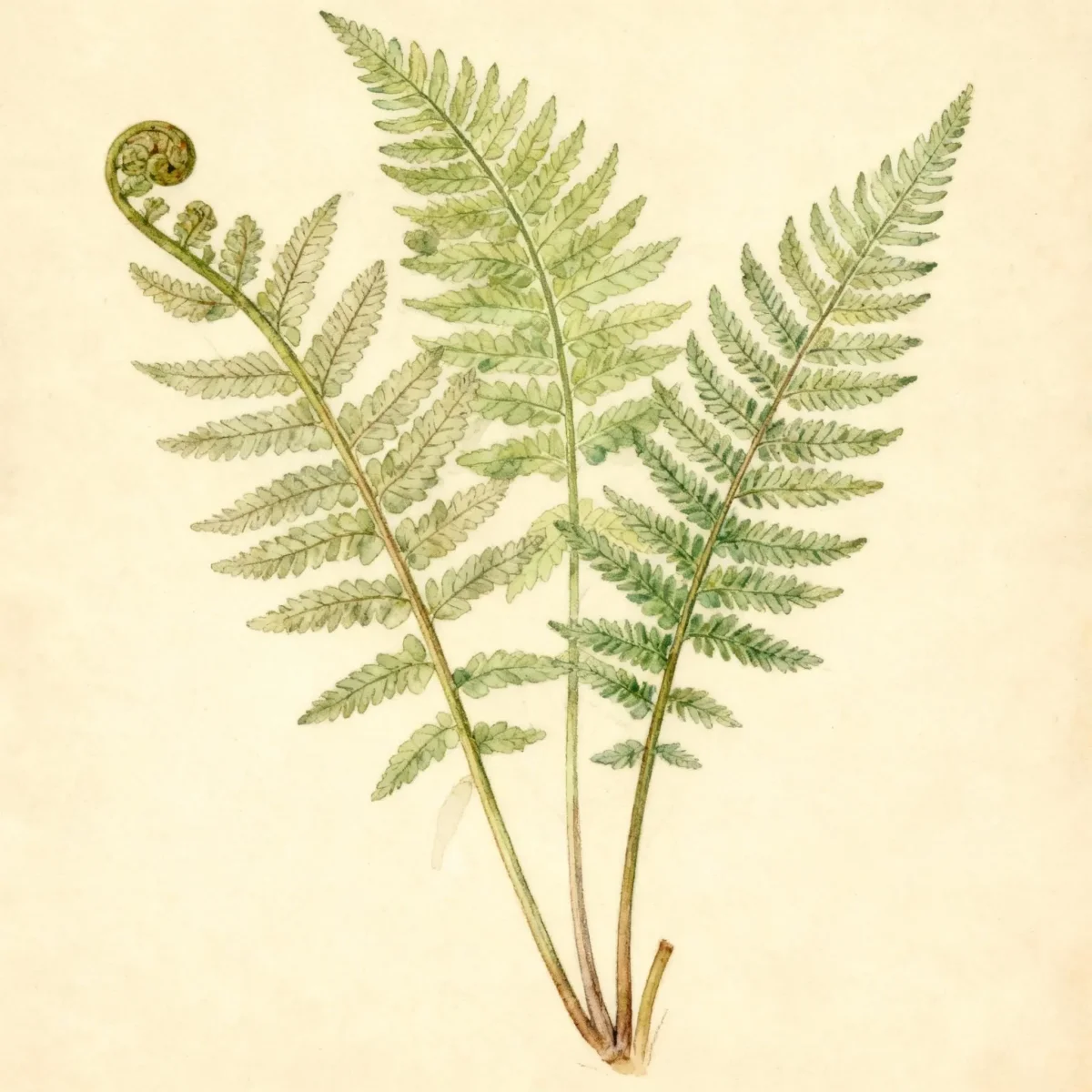
Lady fern (Athyrium filix-femina 'Veroniae Cristatum')
Discover Athyrium filix-femina 'Veroniae Cristatum', the crested Lady fern, prized for its lacy, finely-divided fronds in shady gardens. A low-maintenance beauty.

Bloom Boldly, No Matter the Season - Sweatshirt
Cozy organic cotton sweatshirt featuring our exclusive Purple Coneflower design. Perfect for gardeners who bloom year-round.
Inspired by the beautiful Lady fern
Limited first batch (50) — join the waitlist for early access
Waitlist closes Feb 15, 2026.
Complete Plant Information
Field Guide Continues
Ready for care notes, companion picks, and planting tips?
The map is just the start. The full guide below covers growth habits, seasonal performance, and landscape uses.
Overview
Athyrium filix-femina ‘Veroniae Cristatum’ offers exceptional texture for shaded garden spaces. This cultivar of the common Lady fern is particularly valued for its crisped and crested frond tips, adding a unique, elaborate frothiness unlike standard varieties. It forms dense, shuttlecock-like clumps, providing reliable year-round structure in the right environment.
This deciduous fern thrives best when provided with rich, consistently moist, well-drained soil, though the Lady fern is notably more tolerant of drier conditions than many other fern species. Its low maintenance requirements make Athyrium filix-femina ‘Veroniae Cristatum’ an excellent choice for gardeners seeking high visual impact with minimal upkeep.
The finely-divided, light green fronds of this selection ensure excellent coverage over woodland borders or rock gardens. Planting this reliable Lady fern ensures your shady spots benefit from its elegant, lacy foliage throughout the growing season.
Fast Facts
- Plant Family: Athyriaceae
- Plant Type: Fern
- Hardiness Zones: USDA Zones 4-8
- Size at Maturity:
- Height: 2-3 ft
- Spread: 2-3 ft
- Bloom Time: Non-flowering
- Bloom Description: Non-flowering
- Sun Exposure: Part shade to full shade
- Water Needs: Medium
- Maintenance Level: Low
How to Grow
For optimal establishment, plant Athyrium filix-femina ‘Veroniae Cristatum’ in the spring or early fall once the threat of hard frost has passed. Ensure the planting location provides rich soil amended with organic matter, promoting the medium moisture and excellent drainage this variety prefers. While it favors shade, it can survive full sun if the soil is kept constantly moist, though partial to deep shade is ideal for maintaining frond quality.
Care for your Lady fern is straightforward. Maintain consistent moisture levels, especially during hot, dry spells. Fertilization is generally unnecessary if the soil is already rich. A key cultural tip involves sheltering the plant from strong winds, which can easily physically break the delicate, lacy fronds of Athyrium filix-femina ‘Veroniae Cristatum’.
Pruning involves cutting back the old, tattered fronds in early spring, just as new growth begins to emerge. Every few years, mature clumps may benefit from division in the spring to ensure the crowns remain at the proper soil level.
Landscape Uses
The fine texture of the crested Lady fern makes it an indispensable element in shaded landscape designs. It excels as a bold edging plant along shaded borders or incorporated into woodland gardens where filtered light prevails. Its ability to form dense clumps provides excellent ground coverage without aggressive spreading.
Athyrium filix-femina ‘Veroniae Cristatum’ companions beautifully with broad-leaved hostas, contrasting the fern’s delicate structure with bolder foliage shapes. It is also highly effective when naturalized along shady stream banks or near pond edges where consistent moisture is readily available. Use this easy-to-grow fern wherever you need bright, textured green in deep shade.
Standout Features
Noteworthy Characteristics
Athyrium filix-femina, commonly called lady fern, is a deciduous fern that features lacy-cut, erect or ascending, 2 to 3-pinnate or pinnatifid, finely-divided, lanceolate, light green fronds which grow in a dense circular shuttlecock-like clump to 2-3’ tall. Each frond (leaf) has twenty to thirty pairs of elliptic non-opposite pinna (leaflets) with narrow pointed tips. Each pinna is divided into deeply-cut lanceolate to oblong pinnules (subleaflets). This specific cultivar, ‘Veroniae Cristatum’, is noted for having crisped (wavy or crinkled) pinnules which are crested (tassled) at the ends, enhancing its visual appeal.
Tolerances
- Rabbit
- Heavy Shade
Potential Problems
This fern generally exhibits no serious insect or disease problems, contributing to its low maintenance profile. The most common issue encountered is aesthetic decline, where fronds frequently become somewhat tattered in appearance by mid-summer, especially if conditions become too dry or wind exposure is high. To manage this, ensure consistent watering and consider planting in a slightly sheltered microclimate within your shade garden.
Frequently Asked Questions
What hardiness zones is Lady fern suitable for?
Athyrium filix-femina ‘Veroniae Cristatum’ is reliably hardy in USDA Zones 4 through 8.
How large does Athyrium filix-femina ‘Veroniae Cristatum’ grow?
This cultivar typically reaches a mature height between 2 to 3 feet tall, with a relatively equal spread of 2 to 3 feet wide.
What sun exposure does Lady fern need?
The preferred location requires part shade to full shade; excessive light will require constant soil moisture to prevent leaf scorch.
When does Athyrium filix-femina ‘Veroniae Cristatum’ bloom?
As a fern, this plant is non-flowering; it reproduces via spores borne on the underside of its decorative fronds.
Conclusion
The crested Lady fern, Athyrium filix-femina ‘Veroniae Cristatum’, brings unparalleled, delicate texture and low-effort green coverage to challenging shady locales. Its hardiness across Zones 4-8 means this beauty can grace many northern gardens. Before planting, confirm your soil is rich and moist, and plan your installation for spring or fall for the best results with this exceptional Lady fern.
Companion Planting
Ferns thrive alongside plants that share their love for consistent moisture and low light conditions. Excellent companions include Heuchera (Coral Bells), which offer a contrast in leaf size and vibrant color, from deep purple to lime green. Large-leaved Hostas also serve as fantastic visual anchors next to the airy structure of Athyrium filix-femina ‘Veroniae Cristatum’. These combinations create dynamic, multi-layered shade gardens that remain interesting even when flowering plants are dormant.
Design Ideas for Shady Borders
When designing a border primarily composed of shade-lovers, utilize the structure of the Lady fern to soften hardscaping elements like stone walls or retaining borders. Plant groupings of the crested Lady fern slightly toward the front or middle of the border, allowing taller elements like larger ferns or Japanese maples to provide a backdrop. Because the fronds of Athyrium filix-femina ‘Veroniae Cristatum’ are light green, they serve as an excellent visual resting spot between darker green foliage, drawing the eye through the shaded space effectively.