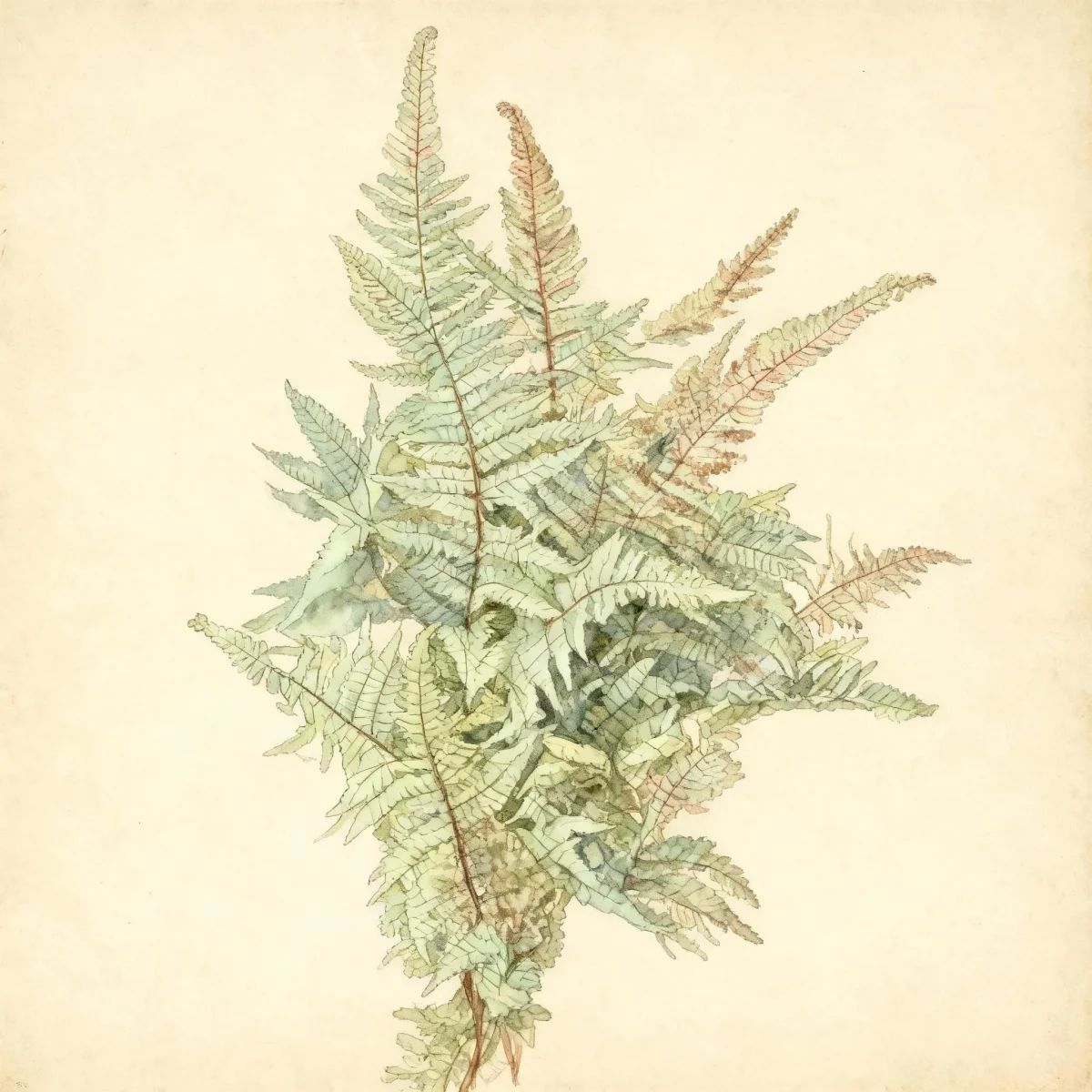
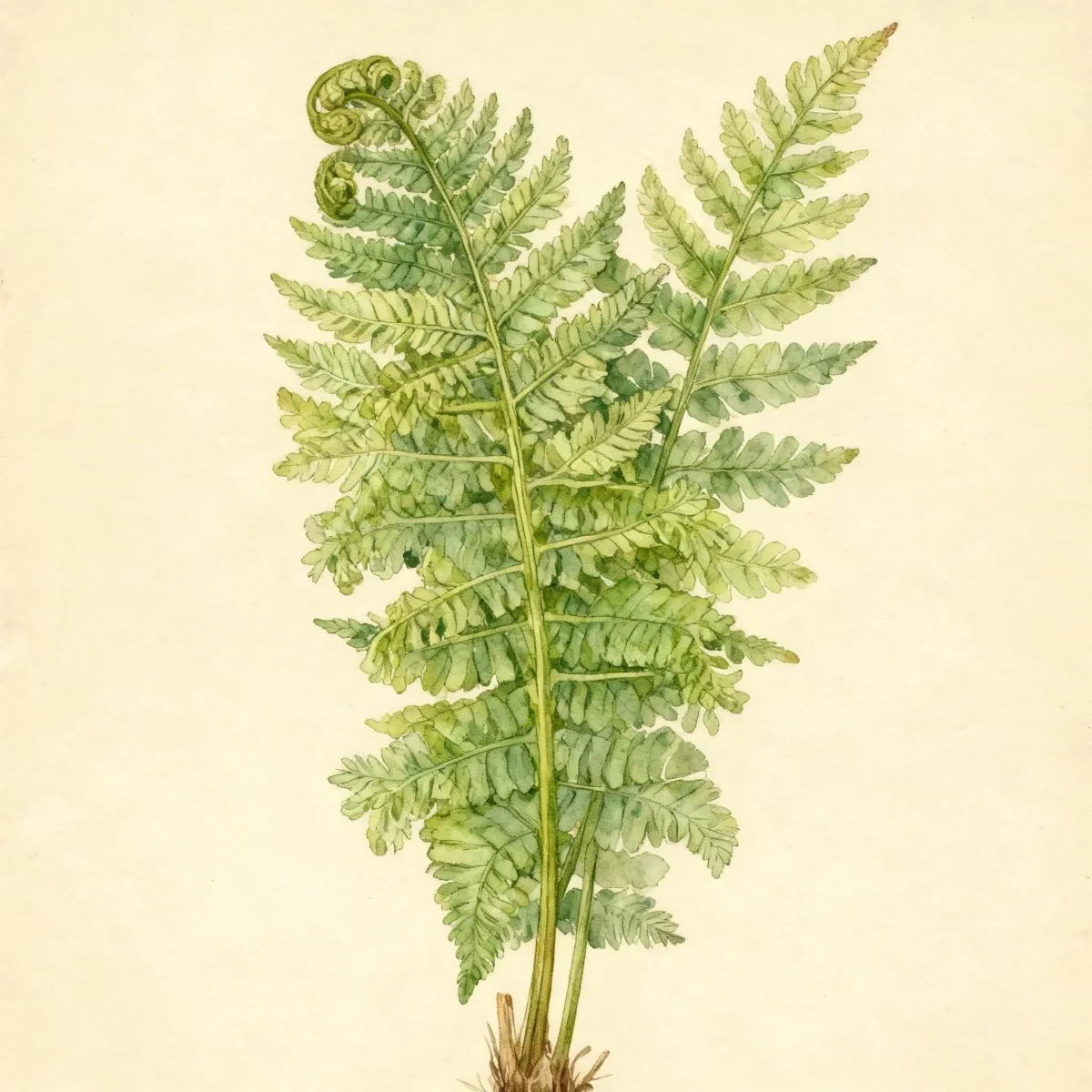
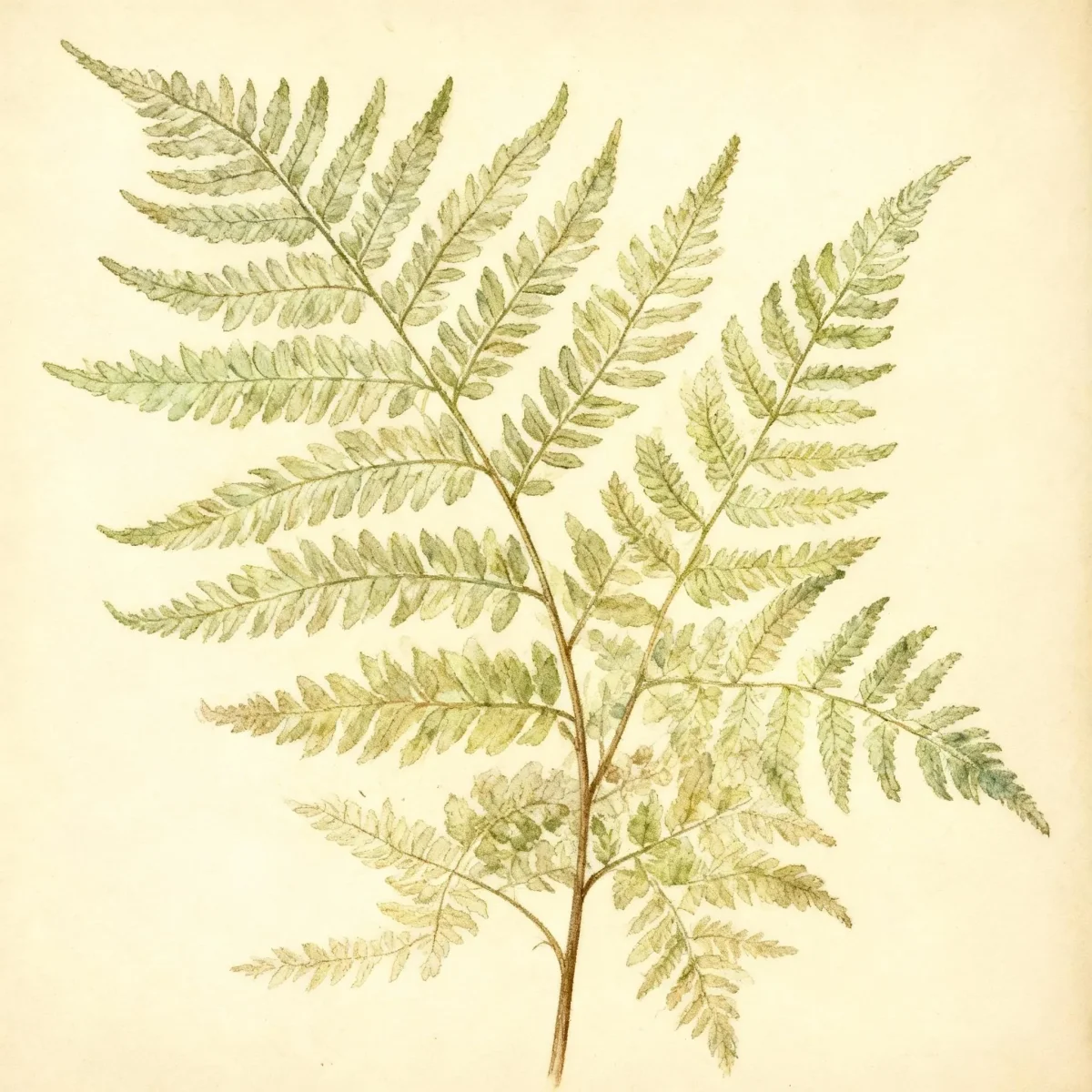
Japanese painted fern (Athyrium niponicum var. Pictum)
Discover the stunning variegated foliage of Japanese painted fern (Athyrium niponicum var. pictum). Low maintenance, hardy zones 3-8.
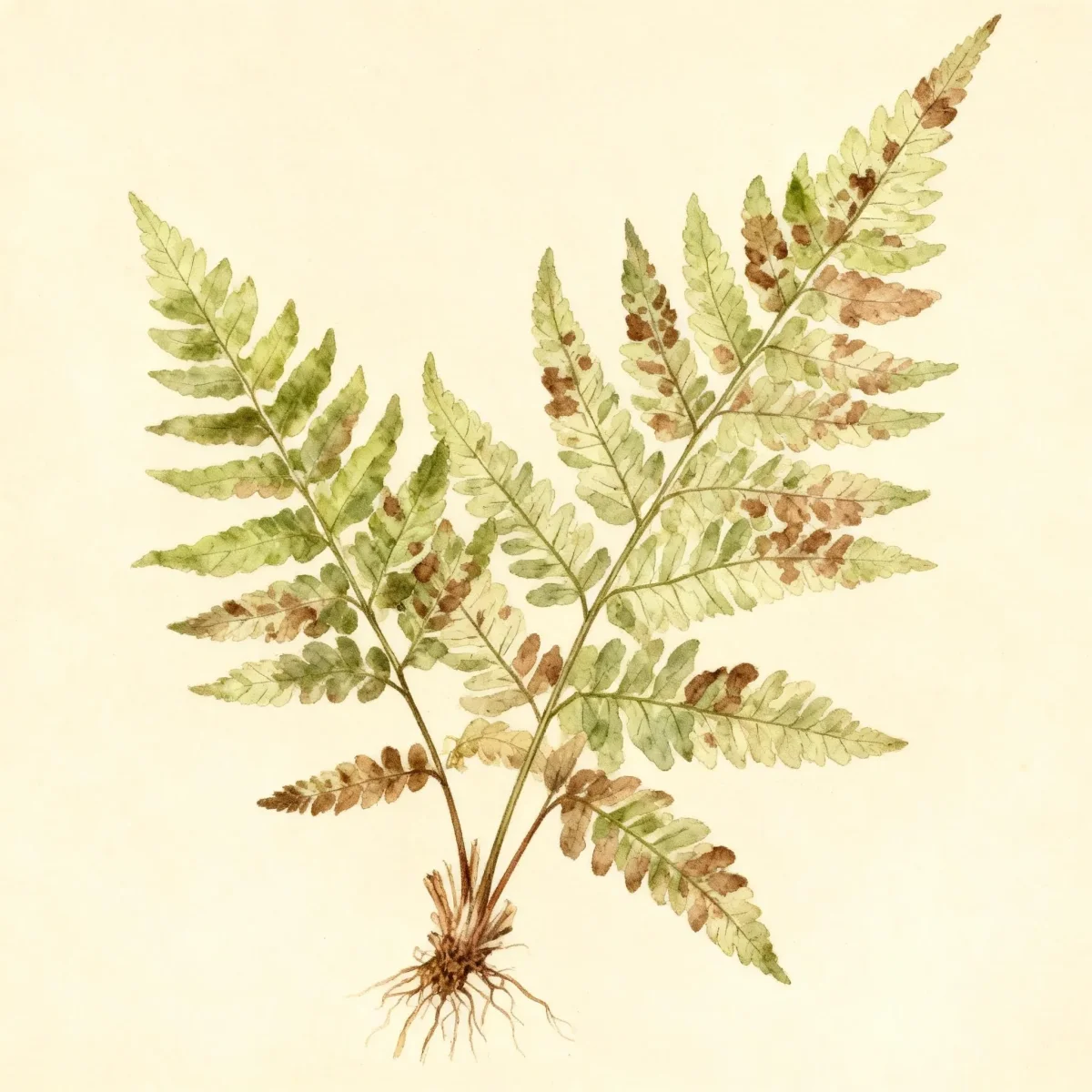

Bloom Boldly, No Matter the Season - Sweatshirt
Cozy organic cotton sweatshirt featuring our exclusive Purple Coneflower design. Perfect for gardeners who bloom year-round.
Inspired by the beautiful Japanese painted fern
Limited first batch (50) — join the waitlist for early access
Waitlist closes Feb 15, 2026.
Complete Plant Information
Field Guide Continues
Ready for care notes, companion picks, and planting tips?
The map is just the start. The full guide below covers growth habits, seasonal performance, and landscape uses.
Overview
The Japanese painted fern (Athyrium niponicum var. pictum) is cherished by gardeners for its spectacular, arching foliage that provides consistent interest throughout the growing season. This rhizomatous, deciduous fern features triangular fronds layered with silvery-gray, green, and contrasting dark maroon midribs, making it a visual standout in shaded settings. Athyrium niponicum var. Pictum excels where many other colorful plants struggle, thriving in deep shade conditions.
Maturing typically between one and 1.5 feet tall with a spread of up to two feet, the Japanese painted fern forms a gently spreading clump. Its low maintenance requirements and resilience against deer and rabbits make it an exceptionally practical choice for woodland and shade gardens. The best coloration is usually apparent early in the season, offering vibrant contrast against darker greens.
As an Eastern Asian native, this variety brings exotic texture and celebrated cool color palettes to temperate gardens. Its ability to naturalize slowly via short rhizomes means that well-situated specimens of the Athyrium niponicum var. pictum will slowly enhance the texture of shaded borders without becoming aggressively invasive.
Fast Facts
- Plant Family: Athyriaceae
- Plant Type: Fern
- Native Range: Eastern Asia
- Hardiness Zones: USDA Zones 3-8
- Size at Maturity:
- Height: 1-1.5 ft
- Spread: 1.5-2 ft
- Bloom Time: Non-flowering
- Bloom Description: Non-flowering
- Sun Exposure: Part shade to full shade
- Water Needs: Medium
- Maintenance Level: Low
How to Grow
Planting the Japanese painted fern is best done in the spring once the danger of hard frost has passed. Ensure the selected location provides the rich, humusy soil this fern demands. Athyrium niponicum var. pictum requires medium moisture, and the soil must be well-drained; soggy conditions should be avoided, even though Athyrium niponicum var. pictum dislikes drying out completely.
Consistent watering is crucial, especially during periods of drought, to maintain the medium moisture level required for robust growth. Fertilization is rarely necessary if the soil is organically rich. For optimal frond color, site the plant where it receives light shade; intense, hot afternoon sun will cause the attractive silvering to fade, turning the fronds greener.
Maintenance for this fern is low. While you can divide mature clumps in early spring before new growth begins, they generally prefer to be left undisturbed. Protect the delicate foliage by siting them in sheltered areas where they are less likely to suffer physical damage from wind or foot traffic.
Landscape Uses
The striking, silver-accented foliage of the Japanese painted fern makes it an excellent specimen for adding visual depth to low-light areas. They are perfectly suited for woodland gardens or integrated into informal shade gardens where their arching habit contrasts nicely with upright hostas or darker-leaved groundcovers. These ferns also serve beautifully as year-round texture in shaded border fronts.
Consider planting Athyrium niponicum var. pictum along the damp edges of streams, ponds, or water features where the medium water needs are easily met. In small spaces, their moderate size allows them to function well as an accent plant or grouped together to create a broad sweep of cool color. This plant pairs well with flowering shade perennials such as Astilbe or Hellebores.
Standout Features
Flower Qualities
- Insignificant
Noteworthy Characteristics
Athyrium niponicum var. Pictum, commonly known as Japanese painted fern, is a rhizomatous, deciduous fern with an arching habit that typically grows to 18” tall. It features a slowly spreading clump of triangular, variegated fronds to 20” long. Fronds are a soft grayish-green with an overlay of silvery hues accented by contrasting dark maroon midribs. Silvering is best for several weeks in the spring, with fronds becoming greener as hot temperatures arrive. Genus name comes from Greek athyros meaning “doorless” in reference to the slowly opening hinged indusia (spore covers). Specific epithet means Japanese.
Tolerances
- Rabbit
- Heavy Shade
Potential Problems
One of the great appeals of the Japanese painted fern is its general lack of serious pest or disease issues. Gardeners rarely need to apply chemical controls for insects or fungal problems, provided basic cultural requirements are met. Rabbits typically find this genus unpalatable and avoid browsing on the fronds. The main threat, as noted in its culture, is drought stress, which can quickly lead to brown, crispy foliage appearance, particularly during hot summers.
Frequently Asked Questions
What hardiness zones is Japanese painted fern suitable for?
The Japanese painted fern is hardy across USDA Zones 3 through 8, making it a widely adaptable choice for many gardeners seeking dependable shade interest.
How large does Athyrium niponicum var. pictum grow?
This variety typically reaches a mature height between 1 and 1.5 feet tall, spreading outward to occupy an area of 1.5 to 2 feet wide.
What sun exposure does Athyrium niponicum var. pictum need?
It thrives best in part shade conditions, though it handles full shade successfully; however, the best manifestation of its silvery colors occurs in light shade.
When does Japanese painted fern bloom?
This species is a fern and is non-flowering; its ornamental value comes entirely from its unique, variegated foliage.
Conclusion
The Athyrium niponicum var. pictum remains a staple in shade gardening due to its unique, year-round silvery and maroon coloration and extremely low susceptibility to major pests. For gardeners seeking textural contrast and reliable color where the sun rarely touches, the Japanese painted fern is an unsurpassed choice. Verify your planting site offers consistently moist, rich soil before you plan your installation this upcoming spring.
Companion Planting with Shade Lovers
Because Athyrium niponicum var. pictum prefers humus-rich, medium-moisture soil and shade, it pairs naturally with other woodland floor dwellers. Consider planting Japanese painted fern alongside plants that offer contrasting textures or heights. Hostas, especially those with deep blue or chartreuse foliage, provide structural contrast to the fern’s delicate, arching habit. Lungwort (Pulmonaria) is another excellent partner, offering early spring flowers that bloom before the fern’s silvering is at its peak, ensuring continuous visual appeal in the shade garden.
Seasonal Care Calendar
Spring is the most active maintenance period for Athyrium niponicum var. pictum. This is the ideal time to divide overcrowded clumps to maintain vigor and share plants with friends. Gently clear away any remaining dead fronds from the previous season before new growth emerges. During summer, focus solely on observation, ensuring the medium water needs are met, especially if natural rainfall is scarce. In the fall, the fronds of the Japanese painted fern will die back naturally as the plant goes dormant, requiring no intervention other than allowing the foliage to decay and enrich the soil.