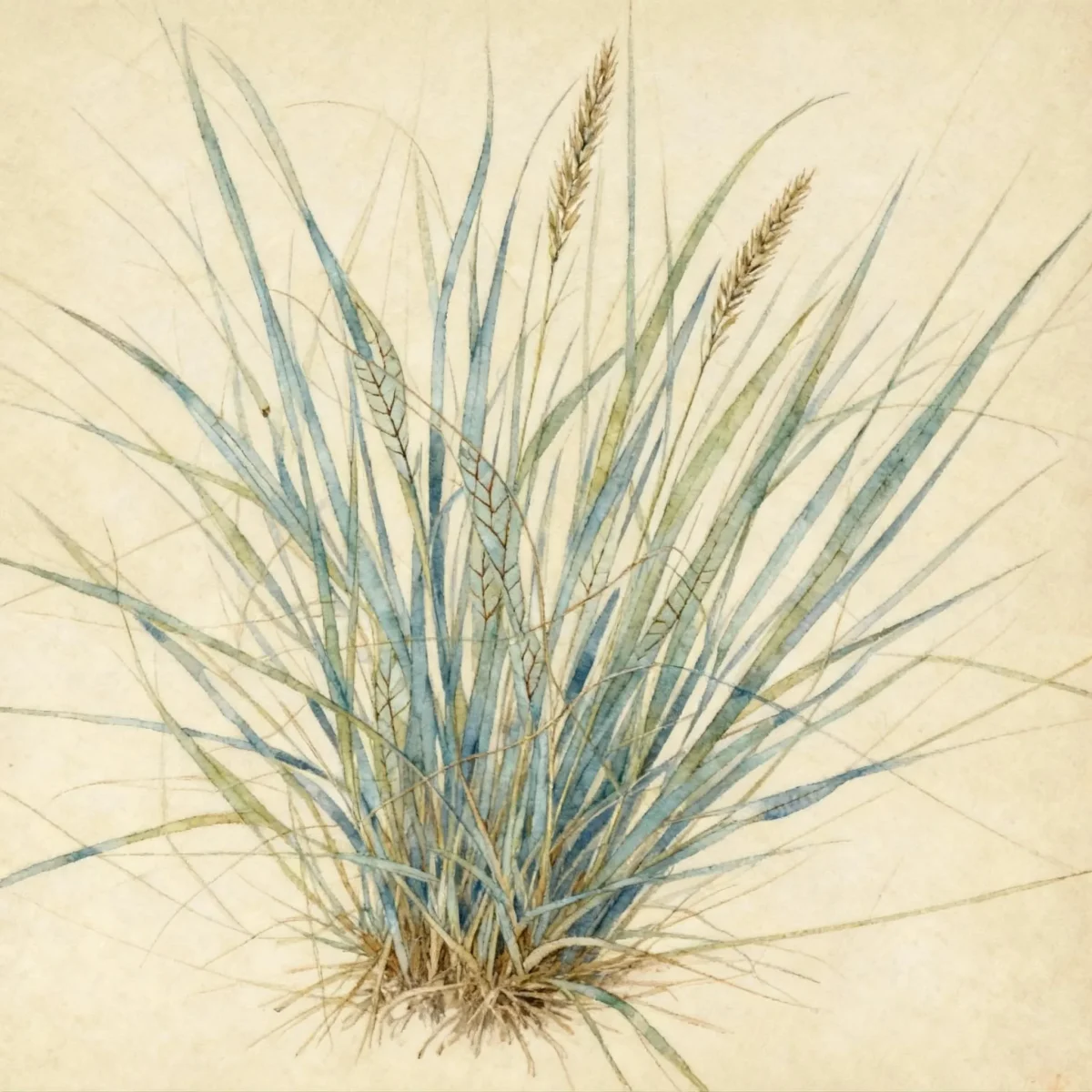
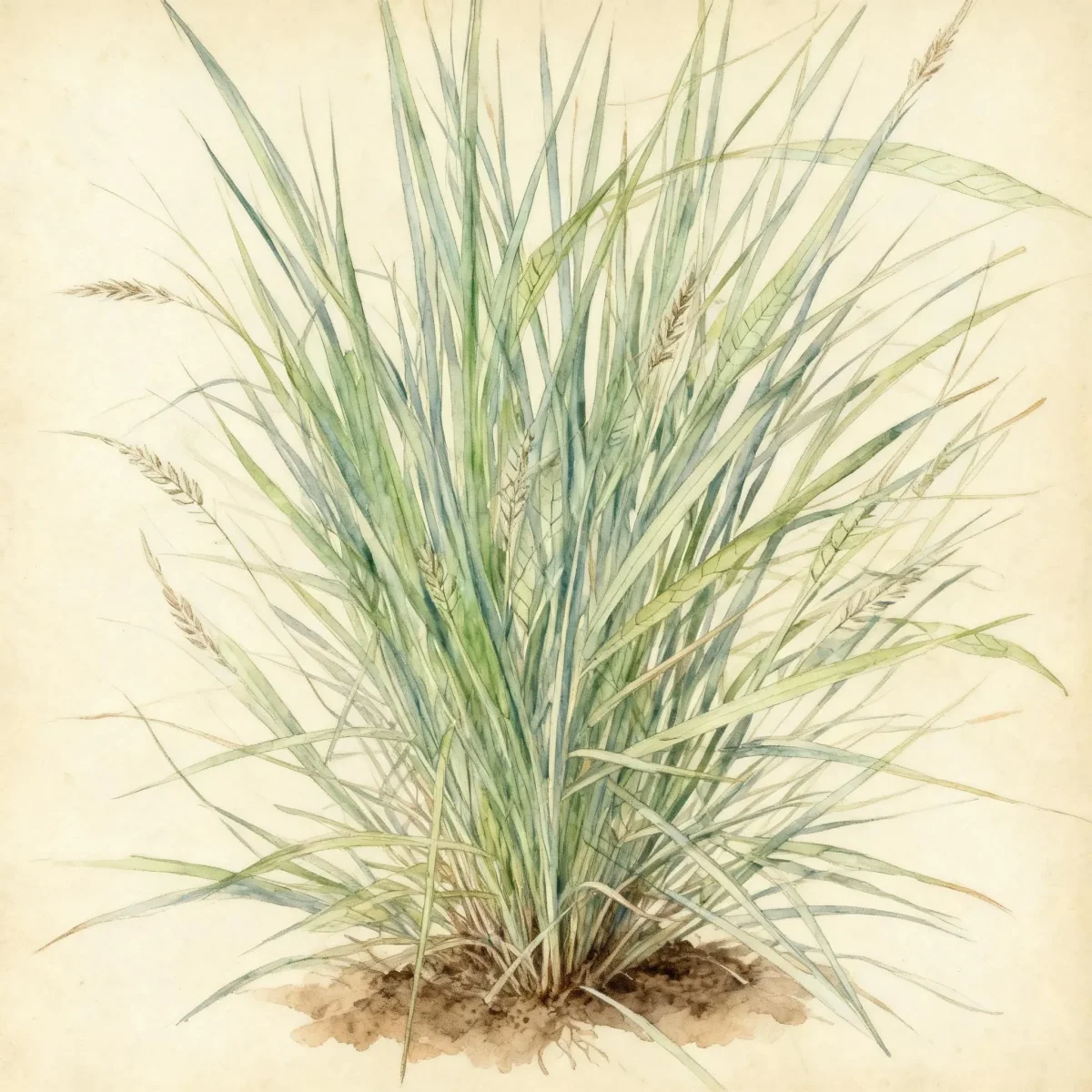
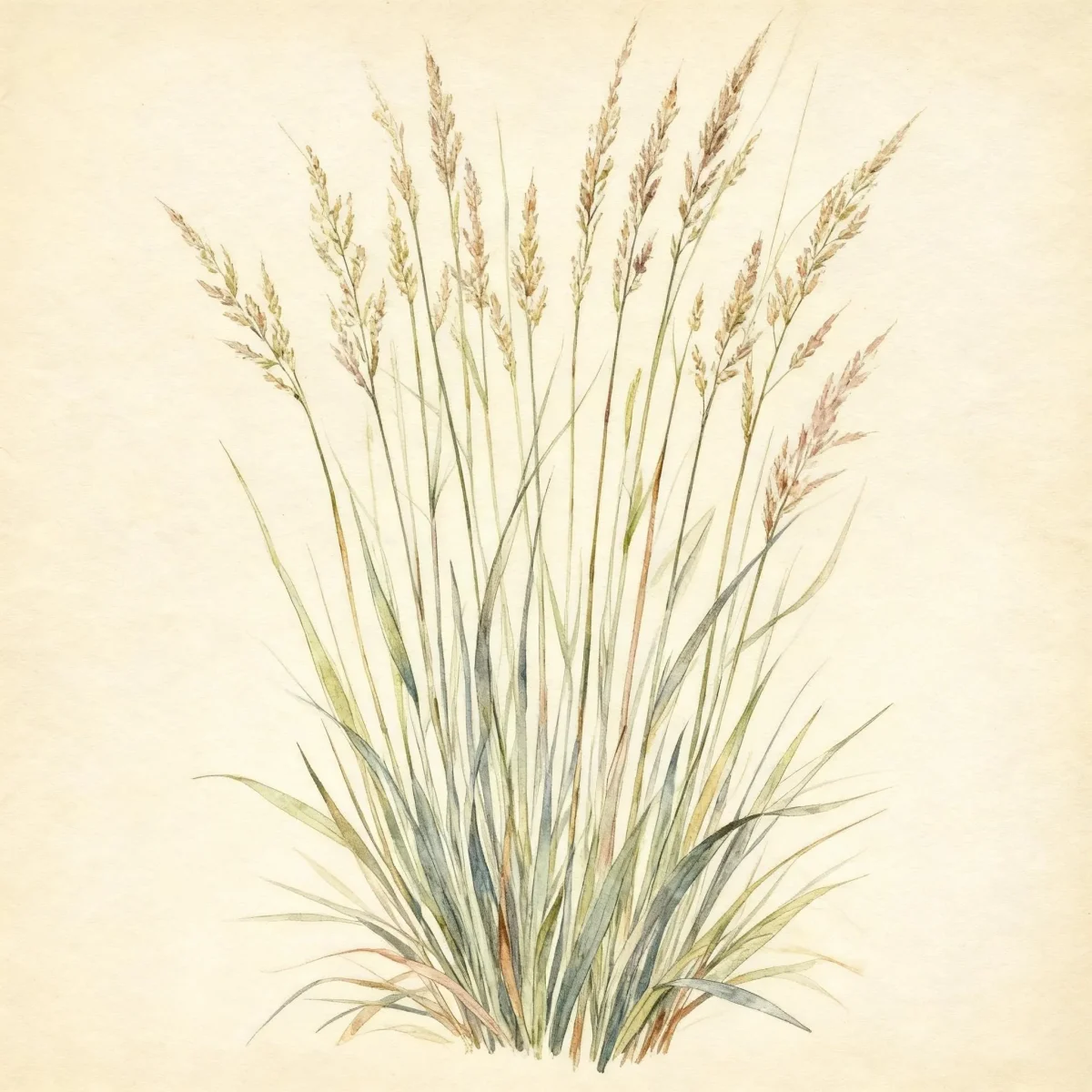
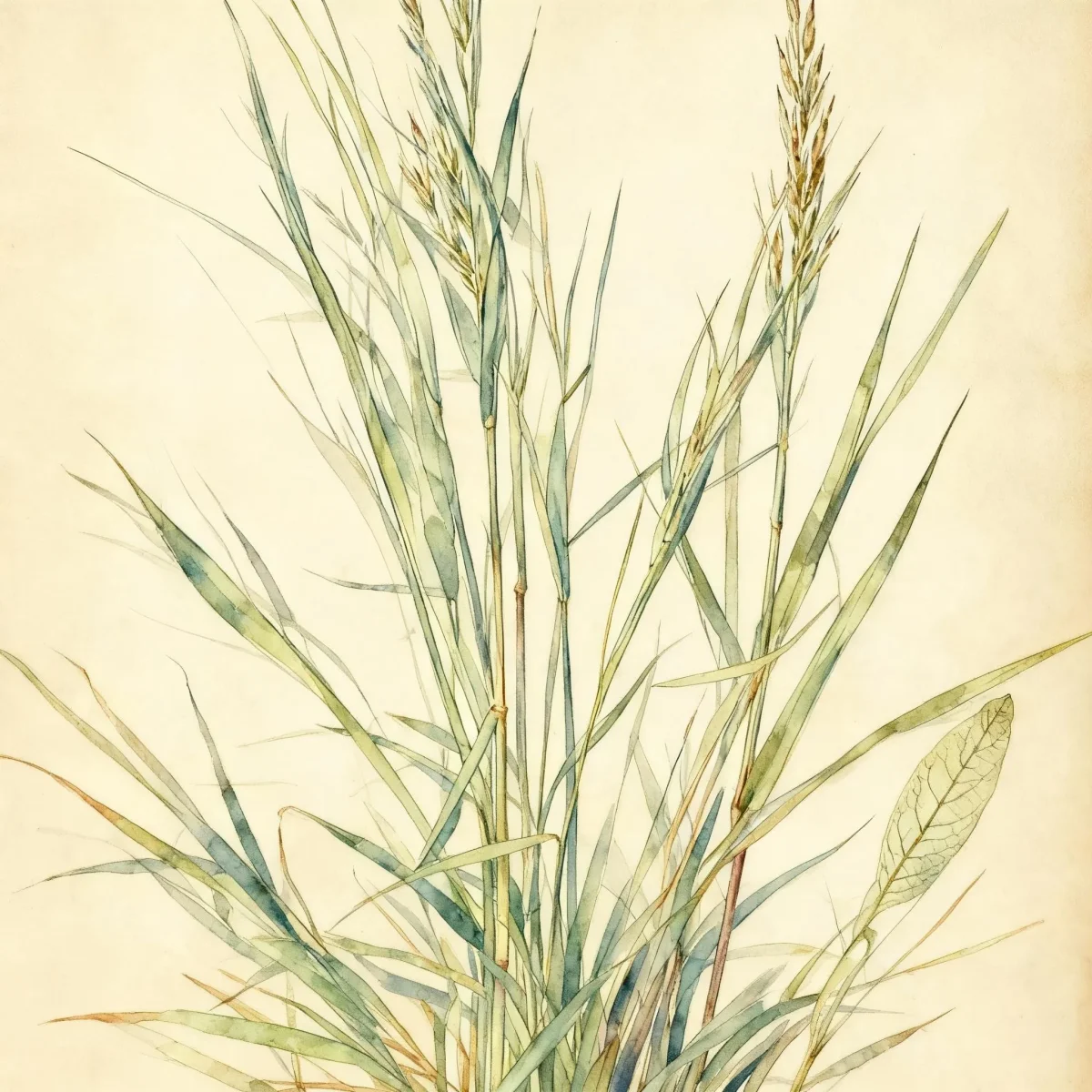
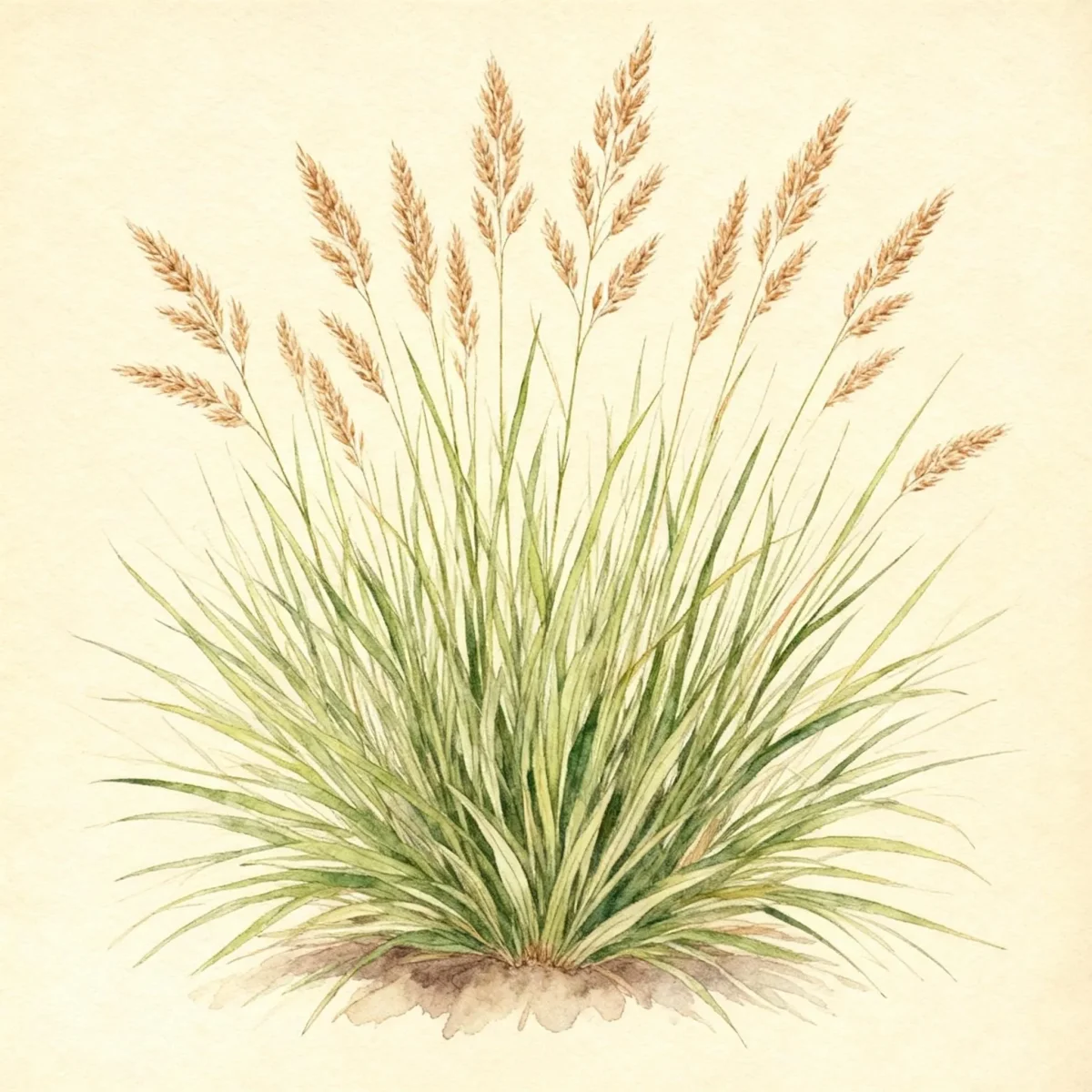
Blue grama (Bouteloua gracilis)
Blue grama (Bouteloua gracilis) is a drought-tolerant ornamental grass producing distinctive reddish-purple flower spikes in summer.
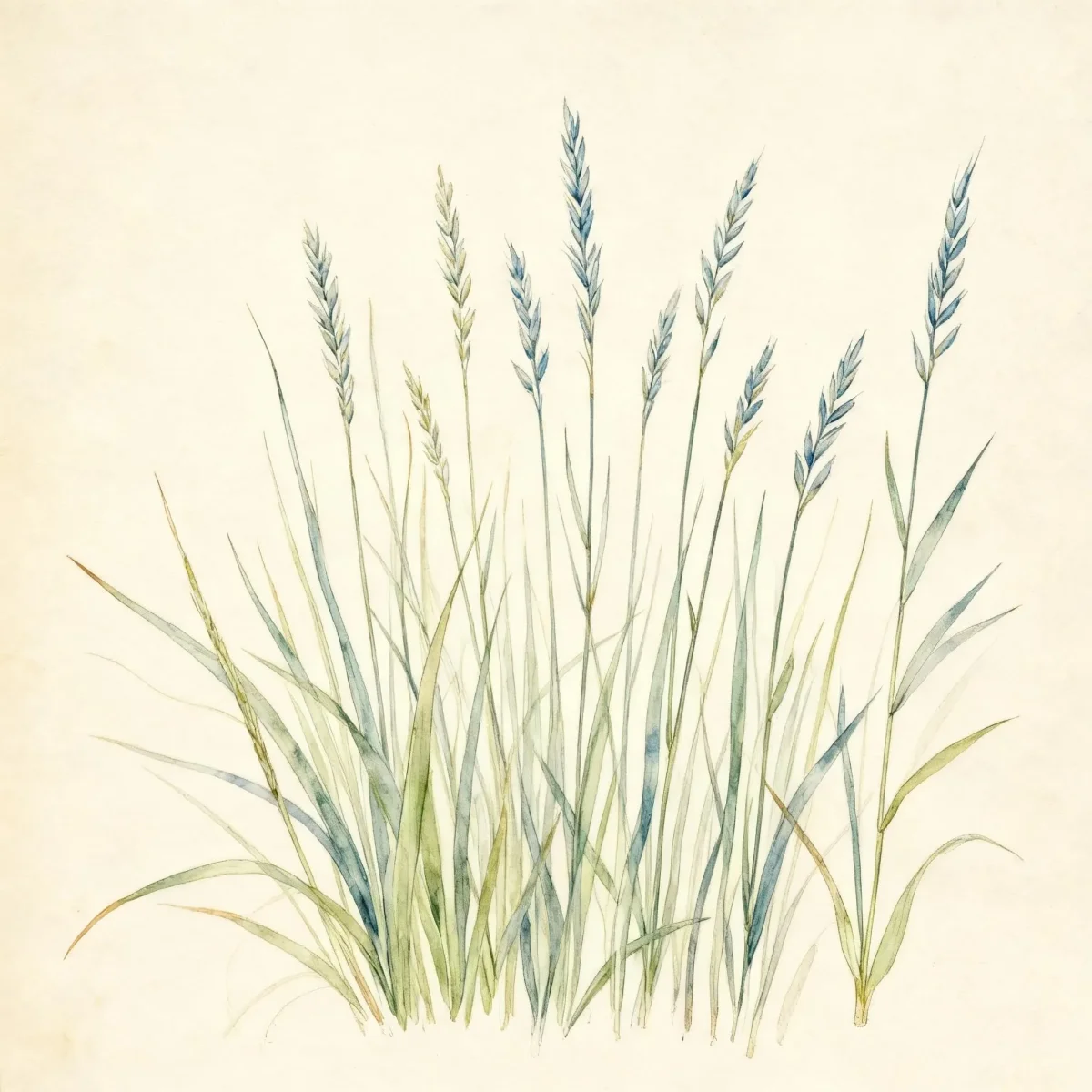

Bloom Boldly, No Matter the Season - Sweatshirt
Cozy organic cotton sweatshirt featuring our exclusive Purple Coneflower design. Perfect for gardeners who bloom year-round.
Inspired by the beautiful Blue grama
Limited first batch (50) — join the waitlist for early access
Waitlist closes Feb 15, 2026.
Complete Plant Information
Field Guide Continues
Ready for care notes, companion picks, and planting tips?
The map is just the start. The full guide below covers growth habits, seasonal performance, and landscape uses.
Overview
Bouteloua gracilis, widely known as Blue grama, is a spectacular, tufted, warm-season ornamental grass highly valued for its aesthetic appeal and extreme toughness. It earns its common name, mosquito grass, from the unique, one-sided arrangement of its seed spikes that resemble hanging mosquito larvae along the arching stems. This native grass forms dense clumps of narrow, bluish-gray foliage, providing fine texture contrast in xeriscaping and native plantings.
This species thrives in the harsh, sunny conditions found throughout the prairies and plains where it naturally occurs. Its low water requirement and excellent drought tolerance make Bouteloua gracilis an indispensable tool for sustainable landscape design where water conservation is critical. While its foliage offers subtle color interest, the summer bloom display elevates this grass from simple groundcover to a centerpiece.
Gardeners appreciate the low maintenance needs of Blue grama, which requires minimal intervention once established to maintain its graceful form. Whether used in large naturalized sweeps or as a subtle accent in rock gardens, Blue grama always delivers reliable performance, turning golden-brown beautifully in the autumn months.
Fast Facts
- Plant Family: Poaceae
- Plant Type: Ornamental grass
- Native Range: Southern and western United States, Mexico
- Hardiness Zones: USDA Zones 3-10
- Size at Maturity:
- Height: 0.75-2 ft
- Spread: 1.5-2 ft
- Bloom Time: June to August
- Bloom Description: Reddish-purple
- Sun Exposure: Full sun
- Water Needs: Dry to medium
- Maintenance Level: Low
How to Grow
Plant Bouteloua gracilis during spring or early summer after the last frost, ensuring it receives the full sun exposure it demands to thrive. It is exceptionally adaptable, growing robustly in average, dry to medium soils, provided they are well-drained. It tolerates a wide range of soil types, including poor, rocky substrates, but must be protected from areas that retain excessive moisture or suffer from poor drainage.
Once established, the water needs of Blue grama are minimal, demonstrating excellent drought tolerance ideal for arid or low-water landscapes. Fertilization is rarely necessary, as rich amendments tend to promote excessive vegetative growth at the expense of its graceful habit. Allow the grass to establish its natural clump; it will sometimes self-seed freely, which is beneficial for naturalized settings.
Structural maintenance is simple for this ornamental grass. The routine recommendation for Bouteloua gracilis is to cut the entire clump down to the ground in late winter, just before new spring shoots begin to emerge. This practice keeps the plant neat and encourages vigorous new growth for the coming season.
Landscape Uses
The diminutive size of Blue grama grass makes it perfectly suited for tight spaces where larger ornamental grasses would overwhelm the scene. It performs beautifully as a specimen plant in rock gardens or when clustered modestly for accent planting. For low-maintenance, naturalistic designs, it integrates seamlessly into native plant gardens, unmowed meadows, and prairie restorations, especially where drought tolerance is a primary concern.
Consider integrating Blue grama along borders or pathways where its fine texture can contrast against broader-leaved perennials or succulents. Its ability to tolerate challenging conditions like shallow, rocky soil means it excels in exposed areas others struggle with. Furthermore, the unique flower spikes of Bouteloua gracilis are highly valued additions when dried and included in autumnal or winter arrangements.
This tough native grass can even be maintained as a formal turf grass, regularly mowed to a height of about 2 inches, offering a sustainable alternative to high-input lawn grasses in low-traffic areas.
Standout Features
Flower Qualities
- Showy
- Good Dried
Noteworthy Characteristics
Bouteloua gracilis, commonly called blue grama or mosquito grass, is a tufted, warm season, Missouri native grass noted for its distinctive arrangement of mosquito larvae-like seed spikes which hang from only one side of its flowering stems. It is native to prairies, plains, open rocky woodlands and along railroad tracks throughout the Western U.S. Foliage turns golden brown in autumn, sometimes also developing interesting hues of orange and red, while the showy inflorescences appear on arching stems above the foliage in early to mid summer.
Tolerances
- Drought
- Erosion
- Dry Soil
- Shallow-Rocky Soil
- Black Walnut
- Air Pollution
Potential Problems
Bouteloua gracilis exhibits exceptional resilience, meaning it encounters no serious insect or disease problems under normal growing conditions. Its primary vulnerability relates to culture—specifically, poor drainage. Avoid planting this species in areas where water pools or remains soggy, as root rot can develop quickly in overly wet soil conditions. In cases of extreme neglect, overcrowding may lead to reduced vigor, necessitating division during the late winter cleanup phase.
Frequently Asked Questions
What hardiness zones is Blue grama suitable for?
Blue grama (Bouteloua gracilis) is remarkably adaptable, suitable for USDA Zones 3 through 10.
How large does Blue grama grow?
This ornamental grass typically reaches a height between 0.75 and 2 feet, spreading to an equal distance of 1.5 to 2 feet wide.
What sun exposure does Blue grama need?
Bouteloua gracilis requires full sun exposure to maintain its dense form and produce plentiful, characteristic seed spikes.
When does Blue grama bloom?
The bloom period for Blue grama usually occurs from June to August, presenting distinctive reddish-purple flower spikes.
Conclusion
Bouteloua gracilis stands out as a premier choice for gardeners seeking beauty combined with extreme durability. Its unique flower structure, coupled with its exceptional drought tolerance, makes Blue grama an indispensable element for sustainable, low-maintenance landscaping in sunny, dry sites. Before planting, always confirm that your local climate falls within USDA Zones 3-10 and ensure you can provide the necessary full sun environment this grass requires.
Companion Planting
When selecting companions for Blue grama, focus on other plants that share its love for full sun and dry, well-drained soil. Pairing it with other low-water native perennials like Purple Coneflower (Echinacea purpurea) or various Sedums creates a cohesive, ecologically functional grouping. Avoid aggressive moisture-loving plants, as they will compete poorly with the dry conditions favored by Bouteloua gracilis. This creates a tapestry where fine textures contrast with broader leaves, all while conserving water effectively.
Propagation Tips
While Bouteloua gracilis freely self-seeds, gardeners looking to manage seed spread or propagate specific clumps can rely on division. The optimal time for dividing the dense clumps is late winter or very early spring before active growth begins. Carefully dig up the entire clump and use a sharp, sterile spade to divide it into smaller sections, ensuring each division has a healthy root mass attached. Replant these divisions immediately into prepared, well-drained soil in their new sunny locations for best establishment rates.