Porcelain vine(Ampelopsis brevipedunculata var. Maximowiczii 'Elegans')
Ampelopsis brevipedunculata var. maximowiczii 'Elegans', the Porcelain vine, offers vigorous growth and striking blue berries. Hardy in Zones 4-8.
Complete Plant Information
- Hardiness zones
- USDA 4–8
- Plant type
- Vine
- Plant family
- Vitaceae
- Sun exposure
- Full sun to part shade
- Water needs
- Medium
- Maintenance
- Low
- Height
- 10–20 ft (305–610 cm)
- Spread
- 8–15 ft (244–457 cm)
- Bloom time
- July
- Flower color
- Greenish
- Flower qualities
- Insignificant
- Fruit qualities
- Showy
- Tolerances
- Not recorded
- Garden uses
- Naturalize
- Native range
- Not recorded
Field Guide Continues
Ready for care notes, companion picks, and planting tips?
The map is just the start. The full guide below covers growth habits, seasonal performance, and landscape uses.
Overview
The Ampelopsis brevipedunculata var. maximowiczii ‘Elegans’ is a vigorous, deciduous, woody vine highly valued for its unique fall display. This cultivar, often known by its common name, Porcelain vine, draws significant attention when its fruit matures. It is closely related to wild grape vines and provides excellent coverage for vertical structures.
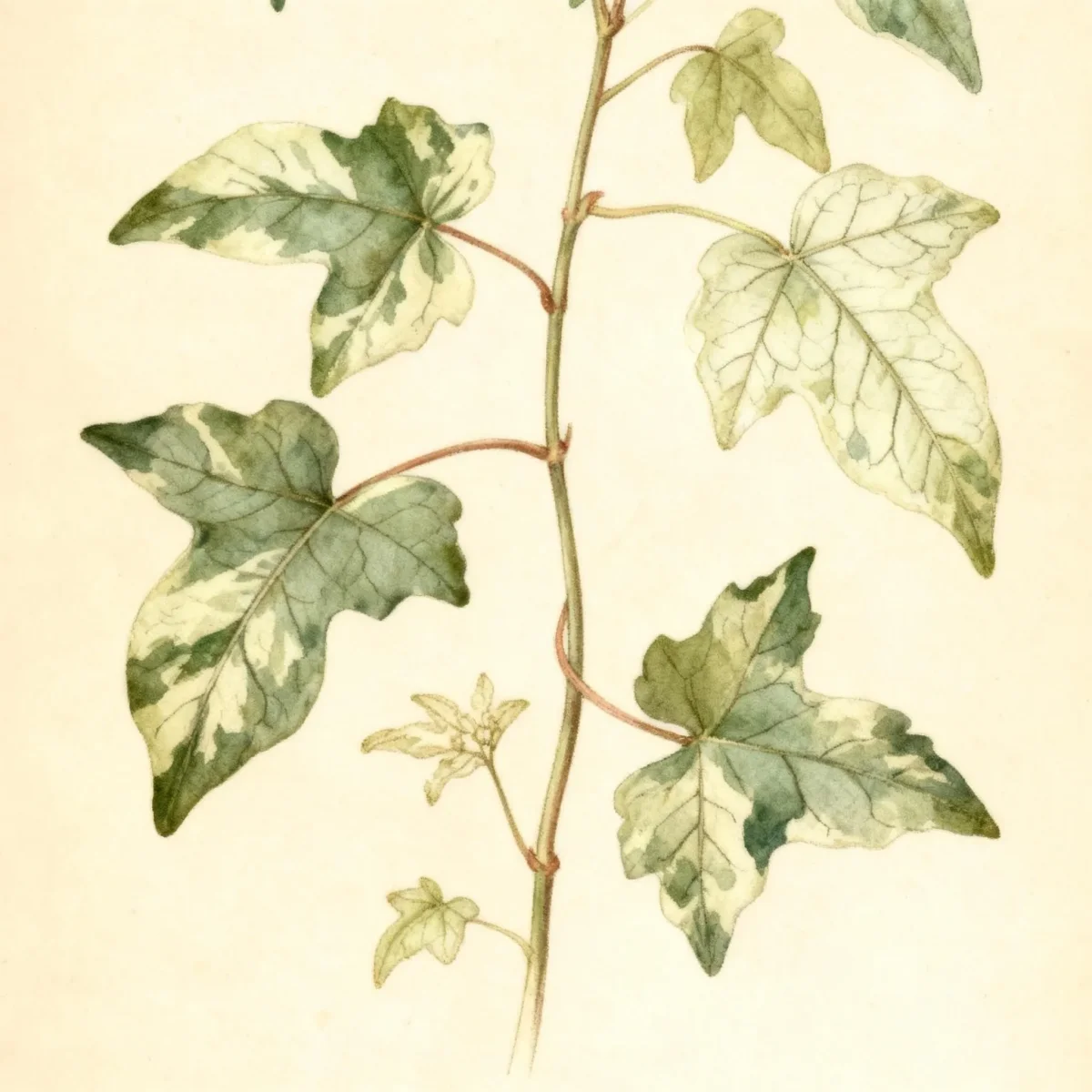
This specimen is particularly noted for the striking coloration of its berries, which transition from pale lilac-blue to brilliant turquoise and amethyst shades. The variegated white foliage on the Ampelopsis brevipedunculata var. Maximowiczii ‘Elegans’ adds aesthetic appeal throughout the growing season, setting it apart from the species form.
As a low-maintenance selection, the Porcelain vine is suitable for gardeners seeking rapid screening or coverage with minimal fuss. It readily adapts to various soil types, making it a hardy and reliable choice for training on arbors, fences, or other supports.
Fast Facts
- Plant Family: Vitaceae
- Plant Type: Vine
- Hardiness Zones: USDA Zones 4-8
- Size at Maturity:
- Height: 10-20 ft
- Spread: 8-15 ft
- Bloom Time: July
- Bloom Description: Greenish
- Sun Exposure: Full sun to part shade
- Water Needs: Medium
- Maintenance Level: Low
How to Grow
Plant the Porcelain vine where it can receive plenty of sunlight; full sun encourages the best flower and subsequent fruit production. This vine easily grows in average, medium, well-drained soil, adapting well even to sandy or rocky substrates. Ensure the area avoids wet, poorly drained conditions, which should be strictly avoided for optimal health.
Water needs are medium, meaning consistent moisture, especially when establishing, is necessary, but the soil must drain effectively. Maintenance is generally low, as it requires few amendments or special feeding regimes once established. Because it is a vigorous grower, structure is crucial; ensure sturdy fences, arbors, or trellises are in place for it to climb via its tendrils.
Pruning is straightforward for Ampelopsis brevipedunculata var. maximowiczii ‘Elegans’. Since it flowers on new growth, gardeners can cut the vine back to the ground in late winter if severe size control is desired. Otherwise, simply trim the stems as needed throughout the growing season to maintain the desired shape and prevent unwanted spread.
Landscape Uses
The vigor of the Porcelain vine makes it an excellent choice for naturalizing areas or rapidly covering large, unsightly structures. Use it to soften the look of fences, walls, arbors, and porch supports, providing year-round visual interest thanks to its variegated leaves and colorful fall fruit. When grown without support, it can effectively cover rock piles or old stumps.
For planned landscapes, consider positioning the Ampelopsis brevipedunculata var. Maximowiczii ‘Elegans’ where its late-season fruit can be admired from a distance, such as near a patio or walkway viewing area. Because of its aggressive nature, avoid planting it near sensitive or slow-growing companion plants that cannot withstand competition.
Standout Features
Flower Qualities
- Insignificant
Fruit Qualities
- Showy
Noteworthy Characteristics
Ampelopsis brevipedunculata, commonly called porcelain vine, is a vigorous, woody, deciduous, tendril-climbing vine which is somewhat similar in habit to wild grape vines and will typically grow 15-25’. Features mostly 3-lobed, deep green leaves (to 5” long). Clusters (cymes) of non-showy, greenish flowers appear in the leaf axils in July. Flowers give way in fall to showy clusters of rounded-to-oval, pale lilac-blue fruits (1/4” diameter) which mature to brighter and deeper shades of amethyst to porcelain blue. Var. Maximowiczii is not recognized by some authorities (included in the species) and considered a synonym of Ampelopsis glandulosa var. Heterophylla by others.Genus name comes from the Greek words ampelos meaning a vine and opsis meaning likeness. It is closely related to grape vines.Specific epithet means with a short flower stalk.‘Elegans’ has three-lobed leaves that are variegated with white. Young leaves exhibit a pinkish tinge in the spring. Inconspicuous, greenish flowers appear in July and give way to clusters of blue berries in fall. Fruit is initially a pale blue which turns turquoise as it ripens. Fruits attract birds.
Tolerances
- No serious insect or disease problems
Potential Problems
The Porcelain vine is generally robust, posing no serious insect or disease problems to reliable gardeners. However, Japanese beetles are known to target the foliage, potentially causing substantial damage if left unchecked. Vigilant monitoring during the summer months is recommended, and standard organic controls can be applied if infestations appear threatening to the overall health of the Ampelopsis brevipedunculata var. maximowiczii ‘Elegans’.
Frequently Asked Questions
What hardiness zones is Porcelain vine suitable for?
The Ampelopsis brevipedunculata var. maximowiczii ‘Elegans’ is suitable for USDA Hardiness Zones 4 through 8.
How large does Porcelain vine grow?
This vine typically reaches a height between 10 and 20 feet tall, spreading approximately 8 to 15 feet wide at maturity.
What sun exposure does Porcelain vine need?
For the best flowering and subsequent fruit display on the Ampelopsis brevipedunculata var. Maximowiczii ‘Elegans’, full sun exposure is preferred, though it will tolerate partial shade.
When does Porcelain vine bloom?
This plant produces greenish flowers in July.
Conclusion
The Ampelopsis brevipedunculata var. maximowiczii ‘Elegans’ offers exceptional late-season visual impact through its rapidly climbing habit and colorful, jewel-toned fruit clusters. Its low maintenance requirements make the Porcelain vine an attractive vertical accent. Before planting, confirm your local hardiness zone compatibility (Zones 4-8) and ensure you have a sturdy support system ready for this dynamic grower.
Wildlife Benefits
The vibrant fruits produced by the Porcelain vine are a significant draw for local bird populations in the autumn and early winter. While the flowers themselves are inconspicuous, the berries provide an important late-season food source as the season transitions. Cultivating this vine can turn an otherwise bare wall or fence into a dynamic feeding station for feathered friends.
Design Ideas for Variegated Climbers
The variegated foliage of ‘Elegans’ allows it to stand out even when not in heavy fruit production. Use it near hardscaping elements like light-colored stone walls or white pergolas to maximize the contrast between the white edges of the leaves and the mature blue berries. Because of its rapid growth rate, use it strategically where quick screening is needed over an existing structure, rather than in a formal, highly manicured border.
Recommended Companion Plants
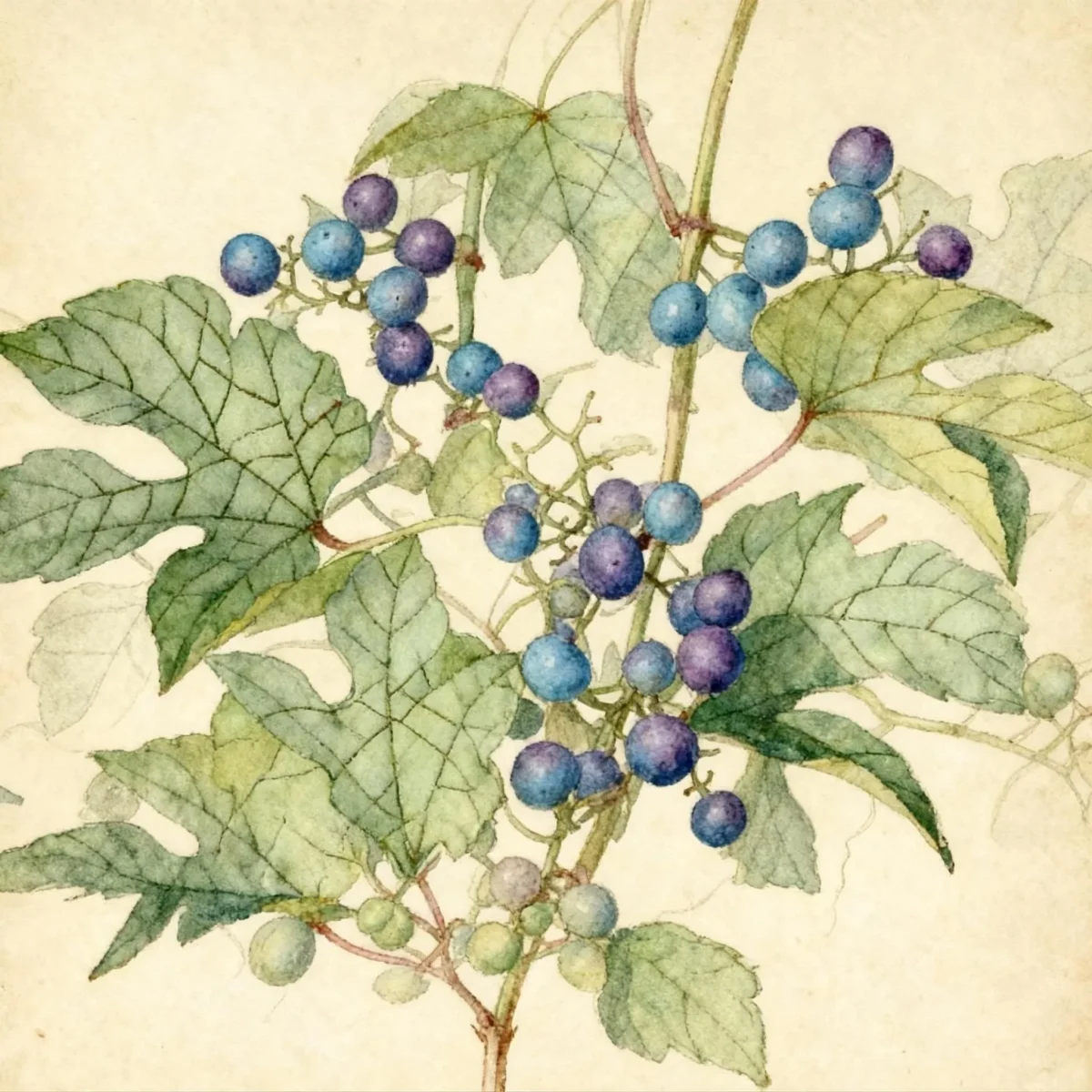
Amur peppervine
Ampelopsis brevipedunculata
- USDA zones
- 4–8
- Light
- Full sun to part shade
- Water
- Medium
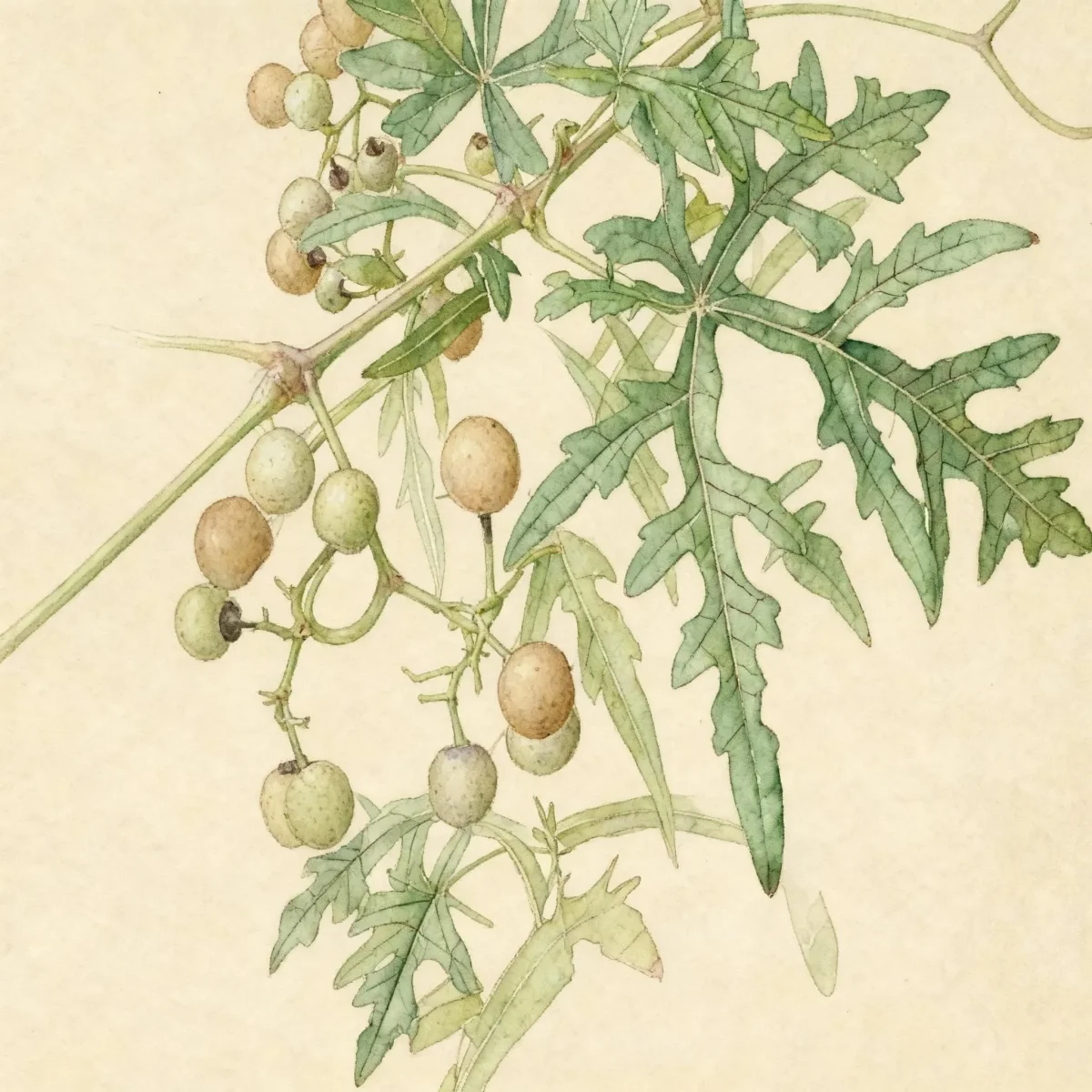
Monkshood vine
Ampelopsis aconitifolia var. Glabra
- USDA zones
- 4–7
- Light
- Full sun to part shade
- Water
- Medium
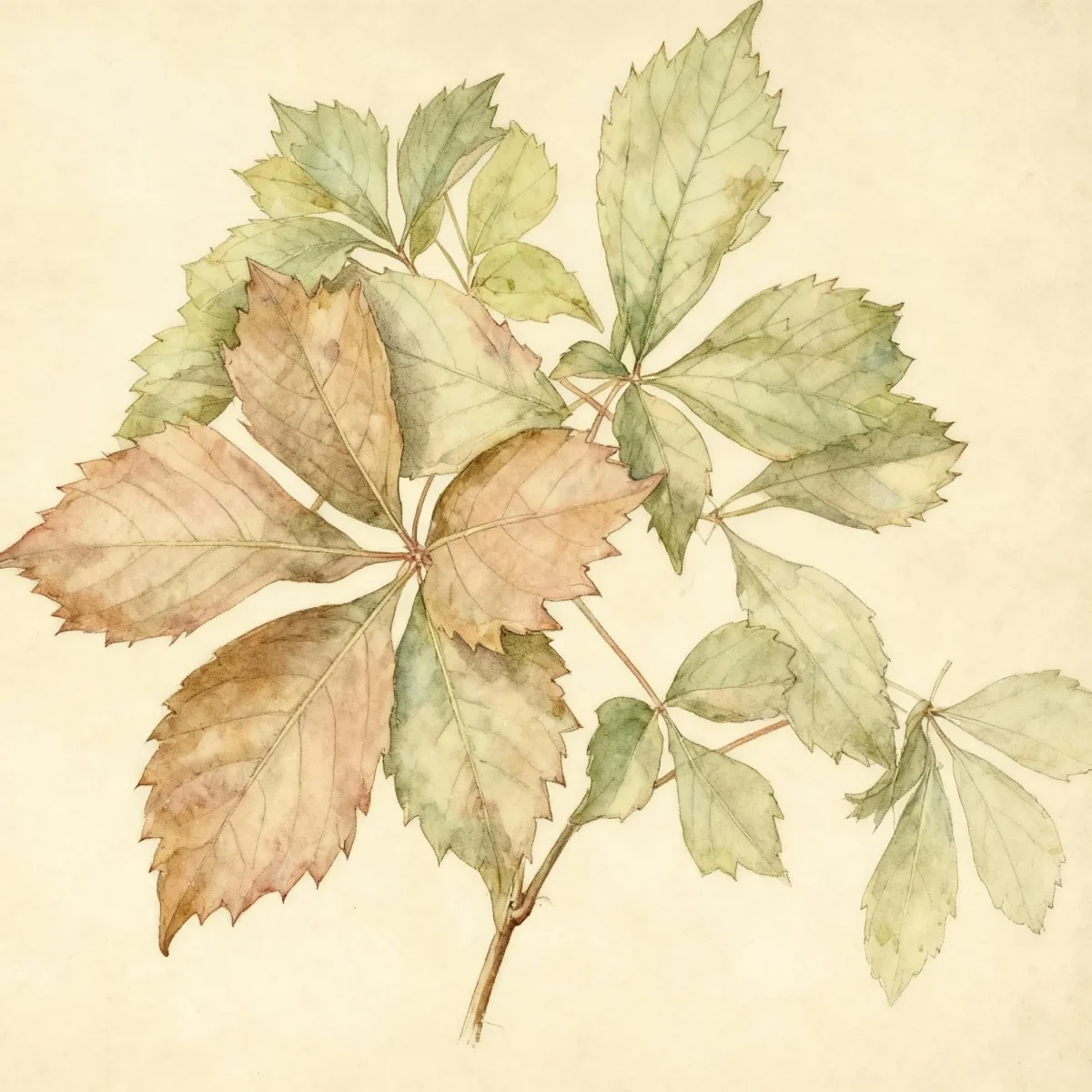
Virginia creeper
Parthenocissus quinquefolia var. Engelmannii
- USDA zones
- 3–9
- Light
- Full sun to part shade
- Water
- Medium
Virginia creeper
Parthenocissus quinquefolia 'Monham' STAR SHOWERS
- USDA zones
- 3–9
- Light
- Full sun to part shade
- Water
- Medium

Virginia creeper
Parthenocissus quinquefolia 'Troki' RED WALL
- USDA zones
- 3–9
- Light
- Full sun to part shade
- Water
- Medium
Virginia creeper
Parthenocissus quinquefolia
- USDA zones
- 3–9
- Light
- Full sun to part shade
- Water
- Medium
Keep Learning
Test what you know with a garden quiz
You have the plant facts and care notes. Continue with a related challenge, or browse the complete quiz library.

Can You Identify These Common Garden Plants? Test Your Plant Knowledge
Think you know your roses from your peonies? Test your plant identification skills with our comprehensive garden plant quiz featuring 10 challenging questions.
Start quiz
USDA Garden Zone Map Quiz
Use this USDA garden zone map quiz to check whether you can read hardiness zones and choose plants with more confidence.
Start quizBrowse the full quizzes section
Explore plant identification, zone strategy, and seasonal gardening challenges.
View all quizzes