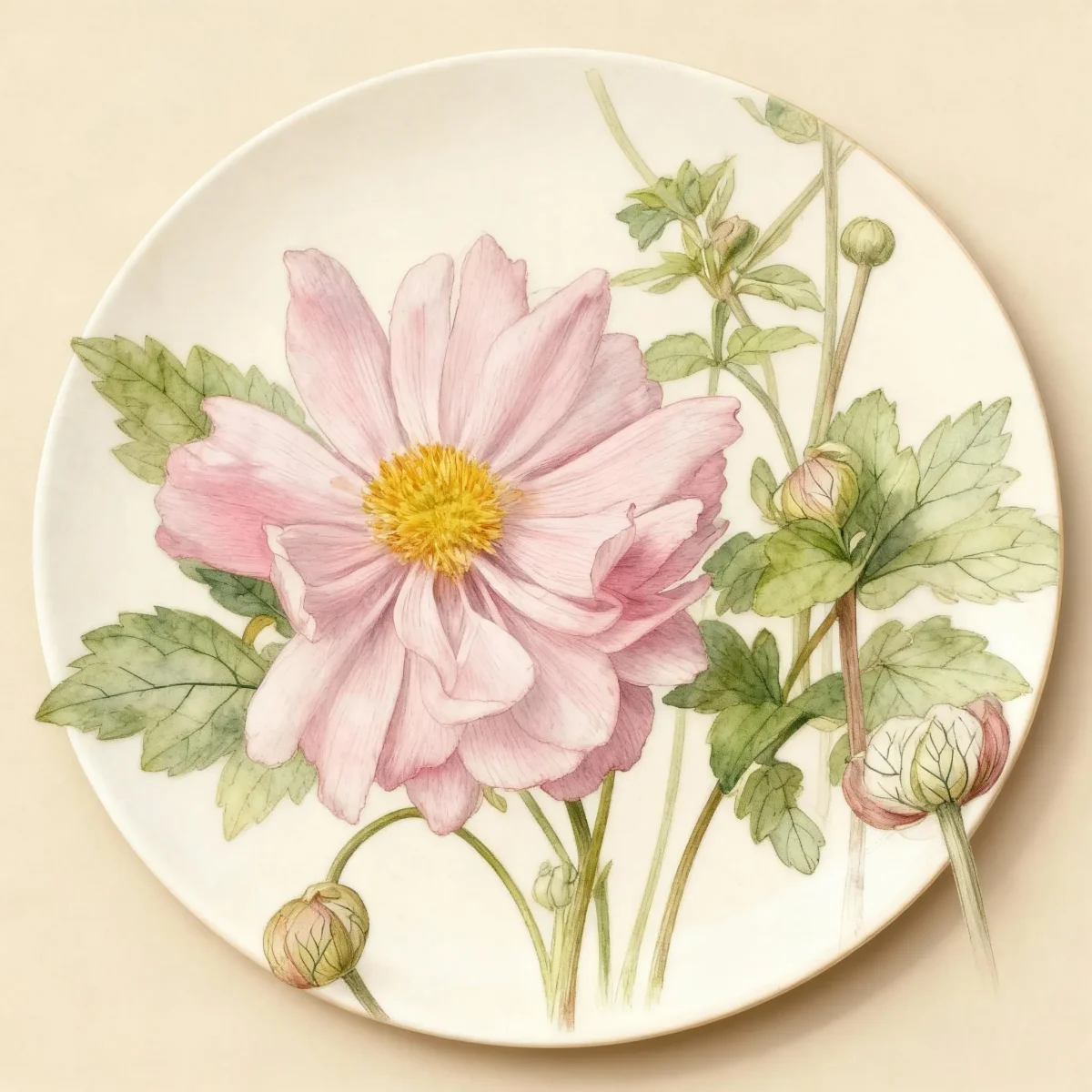
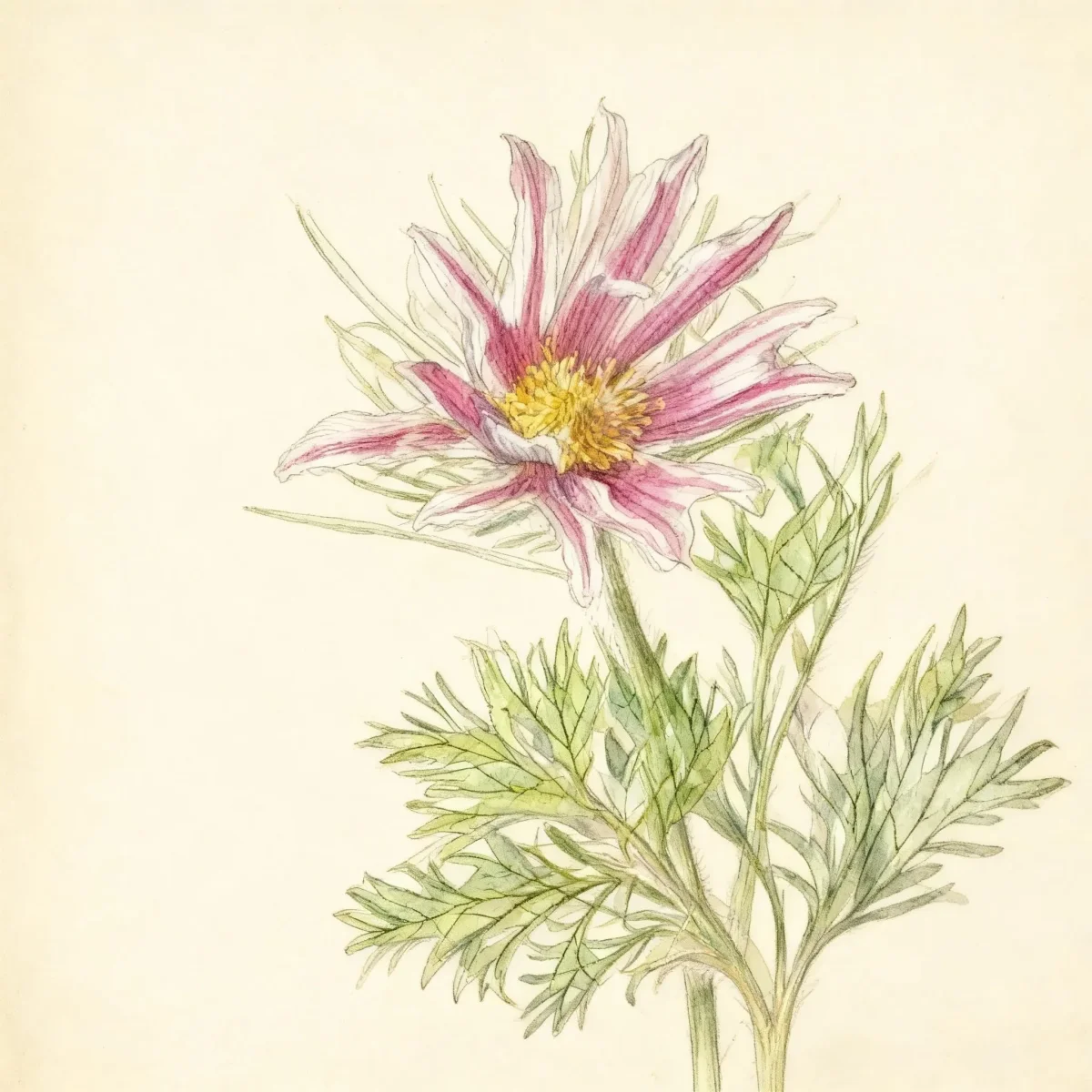
Japanese anemone (Anemone hupehensis var. Japonica 'Prinz Heinrich')
The striking Anemone hupehensis var. japonica 'Prinz Heinrich' delivers deep rose semi-double flowers late summer through October.
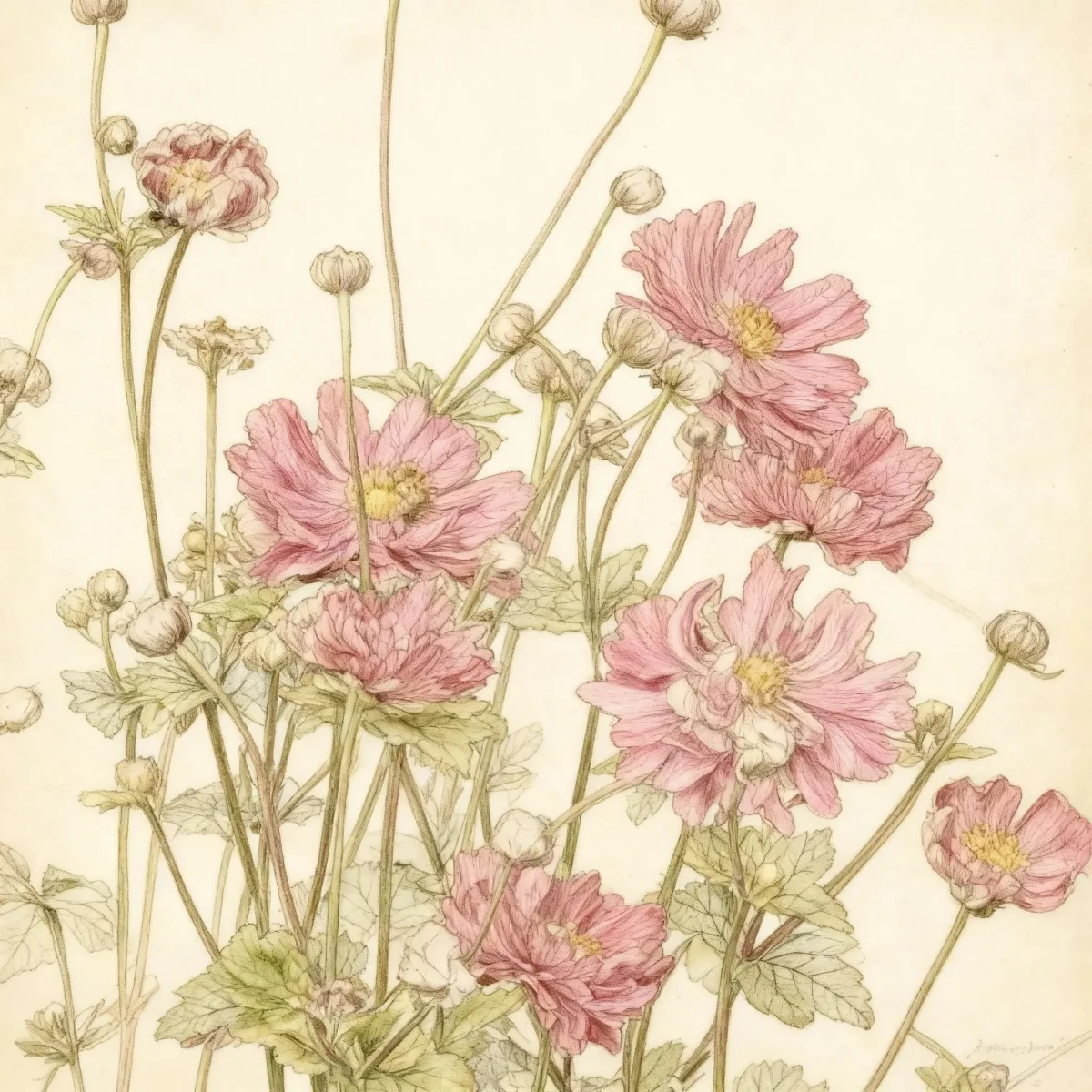

Bloom Boldly, No Matter the Season - Sweatshirt
Cozy organic cotton sweatshirt featuring our exclusive Purple Coneflower design. Perfect for gardeners who bloom year-round.
Inspired by the beautiful Japanese anemone
Limited first batch (50) — join the waitlist for early access
Waitlist closes Feb 15, 2026.
Complete Plant Information
Field Guide Continues
Ready for care notes, companion picks, and planting tips?
The map is just the start. The full guide below covers growth habits, seasonal performance, and landscape uses.
Overview
The Japanese anemone cultivar Anemone hupehensis var. japonica ‘Prinz Heinrich’ stands out as a vital late-season performer, offering vibrant color when many other perennials are fading. This herbaceous perennial is valued for its graceful, wiry stems that rise above the basal foliage to showcase semi-double flowers of a rich, deep rose hue. Though often associated with Japanese gardens, this species finds its true origins in China, yet it has earned its common name through long cultivation history.
This variety, Anemone hupehensis var. Japonica ‘Prinz Heinrich’, is recognized for flowering reliably from September well into October, providing essential texture and structure to the autumn garden. It establishes itself as a moderate, low-maintenance choice that naturalizes slowly to form attractive colonies over time. Gardeners appreciate its ability to thrive in partial shade, though consistent moisture is key to keeping the foliage healthy during dry spells.
For gardeners seeking reliable late-season color and elegant form, the Japanese anemone presents a superb solution. Due to its tendency to spread via suckering roots, it is an excellent choice for filling out perennial borders or softening woodland transition areas, bringing reliable beauty until the first hard frost arrives.
Fast Facts
- Plant Family: Ranunculaceae
- Plant Type: Herbaceous perennial
- Hardiness Zones: USDA Zones 5-8
- Size at Maturity:
- Height: 2-3 ft
- Spread: 2-2.5 ft
- Bloom Time: September to October
- Bloom Description: Deep rose
- Sun Exposure: Full sun to part shade
- Water Needs: Medium
- Maintenance Level: Low
How to Grow
Plant the Japanese anemone in spring or early fall in locations that receive adequate moisture and protection from intense afternoon sun, as the foliage can scorch in hot, dry conditions. It thrives best in average to fertile, consistently moist, humus-rich soils that are well-drained and preferably neutral to slightly alkaline. Good drainage is particularly critical, as this plant does not tolerate wet feet, especially during winter, which can lead to overwintering failure.
Care through the growing season involves keeping the soil evenly moist; do not allow the soil to dry out completely. Anemone hupehensis var. japonica ‘Prinz Heinrich’ generally requires low maintenance once established. Since flowering stems can sometimes flop, especially if the plant receives too much shade, placing taller specimens near supports or providing a sheltered location out of strong winds is advisable.
Be aware that these plants are notoriously slow to establish; patience is required for them to truly colonize an area. In colder winter climates (lower end of its hardiness range), apply mulch to help protect the root zone. Propagation is best achieved through division or utilizing root cuttings, typically done in spring or fall.
Landscape Uses
The primary landscape application for Anemone hupehensis var. japonica ‘Prinz Heinrich’ is its use as a naturalizing element. It excels when grouped or massed in perennial borders, where its late bloom provides continuity of color as summer flowers decline. This Japanese anemone fits beautifully within the relaxed style of cottage gardens, providing height and movement among shorter, early-season bloomers.
In woodland gardens, this variety performs well, provided it receives enough filtered light to encourage strong stems, as deep shade can cause flopping. Its upright, wiry stems offer excellent vertical accents, contrasting nicely with mounding hostas or ferns planted nearby. Allowing the plant to slowly spread by its fibrous roots means it can eventually knit together to form dense colonies, suppressing weeds organically once established.
Standout Features
Flower Qualities
- Showy
Noteworthy Characteristics
Anemone hupehensis, commonly called Japanese anemone, is a fibrous-rooted, woody-based late summer to fall flowering herbaceous perennial of the buttercup family that typically grows to 2-2 ½’ tall. This cultivar, ‘Prince Heinrich’, features semi-double rose-pink flowers measuring about 2 ½” across, usually possessing 10-15 narrow overlapping tepals. Although its true native habitat is in China, it naturalized in Japan, hence its common name.
Tolerances
- Deer
Potential Problems
This plant avoids serious insect or disease issues, offering a reliable aesthetic return for low effort. However, gardeners should monitor for potential foliar issues such as leaf spot, downy mildew, powdery mildew, and rust, which can appear under humid or overly shaded conditions. Small garden pests like caterpillars, flea beetles, and slugs may occasionally graze on the foliage. Taller, established plants may occasionally require staking or support depending on stem strength and wind exposure.
Frequently Asked Questions
What hardiness zones is Japanese anemone suitable for?
Anemone hupehensis var. japonica ‘Prinz Heinrich’ is best suited for gardeners residing in USDA Hardiness Zones 5 through 8.
How large does Anemone hupehensis var. japonica ‘Prinz Heinrich’ grow?
This cultivar typically reaches a mature height between 2 and 3 feet tall, with a spread of 2 to 2.5 feet wide.
When does Japanese anemone bloom?
The bloom season for this variety is late in the year, generally beginning in September and continuing through October, featuring deep rose flowers.
What sun exposure does Anemone hupehensis var. japonica ‘Prinz Heinrich’ need?
It performs well in conditions ranging from full sun to partial shade; however, aim for part shade if your summers are notably hot and dry to prevent foliage scorch.
Conclusion
The Anemone hupehensis var. japonica ‘Prinz Heinrich’ is an invaluable addition for extending garden color into the autumn months with its reliable deep rose blooms. This low-maintenance Japanese anemone establishes slowly but rewards patience by forming attractive, late-season colonies. Before planting, confirm that your site offers the crucial elements of consistent moisture and well-drained soil appropriate for zones 5-8.
Companion Planting
Selecting appropriate companions is crucial for the Japanese anemone, especially since it needs consistent moisture and dislikes competing with aggressive spreaders. Plants that thrive in similar average moisture requirements and appreciate dappled light work best. Consider pairing Anemone hupehensis var. japonica ‘Prinz Heinrich’ with late-season bloomers like Asters or Sedum ‘Autumn Joy’, which share its late summer/fall schedule.
For structure, dense foliage plants that mature earlier in the season, such as large Hostas or tall ornamental grasses, can help conceal the anemone’s foliage during its initial spring emergence while providing a backdrop for its later flowers. Ensure companions do not create deep shade, as this cultivar’s flower stems are prone to flopping when light-deprived.
Seasonal Care Calendar
Spring is the time for cleanup, cutting back any old, dead foliage from the previous season and applying a fresh layer of mulch to conserve moisture. As summer progresses, monitor water needs closely; while labeled medium, sustained heat requires diligent checking, as soils must not be allowed to dry out. In the fall, after the bloom finishes, you can lightly tidy up spent stems, though leaving some structure over winter can be beneficial, especially if you have mulched well.