Butterfly bush(Buddleja davidii 'Black Knight')
Grow butterfly bush 'Black Knight' (Buddleja davidii): intense deep purple fragrant flower panicles, pollinator magnet, hard winter cutback, and invasive risks.
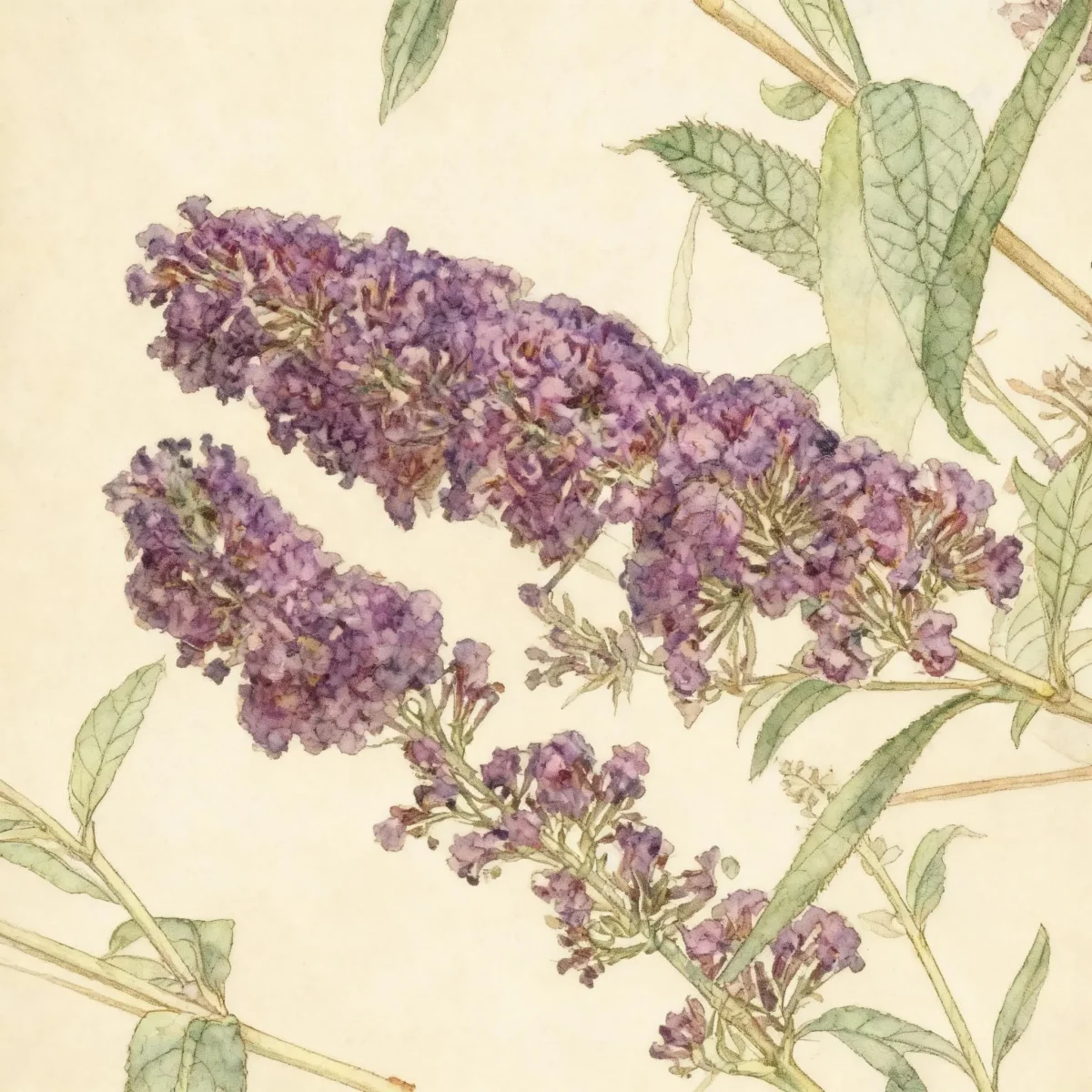
Complete Plant Information
- Hardiness zones
- USDA 5–9
- Plant type
- Deciduous shrub
- Plant family
- Scrophulariaceae
- Sun exposure
- Full sun
- Water needs
- Medium to dry
- Maintenance
- Medium
- Height
- 6–8 ft (183–244 cm)
- Spread
- 4–6 ft (122–183 cm)
- Bloom time
- June to September
- Flower color
- Deep violet-purple to near-black fragrant conical panicles (8–12 inches long) with tiny orange eyes
- Flower qualities
- Showy, Fragrant, Good Cut
- Fruit qualities
- Not recorded
- Tolerances
- Rabbit, Clay Soil, Drought, Deer
- Garden uses
- Pollinator garden, mixed perennial border, cut flower
- Native range
- Central to western China (cultivar selection)
Field Guide Continues
Ready for care notes, companion picks, and planting tips?
The map is just the start. The full guide below covers growth habits, seasonal performance, and landscape uses.
Overview
Butterfly bush ‘Black Knight’ (Buddleja davidii ‘Black Knight’) is one of the most celebrated and darkest-flowered summer-blooming deciduous shrubs in cultivation, holder of the Royal Horticultural Society’s Award of Garden Merit. Hardy across USDA Zones 5 through 9, it grows rapidly into a multi-stemmed, arching shrub 6 to 8 feet tall and 4 to 6 feet wide. From June through the first autumn frost, it bears immense, honey-scented, deep midnight-purple flower panicles up to 12 inches long, drawing hundreds of monarch butterflies, swallowtails, bumblebees, and hummingbirds.
Its velvety royal-purple florets appear almost black in certain light, accented by tiny glowing orange centers in each floret.
How to Grow
- Sunlight: Full sun is mandatory (minimum 6 hours of direct daily light). Shaded shrubs produce weak, floppy branches and drastically fewer flower panicles.
- Soil & Drainage: Thrives in average, well-draining soil. Highly adaptable to clay soil if amended to prevent standing water. Intolerant of soggy, waterlogged ground.
- Watering: Provide moderate watering during initial establishment. Once established, plants demonstrate strong drought resistance.
- The Late Winter Cutback Rule: Flowers form exclusively on new wood generated in the current season. Cut all woody stems back to 6 to 12 inches above the ground every late winter or early spring (March) just as basal buds swell. Hard pruning prevents older stems from becoming woody and leggy, maximizing flower panicle size.
Landscape Uses
- Dedicated Pollinator Gardens: Acts as a premier summer nectar station for adult butterflies, bees, and hummingbirds.
- Mixed Shrub & Perennial Border: Provides rich midnight-purple color and height behind shorter summer-blooming perennials.
- Fresh Cut Flowers: Long flower cones make fragrant, dramatic additions to summer floral arrangements.
Potential Problems
- Invasiveness in Riparian Corridors: In the Pacific Northwest, California, and Mid-Atlantic riverbanks, Buddleja davidii self-seeds aggressively into native waterways. Deadhead spent flower spikes before seeds disperse to prevent wildland colonization.
- Not a Larval Host: While it provides abundant nectar for adult butterflies, it does not feed native caterpillar larvae.
- Winter Stem Dieback: In Zones 5 and 6, stems frequently freeze to the ground; crowns resprout vigorously in spring.
Frequently Asked Questions
When should I cut back my butterfly bush?
Cut all stems back to 6 to 12 inches in late winter or early spring before new growth starts. Never prune in autumn, as leaving stems intact insulates the root crown over winter.
Does deadheading really make butterfly bush bloom more?
Yes. Snapping off spent brown flower spikes prevents seed production and forces the plant to continuously push new lateral flower panicles until frost.
Why does ‘Black Knight’ look almost black?
The petals contain dense anthocyanin pigments that absorb light, producing an intense dark midnight-purple hue highlighted by tiny contrasting orange eyes.
Companion Plants
Pair ‘Black Knight’ butterfly bush with sun-loving perennials that contrast with its deep purple-black panicles:
- Bright Warm Colors: Plant alongside yellow black-eyed Susans (Rudbeckia), orange butterfly weed (Asclepias tuberosa), and coreopsis.
- Silver & White Foliage: Contrast against Russian sage (Salvia yangii), artemisia, or white coneflowers (Echinacea).
- Ornamental Grasses: Pair with fountain grass (Pennisetum) or switchgrass (Panicum virgatum).
Sources & Lineage
- Missouri Botanical Garden PlantFinder: Record taxon 243236 (Buddleja davidii ‘Black Knight’) — cultivar morphological record, hardiness, and pruning directives.
- Kew Plants of the World Online (POWO): Buddleja davidii Franch. (POWO: 545734-1) — species taxonomy, family (Scrophulariaceae), and native distribution.
- Royal Horticultural Society (RHS): Buddleja davidii ‘Black Knight’ AGM — Award of Garden Merit profile and garden trial performance.
Recommended Companion Plants
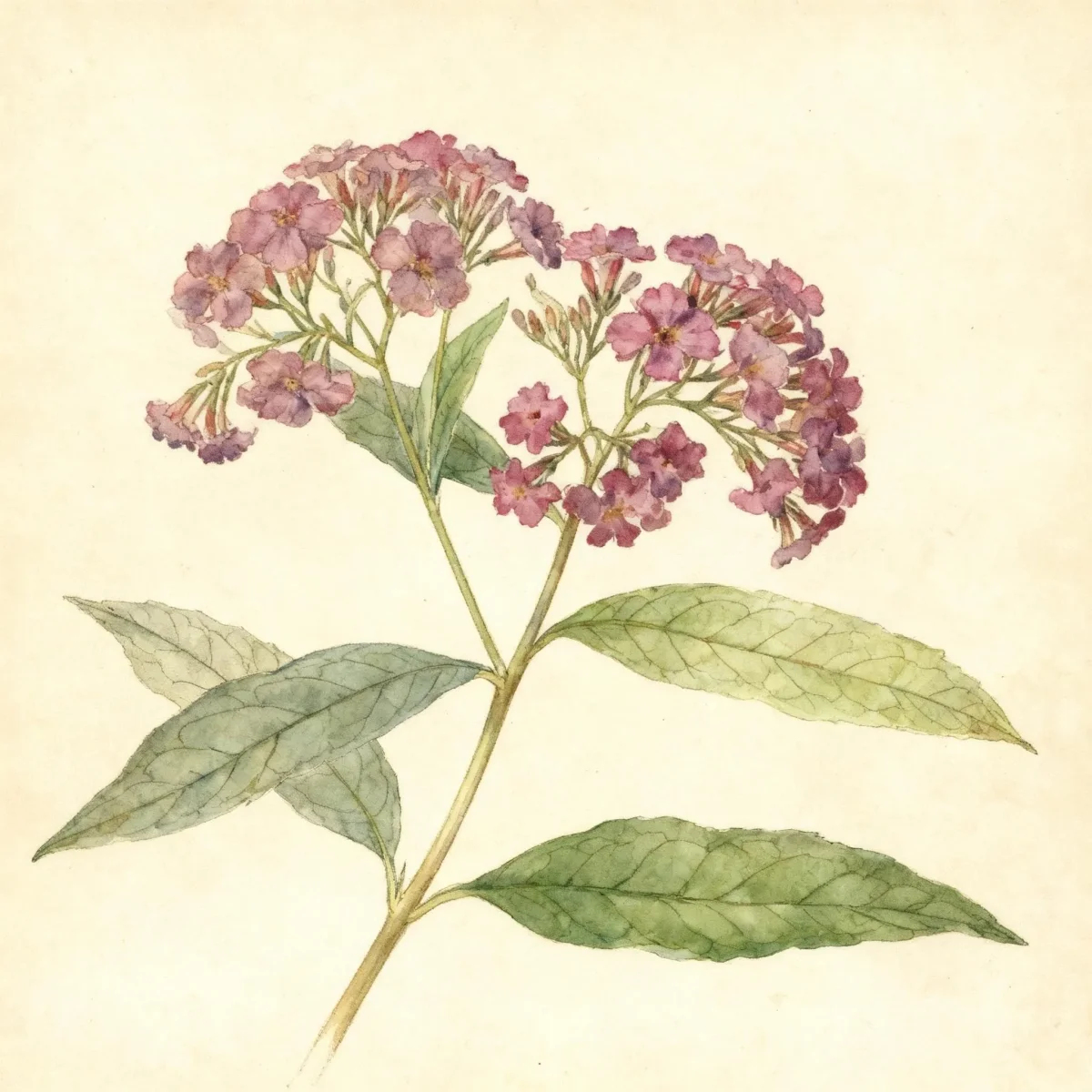
Butterfly bush
Buddleja davidii 'Royal Red'
- USDA zones
- 5–9
- Light
- Full sun
- Water
- Medium to dry
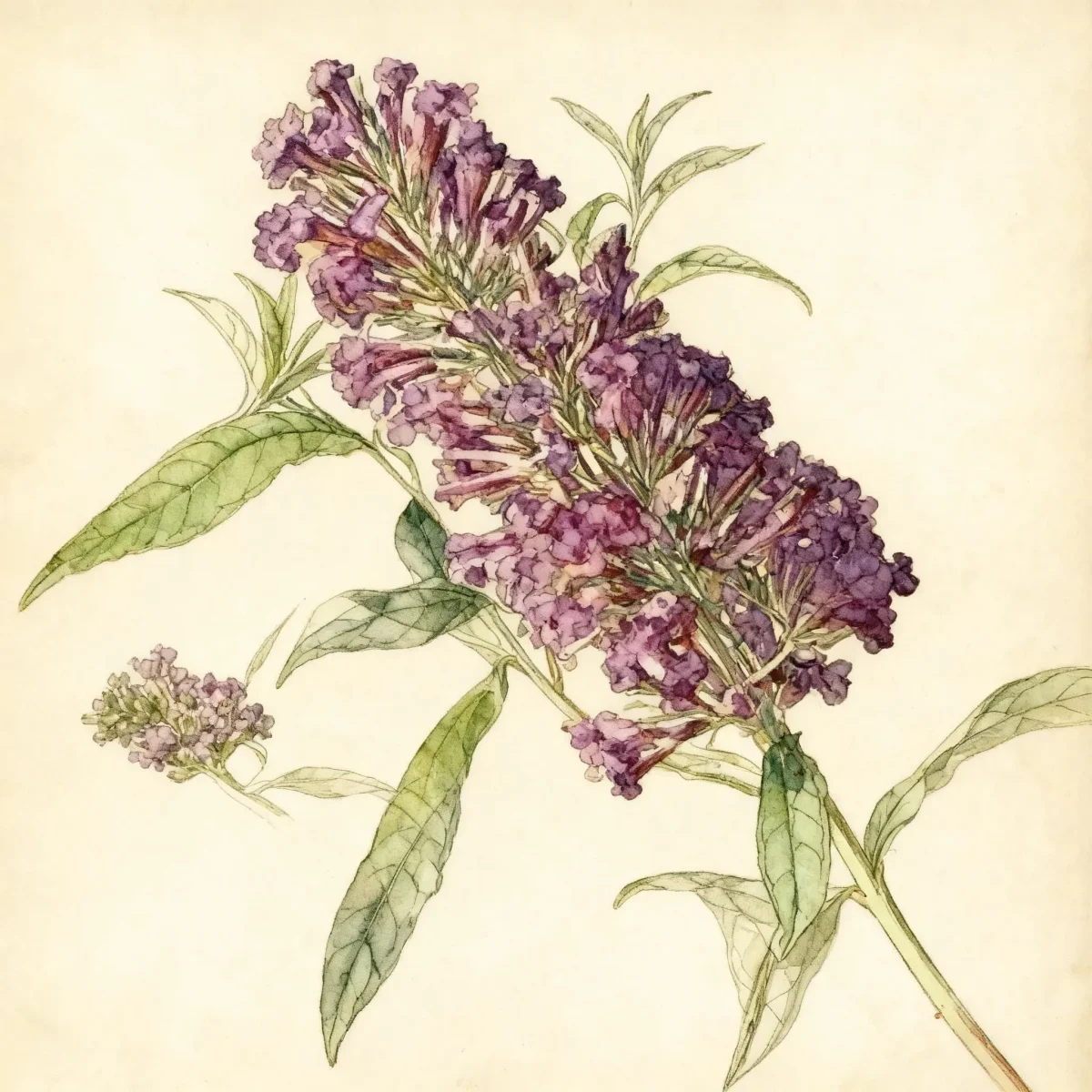
Butterfly bush
Buddleja davidii 'Nanho Blue'
- USDA zones
- 5–9
- Light
- Full sun
- Water
- Medium
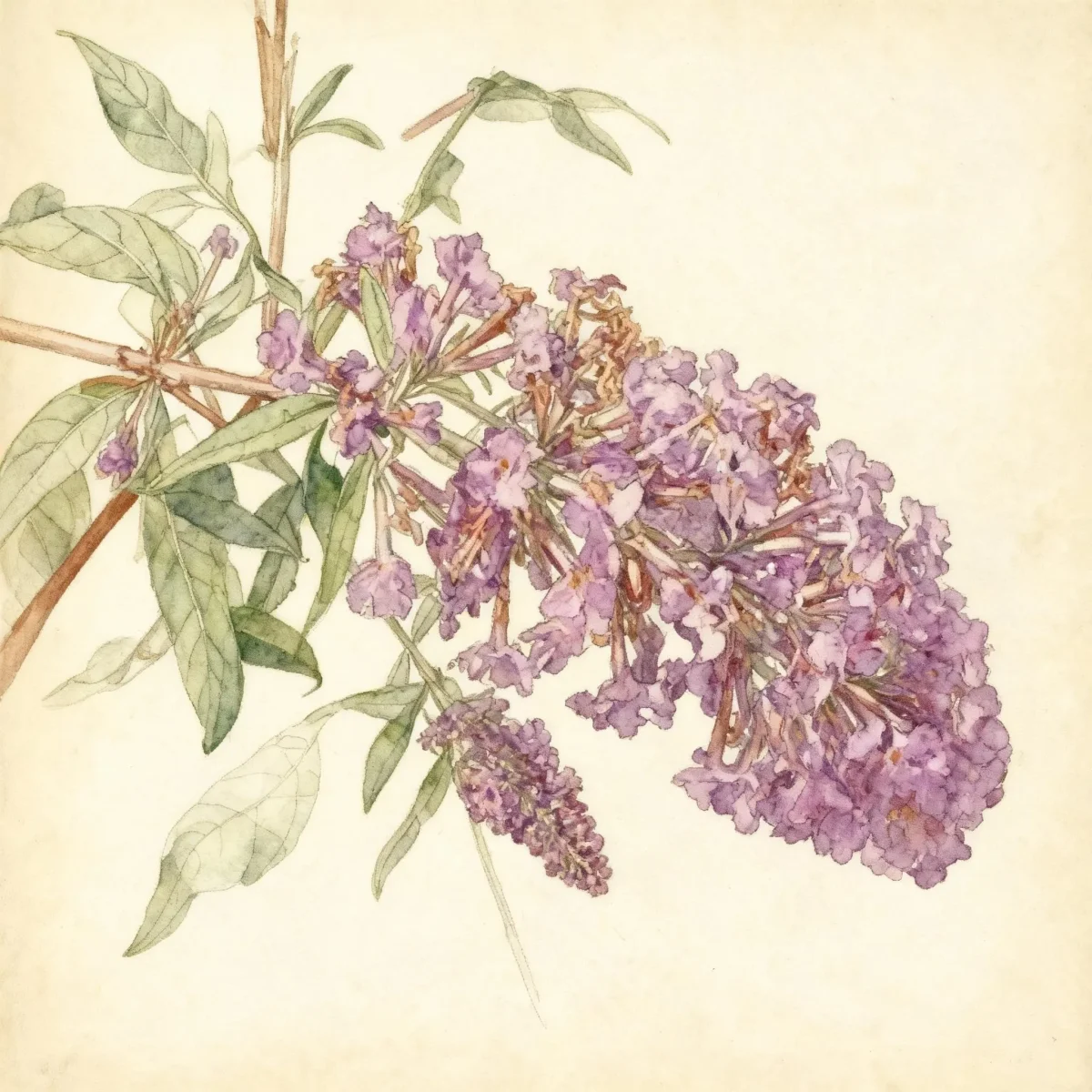
Butterfly bush
Buddleja davidii 'Monum' PETITE PLUM
- USDA zones
- 5–9
- Light
- Full sun
- Water
- Medium

Butterfly bush
Buddleja davidii 'Pink Delight'
- USDA zones
- 5–9
- Light
- Full sun
- Water
- Medium
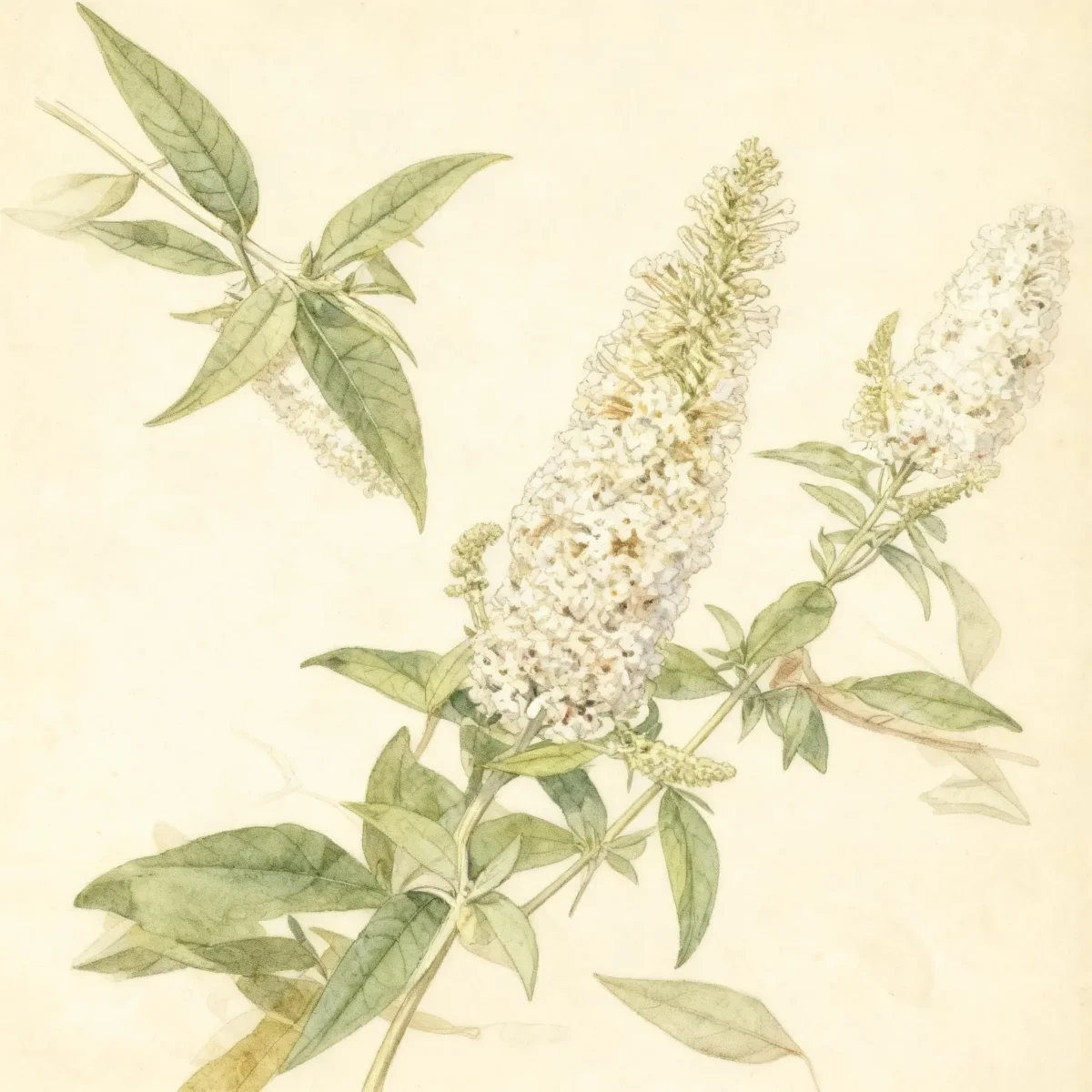
Butterfly bush
Buddleja davidii 'White Profusion'
- USDA zones
- 5–9
- Light
- Full sun
- Water
- Medium

Butterfly bush
Buddleja × weyeriana 'Golden Glow'
- USDA zones
- 6–9
- Light
- Full sun
- Water
- Medium
Keep Learning
Test what you know with a garden quiz
You have the plant facts and care notes. Continue with a related challenge, or browse the complete quiz library.

Can You Identify These Common Garden Plants? Test Your Plant Knowledge
Think you know your roses from your peonies? Test your plant identification skills with our comprehensive garden plant quiz featuring 10 challenging questions.
Start quiz
USDA Garden Zone Map Quiz
Use this USDA garden zone map quiz to check whether you can read hardiness zones and choose plants with more confidence.
Start quizBrowse the full quizzes section
Explore plant identification, zone strategy, and seasonal gardening challenges.
View all quizzes