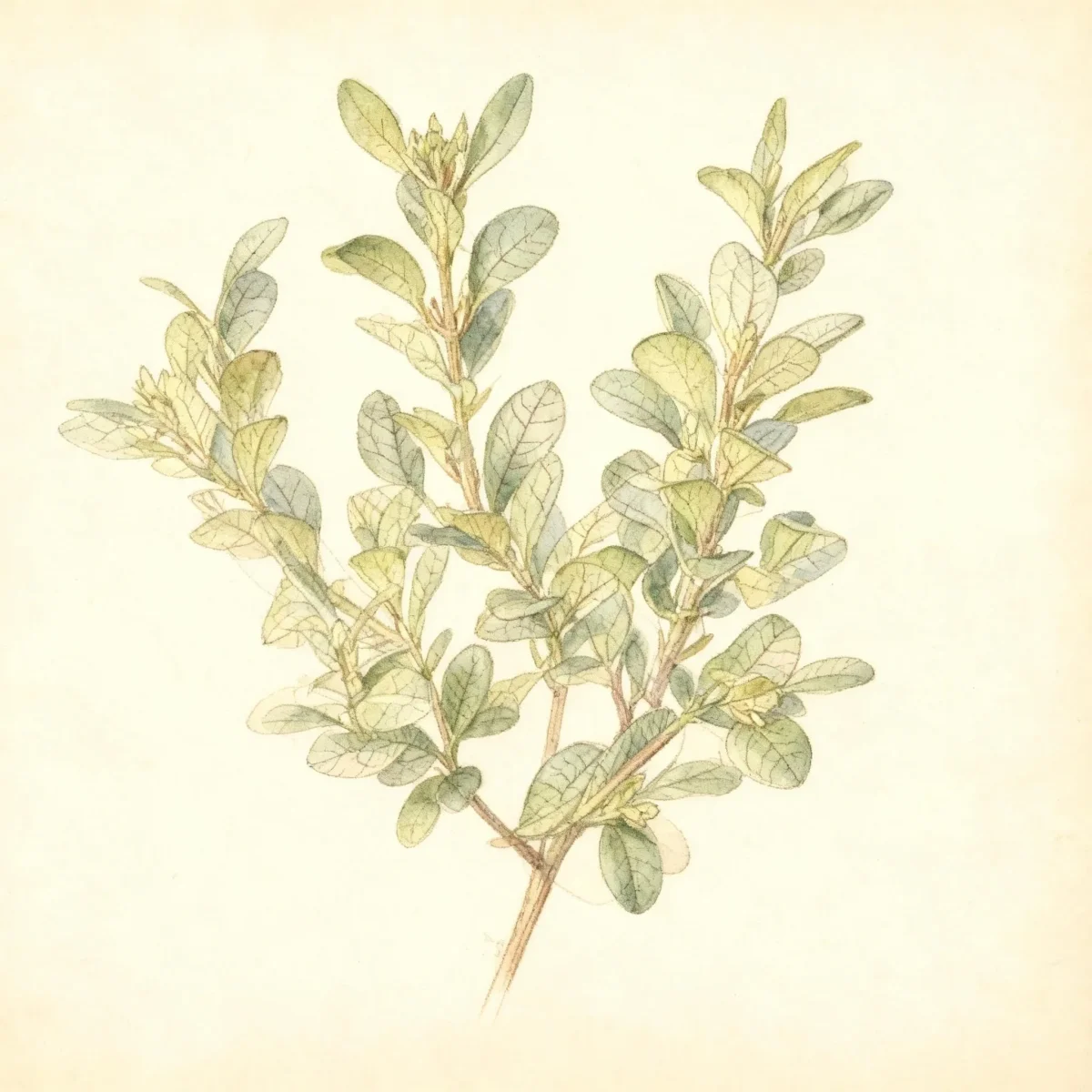
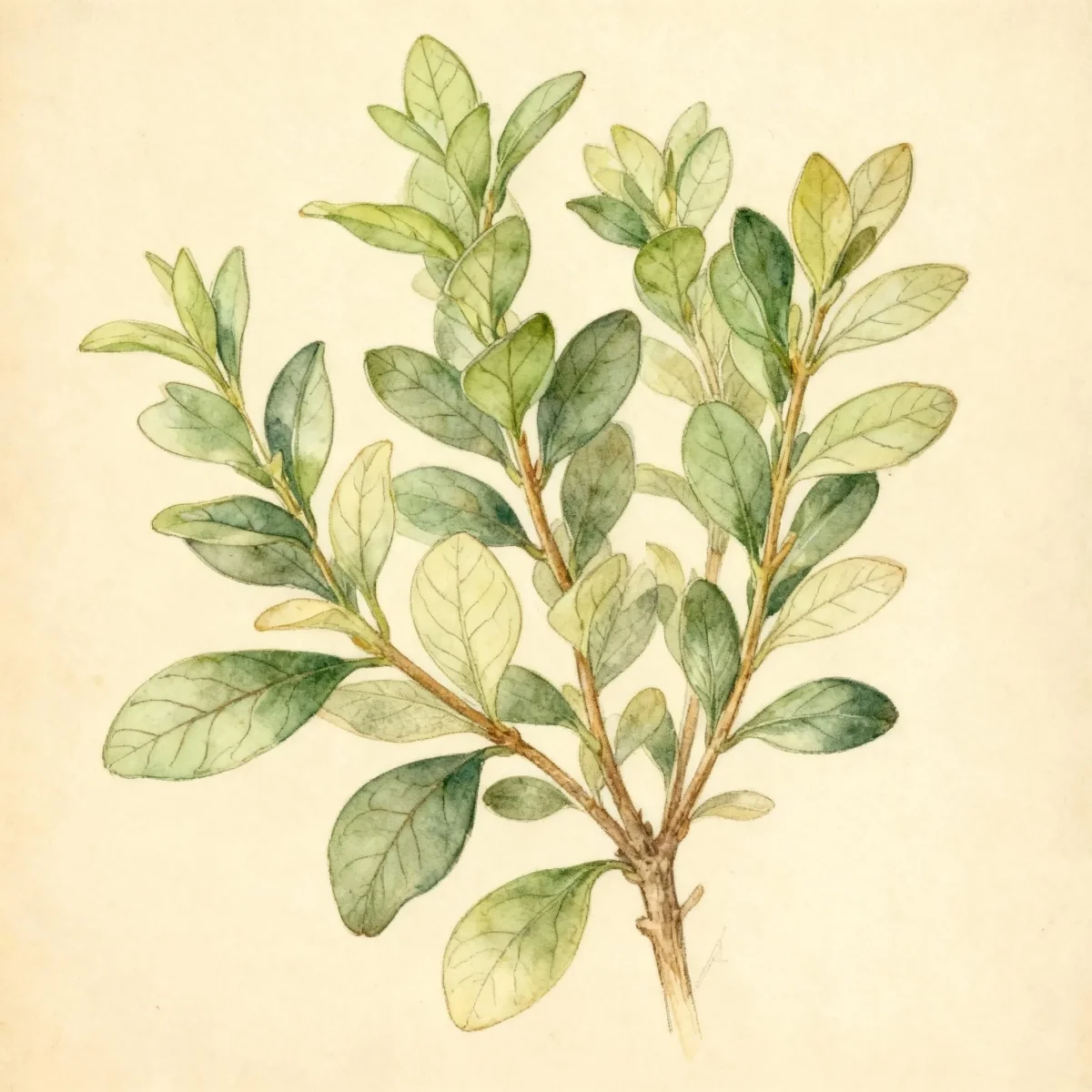
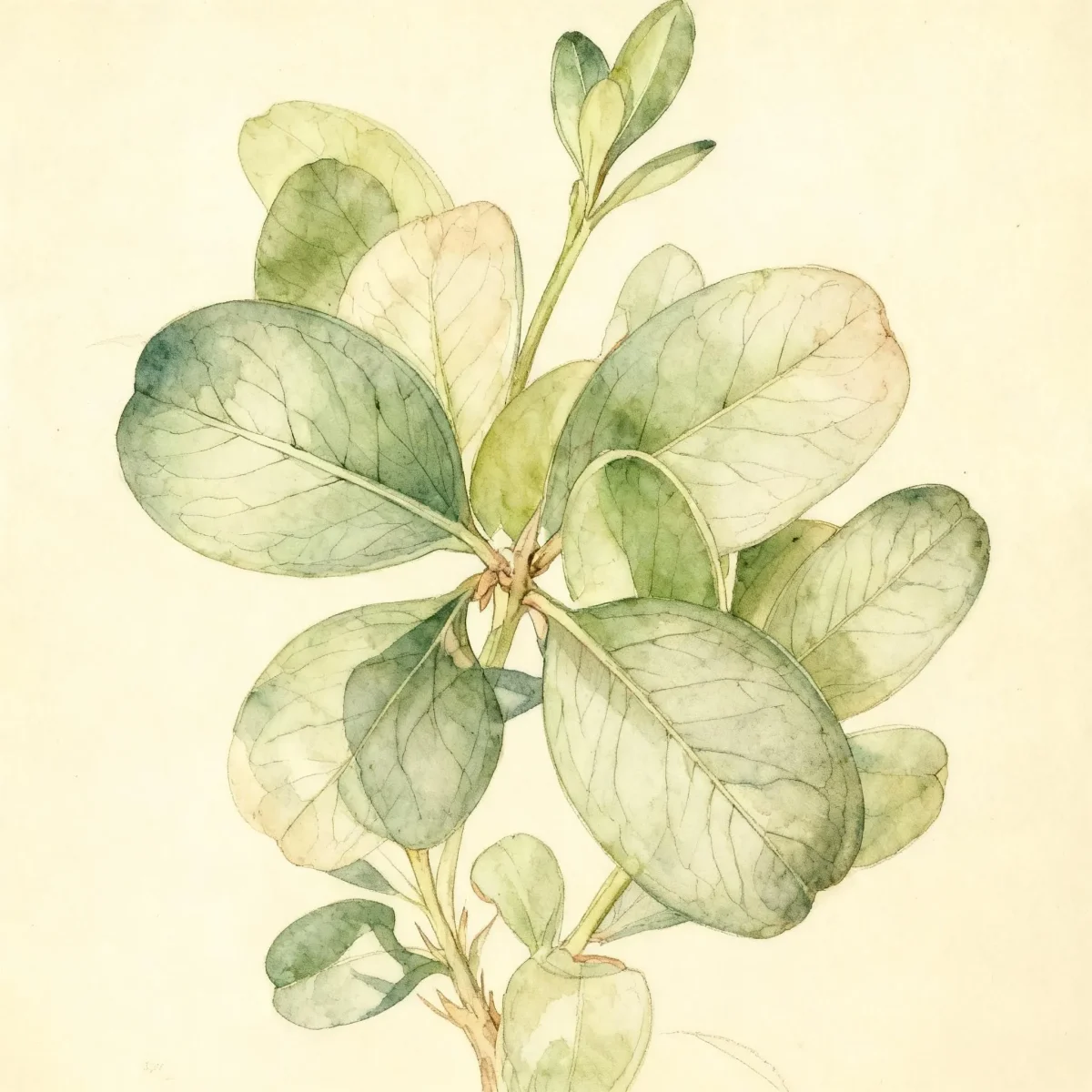
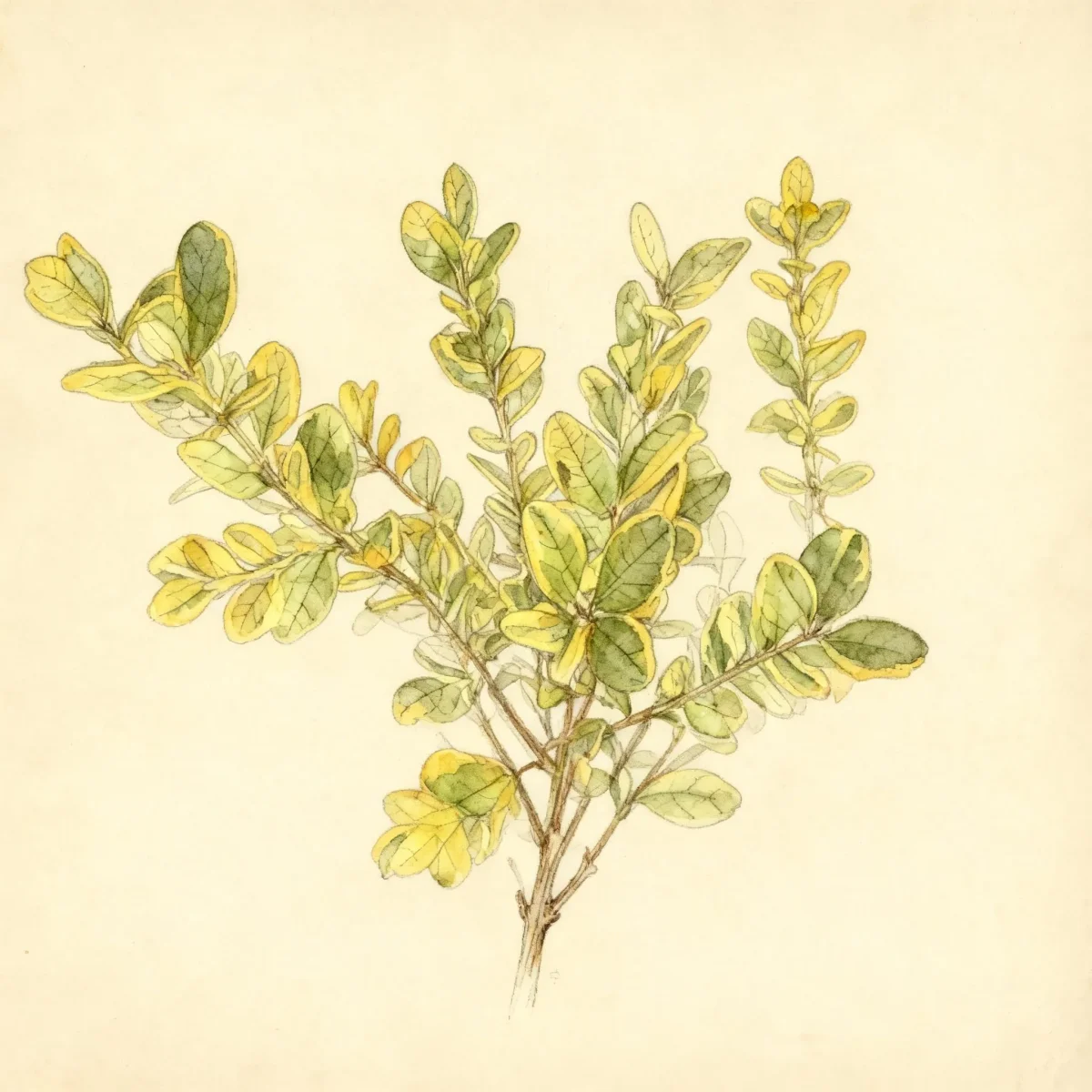
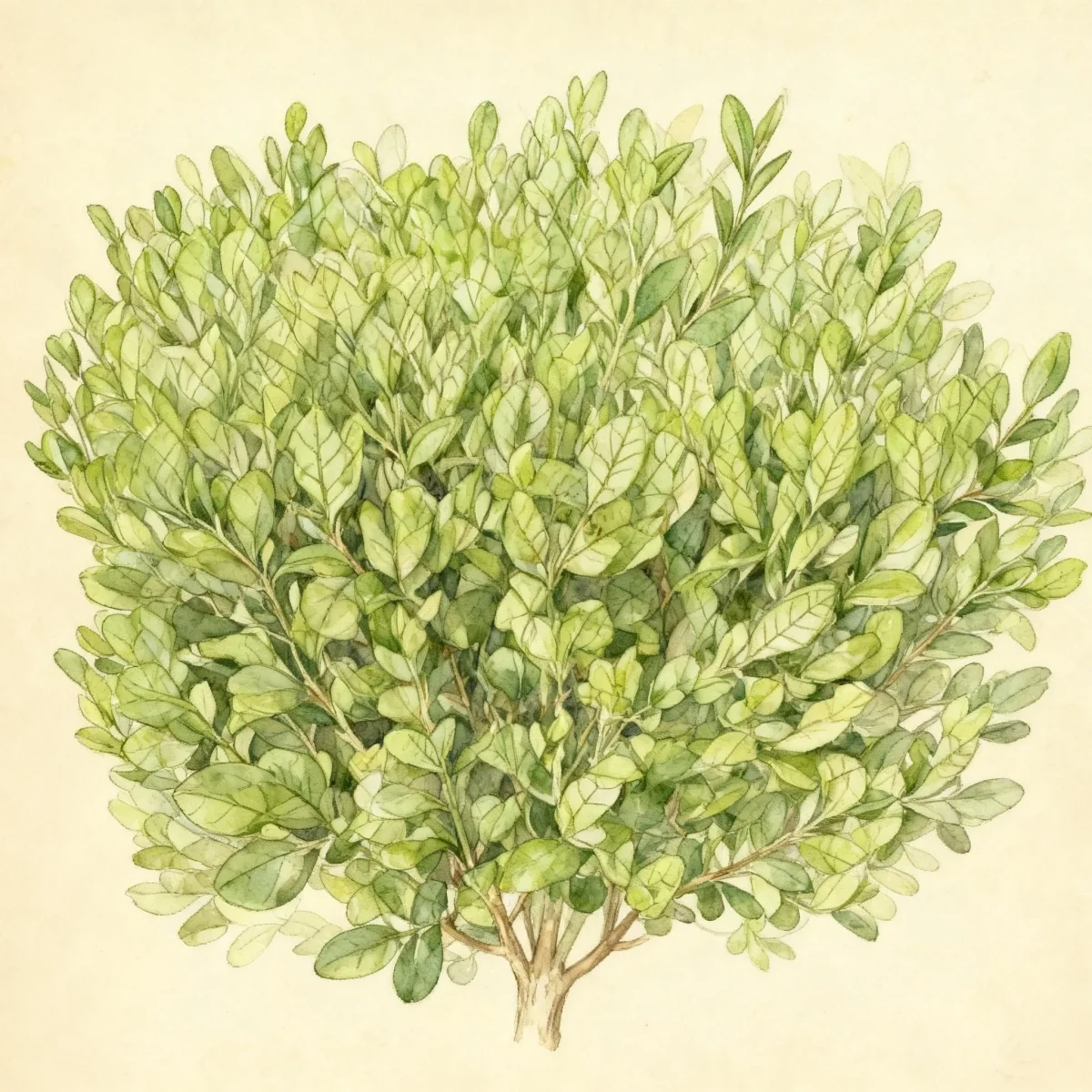
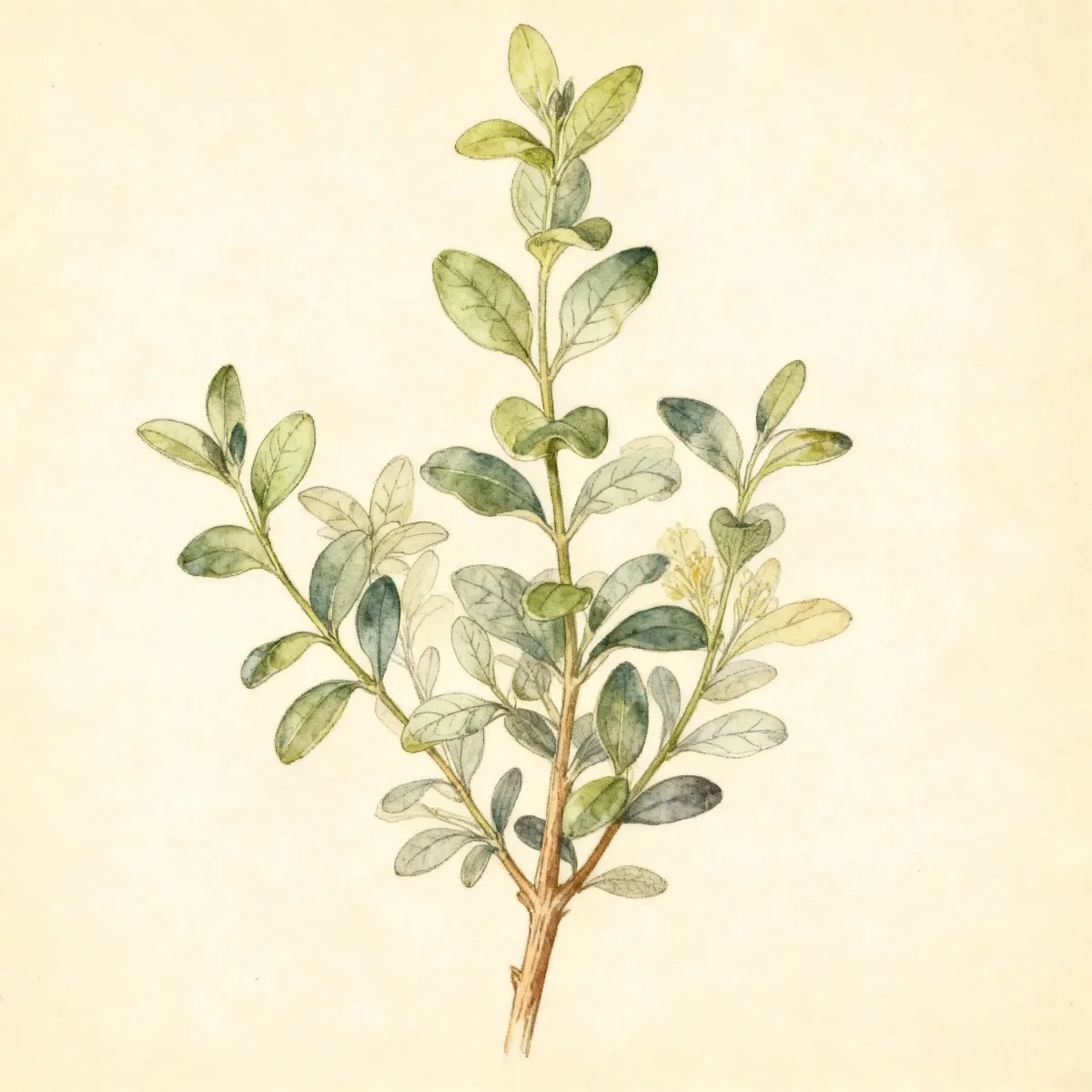
Japanese boxwood (Buxus microphylla var. Japonica)
Prized Japanese boxwood (Buxus microphylla var. japonica) is a versatile broadleaf evergreen perfect for hedges and borders in Zones 6-9.

Bloom Boldly, No Matter the Season - Sweatshirt
Cozy organic cotton sweatshirt featuring our exclusive Purple Coneflower design. Perfect for gardeners who bloom year-round.
Inspired by the beautiful Japanese boxwood
Limited first batch (50) — join the waitlist for early access
Waitlist closes Feb 15, 2026.
Complete Plant Information
Field Guide Continues
Ready for care notes, companion picks, and planting tips?
The map is just the start. The full guide below covers growth habits, seasonal performance, and landscape uses.
Overview
The Japanese boxwood, scientifically known as Buxus microphylla var. japonica, is a highly valued broadleaf evergreen prized for its dense, fine-textured foliage and formal appearance. This species adapts well to various garden roles, making it essential for formal garden design, low hedging, and foundation plantings. While it prefers part shade, Buxus microphylla var. Japonica can handle full sun if properly situated and irrigated.
This resilient shrub offers year-round structure to the landscape, maturing into a modest yet substantial specimen reaching up to 8 feet tall and 15 feet wide. Its cultural adaptability, especially regarding soil pH tolerance, allows it to thrive across USDA Zones 6 through 9, provided its roots are protected and adequately moist. Gardeners appreciate the Japanese boxwood for its superb tolerance to shearing, which encourages the dense habit required for crisp edging.
Although the greenish-cream flowers appearing from April to May are insignificant, their consistent performance and tolerance to common garden pests make the Japanese boxwood a relatively reliable choice. Site selection is crucial to prevent winter bronzing, favoring locations sheltered from harsh winter winds and intense afternoon sun exposure.
Fast Facts
- Plant Family: Buxaceae
- Plant Type: Broadleaf evergreen
- Native Range: Japan
- Hardiness Zones: USDA Zones 6-9
- Size at Maturity:
- Height: 6-8 ft
- Spread: 10-15 ft
- Bloom Time: April to May
- Bloom Description: Greenish-cream
- Sun Exposure: Full sun to part shade
- Water Needs: Medium
- Maintenance Level: Medium
How to Grow
The optimal location for Buxus microphylla var. japonica is in well-drained loamy soils, which can be a balance of sand and clay. These plants flourish best when situated in part shade, enjoying dappled sunlight or morning sun exposure. While they can survive shadier spots, growth will be less vigorous, leading to sparser density. Exposure to full, unfiltered afternoon sun, particularly in winter, increases the risk of leaf scorch and mite infestation.
Maintain consistently even moisture levels; this species requires medium watering but absolutely demands excellent drainage to prevent root rot, a serious threat in soggy conditions. Since Buxus microphylla var. japonica possesses shallow roots, avoid deep cultivation directly around the base. Instead, apply a 1-2 inch organic mulch layer, such as bark or compost, to conserve moisture and insulate the roots.
Pruning and shearing of the Japanese boxwood should be approached cautiously. Always delay major pruning until after the last expected spring frost to prevent new, tender growth from being killed by a late freeze. Annual thinning of older branches helps improve light penetration and air circulation within the shrub’s canopy. Siting the plant away from severe winter winds is critical, as desiccating winds, combined with winter sun, cause foliage to turn unattractive shades of bronze or reddish-brown.
Landscape Uses
The reliability and formal structure of the Japanese boxwood make it indispensable for creating permanent lines and structure within a landscape design. Its primary function is often as an evergreen hedge, providing a year-round screen or border definition. Beyond hedging, Buxus microphylla var. japonica excels when used as low foundation plantings near architectural features, or as formal edging along walkways where its dense habit can be precisely maintained.
For those designing traditional or formal gardens, group the Japanese boxwood with contrasting textures or colors, such as fine-textured grasses or plants with brightly colored spring blooms. Consider placing them near specimen shrubs that offer seasonal drama, allowing the evergreen structure of the boxwood to anchor the planting bed throughout the dormant months. Because of its moderate size, it also performs admirably as an accent plant in larger mixed shrub borders.
When planting, ensure adequate space for the eventual 10 to 15-foot spread of the mature Japanese boxwood. Good air circulation, achieved by avoiding overly crowded placements, contributes significantly to plant health, particularly in humid environments where fungal issues might arise.
Flower Qualities
- Insignificant
Noteworthy Characteristics
The genus name Buxus derives from the classical Latin term applied to these plants, while the specific epithet microphylla signifies its small-leaved characteristic. Historically, the common name boxwood originated from the wood’s traditional use in crafting small boxes, though some suggest it refers to the four-sided, box-like cross-section of very young stems.
Tolerances
- Rabbit
- Deer
Potential Problems
The most common aesthetic issue for Buxus microphylla var. japonica is winter leaf bronzing. This unattractive brownish-yellow coloration is triggered when plants are subjected to harsh winters coupled with exposure to intense full sun and drying winter winds, rapidly pulling moisture from the foliage. To mitigate this, site your Japanese boxwood where it receives afternoon shade protection or provide temporary burlap screens during winter months.
Fungal diseases, including various blights and leaf spots, pose moderate threats, often exacerbated by poor air circulation or overhead watering that keeps foliage wet. Ensure annual thinning cuts are performed early in the spring to promote airflow. Root rot is a severe concern if drainage is lacking; correct this by amending heavy soils well before planting or by creating raised beds. Pests like the boxwood leafminer, mites, and the emerging box tree moth can cause localized damage, though the Japanese boxwood tends to be less bothered by the boxwood psyllid.
Frequently Asked Questions
What hardiness zones is Japanese boxwood suitable for?
The Japanese boxwood (Buxus microphylla var. japonica) is reliably hardy in USDA Zones 6 through 9, offering good versatility across temperate regions.
How large does Japanese boxwood grow?
At maturity, the Japanese boxwood can reach a height of 6 to 8 feet, though it often achieves a substantial spread of 10 to 15 feet, especially when used as an informal hedge.
What sun exposure does Japanese boxwood need?
This adaptable shrub prefers a location receiving full sun to part shade, thriving particularly well in locations with morning sun or bright, filtered light throughout the day.
When does Japanese boxwood bloom?
Flowering occurs relatively early, typically from April to May, producing small, greenish-cream flowers that are not generally considered highly ornamental.
Conclusion
The Buxus microphylla var. japonica remains a cornerstone of structured landscaping due to its dependable evergreen foliage and excellent shearing tolerance, making it ideal for defining garden spaces. Successful cultivation of this Japanese boxwood relies heavily on ensuring well-drained soil and providing adequate shelter from harsh winter exposure. Before planting, confirm your site falls within USDA Zones 6-9 and plan your pruning schedule around the last spring frost date for best results.
Companion Planting
When selecting partners for your Japanese boxwood, focus on plants that share similar cultural requirements, namely well-drained soil and a preference for partial shade, or use contrasting textures to highlight the dense fine foliage of the boxwood. Consider broadleaf evergreens like Rhododendron or Azalea, which enjoy similar acidic soil conditions and dappled light, providing significant spring color against the green backdrop of the Buxus microphylla var. Japonica.
For lower borders, pairing with shade-tolerant perennials such as Hellebores or Hostas works well; their varied leaf shapes dramatically emphasize the small, neat leaves of the boxwood. Avoid planting moisture-loving species too closely, as the Japanese boxwood structure demands soil that dries slightly between waterings to prevent root issues.
Seasonal Care Calendar
Spring is the critical time for initiating care: wait until after the last frost date to execute any shaping or heavy pruning, which encourages strong new growth. Apply a fresh layer of organic mulch around the shallow roots to help retain moisture through the summer months. During the hot, dry periods of summer, monitor water needs closely, ensuring the medium stays consistently moist without becoming waterlogged.
In fall, ensure the plant is well-hydrated before the ground freezes; this helps mitigate winter desiccation and bronzing. Winter maintenance is primarily observational; check for pests like mites, especially on sun-exposed foliage. If foliage appears dry or brittle after a cold snap, a light drenching during a mild period can help rehydrate the plant before true spring recovery begins.