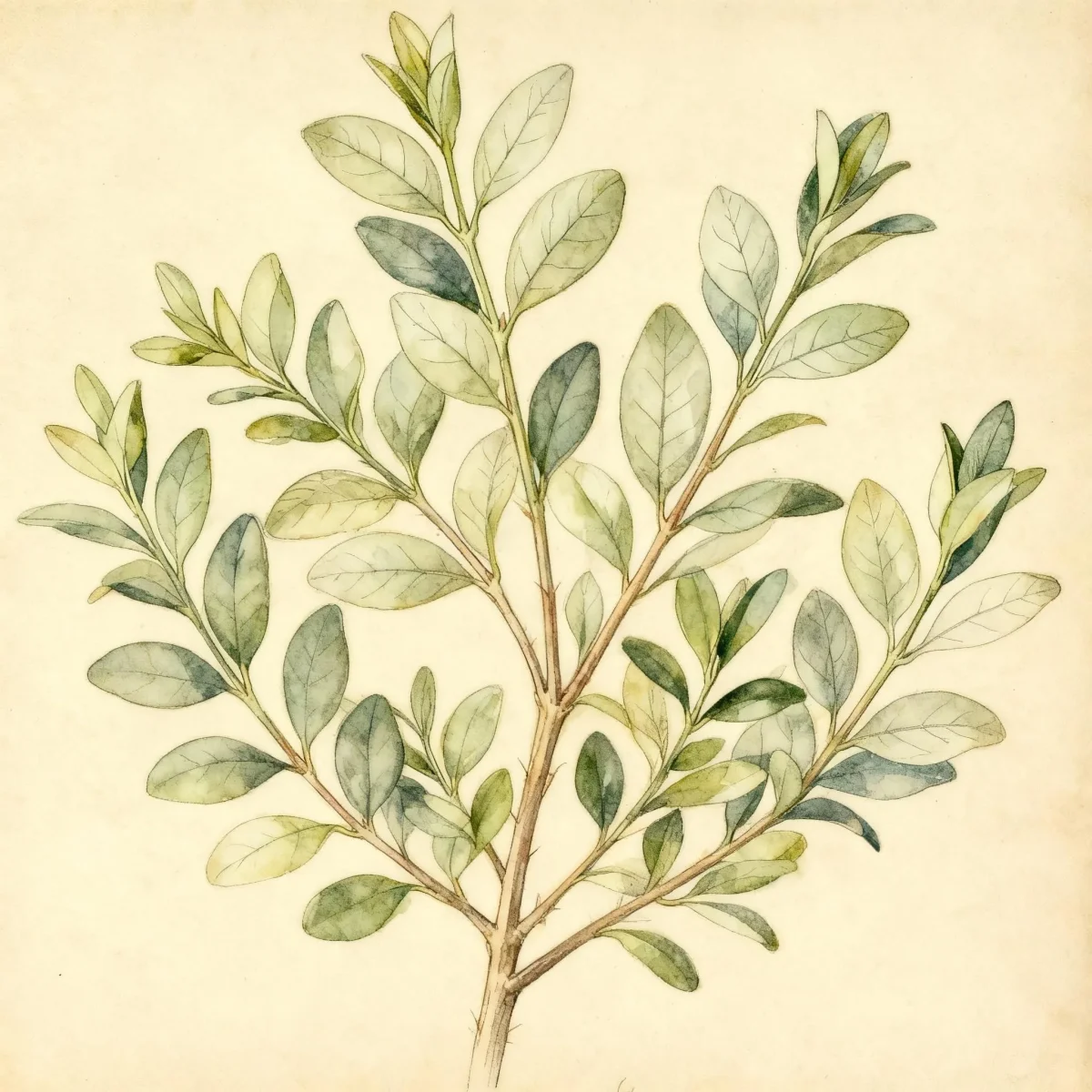
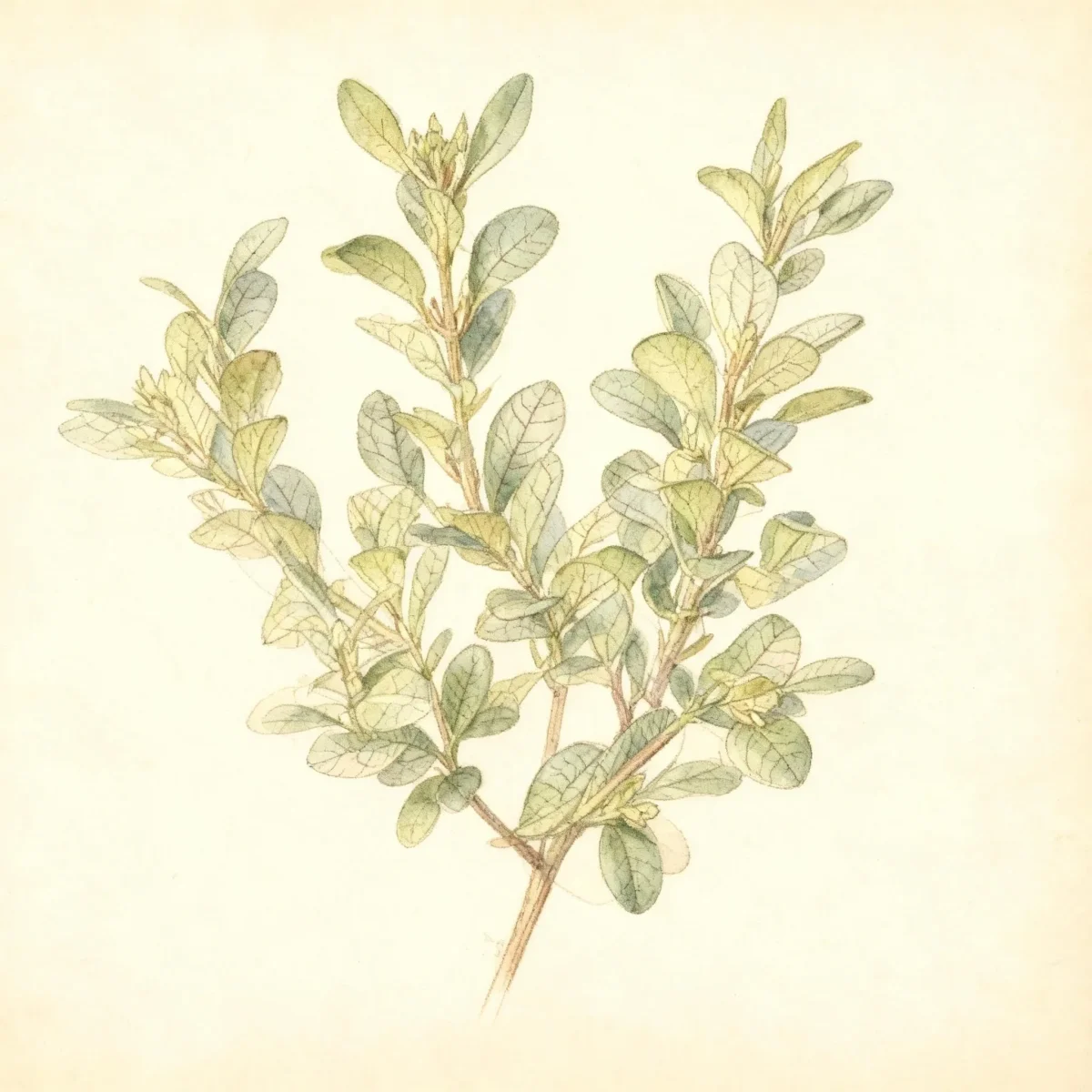
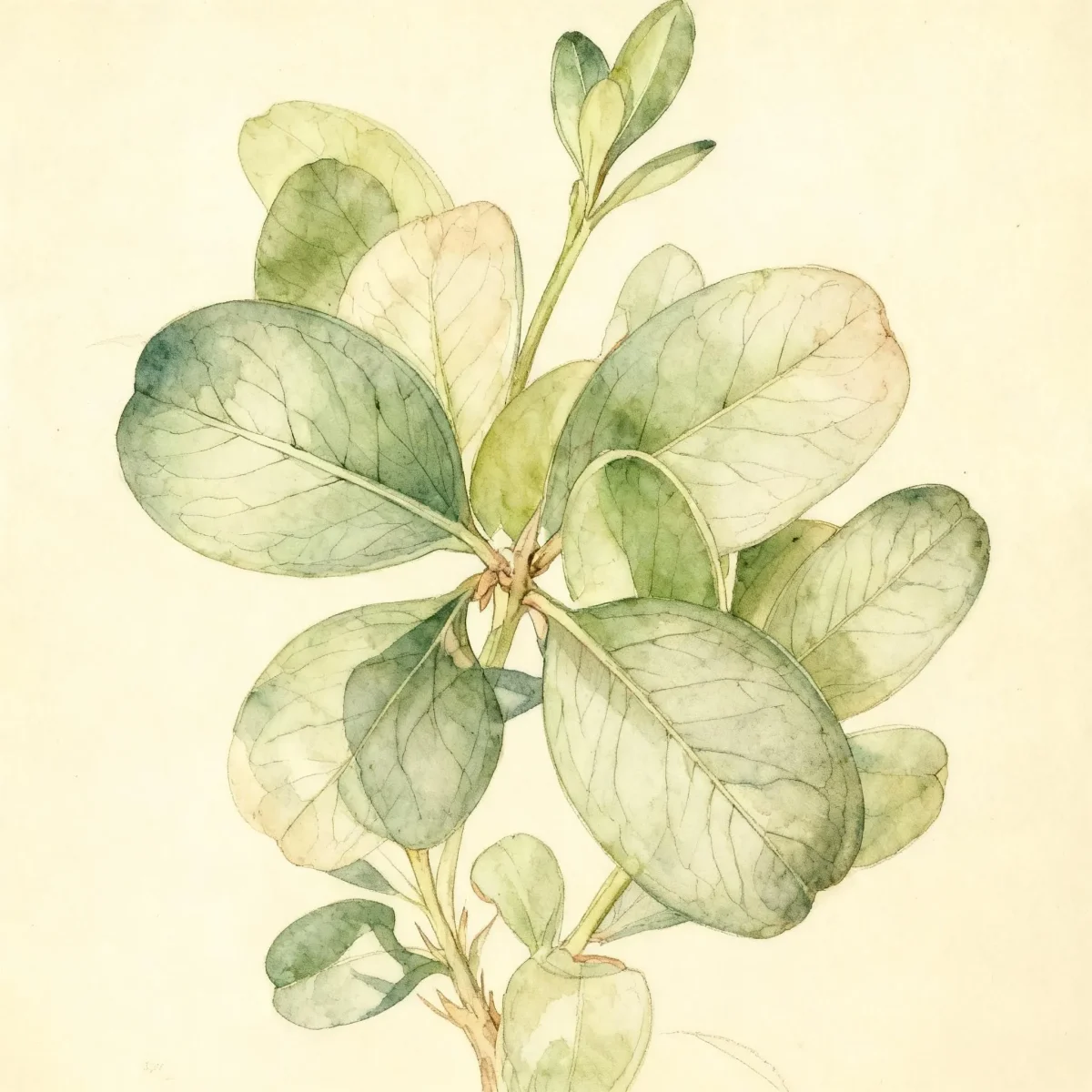
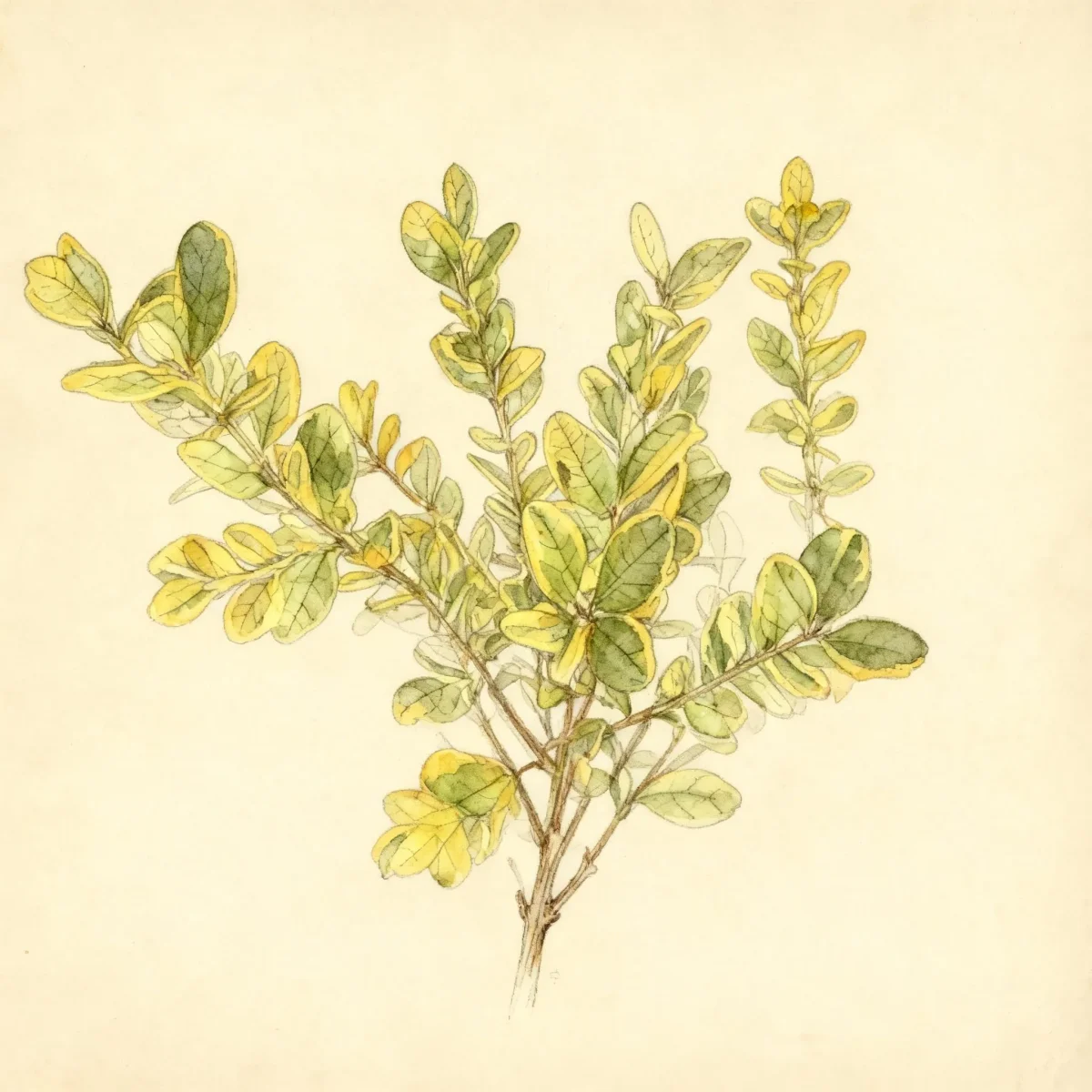
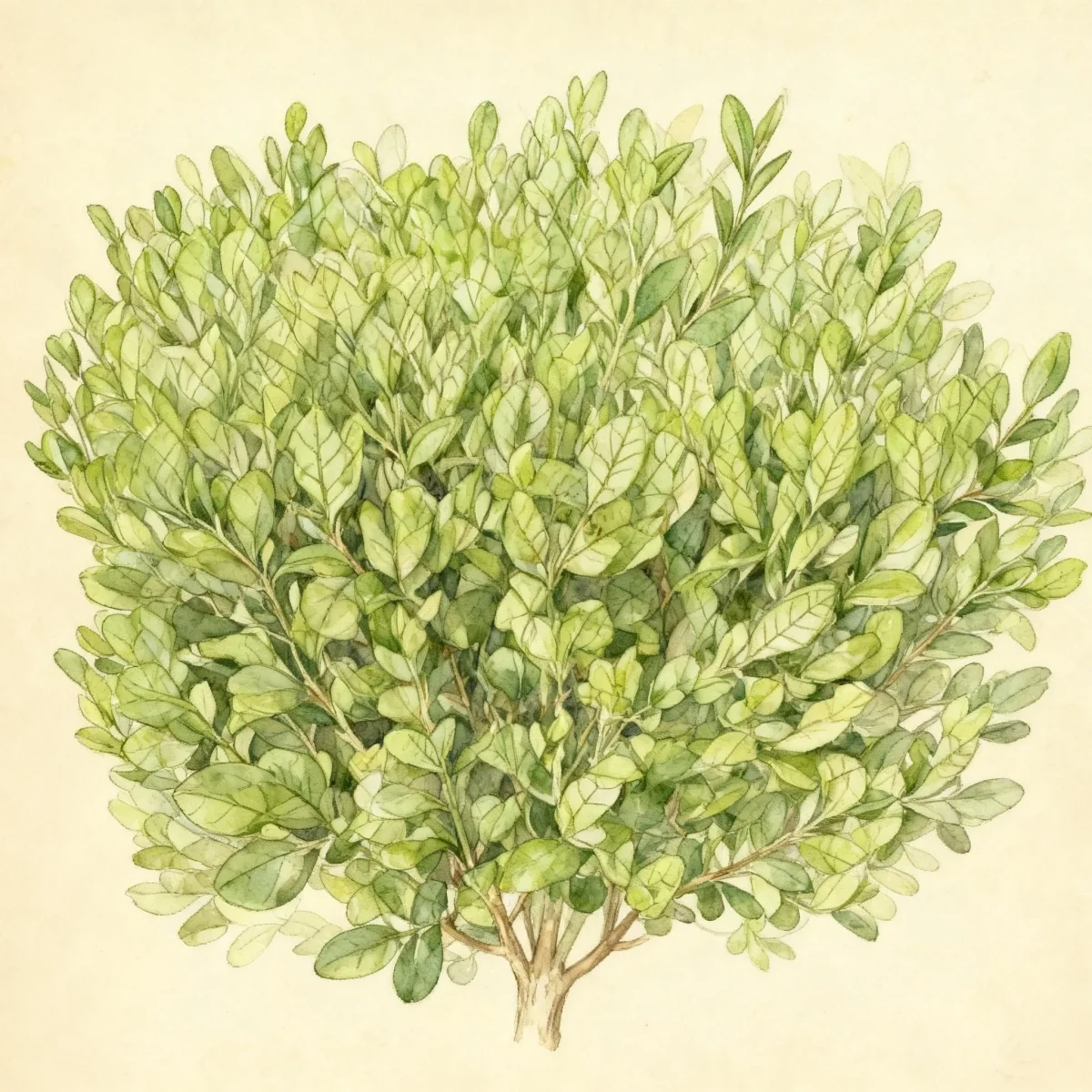
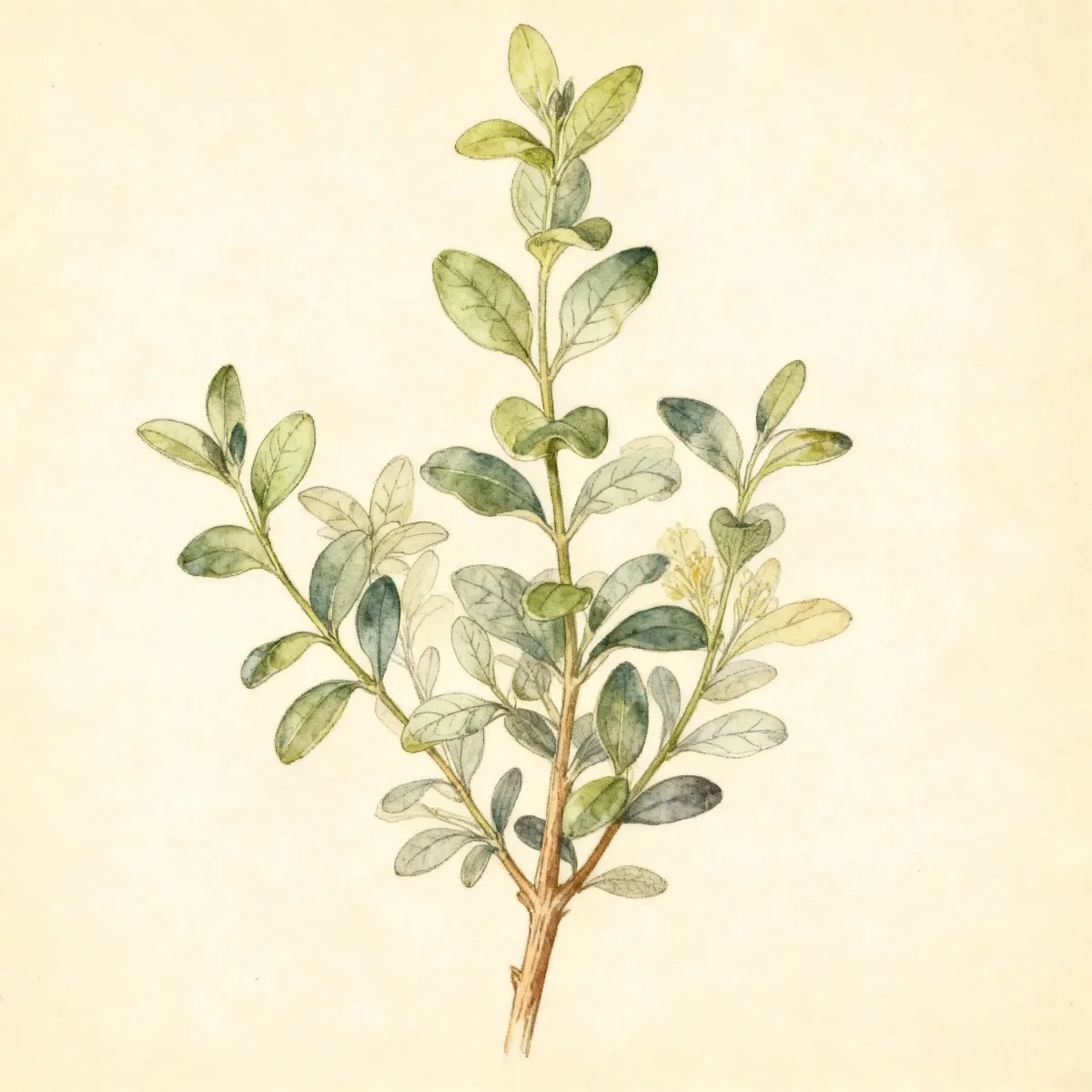
Japanese boxwood (Buxus microphylla var. Japonica 'Morris Midget')
Buxus microphylla var. japonica 'Morris Midget' is a dense, compact Japanese boxwood ideal for low hedges and edging requiring medium maintenance.

Bloom Boldly, No Matter the Season - Sweatshirt
Cozy organic cotton sweatshirt featuring our exclusive Purple Coneflower design. Perfect for gardeners who bloom year-round.
Inspired by the beautiful Japanese boxwood
Limited first batch (50) — join the waitlist for early access
Waitlist closes Feb 15, 2026.
Complete Plant Information
Field Guide Continues
Ready for care notes, companion picks, and planting tips?
The map is just the start. The full guide below covers growth habits, seasonal performance, and landscape uses.
Overview
Buxus microphylla var. japonica ‘Morris Midget’ offers gardeners a highly desirable, low-growing, and dense evergreen option perfect for formal or informal edging. This cultivar of Japanese boxwood remains significantly smaller than the species, maturing typically around one foot in height, making it exceptionally useful for tight spaces. Its compact habit and slow growth ensure that the formal structure of the plant is maintained with minimal intervention.
As a broadleaf evergreen, this variety provides year-round texture and color to the landscape, essential for winter interest when deciduous plants are bare. While the standard Japanese boxwood can grow quite large, Buxus microphylla var. Japonica ‘Morris Midget’ excels as a restrained, durable foundation planting or low border that softens architectural lines. Gardeners value its reliability in providing a consistent green backdrop throughout the seasons.
This specific form, ‘Morris Midget’, is noted for being relatively resistant to several common boxwood pests, which adds to its appeal for gardeners seeking lower management needs. Furthermore, its ability to handle varied light conditions, from full sun to partial shade, allows for flexible placement in garden designs where many evergreens struggle.
Fast Facts
- Plant Family: Buxaceae
- Plant Type: Broadleaf evergreen
- Hardiness Zones: USDA Zones 5-9
- Size at Maturity:
- Height: 0.75-1 ft
- Spread: 1-1.5 ft
- Bloom Time: Rarely flowers
- Bloom Description: Greenish yellow
- Sun Exposure: Full sun to part shade
- Water Needs: Medium
- Maintenance Level: Medium
How to Grow
The ideal location for Buxus microphylla var. japonica ‘Morris Midget’ involves well-drained loams that retain even moisture, though they tolerate a range from slightly acidic to slightly alkaline pH. While the plant can tolerate full sun, siting your Japanese boxwood where it receives morning sun or dappled light, protected from intense afternoon heat, will minimize the risk of sun scorch or winter bronzing. Strong winter winds are detrimental, so choose a location sheltered from harsh gusts whenever possible.
Watering should be consistent; maintain medium moisture levels, ensuring the soil never becomes waterlogged, which can lead to root rot. Due to its shallow root system, avoid cultivating deeply around the base of the plant. Instead, apply a 1-2 inch layer of organic mulch, such as compost or bark, to conserve moisture and moderate soil temperature.
Pruning and shearing of this compact variety are generally unnecessary unless shaping is desired for hedging or formal accents. If pruning is required, wait until after the danger of the last spring frost has passed. Early spring pruning invites tender new growth that is highly vulnerable to subsequent frost damage. Annual thinning to remove dead or damaged material improves essential air circulation within the dense structure of Buxus microphylla var. japonica ‘Morris Midget’.
Landscape Uses
The diminutive size of Buxus microphylla var. japonica ‘Morris Midget’ makes it an exceptionally versatile plant for detailed landscape architecture. It shines as foundational plantings near entryways or beneath windows, providing year-round structure without obscuring views. Its tight, mounding habit is perfect for formal low hedges bordering walkways or defining garden beds where traditional boxwood would quickly become overgrown.
For edging purposes, this Japanese boxwood is unparalleled, offering a dense, well-defined green line throughout the year. It integrates beautifully alongside contrasting textures, such as fine-textured grasses or broad-leaved perennials that offer summer color. Consider using it in structured knot gardens where its low, uniform growth can be meticulously shaped.
If you are looking for an accent plant in a mixed border, ‘Morris Midget’ offers a reliable, slow-growing anchor. While propagation is possible via cuttings, most gardeners will utilize its inherent compact nature for permanent, low-maintenance structural plantings across USDA Zones 5 through 9.
Standout Features
Flower Qualities
- Insignificant
Noteworthy Characteristics
Buxus microphylla var. Japonica, commonly called Japanese boxwood, is a broadleaf evergreen shrub native to mountainous areas in Japan. The ‘Morris Midget’ cultivar is distinguished by its notably low-growing, dense, and compact habit, typically reaching only 10-12 inches tall with minimal upward growth annually. It features small, obovate, medium green leaves up to 1/2 inch long, maintaining excellent green color, though sun-exposed foliage may bronze slightly in winter.
Tolerances
- Rabbit
- Deer
Potential Problems
Boxwood foliage, including Buxus microphylla var. japonica ‘Morris Midget’, can suffer from bronzing—an unattractive brownish-yellow coloring—during harsh winters, especially when exposed to direct, unrelenting winter sun combined with drying winds. Proper siting in a sheltered spot or shadier location is the best defense against this aesthetic damage.
While some susceptibility exists to fungal diseases like blight and leaf spot, root rot poses a more significant threat if drainage is poor; always ensure the soil is well-draining loam. Thankfully, ‘Morris Midget’ exhibits noted resistance against the three most common insect pests: boxwood leaf miner, boxwood mite, and psyllids, contributing to its lower maintenance profile compared to other species.
Frequently Asked Questions
What hardiness zones is Japanese boxwood suitable for?
Buxus microphylla var. japonica ‘Morris Midget’ is reliably hardy across USDA Zones 5 through 9.
How large does Buxus microphylla var. japonica ‘Morris Midget’ grow?
This compact cultivar typically reaches a mature height between 0.75 and 1 foot tall, with a spread of 1 to 1.5 feet if left unpruned.
What sun exposure does Japanese boxwood need?
It performs best in full sun to part shade situations, thriving in light shade with several hours of morning sun.
When does Buxus microphylla var. japonica ‘Morris Midget’ bloom?
This variety rarely flowers; when it does, the inconspicuous blooms are greenish yellow.
Conclusion
The unparalleled density and exceptionally manageable size make Buxus microphylla var. japonica ‘Morris Midget’ an essential plant for low structure and crisp edging in modern or traditional designs. Its improved pest resistance compared to other boxwoods confirms its status as a reliable Japanese boxwood selection. Before planting, confirm that your site falls within USDA Zones 5-9 and ensure well-drained soil preparation for lasting success.
Companion Planting
Choosing companions that share similar cultural needs—specifically well-drained soil and preference for part shade—will ensure the longevity of your Japanese boxwood plantings. Consider pairing ‘Morris Midget’ with shade-tolerant perennials like Hosta or Astilbe, whose varied leaf textures create a beautiful contrast to the small, dense foliage of the boxwood. For year-round interest in shady borders, contrast its evergreen base with deciduous shrubs like Hydrangea that offer dramatic seasonal changes.
Seasonal Care Calendar
Spring is the optimal time for any necessary maintenance; wait until after the final frost to prune and apply a fresh layer of mulch to protect the shallow roots entering the growing season. During the summer heat, monitor moisture levels—although these plants prefer medium water, extra water during drought periods helps prevent winter bronzing caused by dehydration. In late fall or early winter (before the ground freezes), ensure the plant is well-watered to prepare it for the drying effects of winter winds when irrigation is unavailable.