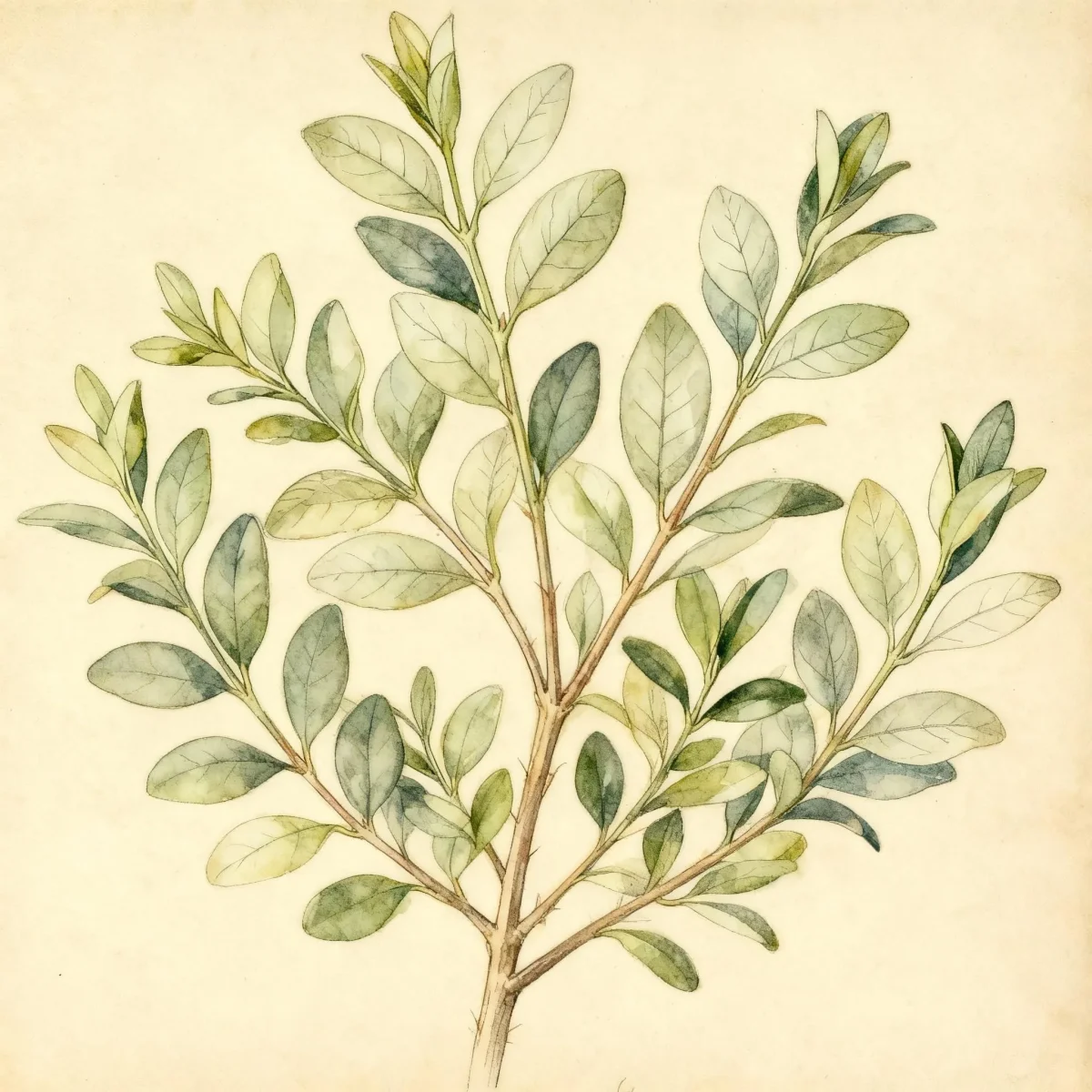
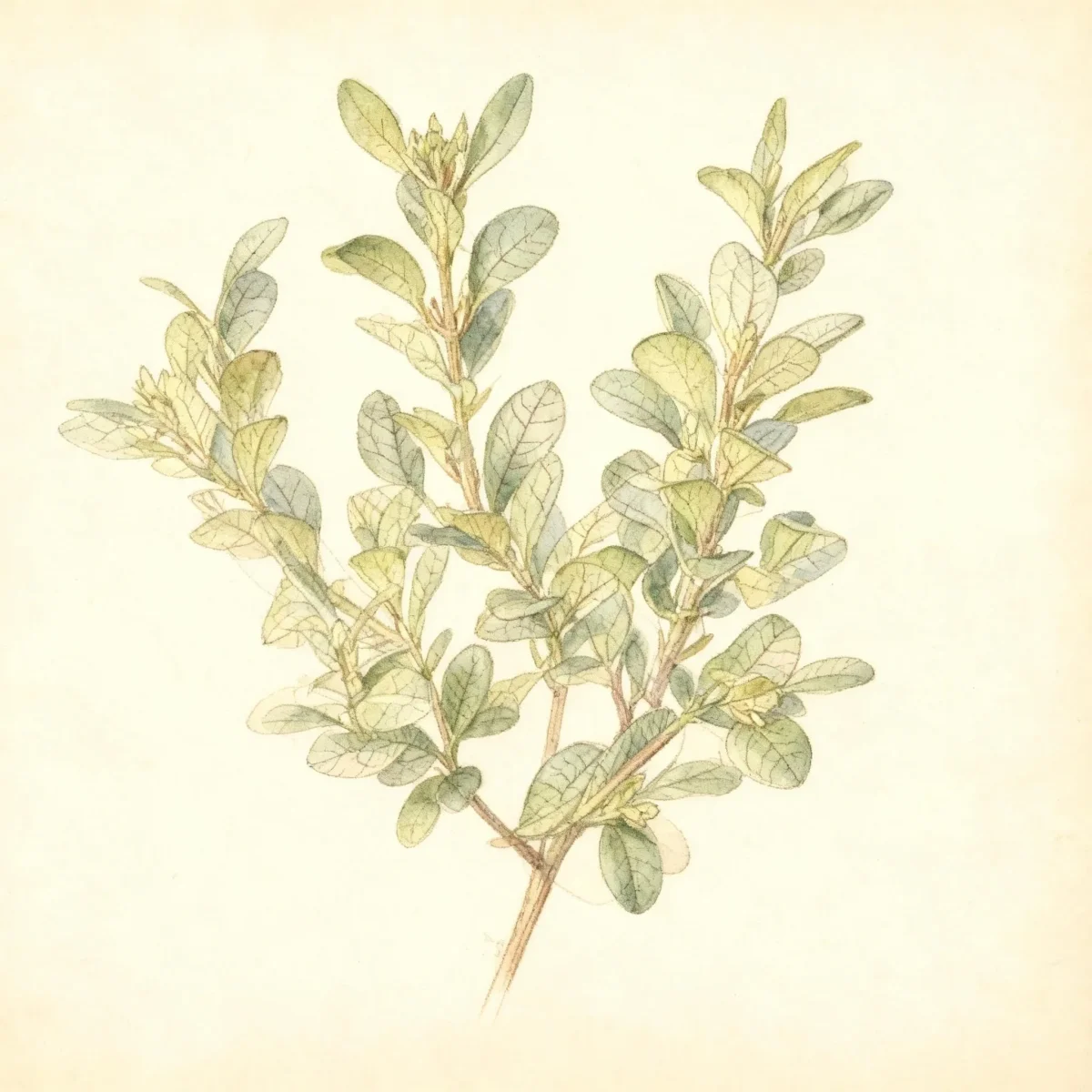
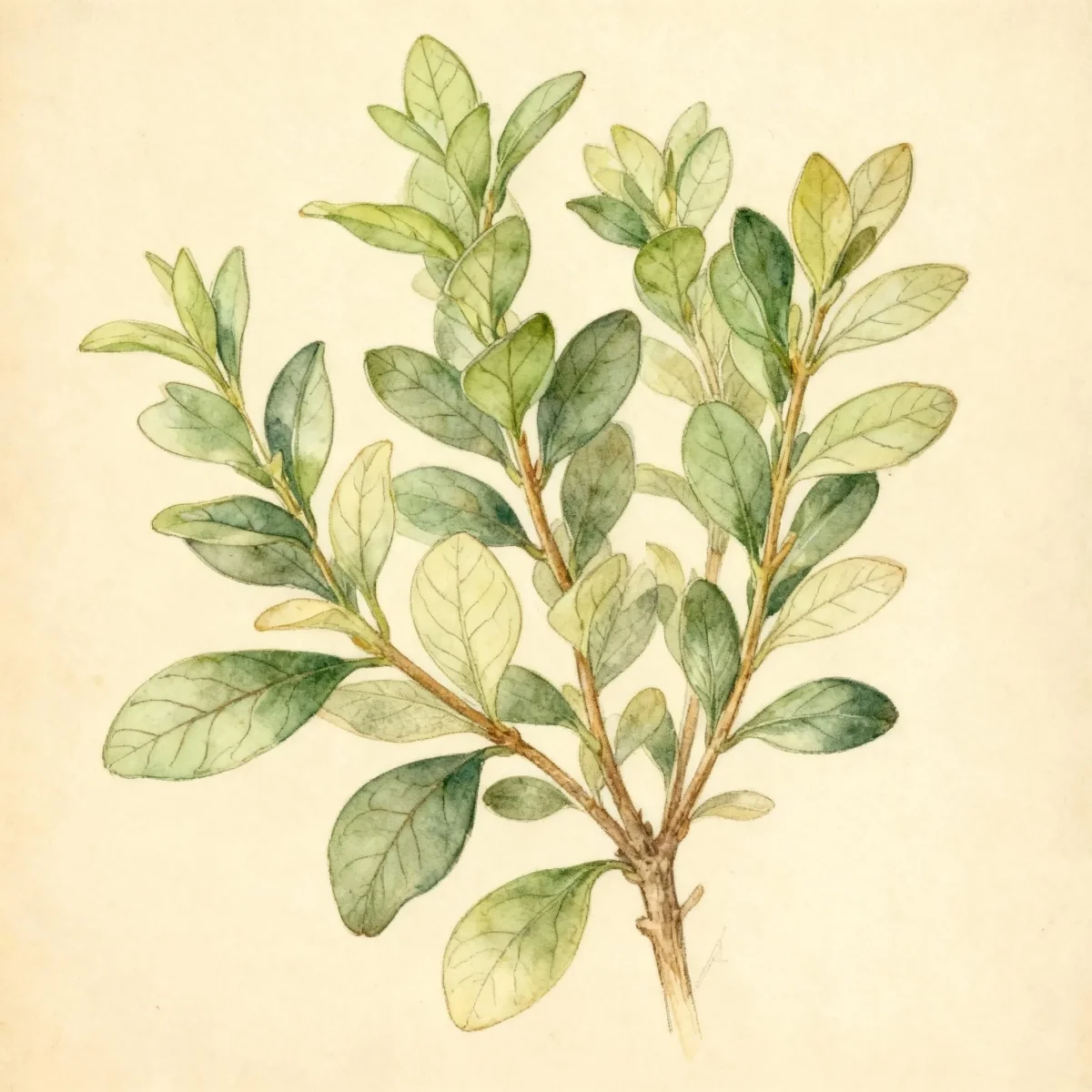
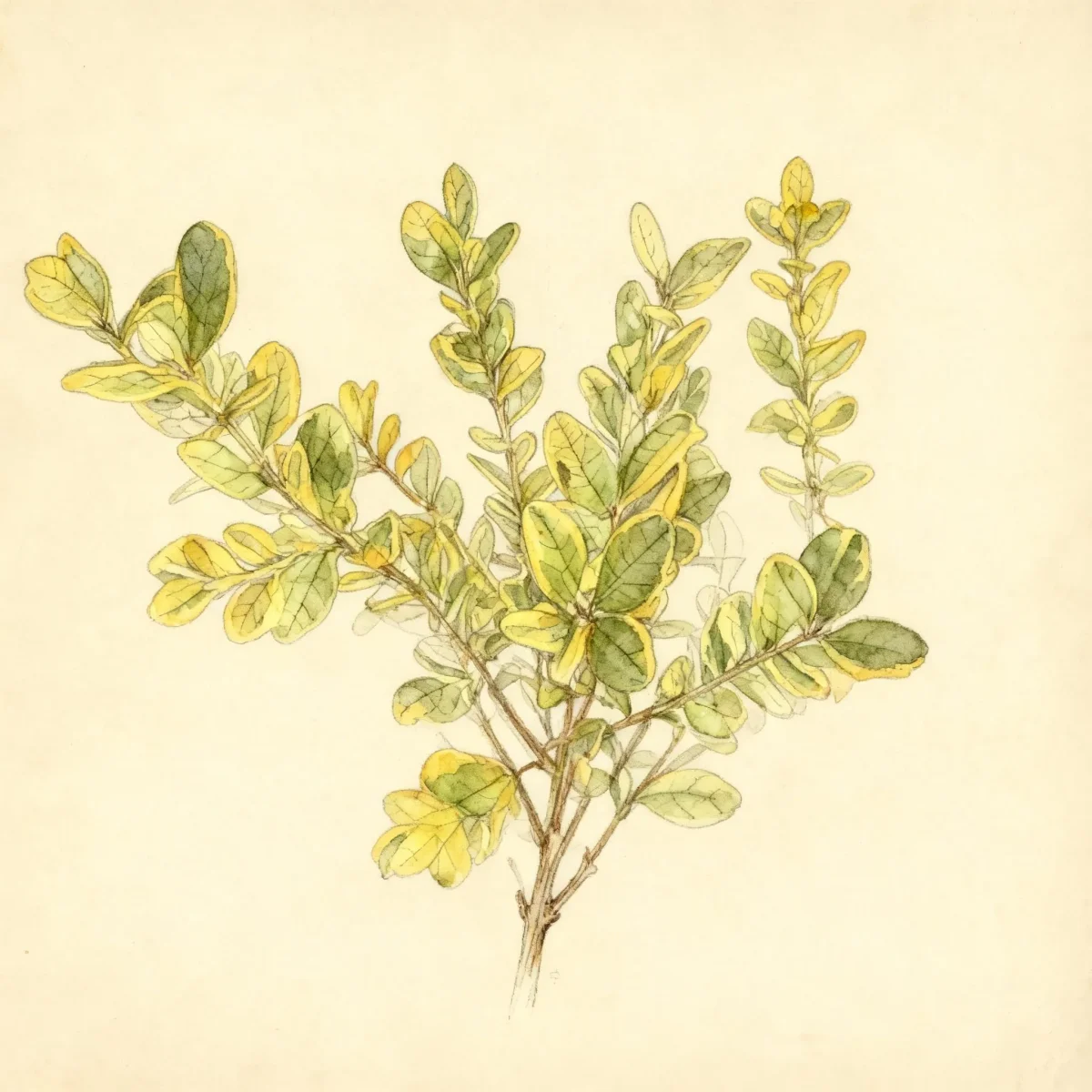
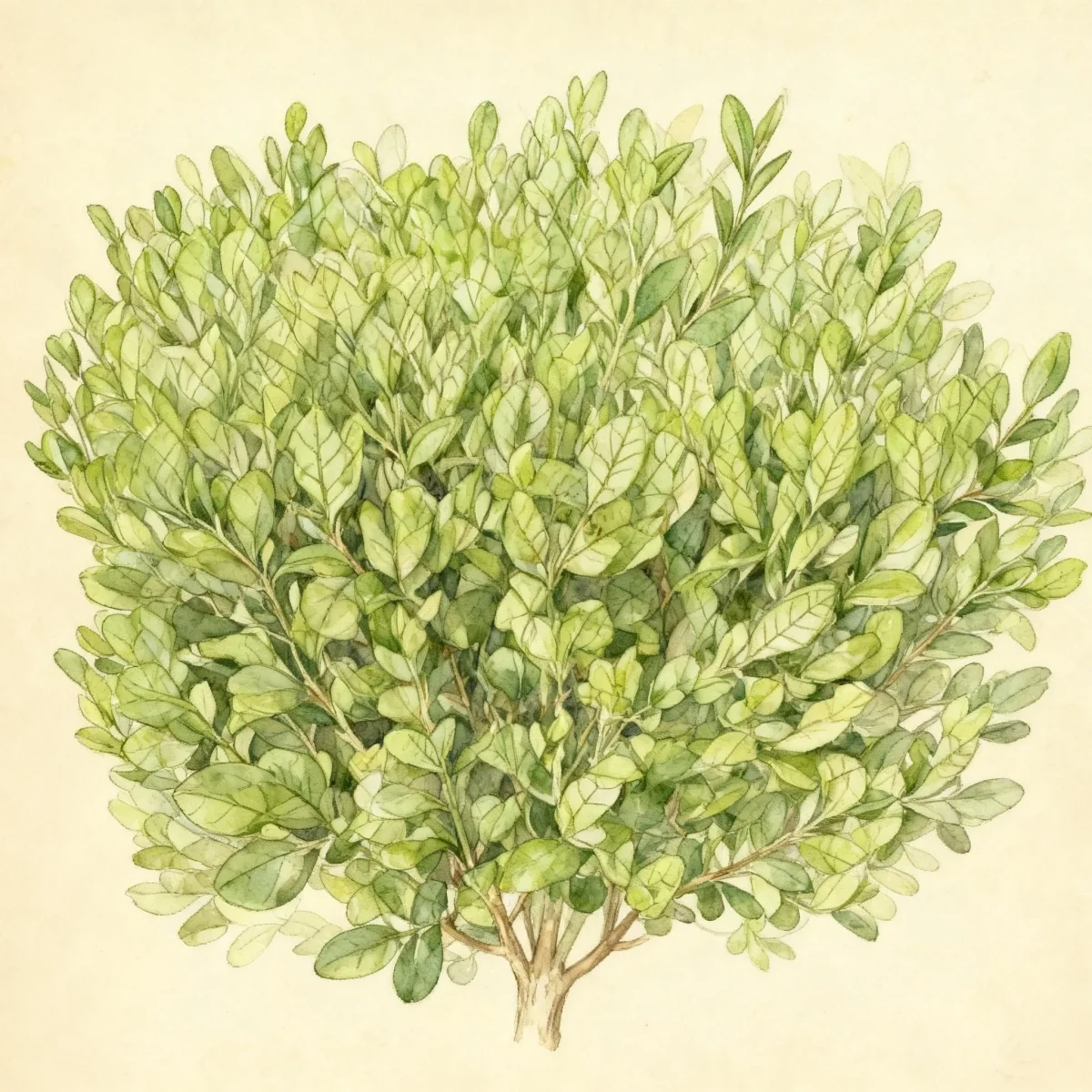
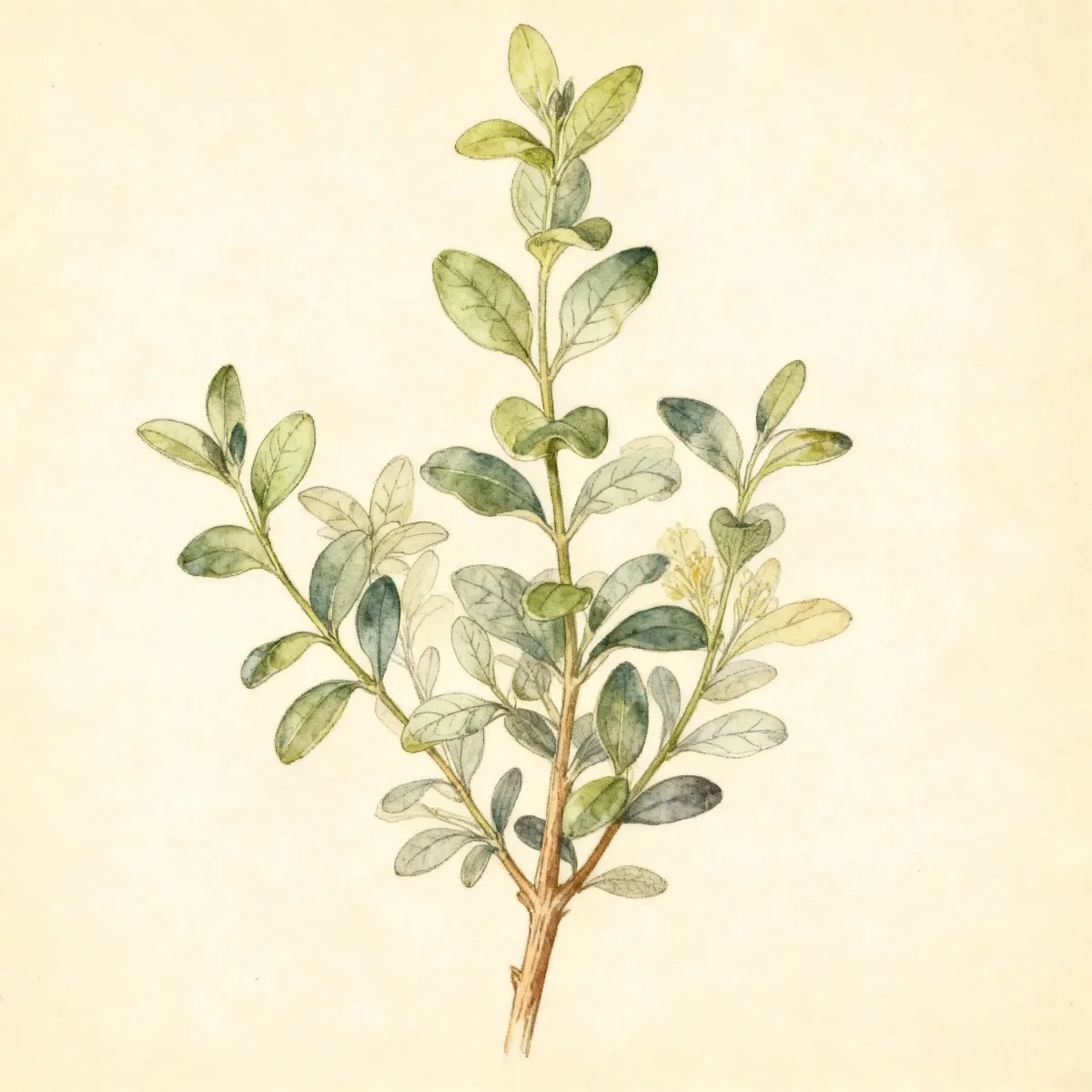
Japanese boxwood (Buxus microphylla var. Japonica 'National')
The reliable Buxus microphylla var. japonica 'National', or Japanese boxwood, offers glossy evergreen foliage and manageable size for low hedges and specimen planting.
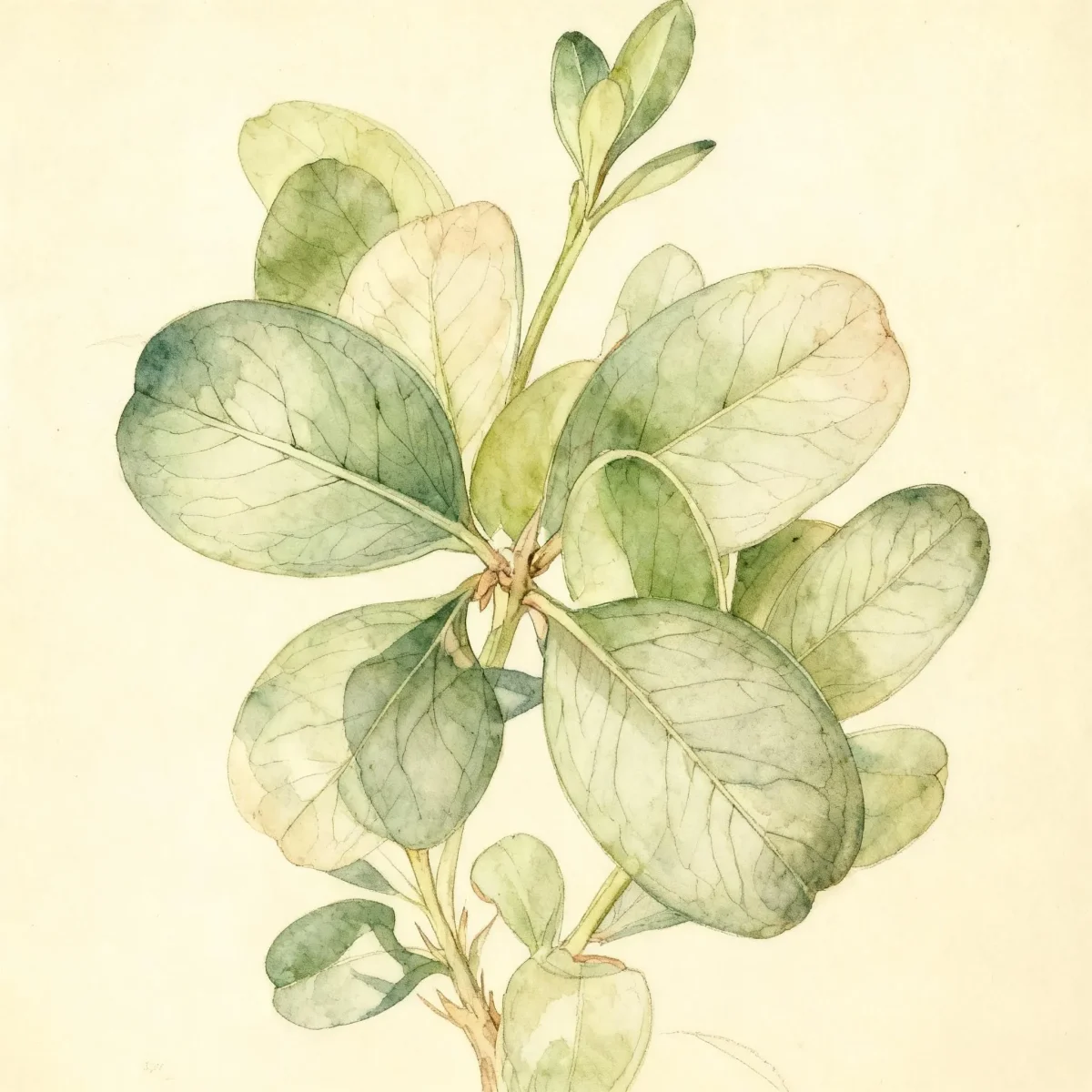

Bloom Boldly, No Matter the Season - Sweatshirt
Cozy organic cotton sweatshirt featuring our exclusive Purple Coneflower design. Perfect for gardeners who bloom year-round.
Inspired by the beautiful Japanese boxwood
Limited first batch (50) — join the waitlist for early access
Waitlist closes Feb 15, 2026.
Complete Plant Information
Field Guide Continues
Ready for care notes, companion picks, and planting tips?
The map is just the start. The full guide below covers growth habits, seasonal performance, and landscape uses.
Overview
The Buxus microphylla var. japonica ‘National’, commonly known as Japanese boxwood, is a highly valued broadleaf evergreen, prized for its dense, glossy foliage and adaptable nature. Introduced by the U.S. National Arboretum, the ‘National’ cultivar offers gardeners a relatively fast-growing option compared to other boxwood species, maturing into a dense, upright shrub suitable for formal uses. This plant provides essential year-round structure, making it a foundational element in structured garden designs.
As a Japanese boxwood, it features small, rounded to elliptic evergreen leaves that retain color well throughout the year, particularly when sited appropriately. While it maintains green foliage in shaded areas, Buxus microphylla var. Japonica ‘National’ may bronze attractively after fall frosts if exposed to harsher light, regaining its true green color by mid-spring. Gardeners appreciate this shrub for its tolerance to regular shearing, allowing for precise shaping into hedges or defining landscape edges.
For optimal health, site this boxwood where it receives protection from harsh winter winds and intense afternoon sun, which can stress the foliage. Its adaptability allows it to perform well in full sun, part shade, or even deeper shade, though vigor may decrease in very low light. The Buxus microphylla var. japonica ‘National’ provides dependable evergreen screening and formal appeal in USDA Zones 6 through 9.
Fast Facts
- Plant Family: Buxaceae
- Plant Type: Broadleaf evergreen
- Hardiness Zones: USDA Zones 6-9
- Size at Maturity:
- Height: 3-12 ft
- Spread: 3-12 ft
- Bloom Time: April to May
- Bloom Description: Creamy white
- Sun Exposure: Full sun to part shade
- Water Needs: Medium
- Maintenance Level: Medium
How to Grow
Plant your Japanese boxwood during the cooler seasons—spring or fall—to minimize transplant shock, ensuring an even moisture supply as establishment occurs. Buxus microphylla var. japonica ‘National’ thrives best in well-drained loams augmented with organic matter, preferring a slightly acidic to slightly alkaline pH range. Site locations should favor part shade, perhaps receiving morning sun or dappled light, as full, unfiltered afternoon sun combined with drying winter winds can lead to foliar scorch or bronzing.
Water needs are medium; aim for consistently moist soil, especially during dry spells, though never waterlogged. Due to its shallow root structure, avoid cultivating directly around the base of the plant; instead, apply a 1-2 inch layer of organic mulch (like bark or compost) to conserve moisture and moderate soil temperatures. Pruning and shearing are well tolerated by this genus, but refrain from making major cuts before the final spring frost date passes, as new tender growth is highly susceptible to late-season freezes.
Annual maintenance involves thinning plants lightly to improve interior air circulation, thereby reducing the risk of fungal issues. Placing the Japanese boxwood in areas shielded from strong winter gales is critical, as wind rapidly pulls moisture from leaves, leading to winter dehydration. If grown in sunnier spots, expect seasonal color change, but the dense structure of Buxus microphylla var. Japonica ‘National’ usually means good color return by mid-spring.
Landscape Uses
The inherent structure and evergreen color of the Buxus microphylla var. japonica ‘National’ make it an exceptional choice for formal landscape applications. Its ability to maintain a tight form when pruned establishes it firmly as a premier choice for low, formal hedges lining pathways or defining garden beds. Furthermore, Japanese boxwood functions perfectly as an edging plant, creating crisp, clean borders where its small, glossy leaves contrast nicely with coarser perennials or groundcovers.
Beyond uniform hedging, the upright, dense habit of this cultivar lends itself well to specimen planting, acting as an accent against contrasting wall colors or architectural elements. Foundation plantings benefit greatly from the reliable four-season presence of Japanese boxwood, providing year-round green mass. When using Buxus microphylla var. Japonica ‘National’ in borders, consider pairing it with plants that share similar sun and drainage requirements, such as small evergreens or shade-tolerant flowering shrubs.
Standout Features
Flower Qualities
- Insignificant
Noteworthy Characteristics
Buxus microphylla var. Japonica, commonly called Japanese boxwood, is a broadleaf evergreen shrub that is native to certain mountainous areas in Japan, primarily on the islands of Shikoku and Kyushu. In comparison to other species of boxwood, it is a relatively fast-growing shrub (to 12” per year) that typically matures over time in a loose upright form to 6-8’ tall with a spread to as much as 16’ wide. The ‘National’ cultivar is specifically notable for its upright growth and is often marketed as a 3-5’ shrub, though it can reach 12’ or more over decades if unpruned.
Tolerances
- Rabbit
- Deer
Potential Problems
Boxwood foliage frequently encounters cosmetic damage during harsh winters, specifically bronze discoloration, which is exacerbated when plants are in exposed areas facing full sun and cold winds. To mitigate this, ensure Buxus microphylla var. japonica ‘National’ is sited where it receives some winter protection or afternoon shade. Fungal issues like certain blights and leaf spots can occur, often signaling poor air circulation; annual thinning of interior branches is recommended preventative care.
Poor drainage remains a significant threat, leading directly to the development of root rot, which can quickly kill the shrub. Always plant Japanese boxwood in media described as evenly moist and well-drained loam. Furthermore, keep an eye out for specialized pests, including boxwood leafminer and various mites, although this species is generally robust against the notorious boxwood psyllid.
Frequently Asked Questions
What hardiness zones is Japanese boxwood suitable for?
The Buxus microphylla var. japonica ‘National’ is hardy and thrives most reliably in USDA Zones 6 through 9.
How large does Buxus microphylla var. japonica ‘National’ grow?
If left unpruned, this shrub can mature to a height of 12 feet and a spread of 12 feet, though it is often maintained at smaller, more manageable sizes for hedges.
What sun exposure does Buxus microphylla var. japonica ‘National’ need?
This Japanese boxwood performs best with protection in part shade, thriving in sun-dappled conditions, but it can tolerate full sun if moisture is adequately maintained.
When does Buxus microphylla var. japonica ‘National’ bloom?
Blooming occurs between April and May, producing inconspicuous flowers described as creamy white.
Conclusion
For dependable, dense, evergreen texture year-round, the Buxus microphylla var. japonica ‘National’ remains a top-performing broadleaf evergreen suitable for formal bordering or specimen accents. Its moderate growth rate and tolerance for shearing make it an excellent investment for structure in the landscape. Before planting, confirm your site falls within USDA Zones 6-9 and ensure soil drainage is excellent to maximize the longevity of your Japanese boxwood.
Companion Planting for Boxwood
Companion planting around Buxus microphylla var. japonica ‘National’ should focus on plants that share similar light (part shade to sun) and cultural needs (well-drained soil, medium water). Consider planting low-growing perennials like Hellebores (Lenten Rose) underneath, as they offer color during the boxwood’s slow spring bloom period and thrive in similar conditions. Groundcovers that do not require aggressive shallow cultivation are also good choices to avoid disturbing the boxwood’s sensitive roots.
Another strong pairing involves using plants with contrasting foliage texture, such as ferns or hostas, particularly in shadier installations. The fine texture of the fern contrasts beautifully with the dense, small leaves of the Japanese boxwood. Ensure any companions do not cast dense shade directly over the base of the boxwood, which inhibits air flow and can encourage moisture retention at the root crown.
Seasonal Care Calendar
Mid-spring, after the danger of frost, is the ideal time to perform any necessary shaping or pruning on your Buxus microphylla var. Japonica ‘National’, encouraging dense flushes of new growth throughout the growing season. Apply a fresh layer of organic mulch (1-2 inches) in early spring to stabilize soil temperatures and conserve moisture before summer heat arrives. Winter preparation focuses on protection: if planted in an exposed site, provide burlap screens to buffer against drying winter winds and intense, low-angle sun exposure that causes bronzing.
Watering should be consistent throughout the summer, checking soil moisture 2-3 inches down before irrigating deeply. Avoid nitrogen-heavy fertilization late in the season, as this can push tender growth that won’t harden off before winter dormancy sets in. Annual inspection for mites or leaf miners should occur during early summer when pest activity peaks, allowing for prompt treatment if infestations begin to affect the glossy foliage of your Japanese boxwood.