Boxwood(Buxus 'Green Gem')
Grow Green Gem boxwood (Buxus 'Green Gem'): cold-hardy 3 ft spherical evergreen ball, Sheridan hybrid winter green color, USDA zones 4–9 care and blight advice.

Complete Plant Information
- Hardiness zones
- USDA 4–9
- Plant type
- Broadleaf evergreen
- Plant family
- Buxaceae
- Sun exposure
- Full sun to part shade
- Water needs
- Medium
- Maintenance
- Low to medium
- Height
- 2–3.5 ft (61–107 cm)
- Spread
- 2–3.5 ft (61–107 cm)
- Bloom time
- April
- Flower color
- Inconspicuous apetalous yellowish-green florets
- Flower qualities
- Insignificant
- Fruit qualities
- Not recorded
- Tolerances
- Rabbit, Deer
- Garden uses
- Formal low hedge, knot garden, entryway topiary sphere, foundation border
- Native range
- Artificial hybrid origin (Buxus microphylla var. koreana × B. sempervirens)
Field Guide Continues
Ready for care notes, companion picks, and planting tips?
The map is just the start. The full guide below covers growth habits, seasonal performance, and landscape uses.
Overview
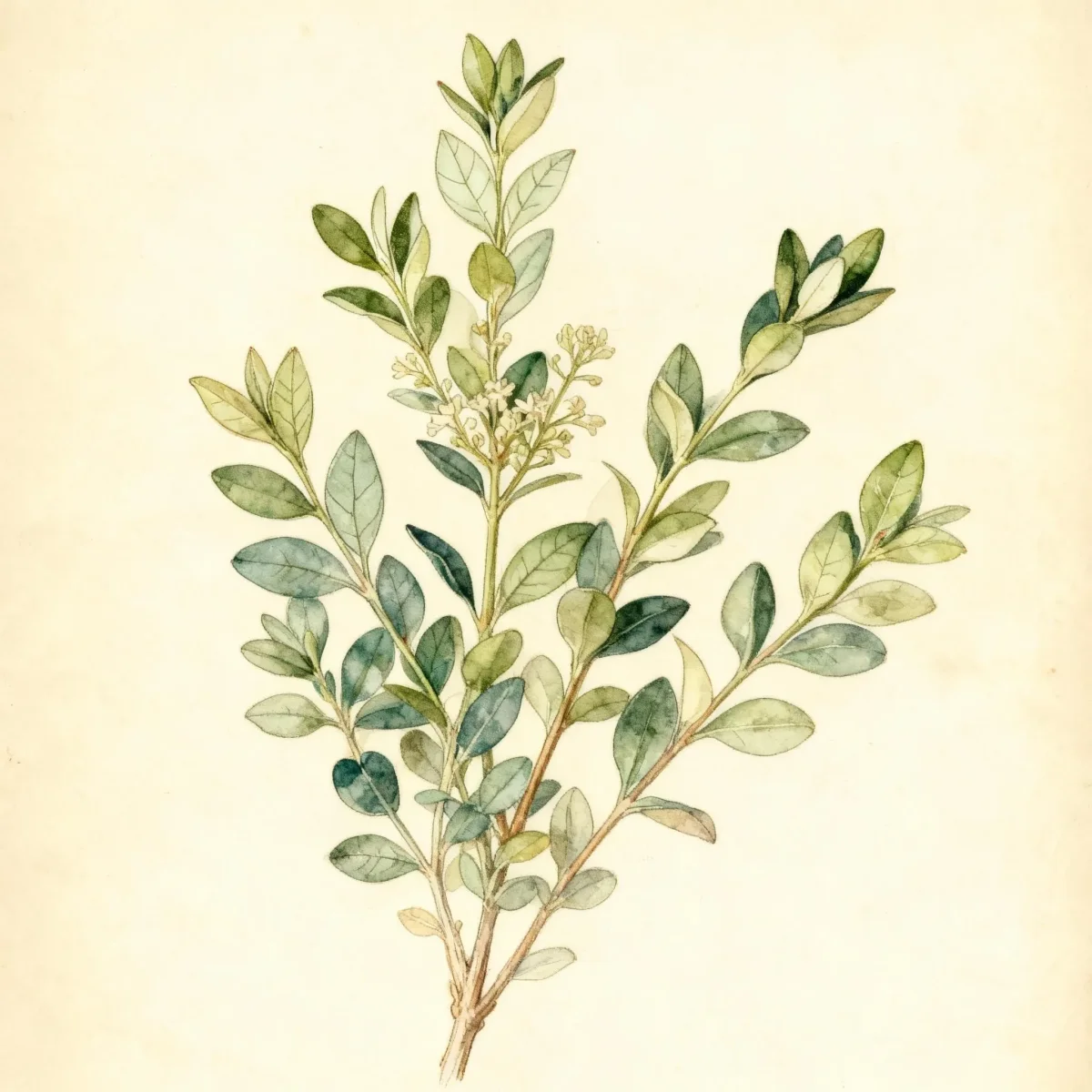
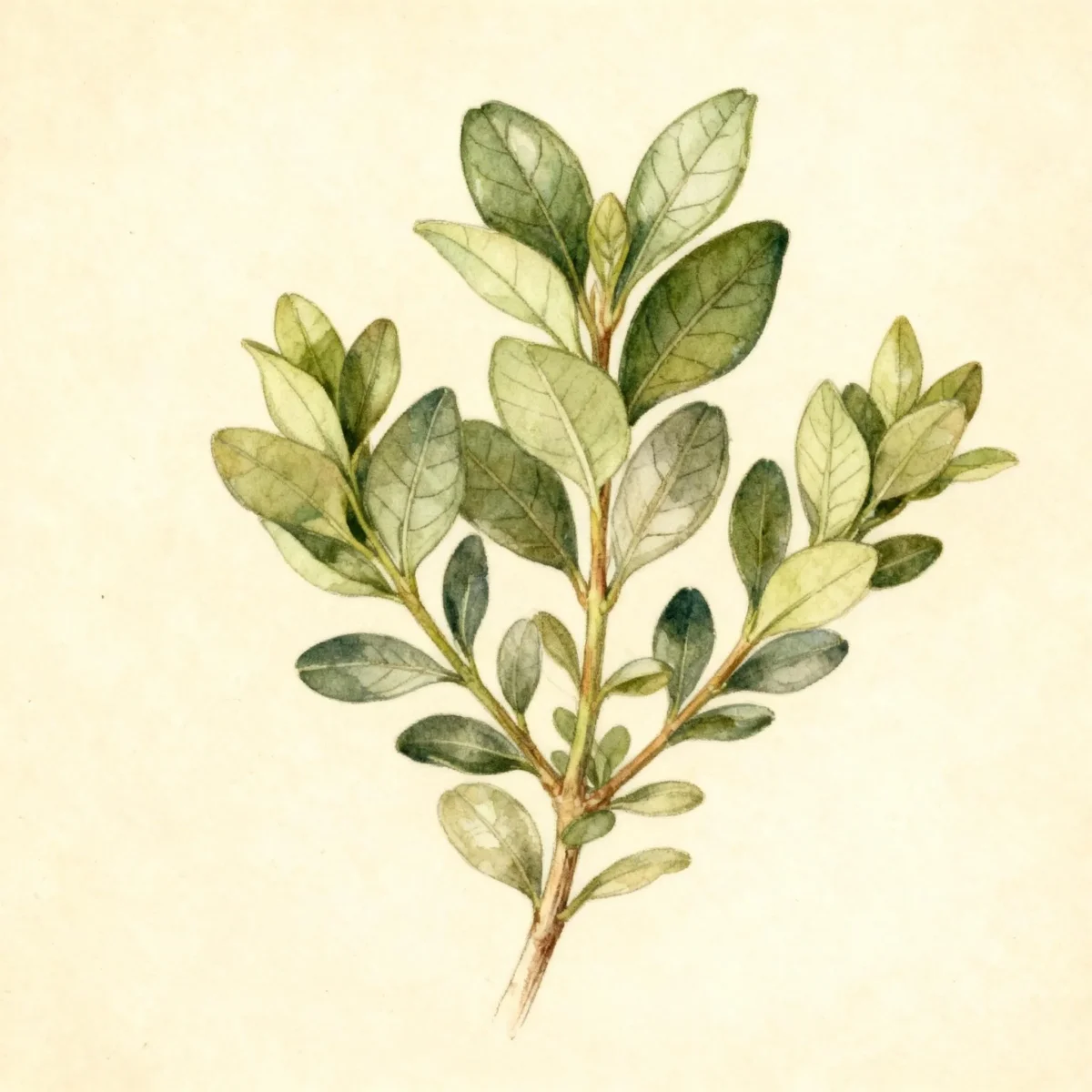
Green Gem boxwood (Buxus ‘Green Gem’) is a cold-hardy dwarf broadleaf evergreen shrub hardy across USDA Zones 4 through 9. Developed in Ontario, Canada, by Sheridan Nurseries by crossing cold-hardy Korean boxwood (Buxus microphylla var. koreana) with classic English boxwood (Buxus sempervirens), it combines superior subzero freeze resistance with the refined, dense, dark green foliage of European boxwoods. Growing slowly into a naturally dense, compact sphere 2 to 3.5 feet tall and wide, it provides year-round formal geometry in knot gardens, low parterres, and entryway containers.
Its small, leathery leaves resist winter bronzing, holding deep emerald-green color through subzero northern winters.
How to Grow
- Sunlight & Siting: USDA Zones 4 through 9. Siting in partial shade—particularly with morning sun and dappled afternoon shade—preserves peak foliage luster. Protect from harsh, dry winter afternoon winds to prevent winter burn.
- Soil & Shallow Roots: Prefers moist, fertile, organically rich, well-draining loams with neutral to slightly alkaline pH (6.5 to 7.5). Boxwoods possess shallow, fibrous surface roots. Never cultivate or till the soil around the base. Apply a 2-inch layer of organic wood mulch, keeping it 2 inches away from the trunk.
- Pruning Discipline: Wait until late spring after all frost danger has passed before shearing. Early spring pruning stimulates tender young foliage flushes that freeze easily. Periodically thin interior branches by clipping older stems back inside the canopy to improve light penetration and airflow.
- Watering: Provide steady, moderate moisture. Established shrubs show moderate drought tolerance, but shallow roots dry out quickly during prolonged summer heat.
Landscape Uses
- Formal Low Hedges & Parterres: Spaced 18 to 24 inches apart on center, it forms a dense, seamless geometric border requiring minimal shearing.
- Entryway Topiary Spheres: Naturally grows as a neat ball, providing formal architecture in flanking entryway planters.
- Foundation Bed Definition: Creates crisp, non-invasive evergreen structure beneath low windows.
Potential Problems
- Boxwood Blight (Calonectria pseudonaviculata): A devastating fungal disease causing black stem streaks, leaf spots, and rapid defoliation. Ensure excellent air circulation and avoid overhead watering.
- Boxwood Leafminer: Tiny orange larvae tunnel inside leaves, creating yellow blisters; treat with targeted horticultural controls in spring.
- Pet Safety Warning: Boxwood leaves contain toxic steroidal alkaloids (buxine). Bitter taste deters deer and rabbits, but ingestion can cause gastrointestinal cramping and distress in dogs, cats, and horses.
Frequently Asked Questions
Does Green Gem boxwood turn bronze in winter?
No. Thanks to its Korean boxwood parentage, ‘Green Gem’ was bred specifically to resist winter bronzing, holding its deep emerald-green color through freezing northern winters.
How big does Green Gem boxwood get?
It grows very slowly (1 to 2 inches per year), maturing into a neat sphere 2 to 3.5 feet tall and wide after 15 to 20 years.
When should I prune Green Gem boxwood?
Prune or shear in late spring after the threat of late frost has passed and new spring foliage has emerged.
Companion Plants
Pair Green Gem boxwood with flowering perennials and shrubs that contrast with its formal, rounded evergreen habit:
- Perennial Color Partners: Plant alongside perennial salvias, catmint (Nepeta), or lavender.
- Flowering Shrubs: Combine with roses, panicle hydrangeas, or spirea.
- Shade-Tolerant Accents: Pair with hostas, astilbes, and bleeding hearts in partial shade.
Sources & Lineage
- Missouri Botanical Garden PlantFinder: Record taxon 243326 (Buxus ‘Green Gem’) — Sheridan hybrid origin, dimensions, and hardiness.
- Kew Plants of the World Online (POWO): Buxus L. (POWO: 15130-1) — genus taxonomy and botanical classification.
- American Boxwood Society (ABS): Boxwood Cultivar Guide: ‘Green Gem’ — hybrid parentage, cold trial performance, and blight management.
Recommended Companion Plants
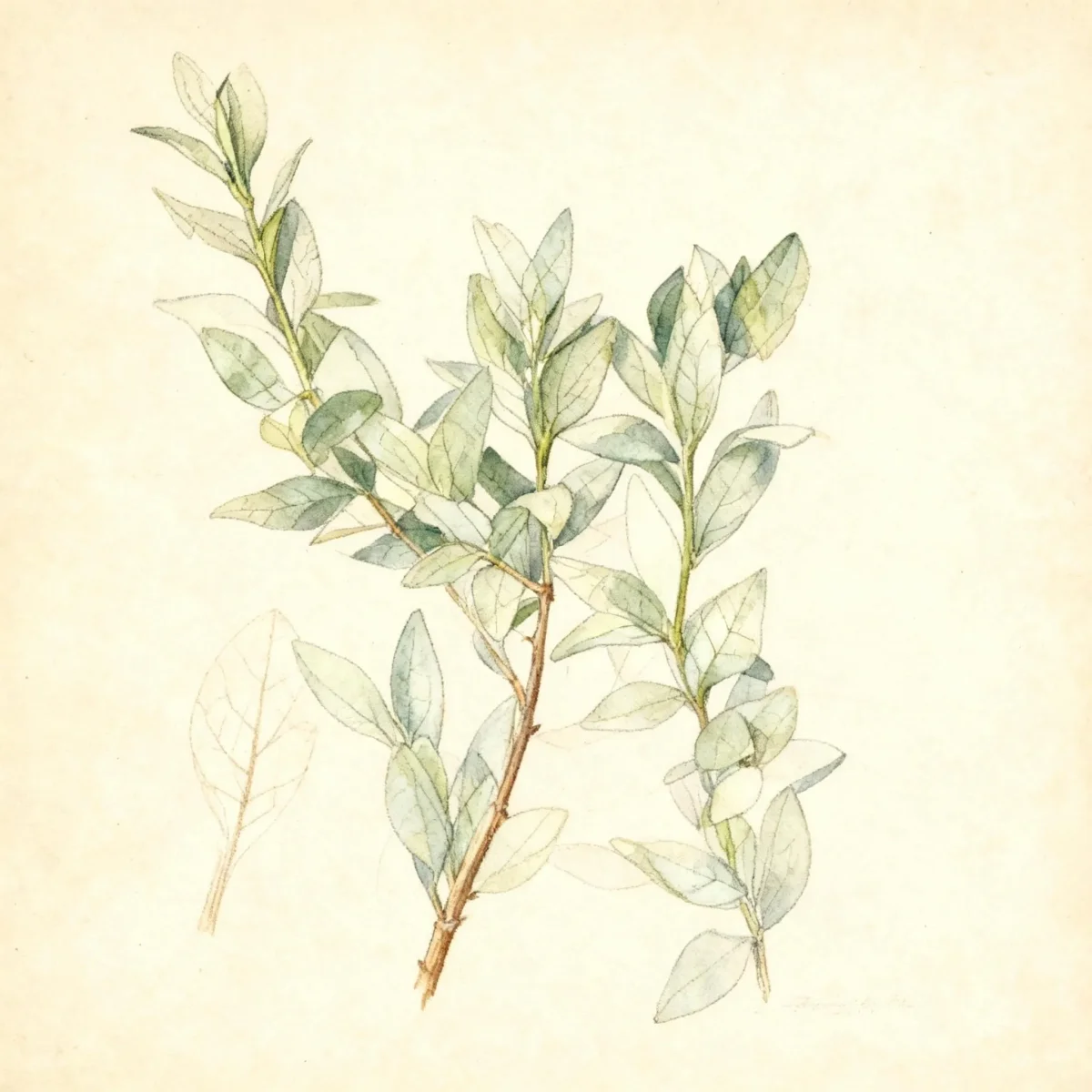
Boxwood
Buxus sempervirens 'Flora Place'
- USDA zones
- 5–8
- Light
- Full sun to part shade
- Water
- Medium
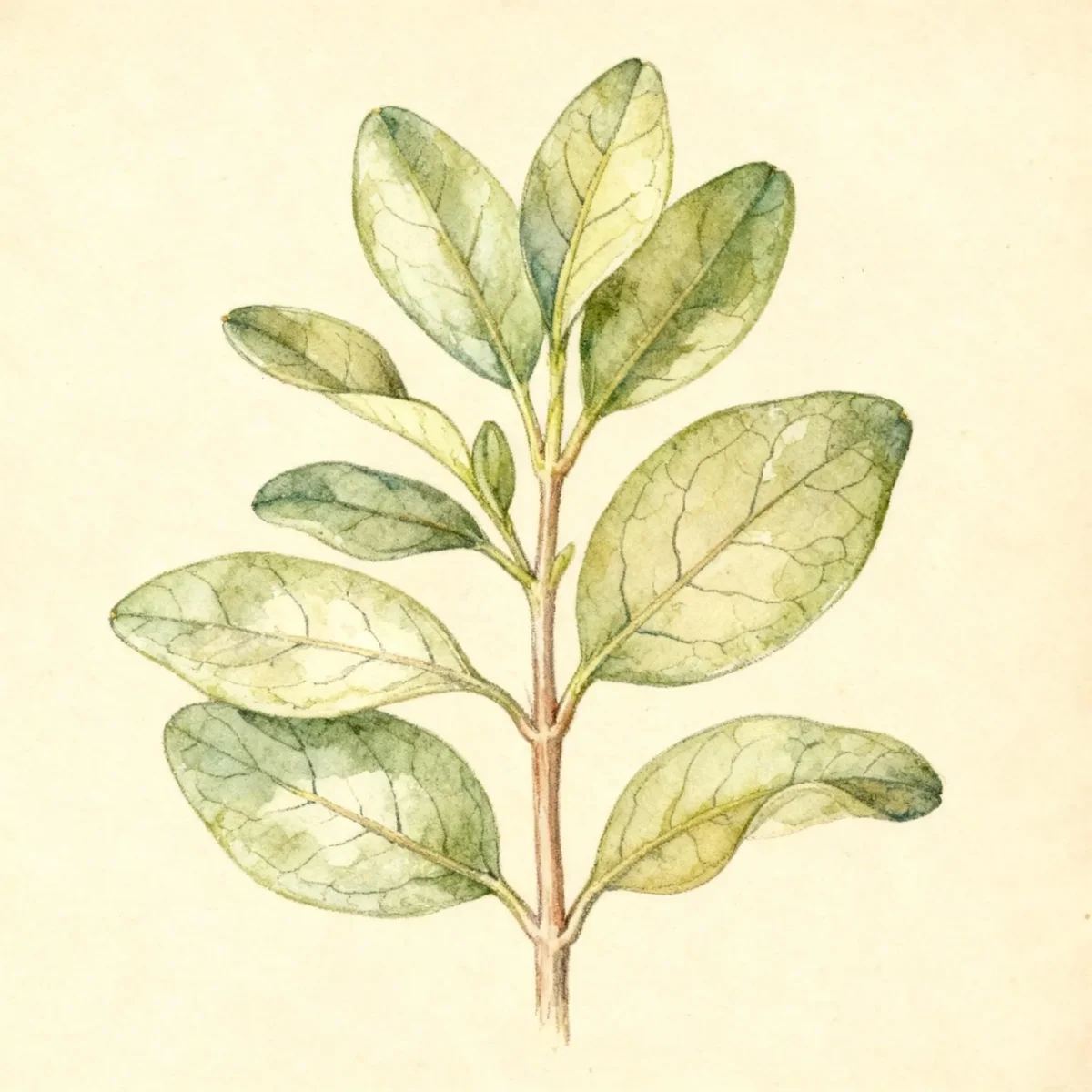
Boxwood
Buxus sempervirens 'Joy'
- USDA zones
- 5–8
- Light
- Full sun to part shade
- Water
- Medium
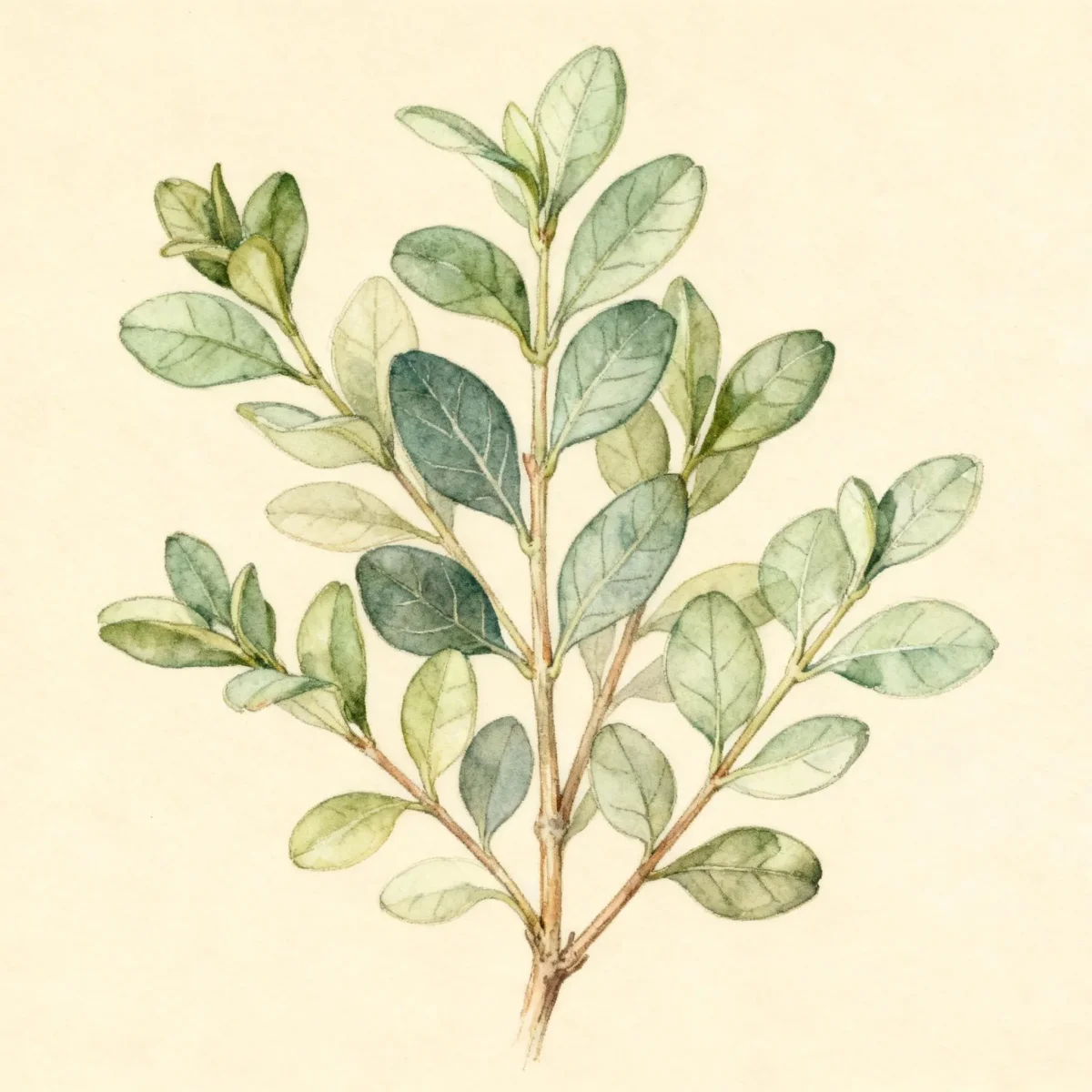
Boxwood
Buxus sempervirens 'Mary Gamble'
- USDA zones
- 5–8
- Light
- Full sun to part shade
- Water
- Medium
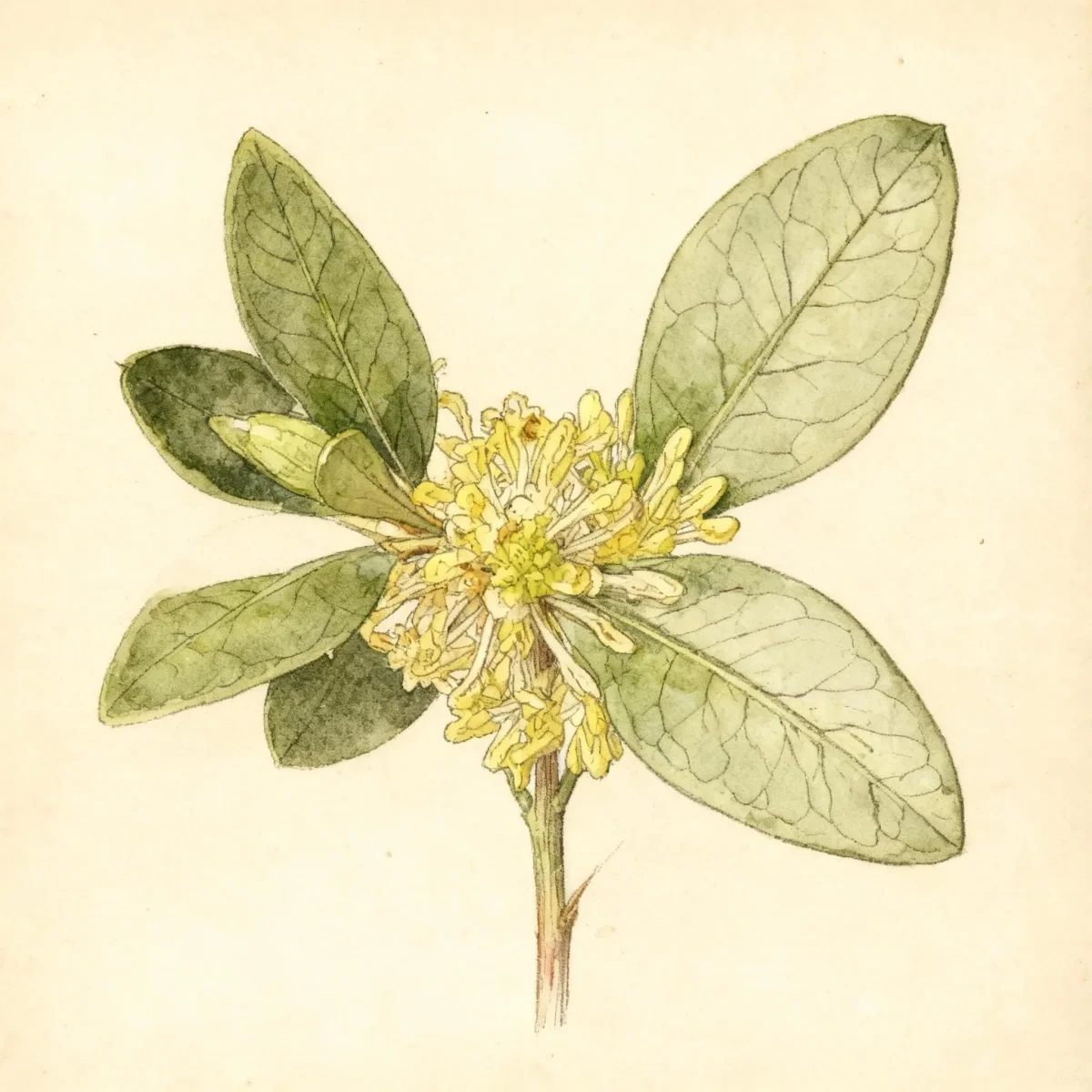
Boxwood
Buxus sempervirens 'Natchez'
- USDA zones
- 5–8
- Light
- Full sun to part shade
- Water
- Medium
Boxwood
Buxus sempervirens 'Nish'
- USDA zones
- 5–8
- Light
- Full sun to part shade
- Water
- Medium
Boxwood
Buxus sempervirens 'Pullman'
- USDA zones
- 5–8
- Light
- Full sun to part shade
- Water
- Medium
Keep Learning
Test what you know with a garden quiz
You have the plant facts and care notes. Continue with a related challenge, or browse the complete quiz library.

USDA Garden Zone Map Quiz
Use this USDA garden zone map quiz to check whether you can read hardiness zones and choose plants with more confidence.
Start quiz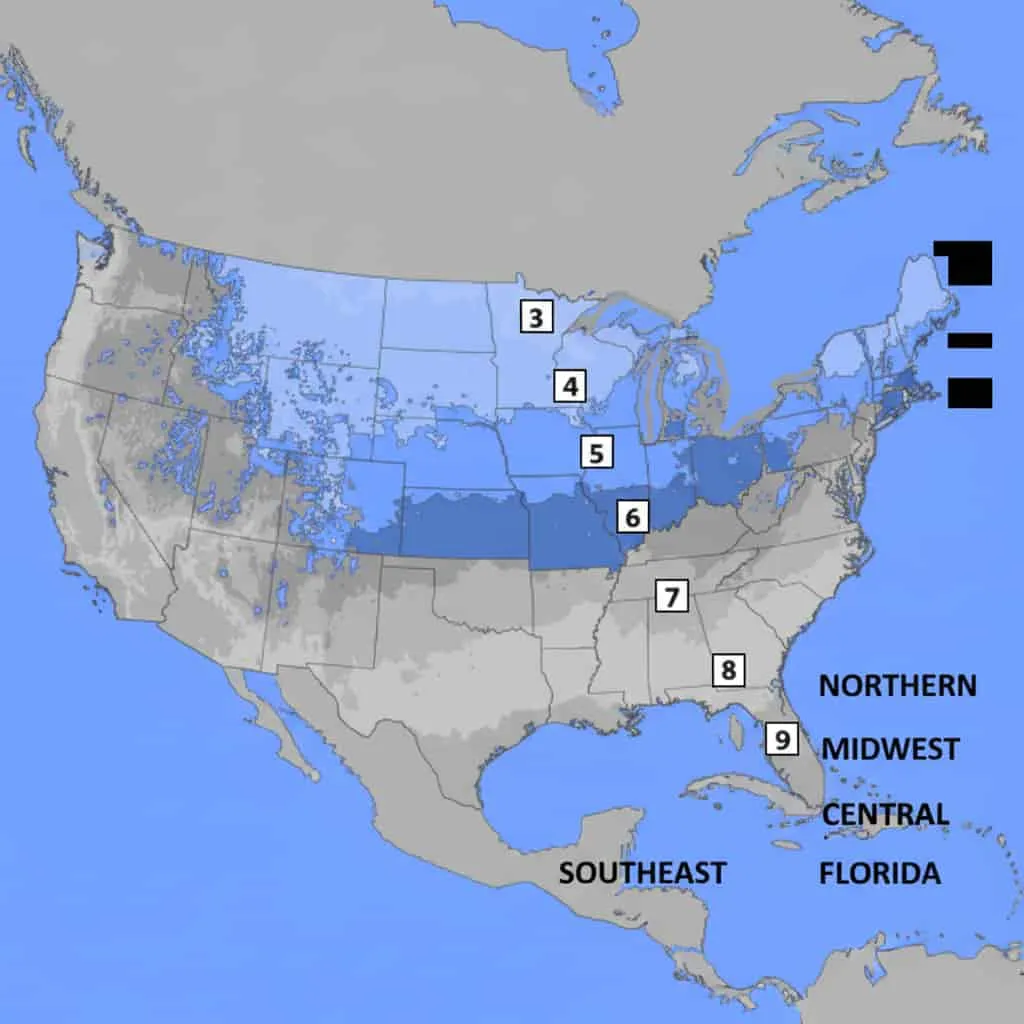
Zone 5 Gardening Challenge
Think you know Zone 5 gardening? Prove it with our challenge!
Start quizBrowse the full quizzes section
Explore plant identification, zone strategy, and seasonal gardening challenges.
View all quizzes