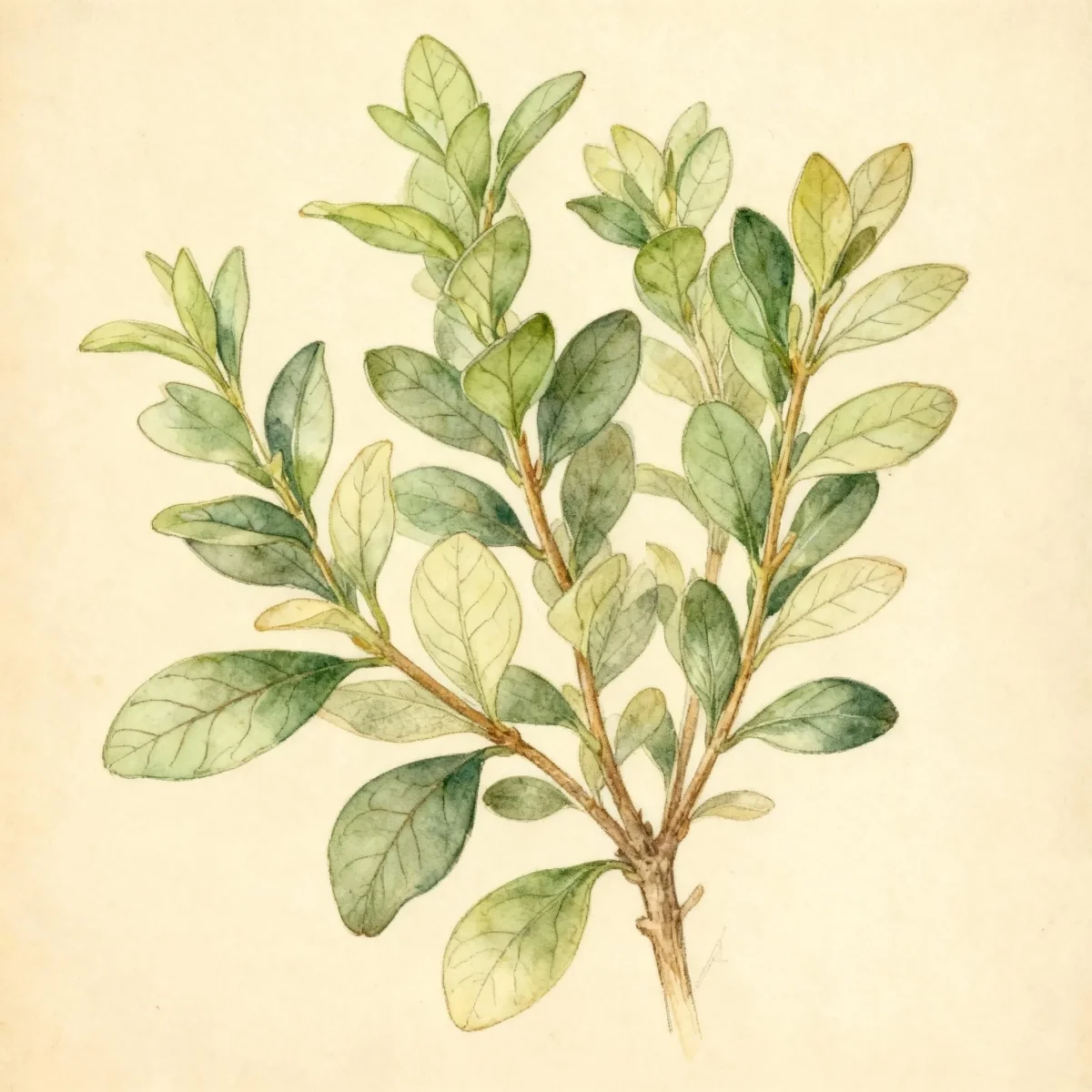
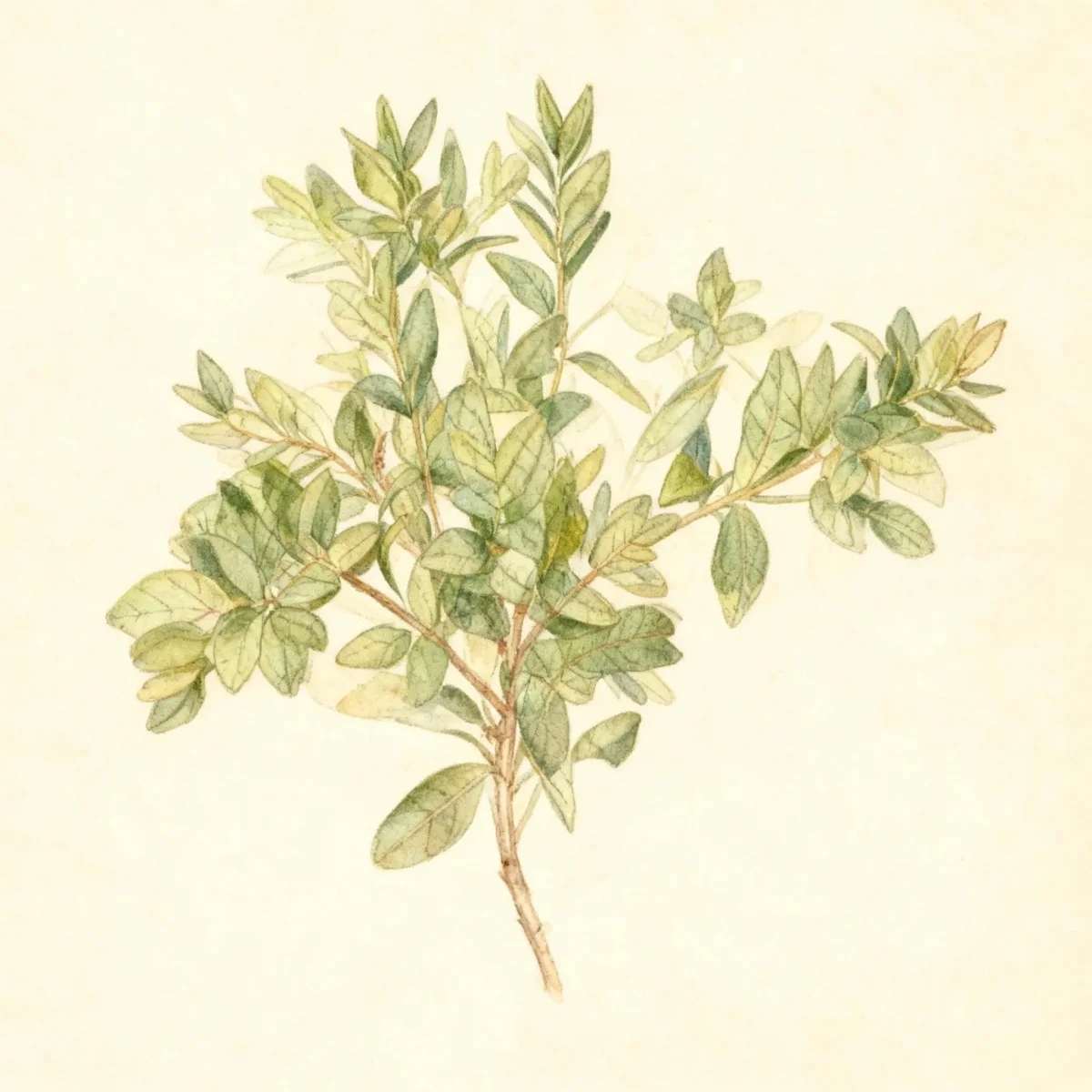
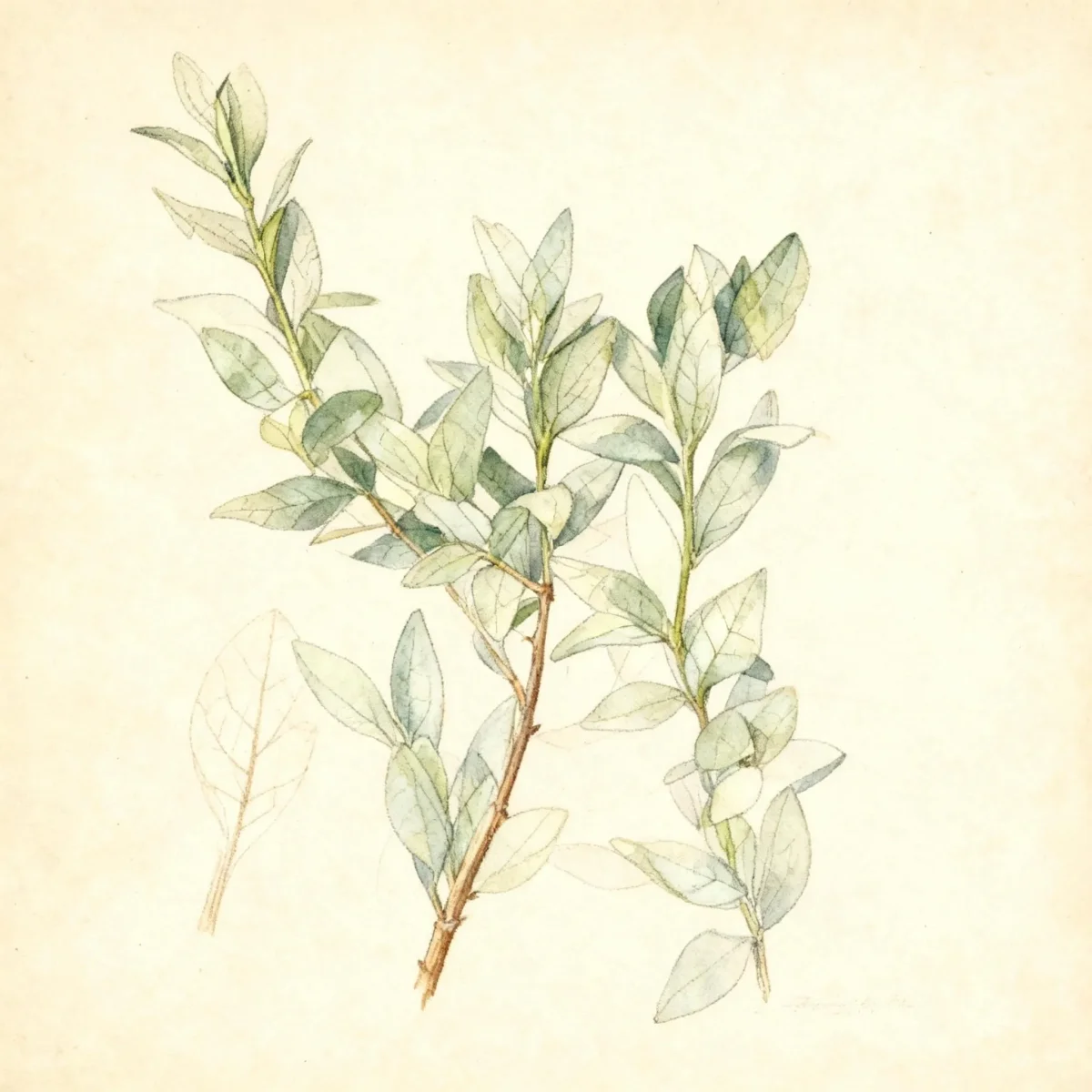
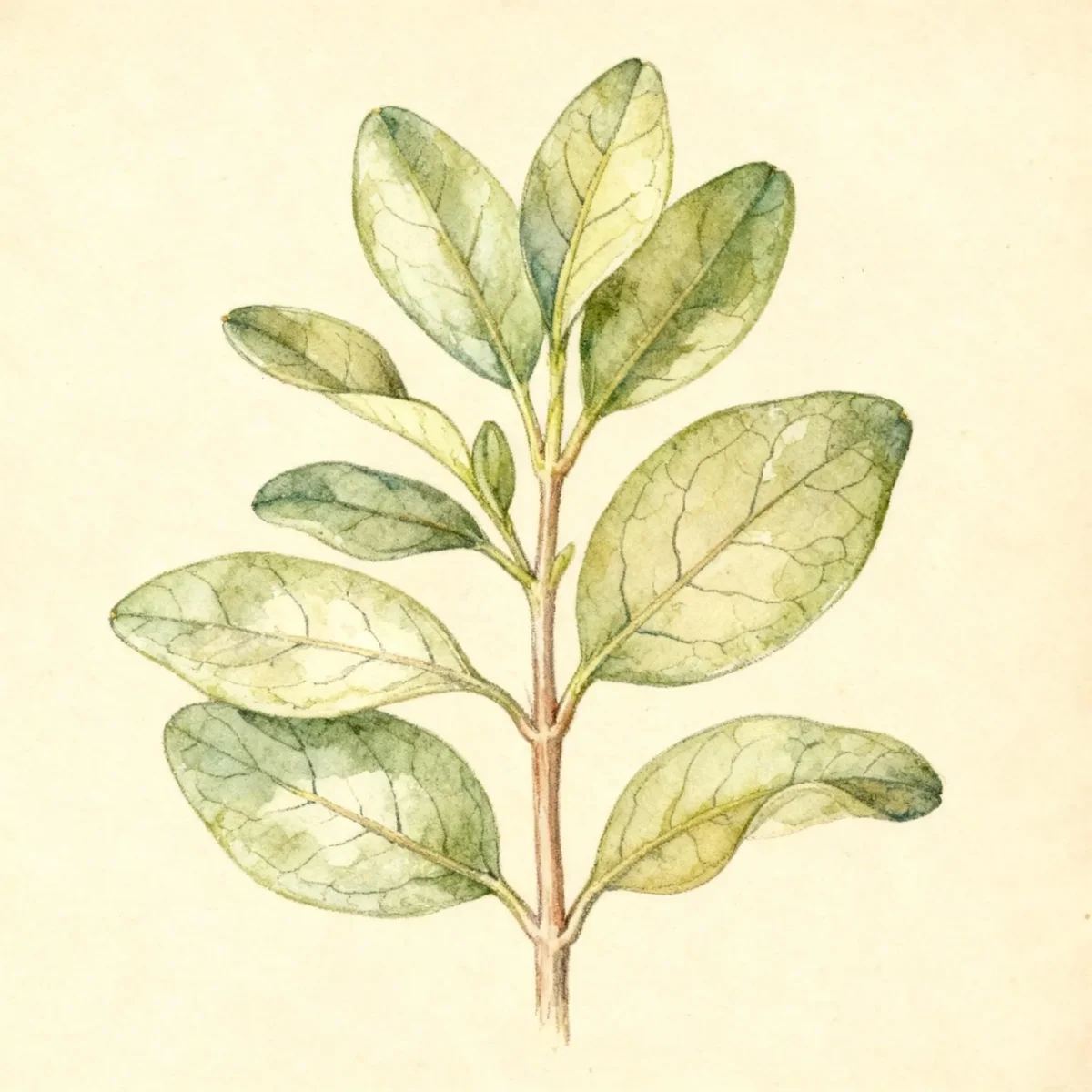
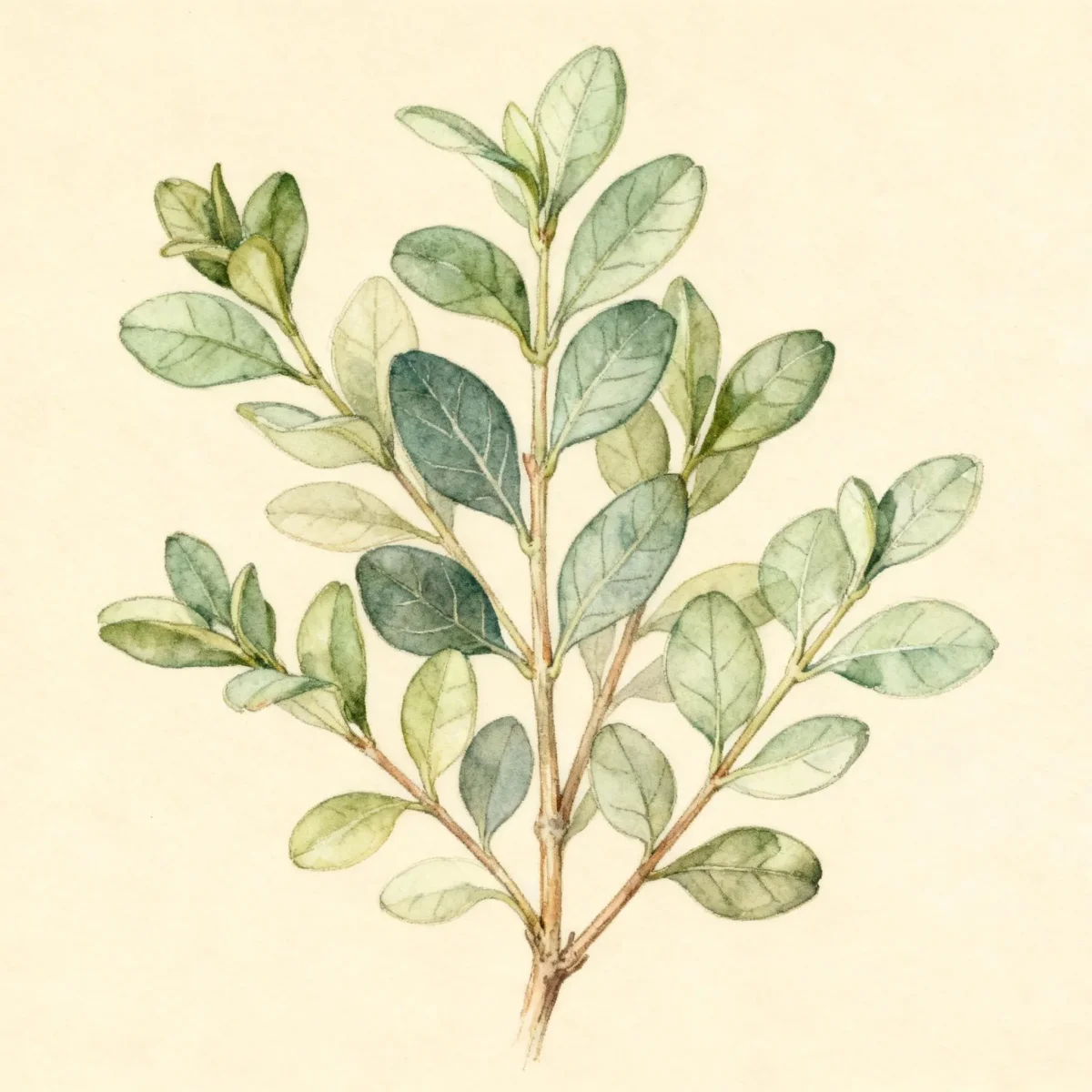
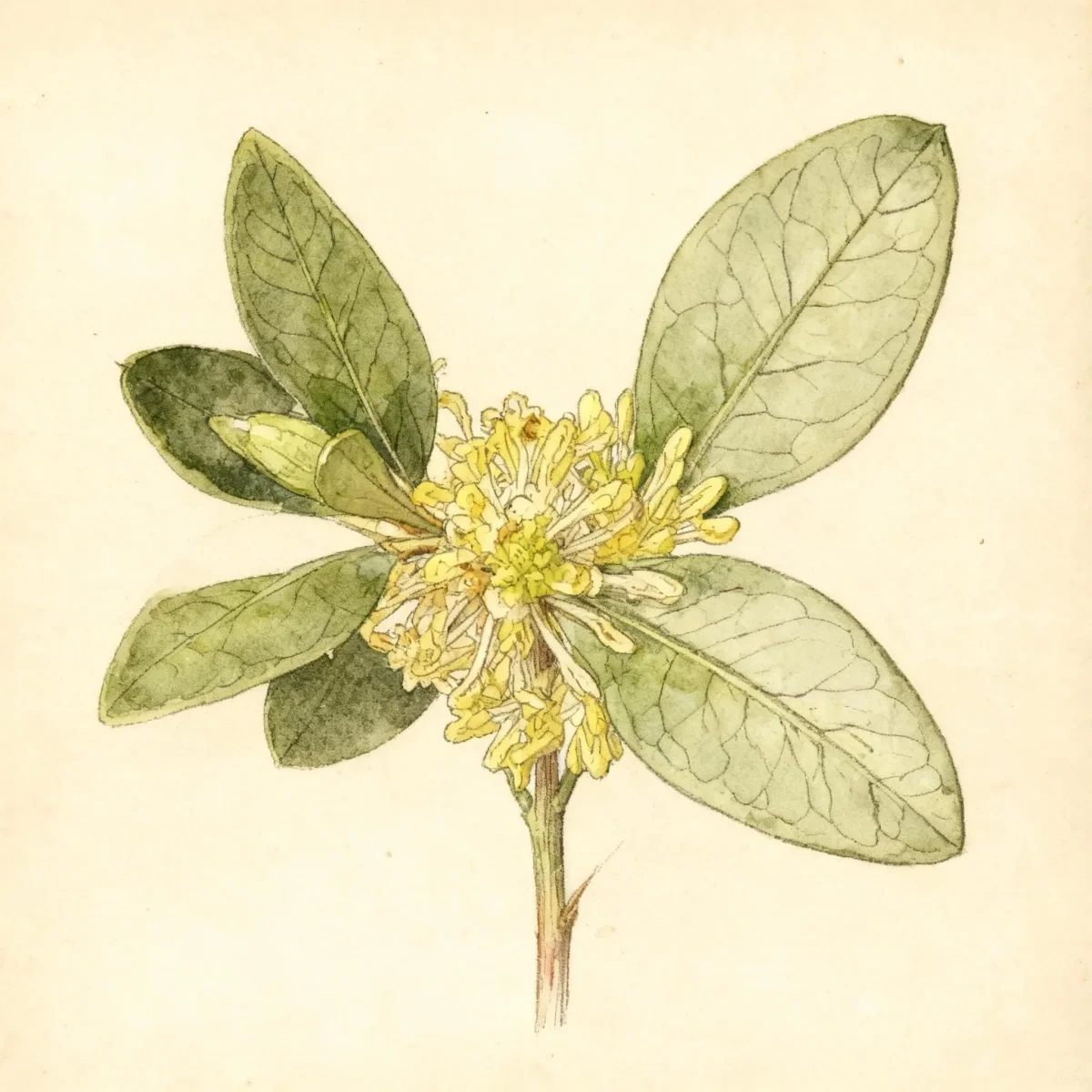
Korean boxwood (Buxus sinica var. Insularis)
Buxus sinica var. insularis, the Korean boxwood, is a dense, hardy evergreen offering year-round appeal. Excellent for northern climates.
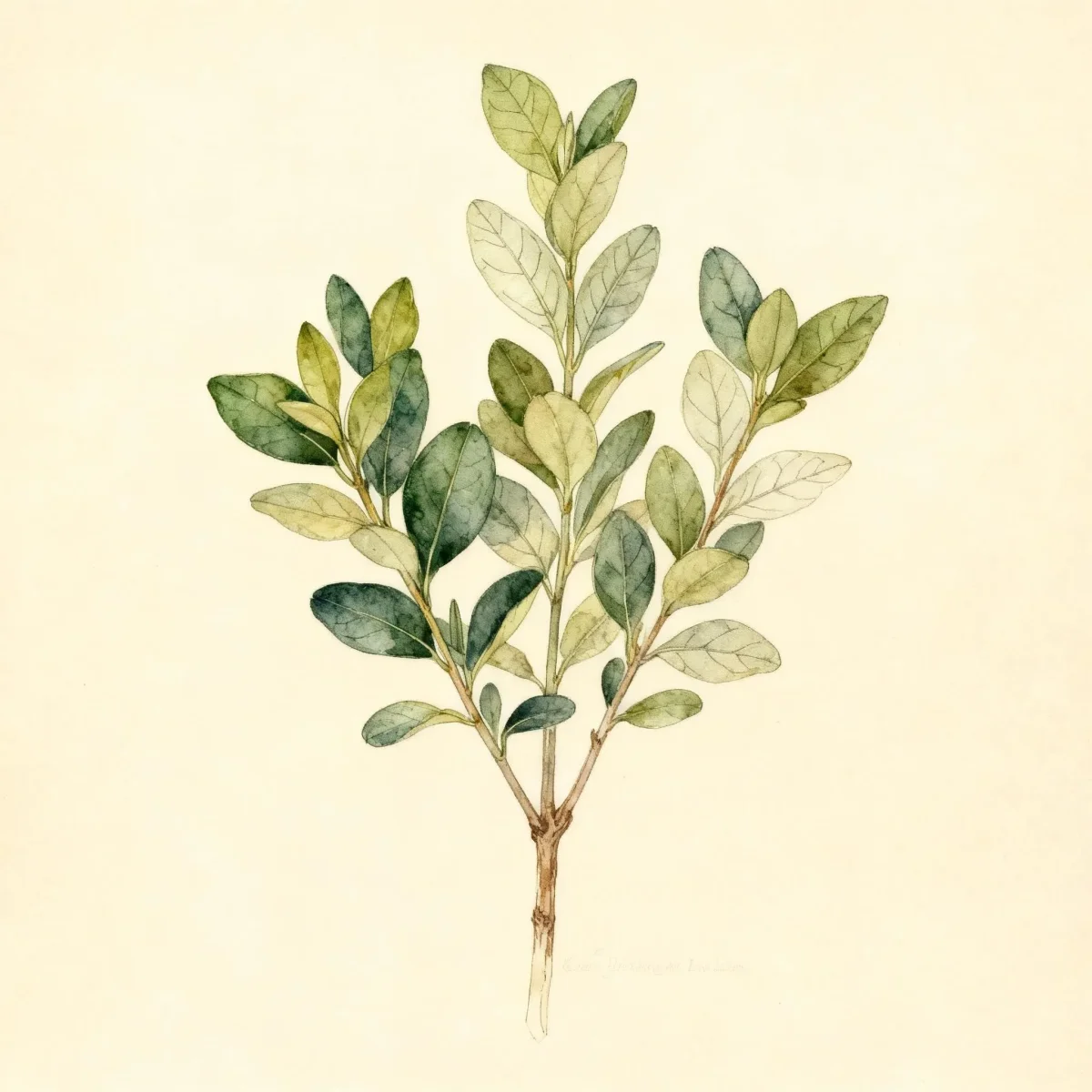

Bloom Boldly, No Matter the Season - Sweatshirt
Cozy organic cotton sweatshirt featuring our exclusive Purple Coneflower design. Perfect for gardeners who bloom year-round.
Inspired by the beautiful Korean boxwood
Limited first batch (50) — join the waitlist for early access
Waitlist closes Feb 15, 2026.
Complete Plant Information
Field Guide Continues
Ready for care notes, companion picks, and planting tips?
The map is just the start. The full guide below covers growth habits, seasonal performance, and landscape uses.
Overview
The Korean boxwood (Buxus sinica var. insularis) is celebrated for its superior hardiness, making it a reliable choice for gardeners in cooler regions where other boxwoods might struggle. This dense, compact broadleaf evergreen shrub maintains excellent form throughout the year, offering vital structure to winter landscapes. As a hardy variety, Buxus sinica var. Insularis provides aesthetic value even when dormant, though its small, light green leaves are attractive during the growing season.
This species is known for its moderate growth rate, typically forming a mounded shrub perfect for formal hedging or as low foundation plantings. While it retains its structure well, Buxus sinica var. insularis responds positively to shearing, allowing careful shaping for landscape designs requiring definition. Gardeners value the Korean boxwood for its dependable evergreen presence and tolerance for pruning.
Though its spring flowers are greenish-yellow and relatively sparse, they possess a notable fragrance. Integrating this variety ensures consistent, manageable evergreen coverage, particularly noted for its good performance in areas like the St. Louis region where winter protection is sometimes necessary, though it is generally more cold-tolerant than many relatives.
Fast Facts
- Plant Family: Buxaceae
- Plant Type: Broadleaf evergreen
- Native Range: Korea
- Hardiness Zones: USDA Zones 4-9
- Size at Maturity:
- Height: 2-2.5 ft
- Spread: 3-4 ft
- Bloom Time: April
- Bloom Description: Greenish yellow
- Sun Exposure: Full sun to part shade
- Water Needs: Medium
- Maintenance Level: Medium
How to Grow
Planting Buxus sinica var. insularis is best achieved during the spring or early fall when the soil is workable, providing time for establishment before extreme heat or deep freezes. This evergreen thrives in average, medium moisture, well-drained soil. It performs best when situated where it receives sun-dappled part shade, although it tolerates full sun. Optimal soil conditions involve moist, sandy loams with a pH ranging from slightly acidic to slightly alkaline.
Routine care focuses on consistent moisture, especially for newly planted Korean boxwood. Water moderately and ensure the drainage is excellent; root rot is a risk in waterlogged conditions. Due to their shallow root systems, these shrubs benefit greatly from a 1 to 2-inch layer of organic mulch applied around the base to conserve moisture and moderate soil temperature. Avoid cultivating or digging close to the plants to prevent root disturbance.
Maintenance for Buxus sinica var. insularis is moderate. Annual pruning should involve thinning plants and removing any dead or damaged branches to promote better internal air circulation, safeguarding against potential fungal issues. For gardeners in the colder areas of its range (like Zone 5), locating the Korean boxwood in a sheltered spot that shields it from harsh winter winds and intense direct winter sun will minimize the risk of foliage bronzing.
Landscape Uses
The compact nature and hardiness of Buxus sinica var. insularis make it exceptionally versatile in landscape design. Its primary suggested use is as a small, neatly maintained hedge, offering low, formal borders along walkways or property lines. Furthermore, its broad, mounding habit allows it to function effectively as mass plantings or ground cover, softening hard edges in the garden.
These evergreens work beautifully as foundation plantings, placed near structures where their consistent, year-round color is appreciated. They can also serve as specimen plants or be grouped in formal parterres where their slow, controlled growth habit provides excellent architectural backbone. If seeking formal structure in smaller garden areas, this plant is also noted as being suitable for use as a bonsai subject.
As a low-maintenance evergreen, the Korean boxwood pairs well with many perennials and deciduous shrubs that offer contrasting bloom textures or fall color, such as hydrangeas or Japanese maples. Ensure companions share similar sun and water requirements to maintain uniform health across the border or mass planting.
Standout Features
Flower Qualities
- Fragrant
- Insignificant
Noteworthy Characteristics
Buxus sinica var. Insularis, commonly called Korean littleleaf boxwood, is a dense, compact, many-branched, broad, mounded evergreen shrub with a loose and open habit. It is noted as an extremely hardy variety, making it a good choice for northern climates, growing slowly to about 1.5 inches per year. Its leaves are small and ovate, ranging from light yellowish green to medium green, and although the spring flowers are sparse, they are noticeably fragrant.
Tolerances
- Rabbit
- Deer
Potential Problems
Boxwood foliage can suffer from aesthetic discoloration, turning an unattractive brownish-yellow color in harsh winters. This bronzing is most common when Buxus sinica var. insularis is exposed to constant full sun and strong winter winds in open locations. Protecting plants in Zone 5 by selecting a sheltered site can mitigate this issue.
While generally resilient, these plants are occasionally susceptible to fungal pathogens like blights and leaf spot. Proper air circulation, achieved through timely thinning of branches, is a critical preventative measure against these diseases. Additionally, always site your Korean boxwood where soil drainage is excellent, as consistently wet feet can quickly lead to damaging root rot.
Pest management involves monitoring for specific local threats. Pests such as boxwood leafminer, mites, and the box tree moth may be present, although boxwood psyllid infestations are less commonly reported on this variety. Regular inspection allows for prompt, targeted treatment if outbreaks occur.
Frequently Asked Questions
What hardiness zones is Korean boxwood suitable for?
The Korean boxwood (Buxus sinica var. insularis) is reliably hardy in USDA Zones 4 through 9.
How large does Buxus sinica var. insularis grow?
This evergreen shrub typically matures to a height of 2 to 2.5 feet with a spread ranging from 3 to 4 feet, though it can grow taller if left unpruned over many years.
What sun exposure does Korean boxwood need?
It prefers full sun to part shade exposure; sun-dappled light is often ideal, although it needs protection from harsh, direct afternoon sun in very hot climates or severe winter winds.
When does Buxus sinica var. insularis bloom?
Flowering occurs in April, producing inconspicuous, greenish yellow blossoms that are noted for being quite fragrant.
Conclusion
The Korean boxwood is an invaluable asset for northern gardeners seeking a durable, compact evergreen structure. Offering superior winter hardiness and attractive texture, Buxus sinica var. insularis excels in low hedges and foundation plantings. Before purchasing, confirm your site conditions align with its need for well-drained soil and plan any necessary windbreaks if planting in the colder edge of its hardiness range.
Companion Planting
Selecting suitable neighbors is key to maintaining the health of the Korean boxwood. Because this plant requires excellent drainage and appreciates medium moisture, avoid placing it nearthirsty or bog-loving species. Good companions include plants that thrive in similar neutral to slightly acidic soils and appreciate dappled shade, such as certain varieties of Hostas for contrasting foliage texture, or spring-flowering bulbs like Daffodils (Narcissus) whose foliage dies back during the boxwood’s prime growing season.
For creating layered evergreen interest, consider pairing Buxus sinica var. insularis with plants that offer textural contrast without competing heavily for shallow surface nutrients. Dwarf conifers or low-mounding Nandina selections that have deep green or reddish winter foliage can provide excellent visual depth behind the lighter green mounds of the Korean boxwood.
Seasonal Care Calendar
Spring care begins as temperatures stabilize; this is the ideal time to perform necessary, light annual pruning to thin crowded interior branches and improve air circulation, which is vital for disease prevention. Apply a light feeding if the soil analysis indicates a deficiency, but be cautious not to over-fertilize, which promotes weak, tender growth. Always inspect foliage carefully after winter thaw looking for signs of bronzing or pest activity.
Summer maintenance focuses heavily on consistent, deep watering during dry spells, ensuring the soil remains consistently moist but never saturated, respecting the roots’ shallow nature. In summer heat, ensure the 1-2 inch mulch layer remains intact to help cool the roots and reduce water stress on your Buxus sinica var. insularis specimens.
In the fall, reduce fertilization to encourage hardening off of new wood, making the plant more resilient for winter. Ensure the plant has sufficient moisture going into winter dormancy; an autumn watering before the ground freezes solid is extremely beneficial for all broadleaf evergreens. For regions experiencing harsh winters, installing a temporary burlap wind screen on the west/northwest sides can shield the foliage from desiccating winter winds.