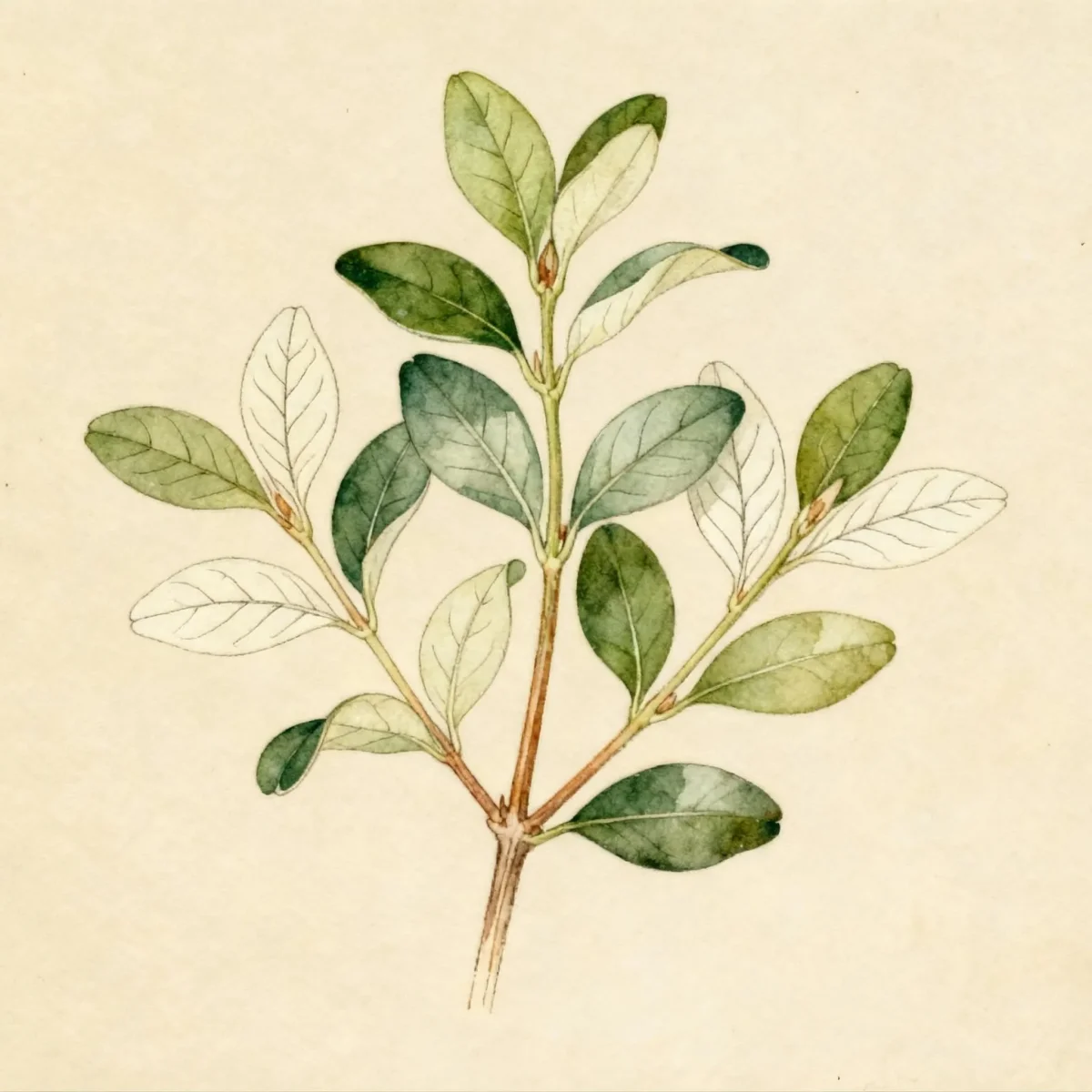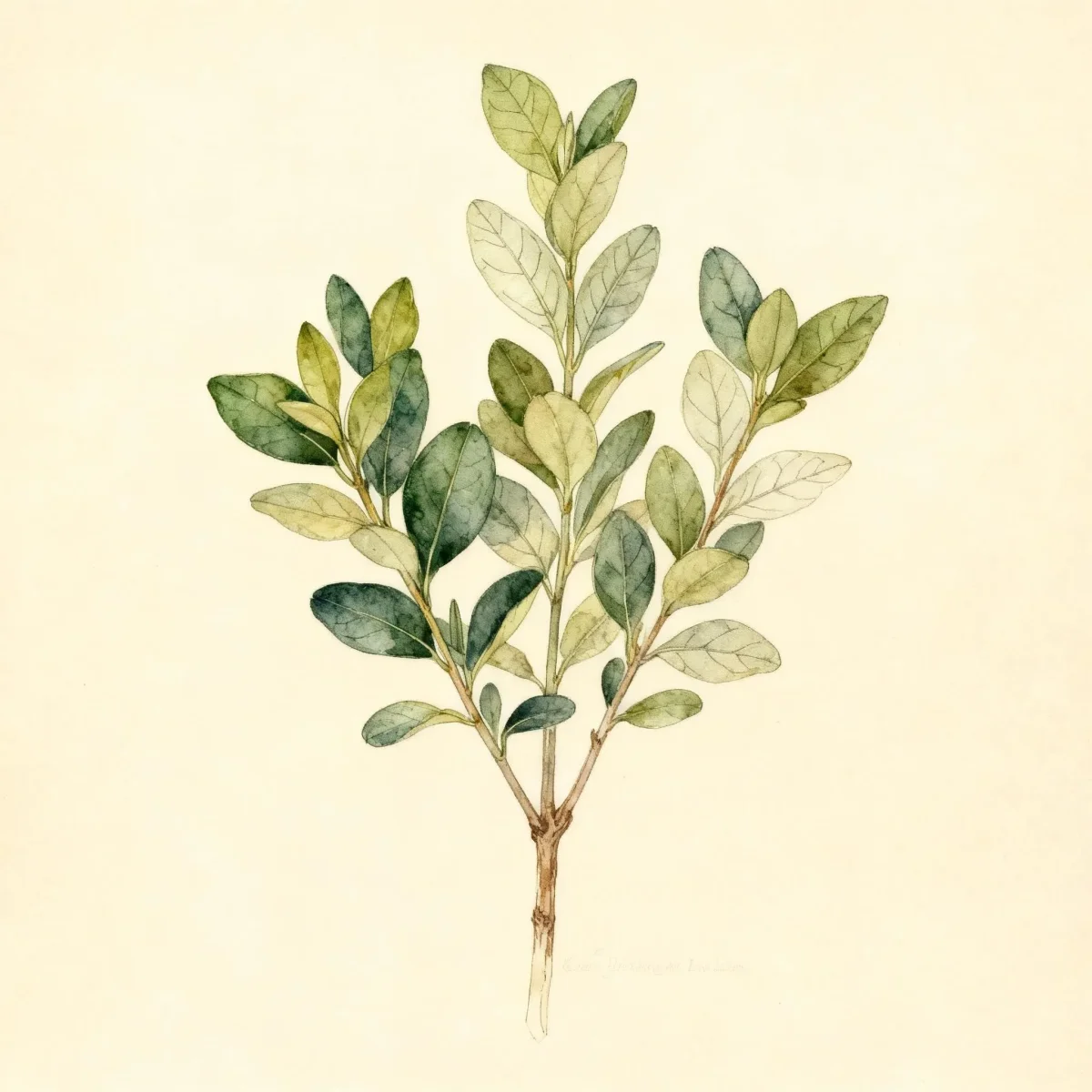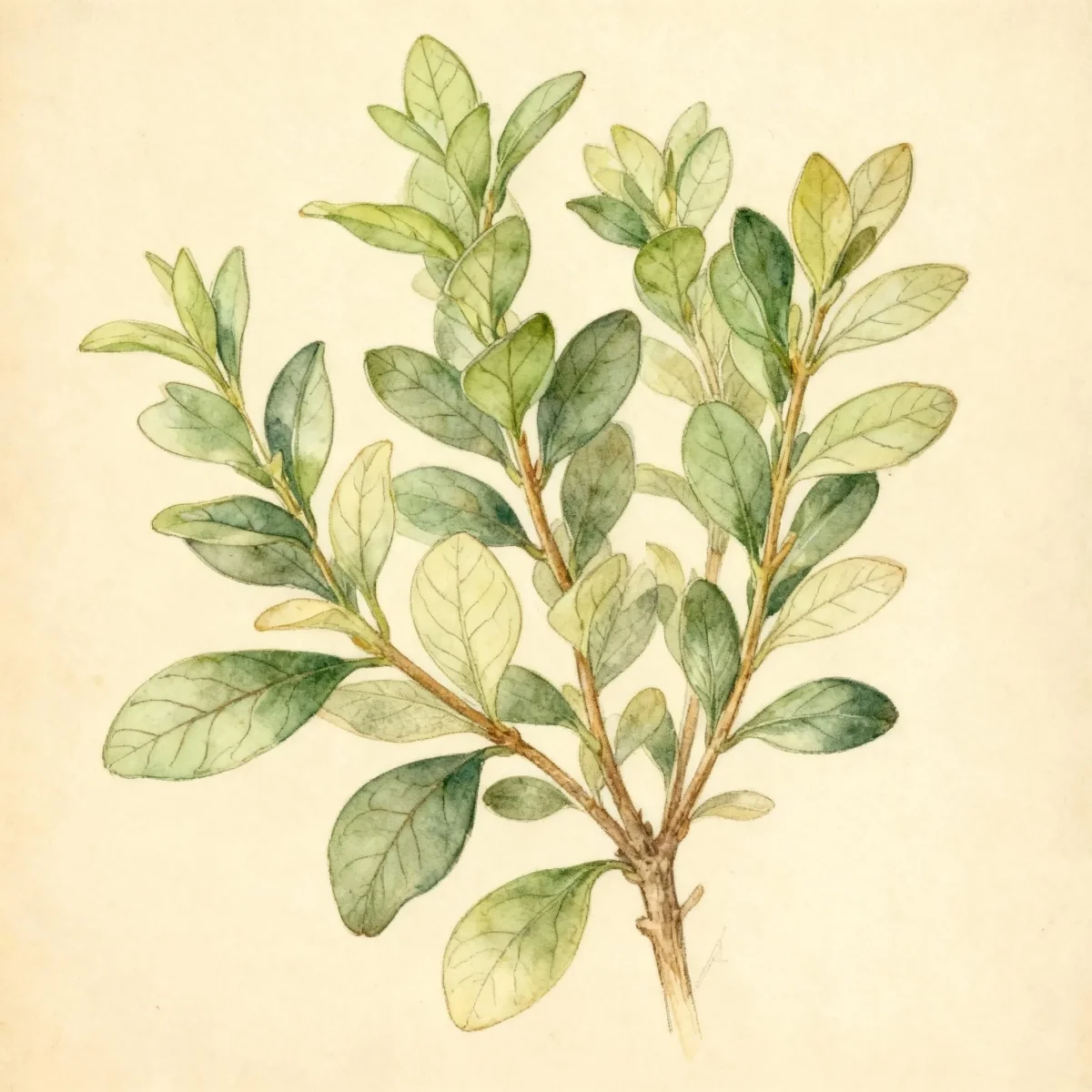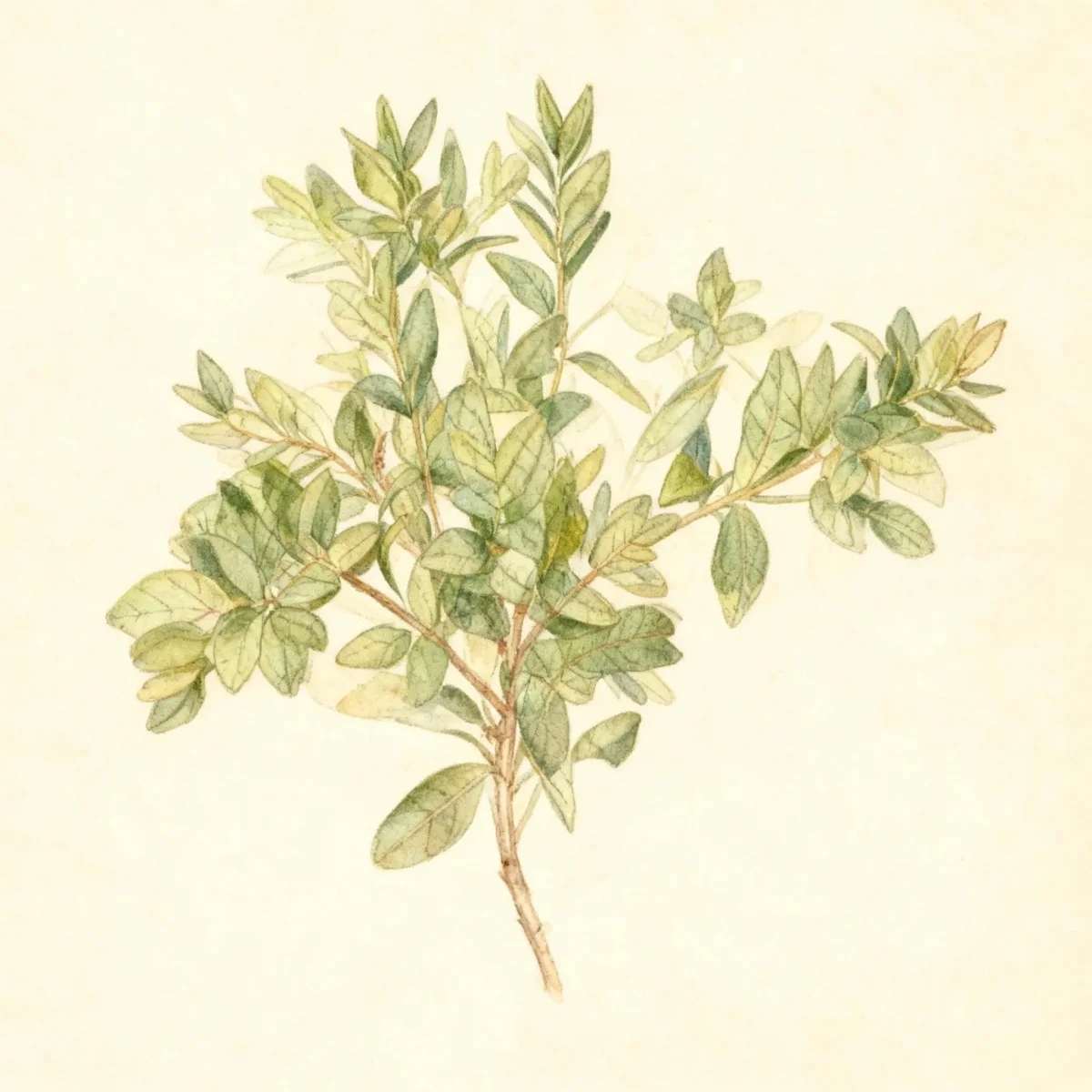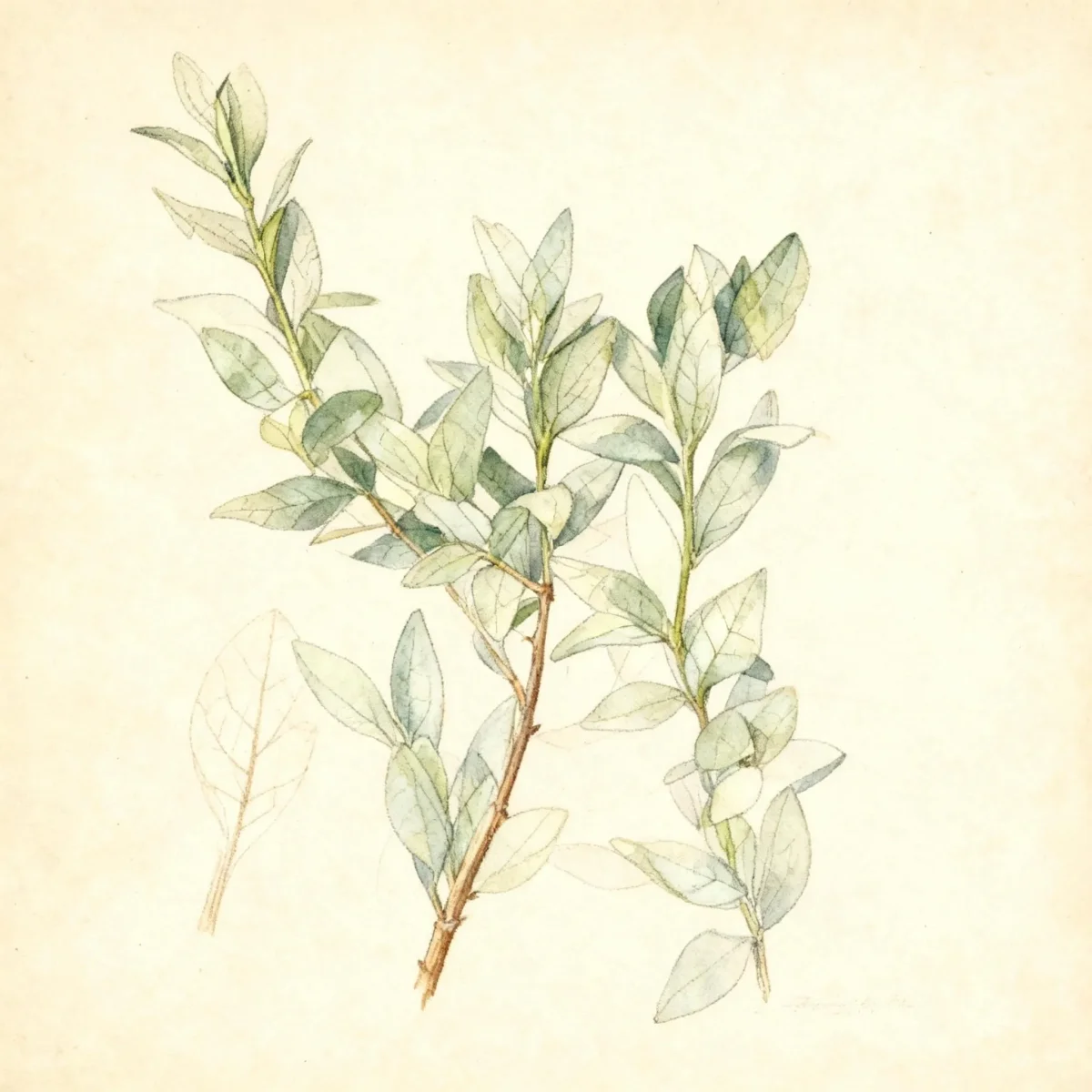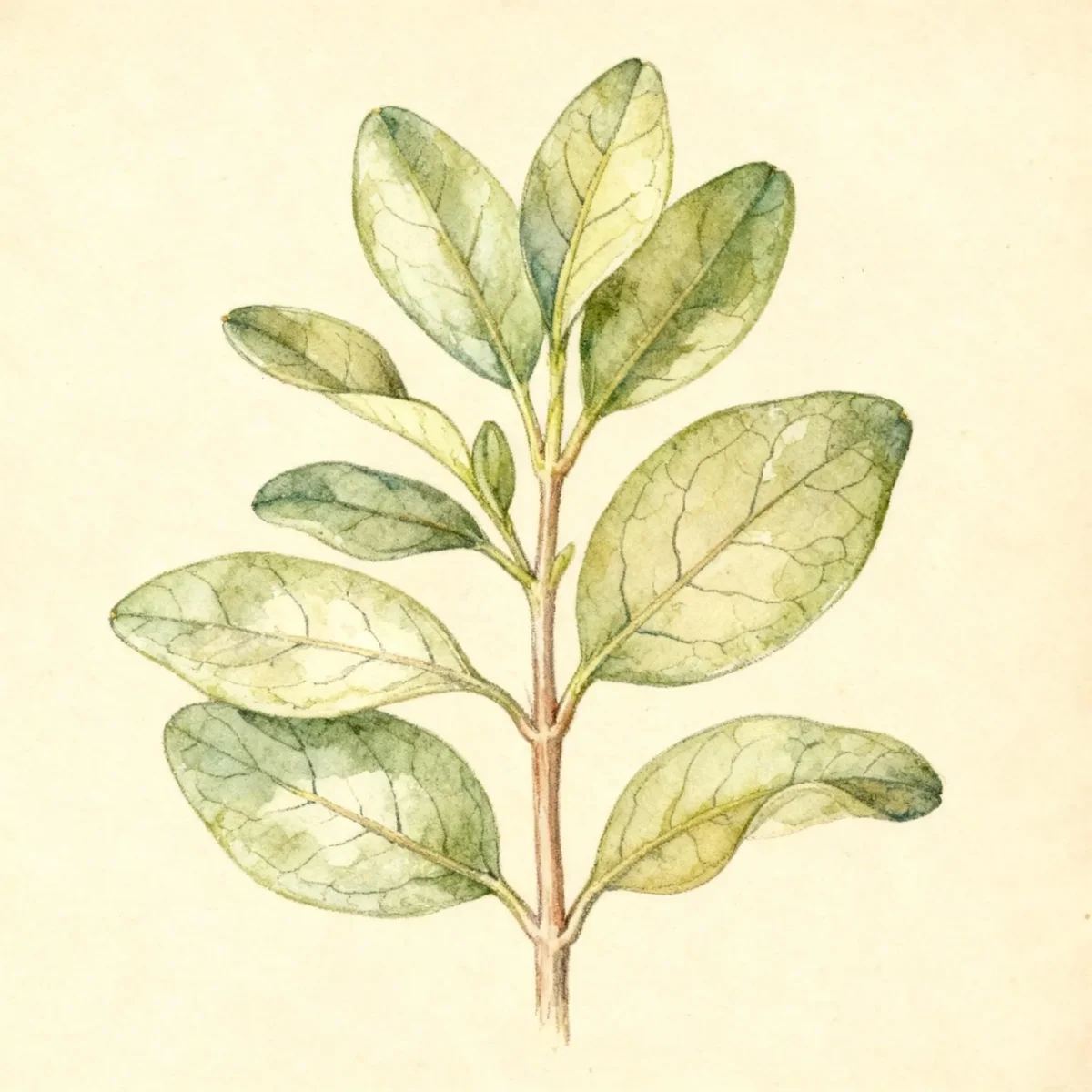

Korean boxwood (Buxus sinica var. Insularis 'Wintergreen')
Buxus sinica var. insularis 'Wintergreen' offers excellent winter hardiness for Zones 4-9. This Korean boxwood is a low-maintenance evergreen ideal for hedges.

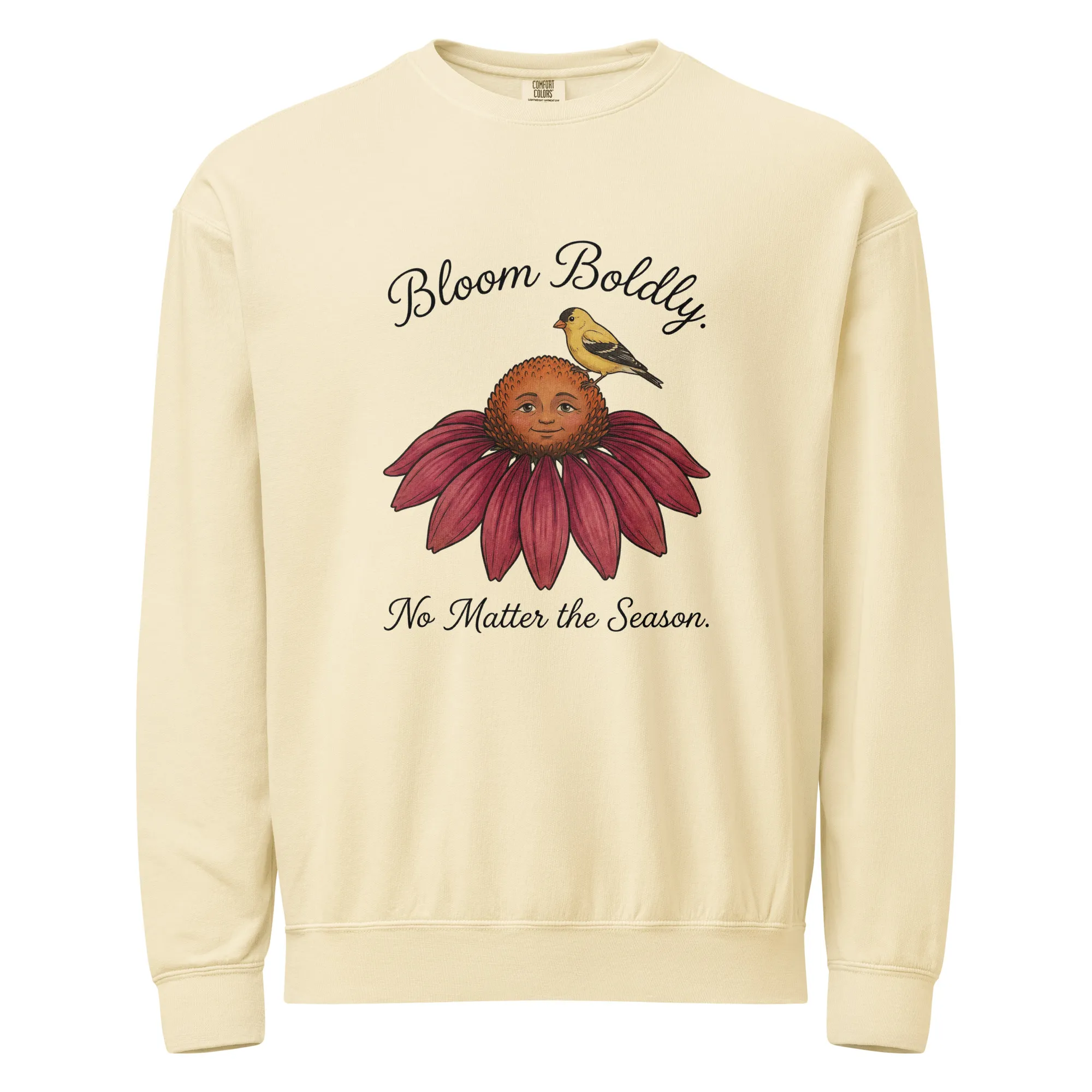
Bloom Boldly, No Matter the Season - Sweatshirt
Cozy organic cotton sweatshirt featuring our exclusive Purple Coneflower design. Perfect for gardeners who bloom year-round.
Inspired by the beautiful Korean boxwood
Limited first batch (50) — join the waitlist for early access
Waitlist closes Feb 15, 2026.
Complete Plant Information
Field Guide Continues
Ready for care notes, companion picks, and planting tips?
The map is just the start. The full guide below covers growth habits, seasonal performance, and landscape uses.
Overview
Buxus sinica var. insularis ‘Wintergreen’, commonly known as Korean boxwood, stands out for its superior cold tolerance compared to many other boxwood varieties, making it a reliable evergreen choice for northern landscapes. This dense, compact shrub features small, neat foliage that maintains good color, offering structure and year-round interest to garden designs. As an extremely hardy variety, the Korean boxwood provides excellent low-maintenance hedging or foundational massing.
‘Wintergreen’ is particularly valued because, as its name implies, it exhibits less winter bronzing when sited correctly, helping maintain aesthetic appeal throughout the dormant season. It is a slow grower, usually remaining manageable at 2 to 4 feet tall, though it can fill out to a wider spread of 3 to 5 feet if left unpruned. Gardeners appreciate Buxus sinica var. Insularis ‘Wintergreen’ for its clean structure and versatility in formal or informal settings.
Fast Facts
- Plant Family: Buxaceae
- Plant Type: Broadleaf evergreen
- Hardiness Zones: USDA Zones 4-9
- Size at Maturity:
- Height: 2-4 ft
- Spread: 3-5 ft
- Bloom Time: April
- Bloom Description: Greenish yellow
- Sun Exposure: Full sun to part shade
- Water Needs: Medium
- Maintenance Level: Low
How to Grow
The best time to establish your Korean boxwood is during the cooler seasons when the plant can focus energy on root establishment. Plant Buxus sinica var. insularis ‘Wintergreen’ in locations receiving average, medium moisture, well-drained soil. While adaptable, it prefers sun-dappled part shade and moist, sandy loams, thriving in a pH range that is slightly acidic to slightly alkaline.
Water needs are moderate; ensure the soil remains consistently moist, especially for newly planted specimens. Due to its shallow root system, avoid cultivating directly around the base of the shrub; instead, apply a 1-2 inch layer of mulch to retain soil moisture and moderate root temperature. Annual maintenance should involve lightly thinning the plants and promptly removing any dead or damaged branches to enhance air circulation throughout the dense structure of the shrub.
For gardeners in colder regions like USDA Zone 5, siting is crucial for winter success. Place Buxus sinica var. Insularis ‘Wintergreen’ where it is sheltered from harsh winter winds and intense, direct full sun exposure, which helps prevent leaf desiccation and bronzing. Overall, the low maintenance level and hardiness make this a favored choice among boxwoods for consistent performance.
Landscape Uses
The dense, mounding habit of Korean boxwood makes it exceptionally functional across various landscape roles. It serves wonderfully as a small hedge, providing crisp green definition along walkways or property lines, or it can be massed together to act as an evergreen ground cover. Buxus sinica var. insularis ‘Wintergreen’ also excels as a low foundation planting, softening concrete edges without ever obscuring architectural details due to its moderate, controlled size.
The clean texture of this boxwood pairs well with both fine-textured ornamental grasses and bold-leaved perennials. Plant Buxus sinica var. Insularis ‘Wintergreen’ near taller specimens that offer winter interest, such as upright evergreens or deciduous trees with striking bark. Its slow growth rate and tolerance for shearing also make it a suitable choice for bonsai enthusiasts seeking classic form.
Standout Features
Flower Qualities
- Fragrant
- Insignificant
Noteworthy Characteristics
Buxus sinica var. Insularis, commonly called Korean littleleaf boxwood, is a dense, compact, many-branched, broad, mounded evergreen shrub with a loose and open habit. An extremely hardy variety, Buxus sinica var. insularis ‘Wintergreen’ is a great selection for northern climates, exhibiting good winter color retention. Its small, ovate leaves are usually light yellowish green to medium green, providing year-round texture.
Tolerances
- Rabbit
- Deer
Potential Problems
Boxwood foliage is famously prone to bronzing, turning an unattractive brownish-yellow hue, especially in harsh winters when the plants are exposed to full sun and strong drying winds in open areas. Management involves proper winter siting in sheltered locations, particularly in Zone 5 and colder. Poorly-drained soils are a significant concern, leading directly to root rot; ensure excellent drainage before planting.
While Buxus sinica var. Insularis ‘Wintergreen’ is susceptible to pests like boxwood leafminer, boxwood mites, and the box tree moth, it often resists the common boxwood psyllid. Regular inspection and prompt treatment when pests are identified are key. Address any susceptibility to blights and leaf spot quickly through pruning to improve air circulation, which naturally reduces fungal pressure.
Frequently Asked Questions
What hardiness zones is Korean boxwood suitable for?
Buxus sinica var. insularis ‘Wintergreen’ is hardy across a wide range, suitable for USDA Zones 4 through 9.
How large does Korean boxwood grow?
This shrub typically reaches a mature height between 2 and 4 feet, with a spread between 3 and 5 feet if left unpruned.
What sun exposure does Buxus sinica var. insularis ‘Wintergreen’ need?
This variety performs best when sited in full sun to moderate part shade conditions.
When does Korean boxwood bloom?
The plant produces its inconspicuous flowers in April, which are described as greenish yellow.
Conclusion
The Korean boxwood, specifically the ‘Wintergreen’ cultivar, is a supremely valuable low-maintenance broadleaf evergreen celebrated for its resilience in cold conditions and its tidy, structural form. For gardeners seeking reliable hedging or foundation planting that resists winter bronzing, Buxus sinica var. insularis ‘Wintergreen’ is an excellent choice. Verify that your planting site offers well-drained soil and consider winter wind protection in the coldest zones before planning your installation.
Companion Planting
Companion planting near your boxwood helps maintain soil health and enhances visual appeal. Since Buxus sinica var. insularis ‘Wintergreen’ dislikes soil disturbance due to its shallow roots, select low-growing groundcovers that do not require aggressive cultivation once established. Consider using creeping thyme or sedums at the base, which help suppress weeds while maintaining a neat appearance around the shrub perimeter.
For vertical contrast in foundation plantings, pair the low, mounded forms of the Korean boxwood with taller, narrow plants that offer differing textures, such as upright junipers or slender columnar spireas. Ensure any companion shrubs share similar moisture and pH preferences to simplify long-term cultural care for the entire planting scheme.
Seasonal Care Calendar
Spring cleanup after the last hard frost is the best time to perform annual pruning, focusing on thinning out old wood to encourage robust new growth and improve airflow through the canopy of your Buxus sinica var. insularis ‘Wintergreen’. As the weather warms, ensure consistent watering until the plant is fully established, moving to medium supplemental watering through dry summer spells.
In the late fall, before the ground freezes, apply a fresh 1-2 inch layer of mulch around the base of the shrub. This application is critical for insulating the shallow roots from deep freezing and reducing moisture loss before winter winds arrive. If growing in borderline zones (like Zone 4), consider temporarily wrapping the plant or providing a burlap screen against harsh western winter sun and wind.