Feather reed grass(Calamagrostis × acutiflora 'Overdam')
Grow Overdam feather reed grass (Calamagrostis × acutiflora 'Overdam'): variegated cool-season grass, sterile upright wheat plumes, clay and wet soil tolerance.
Complete Plant Information
- Hardiness zones
- USDA 4–8
- Plant type
- Ornamental grass
- Plant family
- Poaceae
- Sun exposure
- Full sun to part shade
- Water needs
- Medium to wet
- Maintenance
- Low
- Height
- 3–4.5 ft (91–137 cm)
- Spread
- 1.5–2 ft (46–61 cm)
- Bloom time
- June to February
- Flower color
- Feathery pinkish-bronze panicles narrowing into rigid, upright golden-wheat spikes that persist all winter
- Flower qualities
- Showy, Good Cut, Good Dried
- Fruit qualities
- Not recorded
- Tolerances
- Erosion, Wet Soil, Clay Soil, Air Pollution, Black Walnut, Deer
- Garden uses
- Vertical garden accent, rain garden, formal walkway rhythm, screening column
- Native range
- Europe, temperate Asia (cultivar selection originating in Denmark)
Field Guide Continues
Ready for care notes, companion picks, and planting tips?
The map is just the start. The full guide below covers growth habits, seasonal performance, and landscape uses.
Overview
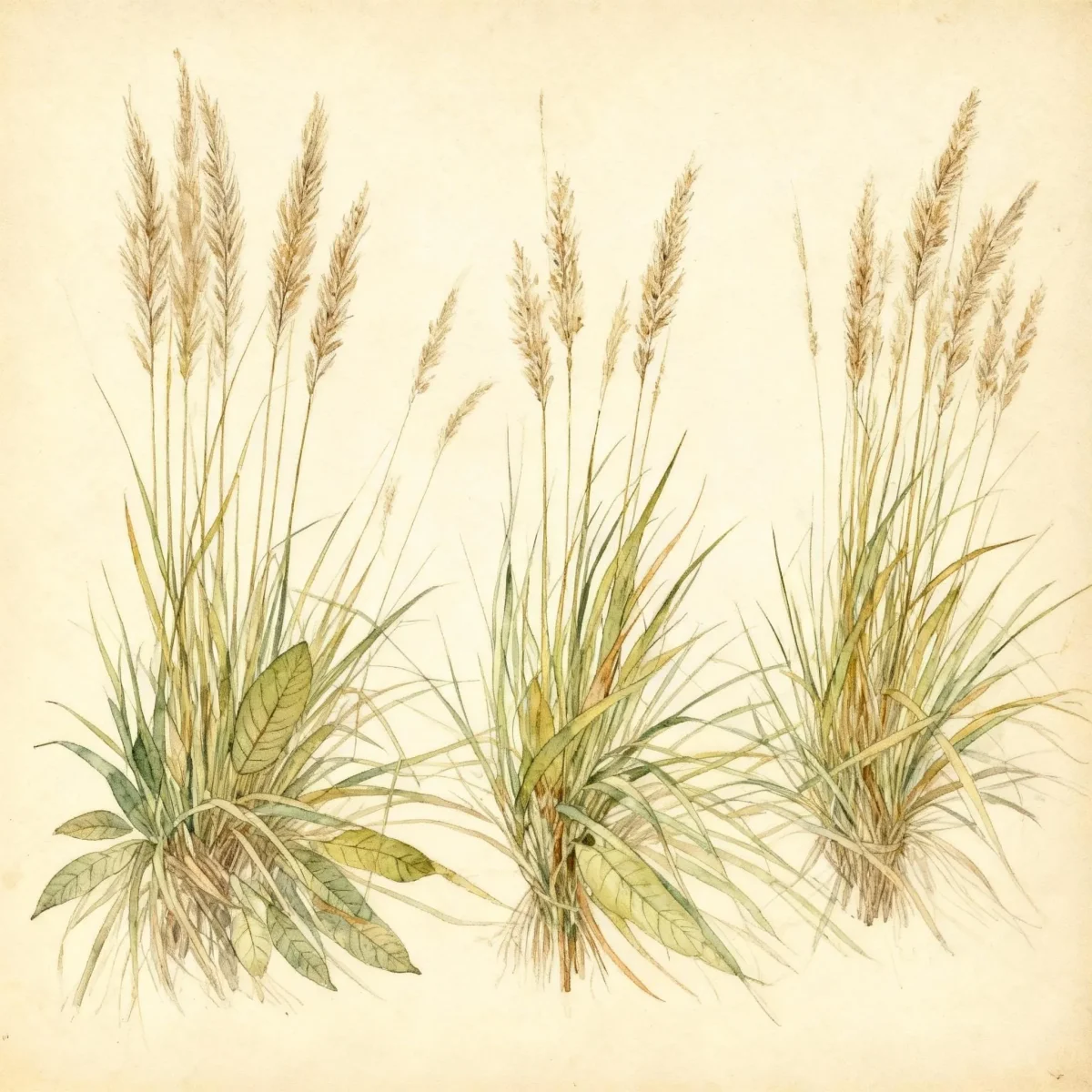
Overdam variegated feather reed grass (Calamagrostis × acutiflora ‘Overdam’) is a cool-season ornamental grass hardy in USDA Zones 4 through 8, holder of the Royal Horticultural Society’s Award of Garden Merit. Discovered in Denmark, it is celebrated for its strictly upright, architectural growth habit: foliage forms a neat, non-spreading 2-foot clump of arching green leaves edged in creamy white, while rigid, vertical flowering stems rise 3 to 4.5 feet high. Blooming in early summer and holding its golden-wheat seed plumes through wind and heavy winter snow without splaying, ‘Overdam’ provides effortless four-season vertical structure.
As a cool-season grass, it breaks dormancy in early spring weeks ahead of warm-season grasses. Its flowers are completely sterile, guaranteeing zero self-seeding weediness in lawn or garden beds.
How to Grow
- Sunlight: Full sun (at least 6 hours direct daily light) produces the sturdiest upright flowering spikes. In hot southern climates (Zone 8), light afternoon shade helps prevent variegated leaf margins from scorching.
- Soil & Clay Tolerance: Outstanding performer in heavy, poorly drained clay soil. Handles seasonal standing water and soggy ground exceptionally well, making it an ideal vertical accent for rain gardens, bioswales, and pond margins. Once established, it also tolerates ordinary garden soil and moderate summer dryness.
- Early Late-Winter Cutback: Because cool-season grasses sprout early in spring, cut the entire clump down to 3 to 4 inches in late winter (February or early March) before green new blades emerge to avoid clipping the tips of new spring growth.
- Watering: Provide consistent moisture during the spring vegetative flush. Drought-tolerant once deep root systems anchor into native soil.
Landscape Uses
- Architectural Vertical Rhythm: Planted in a repeating row along walkways or property borders, its pencil-straight stems create formal vertical cadence.
- Rain Garden & Swale Anchor: Absorbs heavy seasonal stormwater runoff and filters sediment without rotting.
- Four-Season Texture: Dried golden-wheat plumes persist through heavy winter snow, creating visual interest against evergreen backdrops.
Potential Problems
- Flopping in Excessive Shade: Shaded exposures cause flowering stems to lean and foliage variegation to fade.
- Late Cutback Damage: Cutting back in late spring can accidentally trim off the tips of emerging new green foliage.
- Rust Fungus in Stagnant Air: In humid, stagnant southern gardens, foliar rust can occasionally appear; ensure good air circulation.
Frequently Asked Questions
How does ‘Overdam’ compare to ‘Karl Foerster’?
‘Overdam’ is more compact (topping out around 3 to 4.5 feet in flower compared to 5 to 6 feet for ‘Karl Foerster’) and features variegated leaves edged in creamy-white with a spring pink flush.
Does ‘Overdam’ spread invasively?
No. Calamagrostis × acutiflora is a sterile hybrid that produces no viable seed and forms a tight, non-running clump.
When should I cut back feather reed grass?
Cut clumps back in late winter (February or March) before green spring shoots appear.
Companion Plants
Pair Overdam feather reed grass with flowering perennials that contrast with its slender vertical plumes:
- Mounded Summer Perennials: Plant alongside black-eyed Susans (Rudbeckia), purple coneflowers (Echinacea), and Russian sage (Salvia yangii).
- Rain Garden Partners: Combine with blue flag iris, cardinal flower (Lobelia cardinalis), and swamp milkweed (Asclepias incarnata).
- Autumn Color Perennials: Interplant with sedum ‘Autumn Joy’ and New England asters.
Sources & Lineage
- Missouri Botanical Garden PlantFinder: Record taxon 243337 (Calamagrostis × acutiflora ‘Overdam’) — morphology, Danish origin, and winter plume longevity.
- Kew Plants of the World Online (POWO): Calamagrostis × acutiflora (Schrad.) DC. (POWO: 394262-1) — hybrid taxonomy, family (Poaceae), and European distribution.
- Royal Horticultural Society (RHS): Calamagrostis × acutiflora ‘Overdam’ AGM — Award of Garden Merit profile and garden performance trials.
Recommended Companion Plants
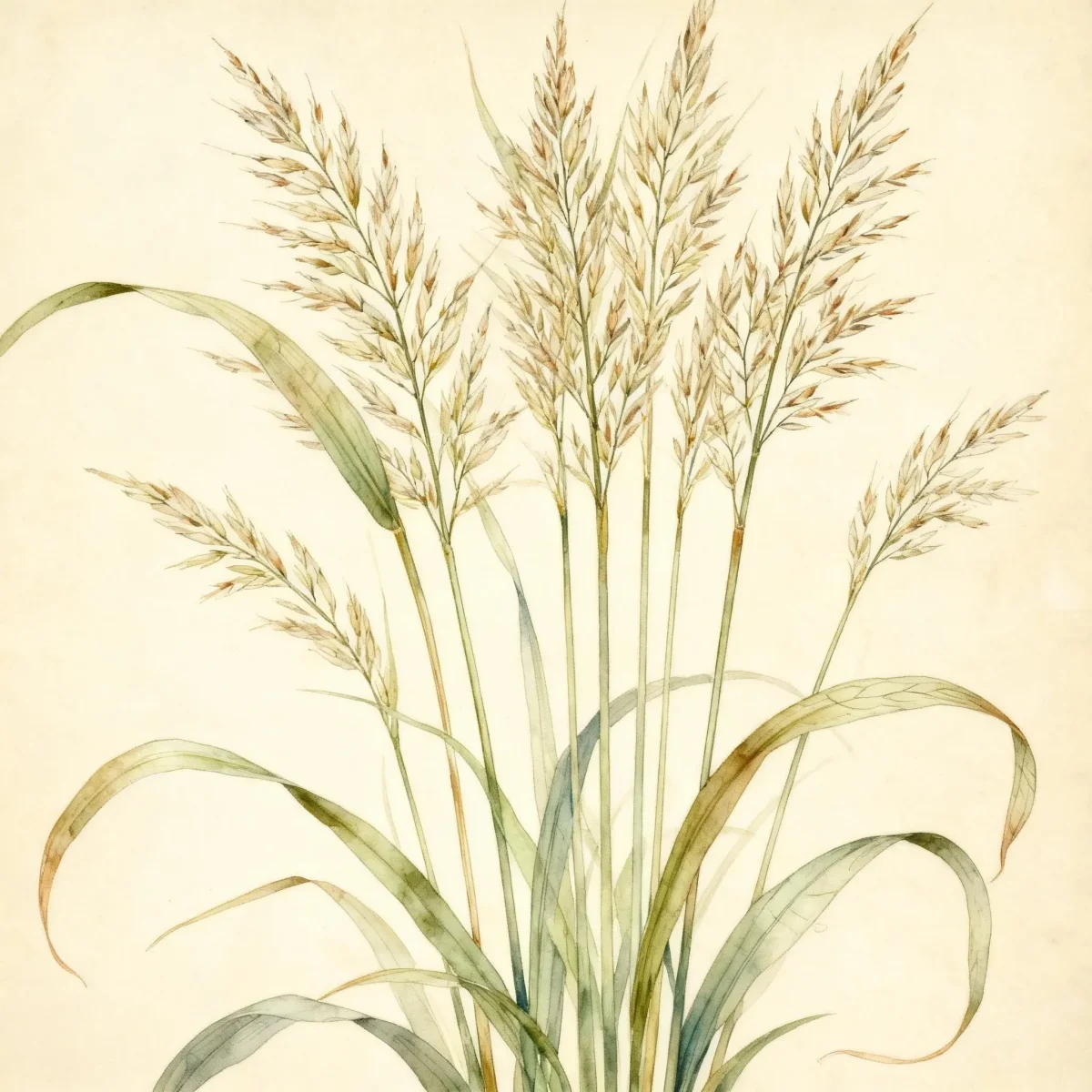
Switch grass
Panicum virgatum 'Cloud Nine'
- USDA zones
- 5–9
- Light
- Full sun to part shade
- Water
- Medium to wet
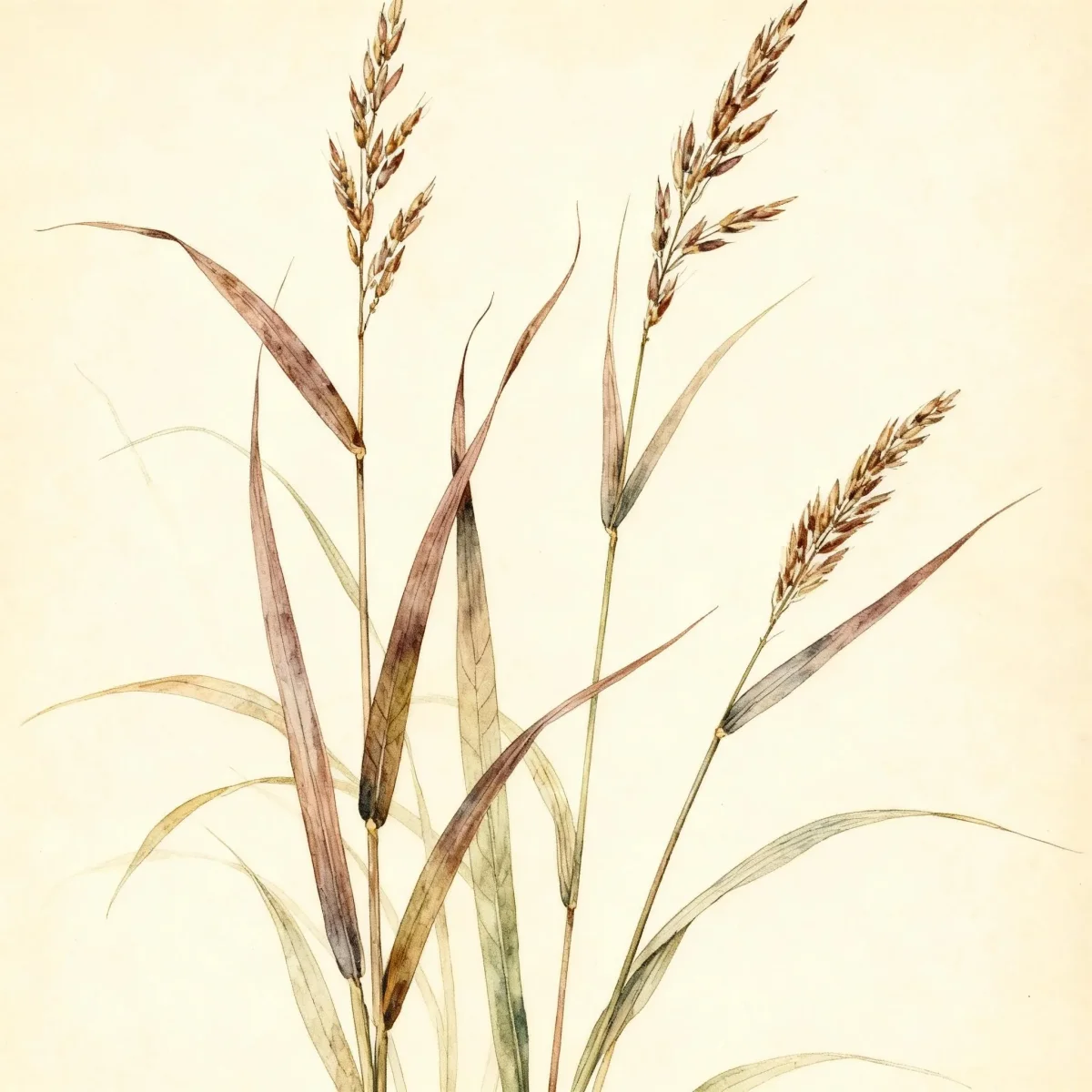
Switch grass
Panicum virgatum 'Heavy Metal'
- USDA zones
- 5–9
- Light
- Full sun to part shade
- Water
- Medium to wet
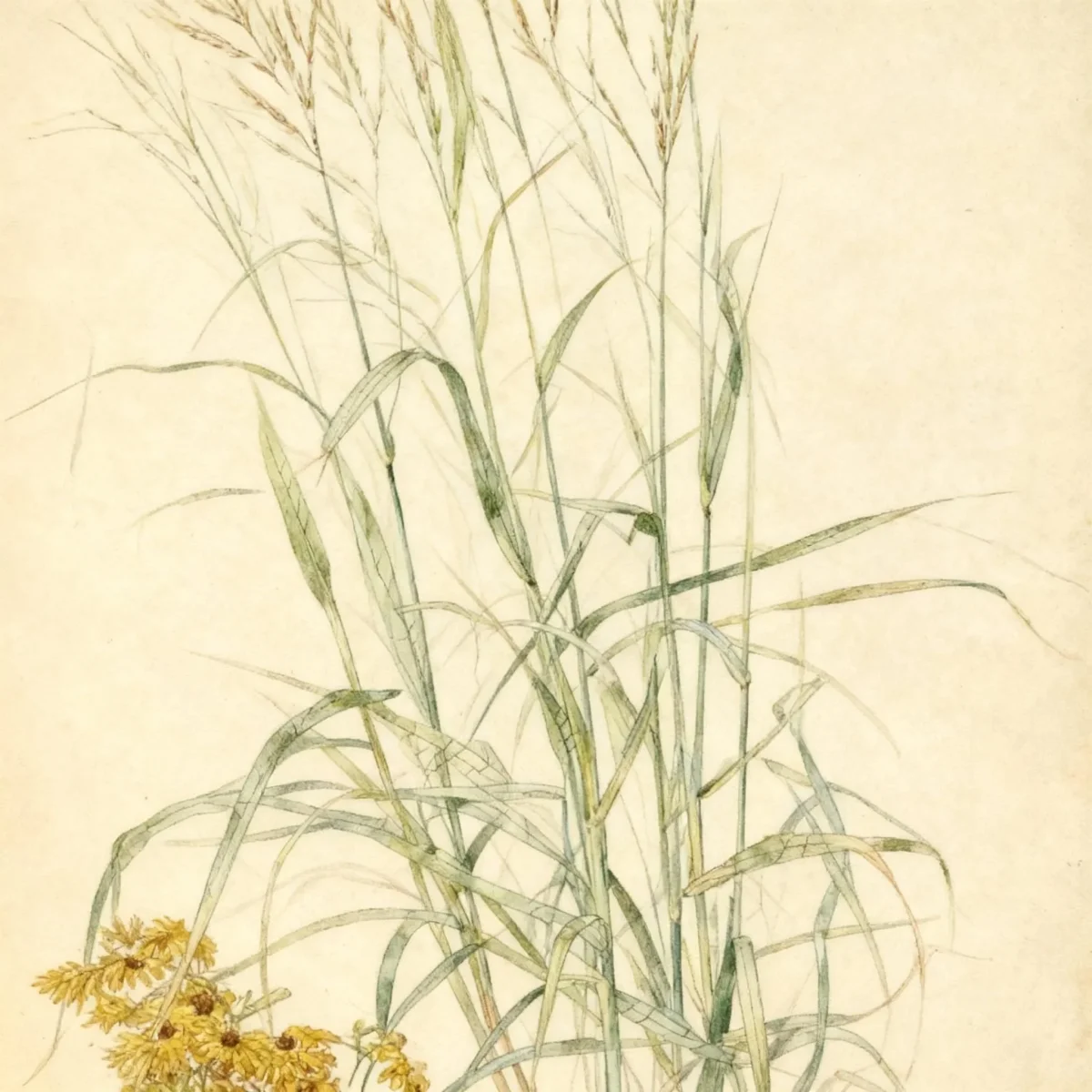
Switch grass
Panicum virgatum 'Prairie Sky'
- USDA zones
- 4–9
- Light
- Full sun to part shade
- Water
- Medium to wet
Switch grass
Panicum virgatum 'Rehbraun'
- USDA zones
- 5–9
- Light
- Full sun to part shade
- Water
- Medium to wet

Switch grass
Panicum virgatum 'Rotstrahlbusch'
- USDA zones
- 5–9
- Light
- Full sun to part shade
- Water
- Medium to wet
Switch grass
Panicum virgatum 'Squaw'
- USDA zones
- 5–9
- Light
- Full sun to part shade
- Water
- Medium to wet
Keep Learning
Test what you know with a garden quiz
You have the plant facts and care notes. Continue with a related challenge, or browse the complete quiz library.

Can You Identify These Common Garden Plants? Test Your Plant Knowledge
Think you know your roses from your peonies? Test your plant identification skills with our comprehensive garden plant quiz featuring 10 challenging questions.
Start quiz
USDA Garden Zone Map Quiz
Use this USDA garden zone map quiz to check whether you can read hardiness zones and choose plants with more confidence.
Start quizBrowse the full quizzes section
Explore plant identification, zone strategy, and seasonal gardening challenges.
View all quizzes