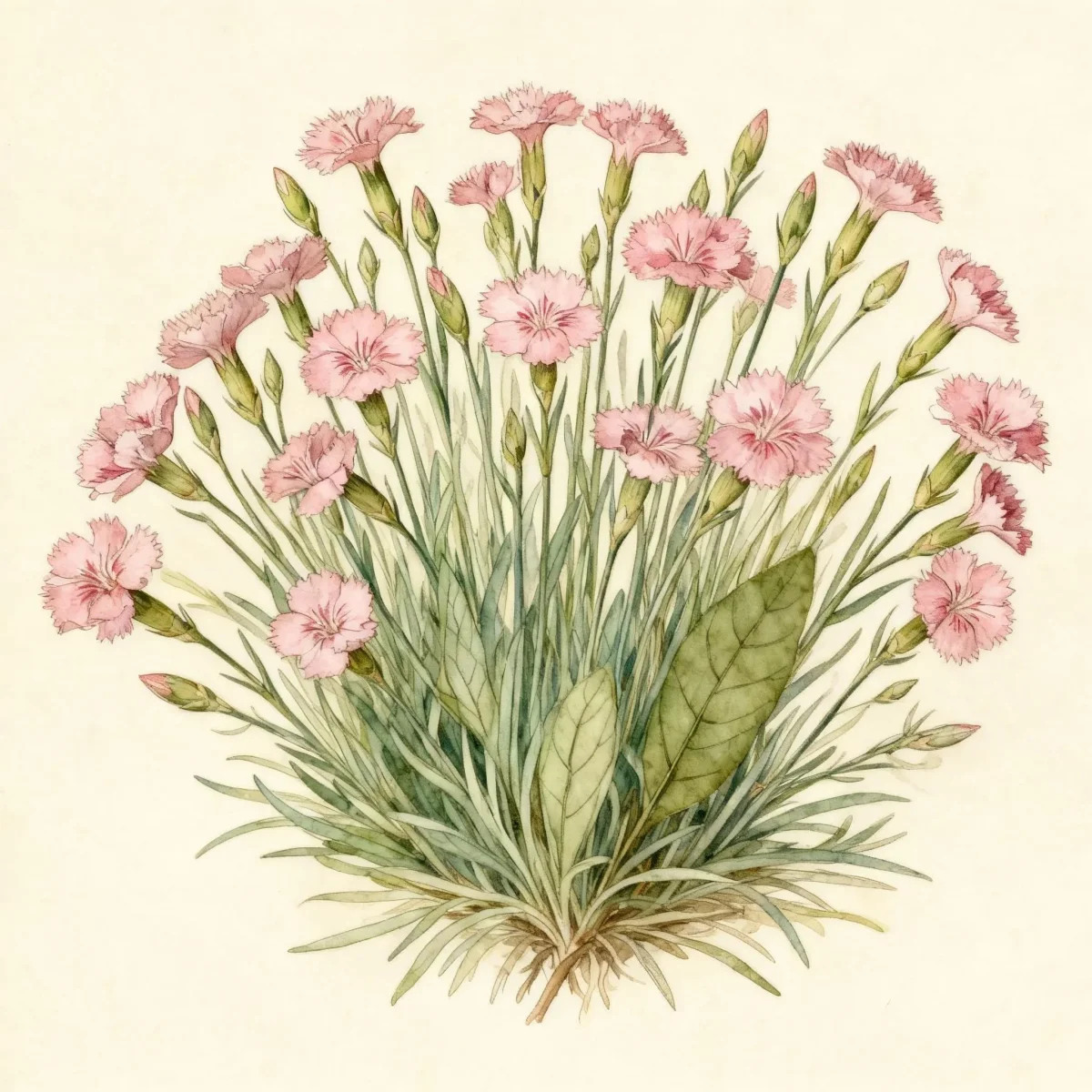
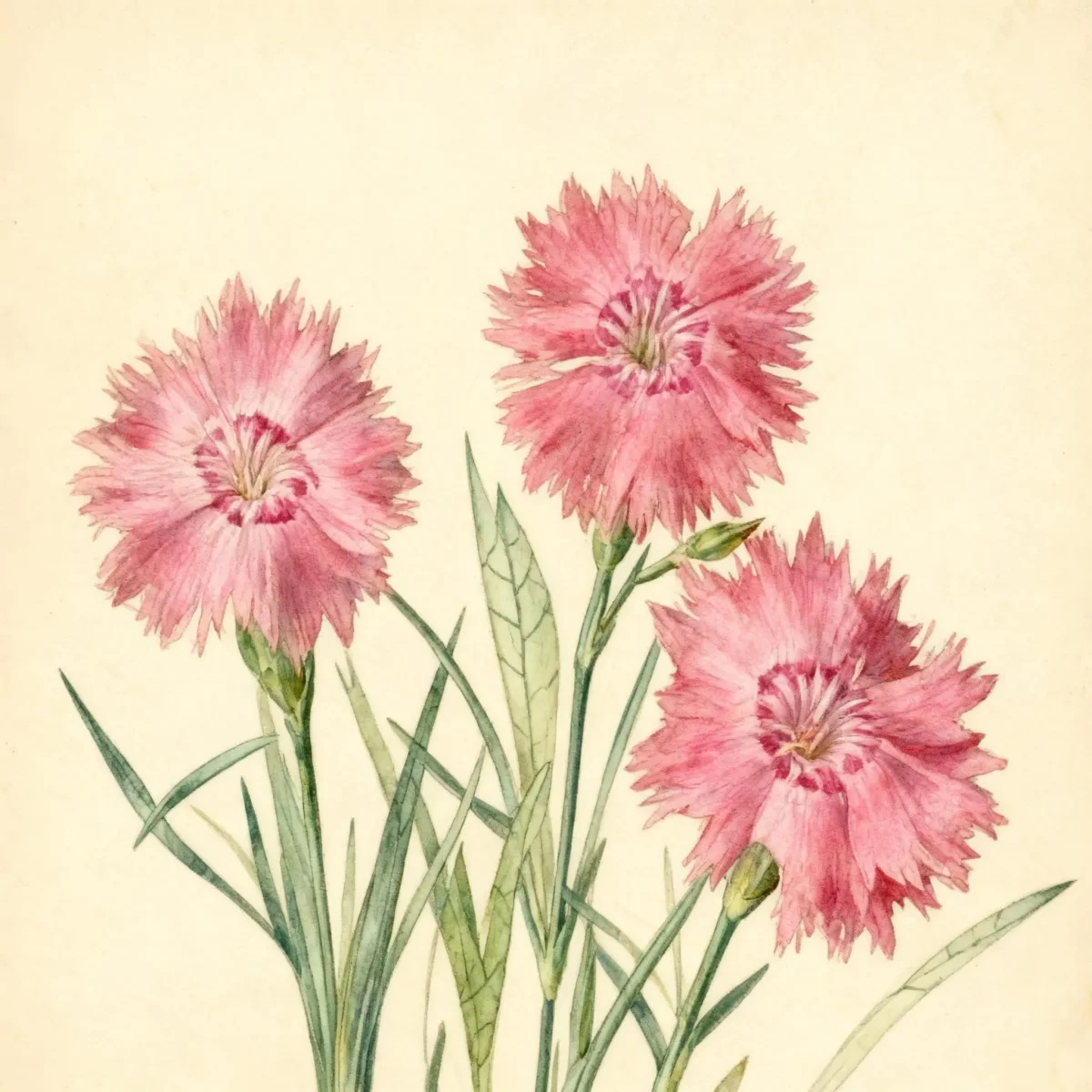
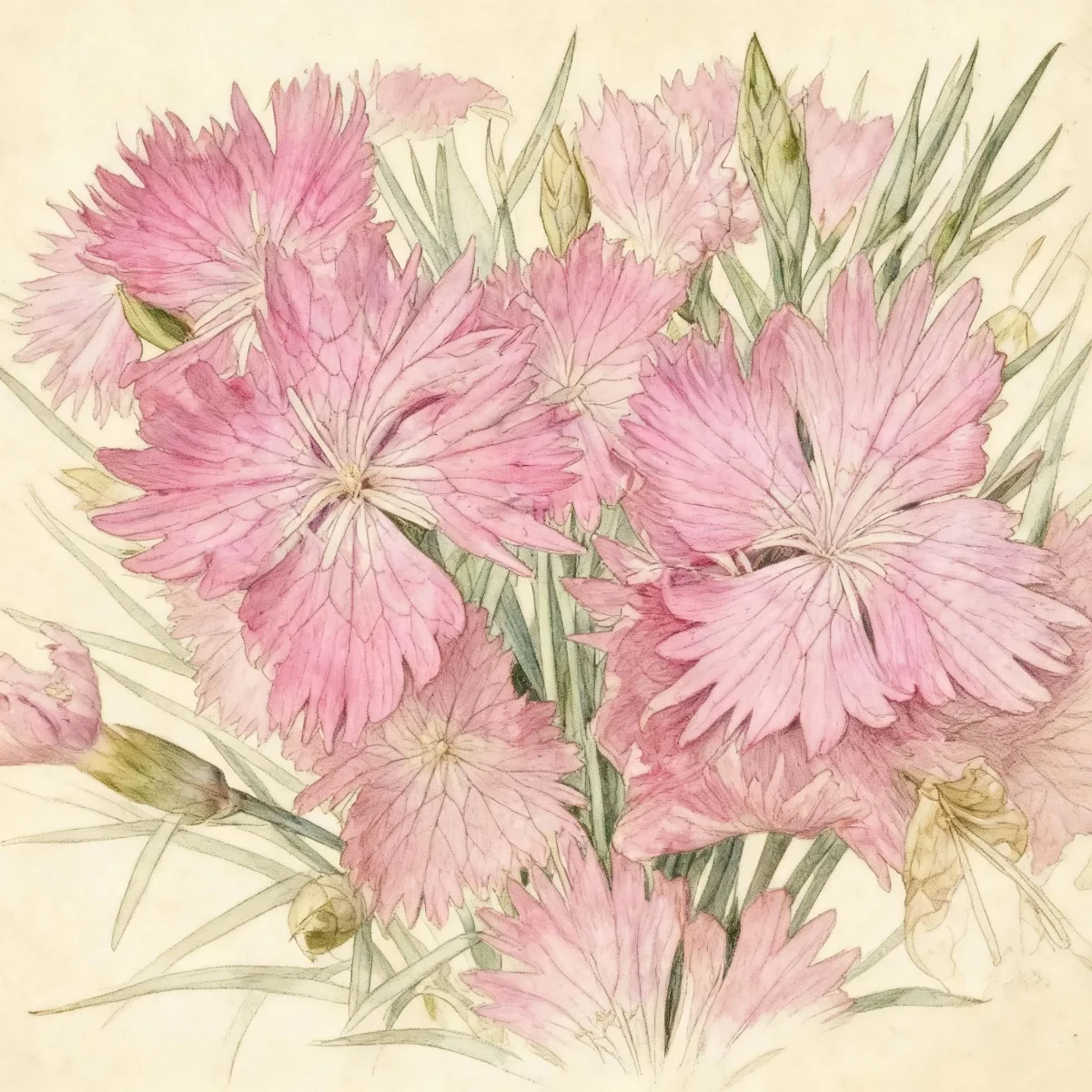
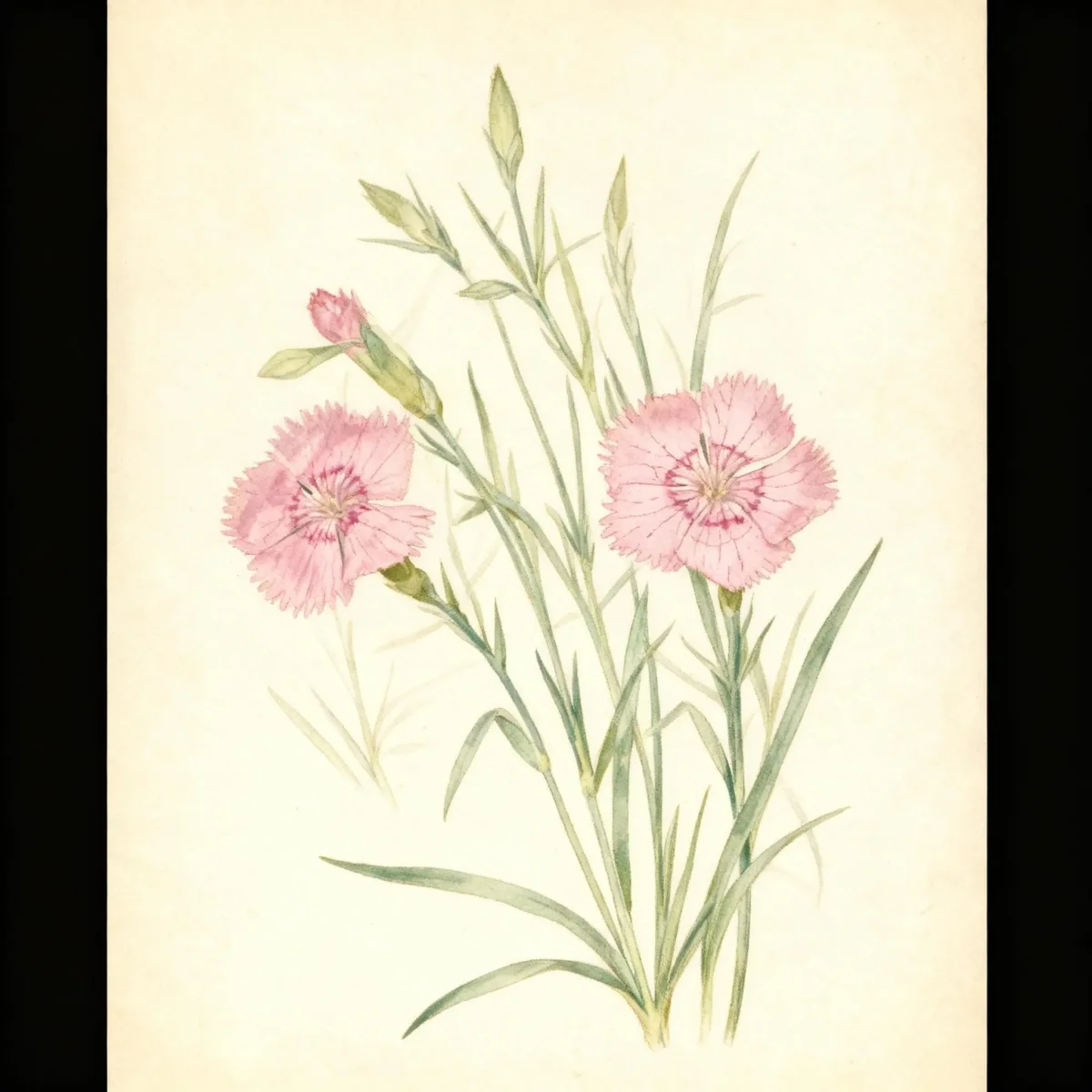
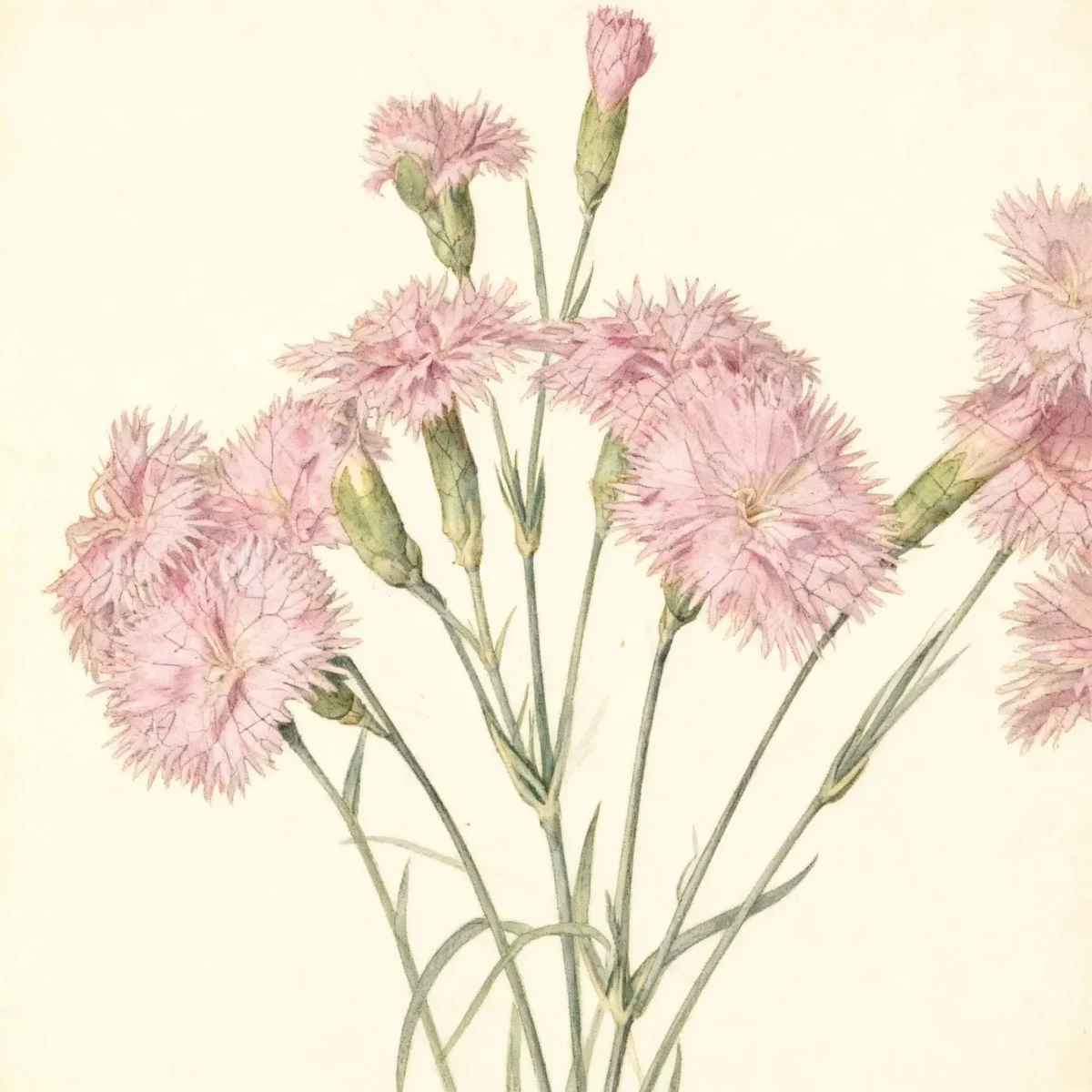
Cheddar pink (Dianthus 'Mountain Mist')
Dianthus 'Mountain Mist,' or Cheddar pink, offers smoky pink, fragrant blooms in late spring. Low maintenance perennial ideal for sunny borders.

Bloom Boldly, No Matter the Season - Sweatshirt
Cozy organic cotton sweatshirt featuring our exclusive Purple Coneflower design. Perfect for gardeners who bloom year-round.
Inspired by the beautiful Cheddar pink
Limited first batch (50) — join the waitlist for early access
Waitlist closes Feb 15, 2026.
Complete Plant Information
Field Guide Continues
Ready for care notes, companion picks, and planting tips?
The map is just the start. The full guide below covers growth habits, seasonal performance, and landscape uses.
Overview
Dianthus ‘Mountain Mist,’ commonly known as Cheddar pink, is valued by gardeners for its compact habit and highly scented, smoky pink flowers that appear across late spring into early summer. This vigorous, clump-forming perennial provides excellent texture with its narrow, silvery-blue foliage that remains attractive throughout the growing season. It is an easy-to-grow addition to many garden settings, often rewarding patient gardeners with a potential repeat bloom cycle in the fall.
As a type of perennial dianthus, this cultivar offers significant aesthetic appeal without demanding constant attention. The characteristic fringed petals give the flowers a delicate, lacy appearance, distinguishing Dianthus ‘Mountain Mist’ from common garden varieties. Its low maintenance needs and tolerance for drier conditions make the Cheddar pink a reliable choice for sunny locations where other plants might struggle.
The plant benefits significantly from abundant sunlight but appreciates cooler summer temperatures, thriving across a wide range of climates. Its relatively small size makes it perfect for defining borders or adding low-level color contrast against rockwork. Ensuring proper drainage is key to long-term success with the Cheddar pink.
Fast Facts
- Plant Family: Caryophyllaceae
- Plant Type: Herbaceous perennial
- Hardiness Zones: USDA Zones 3-8
- Size at Maturity:
- Height: 0.75-1 ft
- Spread: 0.75-1 ft
- Bloom Time: May to June
- Bloom Description: Smoky pink
- Sun Exposure: Full sun
- Water Needs: Medium
- Maintenance Level: Low
How to Grow
The Dianthus ‘Mountain Mist’ thrives best when planted in full sun, which is essential for maximizing flower production. It adapts well to average, evenly moist, well-drained soils, but performs optimally in organically rich, gritty loams that trend towards neutral or slightly alkaline pH. Good drainage is non-negotiable; integrate leaf mold or other organic material sparingly to improve water retention during hot spells without creating waterlogged conditions.
Watering needs are best described as medium. While establishing, ensure consistent moisture, but once mature, the drought tolerance of Cheddar pink means it requires less intervention. Avoid overhead watering when possible, aiming water directly at the base of the plant, especially in humid environments, to mitigate fungal risks.
Maintenance for Dianthus ‘Mountain Mist’ is generally low. Deadheading spent flowers encourages the plant to put energy into producing additional blooms later in the season. For a tidier appearance following the main flush of spring color, consider shearing the plant back lightly after blooming ends to promote new foliage growth and encourage potential late-season flowering.
Landscape Uses
The compact stature and dense mat-forming habit of Dianthus ‘Mountain Mist’ make it superbly suited for defining the front edge of perennial borders. Its silvery-blue foliage provides a cool contrast against nearly any other color palette in the garden. This Cheddar pink is invaluable for front-of-border plantings where height won’t obscure taller neighbors.
Rock gardens are perhaps the perfect setting for this dianthus, allowing its preferred gritty, well-drained soil conditions to be easily replicated. Planting along pathways also works well, as the low profile ensures that its beautiful blooms remain visible without impeding passage. Its hardiness and drought tolerance ensure it remains attractive even in rocky, exposed areas.
When designing beds, utilize the contrasting foliage texture against plants with broader, darker leaves. Consider pairing the perennial dianthus with species that share a love for afternoon sun and sharp drainage, such as Sedum, creeping Thyme, or low-growing Penstemons, to create a tapestry of low-maintenance, drought-resistant color.
Standout Features
Flower Qualities
- Showy
- Fragrant
Noteworthy Characteristics
Perennial dianthus, commonly called carnations or pinks, are loosely-tufted, herbaceous perennials that features fragrant, often double flowers on stiff stems clad with narrow, linear, gray-green leaves. The species typically used in hybridizing include D. Caryophyllus, D. Gratianopolitanus, and D. Plumarius. The common name of ‘pink’ refers to the fringed petal margins, which resemble cuts made by pinking shears. Dianthus ‘Mountain Mist’ specifically offers numerous, single, fringed, scented, smoky pink flowers, supported by vigorous tufts of silvery-blue foliage.
Tolerances
- Deer
- Drought
- Dry Soil
Potential Problems
Carnations, including this Cheddar pink variety, can occasionally face issues from fungal, bacterial, or viral pathogens, such as botrytis, rust, powdery mildew, and leaf spots. They are also occasionally subjected to common garden pests like aphids, caterpillars, and spider mites. These disease and pest issues are far less problematic when the plant is grown outdoors in a garden setting compared to controlled greenhouse environments for cut flower production.
Prevention focuses primarily on optimal cultural conditions. Ensure excellent air circulation by spacing plants appropriately according to their mature spread. Good horticultural practice, including immediate cleanup of dead or diseased foliage, minimizes pathogen carryover. If pests appear, targeted application of insecticidal soap is often effective without harming beneficial insects.
It is important to note that deer tend to avoid this particular dianthus, adding to its low-maintenance appeal in areas with active browsing pressure.
Frequently Asked Questions
What hardiness zones is Cheddar pink suitable for?
Dianthus ‘Mountain Mist’ is suitable for USDA Hardiness Zones 3 through 8, offering excellent cold tolerance.
When does Dianthus ‘Mountain Mist’ bloom?
This variety typically bursts into bloom from May to June, showcasing its distinctive smoky pink flowers, with potential for repeat blooming later in the season.
What sun exposure does Cheddar pink need?
This Cheddar pink requires full sun exposure to achieve its best flowering performance in the garden.
How large does Dianthus ‘Mountain Mist’ grow?
The mature size of this plant is relatively consistent, reaching a height between 0.75 and 1 foot tall, with a similar spread of 0.75 to 1 foot wide.
Conclusion
Dianthus ‘Mountain Mist’ brings reliable structure, appealing silvery foliage, and wonderfully fragrant flowers to the sunny garden border. Its low maintenance requirements and resistance to deer browsing make the Cheddar pink an incredibly practical choice for gardeners seeking lasting, low-effort beauty. Before planting, verify that your site offers the necessary full sun and, critically, excellent drainage to ensure this lovely perennial flourishes for years to come.
Companion Planting
When selecting neighbors for Dianthus ‘Mountain Mist’, prioritize plants that share its love for full sun and dry, well-draining soil profiles. Mediterranean herbs like culinary Sage (Salvia officinalis) or Lavender (Lavandula) create wonderful textural and fragrant companions, thriving under similar lean soil conditions. These pairings complement the Cheddar pink both culturally and aesthetically.
Consider plants that offer summer or late-season color to transition the garden after the main flush of the dianthus fades in June. White or silver foliage plants work particularly well next to the silvery leaves of Dianthus ‘Mountain Mist’ to enhance its visual appeal throughout the season. Yarrow (Achillea) varieties offer flat-topped flowers that contrast nicely with the upright stems of the Cheddar pink.
Propagation Tips
The propagation of Dianthus ‘Mountain Mist’ is most reliably achieved through cuttings taken during the active growing season. Rooting semi-hardwood cuttings taken in late spring or early summer often yields the best success rate for establishing new, true-to-type plants. Ensure cuttings are taken from healthy stems and placed in a sterile, gritty propagation medium.
While some dianthus species can be grown from seed, hybrid cultivars like ‘Mountain Mist’ may not breed true when grown this way, often resulting in variable flower colors or habits. For the home gardener seeking to increase their stock of this specific Cheddar pink, division of established clumps in spring or fall is a viable alternative, though this plant prefers not to be heavily disturbed once settled.