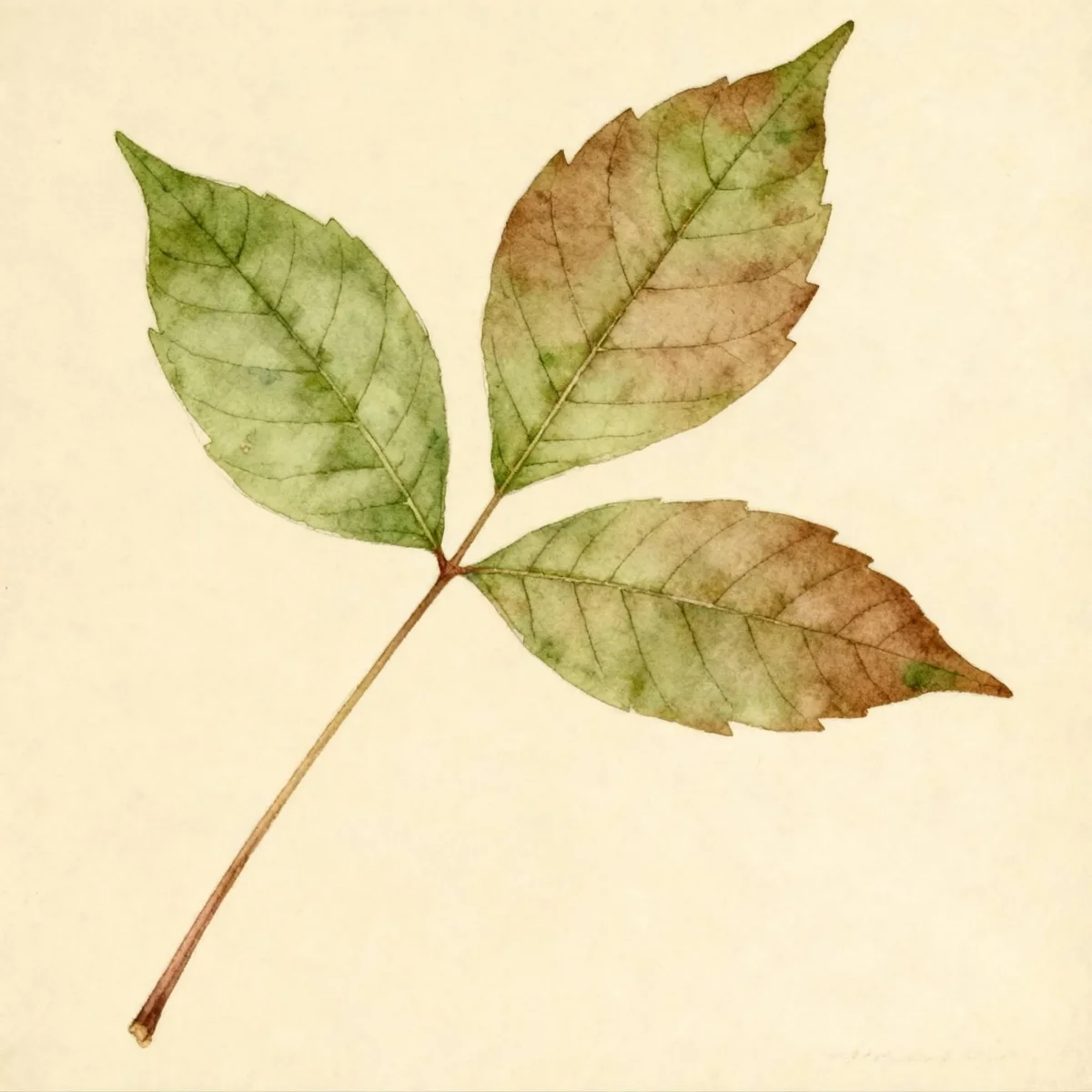
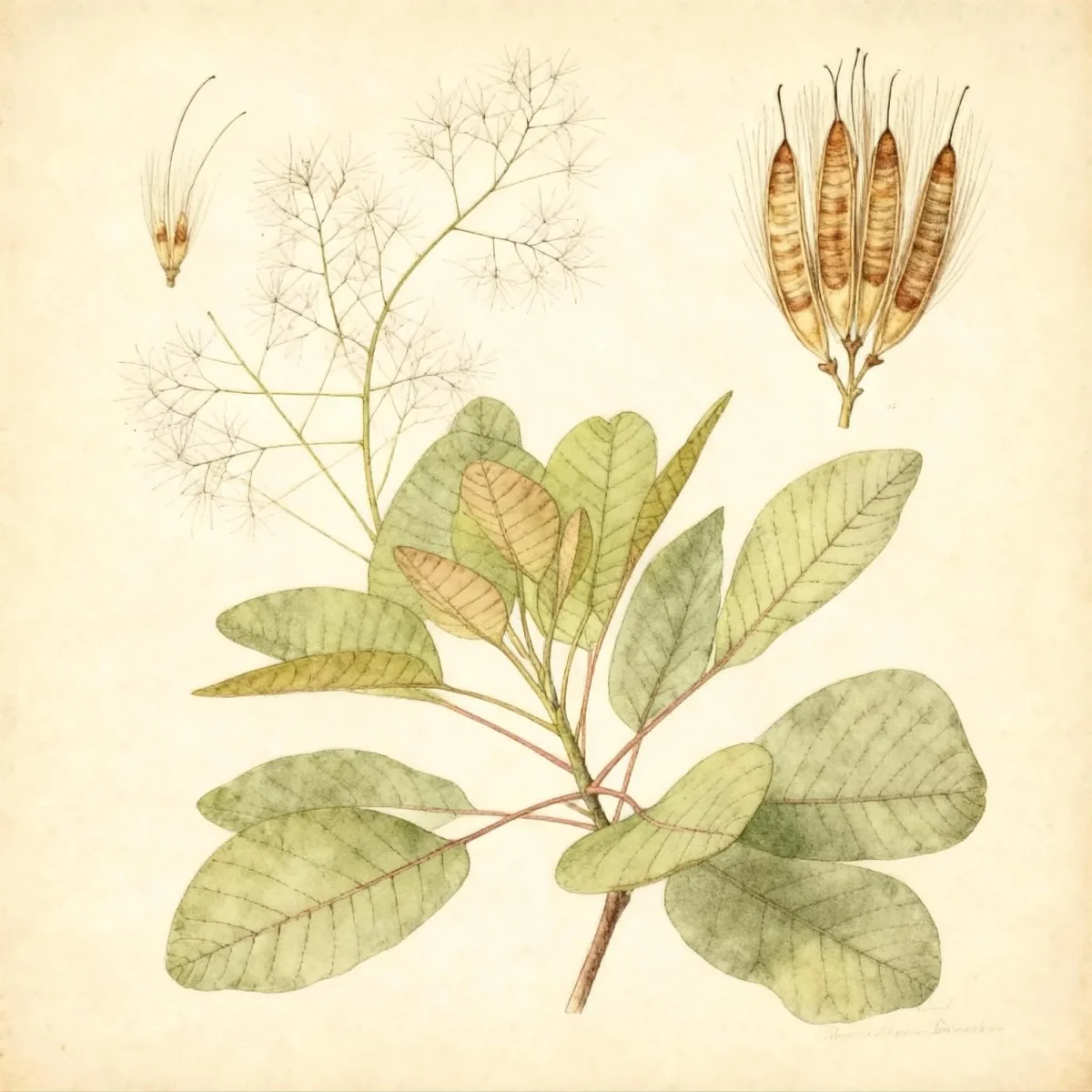
Smoketree (Cotinus coggygria 'Royal Purple')
Cotinus coggygria 'Royal Purple' Smoketree offers dramatic deep purple foliage and hazy pink smoke-like blooms. A tough, low-maintenance accent shrub.
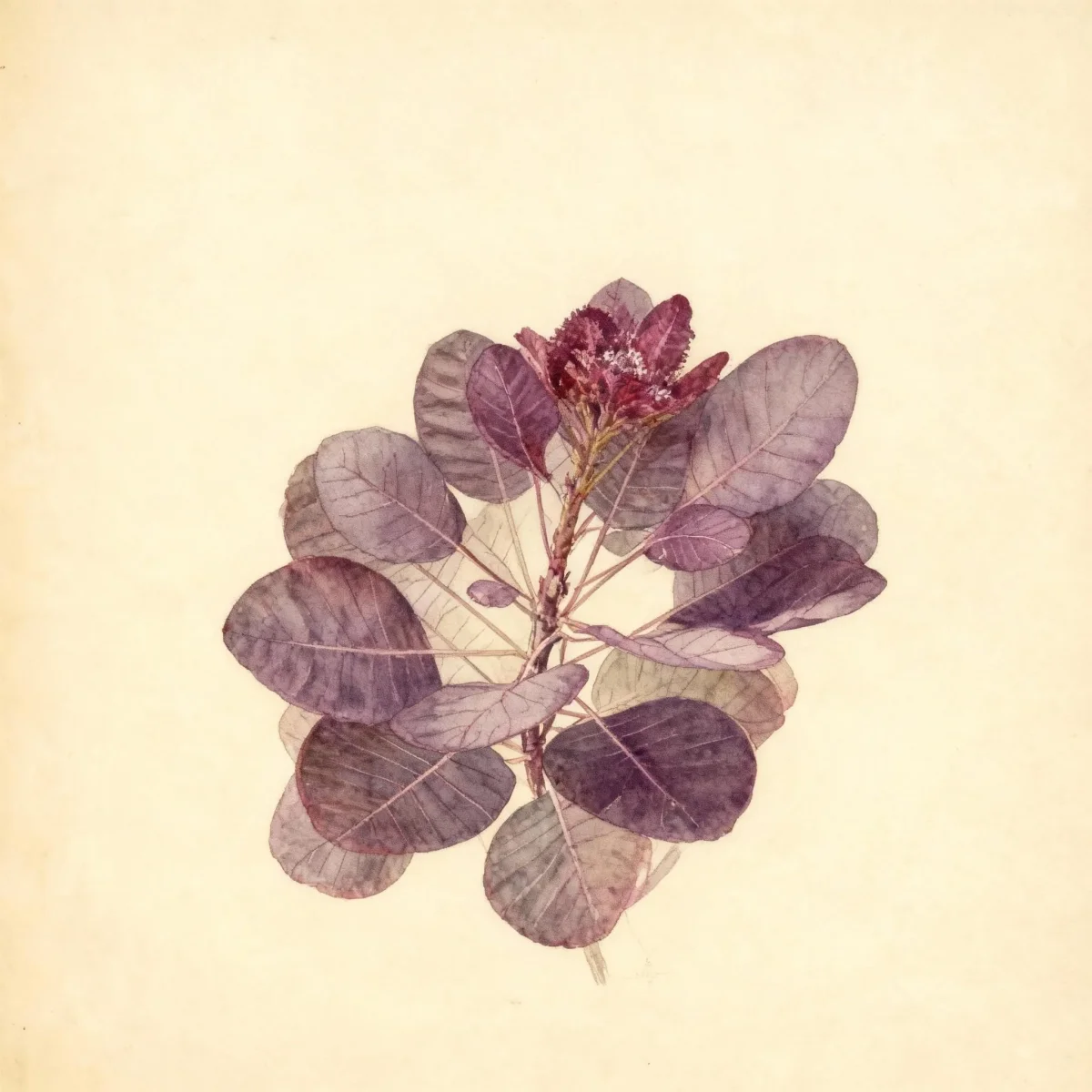

Bloom Boldly, No Matter the Season - Sweatshirt
Cozy organic cotton sweatshirt featuring our exclusive Purple Coneflower design. Perfect for gardeners who bloom year-round.
Inspired by the beautiful Smoketree
Limited first batch (50) — join the waitlist for early access
Waitlist closes Feb 15, 2026.
Complete Plant Information
Field Guide Continues
Ready for care notes, companion picks, and planting tips?
The map is just the start. The full guide below covers growth habits, seasonal performance, and landscape uses.
Overview
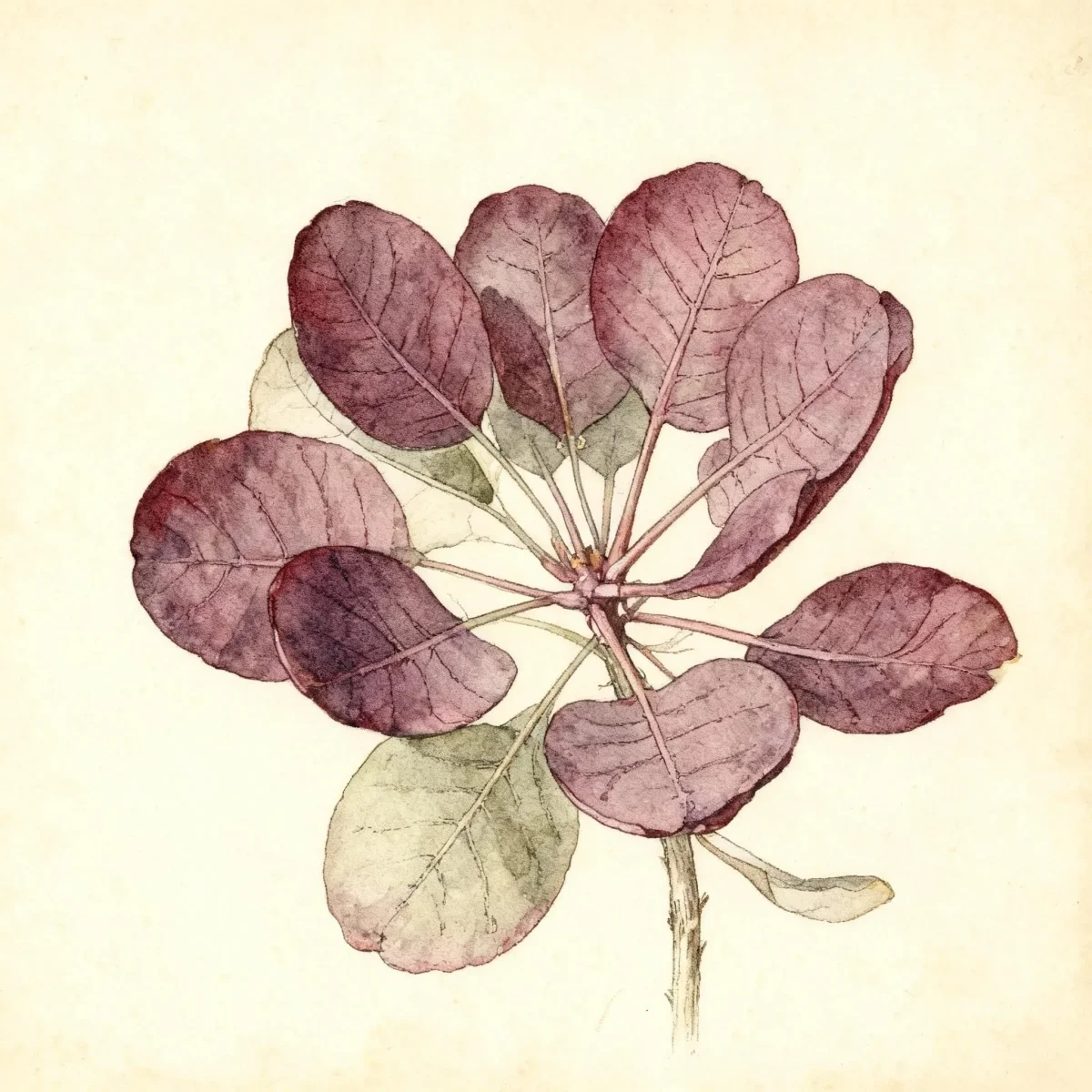
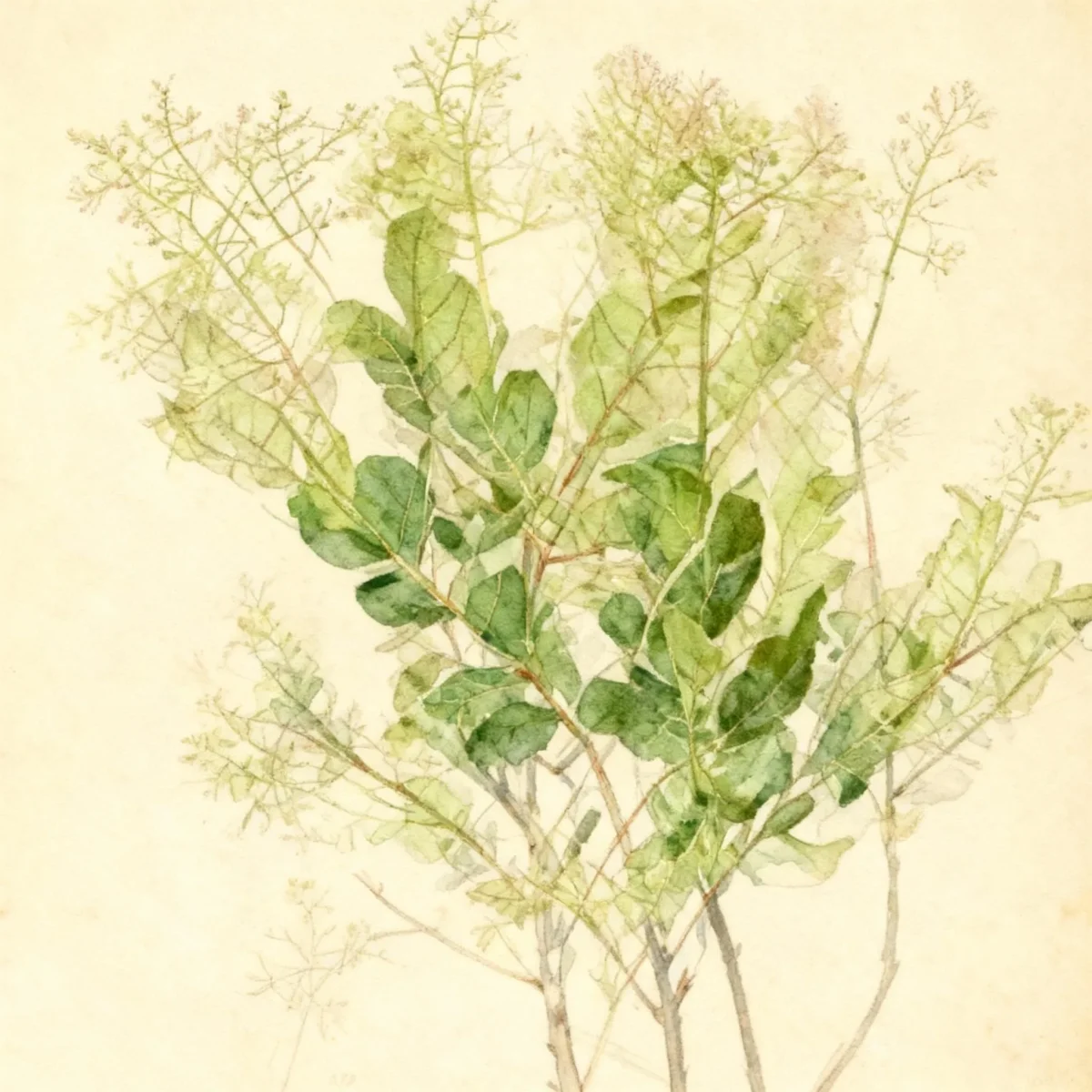
Cotinus coggygria ‘Royal Purple’, commonly known as Smoketree, is highly valued for its stunning, year-round aesthetic impact, primarily due to its rich, dark foliage. This deciduous shrub provides a striking contrast in almost any garden setting, moving from rich maroon in spring to deep purplish-black during the summer months. Beyond its color, the plant earns its common name from the airy, smoke-like plumes of pinkish flowers that drift over the branches in summer.
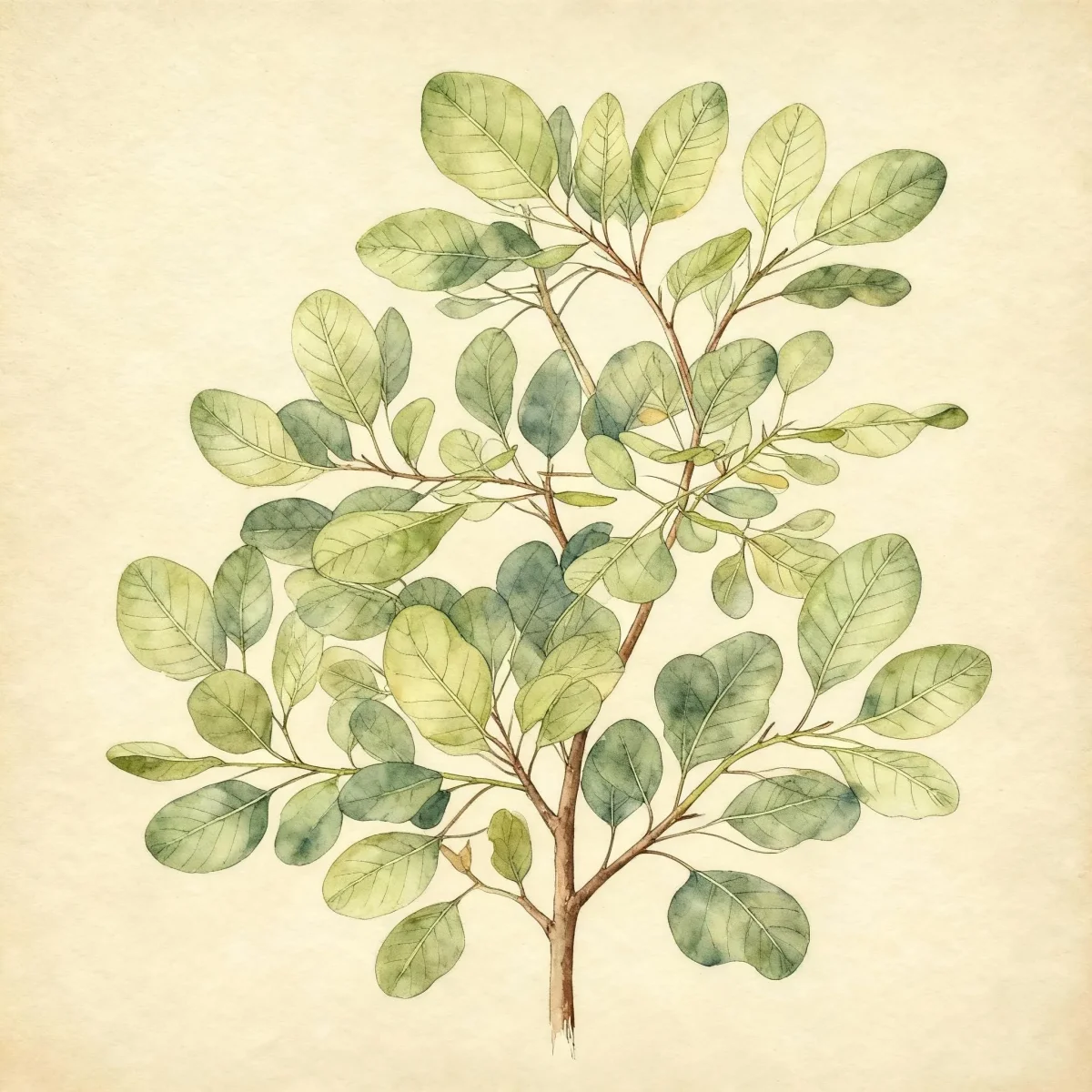
This cultivar is an upright, loose-spreading specimen maturing generally between 10 and 15 feet tall and wide, making it an excellent feature plant for sunny locations. Despite its dramatic appearance, the Smoketree proves surprisingly adaptable, thriving in average soils provided drainage is sharp. When properly sited, Cotinus coggygria ‘Royal Purple’ requires medium water input, fitting well into landscapes needing tough, reliable performers.
Gardeners prize the Smoketree for its long-lasting summer display and its versatility, serving equally well as a focal point specimen or as a unique, informal screen. Its ability to handle dry spells once established, combined with its deer resistance, enhances its practical appeal in varied garden environments.
Fast Facts
- Plant Family: Anacardiaceae
- Plant Type: Deciduous shrub
- Hardiness Zones: USDA Zones 4-8
- Size at Maturity:
- Height: 10-15 ft
- Spread: 15-20 ft
- Bloom Time: May to July
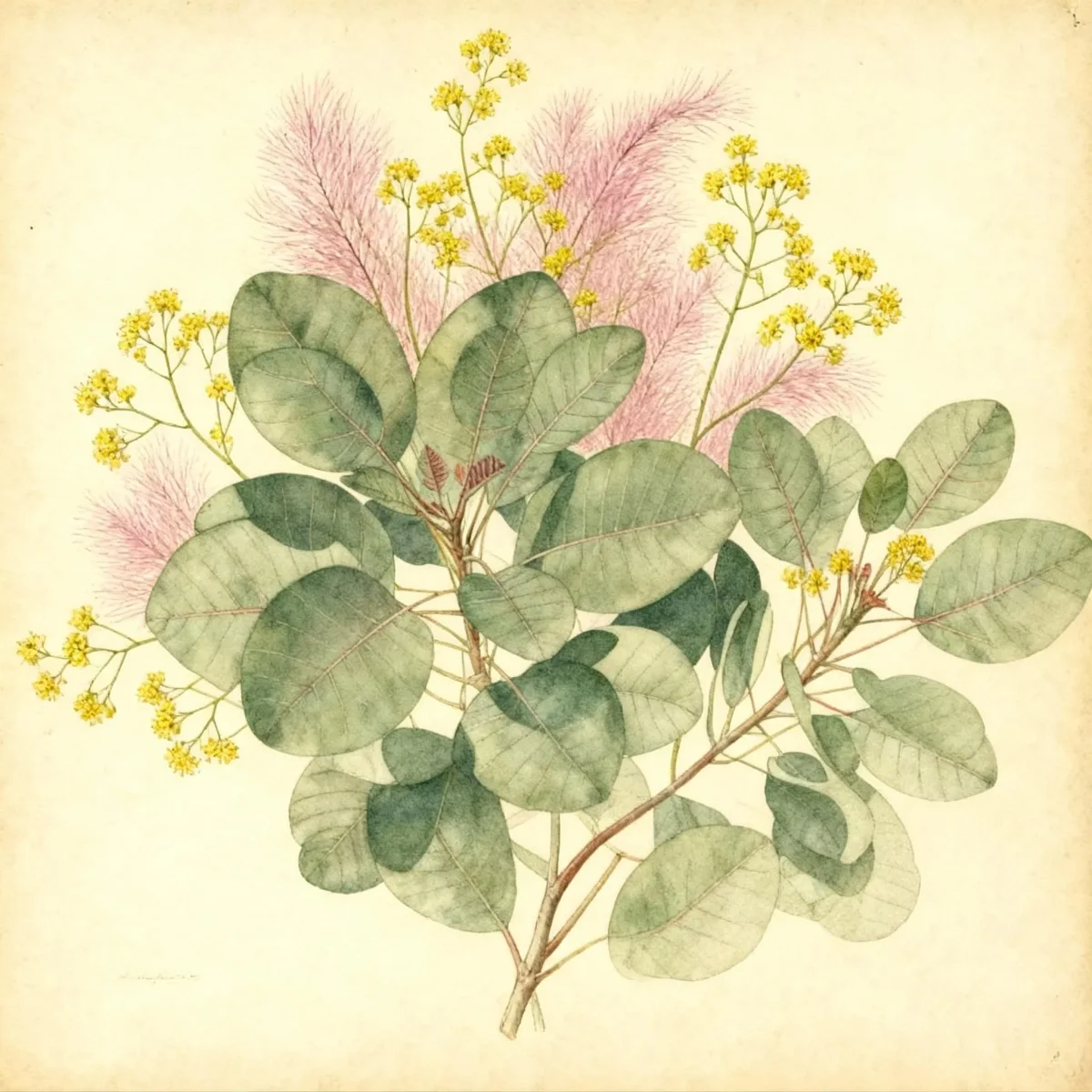
- Bloom Description: Showy purplish puffs follow yellow flowers
- Sun Exposure: Full sun
- Water Needs: Medium
- Maintenance Level: Medium
How to Grow
Cotinus coggygria ‘Royal Purple’ thrives when planted in full sun, which is crucial for maintaining the deep pigmentation of its purple leaves. Planting should occur when the ground is workable, ensuring sharp drainage is the top priority, as this shrub detests wet, poorly-drained soils. While it adapts to many soil types, including infertile loams and rocky ground, avoid areas where water pools after rain.
Water needs are generally medium. Establish the shrub with consistent moisture during its first year, but once established, the Smoketree demonstrates good drought tolerance. Fertilizing is rarely necessary; in fact, overly rich soils can sometimes reduce the intensity of the purple foliage color.
Pruning management depends entirely on your aesthetic goals for your Cotinus coggygria ‘Royal Purple’. If the ethereal summer smoke effect is desired, prune very lightly in early spring only as necessary to remove crossing branches. If the focus is purely on maintaining large, colorful leaves, you can cut the stems back hard to a sturdy framework in early spring. This severe cutting encourages rapid growth of vigorous new shoots bearing larger foliage.
Landscape Uses
The long-lasting summer smoke display makes the Cotinus coggygria ‘Royal Purple’ a striking accent plant anywhere in the yard. Its majestic, airy presence shines when used as a single specimen focal point, drawing immediate attention with its dark foliage set against a lighter background. For broader statements, grouping or massing these shrubs in open, sunny borders works beautifully, providing texture and depth.
This cultivar is also recommended for use as an informal hedge or screen—a true “smoke screen”—offering privacy while retaining a softer profile than formal hedging materials. Consider pairing the deep purple leaves with plants showcasing chartreuse or silver foliage, such as Russian Sage or Japanese forest grass, to maximize the visual contrast provided by the Smoketree. Ensure ample space is given, as mature spread can reach 20 feet wide.
Standout Features
Noteworthy Characteristics
Cotinus coggygria, commonly known as smoketree, is an upright, loose-spreading, multi-stemmed, deciduous shrub that is native from southern Europe to central China. It gets its common name not from the tiny, insignificant, yellowish flowers which appear in terminal panicles in spring, but from the billowy hairs attached to elongated stalks on the spent flower clusters, which turn a smokey pink to purplish pink in summer, covering the plant with fluffy, hazy, smoke-like puffs. The foliage of ‘Royal Purple’ is its signature feature; ovate to obovate leaves emerge rich maroon red and mature to dark purplish-red to purplish-black, retaining good color throughout the growing season.
Tolerances
- Deer
- Drought
- Clay Soil
Potential Problems
The Smoketree generally exhibits few serious insect or disease issues, contributing to its reputation as a relatively low-maintenance choice. However, gardeners should remain aware of some susceptibility to fungal issues such as leaf spot and rust, particularly in humid conditions or where air circulation is poor. Occasionally, Verticillium wilt, a soil-borne disease, can pose a threat, causing wilting and dieback. Proper siting in well-drained soil and avoiding overcrowding will significantly reduce the risk of these issues developing in your Cotinus coggygria ‘Royal Purple’.
Frequently Asked Questions
What hardiness zones is Smoketree suitable for?
Cotinus coggygria ‘Royal Purple’ is quite cold-hardy, thriving in USDA Zones 4 through 8. Always ensure your planting location falls within this range for best performance.
How large does Cotinus coggygria ‘Royal Purple’ grow?
This decorative shrub typically reaches a mature height between 10 and 15 feet, with a generous spread of 15 to 20 feet, creating a substantial screen or focal point.
What sun exposure does Smoketree need?
To ensure the foliage displays its characteristic deep purple hue, the Smoketree requires full sun exposure. Insufficient light will cause the leaves to revert to a duller green color.
When does Cotinus coggygria ‘Royal Purple’ bloom?
The flowering period for the Smoketree generally spans from May through July. The actual bloom consists of yellow flowers followed by the signature showy purplish puffs.
Conclusion
The Cotinus coggygria ‘Royal Purple’ Smoketree remains an indispensable plant for adding drama and texture to sunny borders, thanks to its incredible foliage color and unique summer haze. Its proven tolerance for drought and clay soil makes this tough specimen an accessible choice for many gardeners looking to integrate bold color. Check your local USDA hardiness zone compatibility before planning your purchase, and site your new Smoketree where its deep purple leaves can truly take center stage.
Design Ideas
When utilizing the Smoketree in landscape design, consider its strong visual weight. Because the foliage is so dark and saturated, it serves as a perfect anchor in mixed borders, playing the role of a color foil for lighter, brighter plants. Areas around the base of the Cotinus coggygria ‘Royal Purple’ should be planted with specimens that have contrasting textures, such as fine-textured ornamental grasses or silver-leafed perennials, to enhance the misty quality of the ‘smoke.’
Think about using this plant near structures or walls that receive afternoon light. The sunlight backlighting the ethereal pinkish plumes in mid-summer creates a magical effect that is much more noticeable when the shrub is placed against a neutral or light-colored backdrop. Furthermore, its size means it can easily define the edge of a property or break up vast expanses of lawn.
Companion Planting
Selecting good companions for Cotinus coggygria ‘Royal Purple’ focuses on exploiting contrast in both color and texture. Plants with strong yellow or gold variegation make excellent neighbors, as the complementary colors intensify one another. Consider pairing it with Golden Spirea (Spiraea japonica ‘Goldmound’) or Heliopsis helianthoides ‘Summer Sun’ for robust contrast throughout the season.
Given the Smoketree’s preference for full sun and medium, well-drained conditions, select other drought-tolerant sun-lovers for integrated planting schemes. Lavender (Lavandula) or Russian Sage (Perovskia atriplicifolia) are geographically and culturally compatible, offering complementary silvery-blue or gray foliage that harmonizes beautifully with the dark purple leaves of the Smoketree.