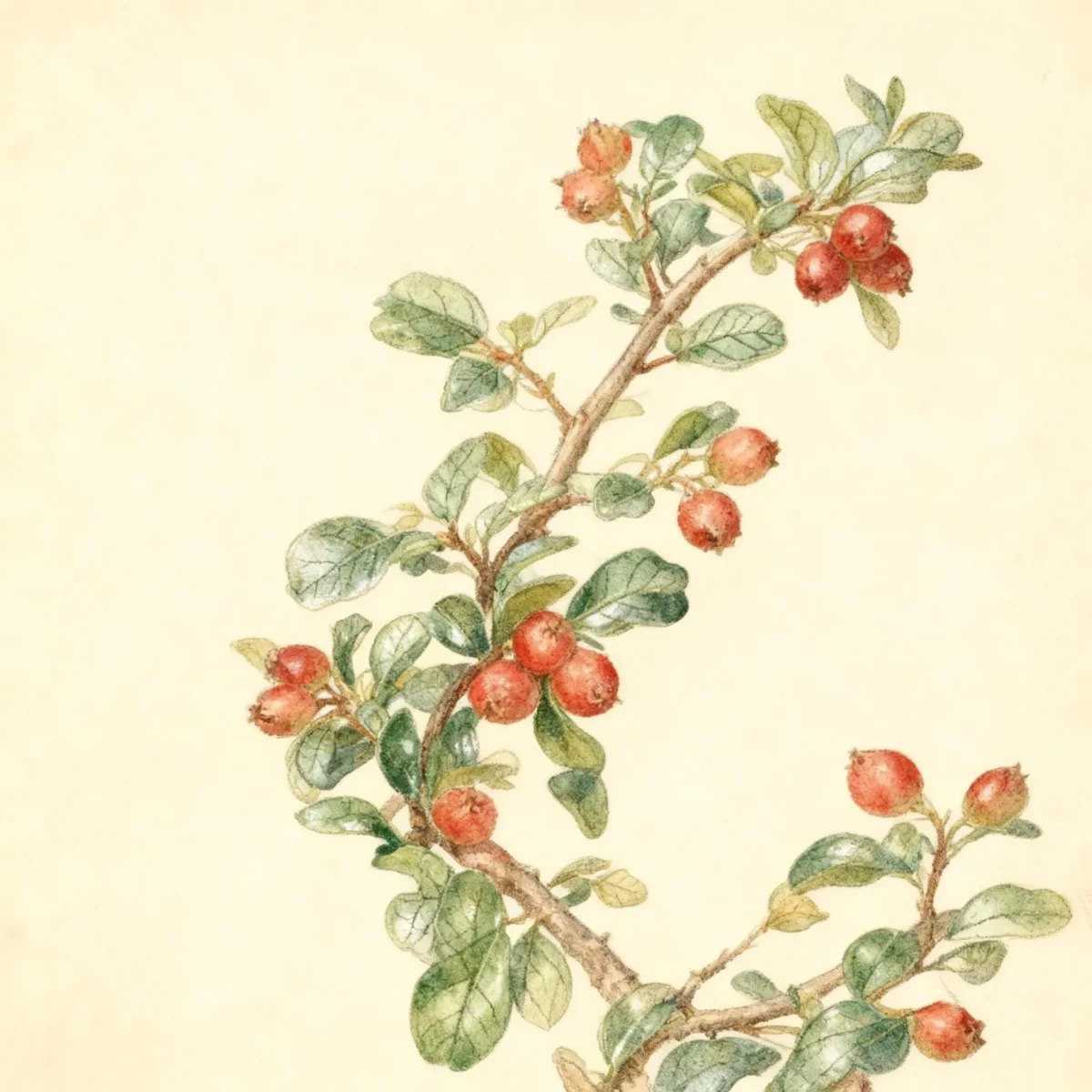
Bearberry cotoneaster (Cotoneaster dammeri 'Coral Beauty')
Cotoneaster dammeri 'Coral Beauty' is a dense, evergreen ground cover thriving in Zones 5-8, prized for its glossy leaves and red berries.

Bloom Boldly, No Matter the Season - Sweatshirt
Cozy organic cotton sweatshirt featuring our exclusive Purple Coneflower design. Perfect for gardeners who bloom year-round.
Inspired by the beautiful Bearberry cotoneaster
Limited first batch (50) — join the waitlist for early access
Waitlist closes Feb 15, 2026.
Complete Plant Information
Field Guide Continues
Ready for care notes, companion picks, and planting tips?
The map is just the start. The full guide below covers growth habits, seasonal performance, and landscape uses.
Overview
Bearberry cotoneaster, specifically the popular cultivar Cotoneaster dammeri ‘Coral Beauty’, is an outstanding choice for gardeners seeking evergreen ground cover with year-round interest. This dense, prostrate shrub spreads vigorously, covering large areas quickly with its glossy, leathery foliage. It establishes tough, root-bearing branches that make it excellent for stabilizing slopes where other plants struggle.
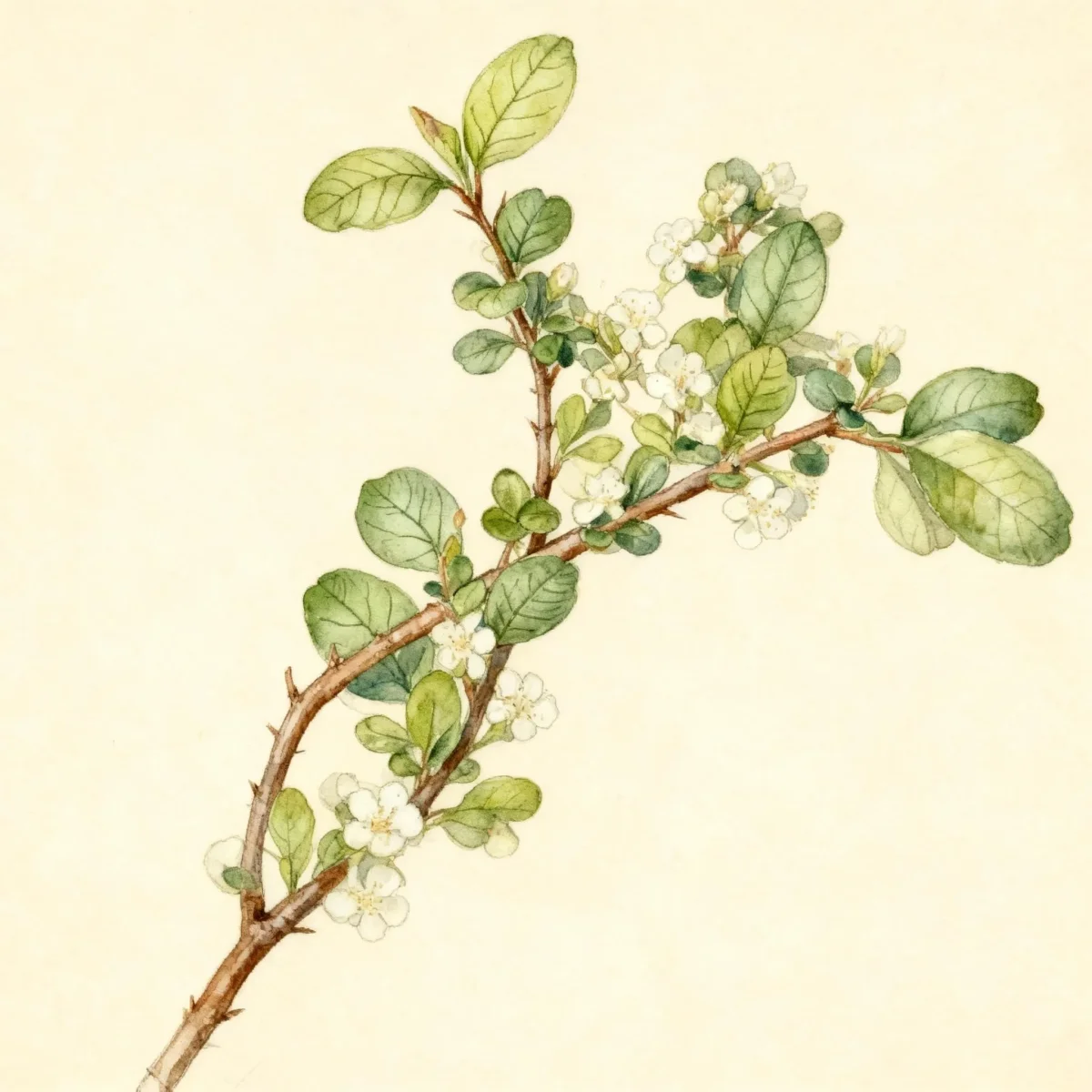
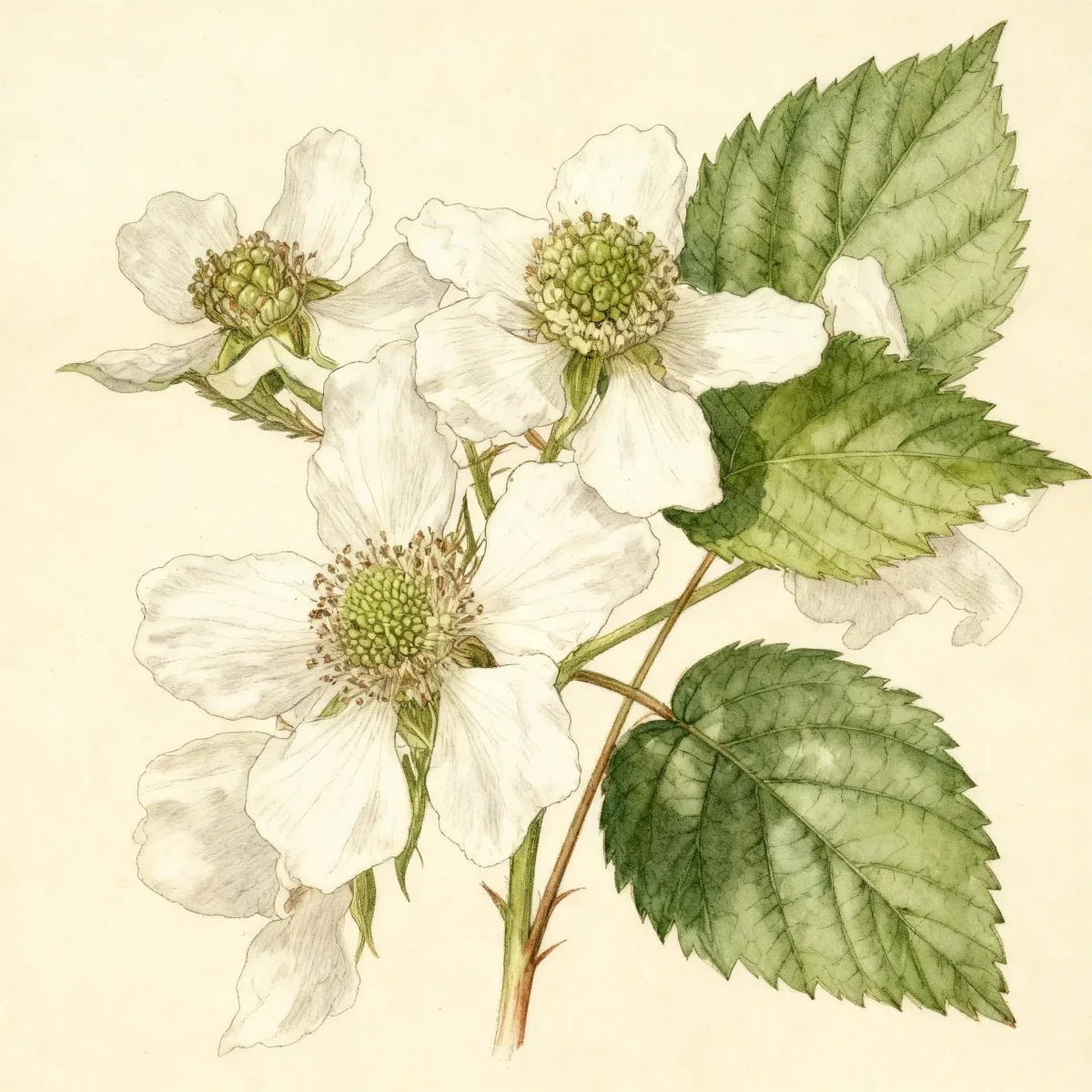
Beyond its functional role, Cotoneaster dammeri ‘Coral Beauty’ puts on a lovely display beginning in late spring with small white flowers, followed by persistent red berries that brighten the winter landscape. Its ability to tolerate drier conditions once established makes it a favorable, low-maintenance option for sunny spots.
This fast-growing shrub forms a dense mat, typically remaining under one foot tall but spreading vigorously up to six feet wide. Whether used for mass plantings or draped over retaining walls, Bearberry cotoneaster provides excellent textural contrast.
Fast Facts
- Plant Family: Rosaceae
- Plant Type: Broadleaf evergreen
- Hardiness Zones: USDA Zones 5-8
- Size at Maturity:
- Height: 0.75-1 ft
- Spread: 4-6 ft
- Bloom Time: May to June
- Bloom Description: White with purple anthers
- Sun Exposure: Full sun to part shade
- Water Needs: Medium
- Maintenance Level: Medium
How to Grow
The best time to establish Cotoneaster dammeri ‘Coral Beauty’ is in the spring or fall to allow root establishment before extreme temperatures hit. Plant in any location that receives full sun to light part shade, ensuring the soil is moist, loamy, and sharply drained. Drainage is crucial, as this plant dislikes prolonged wet conditions, especially during hot summers.
Once planted, this Bearberry cotoneaster requires a medium level of watering until it is fully established. After the first year, it demonstrates good drought tolerance and rarely needs supplemental irrigation, making it excellent for water-wise landscaping. Minimal fertilization is usually required if planted in decent soil.
Pruning is generally necessary only to maintain a tidy shape, as the planting often spreads widely and can appear ragged over time. Deadheading is not required, but cleaning out dead leaves and debris from its dense interior can be challenging and is a key maintenance consideration for this variety. In hot climates south of Zone 7, monitor closely, as the plants can struggle when intense summer heat persists.
Landscape Uses
The primary role of Cotoneaster dammeri ‘Coral Beauty’ in the landscape is as a vigorous, woody ground cover ideal for sunny locations. It excels at mass planting across banks and slopes, offering valuable erosion control due to its extensive root system and spreading habit. The texture of this creeping cotoneaster is also perfect for draping artistically over boulders or spilling dramatically over the edges of stone walls, creating a softened, naturalized look.
For larger designs, massing this bearberry cotoneaster provides an unbroken carpet of green, punctuated by pops of color from its spring flowers and persistent red berries. It works well in large open areas or along woodland edges where the light filters through taller canopy trees, fitting neatly into foundation plantings or alongside pathways where its low profile won’t obstruct views.
While it is valued for its sprawling nature, consider companion planting with stiffer, upright shrubs or smaller perennials to break up the extensive spread and add vertical interest to the garden beds where you place Cotoneaster dammeri ‘Coral Beauty’.
Standout Features
Flower Qualities
- Showy
Noteworthy Characteristics
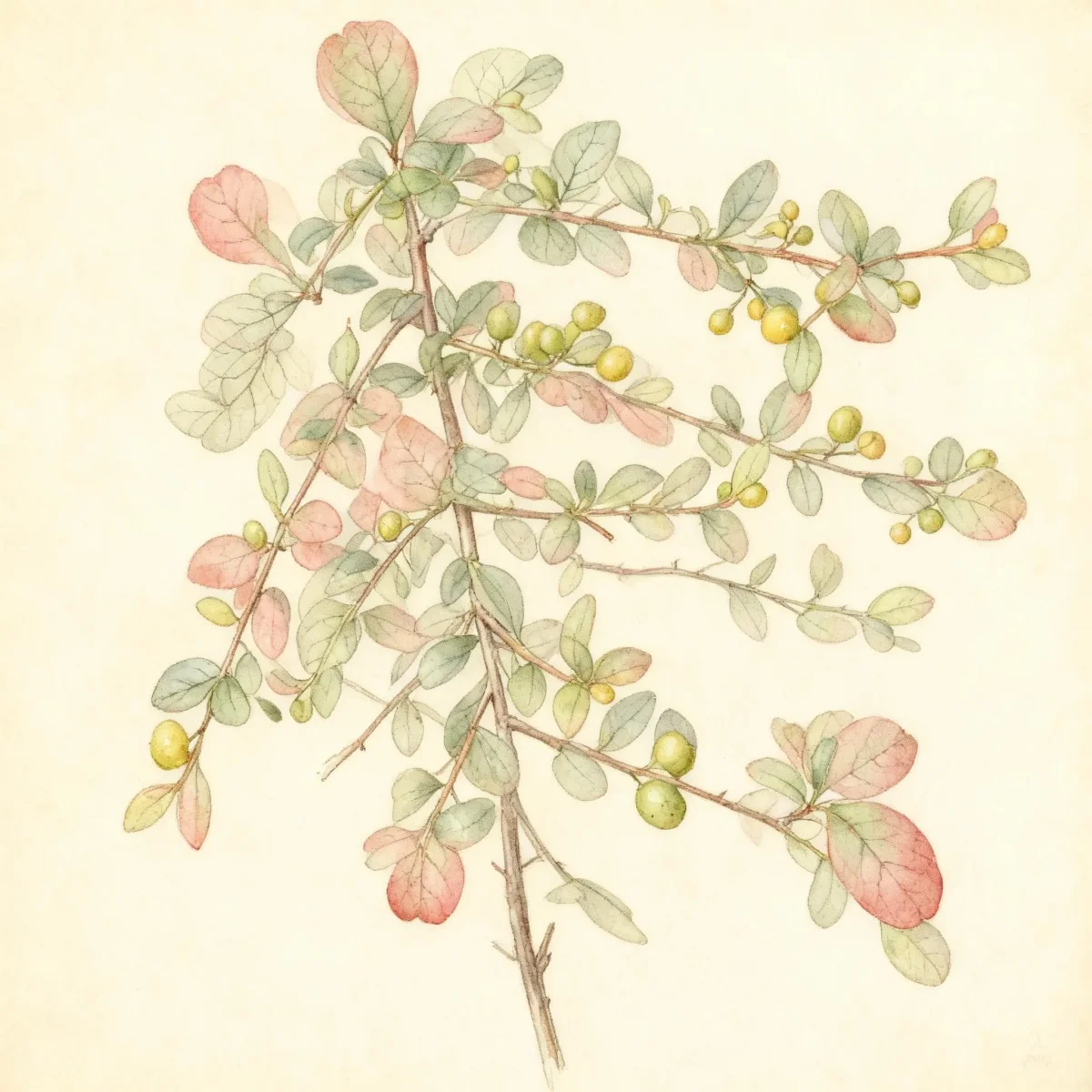
Cotoneaster dammeri, commonly called bearberry cotoneaster, is a dense, fast-growing, prostrate ground cover that grows to 1’ tall but spreads to 6’ wide or more on stiff, slender, prostrate branches that root at the nodes where they touch the ground. It is native to mountain regions, cliff sides, open mixed forests and rocky ground in central to southern China. Alternate, leathery, elliptic to oblong, mostly evergreen leaves (to 1 1/ 4” long and to 5/8” wide) are glossy deep green above and gray-green below, acquiring reddish-bronze to purple tones in winter. White, 5-petaled flowers bloom singly or in pairs in May-June, followed by red berries which ripen in late summer and persist through winter. The specific cultivar Cotoneaster dammeri ‘Coral Beauty’ is set apart by a more compact habit, shinier leaves, and a notably more abundant fruit crop.
Tolerances
- Drought
- Erosion
Potential Problems
This evergreen ground cover is susceptible to some common arboricultural issues, including fireblight, leaf spots, and canker, which homeowners should monitor, especially during humid periods. Pests to watch for include aphids, lacebugs, and the cotoneaster webworm, while mites can become noticeable during periods of intense heat and dry weather. The primary maintenance challenge associated with dense plantings of Cotoneaster dammeri ‘Coral Beauty’ is the difficulty in cleaning out accumulated dead leaves and trapped yard debris from the interior growth, which can harbor disease. Good air circulation and proper spacing during planting can help mitigate fungal issues.
Frequently Asked Questions
What hardiness zones is Bearberry cotoneaster suitable for?
Cotoneaster dammeri ‘Coral Beauty’ performs reliably in USDA Zones 5 through 8.
How large does Cotoneaster dammeri ‘Coral Beauty’ grow?
This cultivar typically achieves a short height between 0.75 to 1 foot tall, but it spreads aggressively across the landscape, easily covering 4 to 6 feet in spread.
When does Cotoneaster dammeri ‘Coral Beauty’ bloom?
The plant flowers from May to June, producing attractive, showy white flowers noted for having purple anthers.
What sun exposure does Bearberry cotoneaster need?
This plant is versatile, thriving in conditions ranging from full sun to partial shade.
Conclusion
The Cotoneaster dammeri ‘Coral Beauty’ remains a premier choice for ground cover due to its superior evergreen persistence, excellent erosion control capabilities, and attractive spring bloom followed by lasting fruit. This cultivar offers a denser, more fruitful display than the standard species. Before planting, confirm your microclimate falls within USDA Zones 5-8, and ensure a location with sharp drainage to help manage seasonal maintenance challenges.
Companion Planting
Choosing appropriate companions helps break up the uniformity of a large ground cover planting and adds visual interest throughout the year. Because Bearberry cotoneaster demands sharp drainage and prefers sun to part shade, pair it with other drought-tolerant, low-growing evergreens like creeping thyme or dwarf mondo grass (Ophiopogon japonicus). Alternatively, use low mounding ornamental grasses or low-growing Sedum varieties that share similar cultural needs to create textural variation without competing heavily for resources.
Design Ideas for Slopes
Using Cotoneaster dammeri ‘Coral Beauty’ on embankments or slopes is highly recommended, as its stiff, rooting branches quickly knit together to form a durable fibrous mat that resists washing out. For visual interest on highly visible slopes, intersperse clusters of larger, textural accents like upright junipers or dwarf conifers among the Cotoneaster dammeri ‘Coral Beauty’ mass. Allow the Bearberry cotoneaster to cascade over any retaining walls or large rock outcroppings, softening the hardscape elements beautifully while keeping maintenance low on the difficult-to-mow areas.