Spring crocus(Crocus vernus 'Jeanne d'Arc')
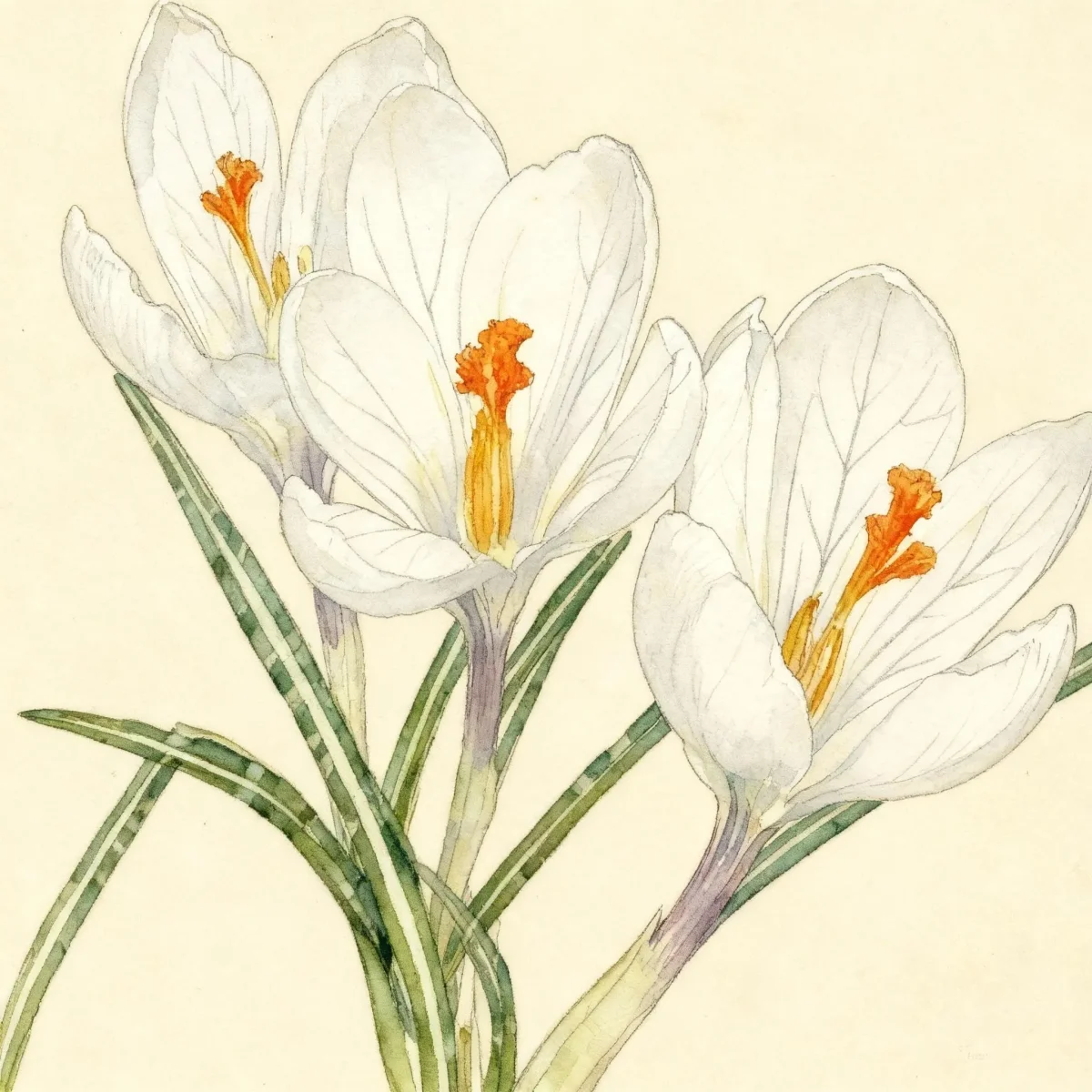
'Jeanne d'Arc' spring crocus opens white flowers with a small purple base in March. Learn where to naturalize the corms and how to protect next year's bloom.
Complete Plant Information
- Hardiness zones
- USDA 3–8
- Plant type
- Bulb
- Plant family
- Iridaceae
- Sun exposure
- Full sun to part shade
- Water needs
- Medium
- Maintenance
- Low
- Height
- 0.25–0.5 ft (8–15 cm)
- Spread
- 0.25–0.5 ft (8–15 cm)
- Bloom time
- March
- Flower color
- White with small purple base
- Flower qualities
- Showy
- Fruit qualities
- Not recorded
- Tolerances
- Deer, Black Walnut
- Garden uses
- Naturalize
- Native range
- Not recorded
Field Guide Continues
Ready for care notes, companion picks, and planting tips?
The map is just the start. The full guide below covers growth habits, seasonal performance, and landscape uses.
White Flowers for the First Mild Days
‘Jeanne d’Arc’ is a large-flowered spring crocus with white cups and a small purple mark near the base. It blooms around March on plants only 3 to 6 inches tall. The clean white petals show best from close range, along a walk, near steps, beneath a deciduous shrub, or in a patch visible from a window.
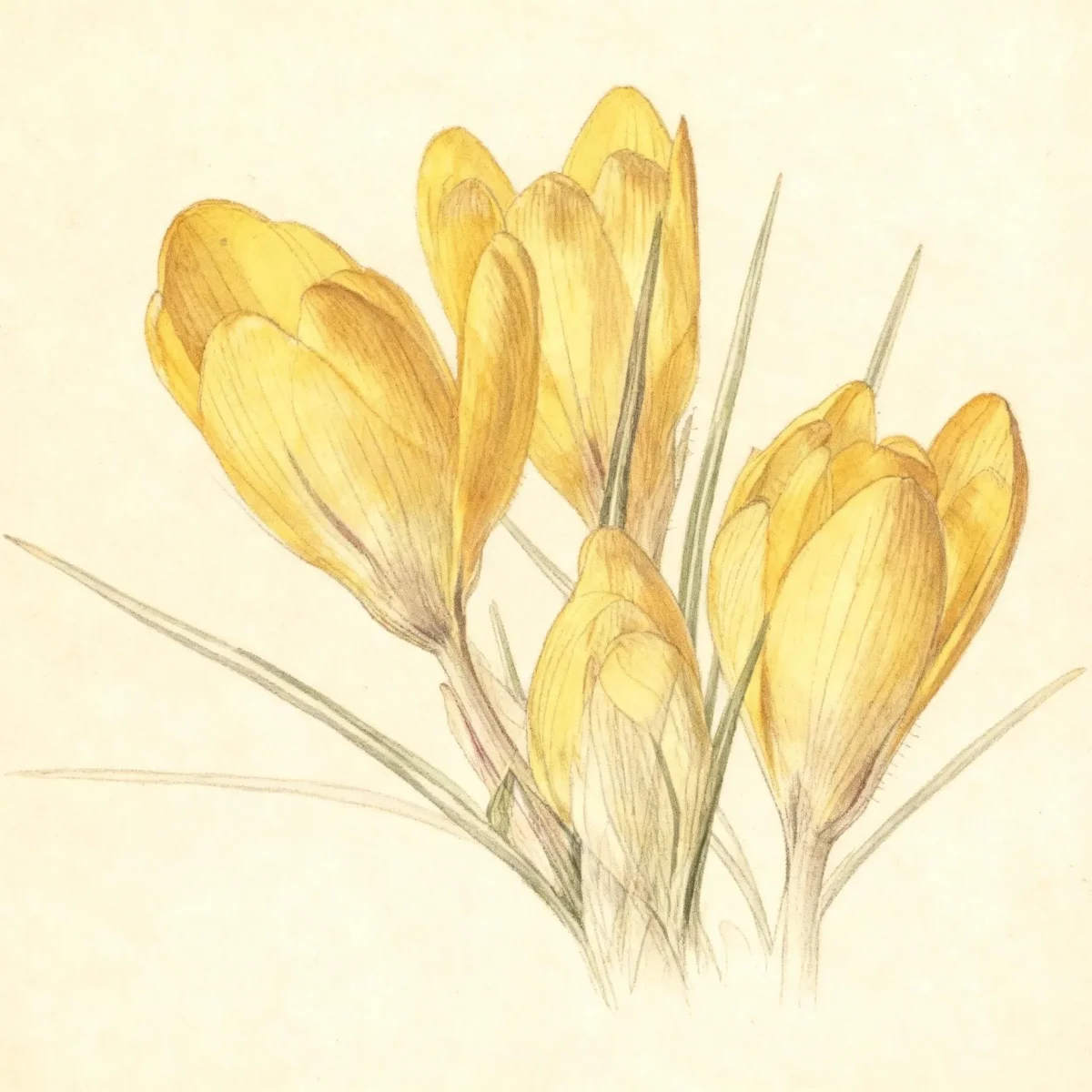
One corm can disappear in a large bed. Plant in loose groups or drifts so the flowers read as a patch of early color. For contrast within the same type of spring crocus, compare the striped blooms of ‘Pickwick’ or the warmer color of ‘Golden Yellow’ crocus.
Plant in Fall and Plan for Dormancy
Choose full sun or part shade with soil that drains well. A spot beneath deciduous trees can work because the corms receive spring light before the canopy fills. Avoid beds that remain wet in winter or receive constant summer irrigation; dormant corms can rot in soggy ground.
Plant the corms in fall, pointed side up, roughly 3 to 4 inches deep and several inches apart. Exact depth can vary with soil texture and corm size, so follow the supplier’s directions when they differ. For a natural look, scatter a handful and plant them where they land rather than arranging a grid.
Water after planting. In most climates, autumn and winter precipitation supplies the rest until growth starts. During an unusually dry spring, water enough to keep actively growing plants from drying out, but never leave the planting waterlogged.
‘Jeanne d’Arc’ is listed for USDA Zones 3–8. Check the interactive hardiness zone map before planting. Gardeners in warmer areas also need to consider whether winter provides enough chilling for reliable flowering.
The Leaves Are Next Year’s Flower Budget
Narrow leaves appear with or soon after the blooms. Leave them in place until they yellow and detach easily. Cutting, braiding, or mowing green foliage prevents the plant from storing enough energy for the following spring.
This matters when crocuses grow in a lawn. Choose an area you can leave unmown until the foliage ripens, such as beneath a tree or at the lawn’s edge. If a tidy spring lawn is the priority, plant the corms in beds instead.
After the leaves disappear, mark the patch or photograph its location. That simple record prevents accidental digging when you plant summer annuals. Corms may multiply where conditions suit them; if flowering declines in a crowded patch, lift and separate them after the foliage has died back.
Good Companions and Honest Limitations
Pair ‘Jeanne d’Arc’ with small early bulbs or low perennials that will not cover the flowers in March. Later-emerging plants can hide the crocus foliage as it yellows, but avoid aggressive ground covers that make division difficult.
The flowers close in dull weather and at night, and an individual bloom does not last long. A sequence of different early bulbs provides a more dependable display than expecting one cultivar to carry the whole season.
Deer often leave crocus alone, but squirrels, chipmunks, mice, and voles may dig or eat corms. Where losses are routine, plant under secured wire mesh with openings large enough for shoots, or use protected containers. Do not rely on the “deer tolerant” label as protection from every animal.
Quick Answers
Can ‘Jeanne d’Arc’ grow in a pot?
Yes. Use a container with drainage holes, keep it outdoors for the required cold period, and remember that corms in pots experience wider temperature swings than those in the ground.
Should I deadhead the flowers?
It is optional. Removing faded blooms tidies a small display, but preserving the green foliage is much more important.
Is spring crocus the same as autumn crocus?
No. Plants commonly called autumn crocus are often Colchicum, a different genus with different growth timing and toxicity concerns.
Browse the plant collection for other early bulbs suited to your light and climate.
Recommended Companion Plants

Spring crocus
Crocus vernus 'Pickwick'
- USDA zones
- 3–8
- Light
- Full sun to part shade
- Water
- Medium

Spring crocus
Crocus vernus 'Remembrance'
- USDA zones
- 3–8
- Light
- Full sun to part shade
- Water
- Medium

Spring crocus
Crocus vernus 'Striped Beauty'
- USDA zones
- 3–8
- Light
- Full sun to part shade
- Water
- Medium

Spring crocus
Crocus vernus 'Flower Record'
- USDA zones
- 4–8
- Light
- Full sun to part shade
- Water
- Medium
Crocus
Crocus × luteus 'Golden Yellow'
- USDA zones
- 3–8
- Light
- Full sun to part shade
- Water
- Medium
Snow crocus
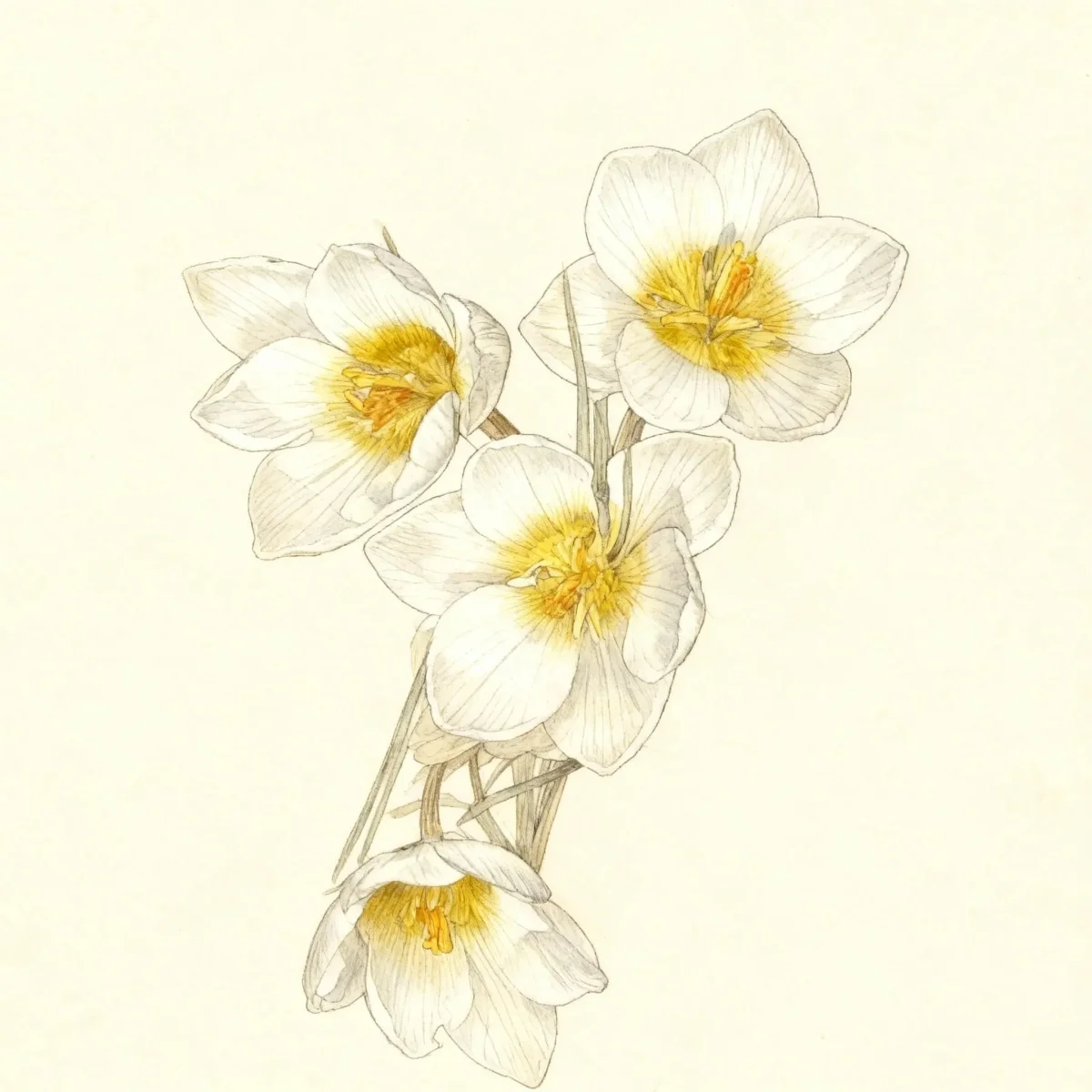
Crocus chrysanthus 'Snowbunting'
- USDA zones
- 3–8
- Light
- Full sun to part shade
- Water
- Medium
Keep Learning
Test what you know with a garden quiz
You have the plant facts and care notes. Continue with a related challenge, or browse the complete quiz library.
Spring Garden Basics
Ready for spring? Test your gardening knowledge!
Start quiz
Can You Identify These Common Garden Plants? Test Your Plant Knowledge
Think you know your roses from your peonies? Test your plant identification skills with our comprehensive garden plant quiz featuring 10 challenging questions.
Start quizBrowse the full quizzes section
Explore plant identification, zone strategy, and seasonal gardening challenges.
View all quizzes