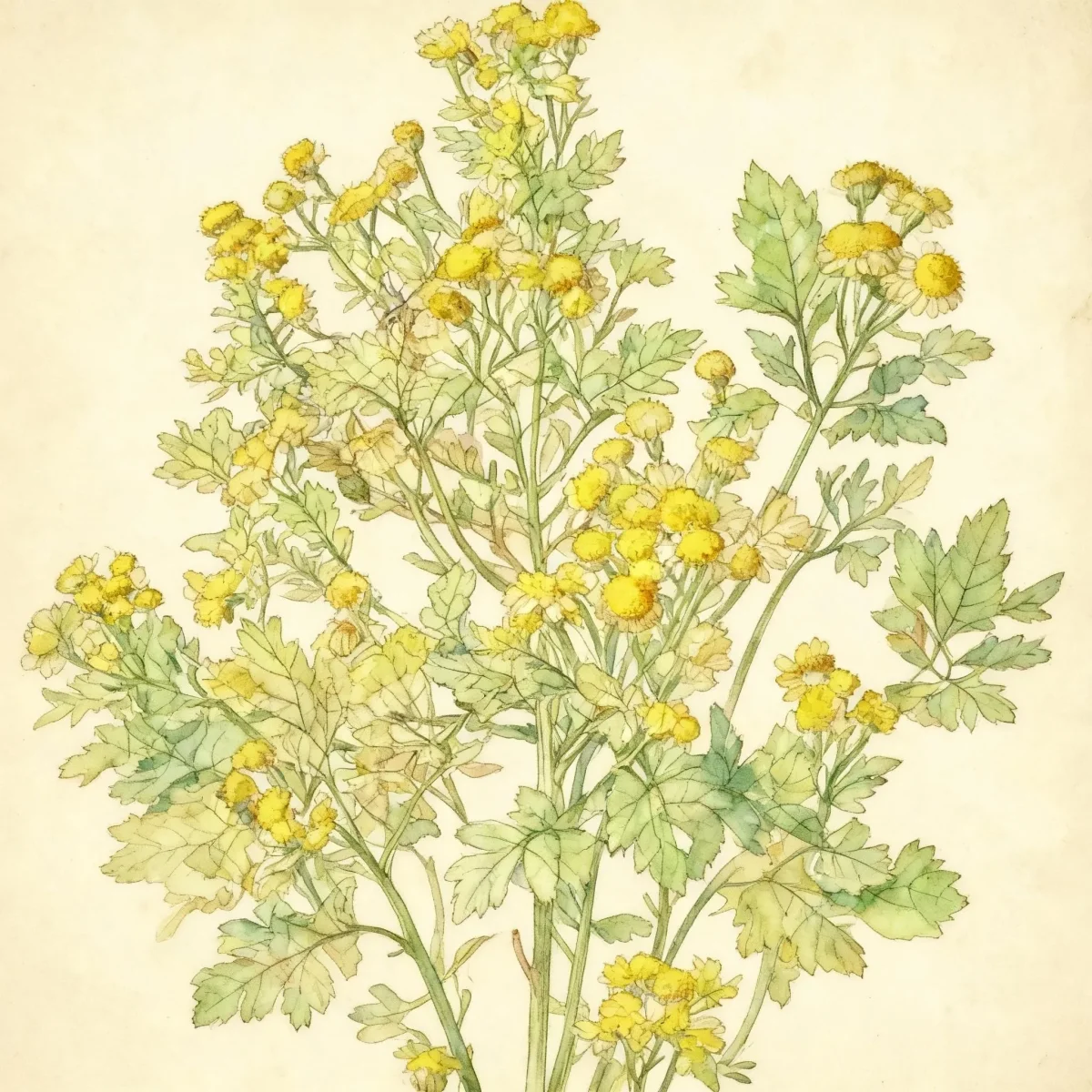
Feverfew (Tanacetum parthenium 'Aureum')
Golden Feverfew, Tanacetum parthenium 'Aureum', offers aromatic foliage and charming daisy flowers. A medium-maintenance perennial for sunny spots.

Bloom Boldly, No Matter the Season - Sweatshirt
Cozy organic cotton sweatshirt featuring our exclusive Purple Coneflower design. Perfect for gardeners who bloom year-round.
Inspired by the beautiful Feverfew
Limited first batch (50) — join the waitlist for early access
Waitlist closes Feb 15, 2026.
Complete Plant Information
Field Guide Continues
Ready for care notes, companion picks, and planting tips?
The map is just the start. The full guide below covers growth habits, seasonal performance, and landscape uses.
Overview
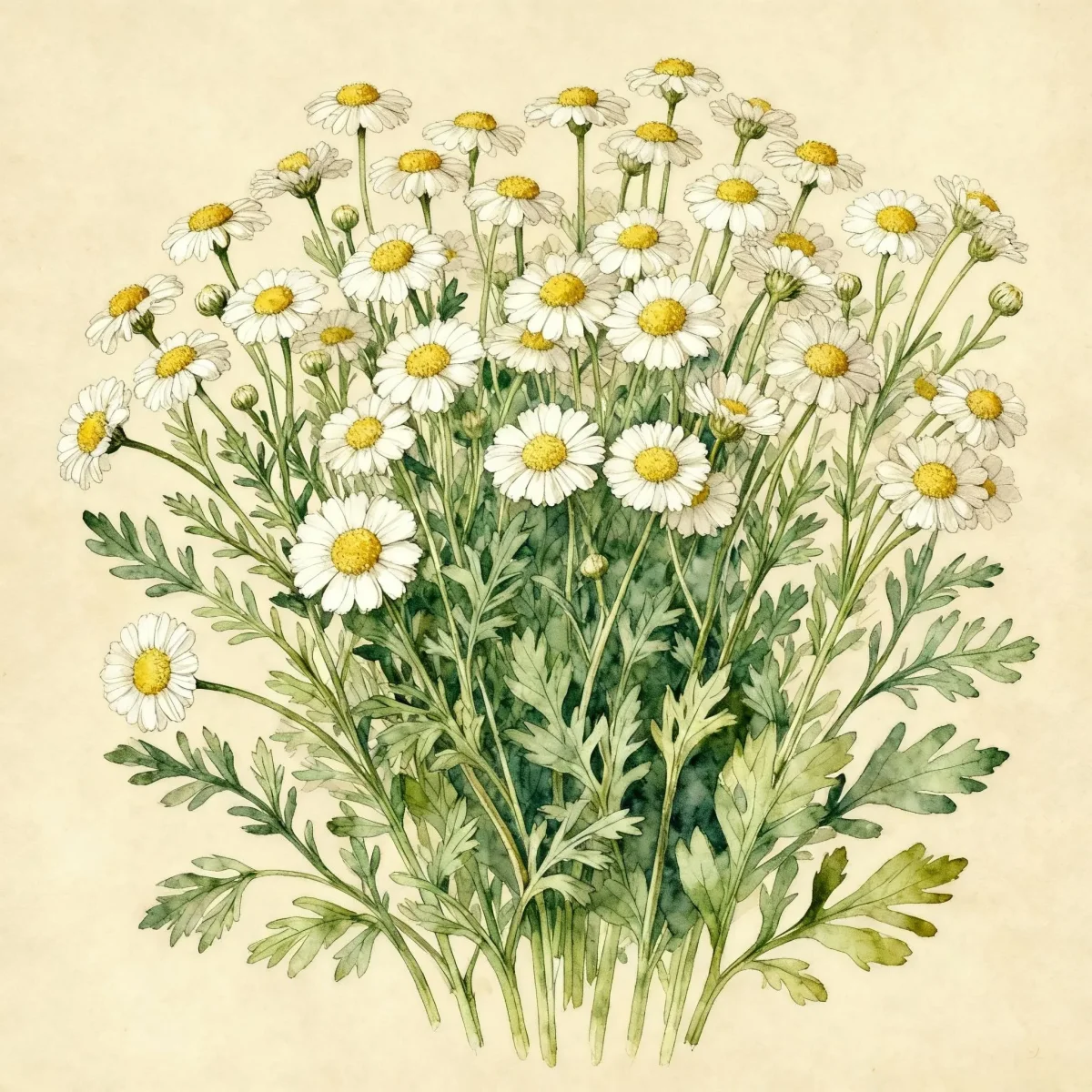
Tanacetum parthenium ‘Aureum’, commonly known as Golden Feverfew, is a highly valued herbaceous perennial celebrated for its bright, aromatic foliage. This dwarf cultivar brings great textural contrast to the garden, especially in the spring when its leaves emerge a vibrant chartreuse color. It maintains charm through summer with its small, classic daisy-like flowers, offering continuous summertime color.
Unlike the species Tanacetum parthenium, the cultivar ‘Aureum’ is often kept smaller, typically reaching less than a foot tall. While generally short-lived, this variety readily self-seeds, ensuring its presence year after year in suitable locations. Feverfew performs best when provided full sun and consistent moisture.
Gardeners prize this plant for its cottage garden appeal and suitability in less formal settings where it can spread slightly. Ensure spent blooms are removed promptly if you wish to control its spread, as the potential for aggressive self-seeding exists in ideal growing conditions.
Fast Facts
- Plant Family: Asteraceae
- Plant Type: Herbaceous perennial
- Hardiness Zones: USDA Zones 5-8
- Size at Maturity:
- Height: 0.75-1 ft
- Spread: 1-1.5 ft
- Bloom Time: June to August
- Bloom Description: White with yellow center
- Sun Exposure: Full sun
- Water Needs: Medium
- Maintenance Level: Medium
How to Grow
Plant Tanacetum parthenium ‘Aureum’ in the spring after the danger of hard frost has passed. This herb thrives in average, medium-moisture, well-drained soils. While it tolerates average conditions, it truly prefers moist, humusy soils, and must not be allowed to dry out completely, especially during establishment. Good drainage is essential to prevent root issues.
During the growing season, maintain consistent moisture, especially in hot, dry periods, as drought tolerance is moderate despite being listed as a tolerance. Fertilizing is rarely necessary; rich soil often encourages excessive, floppy growth. If the plant begins to look leggy or tired mid-season, a light shearing can encourage a fresh flush of foliage.
To manage its natural tendency to reseed, which can be quite aggressive in ideal spots, immediately shear off spent flowers after blooming subsides. This deadheading is the primary form of pruning required for neatness and controlling the population of Feverfew in subsequent seasons.
Landscape Uses
Tanacetum parthenium ‘Aureum’ is perfectly suited for naturalized areas or relaxed cottage gardens where its habit of freely self-seeding feels intentional rather than unruly. It functions beautifully as a low border front, softening the hard edge between lawn and walkway, or tucked into rock gardens among sun-loving stone plants.
Due to its vibrant chartreuse spring foliage, it serves as an excellent transitional plant, providing early color before many summer perennials reach their peak. Use this dwarf cultivar as an edger or bedding plant where its low mound provides continual texture contrast against darker greens.
When using Feverfew in formalized beds, ensure you account for its eventual spread and its self-seeding nature by planting neighboring plants that can tolerate its occasional encroachment or that share similar cultural (sun/water) needs.
Standout Features
Flower Qualities
- Showy
Noteworthy Characteristics
The species Tanacetum parthenium is a bushy, aromatic perennial native to the Balkans and Caucasus regions, known historically for its use in treating ailments like fever and headaches. This specific cultivar, ‘Aureum’, remains a mounded, clump-forming dwarf, typically only reaching 8-12 inches tall, and is noted for foliage that starts chartreuse in spring before maturing to green by mid-summer. Its small, daisy-like flowers feature white petals surrounding a button-like yellow center disk.
Tolerances
- Drought
Potential Problems
Feverfew is generally robust, experiencing no serious insect or disease problems under optimal care. However, gardeners in drier, hotter climates should be vigilant for spider mites, which can become a persistent pest, especially when the plant is stressed or kept too dry. The primary management challenge with Tanacetum parthenium ‘Aureum’ is its tendency to decline or “burn out” during intense heat and high humidity, particularly in the Deep South. Ensure high air circulation and never allow the soil to become completely desiccated to mitigate this summer slump.
Frequently Asked Questions
What hardiness zones is Feverfew suitable for?
Tanacetum parthenium ‘Aureum’ is hardy in USDA Zones 5 through 8.
How large does Feverfew grow?
This cultivar typically reaches a height between 0.75 and 1 foot tall, with a spread between 1 and 1.5 feet wide.
What sun exposure does Tanacetum parthenium ‘Aureum’ need?
This plant requires full sun exposure to maintain its best habit and foliage color.
When does Feverfew bloom?
Feverfew blooms from June through August, displaying attractive white flowers with distinctive yellow centers.
Conclusion
Tanacetum parthenium ‘Aureum’ offers essential texture and cheerful, long-lasting blooms perfect for informal borders and cottage gardens. Leveraging the vibrant, aromatic foliage of Feverfew is easy, provided you meet its requirements for full sun and consistent moisture. Before planting, confirm your garden falls within USDA Zones 5-8 and plan for prompt deadheading to manage its spirited self-seeding habits.
Companion Planting
When selecting neighbors for your Golden Feverfew, focus on plants that enjoy similar sun exposure and soil moisture levels. Plants with deep green or blue foliage offer excellent contrast to the chartreuse leaves of Tanacetum parthenium ‘Aureum’. Taller, stately plants like Salvias or upright ornamental grasses can provide a structural backbone against which the low, mounding habit of Feverfew can spill forward. Avoid pairing it directly with extremely drought-tolerant succulents, as the Feverfew requires significantly more regular watering to prevent wilting.
Propagation Tips
While allowed to self-seed is a primary method of spreading Feverfew, gardeners wishing to maintain a precise grouping or guarantee the ‘Aureum’ characteristics, which can sometimes revert in wild seedlings, should use vegetative propagation. Take soft cuttings from new growth in late spring or early summer. These cuttings root relatively easily in consistently moist potting media under light shade. Division of mature clumps in early spring is also effective if you need to move established plants or rejuvenate existing groupings that have become woody at the base.