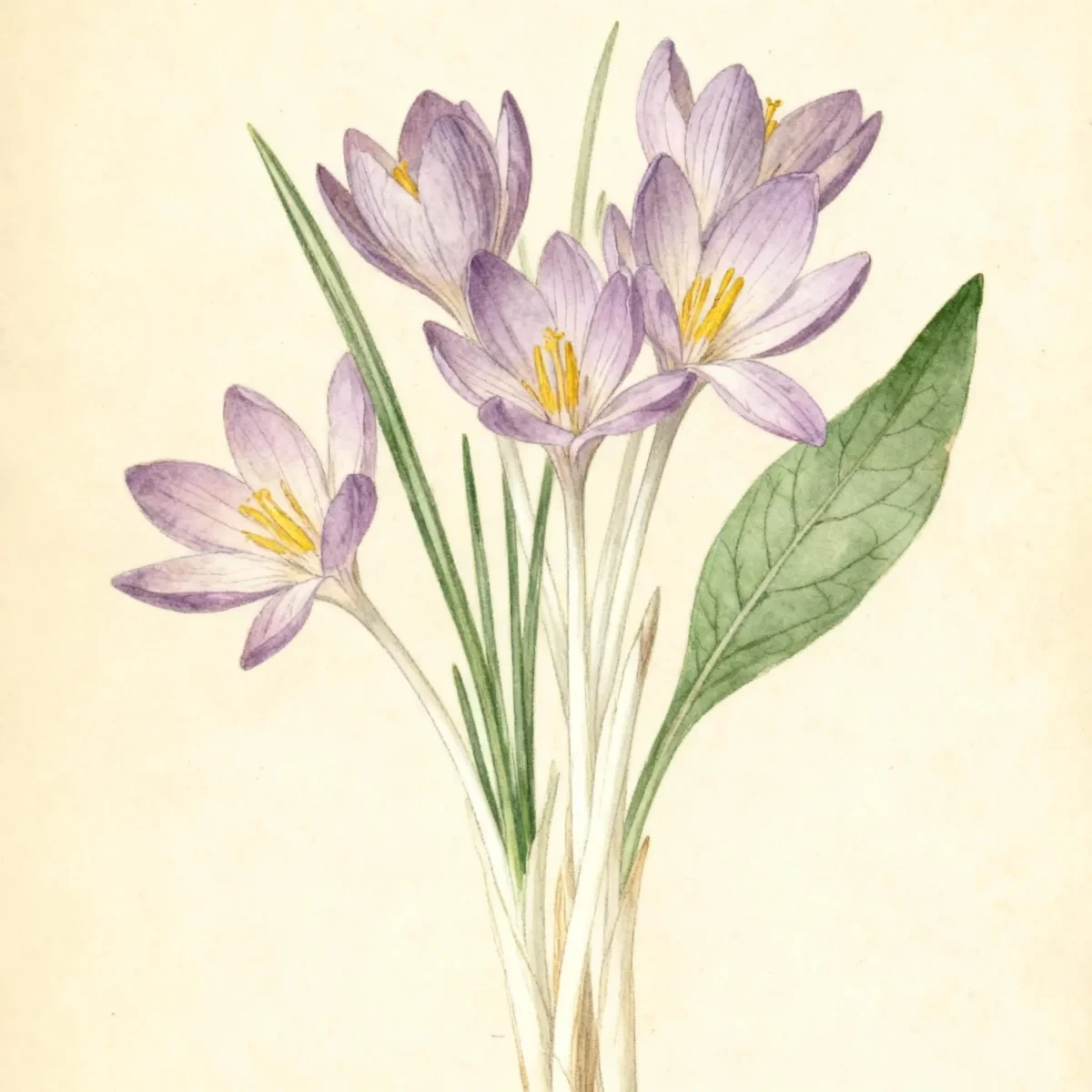
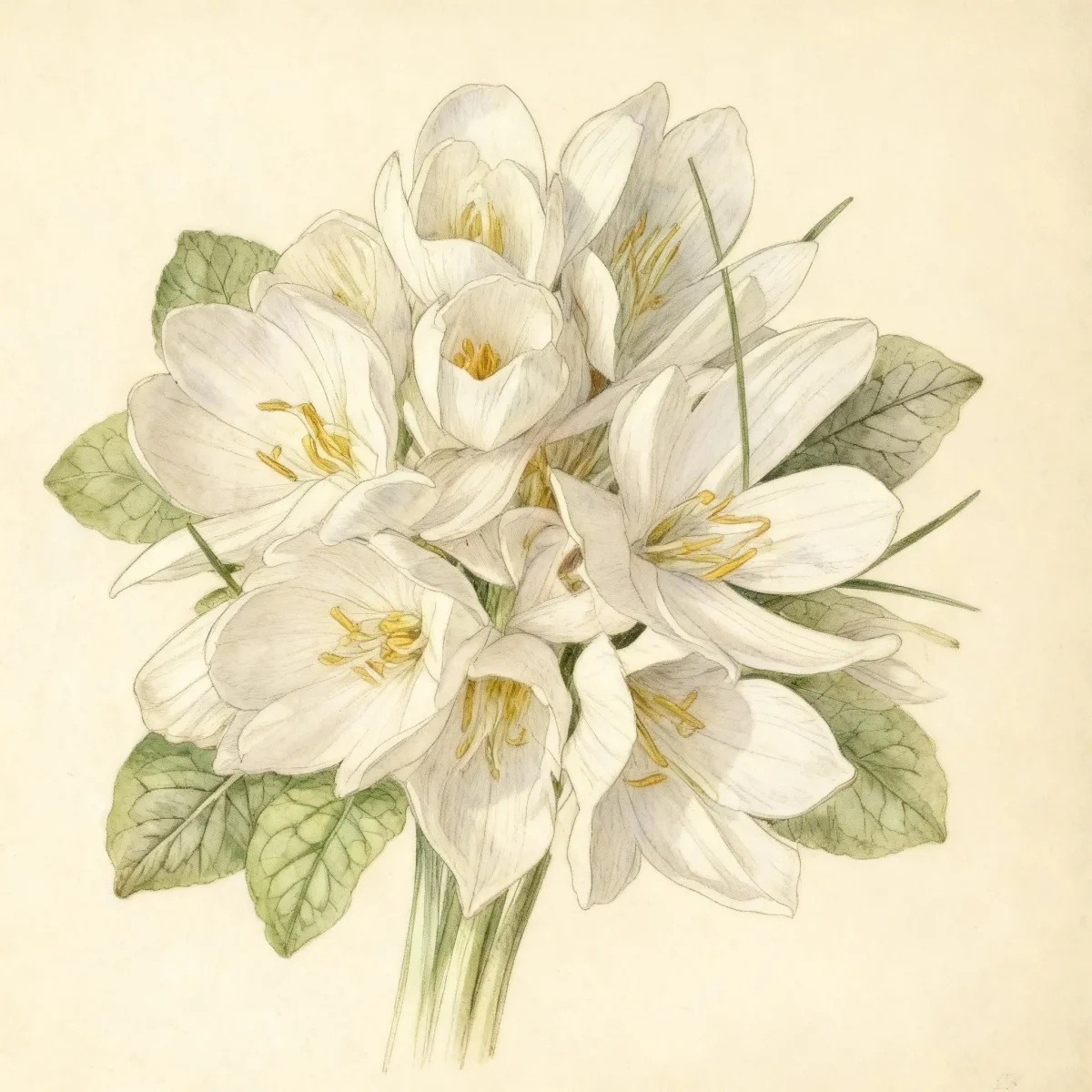
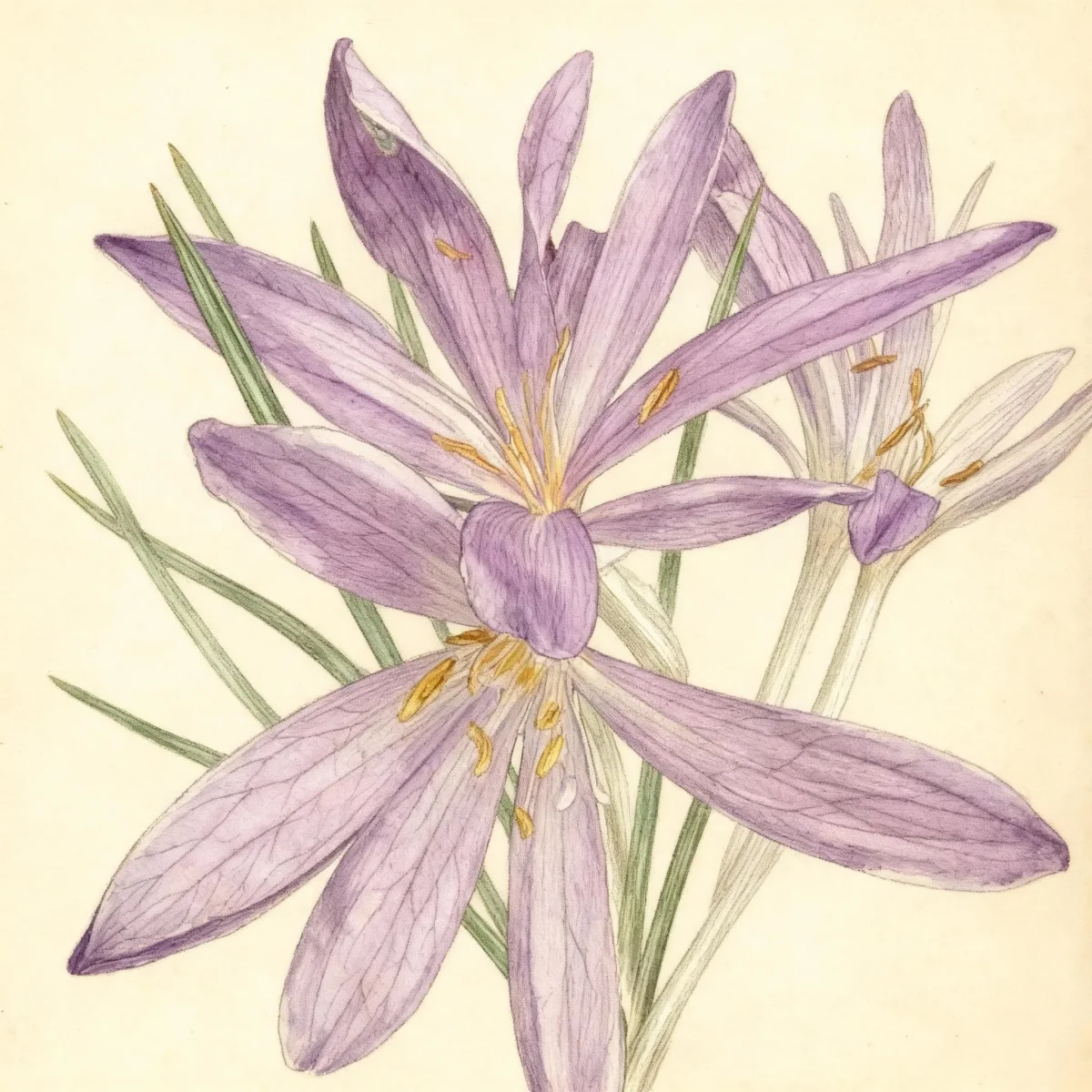
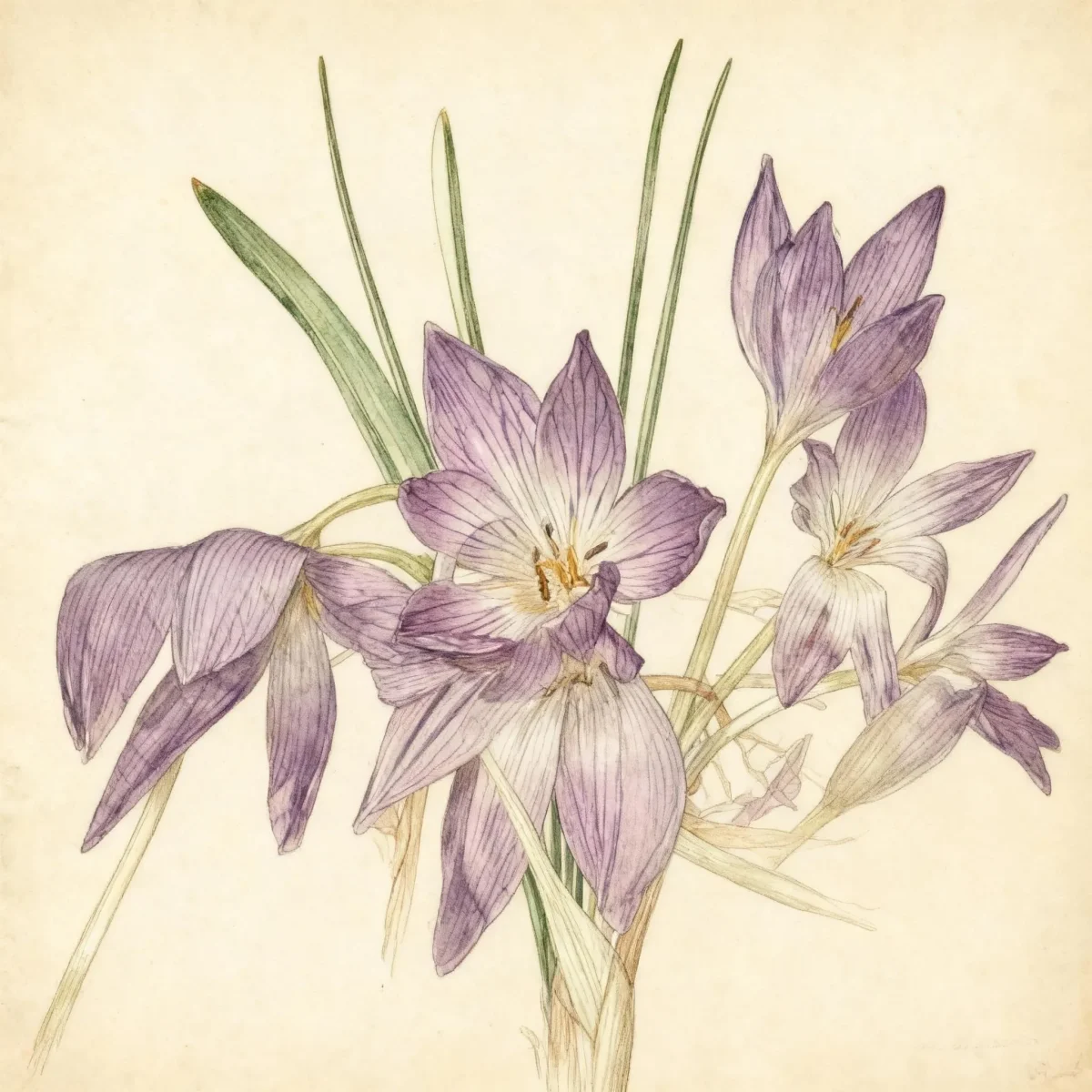
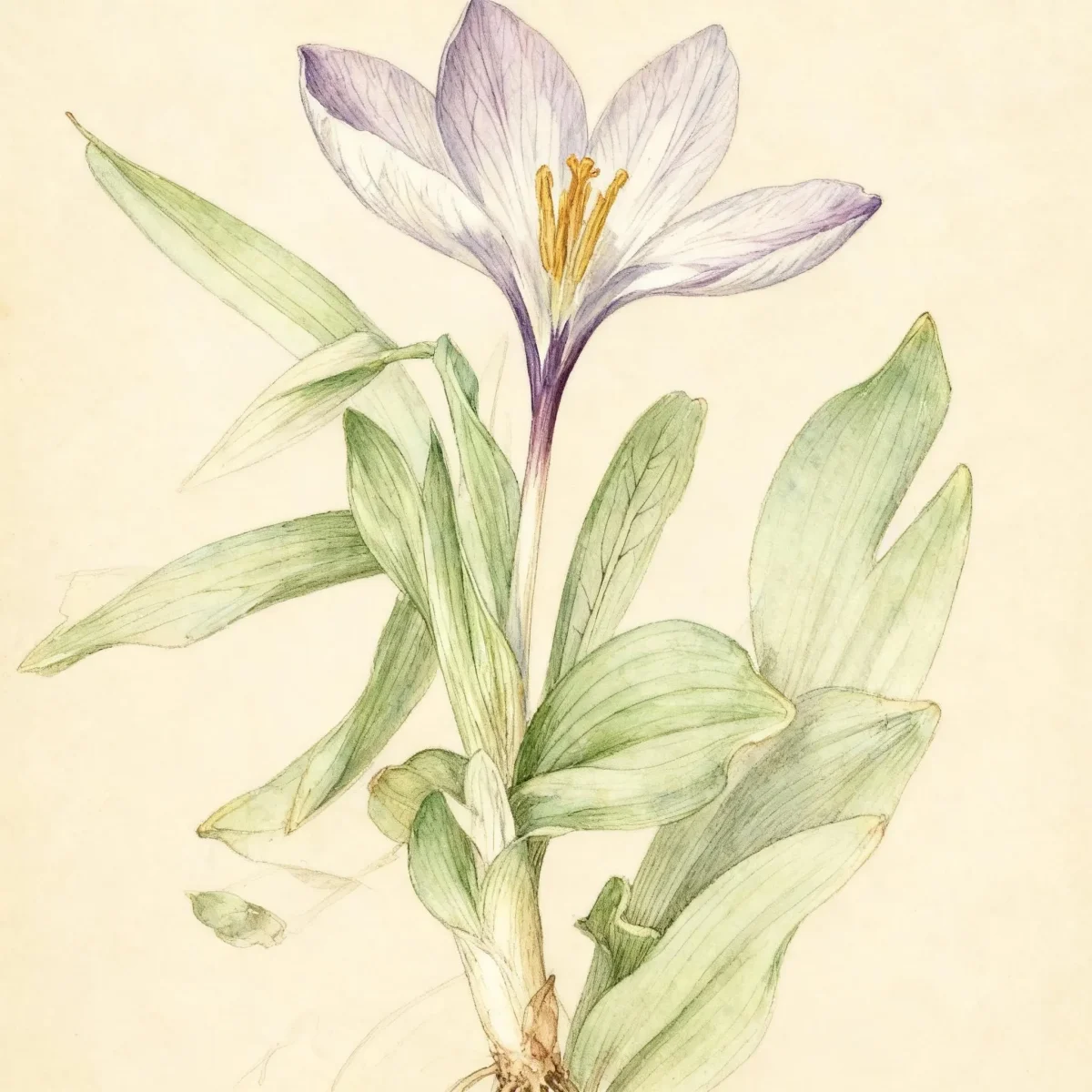
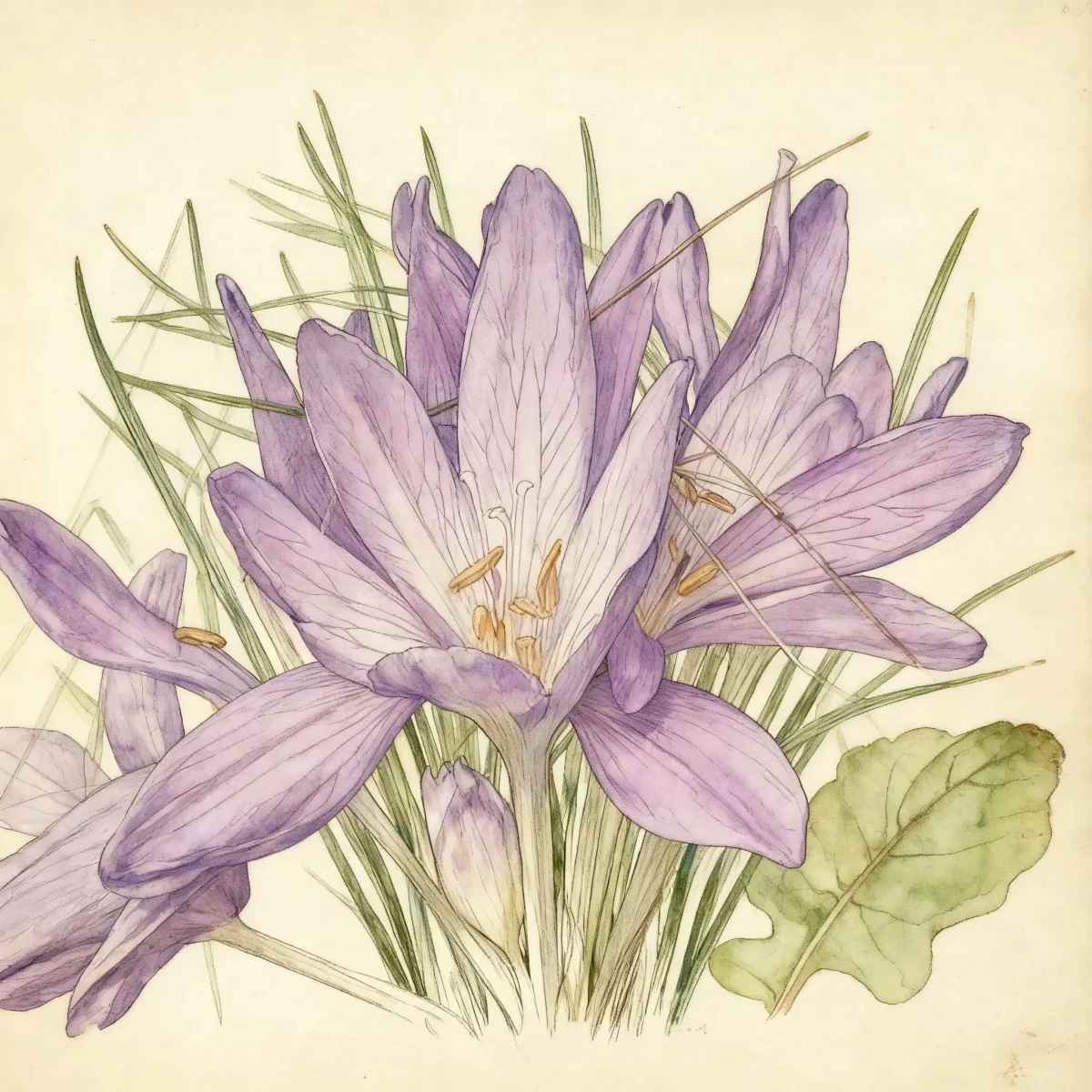
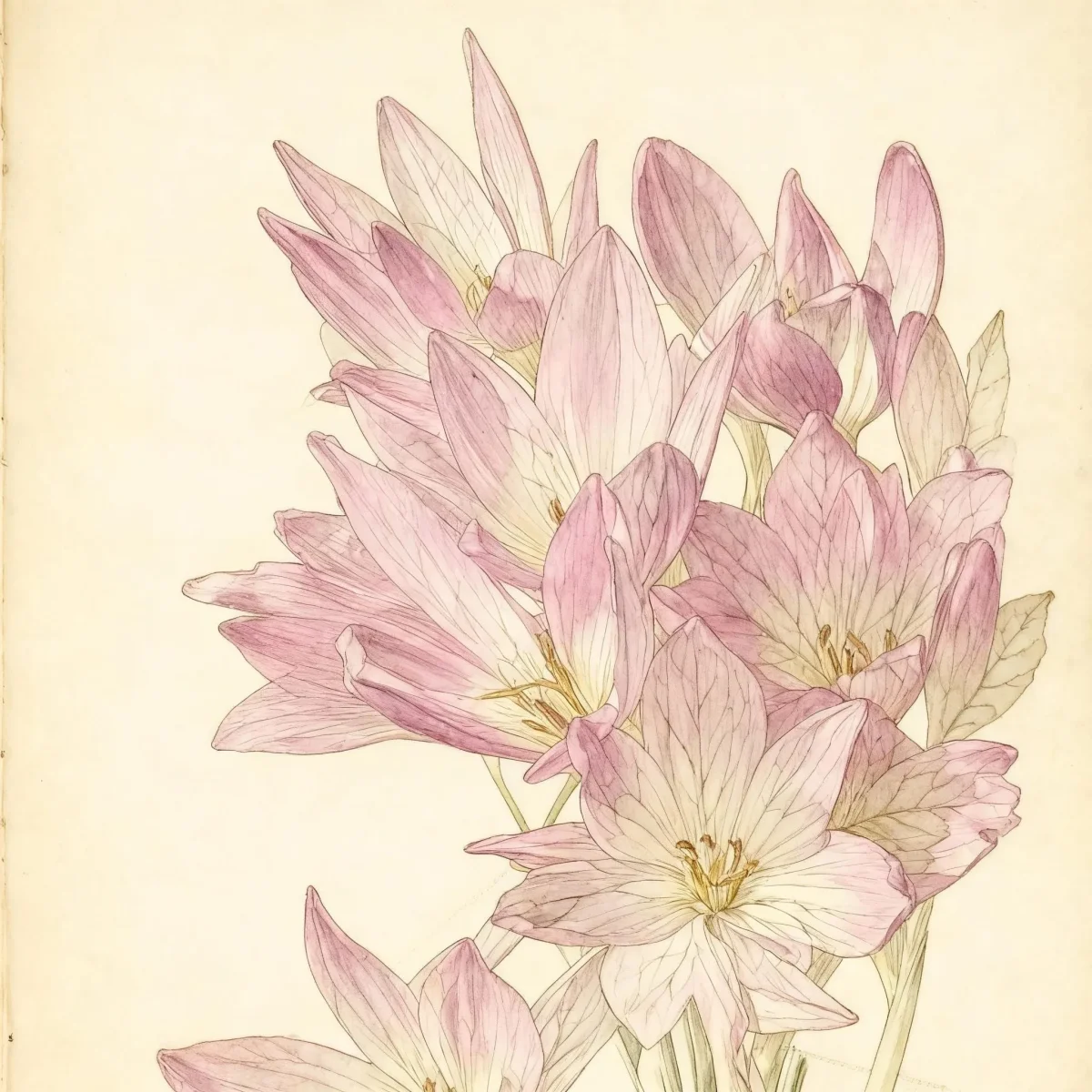
Autumn crocus (Colchicum byzantinum)
Discover Colchicum byzantinum, the Autumn crocus, thriving in Zones 4-8 with stunning pink to lilac fall blooms.

Bloom Boldly, No Matter the Season - Sweatshirt
Cozy organic cotton sweatshirt featuring our exclusive Purple Coneflower design. Perfect for gardeners who bloom year-round.
Inspired by the beautiful Autumn crocus
Limited first batch (50) — join the waitlist for early access
Waitlist closes Feb 15, 2026.
Complete Plant Information
Field Guide Continues
Ready for care notes, companion picks, and planting tips?
The map is just the start. The full guide below covers growth habits, seasonal performance, and landscape uses.
Overview
Colchicum byzantinum, commonly known as the Autumn crocus, offers an elegant surprise as summer fades, bringing welcome color in early fall. This unique bulb produces its beautiful flowers directly from the ground without any supporting foliage present at the time of blooming. Gardeners value this plant for filling the color gap left by summer perennials as they begin to wind down.
While the flowers appear in autumn, note that Colchicum byzantinum develops its foliage in the late spring, which then declines during the summer dormancy period. Knowing this characteristic is key to successfully integrating the Autumn crocus into your landscape design to ensure the dying leaves are not prominently displayed.
Native to Turkey, Syria, and Lebanon, this member of the Colchicaceae family is relatively low-maintenance once established in suitable conditions. Its main draw is the sudden appearance of pink to lilac flowers in September and October, making it an essential component for late-season interest across USDA zones 4 through 8.
Fast Facts
- Plant Family: Colchicaceae
- Plant Type: Bulb
- Native Range: Turkey, Syria, Lebanon
- Hardiness Zones: USDA Zones 4-8
- Size at Maturity:
- Height: 0.25-0.5 ft
- Spread: 0.25-0.5 ft
- Bloom Time: September to October
- Bloom Description: Pink to lilac
- Sun Exposure: Full sun to part shade
- Water Needs: Medium
- Maintenance Level: Medium
How to Grow
The best time to establish Colchicum byzantinum corms is in August, positioning them for bloom later that same fall season. These bulbs thrive in average, well-drained soils, performing best when positioned in locations receiving full sun to light part shade throughout the day. When planting, situate corms approximately 3 inches deep and space them 6 inches apart to allow for natural grouping over time.
Water needs for the Autumn crocus are best described as medium. Ensure consistent moisture, particularly as the flowers emerge in the fall and as the foliage grows in the spring, but avoid overly soggy conditions, which can promote corm rot. Fertilization is generally not required if the soil quality is decent.
Since the foliage emerges in spring and dies back by summer, care revolves around managing this transition. Avoid cutting the leaves back prematurely; allow them to yellow and wither naturally to send energy back into the corm for the following year’s display. If necessary, Colchicum byzantinum corms can be divided during their mid-summer dormant period.
Landscape Uses
Colchicum byzantinum shines in informal settings where its fleeting fall splendor can be appreciated without requiring perfect framing. It is highly recommended for use in meadows or woodlands, where the early foliage decline is less noticeable against mixed plantings. They also provide a delightful surprise when tucked into pockets of the landscape where spring and summer bloomers have concluded their show.
For design consideration, plant these bulbs near patios or along walkways, creating moments of autumn wonder. To mitigate the appearance of weak flower stems, which can sometimes flop, place them among low-growing ground covers. These companions can help prop up the stems discreetly, ensuring the display of pink to lilac flowers remains upright without drawing attention to the subsequent yellowing foliage.
The upright, strap-like spring leaves of the Autumn crocus are best hidden by low, green ground covers or massed plantings of later-emerging perennials. Avoid using this plant in the highly prominent, foreground areas of formal beds, as the unsightly appearance of the declining foliage in summer contradicts the sudden beauty of the fall bloom.
Standout Features
Flower Qualities
- Showy
Noteworthy Characteristics
Colchicum byzantinum is a species of autumn crocus that is generally considered to be native to southeastern Europe, however some authorities believe that it is actually a hybrid of C. Cilicicum. In late spring, plants send up somewhat unattractive foliage (5-6 ribbed, elliptic to lance-shaped, dark green leaves to 12” long). Foliage gradually yellows and dies by summer as the plants go dormant. Naked flower stems rise from the ground to 4-6” tall in early fall bearing pink to lilac, funnel-shaped flowers (to 2” long) with dull yellow anthers. Genus name come from the abundance of the plant in Colchis, the Black Sea region of Georgia, Caucasus; the specific epithet means of classical Byzantium.
Tolerances
- Deer
Potential Problems
Colchicum byzantinum is generally robust, presenting no serious insect or disease problems under ideal conditions. Gardeners should remain observant for common garden pests such as slugs and snails, which can bother the emerging blooms and foliage. An occasional fungal issue like Botrytis can occur, usually mitigated by good air circulation.
The most significant cultural concern relates to soil drainage. Corm rot is a serious threat if the corms are planted in consistently poorly-drained or overly wet soils. Furthermore, the flower stems are sometimes weak, leading to flopping, especially if planted in deep shade or without nearby structural support.
Frequently Asked Questions
What hardiness zones is Autumn crocus suitable for?
Colchicum byzantinum is suitable for USDA Hardiness Zones 4 through 8.
How large does Autumn crocus grow?
This species typically reaches a modest height between 0.25 and 0.5 feet tall, spreading similarly between 0.25 and 0.5 feet wide.
When does Autumn crocus bloom?
The beautiful, leafless flower stems emerge from the ground, bearing pink to lilac flowers between September and October.
What sun exposure does Colchicum byzantinum need?
This plant adapts well to conditions ranging from full sun to partial shade.
Conclusion
The Autumn crocus, Colchicum byzantinum, provides invaluable late-season color when few other bulbs are flowering, making it a must-have for gardeners seeking sequential interest. Remember that its spring foliage declines, so plan its environment accordingly to maximize the impact of those stunning pink to lilac blooms. Before planting, confirm your site offers well-drained soil and check your local USDA zone compatibility.
Companion Planting
When integrating Colchicum byzantinum into your garden, pair it with plants that can occupy the space once its foliage yellows. Low-growing ground covers that retain their vigor through summer are excellent choices as they physically support the weak flower stems and mask the declining leaves. Consider creeping thyme or low sedums to provide a continuous green carpet around the corms installed in August.
For blooms that follow the Colchicum byzantinum, consider late-flowering asters or hardy mums planted nearby. By the time these companions reach their peak in late October and November, the space previously occupied by the C. byzantinum foliage will be filled with newer, vibrant growth, creating a seamless transition through the gardening year.
Seasonal Care Calendar
The growing period for Colchicum byzantinum follows a reverse schedule compared to most spring bulbs. Planting should occur in August for a fall display, requiring immediate, deep watering. During late spring, monitor the foliage growth and ensure regular medium watering until the leaves yellow completely and die back naturally by mid-summer.
Summer marks the dormant period, which is the ideal time for observation or gently dividing overcrowded clumps; ensure soil stays dry, not soggy, during this time to prevent corm rot. In early fall, watch for the sudden emergence of the naked flower stems. Avoid mechanical disturbance in the area during the active bloom period (September to October).