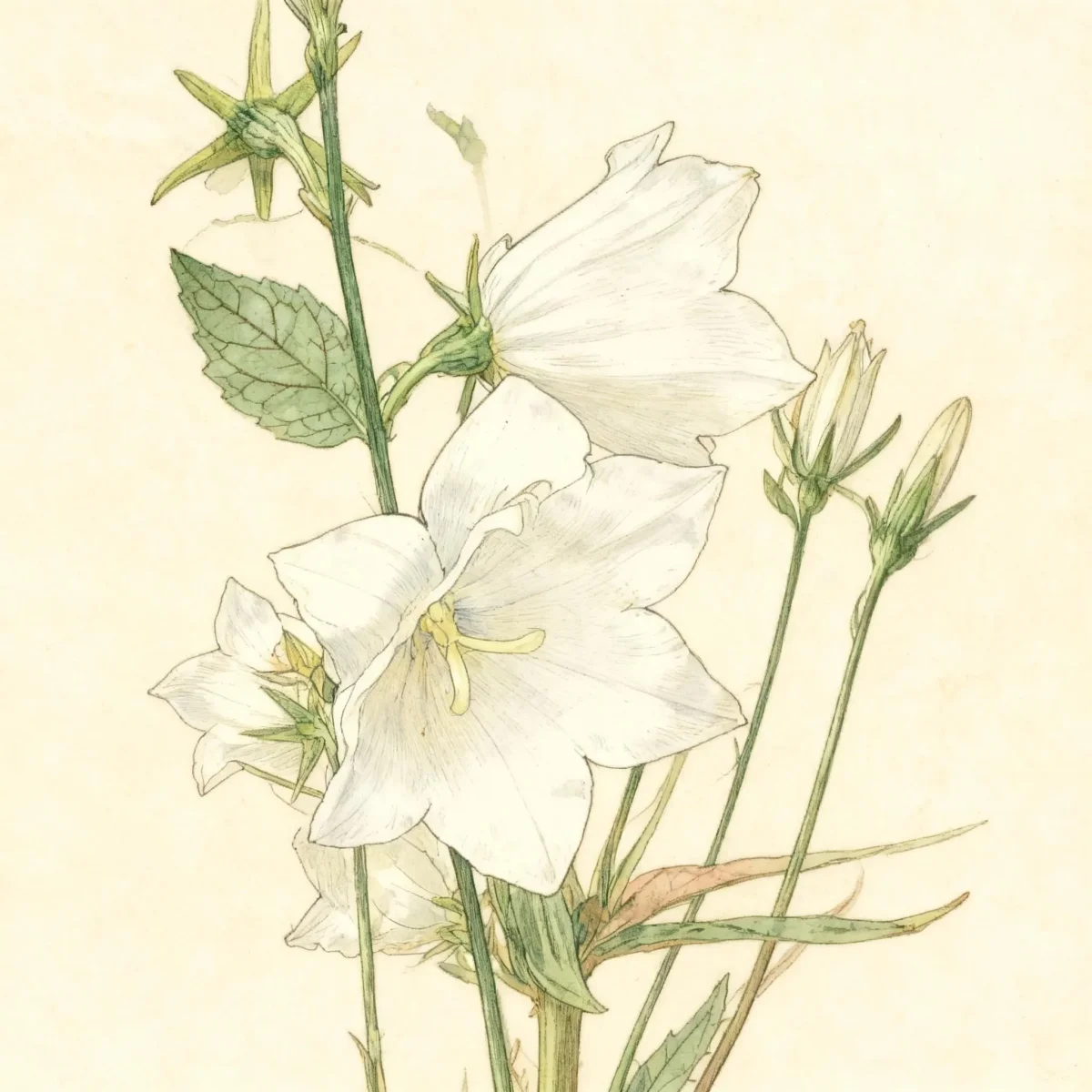
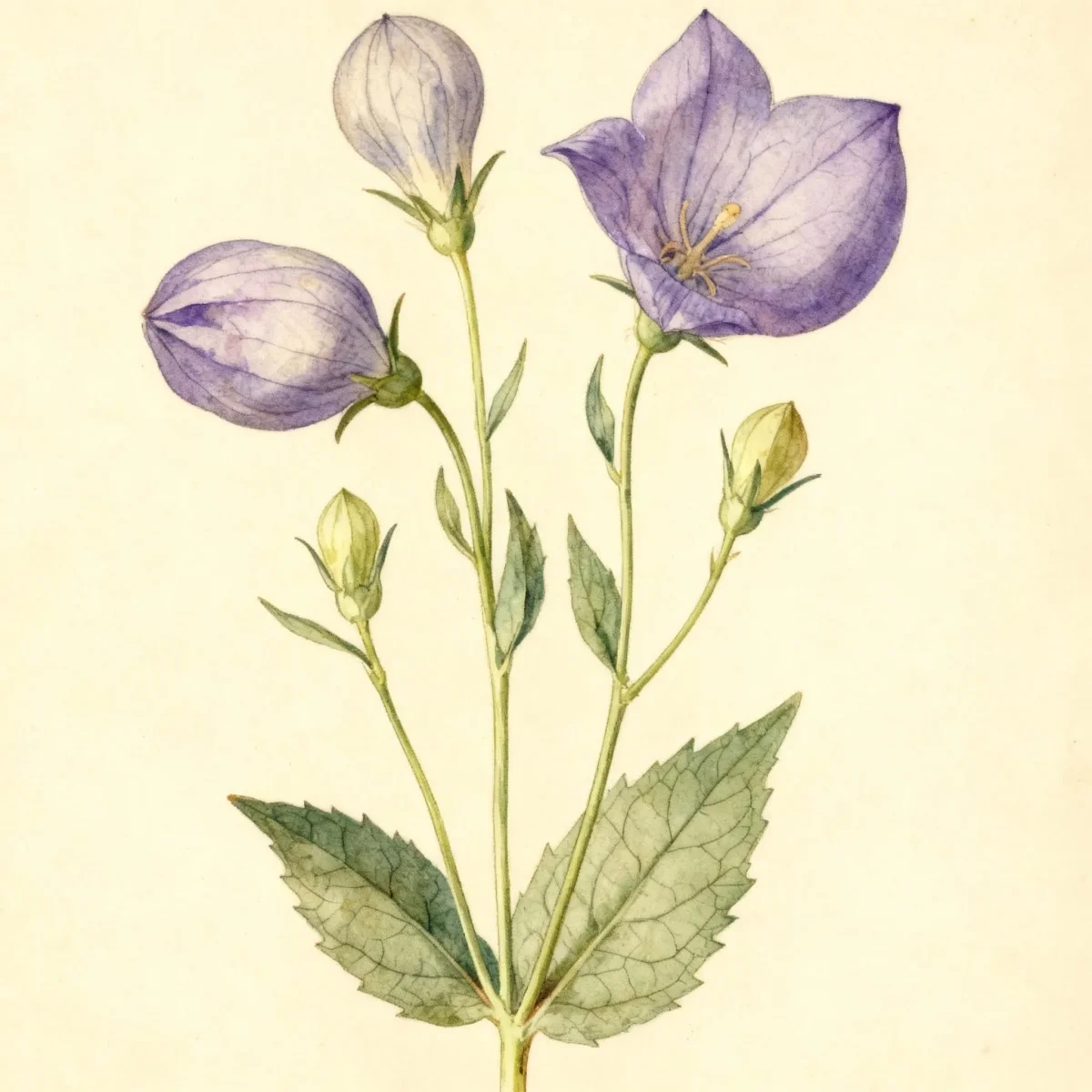
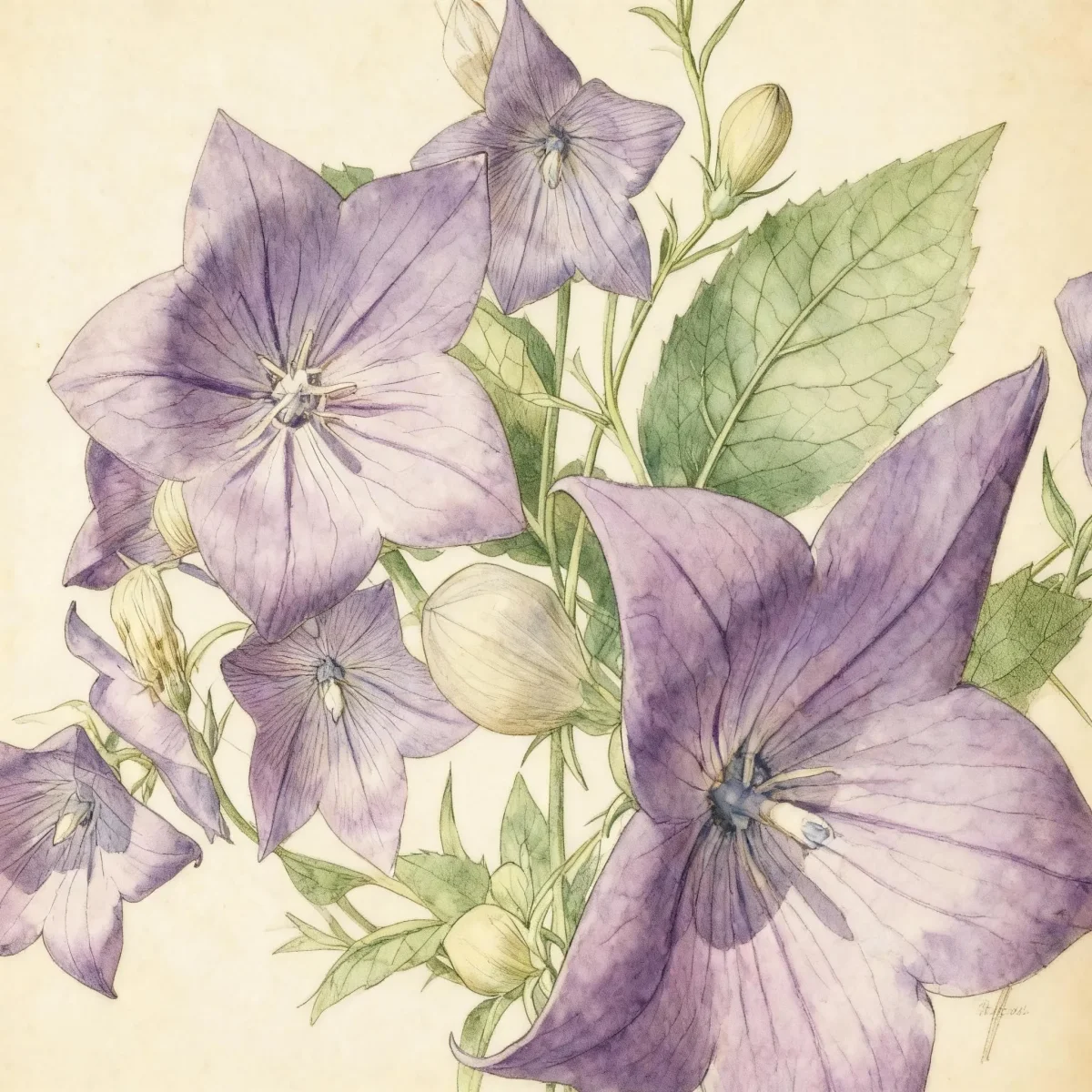
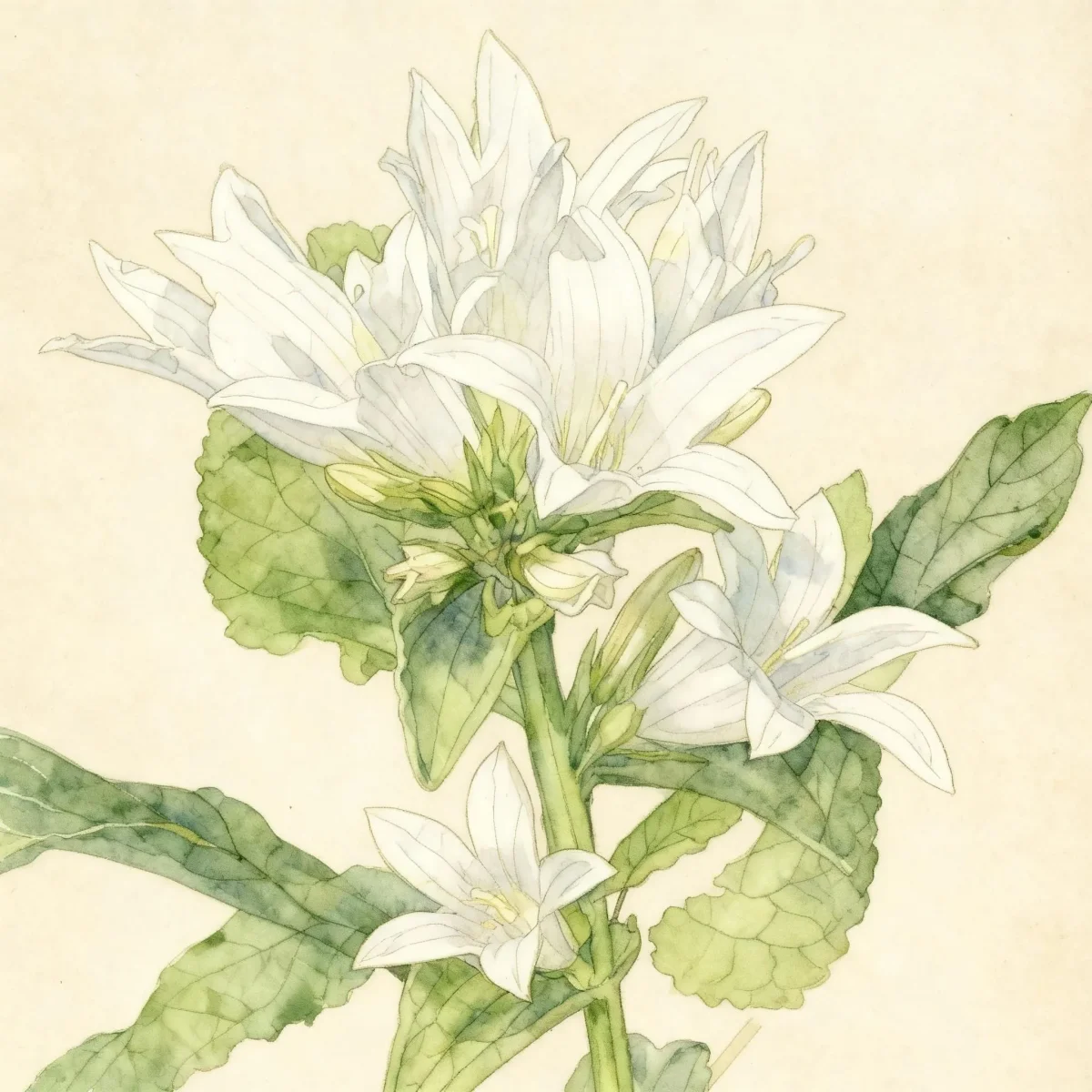
Serbian bellflower (Campanula poscharskyana 'Stella')
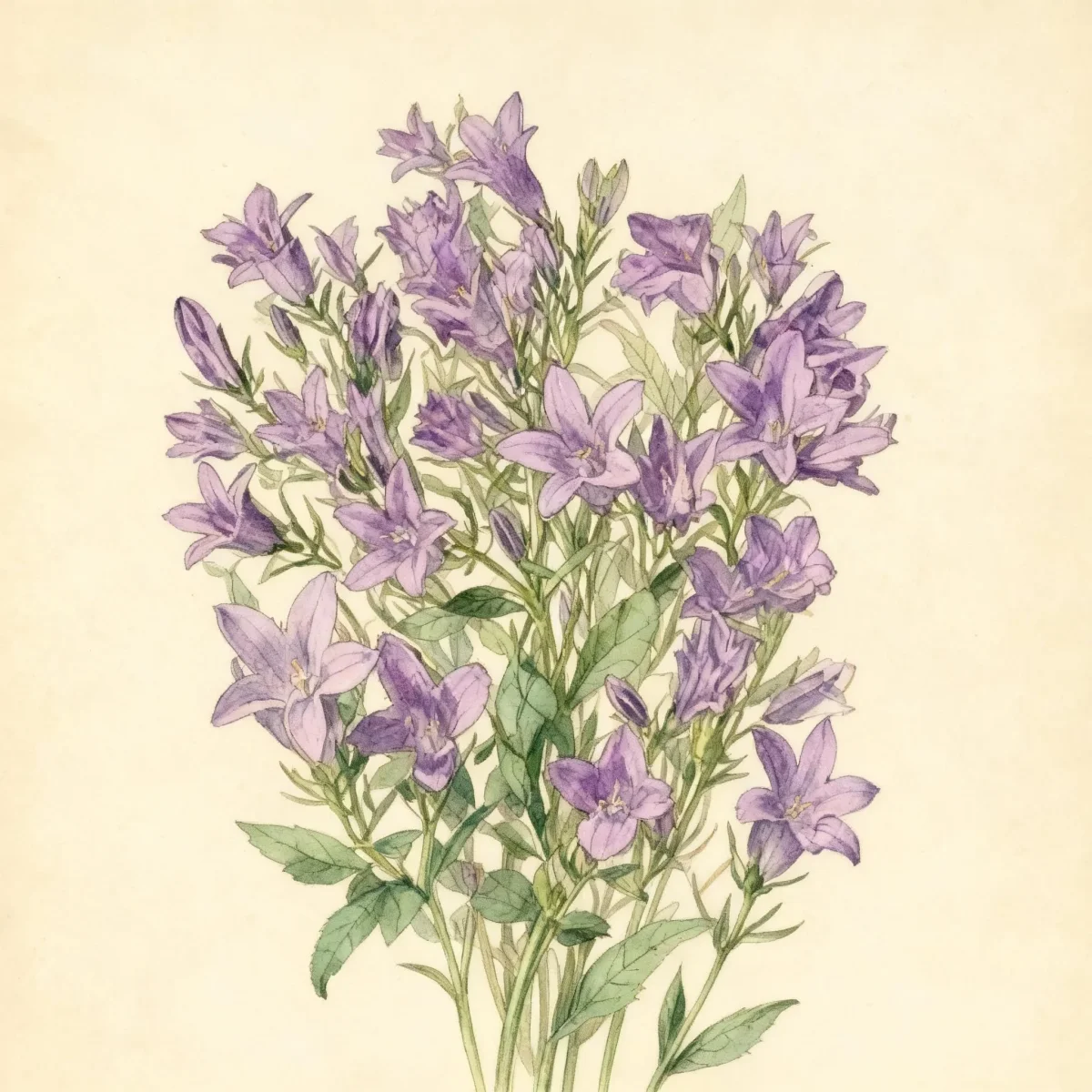
Campanula poscharskyana 'Stella', the Serbian bellflower, is a low-growing perennial offering showy deep blue blooms from June to August.
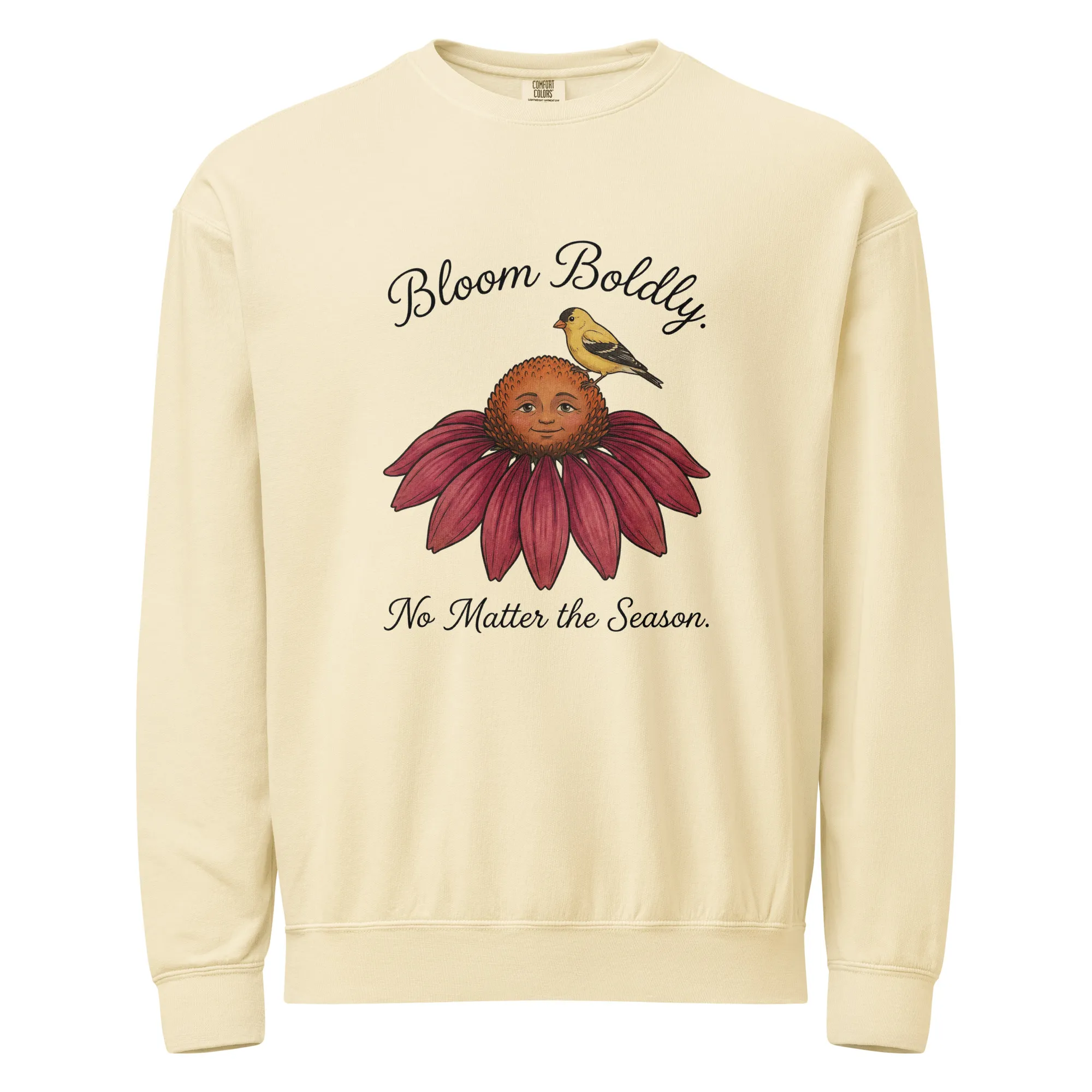
Bloom Boldly, No Matter the Season - Sweatshirt
Cozy organic cotton sweatshirt featuring our exclusive Purple Coneflower design. Perfect for gardeners who bloom year-round.
Inspired by the beautiful Serbian bellflower
Limited first batch (50) — join the waitlist for early access
Waitlist closes Feb 15, 2026.
Complete Plant Information
Field Guide Continues
Ready for care notes, companion picks, and planting tips?
The map is just the start. The full guide below covers growth habits, seasonal performance, and landscape uses.
Overview
Campanula poscharskyana ‘Stella’, commonly known as the Serbian bellflower, is a highly valued, prostrate perennial forming dense mats ideal for ground cover applications. Gardeners appreciate this variety for its prolific bloom display of characteristic bell-shaped flowers that appear from early summer through mid-summer. It remains relatively tight to the ground, typically reaching only 4 to 6 inches tall, making it an excellent softening element in the landscape.
This vigorous spreader excels in rock gardens or cascading over walls, offering reliable color with minimal effort. The ‘Stella’ cultivar is noted specifically for its rich blue-violet flowers which contrast beautifully with the semi-evergreen foliage in warmer regions. Producing consistently satisfying color, the Serbian bellflower is a low-maintenance star once established in suitable growing conditions.
The plant spreads via creeping, prostrate stems, which are easily managed by trimming if they encroach upon desired areas. While adaptable, Campanula poscharskyana ‘Stella’ thrives best with regular moisture and struggles in areas where nighttime temperatures consistently exceed 70°F, making climate awareness crucial for success.
Fast Facts
- Plant Family: Campanulaceae
- Plant Type: Herbaceous perennial
- Hardiness Zones: USDA Zones 3-8
- Size at Maturity:
- Height: 0.5-1 ft
- Spread: 1-1.5 ft
- Bloom Time: June to August
- Bloom Description: Deep blue
- Sun Exposure: Full sun to part shade
- Water Needs: Medium
- Maintenance Level: Low
How to Grow
Planting the Serbian bellflower is best achieved in the spring or fall, allowing the roots time to establish before the stress of intense summer heat. This plant requires average, medium, well-drained soil to prevent root issues. While it handles full sun, ensure that Campanula poscharskyana ‘Stella’ receives part shade if you live in climates experiencing strong, hot summer afternoons.
Once established, maintain a medium watering schedule, ensuring consistent moisture, particularly during blooming periods. Fertilizing is rarely necessary; excessive feeding can promote heavier foliage growth at the expense of flowers. Clumps of established Campanula poscharskyana ‘Stella’ can be successfully divided in the spring to create new plants.
Be mindful of local climate; this species does not perform well where summer nights consistently stay above 70°F. If growth becomes too extensive, the prostrate stems can be easily trimmed back to control the sprawling habit without damaging the overall health of the plant. In warmer zones, the foliage may remain semi-evergreen or evergreen throughout the winter.
Landscape Uses
The sprawling, mat-forming nature of Serbian bellflower makes it indispensable for specific design elements. It is an excellent choice for softening the hard edges of rock gardens, achieving that desired ‘spilled over’ look between stones. Furthermore, Campanula poscharskyana ‘Stella’ excels when planted along banks or allowed to cascade gracefully over retaining walls, providing vertical texture contrast.
Use this perennial nearer to paths or at the front edge of mixed borders where its lower profile will not obscure taller plantings behind it. Its consistent bloom duration from June to August ensures reliable mid-season color. Consider pairing it with other low-growing, shade-tolerant plants suitable for similar well-drained conditions to create a cohesive ground cover tapestry.
Standout Features
Flower Qualities
- Showy
Noteworthy Characteristics
Campanula poscharskyana, commonly called Serbian bellflower, is a prostrate, sprawling perennial which typically forms a low, mounding ground cover to 4-6” tall (less frequently to 12”). Campanulate, lilac-blue flowers with flaring, star-shaped lobes (to 1” wide) appear in loose panicles along the stems in late spring. The cultivar ‘Stella’ specifically presents blue-violet flowers that open to reveal a distinct white center, adding visual depth to its display.
Tolerances
- Deer
Potential Problems
The Serbian bellflower is generally robust, exhibiting no serious or consistent insect or disease problems under proper cultural conditions. The most common visitors noted are snails and slugs, especially when conditions are damp or humid. Protect young growth by employing non-toxic slug baits or manually removing pests in the early morning or evening. Good air circulation can help mitigate general fungal risks.
Frequently Asked Questions
What hardiness zones is Serbian bellflower suitable for?
Campanula poscharskyana ‘Stella’ is reliably hardy across USDA Zones 3 through 8, offering flexibility for a wide range of climates.
How large does Campanula poscharskyana ‘Stella’ grow?
This perennial typically stays very low, reaching a mature height between 0.5 and 1 foot tall, and spreading outward 1 to 1.5 feet wide through its prostrate stems.
When does Serbian bellflower bloom?
You can expect vibrant flowering from this plant throughout the summer, specifically from June to August, displaying deep blue blooms.
What sun exposure does Campanula poscharskyana ‘Stella’ need?
The ideal location is one receiving full sun, though it readily adapts to part shade, especially where intense afternoon heat is a concern.
Conclusion
The Serbian bellflower, Campanula poscharskyana ‘Stella’, offers exceptional value as a low-maintenance, durable groundcover that floods the late spring and summer landscape with vivid, bell-shaped blooms. Its habit of sprawling nicely over borders and rocks establishes it as a foundational choice for textured interest. Before planting your Campanula poscharskyana ‘Stella’, confirm that your region falls within USDA Zones 3-8 and ensure the location benefits from well-drained soil to guarantee years of beautiful performance.
Propagation Tips
Since Campanula poscharskyana ‘Stella’ spreads readily through its root crowns, division is the simplest and most effective method of propagation. Wait until early spring, when new growth begins to emerge, to gently lift and separate established clumps. Ensure each new division retains a healthy section of roots and stems for successful reestablishment in their new location.
This perennial can also be grown from seed, though this method requires stratification for successful germination and will take longer to achieve the mature mat-forming habit. For a speedy way to cover ground, division of your existing Serbian bellflower stock remains the expert choice.
Companion Planting
To best complement the needs of Campanula poscharskyana ‘Stella’, look for other perennials that also thrive in medium moisture and appreciate similar sun exposure, particularly part shade during extreme heat. Good partners include creeping Thyme (Thymus serpyllum) for textural contrast over rock surfaces, or low-growing Sedums that tolerate slightly richer soils. Avoid pairing the Serbian bellflower with plants that require consistently dry conditions, as this plant prefers regular moisture to remain lush and floriferous.