Common hornbeam(Carpinus betulus 'Fastigiata')
Grow columnar hornbeam (Carpinus betulus 'Fastigiata'): dense upright European hornbeam, urban street tree, formal pleached hedges, and USDA zones 4–8 care.
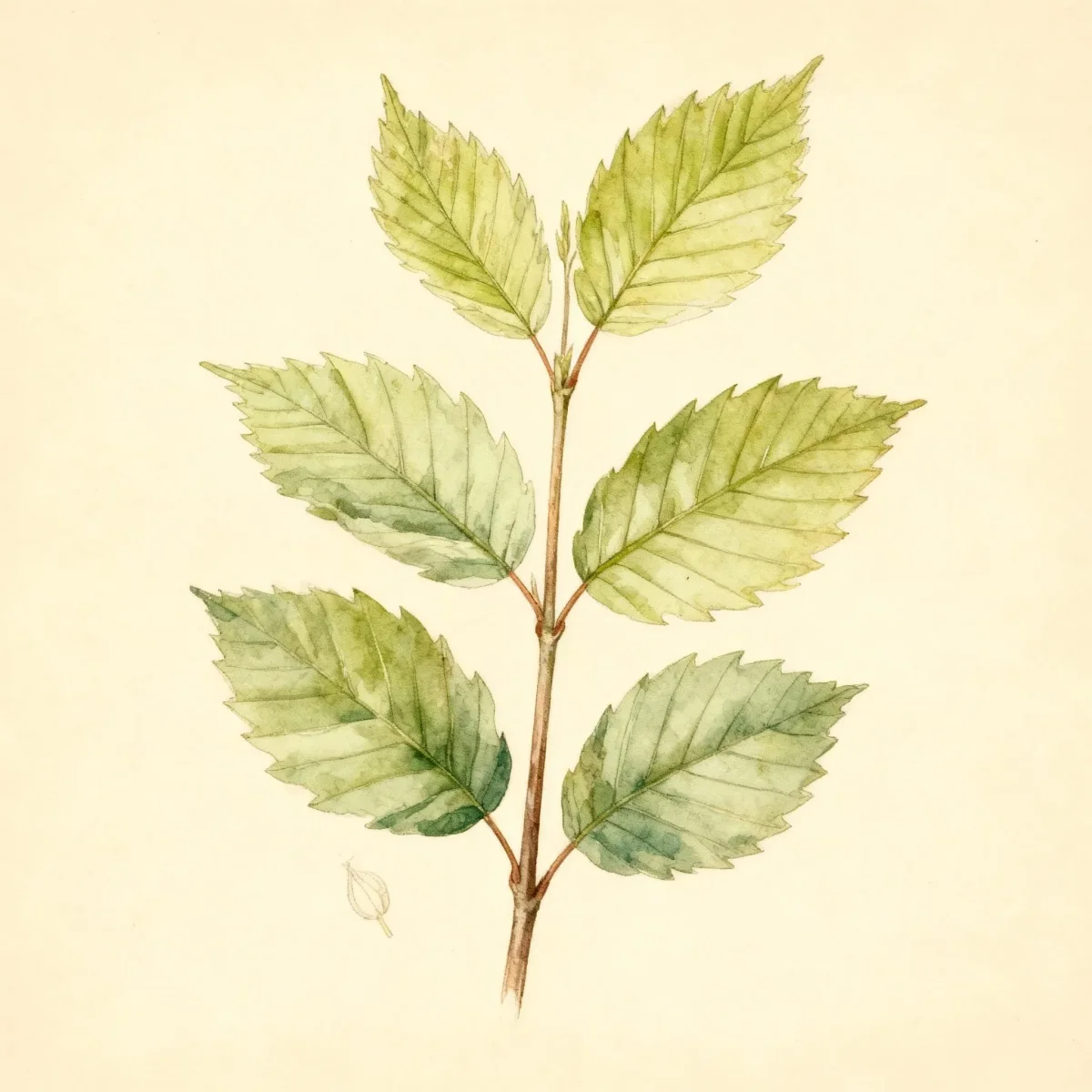
Complete Plant Information
- Hardiness zones
- USDA 4–8
- Plant type
- Tree
- Plant family
- Betulaceae
- Sun exposure
- Full sun to part shade
- Water needs
- Medium
- Maintenance
- Low
- Height
- 30–40 ft (914–1219 cm)
- Spread
- 20–30 ft (610–914 cm)
- Bloom time
- March to April
- Flower color
- Non-showy pendulous catkins appearing with emerging leaves
- Flower qualities
- Not recorded
- Fruit qualities
- Not recorded
- Tolerances
- Air Pollution, Clay Soil, Wind
- Garden uses
- Street tree, formal hedge, pleached screen, privacy barrier
- Native range
- Europe to Western Asia (cultivar selection)
Field Guide Continues
Ready for care notes, companion picks, and planting tips?
The map is just the start. The full guide below covers growth habits, seasonal performance, and landscape uses.
Overview
Columnar European hornbeam (Carpinus betulus ‘Fastigiata’, frequently searched as columnar hornbeam or upright hornbeam) is a tough, versatile deciduous tree hardy across USDA Zones 4 through 8. Strictly fastigiate and columnar in its youth, it gradually matures over decades into a dense, vase- to oval-pyramidal crown 30 to 40 feet tall and 20 to 30 feet wide. Highly valued for formal avenues, narrow streetscapes, and sheared privacy screens, it tolerates heavy clay, strong winds, and urban air pollution with remarkable resilience.
The tree features crisp, dark green, doubly serrated ovate leaves that turn yellow-orange in late autumn, along with smooth, steel-gray bark that develops dramatic, sinewy fluting reminiscent of flexed muscle fibers, giving hornbeam its historic common name “musclewood.”
How to Grow
- Hardiness & Siting: USDA Zones 4 through 8. Fully cold-hardy across the upper Midwest and Northeast, and heat-tolerant through Zone 8 when given adequate soil moisture.
- Sunlight: Full sun to partial shade. Develops the densest branching and richest autumn color in full sun (at least 6 hours daily).
- Soil & Adaptability: Exceptionally adaptable to diverse soils, including heavy clay, compacted urban soils, and slightly acidic to alkaline pH. Prefers moist, well-drained loams, but established trees handle moderate drought and city air pollution well.
- The Late Summer Pruning Rule: Hornbeams bleed copious amounts of sap if pruned in late winter or early spring during active sap rise. Prune only from late summer through mid-winter. For formal sheared hedges or pleaching, prune in mid-to-late summer after the primary seasonal growth flush has hardened off.
Landscape Uses
- Formal Sheared Hedging & Pleaching: Responds exceptionally well to heavy shearing, making it one of the premier European hedging choices for tall, formal boundary screens.
- Urban Street Tree: Tough wood, upright ascending branches, and high pollution tolerance make it a standard choice for city avenues and parking lot medians.
- Narrow Lawn Specimen: Fits into tighter corridors where standard broad-spreading shade trees would overwhelm property lines.
Potential Problems
- Sap Bleeding from Spring Pruning: Pruning cuts made in February, March, or April bleed heavily, stressing the tree. Always adhere to late summer or mid-winter pruning windows.
- Mature Breadth Expansion: Gardeners frequently plant young fastigiate saplings too close to walls or structures; remember that ‘Fastigiata’ broadens from a column into an oval crown 20 to 30 feet wide at maturity.
- Pests & Diseases: Exceptionally pest-free, though scale or canker may occasionally occur in stressed specimens.
Frequently Asked Questions
Does columnar hornbeam stay narrow forever?
No. Young trees are slender and fastigiate, but after 10 to 15 years, the crown naturally broadens into a tear-drop or oval silhouette 20 to 30 feet wide. If a permanently pencil-thin tree is required, cultivars like ‘Frans Fontaine’ stay narrower than ‘Fastigiata’.
When is the best time to prune Carpinus betulus ‘Fastigiata’?
Prune strictly in late summer through mid-winter. Pruning in late winter or early spring causes profuse sap bleeding.
Can columnar hornbeam be sheared into a formal hedge?
Yes. European hornbeam is one of the premier hedging plants in classical garden design, tolerating annual shearing into tight, formal rectangular screens.
Companion Plants
Pair columnar hornbeam with plants that contrast with its strong vertical architecture and clean green foliage:
- Flowering Understory Shrubs: Plant near spring-blooming serviceberries (Amelanchier), witch hazels (Hamamelis), or panicle hydrangeas (Hydrangea paniculata).
- Formal Evergreen Underplantings: Underplant with low-growing yews (Taxus), boxwoods (Buxus), or spreading cotoneasters.
- Groundcovers & Perennials: Combine with shade-tolerant epimediums, hostas, or sweet woodruff around its base.
Sources & Lineage
- Missouri Botanical Garden PlantFinder: Record taxon 244657 (Carpinus betulus ‘Fastigiata’) — architectural form, historical performance, and pruning rules.
- Kew Plants of the World Online (POWO): Carpinus betulus L. (POWO: 295325-1) — species classification and European native range.
- Royal Horticultural Society (RHS): Carpinus betulus ‘Fastigiata’ AGM — Award of Garden Merit profile and hedging parameters.
Recommended Companion Plants
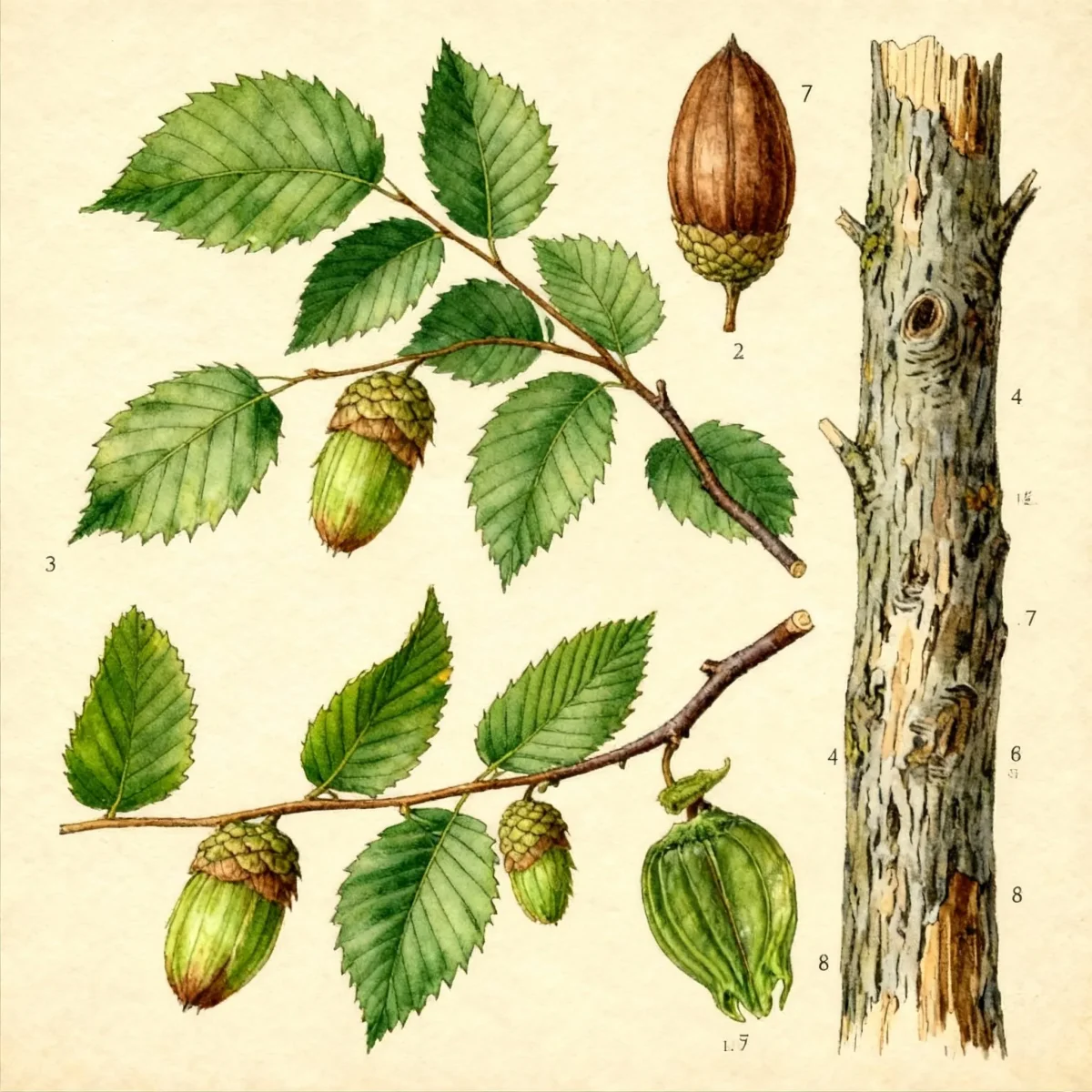
Common hornbeam
Carpinus betulus
- USDA zones
- 4–8
- Light
- Full sun to part shade
- Water
- Medium
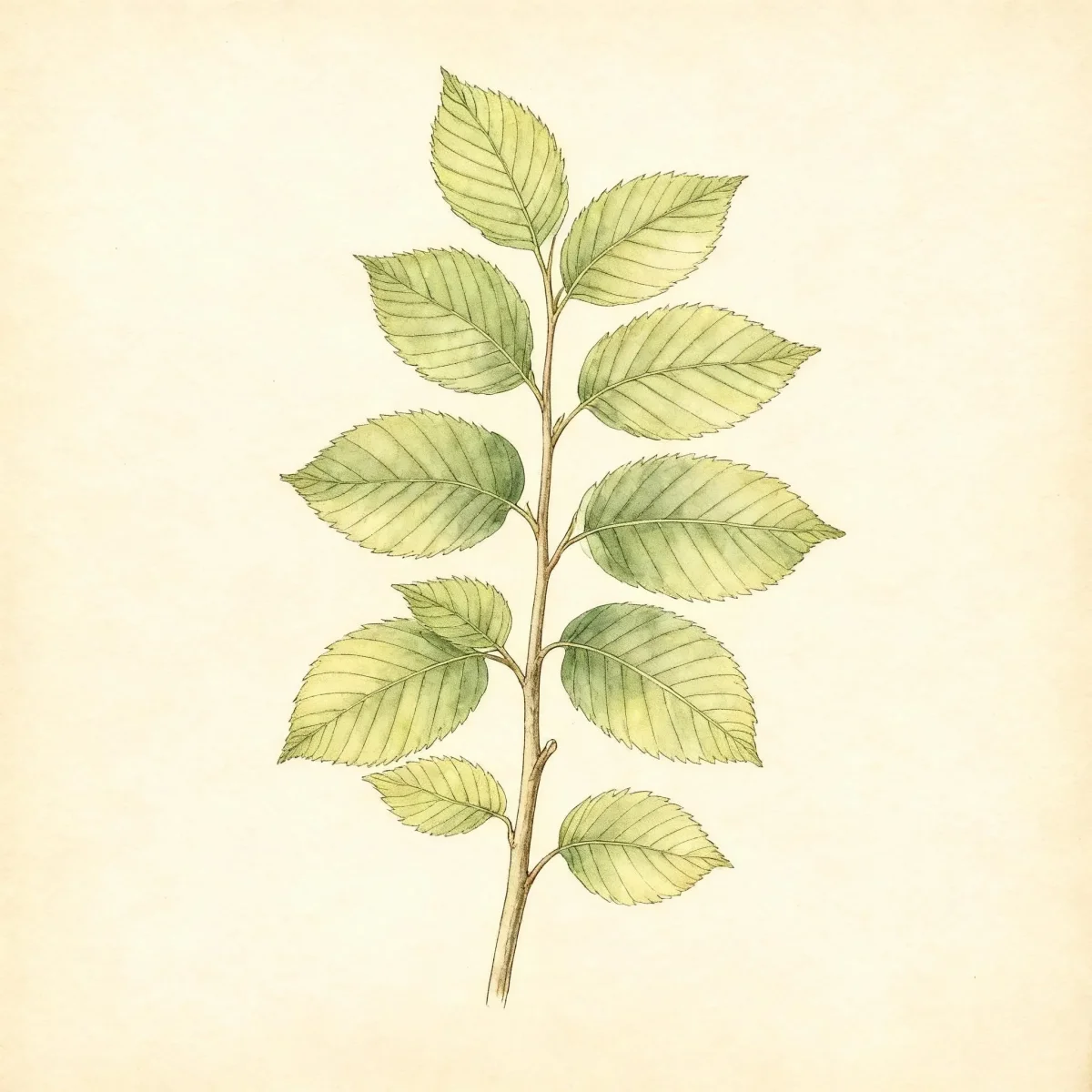
Common hornbeam
Carpinus betulus 'Columnaris Nana'
- USDA zones
- 4–8
- Light
- Full sun to part shade
- Water
- Medium

Eastern hop hornbeam
Ostrya virginiana
- USDA zones
- 3–9
- Light
- Full sun to part shade
- Water
- Medium
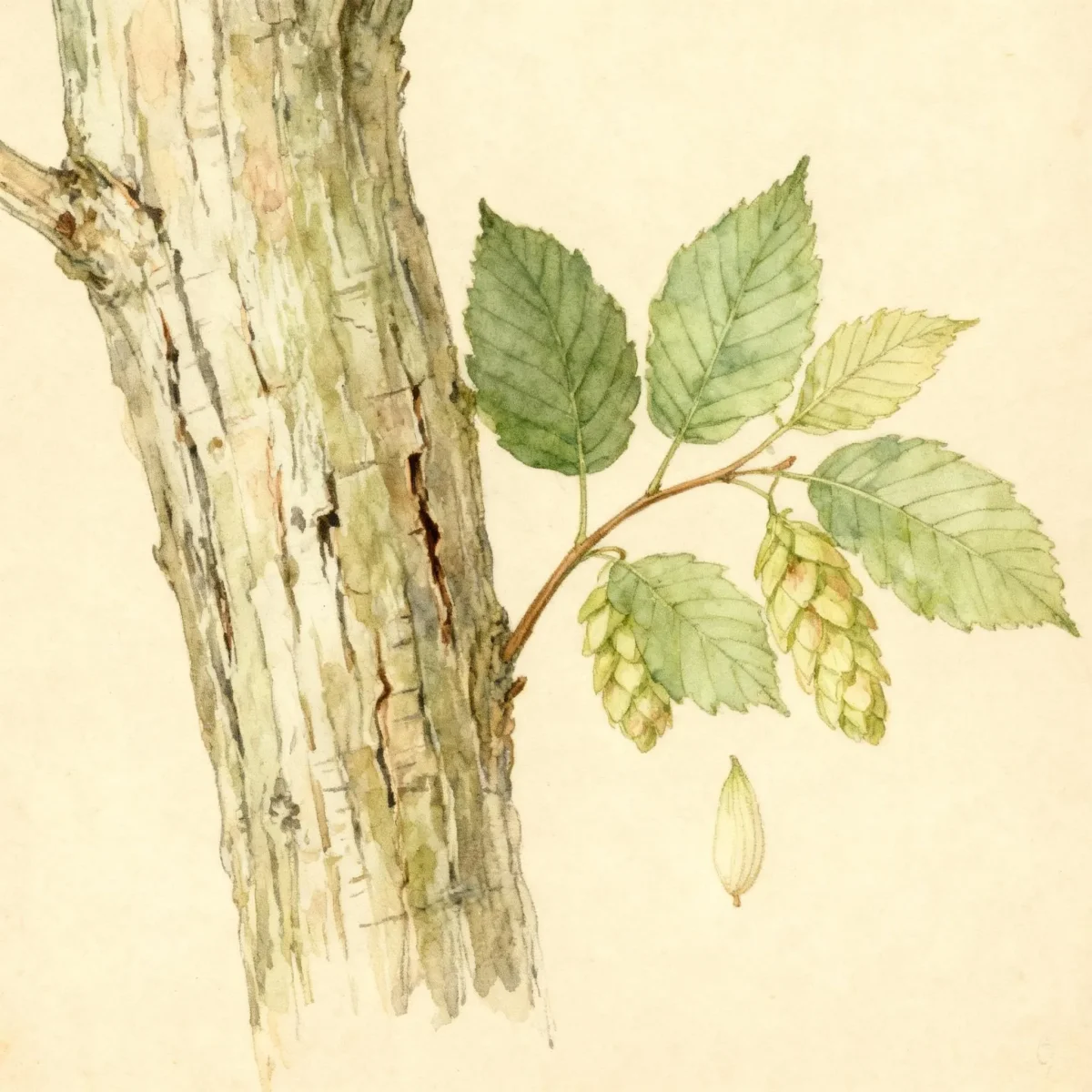
Hop hornbeam
Ostrya carpinifolia
- USDA zones
- 5–9
- Light
- Full sun to part shade
- Water
- Medium
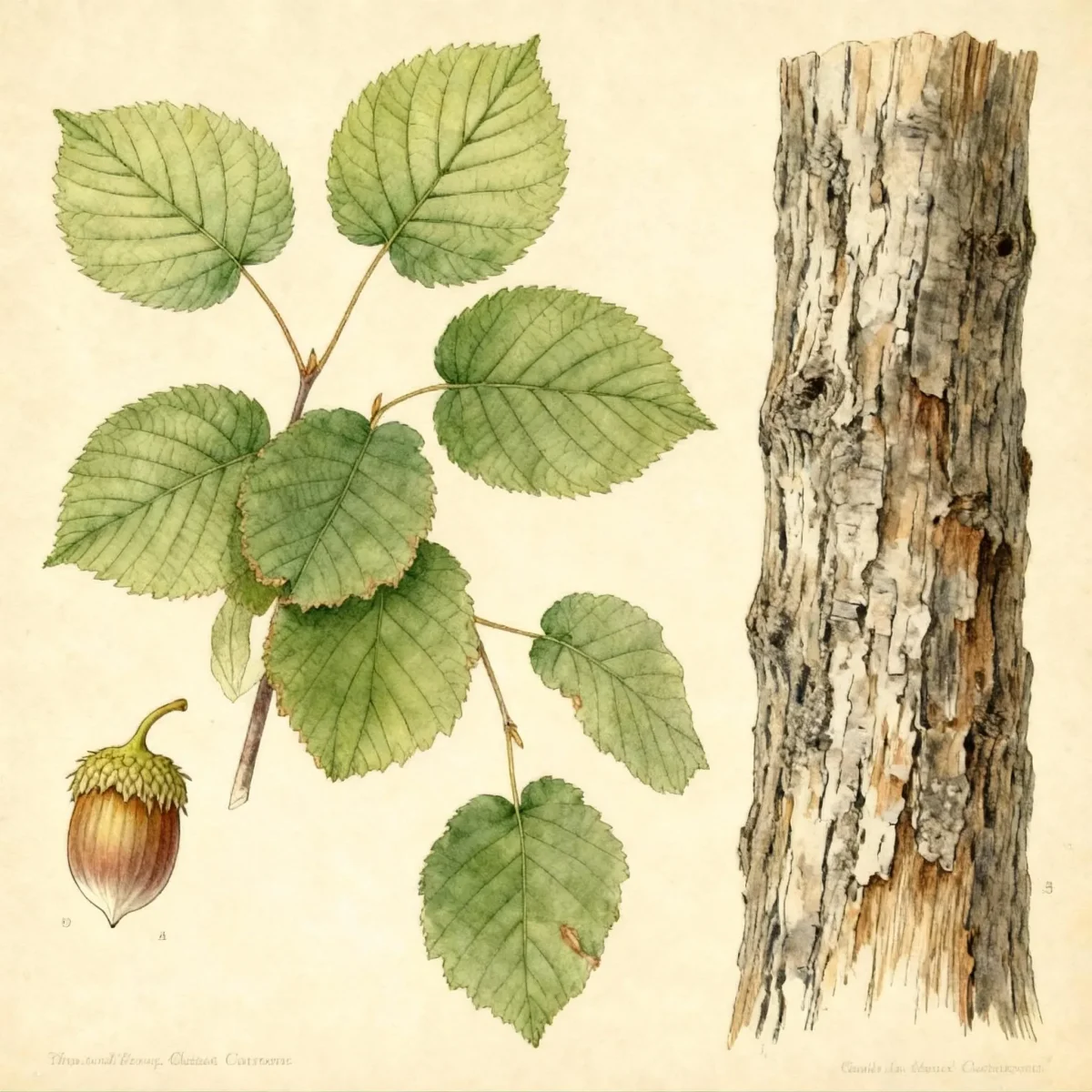
Turkish hazel
Corylus colurna
- USDA zones
- 4–7
- Light
- Full sun to part shade
- Water
- Medium
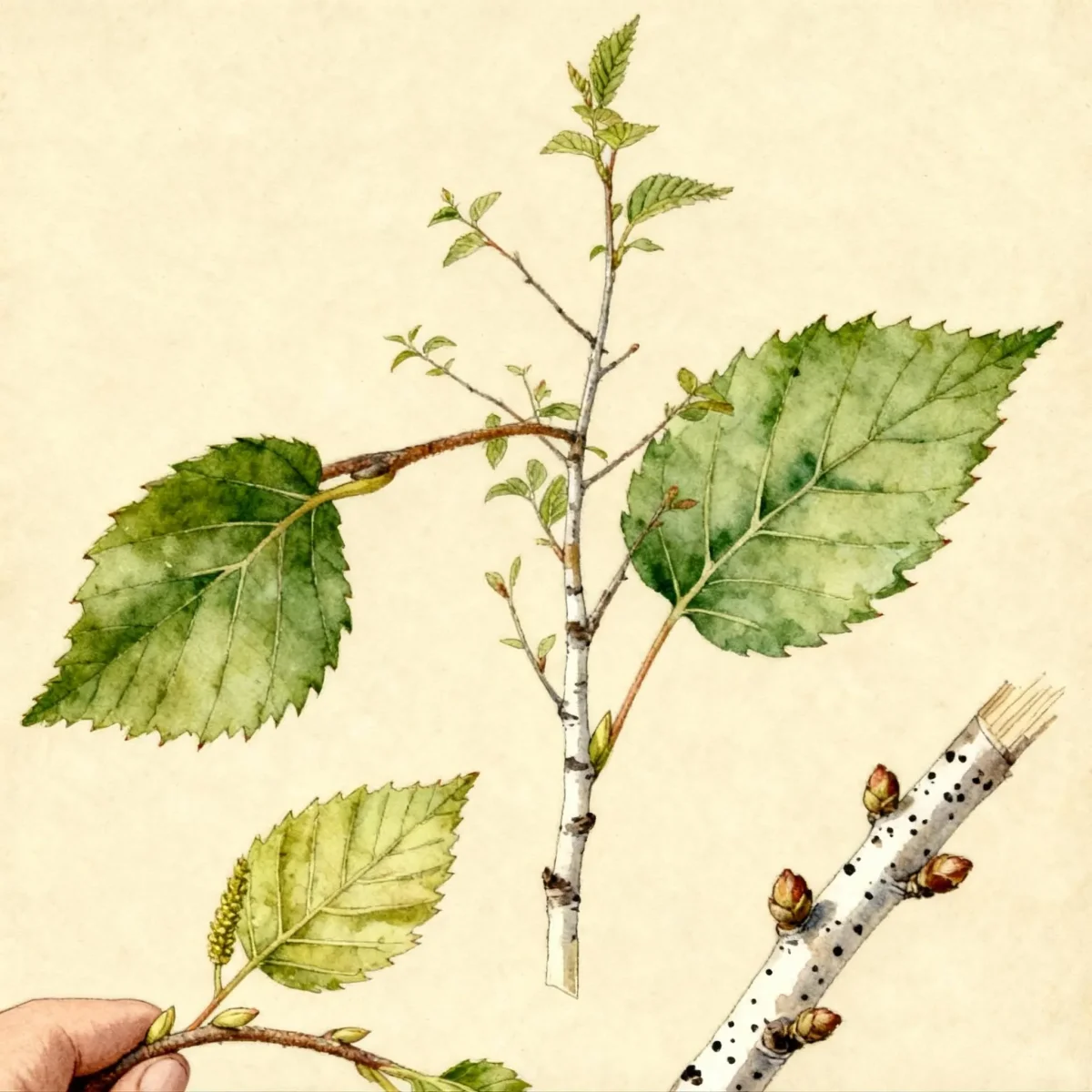
Himalayan birch
Betula utilis
- USDA zones
- 5–8
- Light
- Full sun to part shade
- Water
- Medium
Keep Learning
Test what you know with a garden quiz
You have the plant facts and care notes. Continue with a related challenge, or browse the complete quiz library.

Can You Identify These Common Garden Plants? Test Your Plant Knowledge
Think you know your roses from your peonies? Test your plant identification skills with our comprehensive garden plant quiz featuring 10 challenging questions.
Start quiz
USDA Garden Zone Map Quiz
Use this USDA garden zone map quiz to check whether you can read hardiness zones and choose plants with more confidence.
Start quizBrowse the full quizzes section
Explore plant identification, zone strategy, and seasonal gardening challenges.
View all quizzes