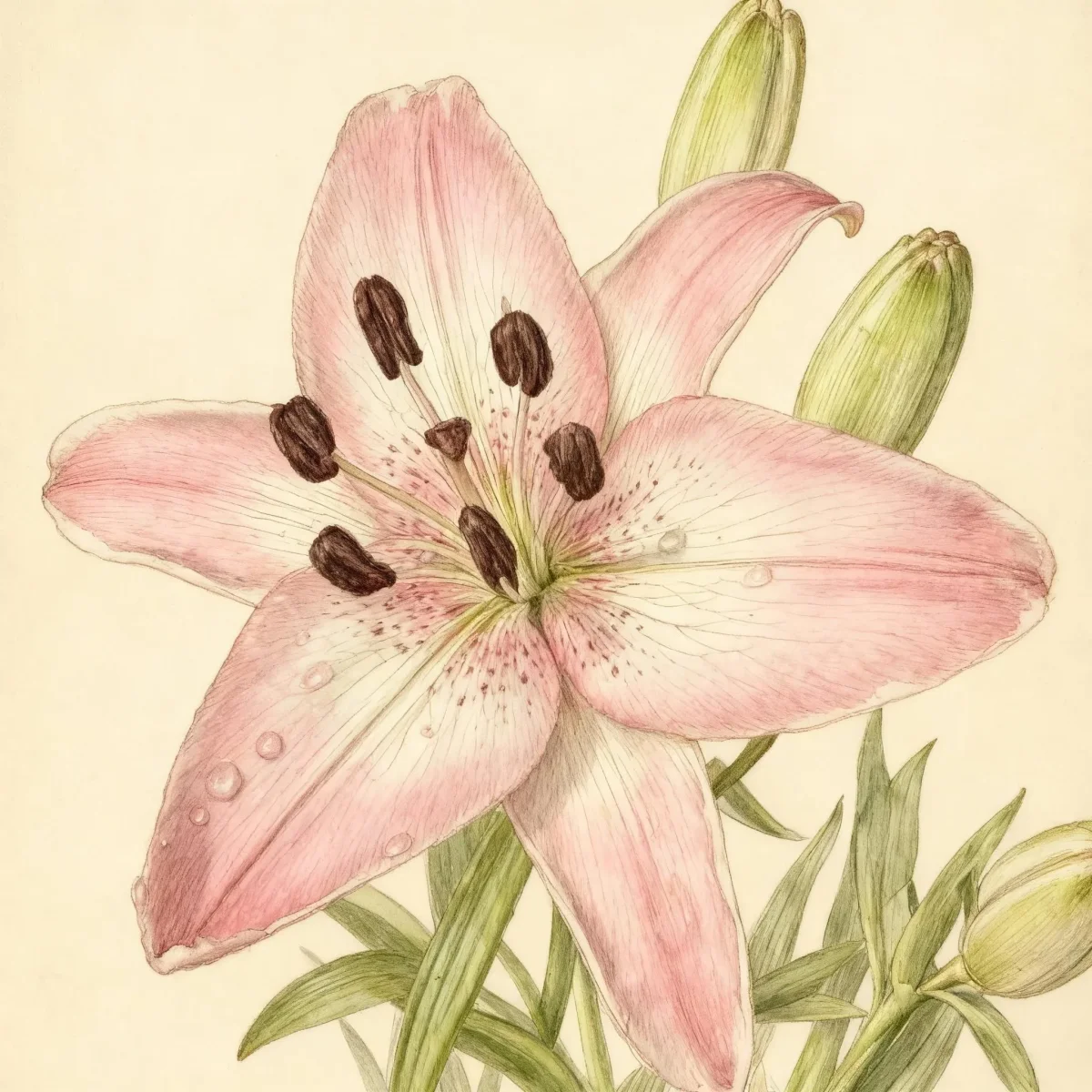
Trumpet lily (Lilium (Golden Splendor Group))
Trumpet lily, part of the Lilium (Golden Splendor Group), offers showy, fragrant, yellow summer blooms. Hardy in Zones 4-8, requiring medium care.
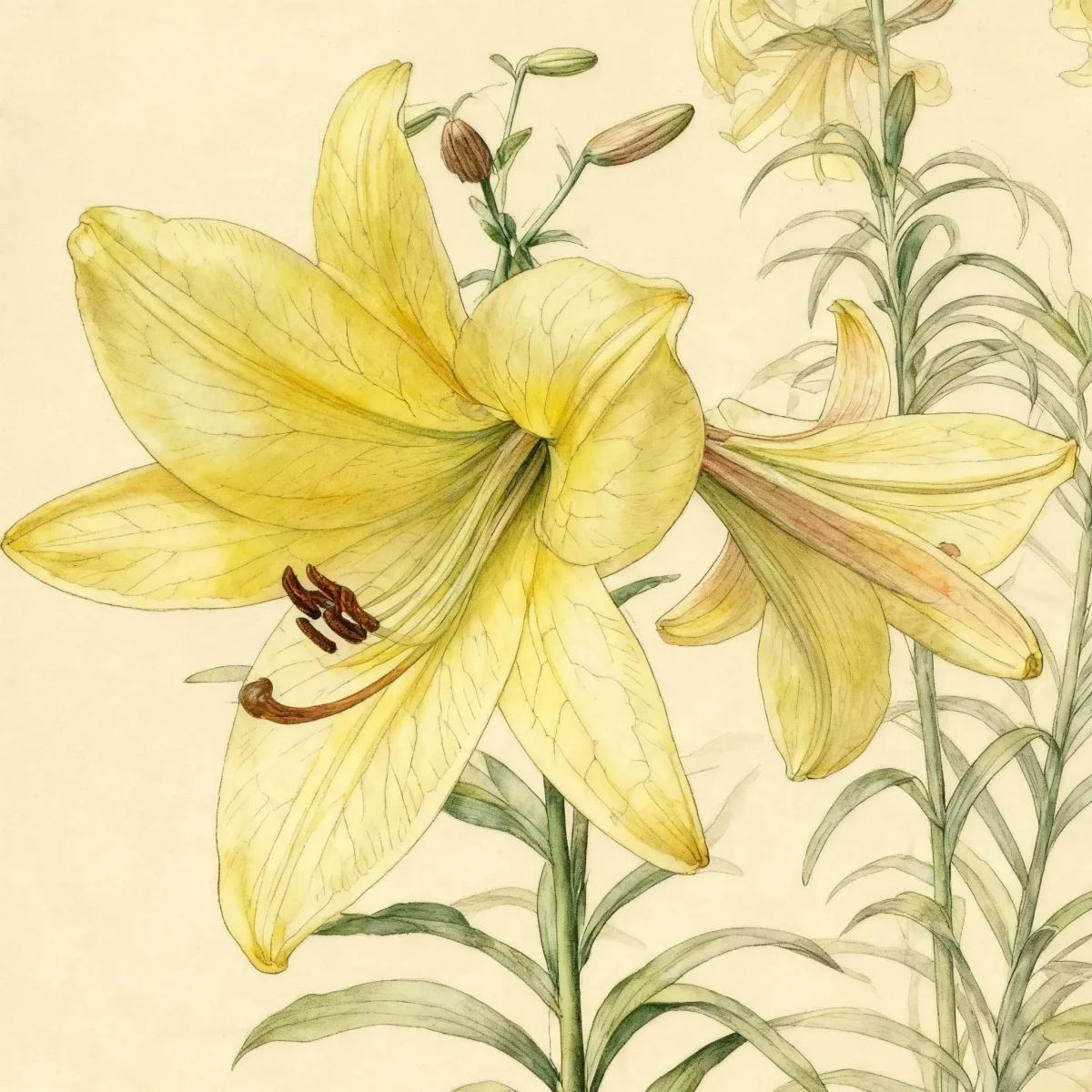

Bloom Boldly, No Matter the Season - Sweatshirt
Cozy organic cotton sweatshirt featuring our exclusive Purple Coneflower design. Perfect for gardeners who bloom year-round.
Inspired by the beautiful Trumpet lily
Limited first batch (50) — join the waitlist for early access
Waitlist closes Feb 15, 2026.
Complete Plant Information
Field Guide Continues
Ready for care notes, companion picks, and planting tips?
The map is just the start. The full guide below covers growth habits, seasonal performance, and landscape uses.
Overview
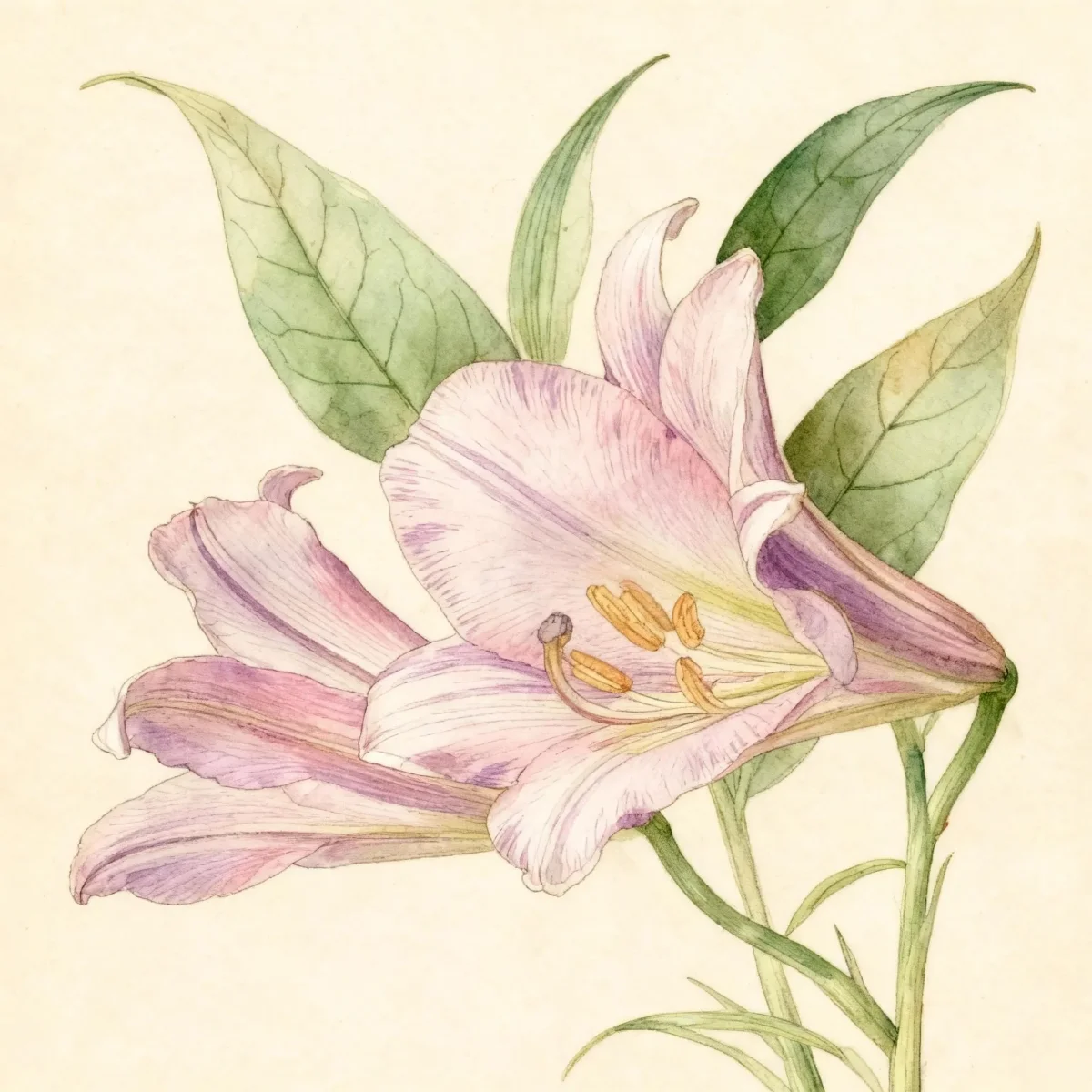
The Lilium (Golden Splendor Group) is a magnificent addition to any summer garden, celebrated for its towering stature and dramatic floral displays. As a type of Trumpet lily, these bulbs produce large, outward-facing flowers that offer significant visual impact and powerful fragrance during mid-to-late summer. Gardeners value the Lilium (Golden Splendor Group) for its inherent elegance and ability to anchor perennial borders.
These herbaceous perennials emerge from bulbs, developing stiff, unbranched stems capable of reaching four to six feet high. They thrive when provided with average, well-drained soil and reliable moisture, fitting comfortably into USDA Zones 4 through 8. Their requirement for cool roots encourages strategic mulching to maintain consistent soil temperature and moisture levels.
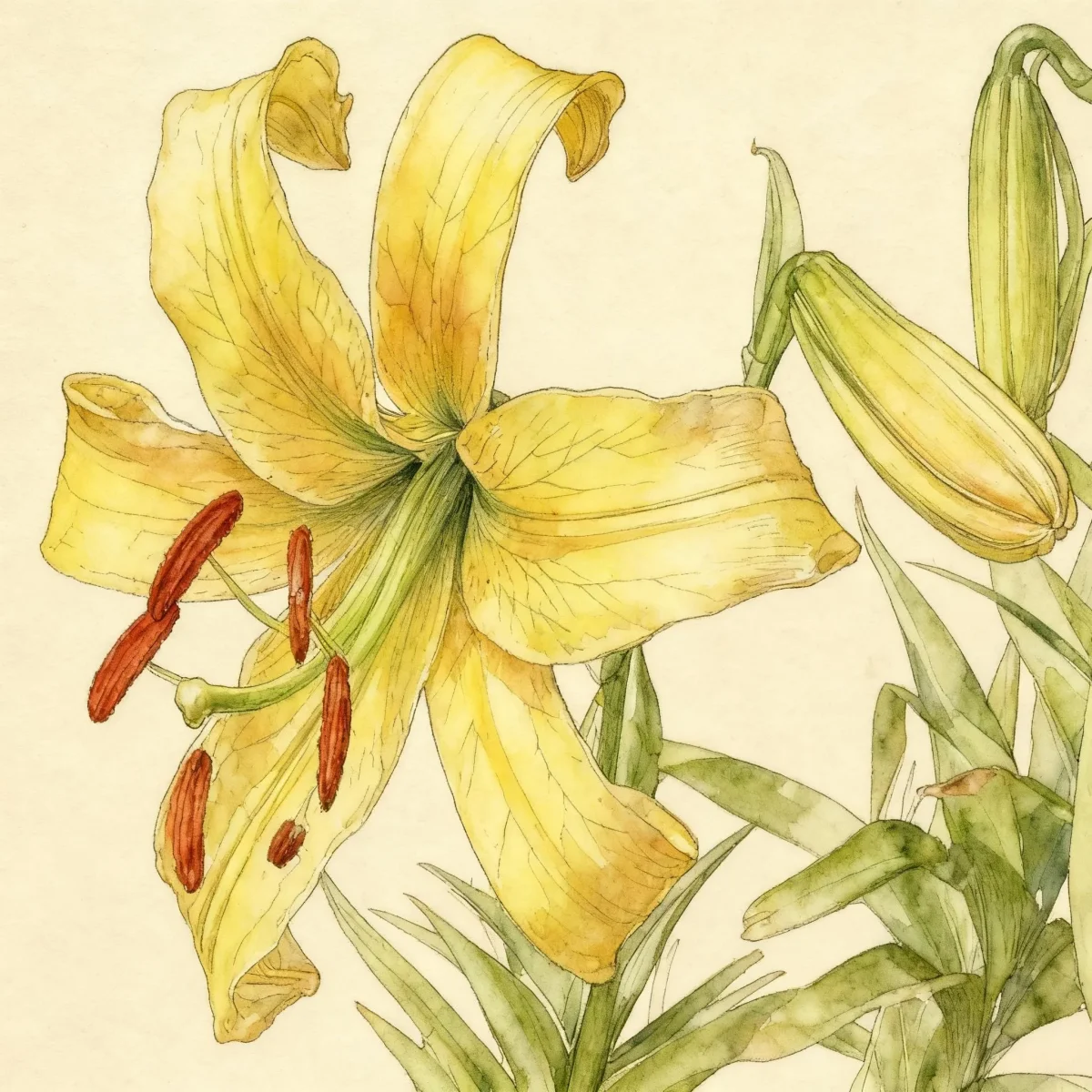
Cultivars within the Lilium (Golden Splendor Group) are known for their trumpet-shaped flowers, typically presenting rich yellow hues accented by distinctive maroon striping on the petal reverses. This combination ensures these Trumpet lilies provide exceptional color and contrast when they bloom in July and August, making them superb specimens or cut flowers.
Fast Facts
- Plant Family: Liliaceae
- Plant Type: Bulb
- Hardiness Zones: USDA Zones 4-8
- Size at Maturity:
- Height: 4-6 ft
- Spread: 1-2 ft
- Bloom Time: July to August
- Bloom Description: Yellow with maroon stripes on reverses
- Sun Exposure: Full sun to part shade
- Water Needs: Medium
- Maintenance Level: Medium
How to Grow
Planting Lilium (Golden Splendor Group) bulbs should occur in the fall or in very early spring to ensure establishment before the active growing season. Place bulbs 4 to 6 inches deep in groups of three, ensuring they are spaced about 12 inches apart for the best visual mass. They prefer rich, organic soils that are consistently moist but extremely well-drained; bulb rot is a significant risk in heavy, waterlogged conditions.
Care throughout the summer requires a medium water regimen, ensuring bulbs receive good, even moisture year-round without drying out between waterings. A key tip for success is ensuring the upper plant receives full sun exposure while the root zone is kept cool and shaded—mulching heavily helps achieve this microclimate. Taller stems might require staking, especially in windy areas or if they receive too much shade, which can weaken the structure.
Deadhead faded flowers promptly to prevent seed maturation, but resist the urge to cut back foliage after blooming. Wait until both the leaves and stems have fully turned yellow naturally before cutting the entire plant down. This process allows the bulb to store necessary energy for vigorous performance the following year, which is crucial for long-lived Trumpet lilies.
Landscape Uses
The impressive height and glorious summer fragrance make the Lilium (Golden Splendor Group) an excellent vertical accent in the traditional perennial border. Plant them in drifts rather than single specimens to maximize their showy presence and ensure a stunning display of their signature yellow and maroon blooms. They contrast beautifully against dark green foliage or softer, billowy perennials like Astilbe or Nepeta, which can also help shade the roots.
Beyond borders, the Trumpet lily adapts well to container gardening, although the resulting flowers may be slightly smaller due to root restriction. Containers offer flexibility, allowing you to place these fragrant giants where their scent can be best appreciated, perhaps near a patio or entryway. Furthermore, they are highly prized as one of the longest-lasting fresh cut flowers available, bringing their splendor indoors.
Standout Features
Flower Qualities
- Showy
- Fragrant
Noteworthy Characteristics
Lilium is a genus containing about 100 species of bulbous, herbaceous perennials, and classification relies on hybrid parentage. The Golden Splendor Group cultivars specifically fall under Division 6 (trumpet/Aurelian hybrid) lilies, known for reaching heights up to 6 feet once established. These lilies feature large, outward-facing, trumpet-shaped flowers, typically 6-8 inches long, boasting shades of yellow with characteristic maroon striping on the back of the petals.
Tolerances
Potential Problems
Pest pressure from Lily leaf beetles can be significant in certain regions and demands vigilance. Disease management is equally important; prompt control of aphids is essential as they transmit lily mosaic virus, which has no cure. Poor drainage is the primary cause of bulb rot, so soil amendment and location selection are key preventive measures for healthy Lilium (Golden Splendor Group) plants.
Frequently Asked Questions
What hardiness zones is Trumpet lily suitable for?
The Lilium (Golden Splendor Group) is reliably hardy in USDA Zones 4 through 8, allowing for excellent performance across much of the temperate growing regions.
How large does Trumpet lily grow?
These vigorous Trumpet lilies typically reach mature heights between 4 and 6 feet tall, with a modest spread of 1 to 2 feet from the central bulb cluster.
When does Trumpet lily bloom?
This group offers glorious color from July through August, featuring showy, fragrant, yellow blooms with maroon stripes on reverses.
What sun exposure does Trumpet lily need?
For optimal flowering and stem strength, the Lilium (Golden Splendor Group) requires full sun, though it tolerates light afternoon shade (part shade).
Conclusion
The Lilium (Golden Splendor Group) provides unparalleled summer drama through its substantial height and strongly fragrant, richly colored flowers. For a truly classic display, incorporating these magnificent Trumpet lilies into your landscape plan ensures reliable performance, provided you address their need for well-drained soil and consistent moisture. Always check that your planting site aligns with USDA Zones 4-8 before investing in these exceptional bulbs this fall.
Companion Planting
Selecting appropriate partners is vital for capitalizing on the cool-root requirement of the Trumpet lily. Look for medium-height perennials with fine textures that bloom before or after the Lilium (Golden Splendor Group). Good companions include Lady’s Mantle (Alchemilla mollis) or Catmint (Nepeta), whose lower growth habits can shade the base of the lily stems, keeping the root zone cool as recommended for best results.
Avoid planting aggressive shallow-rooted plants nearby that compete heavily for surface water or nutrients. Groundcovers that spread too densely can sometimes hinder air circulation around the base of the developing stems, which can increase the risk of neck rot or fungal issues affecting Lilium bulbs. Focus on companions that appreciate similar medium moisture levels.
Seasonal Care Calendar
Spring preparation for your Lilium (Golden Splendor Group) involves applying a quality slow-release fertilizer once new shoots emerge, followed immediately by a thick layer of mulch around the base. Summer care is routine watering, checking stems weekly for early signs of staking necessity, and watching closely for lily beetle presence, treating them immediately upon sighting.
After the July to August bloom period concludes, diligent deadheading should occur to prevent the plant from expending energy on seed production. As autumn approaches, continue watering until the foliage begins to senesce naturally. Do not trim back the stems until they are completely yellowed down to the soil line; this stored energy fuels next year’s vigorous growth.