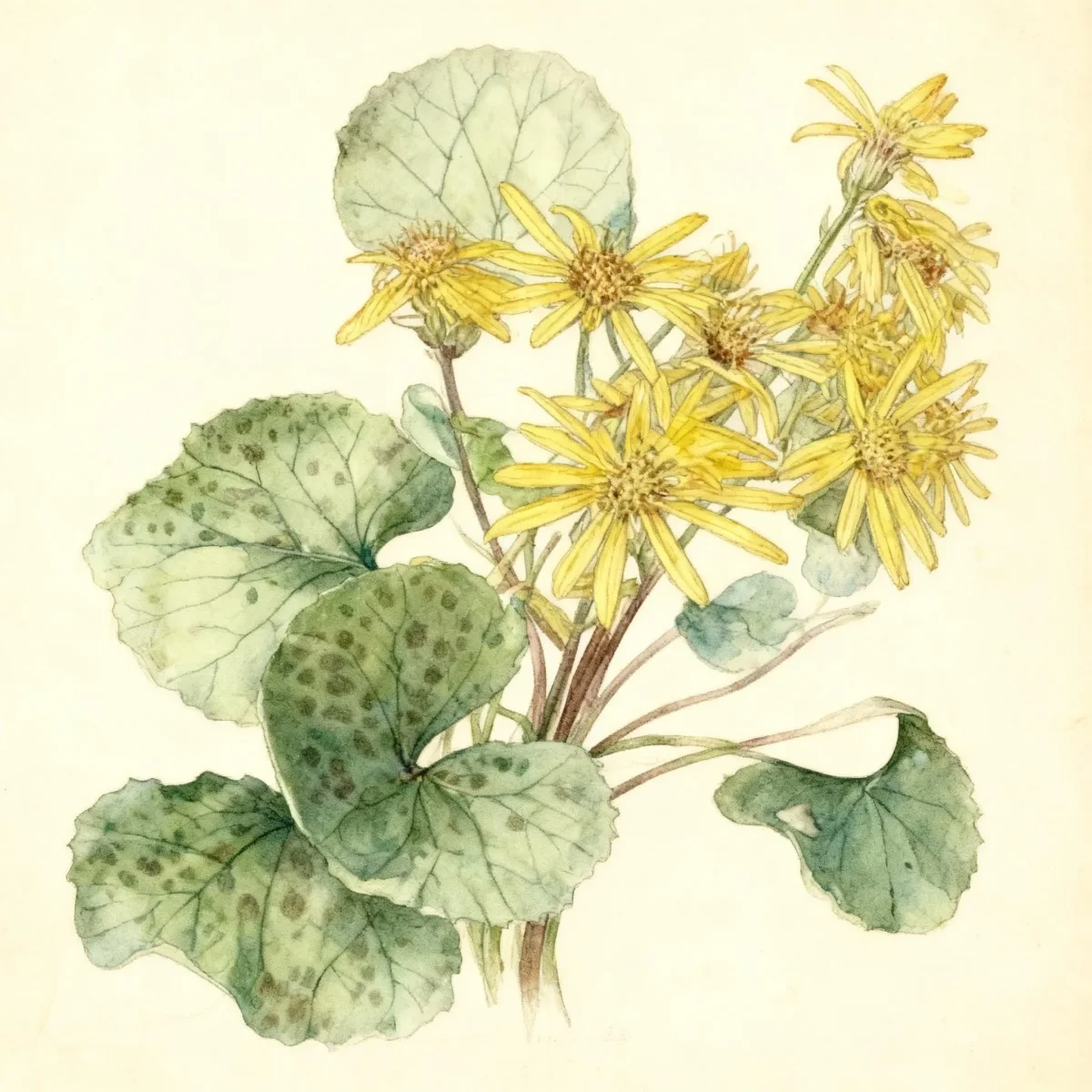
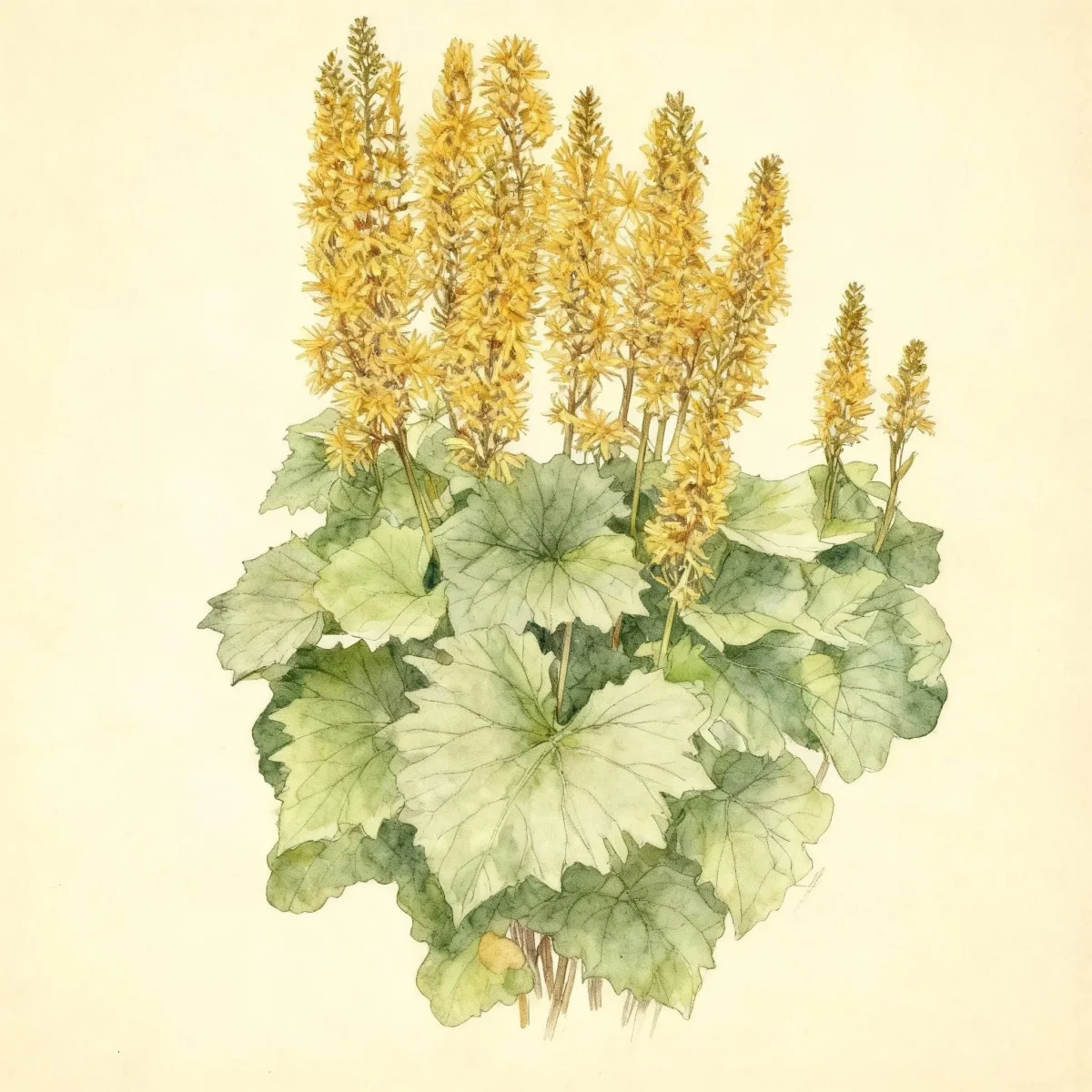
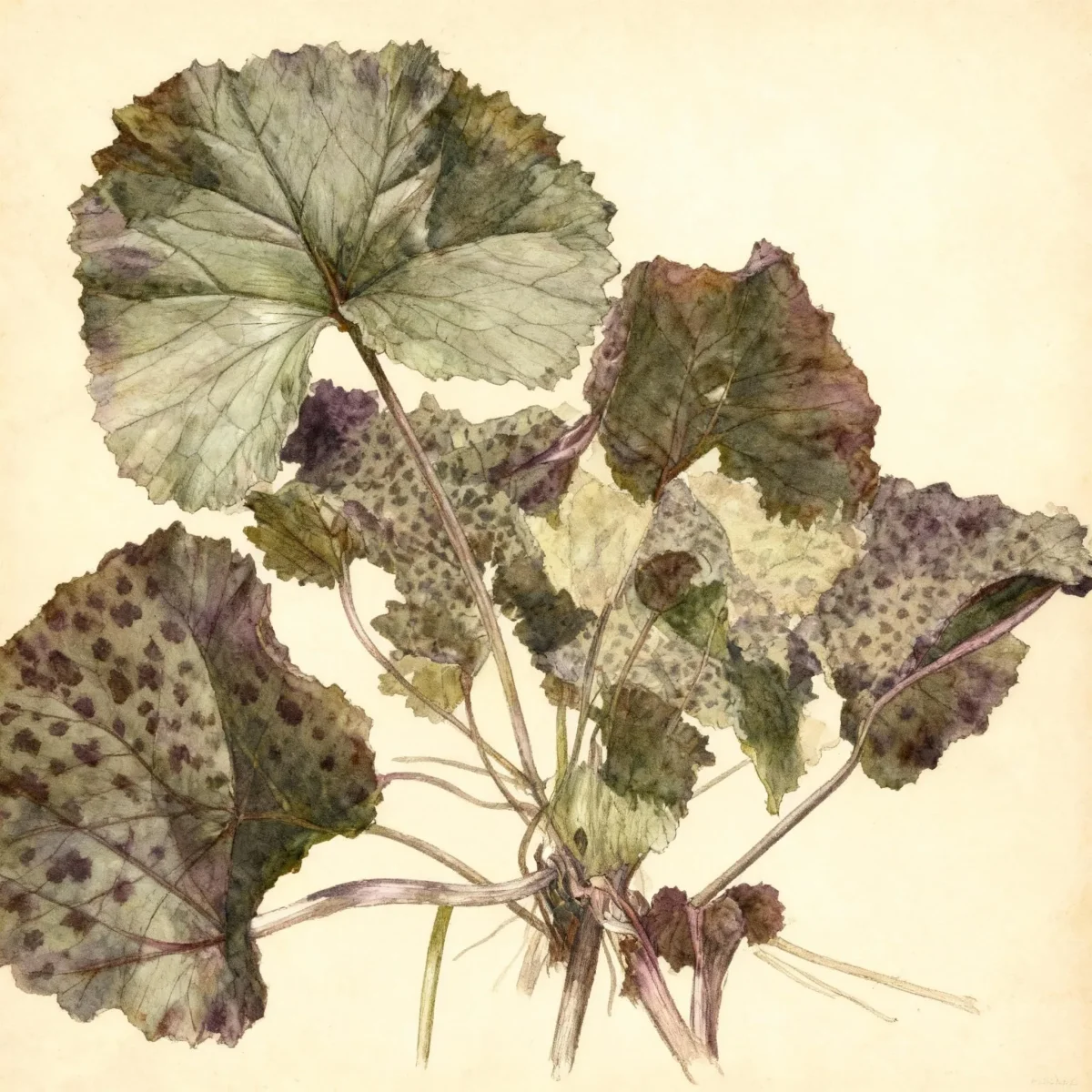
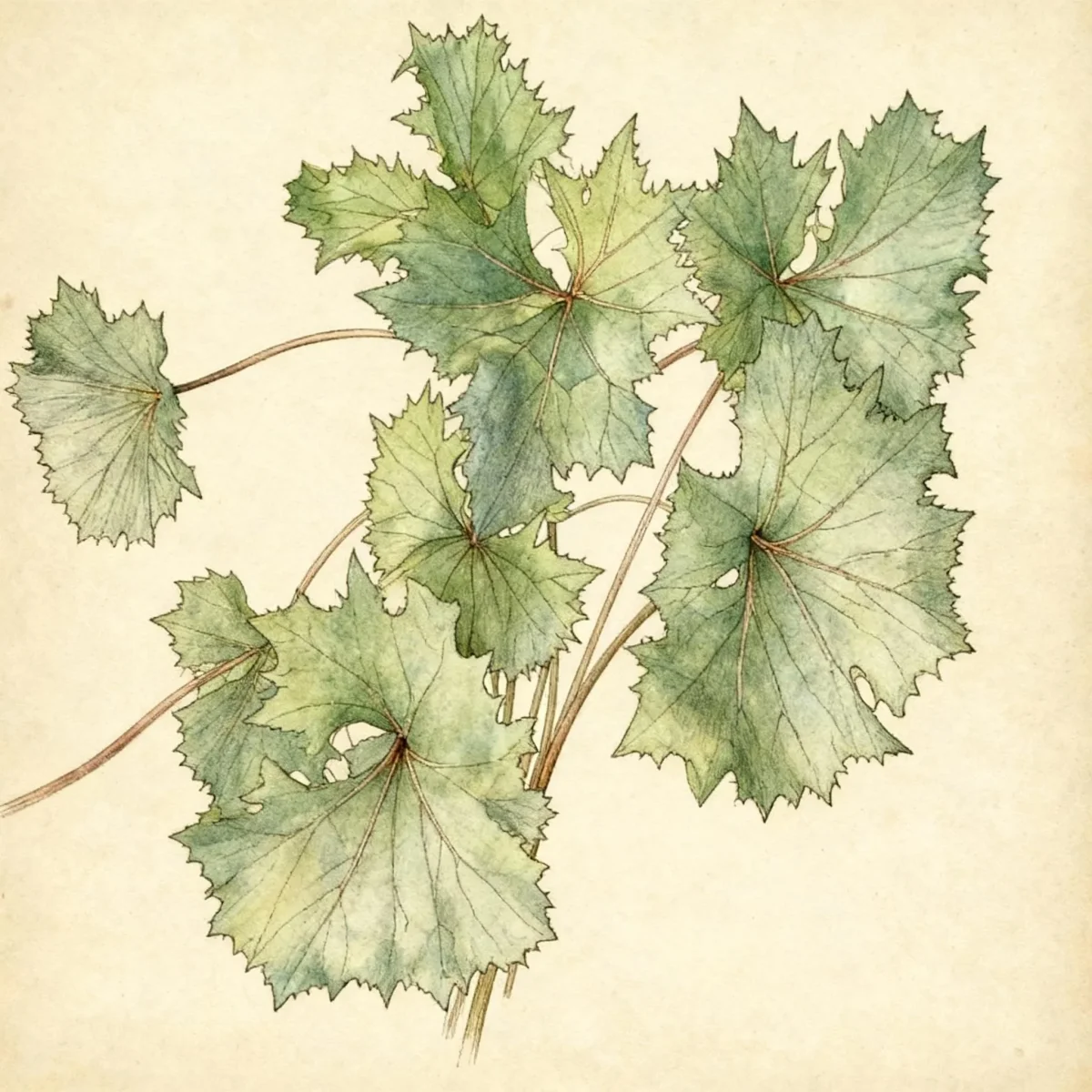
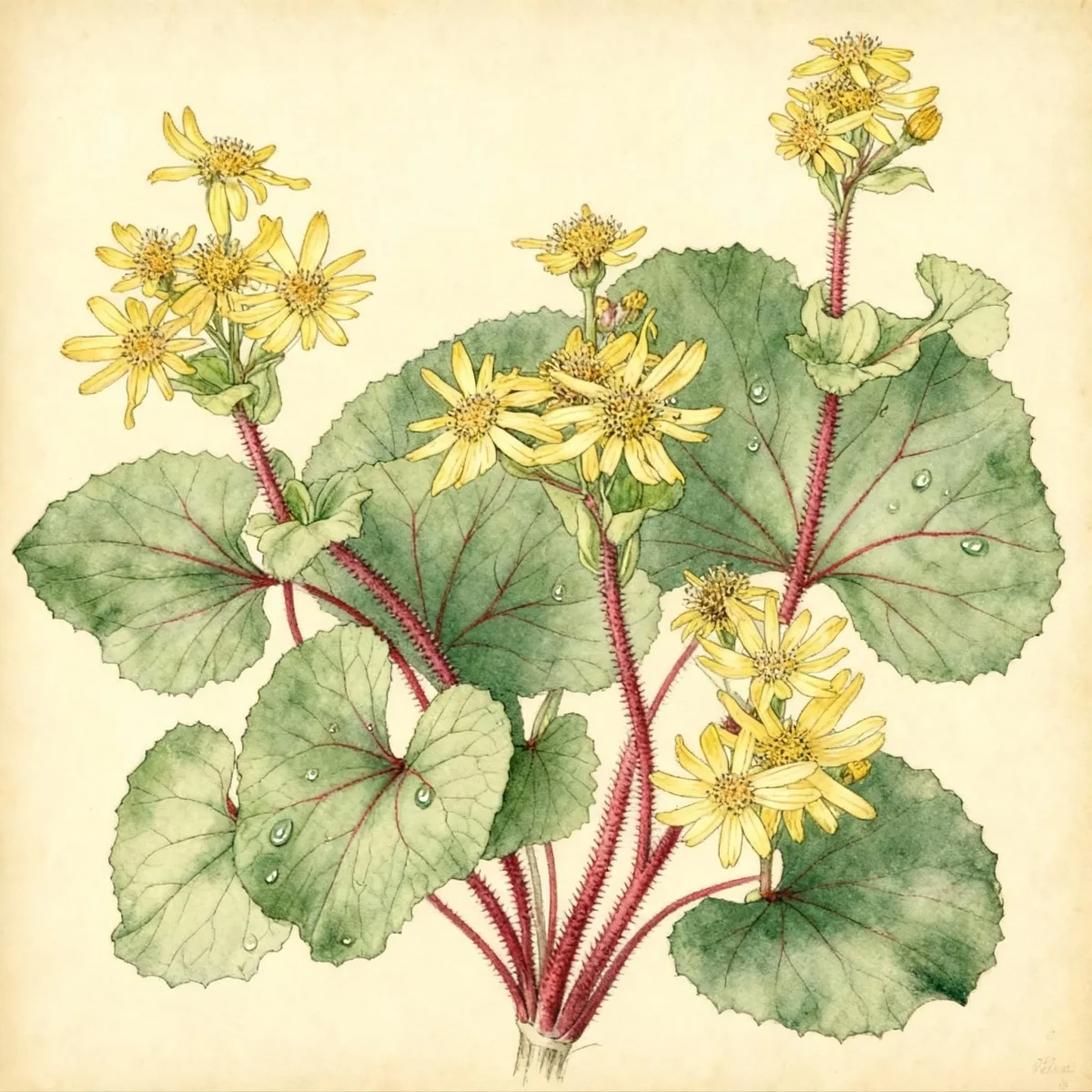
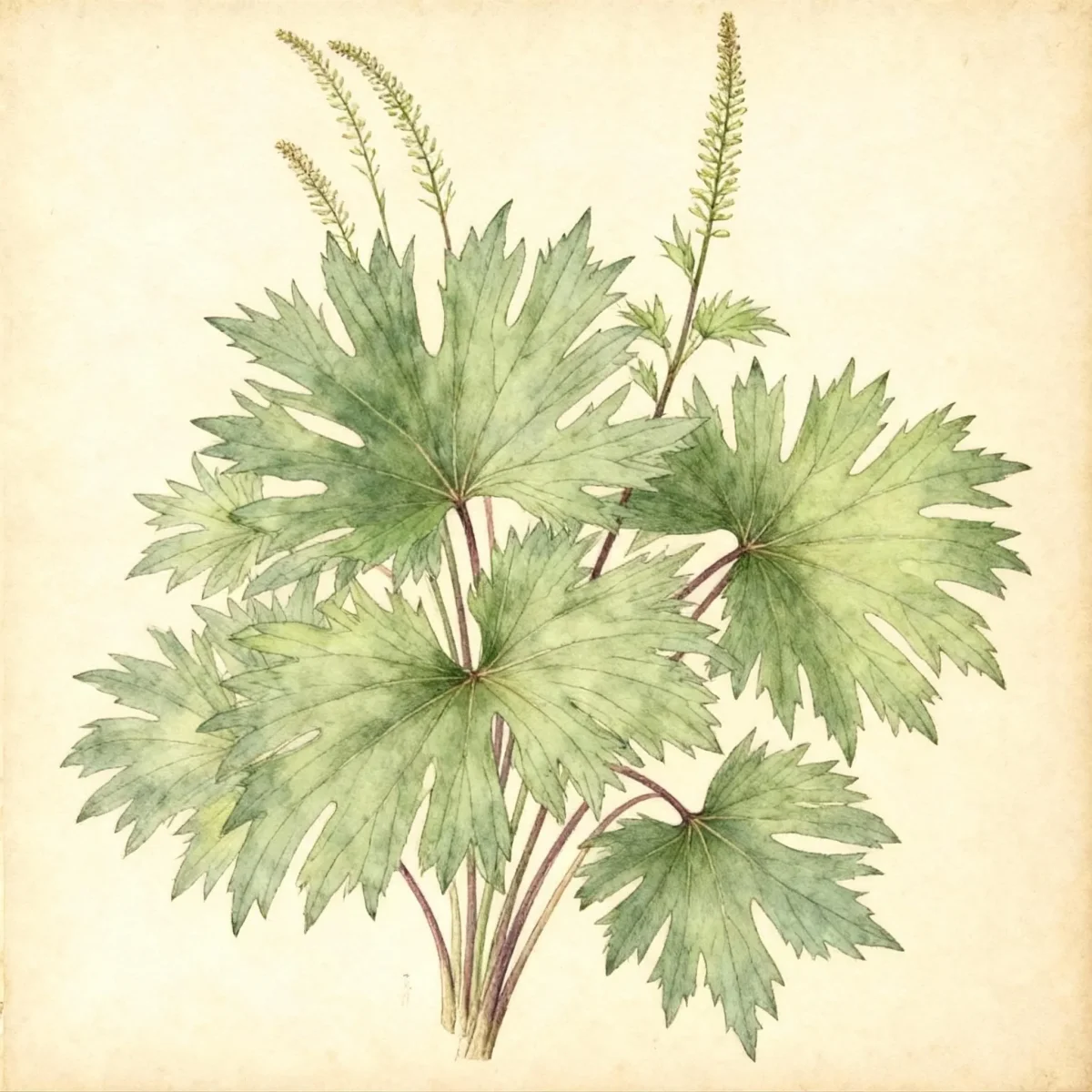
Leopard plant (Ligularia dentata 'Desdemona')
Ligularia dentata 'Desdemona' (Leopard plant) offers imposing dark foliage and brilliant yellow-orange summer blooms. Ideal for wet, shady gardens.
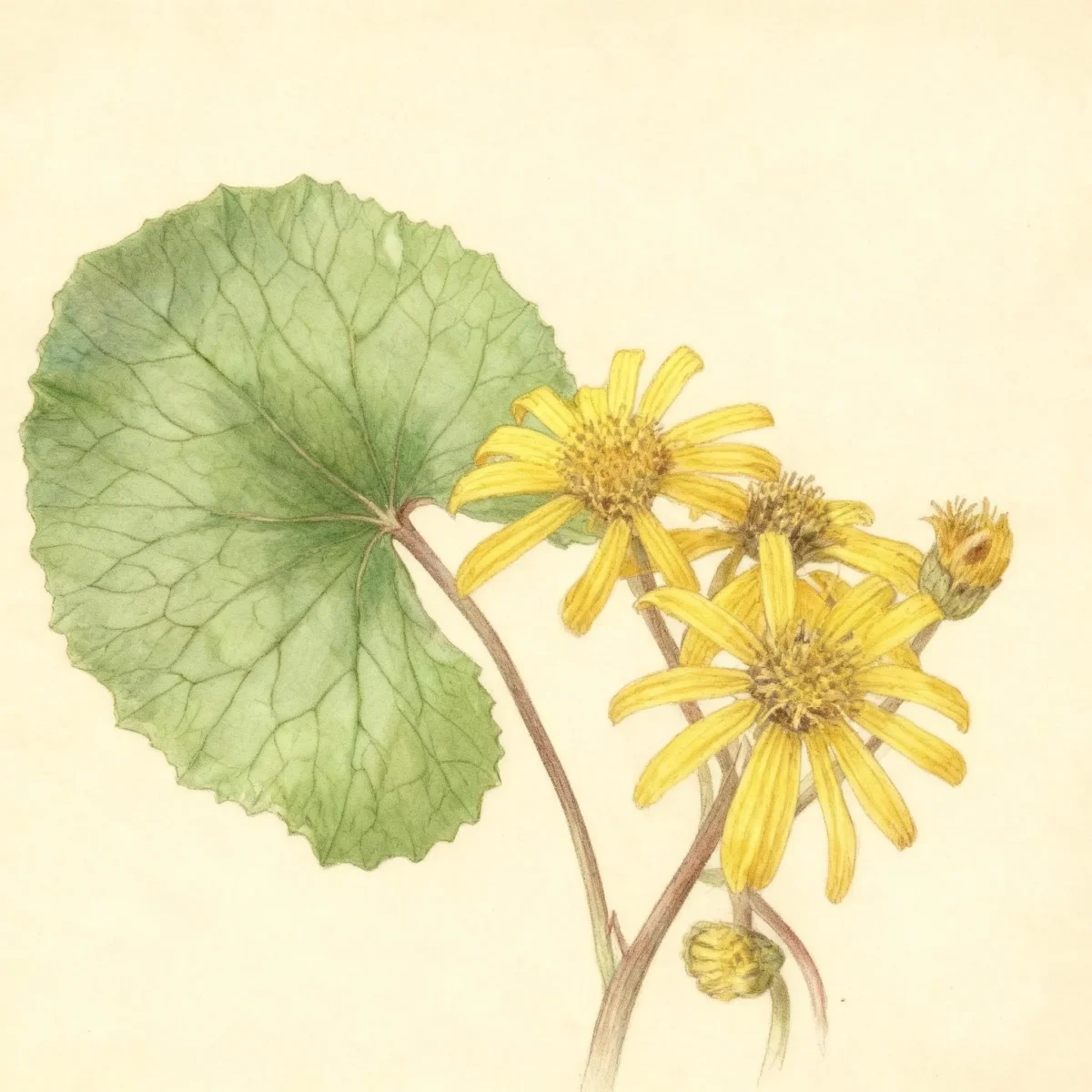

Bloom Boldly, No Matter the Season - Sweatshirt
Cozy organic cotton sweatshirt featuring our exclusive Purple Coneflower design. Perfect for gardeners who bloom year-round.
Inspired by the beautiful Leopard plant
Limited first batch (50) — join the waitlist for early access
Waitlist closes Feb 15, 2026.
Complete Plant Information
Field Guide Continues
Ready for care notes, companion picks, and planting tips?
The map is just the start. The full guide below covers growth habits, seasonal performance, and landscape uses.
Overview
The Leopard plant, specifically Ligularia dentata ‘Desdemona’, is a striking herbaceous perennial valued highly for its dramatic, dark-toned foliage as much as its late-season color display. It forms imposing, upright clumps featuring huge, leathery, heart-shaped leaves that provide strong architectural contrast in shady garden areas. This cultivar adds significant visual weight and texture, making it an excellent focal point where sunlight is limited.
Ligularia dentata ‘Desdemona’ thrives in moisture-retentive conditions, making it indispensable for water-loving borders or rain gardens. When temperatures are moderate, it rewards the gardener with bright daisy-like, yellow-orange flowers held aloft above the dense basal mound. For optimal performance, ensure this vigorous plant receives consistent moisture, especially during hot summer spells, to prevent afternoon wilting.
Gardeners seeking substantial impact in cool, damp, shaded locations will find Ligularia dentata ‘Desdemona’ indispensable. Its combination of dark purple-tinged new growth maturing to deep green, coupled with vibrant summer flowers, ensures interest from spring through fall. Proper siting is key to success, focusing on consistent hydration and protection from intense sun exposure.
Fast Facts
- Plant Family: Asteraceae
- Plant Type: Herbaceous perennial
- Hardiness Zones: USDA Zones 3-8
- Size at Maturity:
- Height: 2-3 ft
- Spread: 1.5-2.5 ft
- Bloom Time: June to July
- Bloom Description: Yellow-orange
- Sun Exposure: Part shade to full shade
- Water Needs: Medium to wet
- Maintenance Level: Medium
How to Grow
Plant Ligularia dentata ‘Desdemona’ in spring or early fall, ensuring the location provides humusy, organically rich, medium to wet soil. This plant is non-negotiable regarding moisture; consistent wetness is vital, and the soil must never be allowed to dry out, even briefly. For best results in climates prone to hot, prolonged summers, position the Leopard plant where it receives dappled shade or reliable afternoon shade, as intense sun will quickly cause foliage to wilt dramatically.
During the growing season, regular, deep watering is crucial, particularly in July and August, to support the large leaves and heavy summer water demands. While maintenance is considered medium, focusing primarily on hydration is the main task. Pruning is generally minimal, reserved for removing spent flower stalks or trimming damaged foliage.
Ensure that the area mimics its native environment of Eastern Asia where possible, focusing on cool summers. If growing in a warmer zone, deep mulching can help keep the root zone cool and moist, mitigating the potential for leaf droop during peak heat. Prepare the soil well before planting to ensure ample organic matter is present to retain the required moisture level throughout the season.
Landscape Uses
The cultural needs of Ligularia dentata ‘Desdemona’ situate it perfectly for various damp, shaded applications throughout the landscape. It excels as a primary specimen in rain gardens where moisture collects, or massed along the edges of natural ponds, streams, or bog gardens where perpetually wet soil is available. Its bold texture also makes it an excellent anchor plant in woodland gardens or on the north side of structures where deep shade prevails.
When integrating the Leopard plant into borders, ensure the soil moisture can be maintained adjacent to drier companions. Consider pairing it with moisture-loving shade stalwarts that share similar cultural requirements, such as Interrupted Fern (Osmunda claytonia) or Japanese Sedge (Carex morrowii). These companions harmonize culturally while providing textural contrast to the large, round leaves of the Ligularia dentata ‘Desdemona’.
This perennial’s upright, clumping habit makes it useful for defining edges in shaded transition zones, offering a powerful vertical element where most flowering plants struggle due to low light. The sheer size of the foliage ensures that even when not in bloom, the Leopard plant provides substantial structural interest.
Standout Features
Flower Qualities
- Showy
Noteworthy Characteristics
Ligularia dentata, commonly called leopard plant, is native to China and Japan and is grown as much for its imposing, clump-forming habit and foliage as for its flowers. Its best feature may be the huge, leathery, dark green leaves that form a substantial basal clump, with new growth sometimes emerging purplish-red. Daisy-like, orange-yellow flowers bloom in loose corymbs atop thick stalks rising above the foliage in early summer, offering a bright contrast to the dark leaves of Ligularia dentata ‘Desdemona’.
Tolerances
- Heavy Shade
- Wet Soil
Potential Problems
The Leopard plant generally exhibits few serious insect or disease issues, proving relatively robust when its moisture needs are met. The most common annoyance comes from slugs and snails, which are frequently attracted to the large, succulent foliage, often causing ragged holes. Monitor young and established plants for signs of chew marks and apply appropriate pest control methods, such as baits or physical barriers, as needed.
Even when soil moisture seems adequate, a characteristic problem for Ligularia dentata ‘Desdemona’ in hot or humid summer climates is temporary afternoon wilting. The foliage droops significantly during the hottest part of the day but typically recovers its turgidity overnight once temperatures cool. Excessive sun exposure exacerbates this wilting, serving as the primary cultural stressor for this otherwise reliable shade perennial.
Frequently Asked Questions
What hardiness zones is Leopard plant suitable for?
The Ligularia dentata ‘Desdemona’ is reliably hardy across USDA Zones 3 through 8, offering wide adaptability for gardeners in cooler and temperate climates.
How large does Ligularia dentata ‘Desdemona’ grow?
This cultivar typically reaches a height between 2 to 3 feet tall and spreads moderately to between 1.5 and 2.5 feet wide, preferring a generous footprint for its basal clump.
What sun exposure does Leopard plant need?
The Leopard plant requires part shade to full shade conditions. For hot climates, afternoon shade is critical to prevent foliage scorching and wilting of the Ligularia dentata ‘Desdemona’.
When does Ligularia dentata ‘Desdemona’ bloom?
This perennial produces its signature yellow-orange flowers generally from June to July, providing a mid-summer burst of color above the dark foliage.
Conclusion
The dramatic foliage and reliable summer bloom make Ligularia dentata ‘Desdemona’ a powerhouse plant for reliably shady, damp garden spaces. Its ability to thrive in wet soil conditions, contrasted with its preference for cool summers, defines its best use in the landscape. Before planting, ensure you can meet the medium maintenance demands, particularly regarding consistent soil saturation, to fully enjoy the splendor of the Leopard plant.
Companion Planting for Shady, Wet Sites
Selecting companions with similar cultural needs is vital for a thriving Ligularia planting. Companion plants should tolerate shade and require consistently moist or wet grounds, much like Ligularia dentata ‘Desdemona’. Consider species that offer differing leaf shapes or flower timings to extend visual interest throughout the season. Ferns and sedges mentioned in cultivation notes are excellent structural partners that won’t compete aggressively for moisture or light.
When pairing materials, think about textural contrast. The massive, rounded leaves of the Leopard plant benefit greatly from finer-textured companions like Astilbe or Japanese Forest Grass (Hakonechloa macra), provided the soil moisture levels are maintained for both types. This thoughtful grouping ensures that the shady border avoids looking monolithic throughout the growing season.
Seasonal Care Calendar: Moisture Management Focus
For successful cultivation of Ligularia dentata ‘Desdemona’, moisture management dictates the calendar schedule. In early spring, break up any winter compaction around the base and apply a fresh layer of organic matter to refresh the humus layer. Water deeply and consistently from the moment new shoots appear, establishing the required high-moisture regime early on.
Summer care revolves almost entirely around hydration; never let the soil become dry during heat waves, as wilting fatigue is the biggest threat to this plant. Use supplemental deep watering during dry spells even if the schedule seems adequate on the surface. Fall care involves cutting back the spent perennial clump after the first hard frost or once the foliage naturally yellows, preparing the site for winter protection without stressing the crowns.