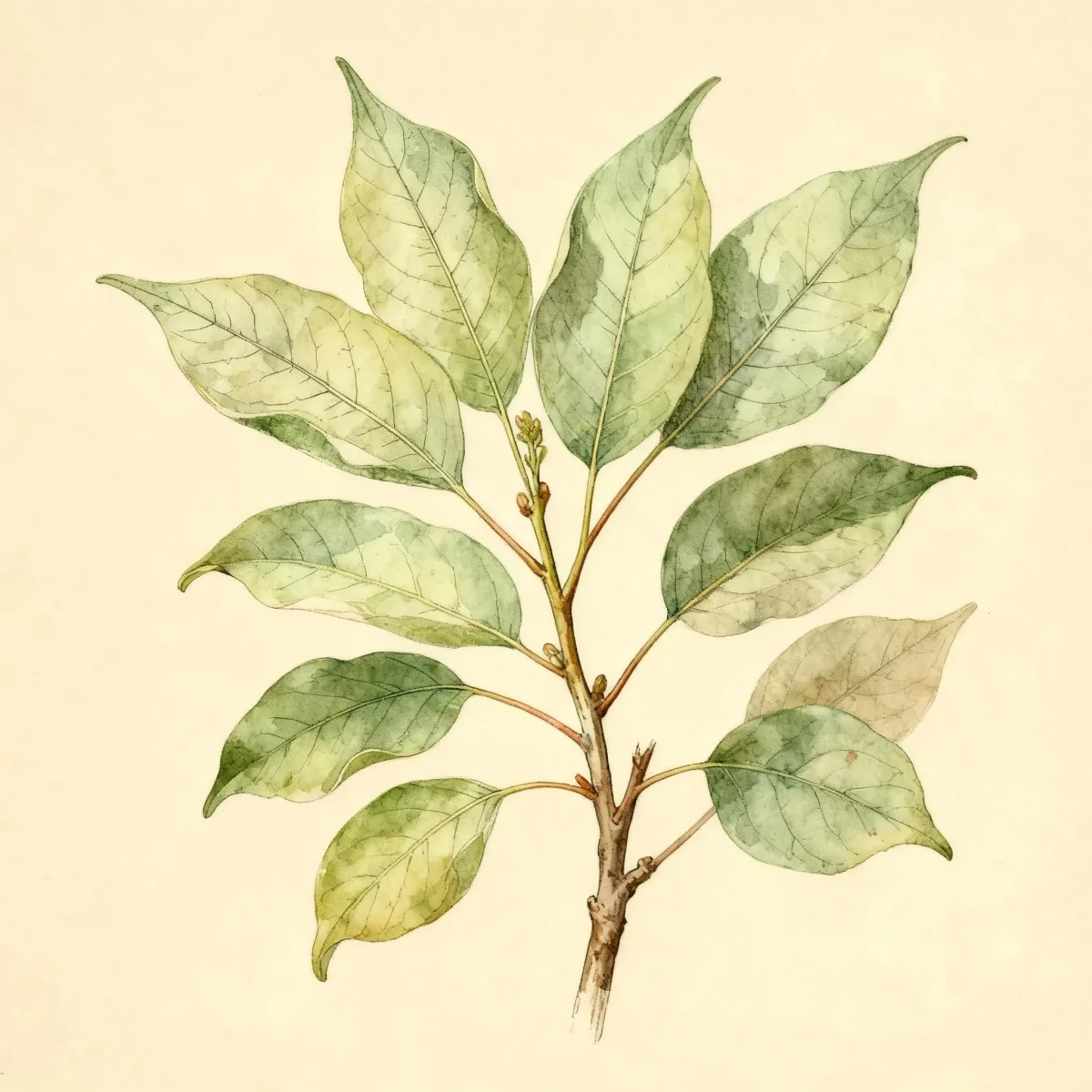
Sweet gum (Liquidambar styraciflua 'Rotundiloba')
Liquidambar styraciflua 'Rotundiloba', a magnificent Sweet gum cultivar, offers rounded lobes, brilliant fall color, and low maintenance in Zones 5-9.


Bloom Boldly, No Matter the Season - Sweatshirt
Cozy organic cotton sweatshirt featuring our exclusive Purple Coneflower design. Perfect for gardeners who bloom year-round.
Inspired by the beautiful Sweet gum
Limited first batch (50) — join the waitlist for early access
Waitlist closes Feb 15, 2026.
Complete Plant Information
Field Guide Continues
Ready for care notes, companion picks, and planting tips?
The map is just the start. The full guide below covers growth habits, seasonal performance, and landscape uses.
Overview
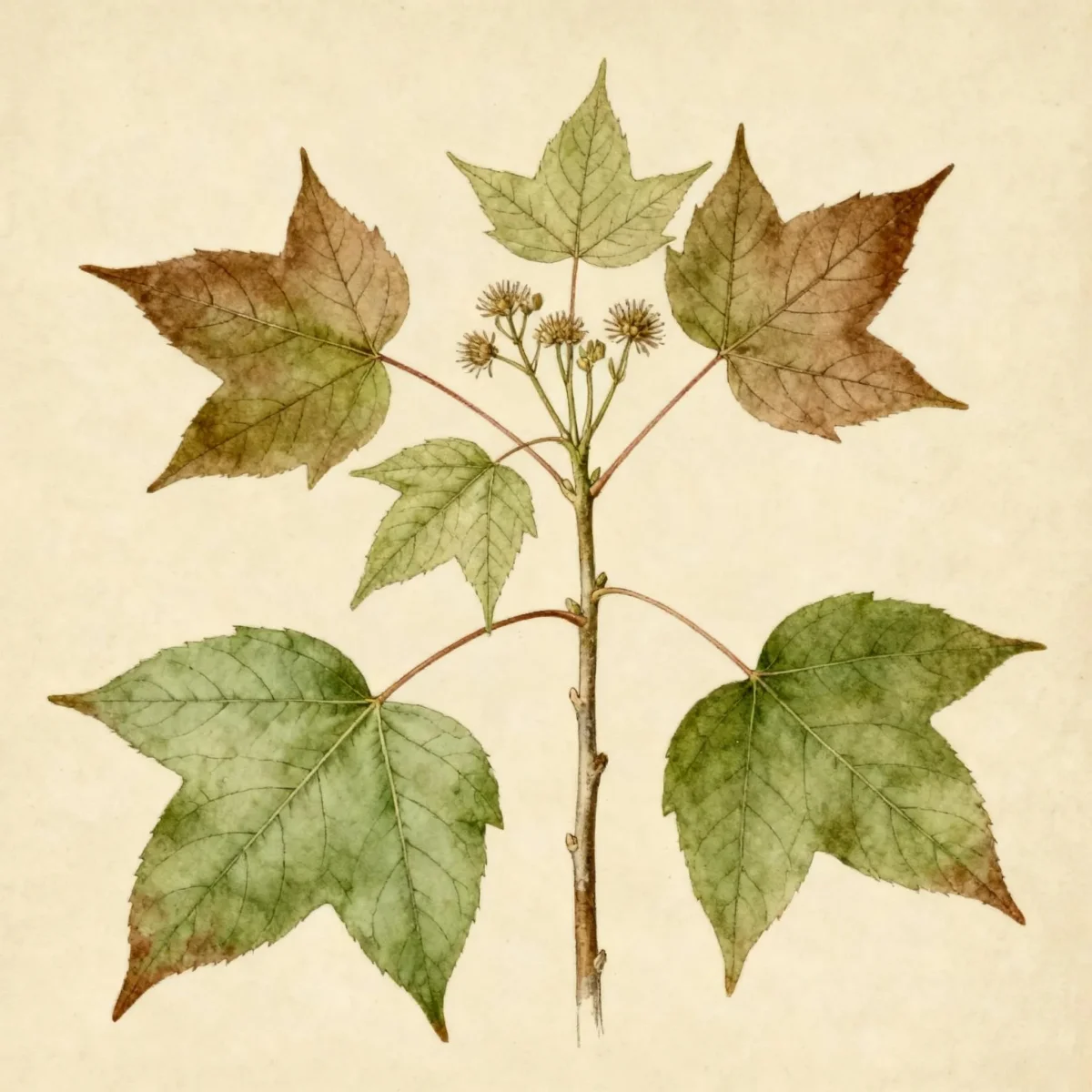
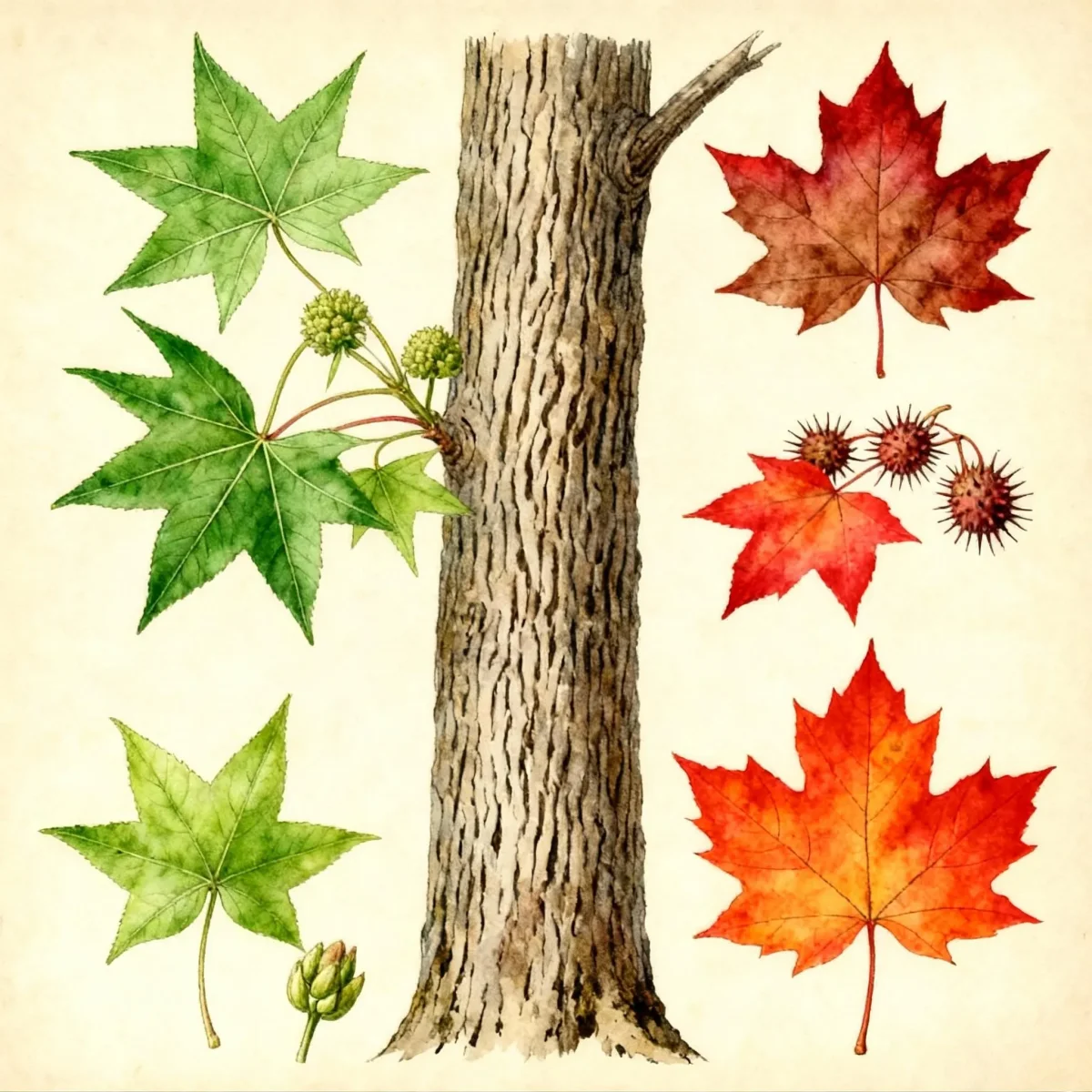
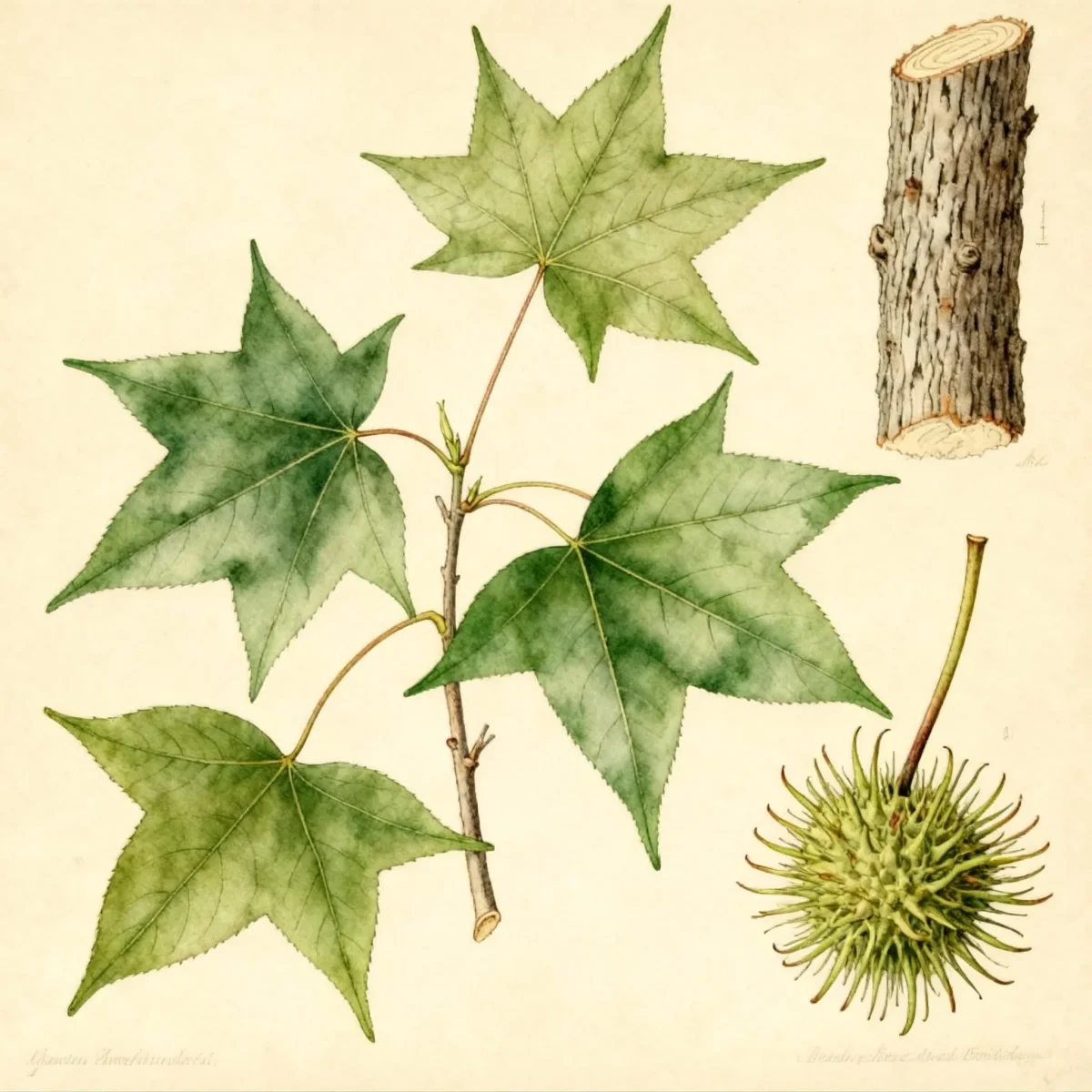
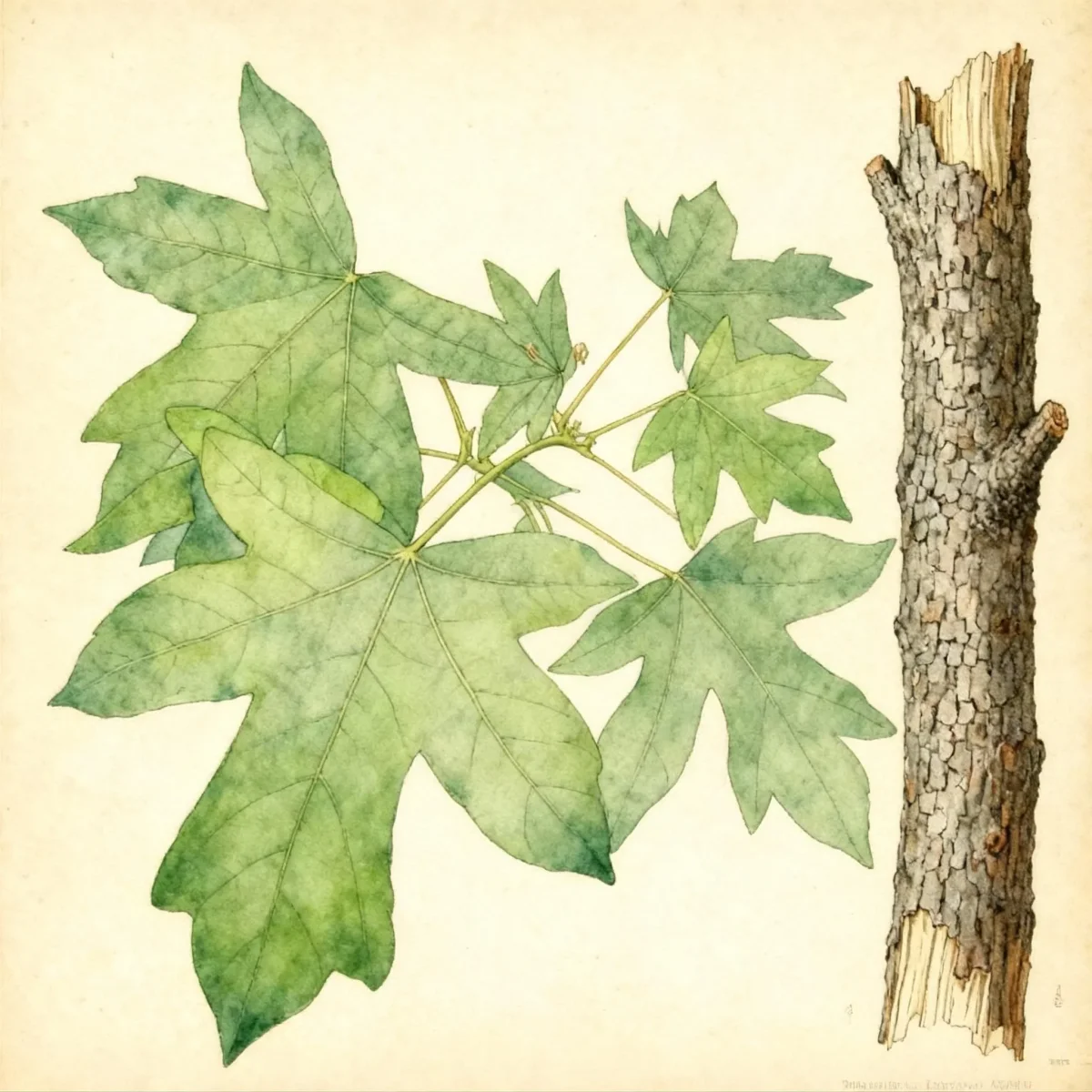
The cultivar Liquidambar styraciflua ‘Rotundiloba’, commonly recognized as a type of Sweet gum, provides outstanding ornamental value without the customary nuisance fruit. This deciduous shade tree is admired for its distinctive, star-shaped leaves which possess uniquely rounded lobes, setting it apart from the straight-lobed standard species. While the common Sweet gum is known for its litter drop, this specific variety is prized because it generally does not set the infamous, hard “gum balls.”
This low-maintenance tree establishes itself as a tall, narrowly pyramidal specimen, eventually developing an oval-rounded crown perfect for casting broad shade over a landscape. Gardeners seeking impressive seasonal interest will appreciate the foliage transition, which shifts from glossy deep green to a vibrant palette of yellows, oranges, and deep burgundies in autumn. Liquidambar styraciflua ‘Rotundiloba’ offers grandeur and structure, making it a superb long-term investment for open spaces.
Fast Facts
- Plant Family: Altingiaceae
- Plant Type: Tree
- Hardiness Zones: USDA Zones 5-9
- Size at Maturity:
- Height: 60-70 ft
- Spread: 20-30 ft
- Bloom Time: April to May
- Bloom Description: Greenish
- Sun Exposure: Full sun
- Water Needs: Medium
- Maintenance Level: Low
How to Grow
Planting Liquidambar styraciflua ‘Rotundiloba’ is best accomplished in early spring or fall when conditions are cooler, allowing the tree to establish its root structure before summer heat. Locate this tree where it receives full sun; it is highly intolerant of shade. While it prefers deep, moist, fertile, and well-drained soils, the Sweet gum cultivar is remarkably adaptable, tolerating a wide variety of soil types, including heavier clay soils. Avoid planting in areas where the soil retains alkalinity, as this can induce chlorosis (yellowing leaves).
Maintenance for this popular shade tree is generally low once established. Provide medium water, especially during dry periods in the first few growing seasons. Fertilization is usually unnecessary if the soil is moderately fertile. Pruning is infrequently required, primarily focusing on removing dead or crossing branches to maintain a strong central leader and good structure, particularly when young.
Be aware that trees are not reliably winter hardy across the entire northern range of USDA Zone 5; monitor local microclimates. As Liquidambar styraciflua ‘Rotundiloba’ develops its size, ensure placement away from structures or utilities, as its root system will be extensive. Its tolerance for clay soil simplifies planting in many suburban landscapes.
Landscape Uses
The substantial size and excellent canopy make Liquidambar styraciflua ‘Rotundiloba’ an outstanding choice for a specimen or shade tree where significant overhead coverage is desired. Its upright, narrowly pyramidal habit initially transitions into a broad crown, making it ideal for placement within large lawns away from septic systems or foundations. Due to its beauty, it excels as a stately street tree, provided ample space is available for its 20-30 foot spread.
When designing mixed borders, pair this tree with understory plantings that thrive in partial shade to deep shade, contrasting its brilliant fall hues with evergreen structure or late-season flowering shrubs. For massive landscapes, incorporate lower-growing, deep green shrubs that can handle drier conditions once the tree canopy matures and begins intercepting rainfall. The structural elegance of the Sweet gum ensures it remains a focal point throughout the year.
Standout Features
Flower Qualities
- Insignificant
Noteworthy Characteristics
The cultivar Liquidambar styraciflua ‘Rotundiloba’ is noted for its narrowly pyramidal form and leaves that feature distinctively rounded lobes rather than the deeply pointed lobes of the species. It still provides the characteristic fragrance when the foliage is bruised, and its fall color is spectacular, displaying mixtures of yellow, burgundy, and orange. Crucially, this specific tree does not set fruit, meaning gardeners avoid the cleanup issues associated with the traditional messy gum balls.
Tolerances
- Rabbit
- Deer
- Clay Soil
Potential Problems
The Sweet gum, and this cultivar including Liquidambar styraciflua ‘Rotundiloba’, generally boasts low susceptibility to serious insect or disease issues, contributing to its low maintenance rating. However, watch for occasional infestations of webworms or caterpillars, particularly in stressed trees. Fungal issues like leaf spots or wood rot can materialize, especially in areas with very poor drainage or high humidity. In soils with high alkalinity, chlorosis may become visible, manifesting as pale yellow leaves. Maintain proper watering and avoid over-fertilizing to keep the tree vigorous and resilient against opportunistic pests and diseases.
Frequently Asked Questions
What hardiness zones is Sweet gum suitable for?
Liquidambar styraciflua ‘Rotundiloba’ is reliably hardy in USDA Zones 5 through 9, though growers in the colder parts of Zone 5 should monitor winter performance closely.
How large does Sweet gum grow?
This cultivar typically matures to a height between 60 and 70 feet, holding a spread of 20 to 30 feet at maturity.
What sun exposure does Liquidambar styraciflua ‘Rotundiloba’ need?
This tree requires full sun exposure to thrive, as it is intolerant of shaded conditions.
When does Sweet gum bloom?
The greenish, non-showy flowers of the Liquidambar styraciflua ‘Rotundiloba’ appear relatively early in the season, typically from April to May.
Conclusion
Liquidambar styraciflua ‘Rotundiloba’ stands out as an exceptional choice for gardeners needing a large, low-maintenance shade tree that delivers brilliant autumn performance without the messy fruit litter. This unique Sweet gum cultivar maintains the species’ grandeur while offering cleaner aesthetics. Before investing, confirm that your hardiness zone falls within USDA 5-9 and plan for planting during the dormant seasons for the best success.
Companion Planting
When selecting plants to grow beneath or near Liquidambar styraciflua ‘Rotundiloba’, consider its mature size and semi-competitive rooting pattern. Since this tree prefers medium moisture, companion plants that tolerate similar conditions will thrive best, particularly when the tree is young. As the canopy establishes, focus on shade-tolerant, medium-sized shrubs that enhance the bold structure of the tree without demanding excessive attention.
For groundcover alternatives beneath the spread, consider Hosta varieties with thick leaves that can handle moderate root competition once established. Avoid shallow-rooted groundcovers, as the Sweet gum will quickly outcompete them for surface moisture and nutrients. Proper spacing is key to ensuring both the tree and its neighbors develop robust root systems.
Design Ideas for Large Spaces
The towering structure and dependable color display of Liquidambar styraciflua ‘Rotundiloba’ make it an anchor specimen in expansive landscape designs. Use the tree axially, framing an entrance or viewing corridor where its impressive height can be appreciated against structures or the open sky. The slight narrowing of its pyramidal shape when young means it can be integrated into evolving layered borders before it broadens substantially.
Consider using groupings of three for significant scale impact in park-like settings. In these instances, ensure ample space between the trees to allow the lower branches to develop fully, creating a dense screen or windbreak effect. The reliable fall riot of color against a backdrop of deep green conifers enhances the overall winter-to-spring transition on the perimeter of the property.