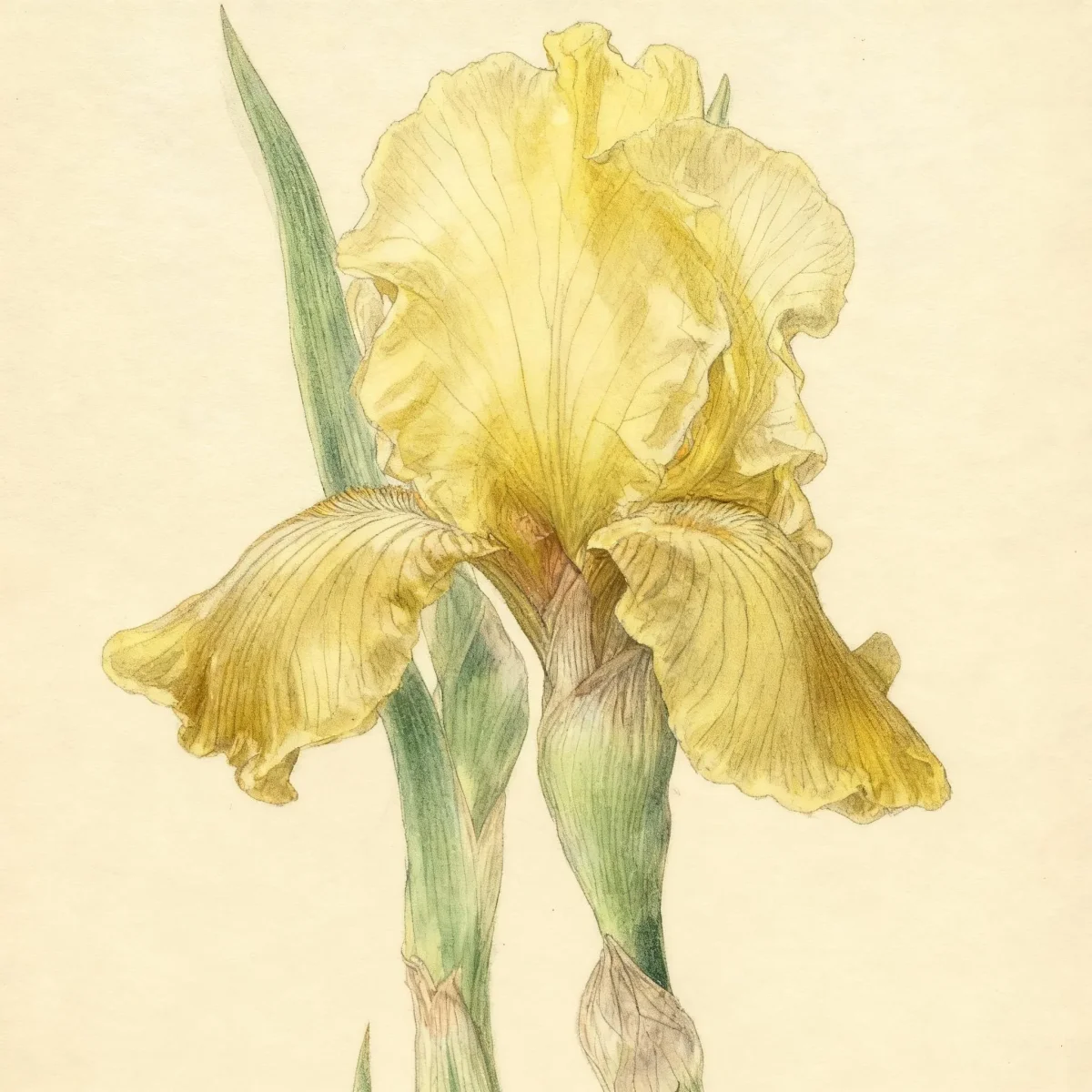
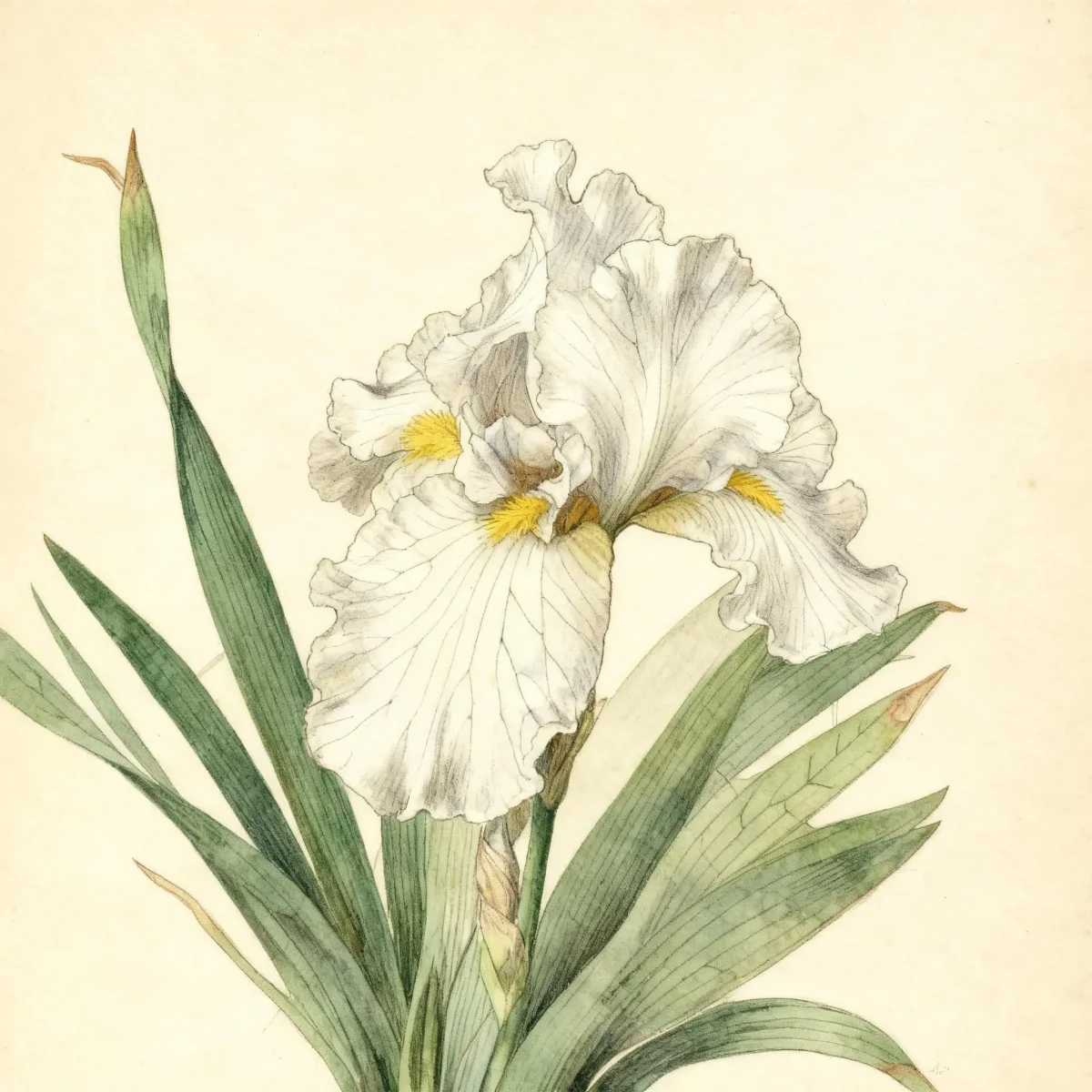
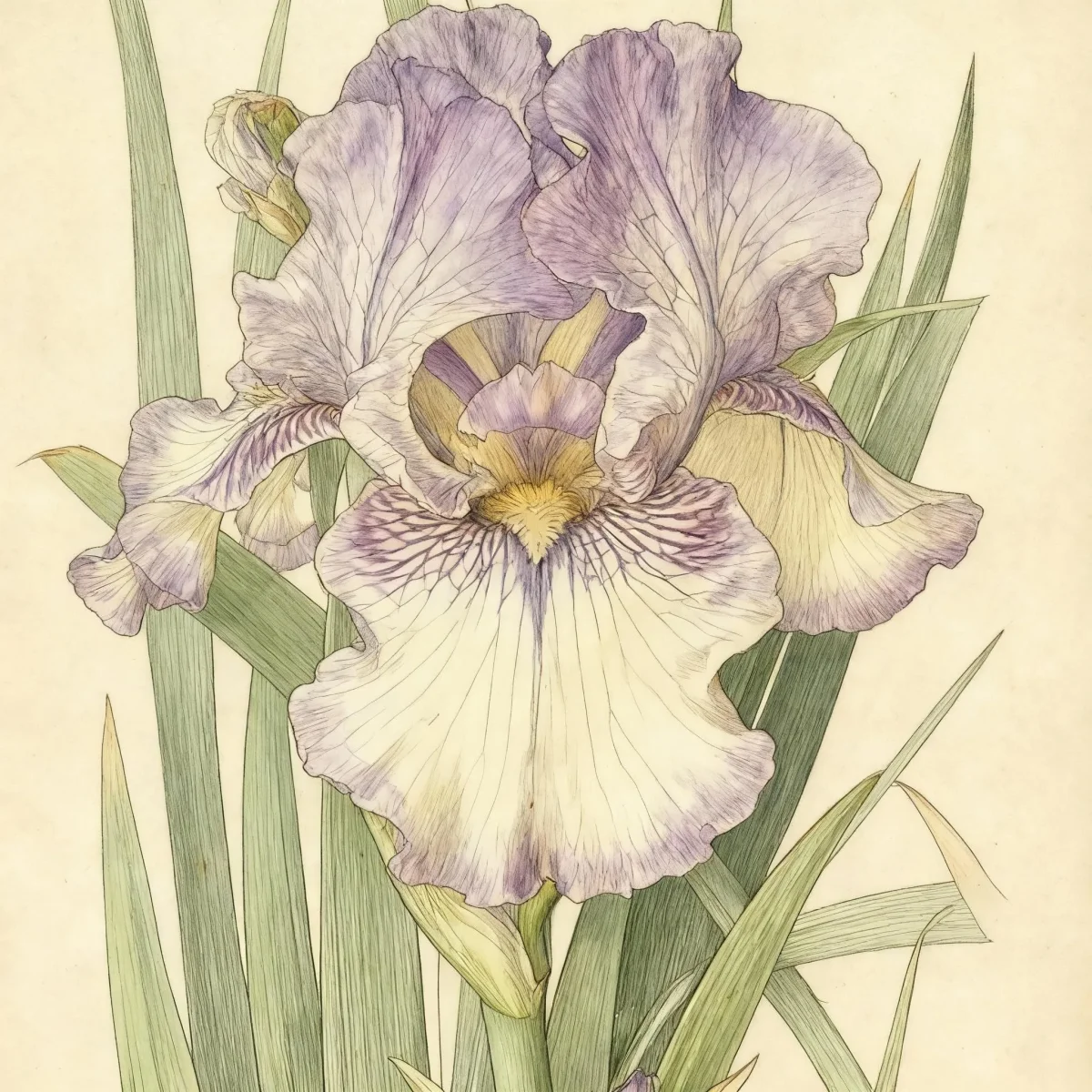
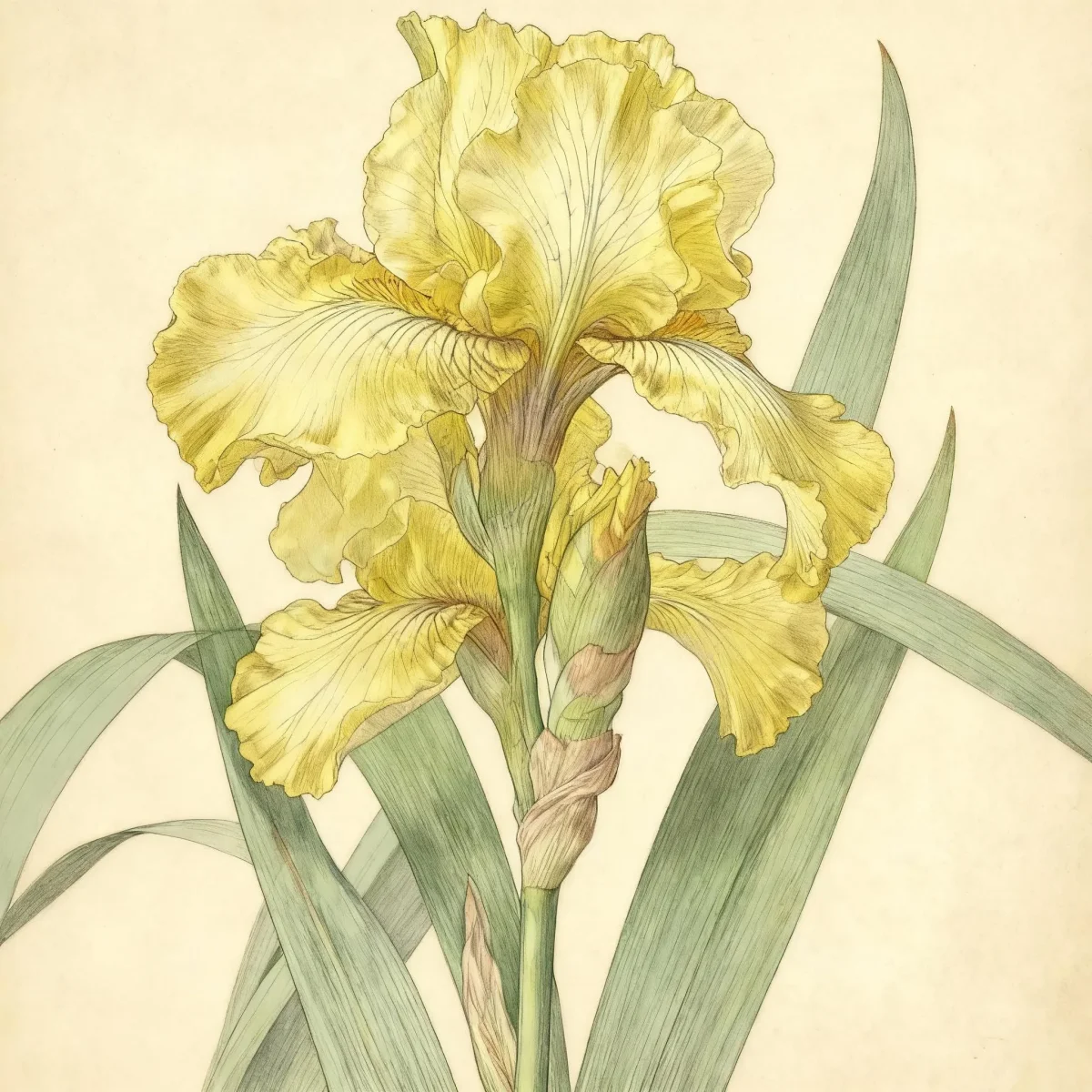
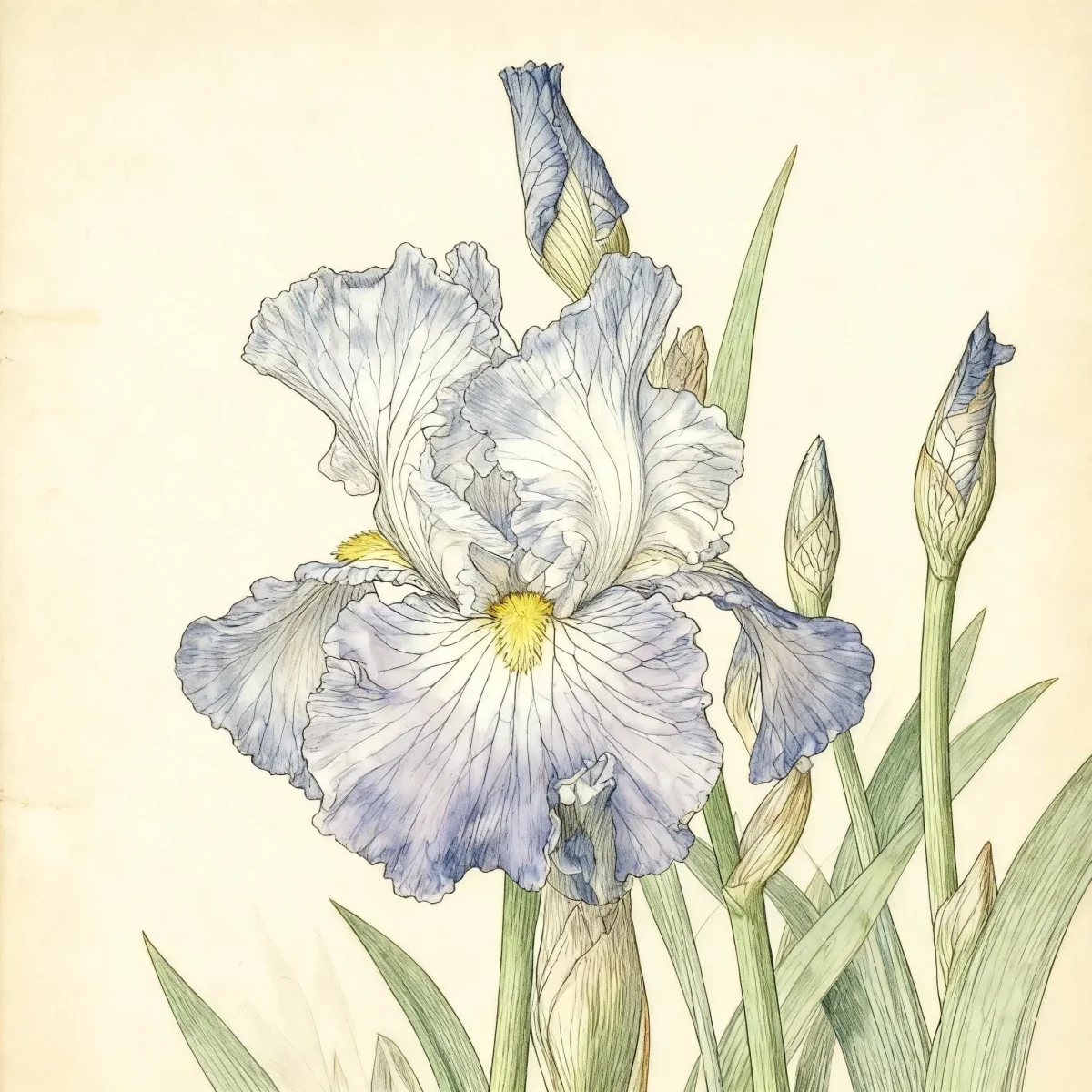
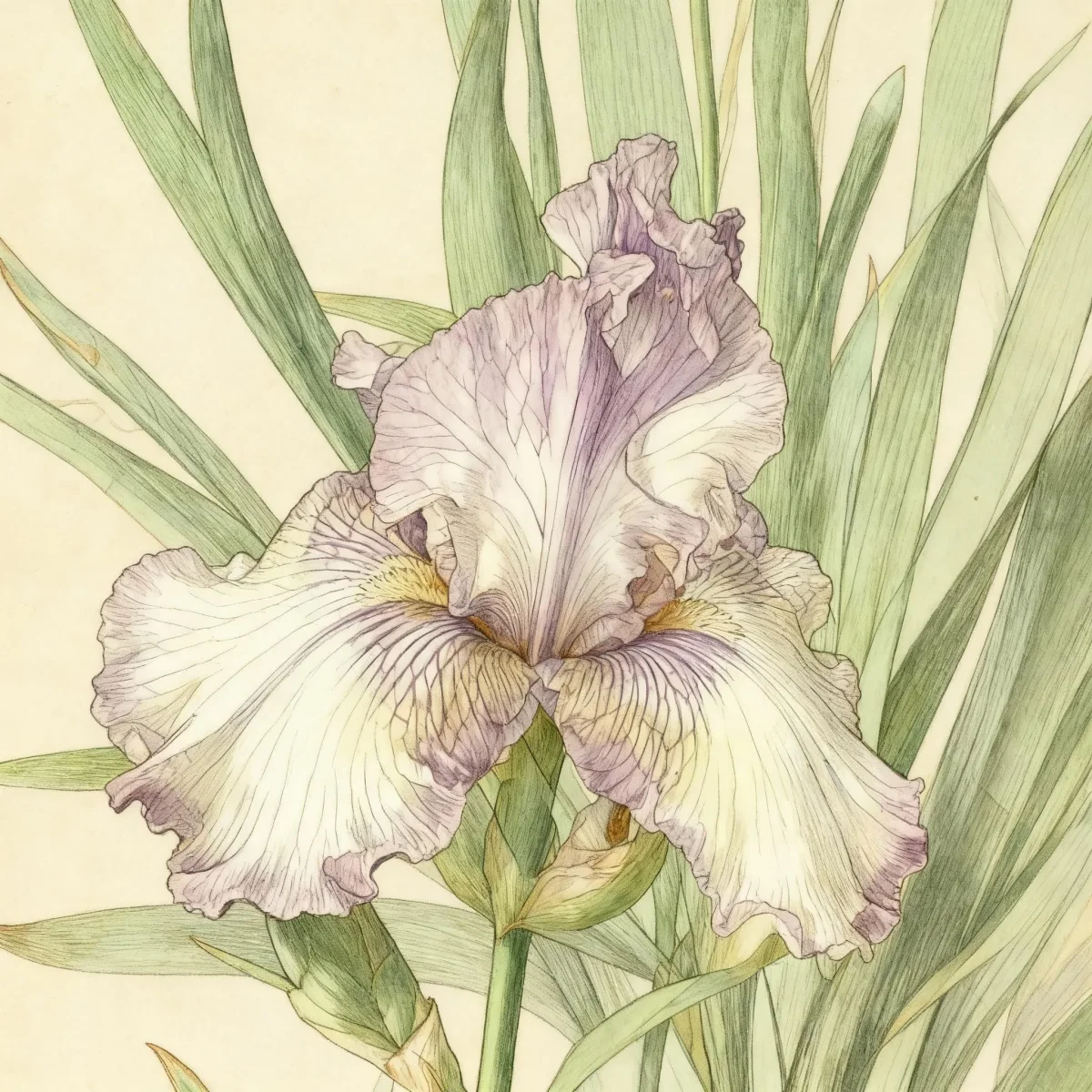
Tall bearded reblooming iris (Iris 'Northward Ho')
Iris 'Northward Ho' is an eye-catching Tall bearded reblooming iris, offering pink-brown blooms in Zones 3-10 with medium care.

Bloom Boldly, No Matter the Season - Sweatshirt
Cozy organic cotton sweatshirt featuring our exclusive Purple Coneflower design. Perfect for gardeners who bloom year-round.
Inspired by the beautiful Tall bearded reblooming iris
Limited first batch (50) — join the waitlist for early access
Waitlist closes Feb 15, 2026.
Complete Plant Information
Field Guide Continues
Ready for care notes, companion picks, and planting tips?
The map is just the start. The full guide below covers growth habits, seasonal performance, and landscape uses.
Overview
Iris ‘Northward Ho’ is a highly desirable cultivar within the Tall bearded reblooming iris category, valued for its remontant nature, offering potential for color beyond the typical spring spectacle. This herbaceous perennial showcases distinctive pink-brown blend flowers, adding unique warmth to the late spring and fall garden stages. Gardeners appreciate the robust nature of Tall bearded reblooming iris hybrids, which are bred for performance across a wide range of climates.
As a rhizomatous grower, Iris ‘Northward Ho’ slowly forms clumps, providing excellent vertical interest in perennial borders reaching up to three feet tall. Successful cultivation relies on ensuring superior drainage, especially critical for promoting the reblooming cycle. Providing appropriate cultural care allows this variety to deliver reliable season-long color, solidifying its place as a staple in sunny perennial settings.
Fast Facts
- Plant Family: Iridaceae
- Plant Type: Herbaceous perennial
- Hardiness Zones: USDA Zones 3-10
- Size at Maturity:
- Height: 2.5-3 ft
- Spread: 1-2 ft
- Bloom Time: May
- Bloom Description: Pink-brown blend
- Sun Exposure: Full sun
- Water Needs: Medium
- Maintenance Level: Medium
How to Grow
For optimal establishment, plant the rhizomes of Iris ‘Northward Ho’ from summer into fall, ensuring they settle before winter arrives. These plants thrive in full sun, though some protection from intense afternoon heat is tolerated in extremely hot climates. The soil must be average, well-drained, and possess medium moisture content for best results.
Consistent moisture management is key for this Tall bearded reblooming iris, particularly from initial spring growth through six weeks following the main flowering period to encourage bud development for rebloom. If you work with heavy clay or experience high rainfall, plant rhizomes on slopes or within raised beds. This simple step prevents rhizome rot, a common failure point for iris cultivation.
When planting, position the rhizomes shallowly, about 12-20 inches apart, ensuring one-third of the rhizome remains exposed above the soil mound, with roots spread horizontally for support. Over time, clumps will thicken; plan to lift, divide, and replant overgrown sections in late summer (August) using a garden fork. Remember that successful reblooming of Iris ‘Northward Ho’ relies on timely feeding both in early spring and again in early July after the first wave of flowers has finished.
Landscape Uses
Tall bearded reblooming iris cultivars, including Iris ‘Northward Ho’, are excellent vertical accents when grouped or massed within established perennial beds. Their stately height makes them ideal candidates for middle or back borders where they can transition between shorter foreground plantings and taller background shrubs. They create dramatic focal points near foundations or along pathways where their unique pink-brown blend can be easily admired.
These mid-to-tall growing specimens pair beautifully with summer-blooming perennials that appreciate similar sun and soil conditions, such as Salvia, Coneflowers (Echinacea), or ornamental grasses. Mass planting Iris ‘Northward Ho’ ensures a substantial visual impact during its peak season, providing textured, erect foliage when not in flower.
Standout Features
Flower Qualities
- Showy
Noteworthy Characteristics
Tall Bearded Iris is a rhizomatous iris Group whose numerous hybrid cultivars grow to heights above 27.5” tall featuring two or more branches and 7 or more blossoms per stem with flowers spreading to more than 5” wide. Each flower has upright standards and pendant falls. The cultivar ‘Northward Ho’ is specifically bred as a reblooming (or remontant) tall bearded iris, typically reaching 36 inches, featuring standards and falls blending in shades of pink-brown with a yellow beard. Like all bearded irises, the name derives from the fuzzy ‘beard’ located in the center of the falls.
Tolerances
- Deer
- Drought
Potential Problems
Various fungal and viral issues can affect Iris health, including leaf spot, bacterial soft rot, crown rot, and mosaic viruses. Pests such as slugs, snails, aphids, thrips, and the destructive iris borer also pose threats. The most critical preventative measure is excellent sanitation; promptly remove and destroy any diseased or borer-infected foliage or rhizomes, especially performing a thorough cleanup of all debris in the fall after the hard frost.
Cultural mismanagement is often the primary cause for poor flowering in established plants. Ensure rhizomes are not planted too deeply, as this smothers the growth point. Avoid overly shaded locations, which suppress blooming, and guard against over-fertilizing, which encourages foliage growth at the expense of flowers. If plants become overly crowded, divide them regularly.
Frequently Asked Questions
What hardiness zones is Tall bearded reblooming iris suitable for?
This particular cultivar, Iris ‘Northward Ho’, is broadly adaptable, thriving in USDA Zones 3 through 10.
How large does Iris ‘Northward Ho’ grow?
This Tall bearded reblooming iris typically reaches a mature height between 2.5 to 3 feet tall and spreads moderately, achieving a width of 1 to 2 feet.
What sun exposure does Iris ‘Northward Ho’ need?
Iris ‘Northward Ho’ requires full sun exposure to maximize flowering capability and maintain good rhizome health.
When does Tall bearded reblooming iris bloom?
The initial bloom time for this variety is generally noted in May, with the specialized breeding allowing for potential rebloom later in the season depending on climate conditions.
Conclusion
Iris ‘Northward Ho’ offers exceptional value by combining the classic elegance of the Tall bearded iris with the bonus of seasonal rebloom, making the pink-brown blend flowers a consistent garden feature. By paying close attention to drainage and providing targeted fertilization, you can promote vigorous growth and reliably achieve multiple flushes of bloom from your Tall bearded reblooming iris. Always check your local microclimate to determine the optimal time for planting rhizomes this summer or fall.
Companion Planting
When designing a border around Iris ‘Northward Ho’, select companions that share its love of full sun and excellent drainage but bloom at different times to extend interest. Plants like Catmint (Nepeta), Coreopsis, or Russian Sage (Perovskia) make excellent neighbors as they tolerate drier summer conditions once established, matching the medium water needs of the iris. Avoid overcrowding; irises need good air circulation around their rhizomes to prevent rot, so ensure spacing is adequate.
Seasonal Care Calendar
Spring cleanup involves removing any lingering winter debris and applying an initial balanced fertilizer application once new growth appears. As the first flush of bloom concludes in early summer, deadhead spent flower stalks cleanly without cutting back the foliage, and consider a second, lighter feeding if rebloom is strongly desired. Foliage should be left intact throughout the growing season to nourish the rhizomes for the following year; cut back the sword-shaped leaves only after the foliage yellows or dies back naturally in the late fall.