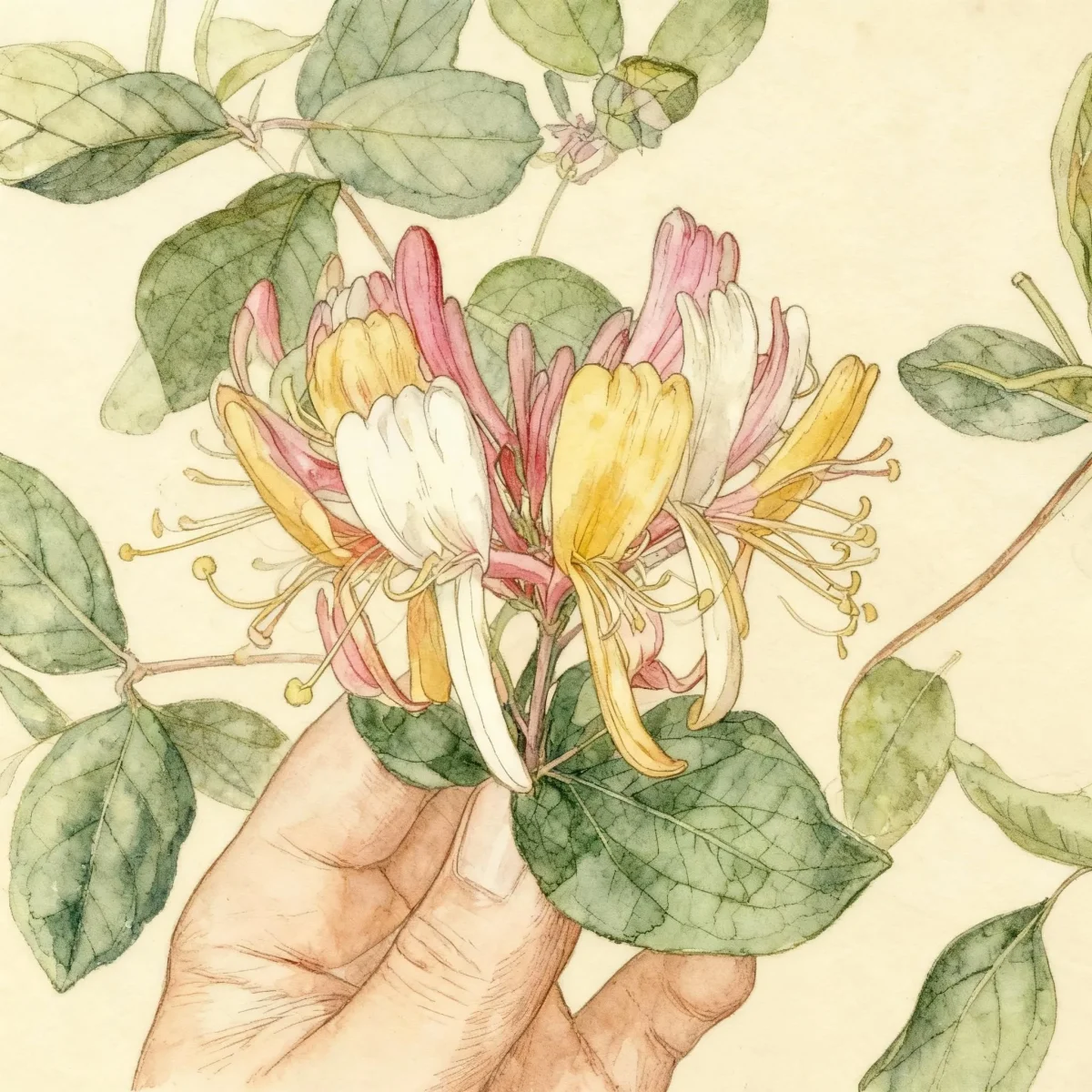
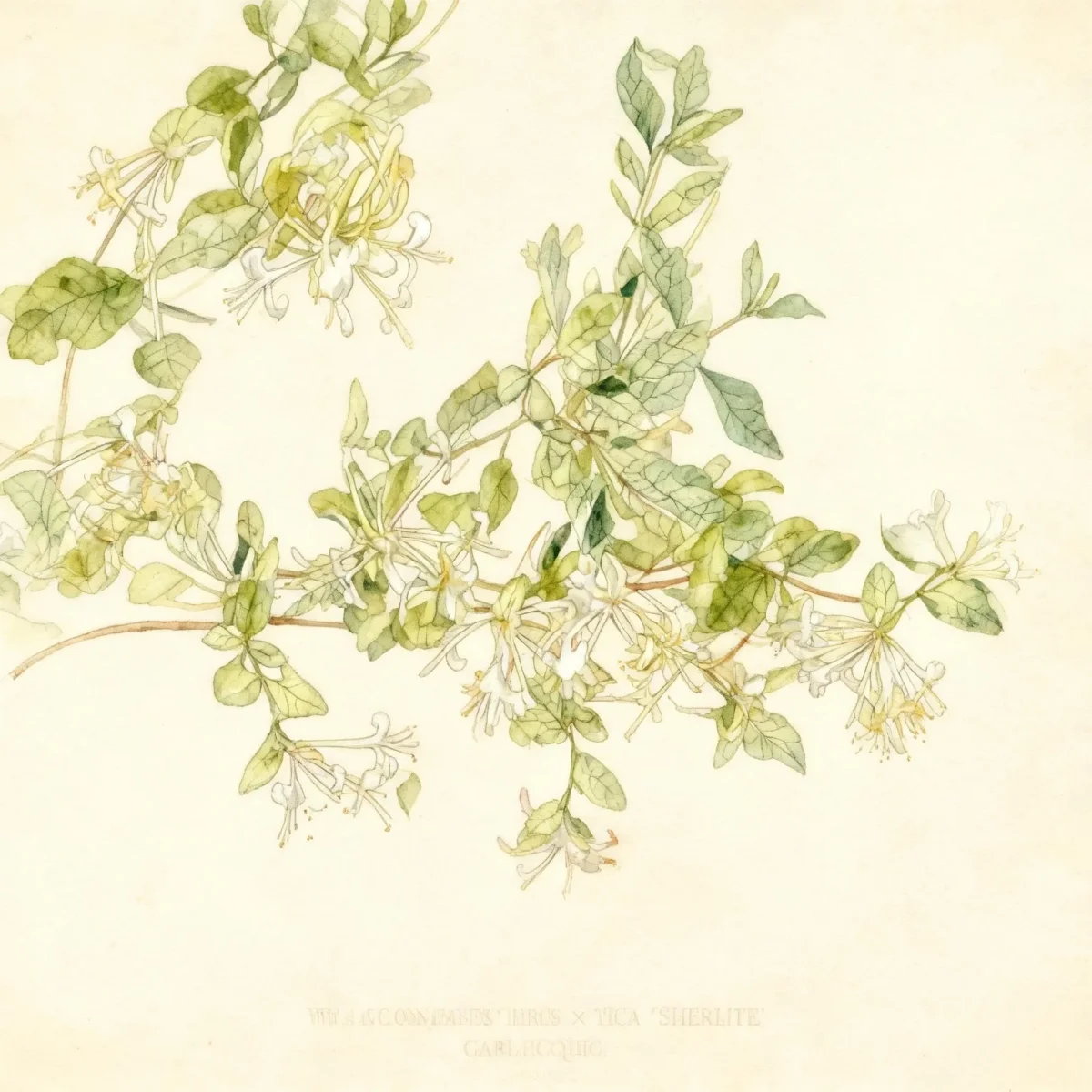
Japanese honeysuckle (Lonicera japonica 'Halliana')
Vigorous, fragrant Lonicera japonica 'Halliana' vine boasts showy white to yellow flowers from June to October. Great ground cover in USDA Zones 4-9.

Bloom Boldly, No Matter the Season - Sweatshirt
Cozy organic cotton sweatshirt featuring our exclusive Purple Coneflower design. Perfect for gardeners who bloom year-round.
Inspired by the beautiful Japanese honeysuckle
Limited first batch (50) — join the waitlist for early access
Waitlist closes Feb 15, 2026.
Complete Plant Information
Field Guide Continues
Ready for care notes, companion picks, and planting tips?
The map is just the start. The full guide below covers growth habits, seasonal performance, and landscape uses.
Overview
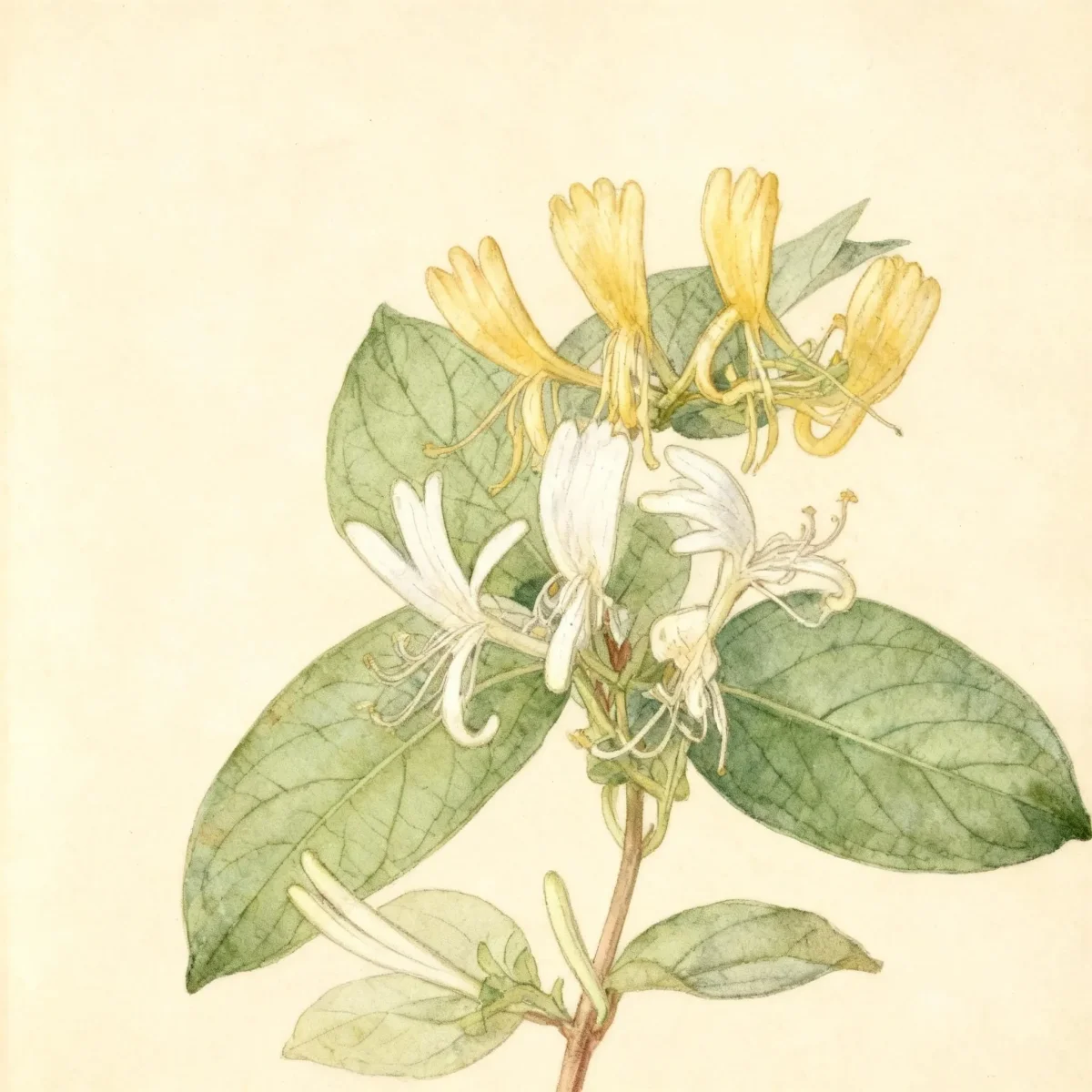
Lonicera japonica ‘Halliana’, commonly known as Hall’s honeysuckle, is celebrated in the garden for its vigorous growth habit and highly aromatic floral display. This deciduous, twining vine produces an abundance of slender, tubular flowers that start pure white and wonderfully age to soft yellow, perfuming the late spring and summer air. While visually appealing and fragrant, gardeners must manage its assertive nature, as it is powerful enough to cover large areas quickly when used as a ground cover.
This cultivar exhibits remarkable adaptability, thriving in average, well-drained soils under conditions ranging from full sun to partial shade. Although it tolerates drought well once established, the most prolific flowering on Lonicera japonica ‘Halliana’ occurs when provided with ample light. Its ability to adapt to various soil types, combined with its rugged nature, makes it a popular, albeit sometimes challenging, choice for covering slopes or large ground areas.
The attractive, dark green foliage provides continuous coverage throughout the growing season, giving way to small black berries in the fall. Utilizing this strong vine, whether allowing it to climb or keeping it pruned low, must be done with awareness of its invasive potential in certain environments. Recognizing the mature size potential of 15 to 30 feet is crucial for successful placement of Japanese honeysuckle in any landscape design.
Fast Facts
- Plant Family: Caprifoliaceae
- Plant Type: Vine
- Hardiness Zones: USDA Zones 4-9
- Size at Maturity:
- Height: 15-30 ft
- Spread: 3-6 ft
- Bloom Time: June to October
- Bloom Description: White maturing to yellow
- Sun Exposure: Full sun to part shade
- Water Needs: Dry to medium
- Maintenance Level: Medium
How to Grow
Planting Lonicera japonica ‘Halliana’ is best done in spring or fall when the soil is workable, ensuring placement in an area where its vigorous spread can be controlled or utilized fully. This vine adapts to a wide range of soils but performs best in average, well-drained loam. When establishing this plant specifically for ground cover purposes, space plants approximately 2-3 per square yard to achieve efficient coverage over time.
Watering needs are relatively low; once established, this Japanese honeysuckle tolerates dry conditions well, though consistent moisture (medium requirement) during the first growing season will improve establishment. Fertilization is generally not necessary, as the plant is robust and excessive feeding can lead to overly lush vegetative growth at the expense of blooms. Monitor moisture levels, particularly in full sun locations, until the root system is fully developed.
Maintenance for Lonicera japonica ‘Halliana’ is critical for controlled growth. If the vine is allowed to climb structures, aggressive pruning may be required to prevent it from suffocating smaller plantings or damaging supports. For ground cover applications, rejuvenation pruning is highly effective; plants can be heavily sheared close to the ground using an elevated lawn mower in late winter to remove dead undergrowth and maintain a dense mat.
Landscape Uses
The suggested use for Japanese honeysuckle is primarily as a heavy-duty ground cover, designed to suppress weeds and hold soil on banks or large open areas. Its dense mat of foliage successfully blankets the ground, making it an excellent choice where tenacious coverage is needed. However, due to its aggressively invasive nature—it can quickly overwhelm and suffocate nearby shrubs or small trees—it is generally not recommended for use near formal borders or carefully cultivated garden beds.
When employing Lonicera japonica ‘Halliana’, strategic container planting or using it only where its dense habit is intentionally desired for mass planting exercises the best horticultural practice. Companion planting should involve robust, equally vigorous specimens that can tolerate its shade competition or dense growth habit, though avoiding vulnerable shrubs is paramount. This strong vine excels where functional coverage outweighs delicate aesthetic pairing, recognizing that its structure is designed for dominance.
Standout Features
Flower Qualities
- Showy
- Fragrant
Noteworthy Characteristics
Lonicera japonica is a vigorous, deciduous, twining vine which typically grows 15-30’. Extremely fragrant, slender, tubular, two-lipped, pure white flowers age to light yellow. Flowers appear from May to frost and give way to black berries which mature in late summer to fall. Perhaps the most popular of the honeysuckles that are used as ground covers.
Tolerances
- Deer
- Drought
- Black Walnut
Potential Problems
Fortunately, Lonicera japonica ‘Halliana’ typically suffers from no serious insect or disease problems, which contributes to its vigor. The primary challenge, and the reason its use is often discouraged, stems from its aggressive, invasive spreading habit. This vine rapidly covers ground and can climb onto, shade out, and literally suffocate established shrubs or small trees if allowed unimpeded access.
Managing invasiveness is key to responsible gardening with Japanese honeysuckle. Always site this plant where its expansive growth can be tolerated or contained behind barriers. Regular, hard pruning—cutting it back hard in late winter—is the recommended method for controlling its spread when utilized as a ground cover.
Frequently Asked Questions
What hardiness zones is Japanese honeysuckle suitable for?
Lonicera japonica ‘Halliana’ is hardy and thrives across USDA Zones 4 through 9.
How large does Japanese honeysuckle grow?
This vigorous vine typically reaches mature heights between 15 and 30 feet, with a spread ranging from 3 to 6 feet when spreading horizontally.
When does Japanese honeysuckle bloom?
Bloom time for this cultivar is extensive, typically running from June all the way through October, featuring white flowers that mature to yellow.
What sun exposure does Lonicera japonica ‘Halliana’ need?
For best blooming performance from your Japanese honeysuckle, provide it with full sun, although it will also tolerate partial shade, which may result in fewer flowers.
Conclusion
Lonicera japonica ‘Halliana’ offers tremendous value to the landscape designer seeking dense ground cover combined with long-season, highly fragrant flowers. While its robustness and tolerance to drought and poor soil make it appealing, responsible management of this vigorous Japanese honeysuckle is essential to prevent ecological encroachment. Before planting, confirm your USDA zone compatibility (4-9) and plan for necessary winter pruning to keep this beautiful vine within its designated boundaries.
Companion Planting
When planning a landscape where Lonicera japonica ‘Halliana’ is necessary for bank stabilization or mass coverage, it is wise to pair it with strong, established companions. Consider pairing it with tough, woody ground covers that can compete structurally, such as vinca (Vinca minor) in shadier spots, or robust native grasses that won’t be smothered by the honeysuckle’s thick canopy. Avoid placing Hall’s honeysuckle near young or delicate woody specimen plants that require unrestricted light and air circulation.
The key to successful integration is containment; use physical barriers or hardscapes like large stones or retaining walls to delineate where the vine’s runners will stop. By confining the Japanese honeysuckle to large, open areas or slopes where competition is minimal, you can enjoy its fragrant flowers without risking damage to neighboring ornamental plantings that require vigilant care.
Wildlife Considerations
Although the berries of Lonicera japonica ‘Halliana’ are sometimes consumed by birds, the fragrance of the flowers is a significant draw for pollinators. Gardeners focused on supporting hummingbirds and various nectar-feeding insects will find this vine beneficial, especially during the summer drought periods when other blooms may have faded. The dense mat created by the vine, when allowed to remain low, also offers excellent protective cover for ground-dwelling insects and small wildlife.
However, it is crucial for gardeners to understand that while the flowers offer sustenance, the entire plant, including its berries, is considered moderately toxic if ingested by pets or humans. Ensure that any area where the plant is growing is kept clear of casual foraging, focusing instead on its functional benefits as a rugged, fragrant ground cover that tolerates difficult conditions.