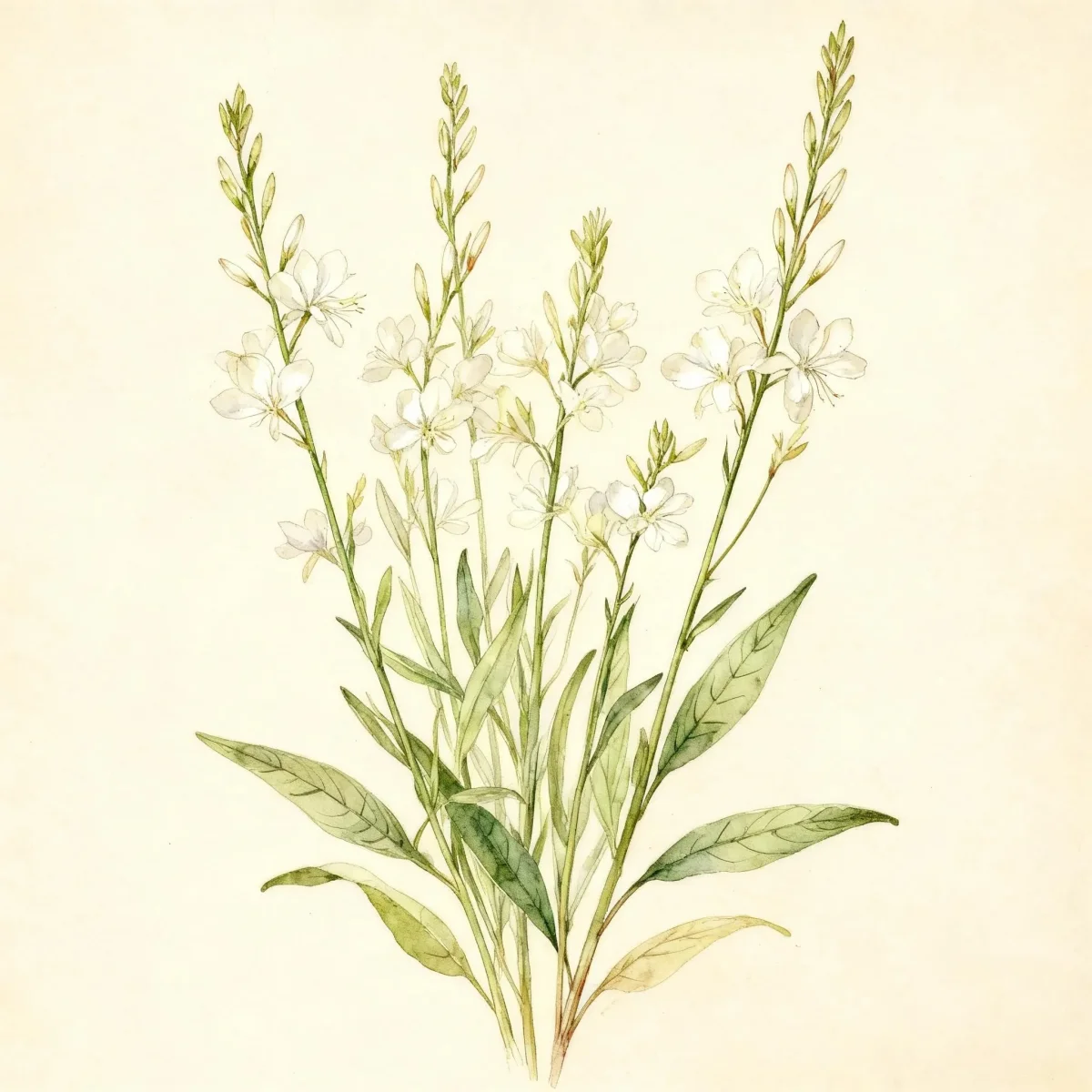
Gaura (Gaura lindheimeri 'Dauphine')
Gaura lindheimeri 'Dauphine' is an elegant, clump-forming perennial offering continuous white to rose pink blooms from May to August.
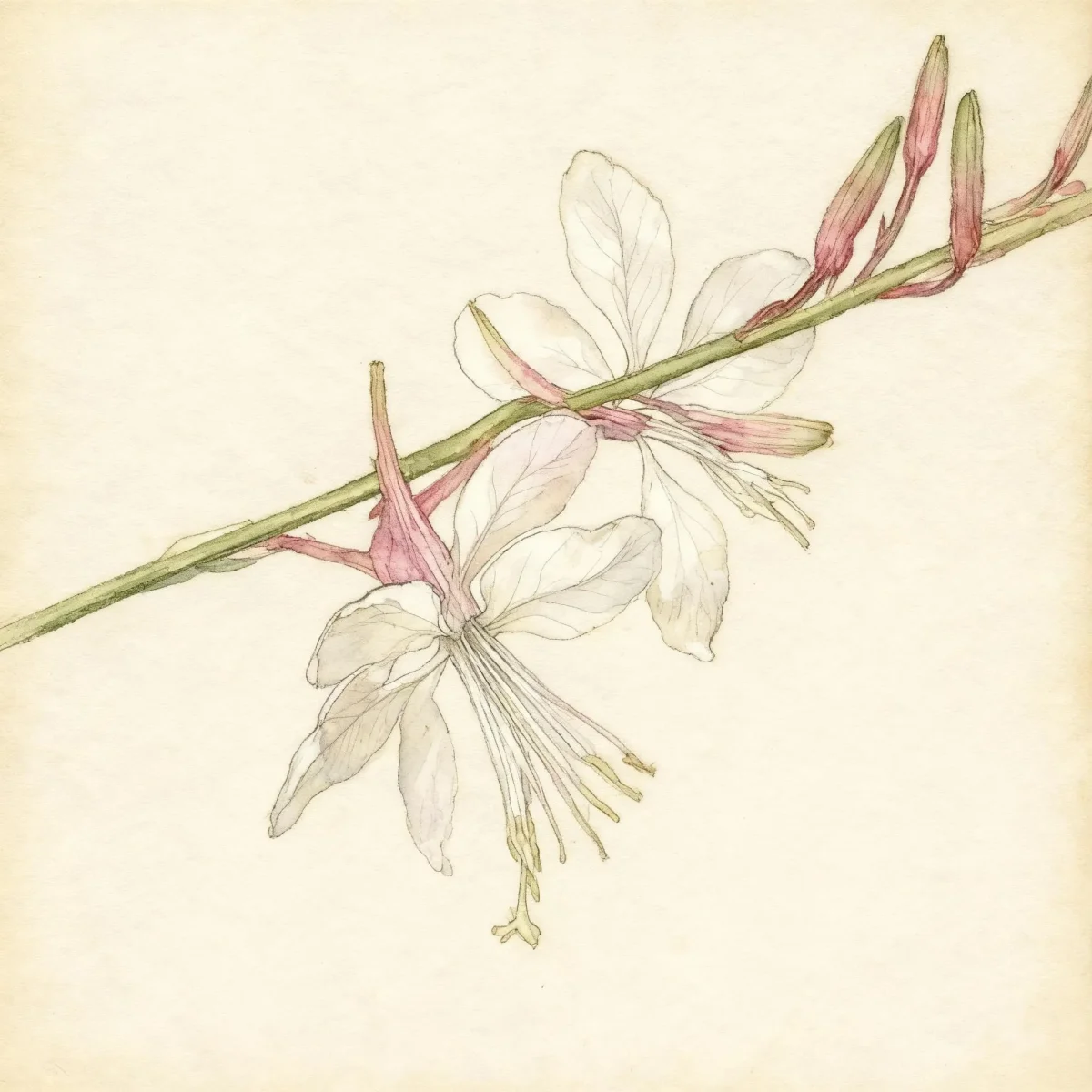

Bloom Boldly, No Matter the Season - Sweatshirt
Cozy organic cotton sweatshirt featuring our exclusive Purple Coneflower design. Perfect for gardeners who bloom year-round.
Inspired by the beautiful Gaura
Limited first batch (50) — join the waitlist for early access
Waitlist closes Feb 15, 2026.
Complete Plant Information
Field Guide Continues
Ready for care notes, companion picks, and planting tips?
The map is just the start. The full guide below covers growth habits, seasonal performance, and landscape uses.
Overview
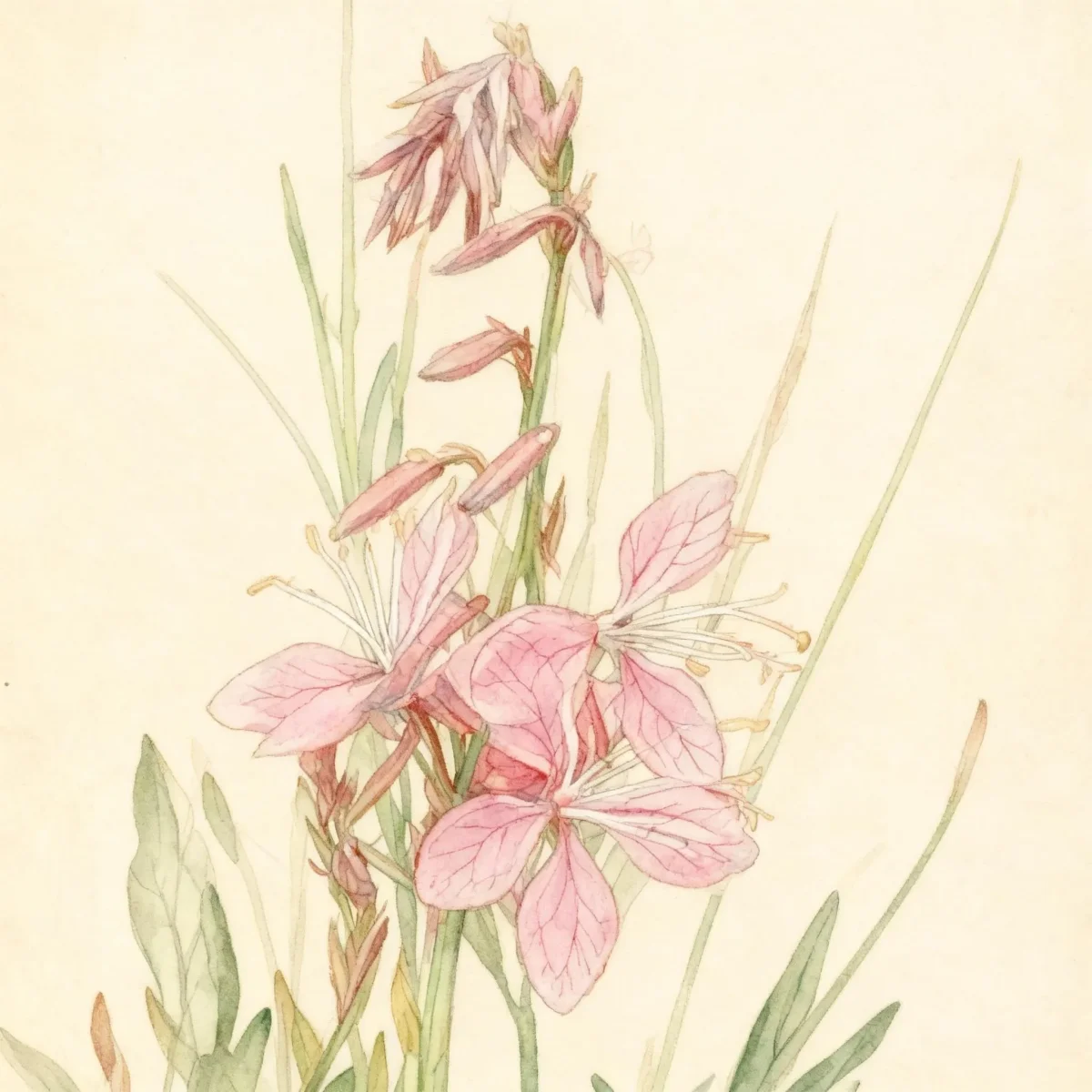
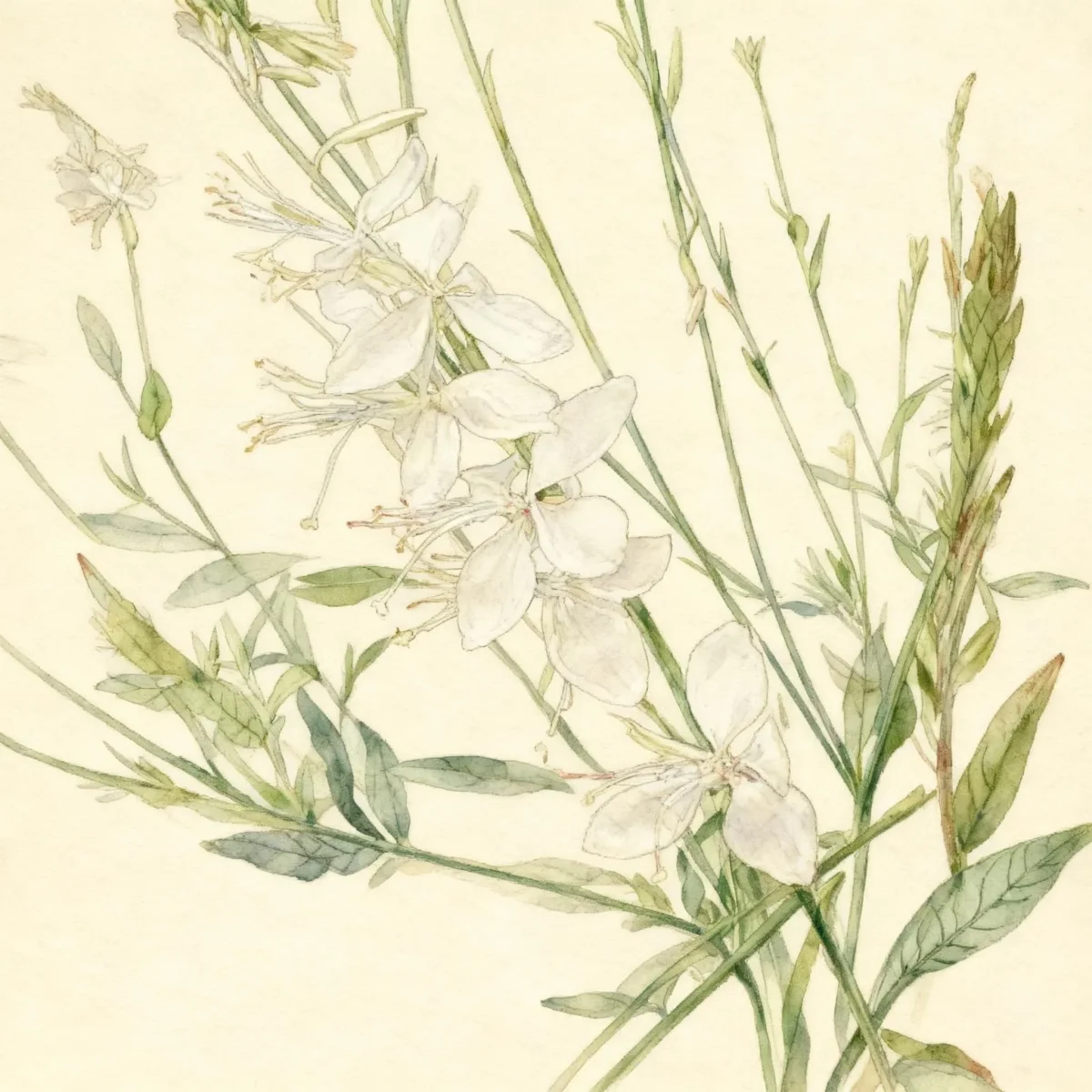
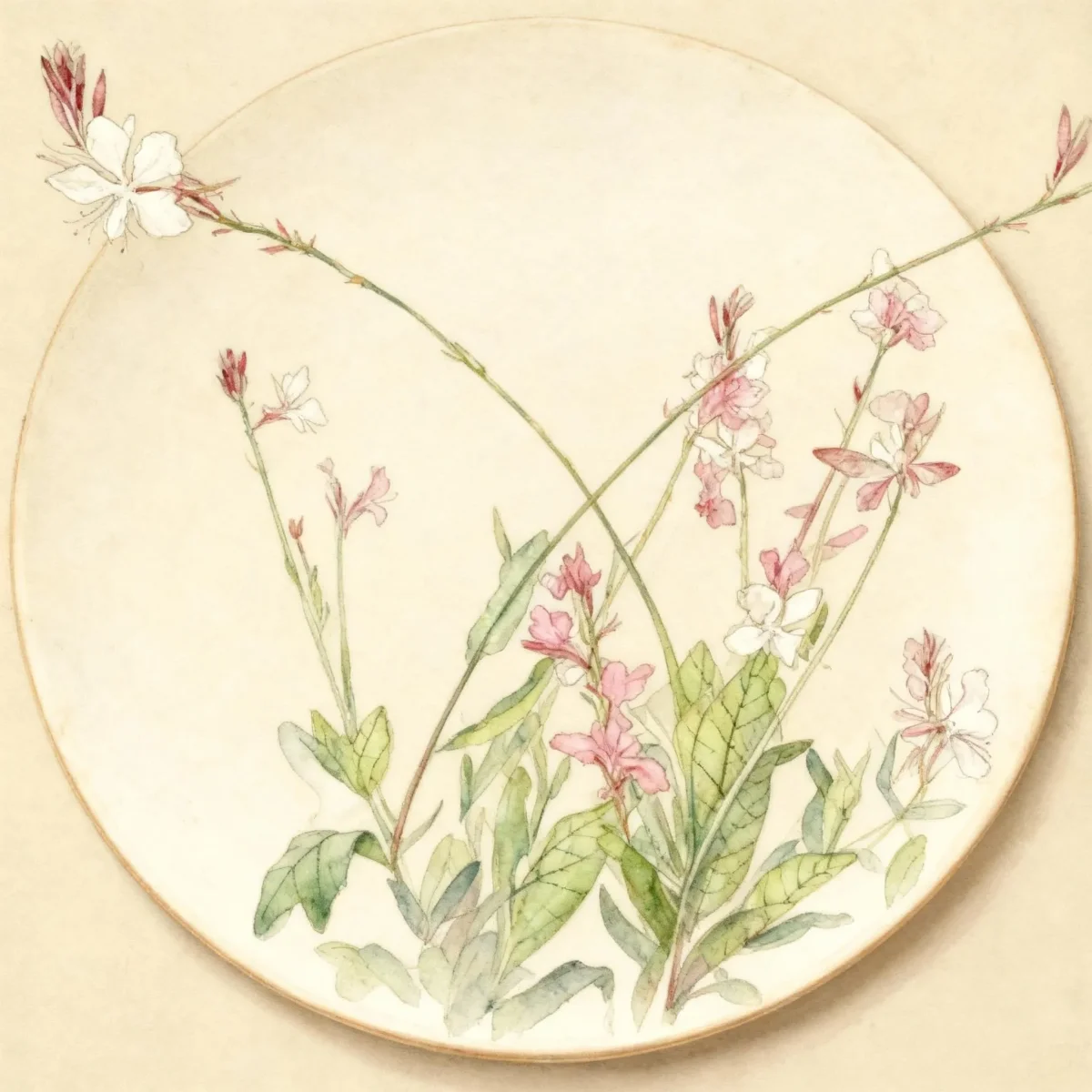
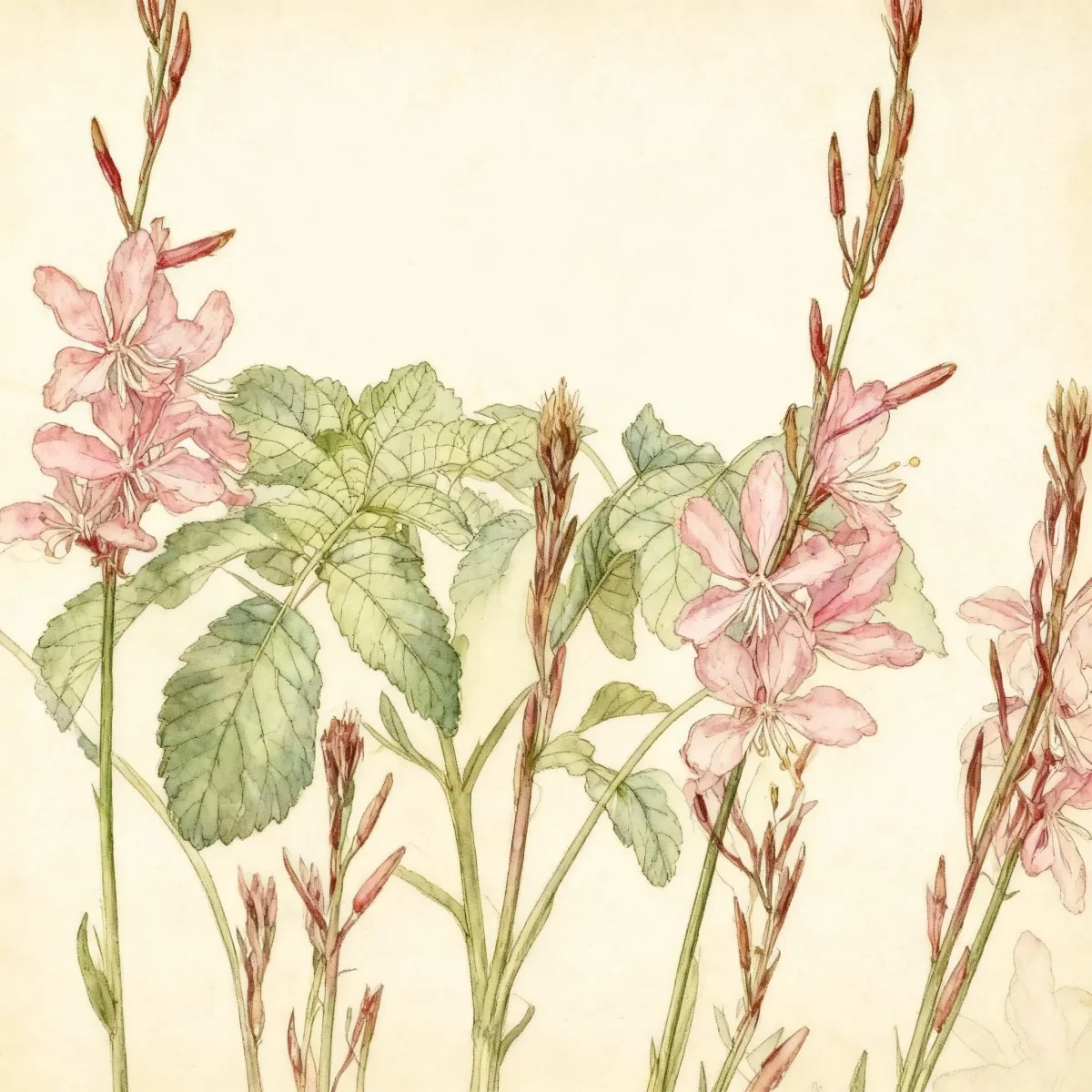
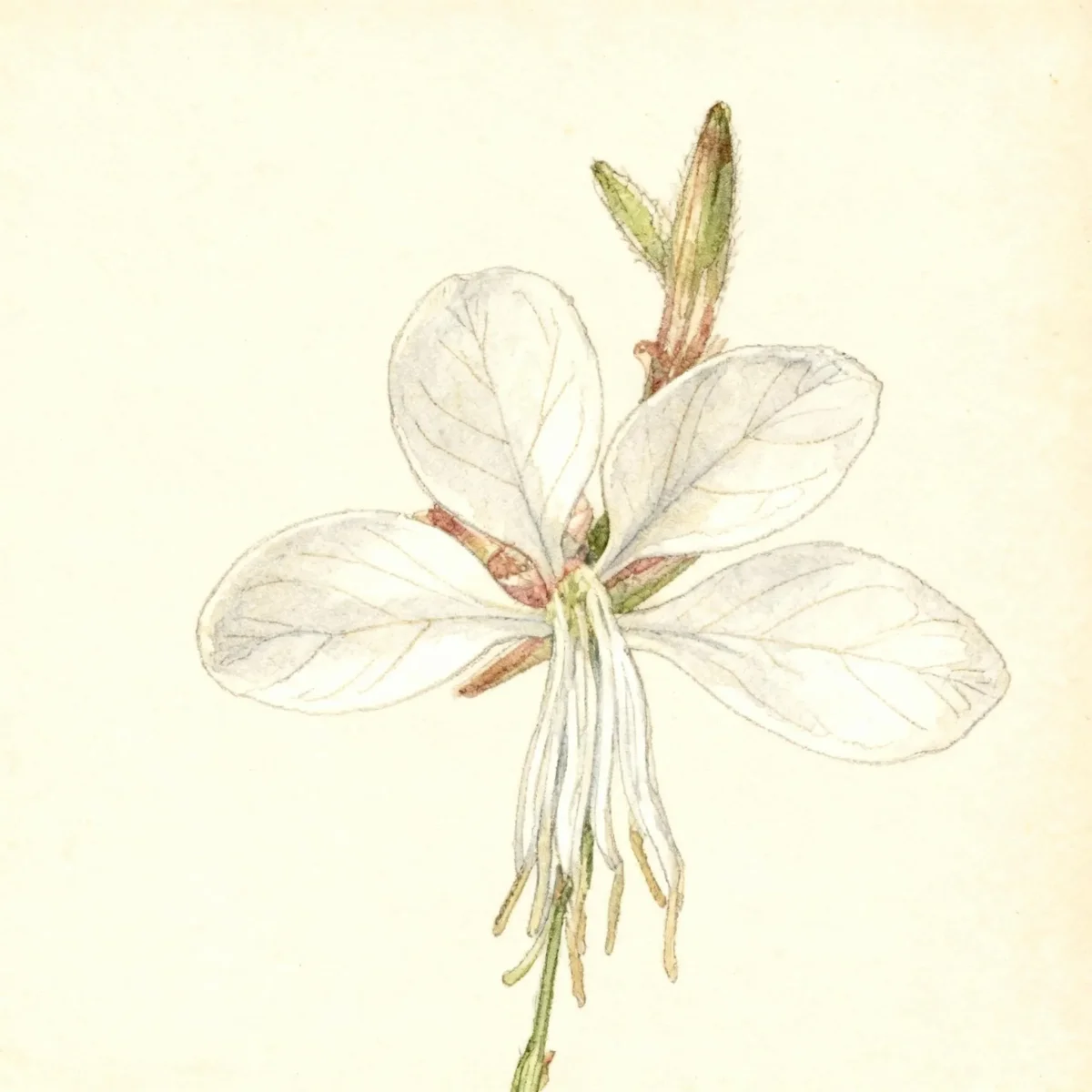
Gaura lindheimeri ‘Dauphine’, frequently referred to simply as Gaura, is a superb textural plant known for its airy, wand-like stems that provide season-long interest. This cultivar stands out for its height and its captivating four-petaled flowers that emerge white before gracefully maturing to shades of rose pink. The genus name Gaura truly reflects the superb nature of its blooms in the sunny summer garden.
As a clump-forming herbaceous perennial, Gaura lindheimeri ‘Dauphine’ brings vertical accents to borders without feeling too heavy. It thrives using the resilience of its taproot, allowing it to manage heat, humidity, and periods of dryness once established. Its ability to bloom continuously from May well into August makes it a reliable workhorse in hot, exposed garden sites.
Gardeners prize this selection for its low-fuss nature and high visual impact. Planting Gaura lindheimeri ‘Dauphine’ in groups creates a soft, drift-like effect, excellent for naturalizing areas or mixing with bolder architectural plants for contrast. Ensure optimal placement in full sun to maximize flowering and maintain strong stem structure.
Fast Facts
- Plant Family: Onagraceae
- Plant Type: Herbaceous perennial
- Hardiness Zones: USDA Zones 5-9
- Size at Maturity:
- Height: 4-5 ft
- Spread: 3-4 ft
- Bloom Time: May to August
- Bloom Description: White to rose pink
- Sun Exposure: Full sun
- Water Needs: Medium
- Maintenance Level: Medium
How to Grow
The best time to establish Gaura is during spring or fall when temperatures are moderate. Plant Gaura lindheimeri ‘Dauphine’ in locations receiving consistent full sun. Good drainage is absolutely essential for the health of this taprooted plant; it prefers sandy or loamy soil structures and strongly resents heavy, waterlogged conditions where root rot is a risk.
Watering should be consistent, especially during the first season to help the taproot develop solidly. Once established, Gaura tolerates drought well, fitting perfectly into low-water or xeriscape designs. Avoid overly rich soil amendments, as this can encourage excessive soft, floppy growth, making the tall stems of Gaura more susceptible to flopping.
To encourage prolific blooming throughout the season, regularly remove the spent flower spikes. If the thin flower stems become too leggy or start to lean, they benefit greatly from being planted closely packed with neighbors or given subtle structural support. For size management, particularly with this tall cultivar, plants can be cut back by half their height in late spring before new growth vigorously resumes.
Landscape Uses
Gaura lindheimeri ‘Dauphine’ excels when used in sunny borders where its airy texture can contrast against dense foliage plants like Salvia or Russian Sage. Its height (4-5 ft) allows it to fill the middle to rear layers of a border effectively. It is an excellent choice for naturalizing areas, allowing its self-seeding nature to create soft meadows of continuous bloom.
For a dramatic effect, mass planting or grouping three or more specimens together allows the wind to move the wands of flowers in unison, enhancing the overall visual impact of Gaura. Beyond the traditional garden bed, this cultivar performs admirably when grown in large, deep containers, provided the container allows for sufficient root depth and drainage.
Pair this plant selection with perennials that have similar sun and water requirements. Consider using silvery-leaved companions or sturdier, lower-growing plants to help anchor the fine texture of the Gaura. The long bloom period makes it a staple for summer interest.
Standout Features
Flower Qualities
- Showy
Noteworthy Characteristics
Gaura lindheimeri, commonly called gaura, is a herbaceous clump-forming perennial that is native to Texas and Louisiana. It grows to as much as 5’ tall on stems clad with spoon-shaped to lanceolate leaves. Pinkish buds along wiry, erect, wand-like stems open to white flowers which slowly fade to pink. ‘Dauphine’ is noted for its vase shape and rigid stems, featuring 4-petaled, butterfly-like flowers which emerge white but quickly change to rose pink for a long spring to autumn bloom time.
Tolerances
- Tolerates heat
- Tolerates humidity
- Tolerates some drought
Potential Problems
The primary concern when growing Gaura lindheimeri ‘Dauphine’ is poor soil drainage; root rot is a serious risk in heavy, poorly drained sites. Always ensure sharp drainage to mitigate this threat. While generally robust, watch out for common summer pests such as aphids, whitefly, and flea beetles, treating infestations early. Rust and powdery mildew can occasionally appear, often exacerbated by high humidity or poor air circulation, so positioning is key. Stems, particularly if overcrowded or over-fertilized, may need physical support.
Frequently Asked Questions
What hardiness zones is Gaura suitable for?
This perennial is reliably hardy in USDA Zones 5 through 9, allowing for broad successful planting across many regions.
How large does Gaura lindheimeri ‘Dauphine’ grow?
It typically matures to a height of 4 to 5 feet, spreading approximately 3 to 4 feet wide, making it a substantial vertical element in the garden.
What sun exposure does Gaura need?
Gaura must be sited in full sun to achieve its best performance, flowering profusely and maintaining strong stem structure throughout the season.
When does Gaura bloom?
You can expect Gaura lindheimeri ‘Dauphine’ to provide continuous color from May through August, displaying beautiful flowers shifting from white to rose pink.
Conclusion
Gaura lindheimeri ‘Dauphine’ provides unparalleled airy texture and reliable, long-season color that elevates sunny borders and naturalized plantings alike. This robust, heat-tolerant perennial serves as a vital mid-to-background element when placed correctly. Before planting, confirm your location falls within USDA Zones 5-9 and verify that your soil structure ensures excellent drainage for a thriving display of Gaura.
Companion Planting
When integrating Gaura into a mixed border, selecting companions that share its love for full sun and well-drained conditions is vital. Look toward drought-tolerant perennials that offer grounding structure or contrasting leaf textures. Silver-leaved plants like Artemisia or Lamb’s Ears provide a beautiful, cooling foil to the vertical, dancing stems of Gaura lindheimeri ‘Dauphine’. For complementary height and color in mid-summer, try pairing it with sturdy ornamental grasses or cone-shaped Echinacea, both of which thrive under similar bright, dry conditions.
Design Ideas
The airy nature of Gaura lends itself perfectly to blending different layers of planting together seamlessly. Consider using it as a transition plant between a sunny gravel garden and a more formal perennial border, exploiting its suggested use for naturalizing. Placing Gaura slightly forward of a dark-leafed shrub allows sunlight to illuminate the delicate flowers, creating a stunning stained-glass effect, especially in the late afternoon light. For contemporary designs, allow clumps of Gaura lindheimeri ‘Dauphine’ to spill slightly over hardscape edges, softening paved areas.