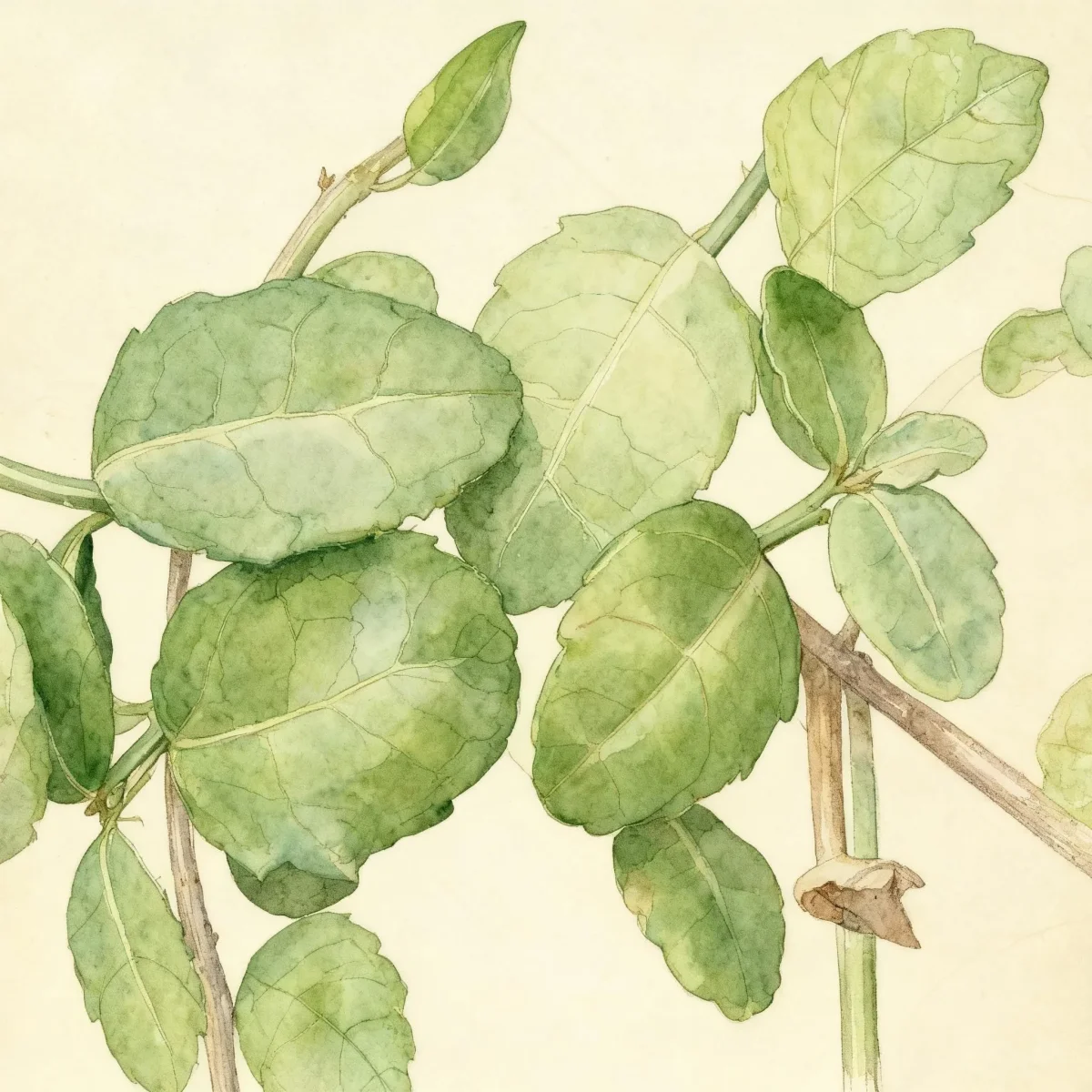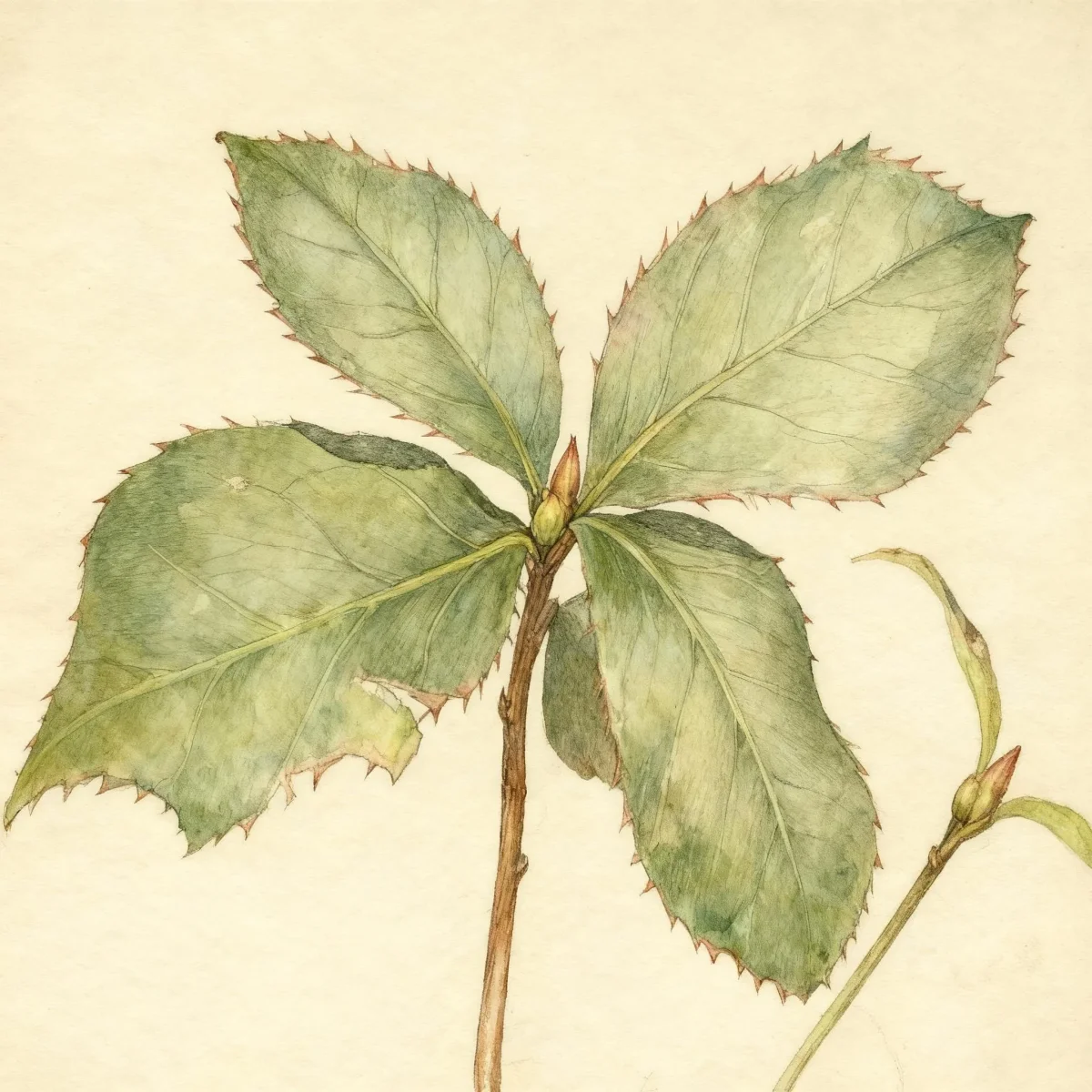

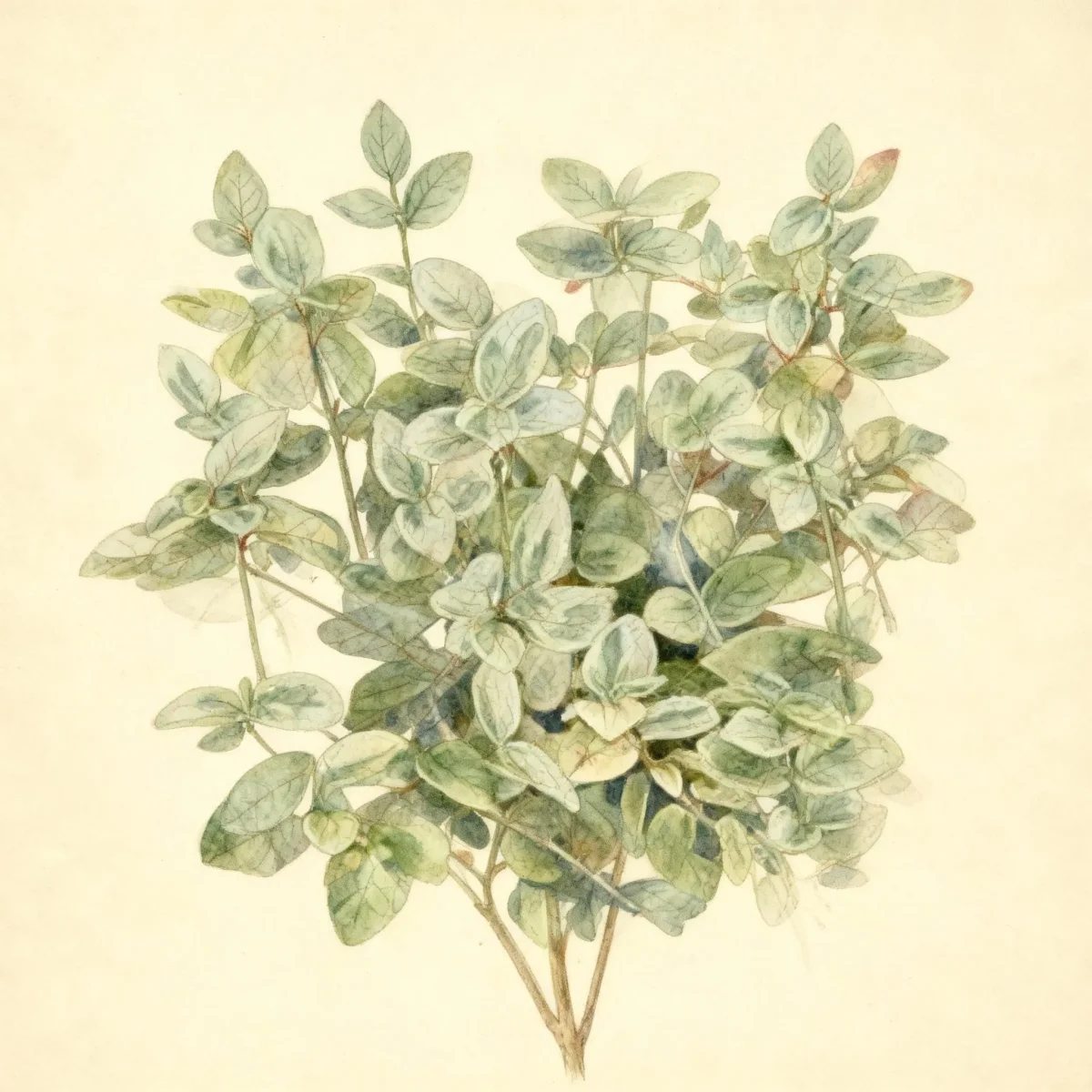
Wintercreeper euonymus (Euonymus fortunei 'Emerald 'n' Gold')
Euonymus fortunei 'Emerald 'n' Gold' is a versatile broadleaf evergreen known for its gold-edged foliage. This Wintercreeper euonymus thrives in USDA Zones 5-8.
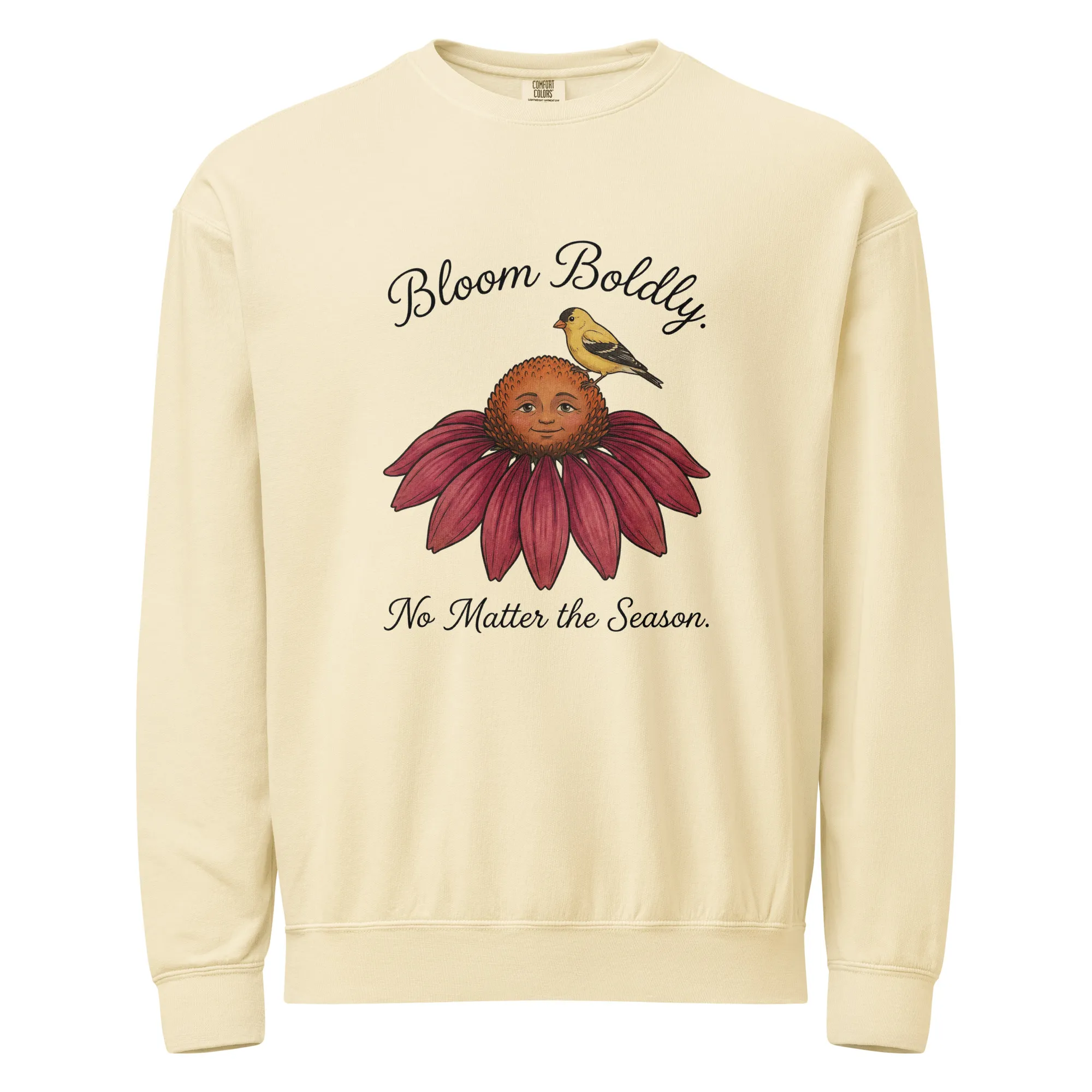
Bloom Boldly, No Matter the Season - Sweatshirt
Cozy organic cotton sweatshirt featuring our exclusive Purple Coneflower design. Perfect for gardeners who bloom year-round.
Inspired by the beautiful Wintercreeper euonymus
Limited first batch (50) — join the waitlist for early access
Waitlist closes Feb 15, 2026.
Complete Plant Information
Field Guide Continues
Ready for care notes, companion picks, and planting tips?
The map is just the start. The full guide below covers growth habits, seasonal performance, and landscape uses.
Overview
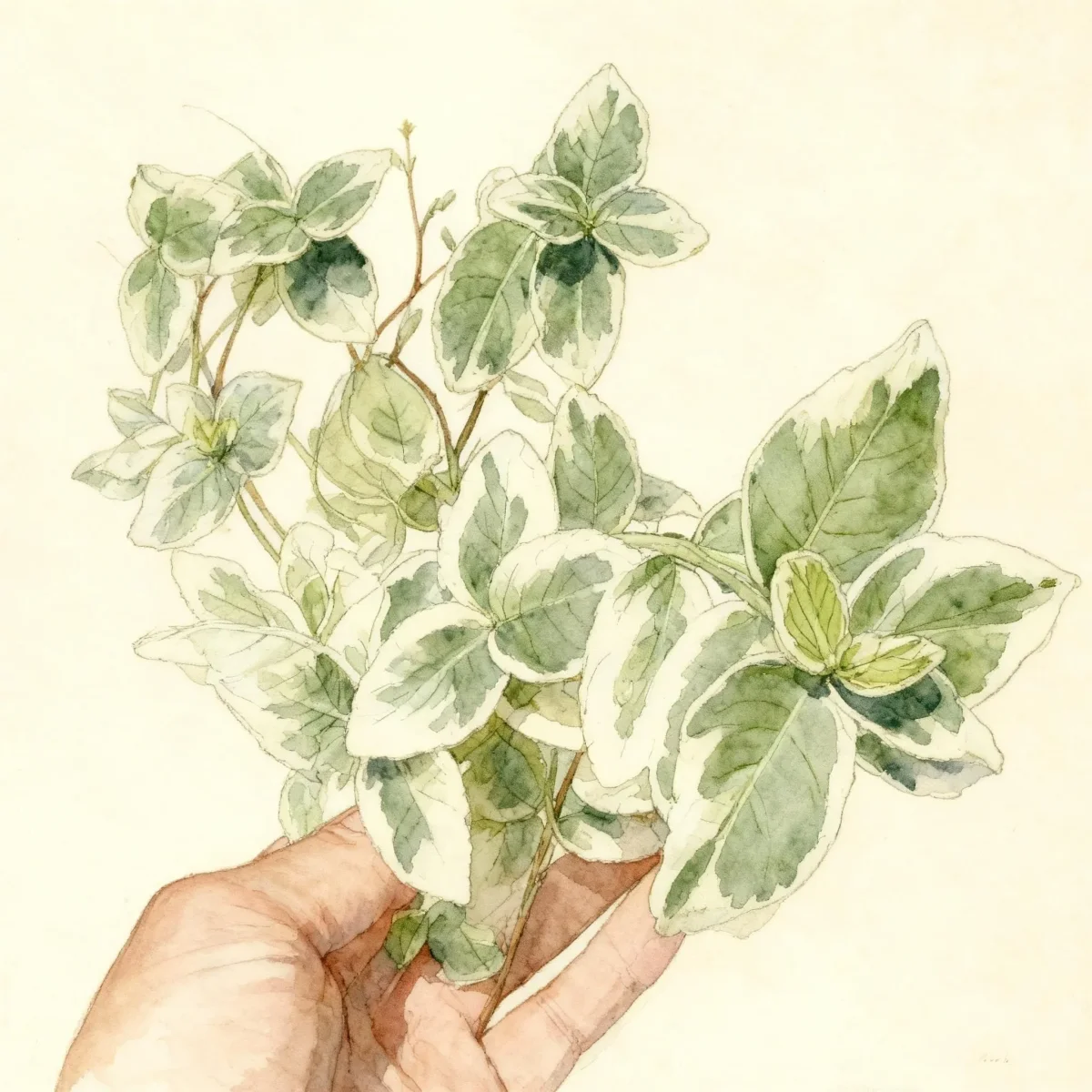
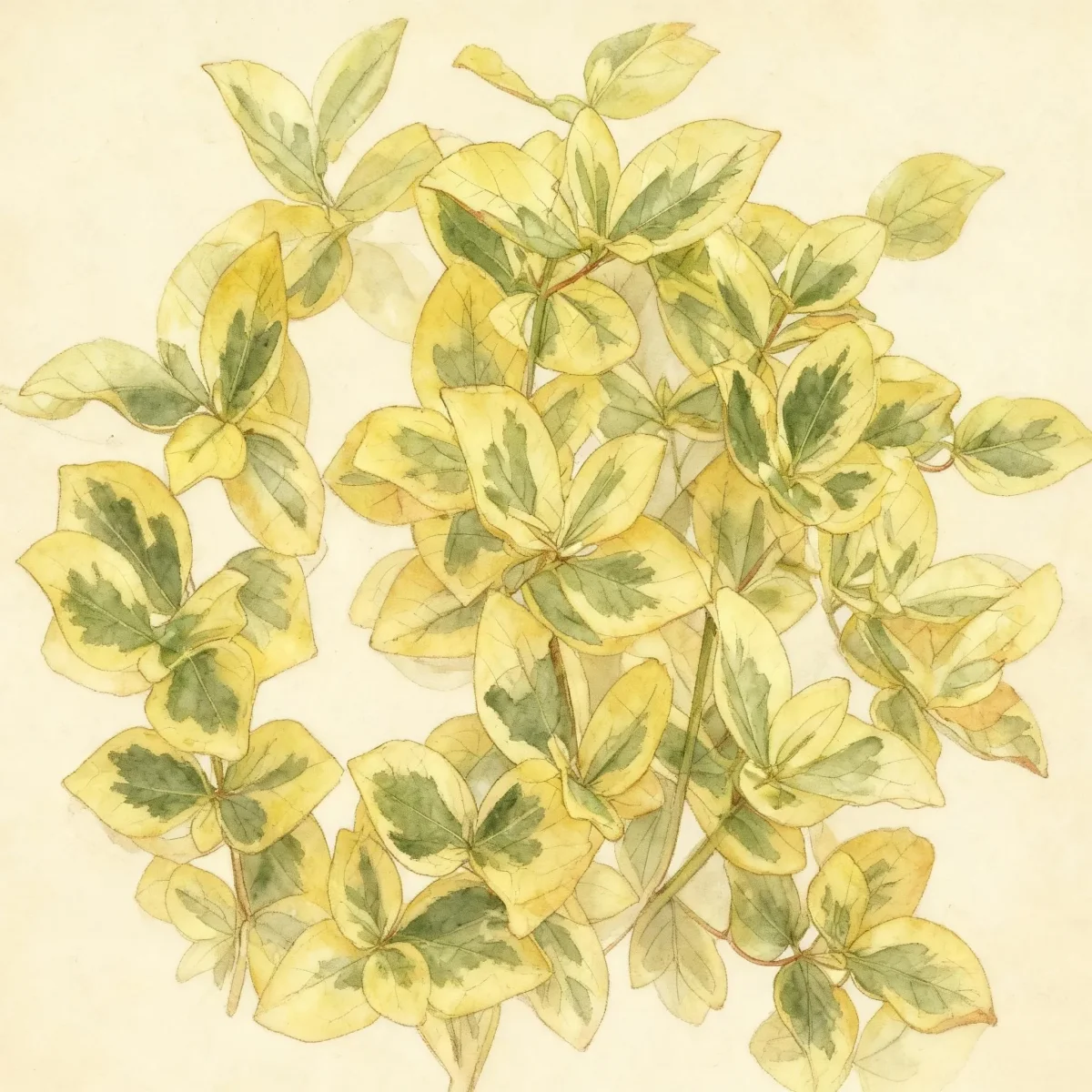
Euonymus fortunei ‘Emerald ‘n’ Gold’ is a highly adaptable broadleaf evergreen prized for its year-round color interest and dense, creeping habit. This variety of Wintercreeper euonymus features striking, ovate leaves edged vibrantly in gold, which deepen to a pinkish-red hue during the cooler months, providing excellent texture in the landscape. It functions effectively as a spreading ground cover, a low, mounding shrub, or even an aggressive climber if given vertical support.
As a dense, sprawling mat, this cultivar of Wintercreeper euonymus offers significant coverage potential in sunny or partially shaded environments. While extremely versatile in terms of soil types, gardeners must ensure well-drained conditions for optimal health. Established plantings of Euonymus fortunei ‘Emerald ‘n’ Gold’ exhibit good tolerance for urban stresses and moderate drought once situated.
Gardeners should be aware that while this plant offers strong ornamental value, its vigorous growth means it can potentially escape cultivation and compete with native flora, requiring monitoring, especially when used near wilder areas. Regular trimming helps maintain the neat, bushy look desired in structured garden settings.
Fast Facts
- Plant Family: Celastraceae
- Plant Type: Broadleaf evergreen
- Hardiness Zones: USDA Zones 5-8
- Size at Maturity:
- Height: 1.5-2 ft
- Spread: 2-4 ft
- Bloom Time: June
- Bloom Description: Greenish white
- Sun Exposure: Full sun to part shade
- Water Needs: Medium
- Maintenance Level: Medium
How to Grow
The best time to plant Euonymus fortunei ‘Emerald ‘n’ Gold’ is typically in the spring or fall when temperatures are moderate. This plant thrives in average, medium moisture soils, provided they are well-drained; avoid areas where water puddles, as it dislikes wet feet. While it performs well in full sun, it tolerates significant amounts of shade, making it flexible for various landscape spots.
Maintenance for this Wintercreeper euonymus is generally medium. Water newly planted specimens regularly until established, after which they exhibit good drought tolerance. Fertilization is rarely necessary unless soil quality is extremely poor. To maintain the attractive, dense shrub form, trim annually right after the inconspicuous, greenish-white flowers appear in June.
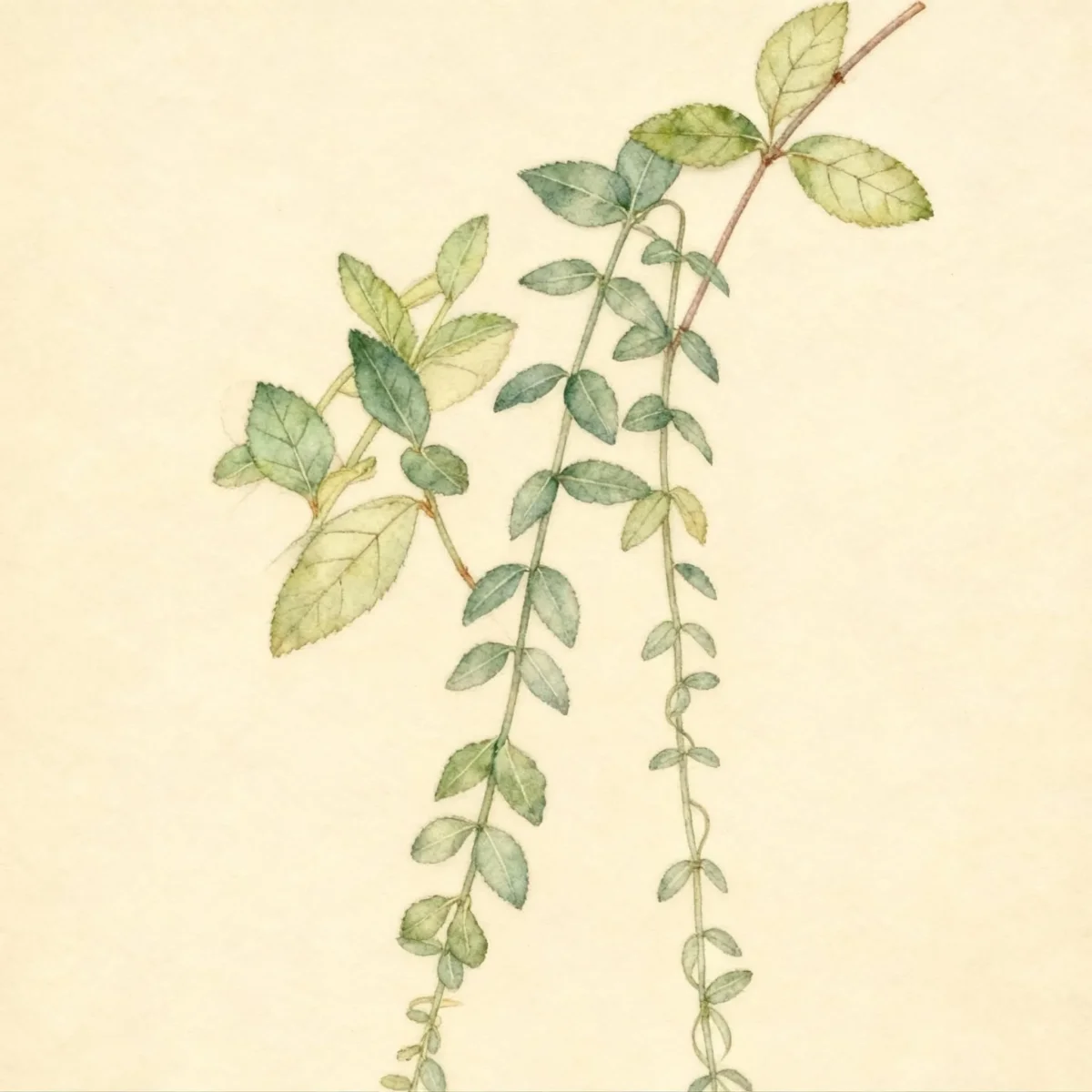
A unique growth habit is that its stems will readily root where they touch the ground, which contributes to its effectiveness as a ground cover but also aids in propagation via stem cuttings. Its resilience means established Euonymus fortunei ‘Emerald ‘n’ Gold’ handles urban pollution and challenging soil conditions well.
Landscape Uses
The natural tendency of Euonymus fortunei ‘Emerald ‘n’ Gold’ to sprawl makes it an outstanding choice for ground cover applications, effectively blanketing sunny or shady slopes to provide erosion control. When maintained as a low, dense hedge, it forms neat borders along walkways or property lines, offering evergreen structure where deciduous plants might leave bare patches in winter.
Beyond ground planting, this cultivar is frequently specified as a foundation planting due to its manageable height (rarely exceeding two feet) and year-round visual appeal. If encouraged to climb walls or fences, it forms an ivy-like screen, though this use should be weighed against the increased potential for seed set, which contributes to its invasive nature in certain regions.
Consider using this brightly variegated plant near darker green foliage to maximize the contrast of the gold edging. For pathway edging, regular shearing will keep the spread contained and defined, preventing encroachment onto paved areas.
Standout Features
Flower Qualities
- Insignificant
Noteworthy Characteristics
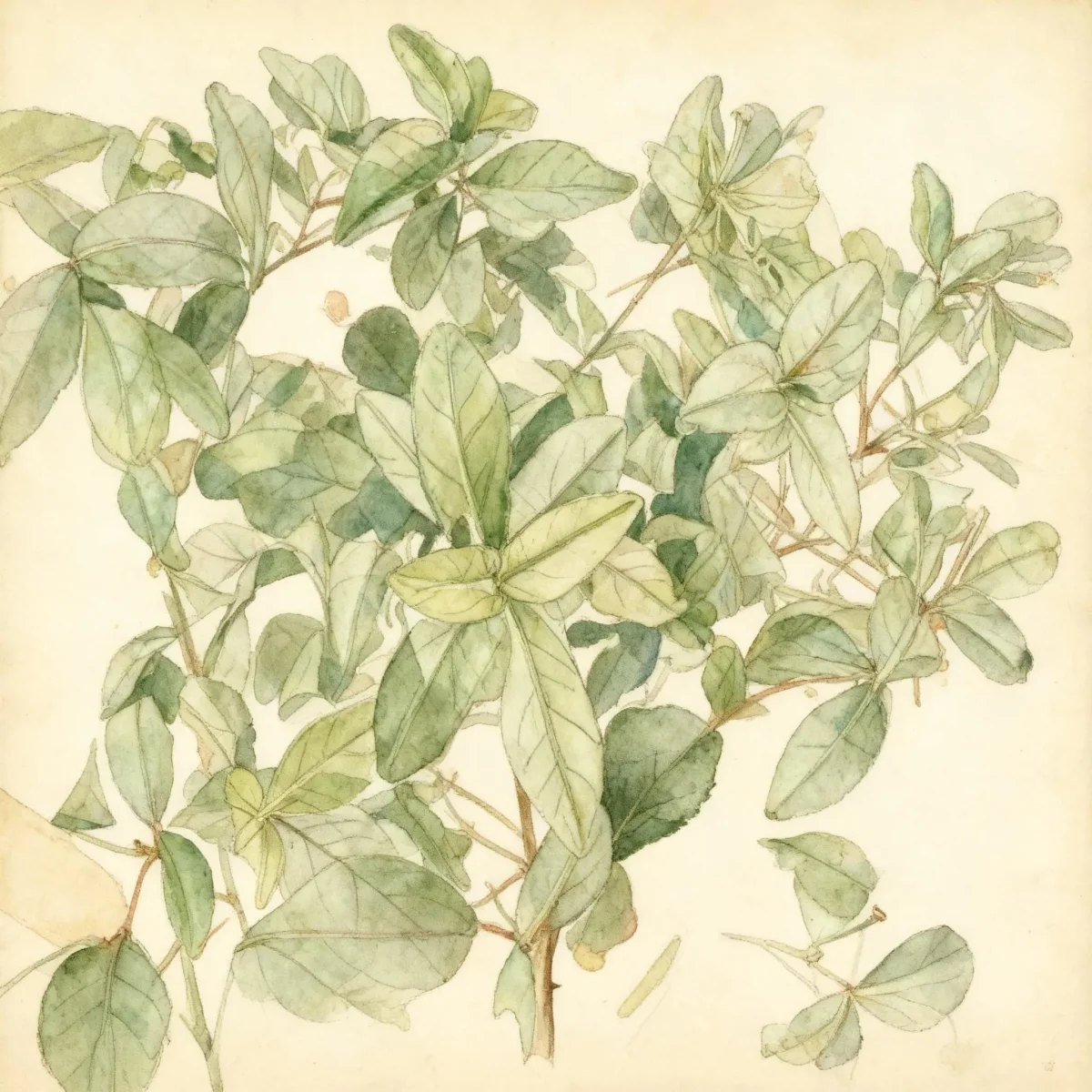
Euonymus fortunei, commonly called wintercreeper euonymus, is a dense, creeping to mounding, broadleaf evergreen to semi-evergreen subshrub that will also climb using adventitious roots. Native to East Asia where it can be found in forests, thickets, and scrublands. ‘Emerald ‘n’ Gold’ is primarily a low-growing, erect to semi-erect shrubby form which typically grows to 1-2’ tall and spreads to 4’ wide as a dense, sprawling, tangled, bushy mat. It features lustrous, ovate to elliptic, toothed, dark green leaves (1-1.5” long) which are edged with gold, turning pinkish-red in fall and winter.
Tolerances
- Drought
- Black Walnut
Potential Problems
The most significant pest concern for Wintercreeper euonymus is Euonymus scale, which can severely weaken plants if left untreated; diligent inspection and timely treatment are necessary if pests appear. Aphids, leaf spot, and mildew can also occasionally plague the foliage of Euonymus fortunei ‘Emerald ‘n’ Gold’. Gardeners must also be mindful of its spreading habit; it can invade lawns or climb structures, and in many eastern U.S. states, it is considered highly invasive, displacing native ground covers.
Frequently Asked Questions
What hardiness zones is Wintercreeper euonymus suitable for?
This plant is suitable for USDA Hardiness Zones 5 through 8.
How large does Euonymus fortunei ‘Emerald ‘n’ Gold’ grow?
Euonymus fortunei ‘Emerald ‘n’ Gold’ typically reaches a mature height between 1.5 and 2 feet tall, spreading moderately between 2 and 4 feet wide.
When does Wintercreeper euonymus bloom?
The inconspicuous, greenish-white flowers of Euonymus fortunei ‘Emerald ‘n’ Gold’ generally appear during the month of June.
What sun exposure does Euonymus fortunei ‘Emerald ‘n’ Gold’ need?
This variety prefers full sun but demonstrates good adaptability, tolerating part shade environments quite well.
Conclusion
Euonymus fortunei ‘Emerald ‘n’ Gold’ remains a cornerstone for gardeners needing reliable, variegated evergreen coverage that thrives in tough spots, including those with Black Walnut toxicity. Its manageable size and brilliant gold-edged foliage make this Wintercreeper euonymus a standout year-round performer. Verify that your specific local codes permit its use, and plan to plant in spring or fall to establish this tough perennial successfully.
Propagation Tips
Propagating Euonymus fortunei ‘Emerald ‘n’ Gold’ is straightforward, largely due to its flexible growth habit where stems root readily upon contact with soil. The simplest method involves taking semi-hardwood stem cuttings in the summer. Dip the base of the cutting in rooting hormone and place it in a moist, well-draining medium, ideally in a sheltered spot.
Since the stems naturally develop adventitious roots as they trail across the ground, another technique is encouraging layering. Gently bury low-hanging stems beneath a thin layer of existing soil or mulch and allow them to develop root systems naturally before separating them from the parent plant the following season. This method maximizes success for creating new ground cover colonies.
Companion Planting
Given the medium water needs and tolerance for a wide range of soils, Euonymus fortunei ‘Emerald ‘n’ Gold’ pairs well with other shade-tolerant or semi-shade ground covers that offer contrasting texture. Consider planting it alongside Hostas, whose large, often blue or chartreuse leaves provide a soft contrast to the woody texture of the euonymus.
For perennial borders where the ground cover is used as a low edging element, try pairing it with plants that bloom later in the season, such as Astilbe or Helleborus, which provide color while the euonymus offers consistent structure. Ensure that companion plants also prefer the well-drained soil conditions that Wintercreeper euonymus requires.