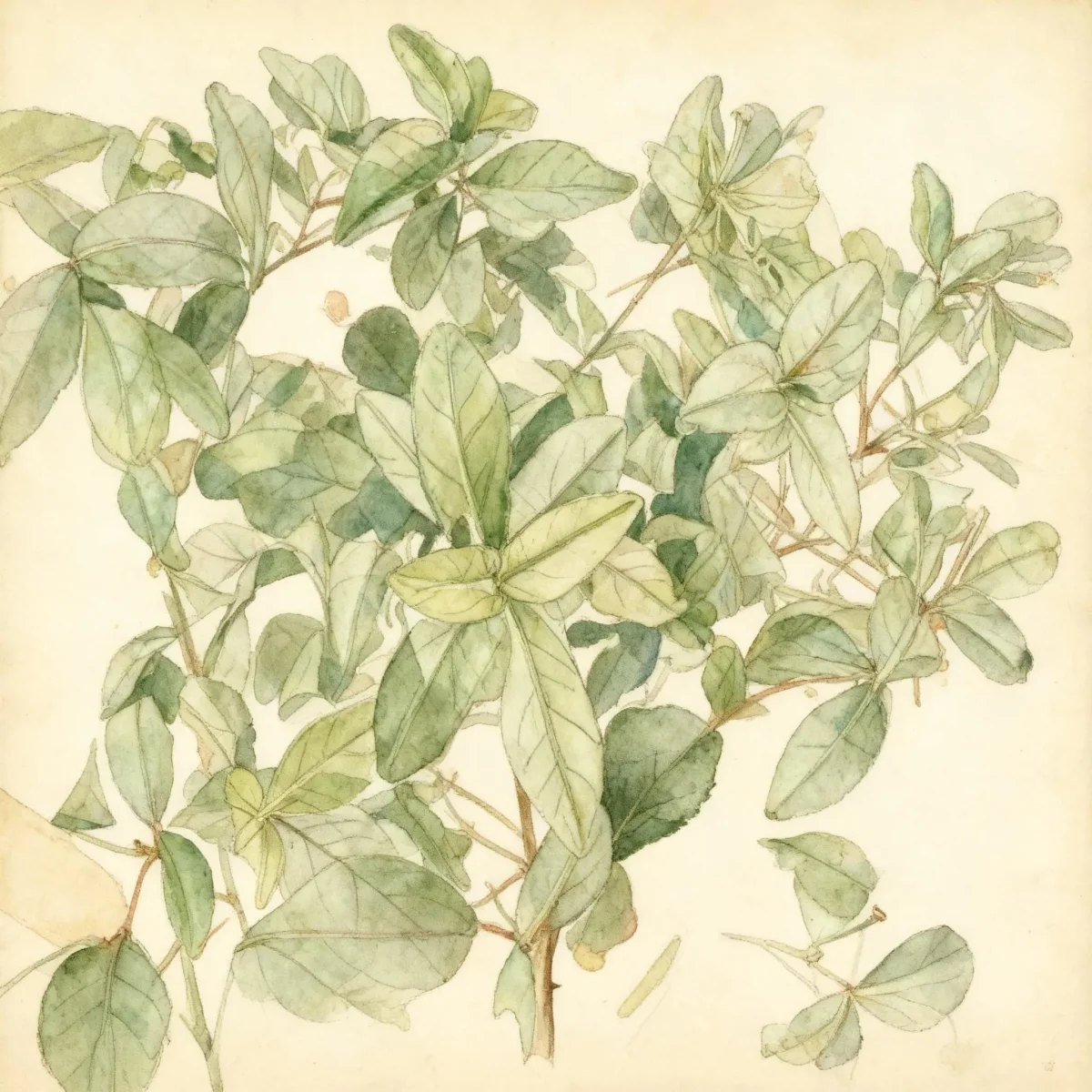
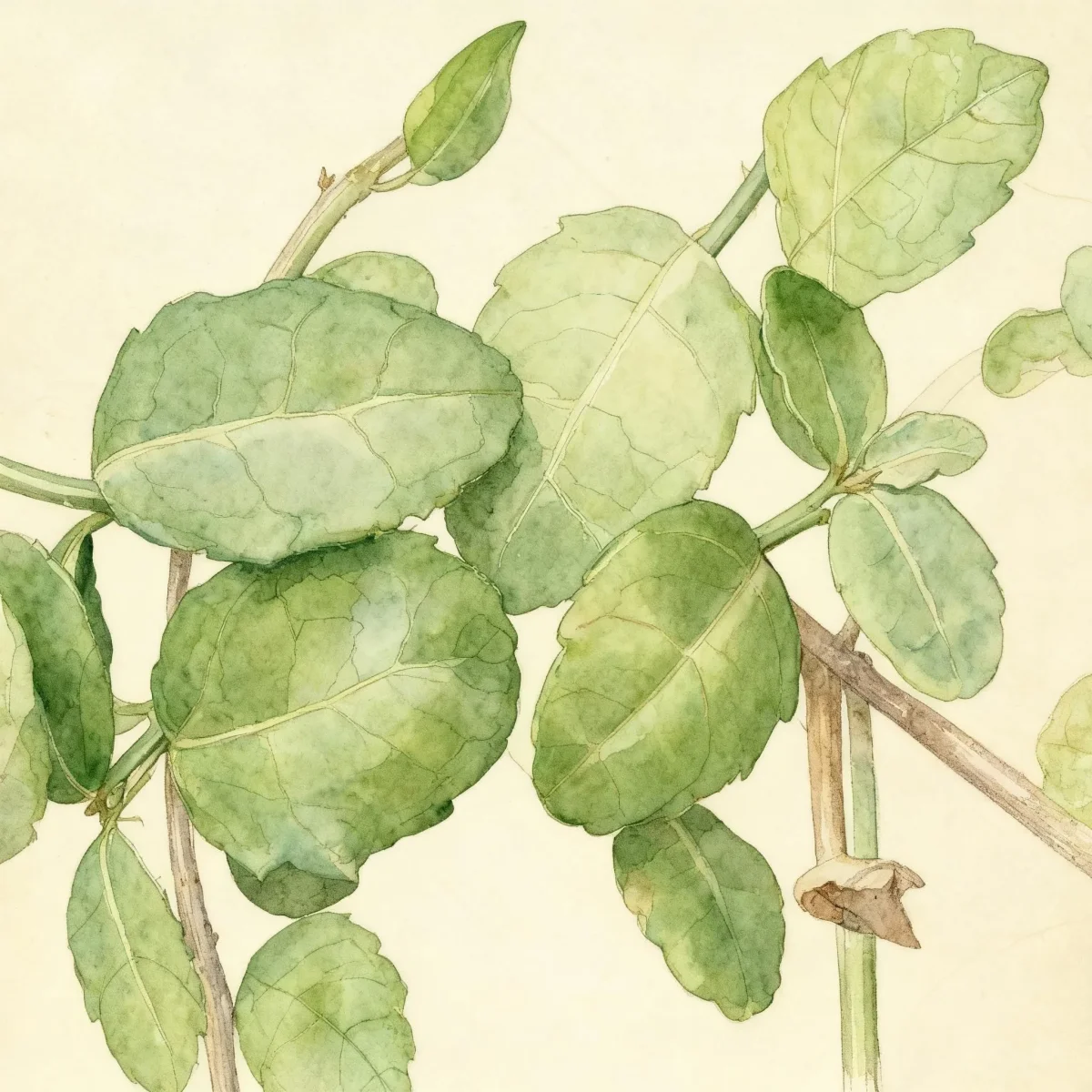
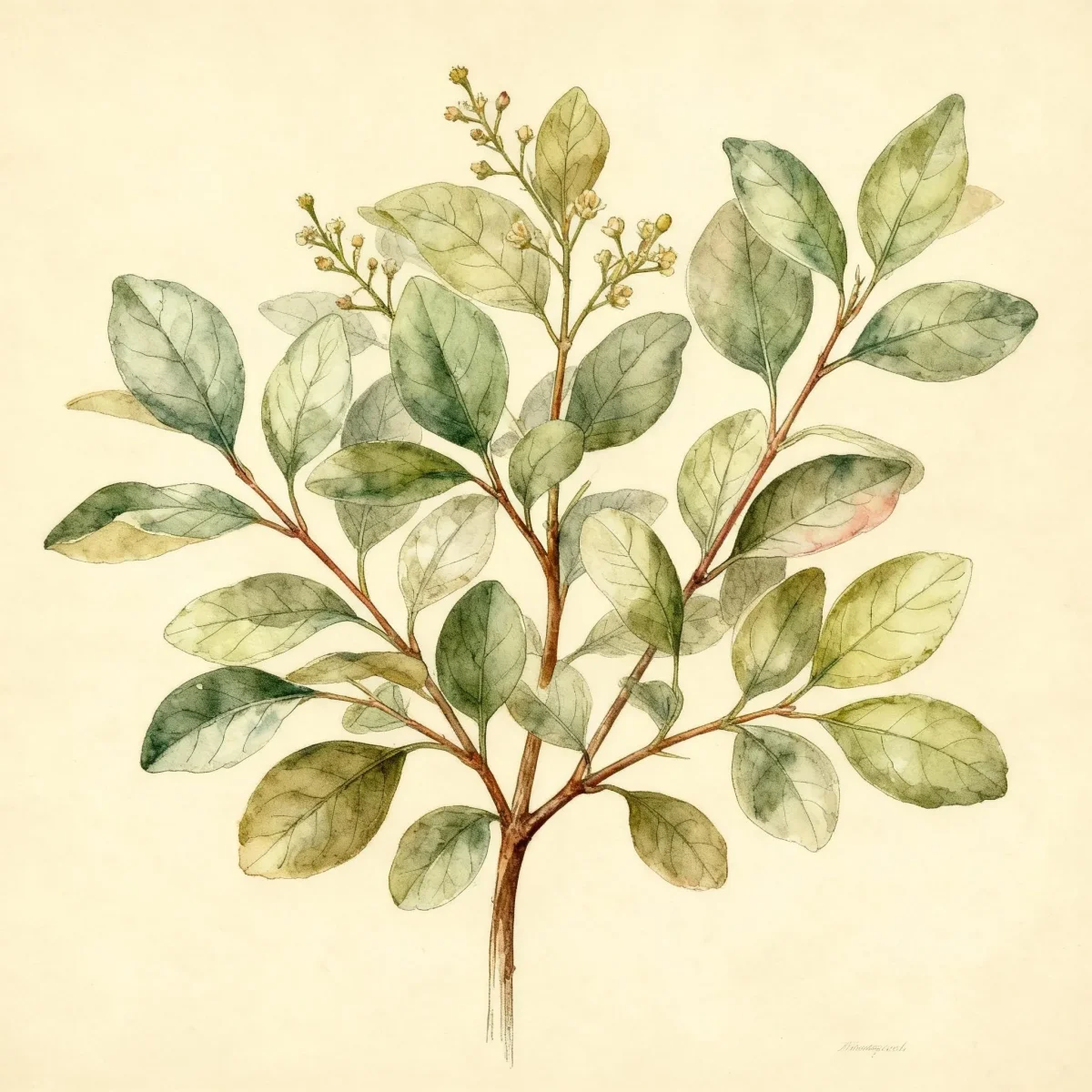
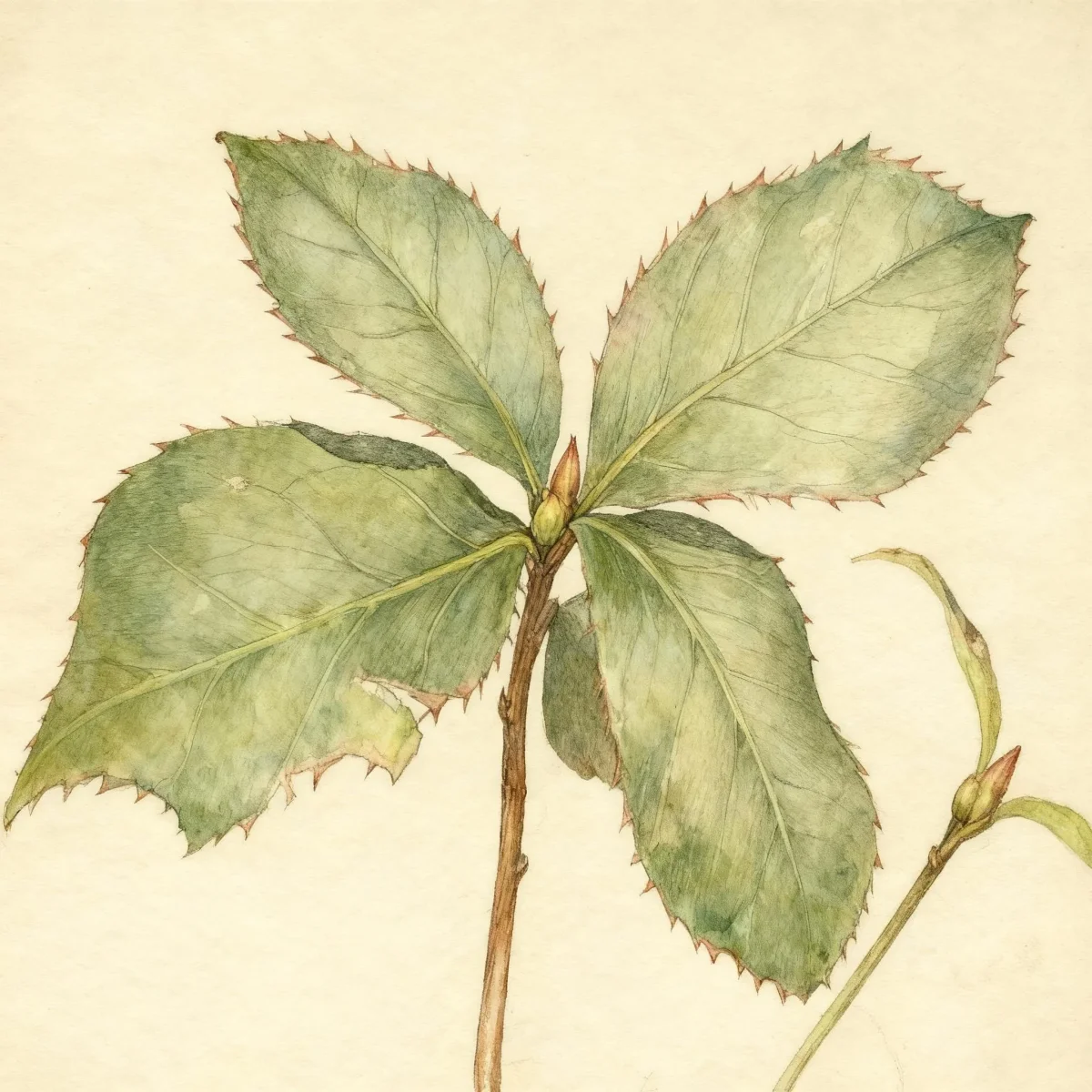
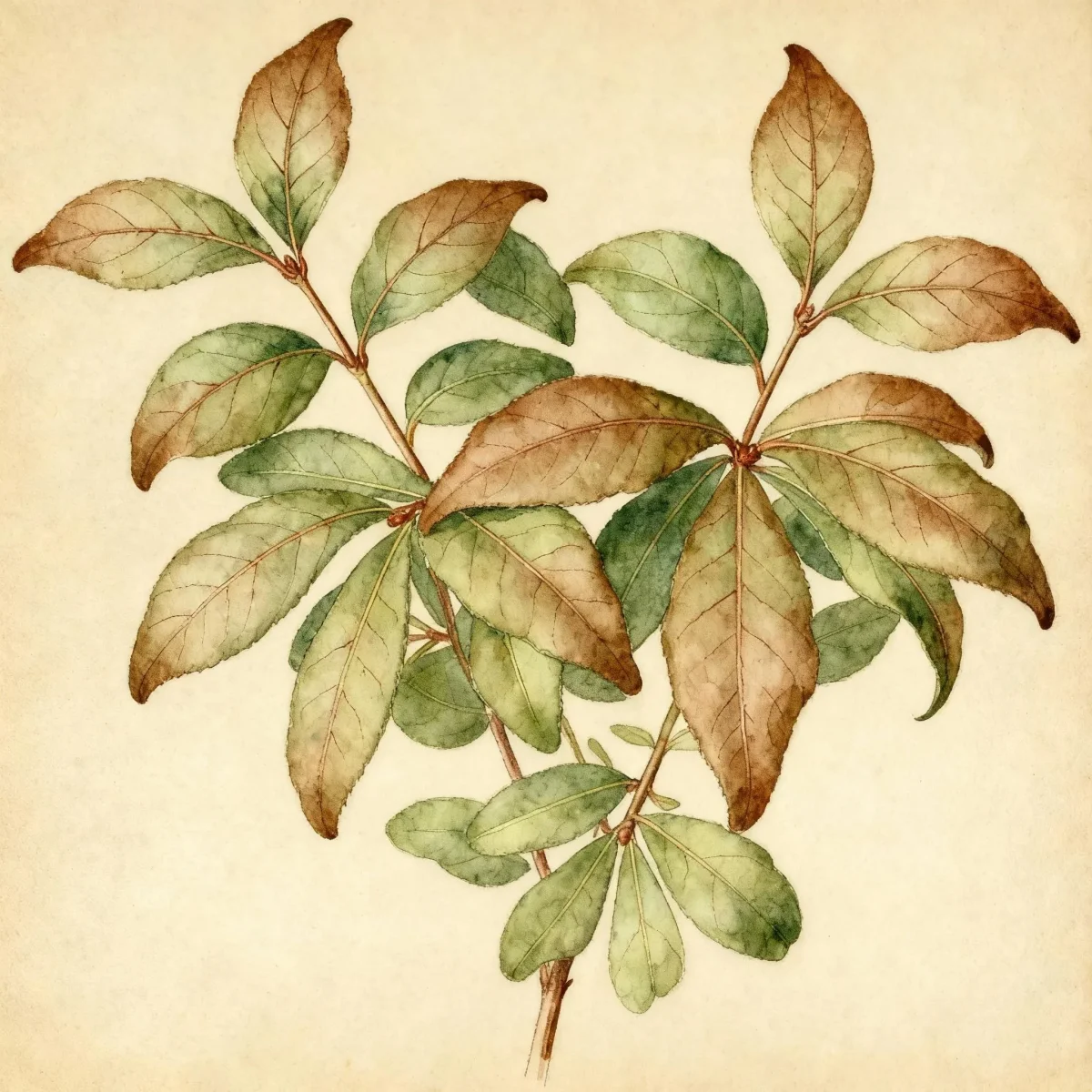
Wintercreeper (Euonymus fortunei 'Variegatus')
Lustrous, variegated ground cover Euonymus fortunei 'Variegatus' (Wintercreeper) offers low maintenance beauty in Zones 5-9, thriving in part shade.
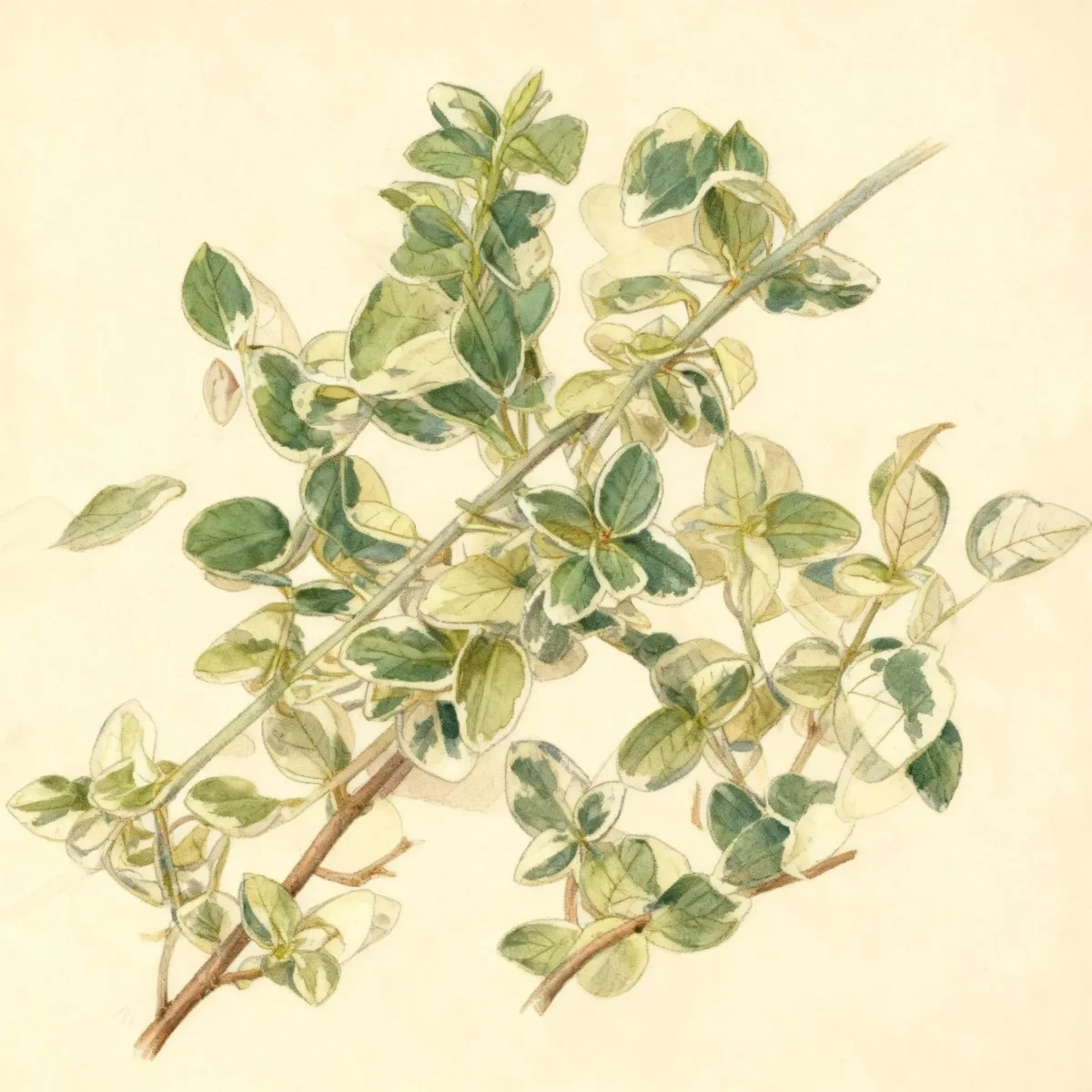

Bloom Boldly, No Matter the Season - Sweatshirt
Cozy organic cotton sweatshirt featuring our exclusive Purple Coneflower design. Perfect for gardeners who bloom year-round.
Inspired by the beautiful Wintercreeper
Limited first batch (50) — join the waitlist for early access
Waitlist closes Feb 15, 2026.
Complete Plant Information
Field Guide Continues
Ready for care notes, companion picks, and planting tips?
The map is just the start. The full guide below covers growth habits, seasonal performance, and landscape uses.
Overview
Euonymus fortunei ‘Variegatus’, commonly known as Wintercreeper, is a highly adaptable broadleaf evergreen prized for its dense, creeping habit and attractive foliage. The bright, ovate leaves of this cultivar feature striking white variegation against the deep green base, providing year-round interest in the landscape. This plant functions effectively as a low-growing ground cover, though it retains the ability to climb structures using adventitious roots.
As an established plant, Wintercreeper is notably easy to care for, preferring average, well-drained soils but showing excellent tolerance for a wide range of conditions, including significant shade. While it serves many functional landscape roles where legally permitted, gardeners should be mindful that Euonymus fortunei ‘Variegatus’ can spread aggressively in certain environments, requiring appropriate placement planning.
The low maintenance needs and drought tolerance once established make Euonymus fortunei ‘Variegatus’ a reliable choice for covering slopes or acting as an evergreen textural element near foundations. Its form is generally mounding and spreading, rarely exceeding three-quarters of a foot in height, making it excellent for filling difficult ground areas.
Fast Facts
- Plant Family: Celastraceae
- Plant Type: Herbaceous perennial
- Hardiness Zones: USDA Zones 5-9
- Size at Maturity:
- Height: 0.5-0.75 ft
- Spread: 2-4 ft
- Bloom Time: June
- Bloom Description: Greenish white
- Sun Exposure: Full sun to part shade
- Water Needs: Medium
- Maintenance Level: Low
How to Grow
Planting Euonymus fortunei ‘Variegatus’ is best accomplished in spring or fall when the soil is moist and temperatures are moderate. Select a location receiving full sun to partial shade; while it tolerates deep shade, coloration is best maintained in brighter conditions. The key soil requirement for successful establishment of this Wintercreeper is exceptional drainage; avoid areas where water pools, though established plants handle moderate drought well.
Care for this perennial is generally hands-off. Water regularly during the first growing season to encourage deep root establishment. Once mature, Wintercreeper needs only medium water amounts and rarely requires supplemental feeding due to its adaptability. Annual trimming after the June flowering period helps maintain a tight, attractive shape and prevents excessive spread.
Stems of Euonymus fortunei ‘Variegatus’ possess the useful trait of rooting wherever they contact the soil, which aids in creating a dense cover and simplifies propagation via stem cuttings. Its robust nature grants it good tolerance for urban environments, meaning it handles pollution and varied soil types common near city plantings better than many ornamentals.
Landscape Uses
The primary suggested use for Wintercreeper is as a durable, sprawling ground cover. Where this plant is not noted as invasive, it excels at suppressing weeds and stabilizing slopes, providing excellent erosion control across sunny banks or through shady woodland edges. Its low, mounding profile makes it perfect for edging walkways or defining garden borders where a neat, green containment line is desired.
When used near foundations, the evergreen foliage of Euonymus fortunei ‘Variegatus’ offers substantial winter structure, contrasting nicely with deciduous shrubs. If motivated to allow it to climb, it can cover walls or fences, though this path may encourage seed set, increasing its potential for self-seeding outside the intended area. Consider pairing this variegated foliage with fine-textured, deep green plants to maximize the visual impact of the white margins.
Standout Features
Flower Qualities
- Insignificant
Noteworthy Characteristics
Euonymus fortunei, commonly called wintercreeper euonymus, is a dense, creeping to mounding, broadleaf evergreen to semi-evergreen subshrub that will also climb using adventitious roots. Native to East Asia where it can be found in forests, thickets, and scrublands, this adaptable plant may appear as a trailing ground cover, a mounding shrub, or a climbing vine. The ‘Variegatus’ cultivar is chiefly known as a sprawling ground cover, exhibiting lustrous, ovate leaves variegated with white, though note that some variegated forms can revert to solid green over time.
Tolerances
- Black Walnut
Potential Problems
The most significant pest risk for established Euonymus fortunei ‘Variegatus’ is Euonymus scale, which can proliferate rapidly and weaken the plant; prompt treatment is necessary if infestation is noted. Other common fungal issues include anthracnose and leaf spot, often exacerbated by humidity or overly dense planting. Gardeners must also actively manage its growth habit, as Wintercreeper can spread invasively into adjacent lawns, smother nearby native plantings, or climb untreated structures like siding or trees.
Frequently Asked Questions
What hardiness zones is Wintercreeper suitable for?
Euonymus fortunei ‘Variegatus’ is hardy and reliably grows in USDA Zones 5 through 9.
How large does Euonymus fortunei ‘Variegatus’ grow?
This perennial typically reaches a height between 0.5 and 0.75 feet, spreading horizontally from 2 to 4 feet wide as a ground cover.
What sun exposure does Wintercreeper need?
This plant adapts well to a range of light conditions, performing best in full sun to areas receiving moderate amounts of part shade.
When does Wintercreeper bloom?
The inconspicuous greenish-white flowers of Euonymus fortunei ‘Variegatus’ typically appear during the month of June.
Conclusion
The variegated foliage and remarkably low maintenance requirements confirm Wintercreeper as an indispensable, year-round textural element for many gardens. Euonymus fortunei ‘Variegatus’ offers reliable coverage where erosion control or low evergreen filler is needed. Before planting, confirm local regulations regarding invasive species and ensure your site offers the necessary well-drained soil conditions.
Propagation Tips
Softwood cuttings taken during the growing season provide an excellent, direct method for propagating Euonymus fortunei ‘Variegatus’. Because the stems naturally produce roots where they touch the ground, taking stem cuttings is straightforward and requires minimal fuss. Simply select a healthy stem section, preferably 4 to 6 inches long with several nodes, dip the base in rooting hormone (optional but recommended), and plant it in a moist, sterile medium for best results.
Companion Planting
To complement the low-growing, dense form of Wintercreeper, consider pairing it with plants that offer vertical contrast or contrasting foliage texture. Hostas work well in shadier spots, providing large, sculptural leaves against the small, variegated texture of the Euonymus. In sunnier locations, shorter ornamental grasses or creeping Thyme can also be used as ground cover neighbors, provided the soil drainage remains consistent for all partners.