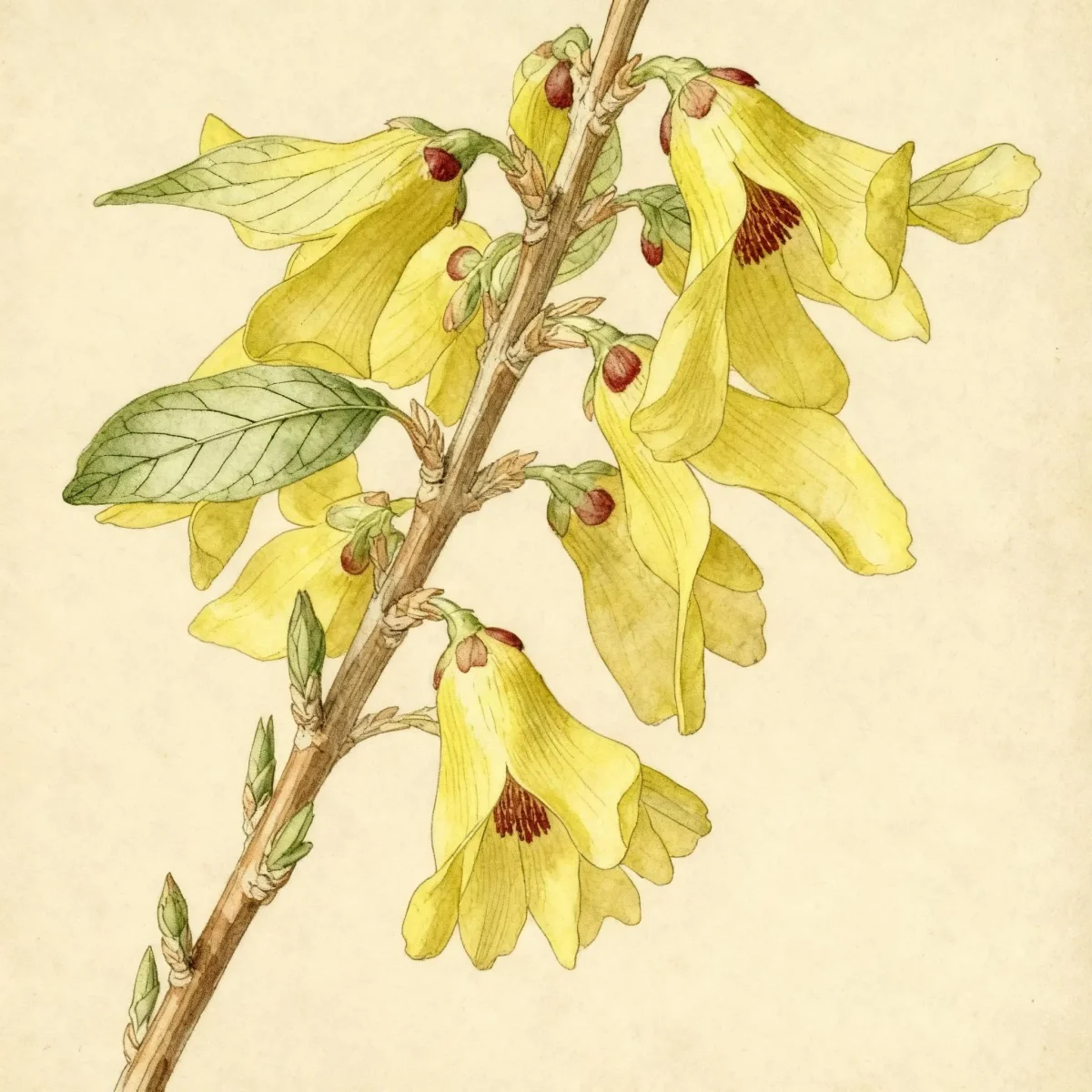
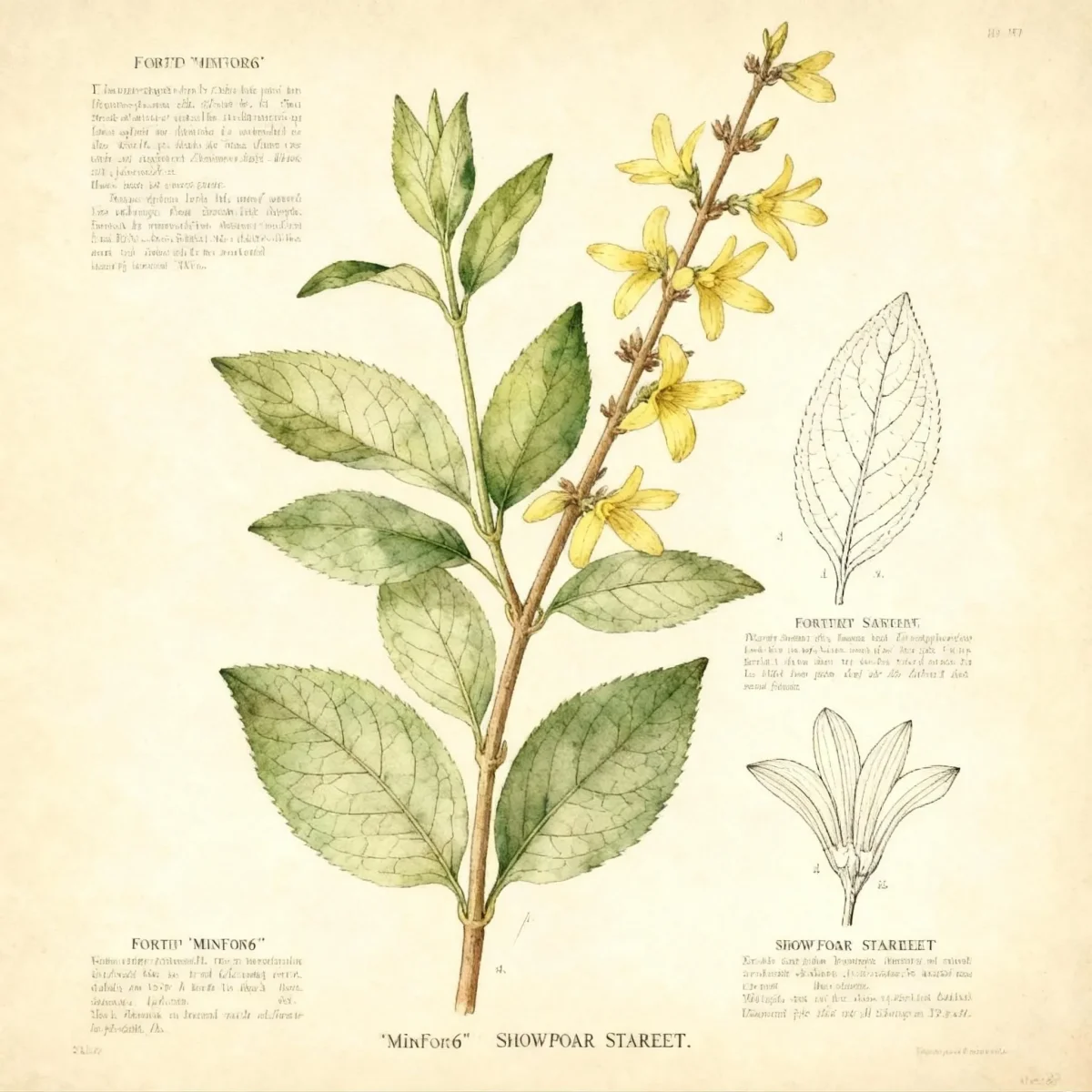
Forsythia (Forsythia 'Arnold Dwarf')
Discover Forsythia 'Arnold Dwarf', a compact, low-spreading deciduous shrub ideal as a ground cover with striking early spring color. Hardy Zones 5-8.

Bloom Boldly, No Matter the Season - Sweatshirt
Cozy organic cotton sweatshirt featuring our exclusive Purple Coneflower design. Perfect for gardeners who bloom year-round.
Inspired by the beautiful Forsythia
Limited first batch (50) — join the waitlist for early access
Waitlist closes Feb 15, 2026.
Complete Plant Information
Field Guide Continues
Ready for care notes, companion picks, and planting tips?
The map is just the start. The full guide below covers growth habits, seasonal performance, and landscape uses.
Overview
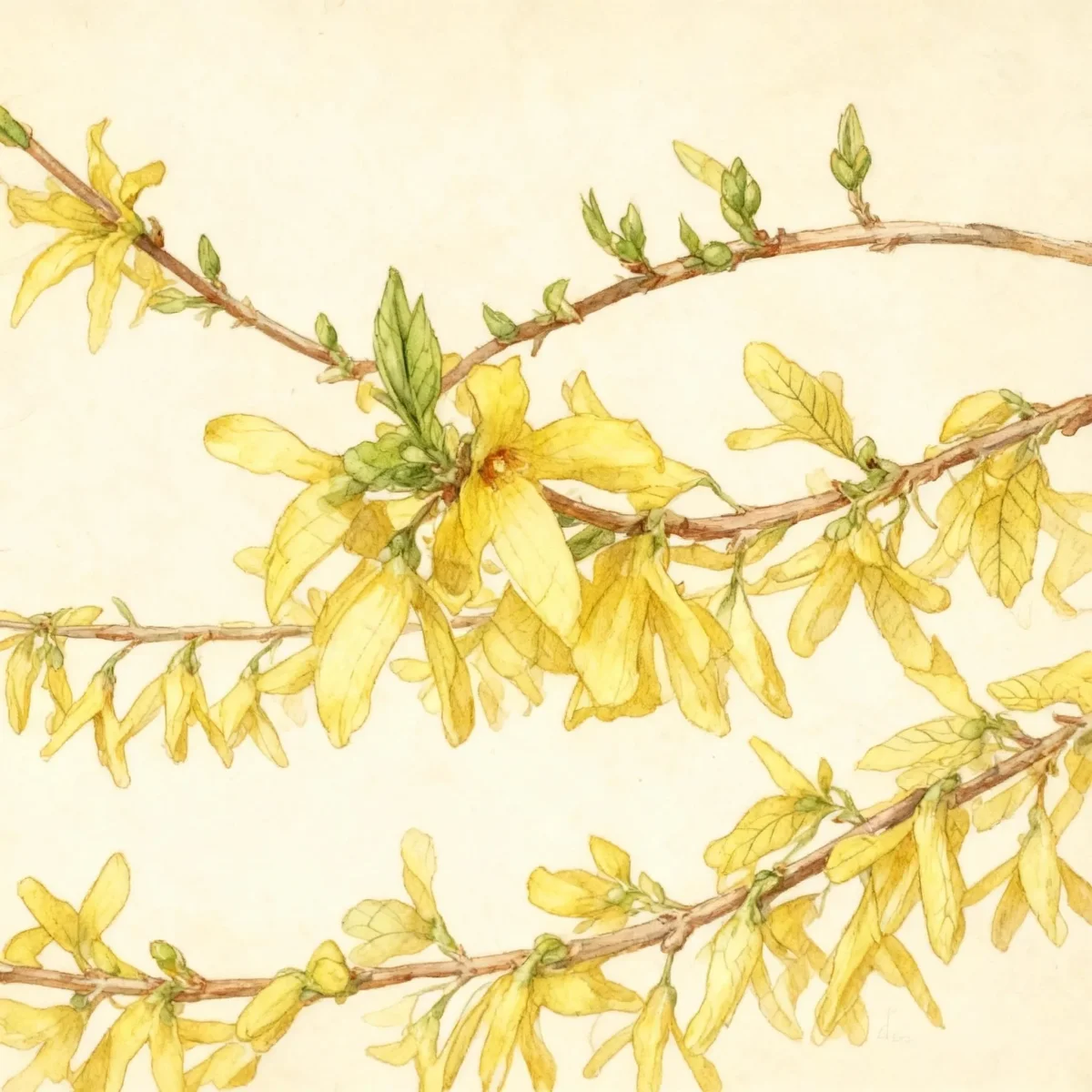
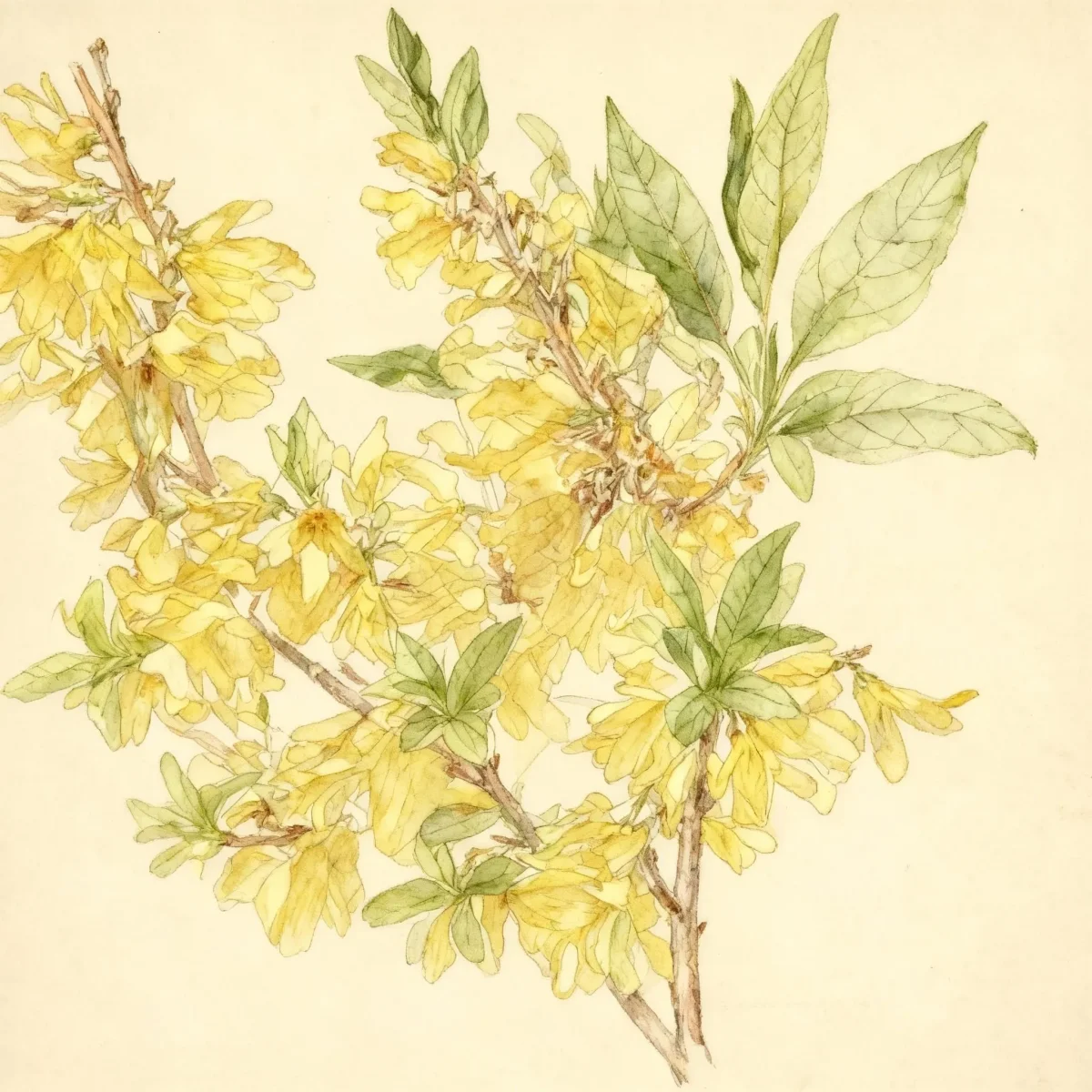
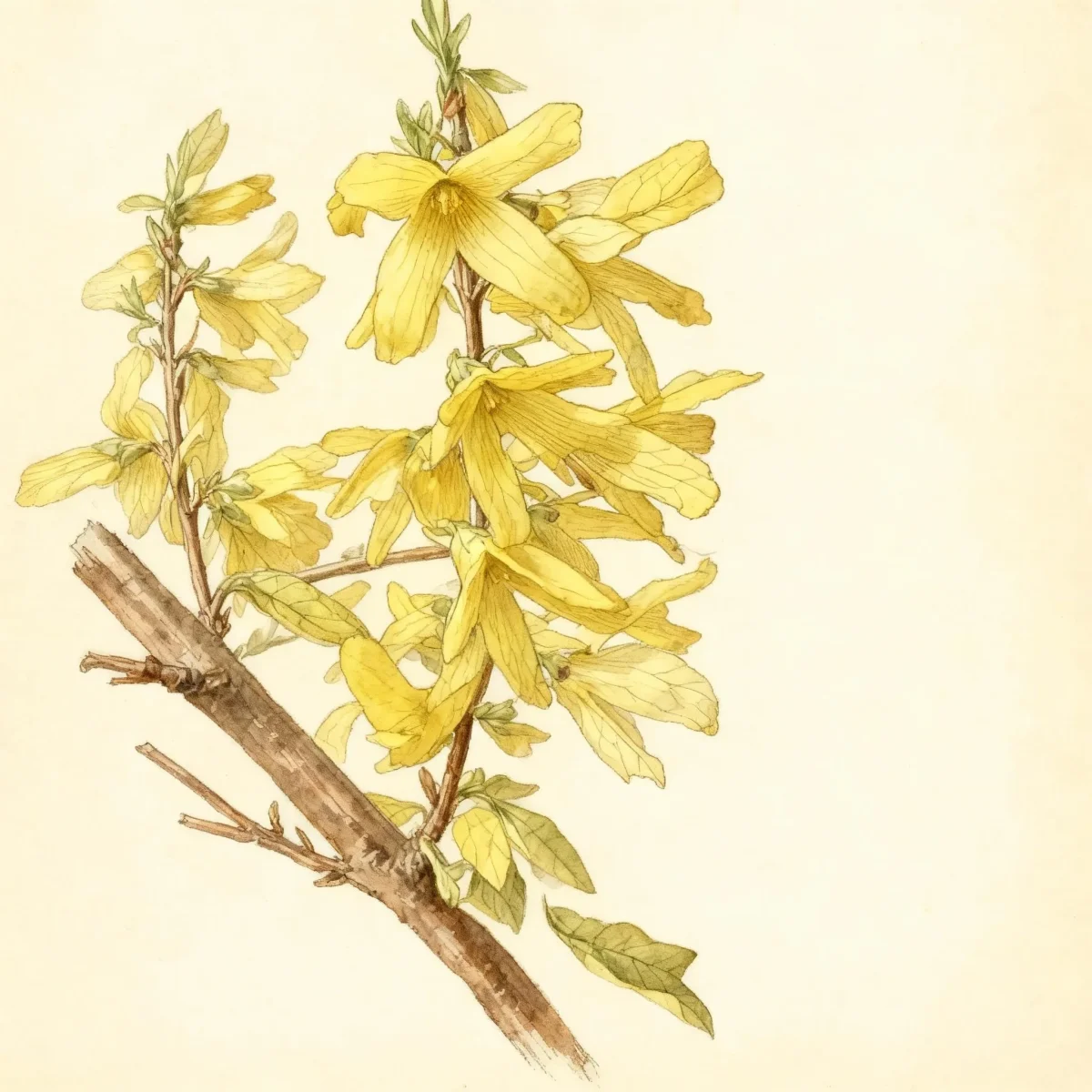
Forsythia ‘Arnold Dwarf’ is a highly valued, compact deciduous shrub renowned for being one of nature’s earliest harbingers of spring. Its primary appeal lies in the profusion of axillary, golden-yellow flowers that blanket the arching branches well before the foliage emerges. This cultivar, resulting from a cross performed at the Arnold Arboretum, offers the classic fountain of color associated with Forsythia but in a much more controlled, low-spreading form suitable for ground cover applications.
As a compact woody shrub, Forsythia ‘Arnold Dwarf’ typically matures between 2 to 3 feet tall but can easily spread 7 feet or more, making it an excellent textural element in the landscape. While it produces excellent spring color, be aware that bloom profusion may sometimes be less than taller hybrid varieties, and flowering can occasionally be delayed until the plant is several years old.
This hardy specimen tolerates various conditions, thriving in loose, well-drained soils. Its low maintenance needs and tolerance for urban settings make Forsythia a practical choice for gardeners needing reliable, early season visual impact without demanding constant attention.
Fast Facts
- Plant Family: Oleaceae
- Plant Type: Deciduous shrub
- Hardiness Zones: USDA Zones 5-8
- Size at Maturity:
- Height: 2-3 ft
- Spread: 4-7 ft
- Bloom Time: March to April
- Bloom Description: Yellow
- Sun Exposure: Full sun to part shade
- Water Needs: Medium
- Maintenance Level: Low
How to Grow
Plant Forsythia ‘Arnold Dwarf’ during the dormant season—early spring or late fall—in a location receiving full sun for the best flower production. This shrub adapts well to average to poor quality garden soils, but requires them to be medium in moisture and well-drained. Amending heavy clay soils slightly upon planting will ensure initial establishment goes smoothly, though established plants tolerate clay quite well.
Water needs are medium; ensure consistent moisture, especially during the first growing season. Once established, Forsythia exhibits good drought tolerance. Fertilizing is rarely necessary due to its adaptability, but if growth is stunted, a balanced slow-release fertilizer applied in early spring is sufficient—avoid over-fertilizing, as this promotes excessive leafy growth at the expense of flowers.
Pruning is key to maintaining the desired compact shape of Forsythia ‘Arnold Dwarf’. Prune immediately after the spring flowering period concludes; avoid cutting stems after mid-July, as this removes the following year’s flower buds. For rejuvenation, or if the shrub becomes unkempt, stems can be cut back drastically to near ground level every three to four years. In Zone 5, note that flower buds are vulnerable if winter temperatures drop below -5°F.
Landscape Uses
The compact nature of Forsythia ‘Arnold Dwarf’ lends itself perfectly to uses where a low, spreading form is beneficial. It excels when massed on banks or slopes, where its growth habit helps stabilize soil while providing spectacular early color. It operates effectively as a dwarf hedge, providing year-round structure and low screening without the drastic height of standard Forsythia types.
Consider planting this variety in borders, particularly the front row, where its 2-3 foot height won’t obscure taller perennials or shrubs planted behind it. It integrates well into cottage gardens, offering that traditional burst of yellow that signals the end of winter. While its foliage is non-descript in fall, its early bloom partners well with late-flowering bulbs or early spring ephemerals.
Because of its tolerance for urban conditions and its adaptability to poor soils, Forsythia ‘Arnold Dwarf’ is an excellent foundational plant, softening hard lines near structures where taller types would become overwhelming.
Standout Features
Flower Qualities
- Showy
Noteworthy Characteristics
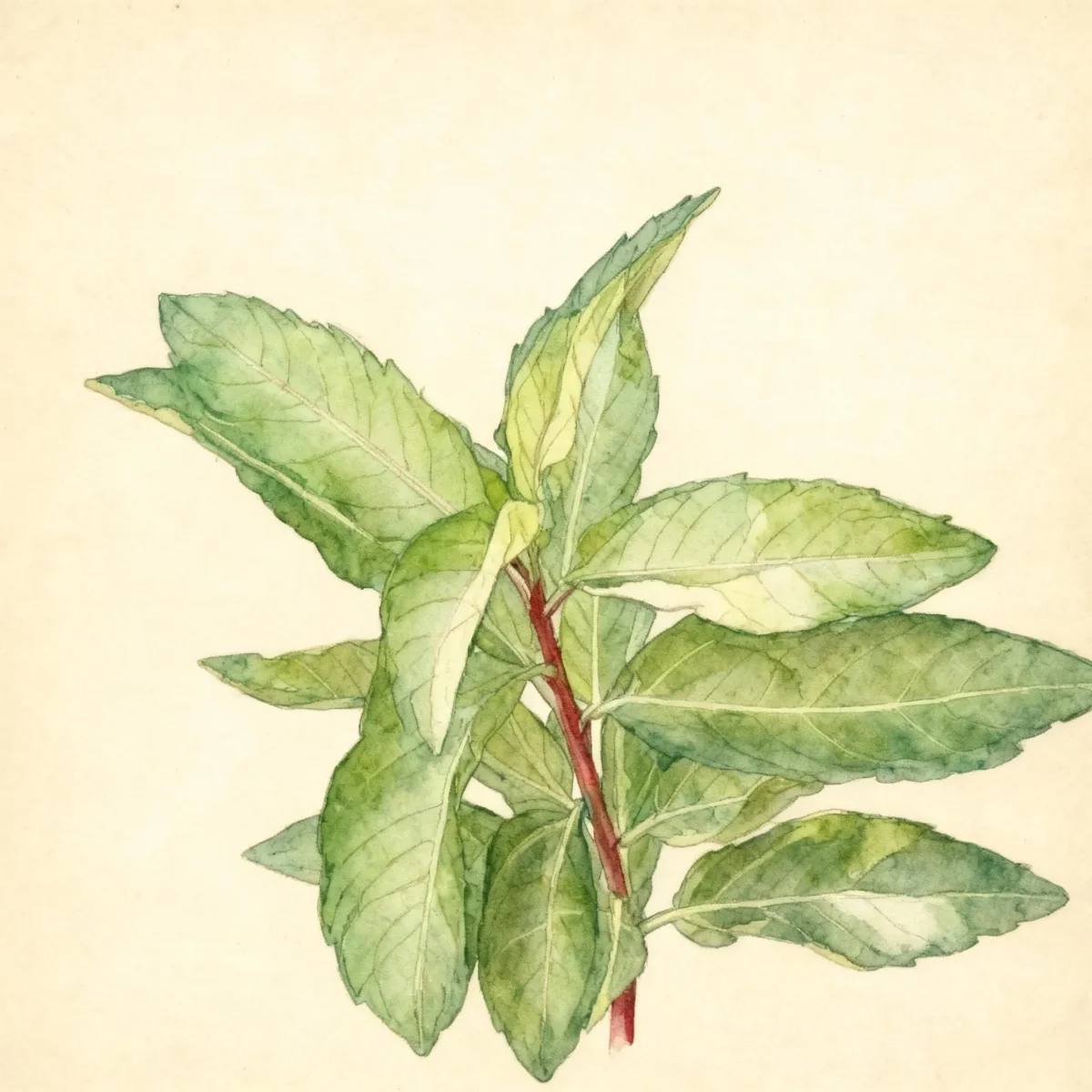
Forsythia is a genus of about 7 species of mainly deciduous shrubs from Eastern Asia with one species form Southeast Europe. They are great harbingers of spring with their early yellow flowers produced before the plants leaf out. ‘Arnold Dwarf’ is a vigorous, compact, low-spreading, woody shrub which is often grown primarily as a ground cover and secondarily for its spring flowers. Ovate, light green leaves with serrated margins are born on arching branches that will root where they touch the ground, aiding in its use as a dense ground cover.
Tolerances
- Deer
- Clay Soil
- Black Walnut
Potential Problems
Forsythia ‘Arnold Dwarf’ generally maintains good health, presenting no serious, recurring insect or disease issues in most gardens. However, gardeners should monitor for potential fungal issues like leaf spot, which can deface the summer foliage. A more serious concern, though less common, is crown gall, a bacterial infection that causes galls (swellings) on the roots or lower stems.
Management often involves ensuring proper cultural practices; avoid overhead watering late in the day to minimize leaf wetness and fungal development. If crown gall appears, prune out the infected tissue immediately, ensuring cuts are made into healthy wood. Choosing a well-drained location is the best defense against many root-related issues common to shrubs.
Frequently Asked Questions
What hardiness zones is Forsythia ‘Arnold Dwarf’ suitable for?
This vigorous selection is vegetatively winter hardy across USDA Zones 5 through 8.
How large does Forsythia ‘Arnold Dwarf’ grow?
At maturity, Forsythia ‘Arnold Dwarf’ typically reaches a height of 2 to 3 feet, but it spreads outward significantly, often achieving a spread of 4 to 7 feet wide or more.
What sun exposure does Forsythia ‘Arnold Dwarf’ need?
For optimal flower production, this Forsythia cultivar requires full sun, although it will tolerate part shade. Reduced sunlight will result in significantly fewer blooms.
When does Forsythia ‘Arnold Dwarf’ bloom?
This shrub flowers early in the season, typically from March into April, blanketing the bare branches with bright yellow blossoms before the leaves emerge.
Conclusion
The Forsythia ‘Arnold Dwarf’ stands out as an essential landscape plant due to its unbeatable combination of low maintenance and spectacular early spring color in a manageable size. Whether used as a uniform ground cover or a low, informal hedge, this cultivar delivers on its promise of brilliant yellow flowers. Ensure you site your Forsythia in full sun and commit to pruning right after its short bloom window to maximize future displays of this indispensable early bloomer.
Companion Planting with Forsythia
Because Forsythia ‘Arnold Dwarf’ sheds its leaves and flowers relatively early, it creates excellent opportunities for succession planting. Pair it with spring ephemerals like Daffodils, early Tulips, or Grape Hyacinth (Muscari), which will emerge and bloom as the Forsythia finishes its show. The bright, bold yellow contrasts beautifully with the blues and purples of ground-covering spring perennials.
For summer interest once the Forsythia foliage is fully developed, consider mid-season bloomers that share its sun requirements, such as Russian Sage (Perovskia atriplicifolia) or certain low-growing Sedum varieties. These companions appreciate the space cleared by the early pruning of the Forsythia.
Design Ideas for Ground Cover Use
Utilize the dense, arching habit of Forsythia ‘Arnold Dwarf’ when planting large masses across slopes or bank retention areas. This mass planting creates a stunning monochromatic river of yellow in very early spring, offering maximum visual impact with minimal upkeep. Its spread helps knit the soil together effectively.
In more formal settings, you can use lines of this dwarf shrub to define the border between a lawn area and a mixed perennial bed. As a low hedge, its winter hardiness and tolerance for clay soil provide dependable structure year-round, softening hard edges where taller woody plants would cast too much shade.