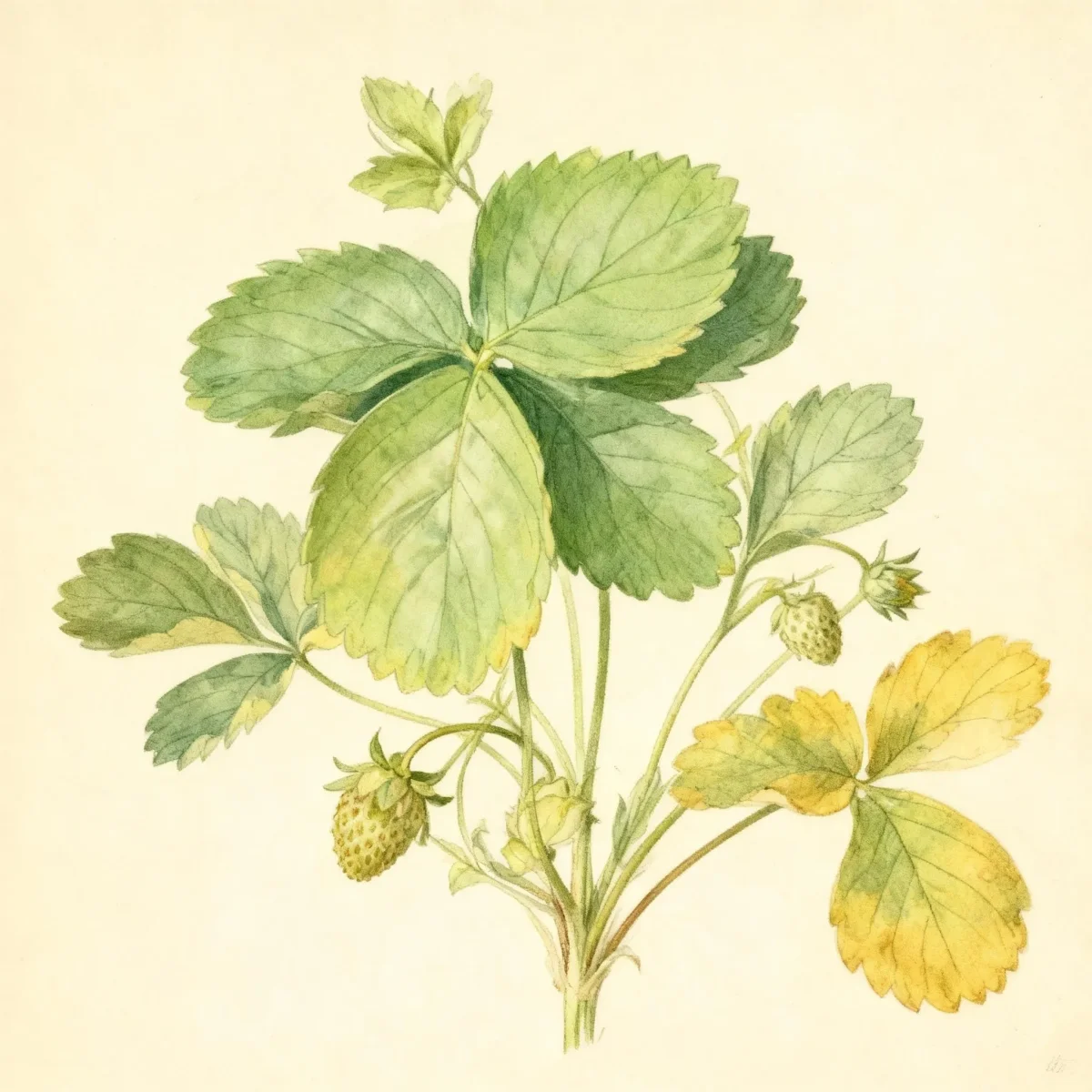
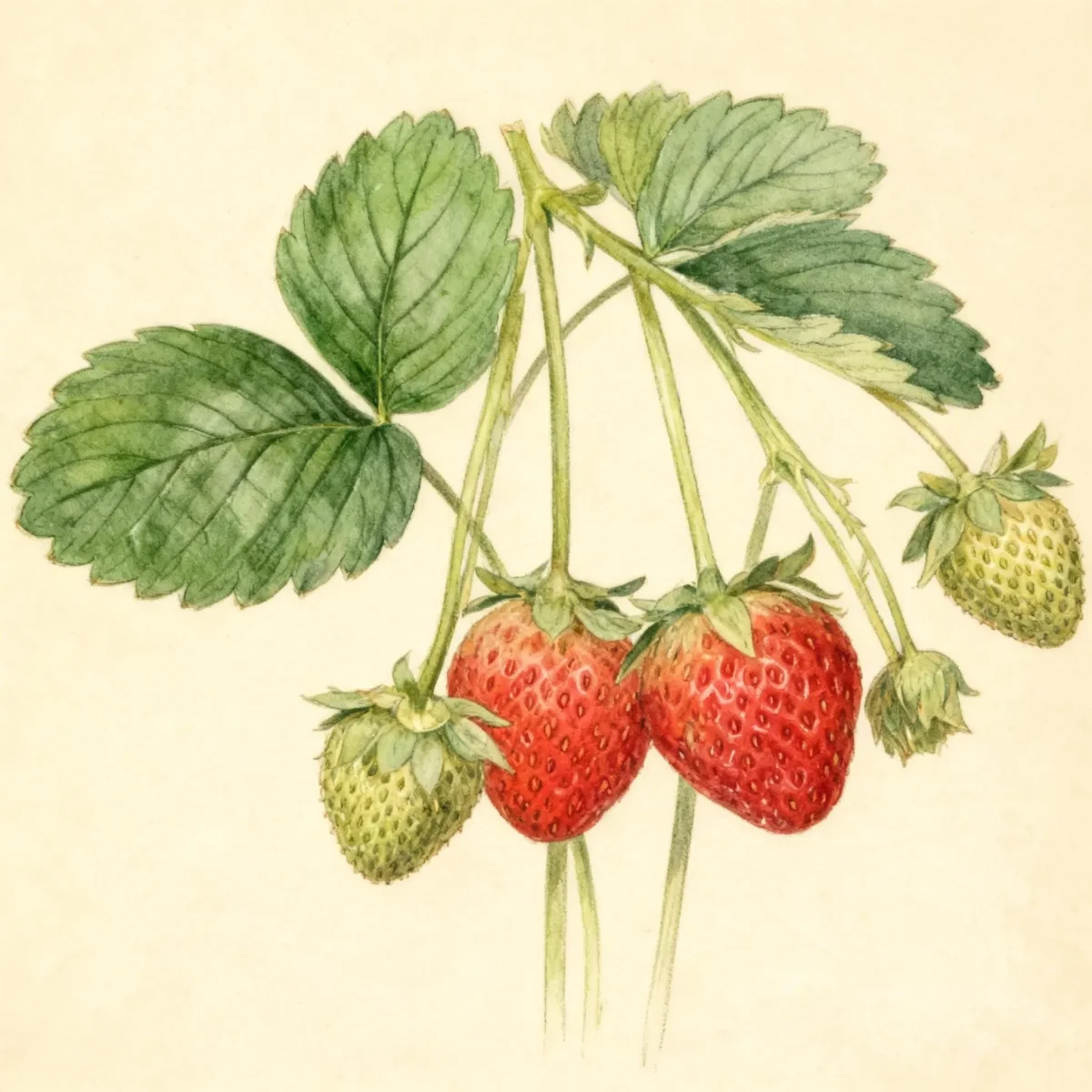
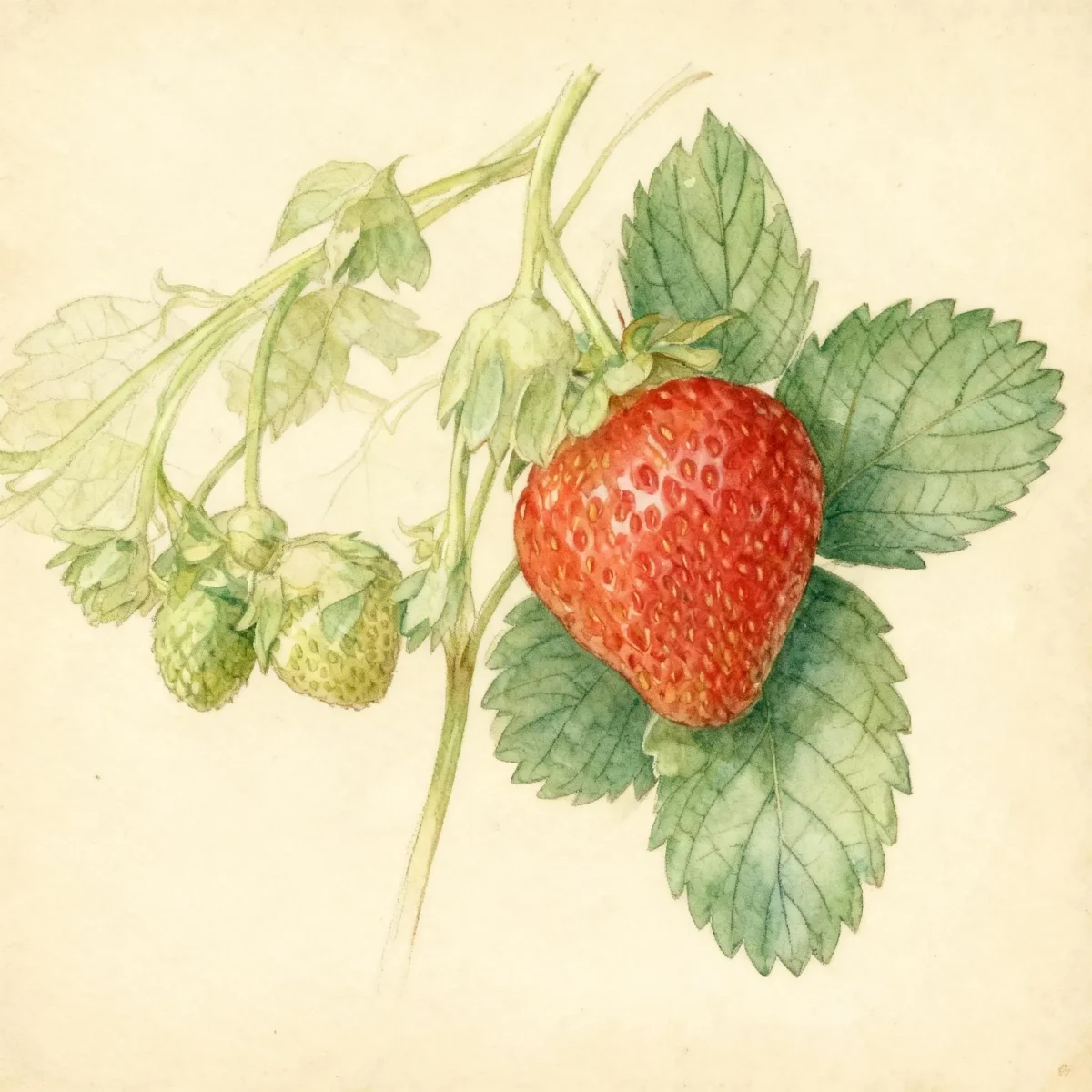
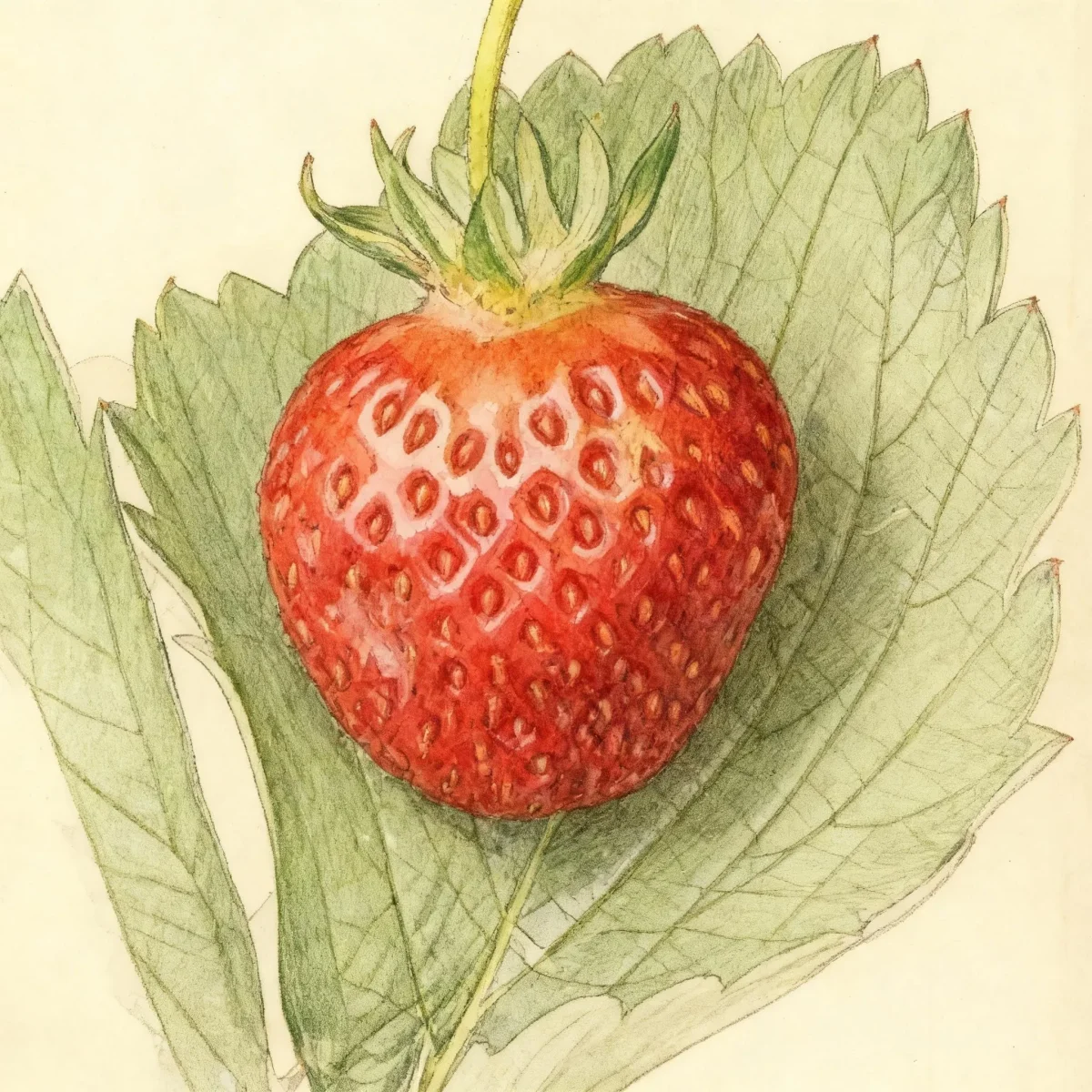
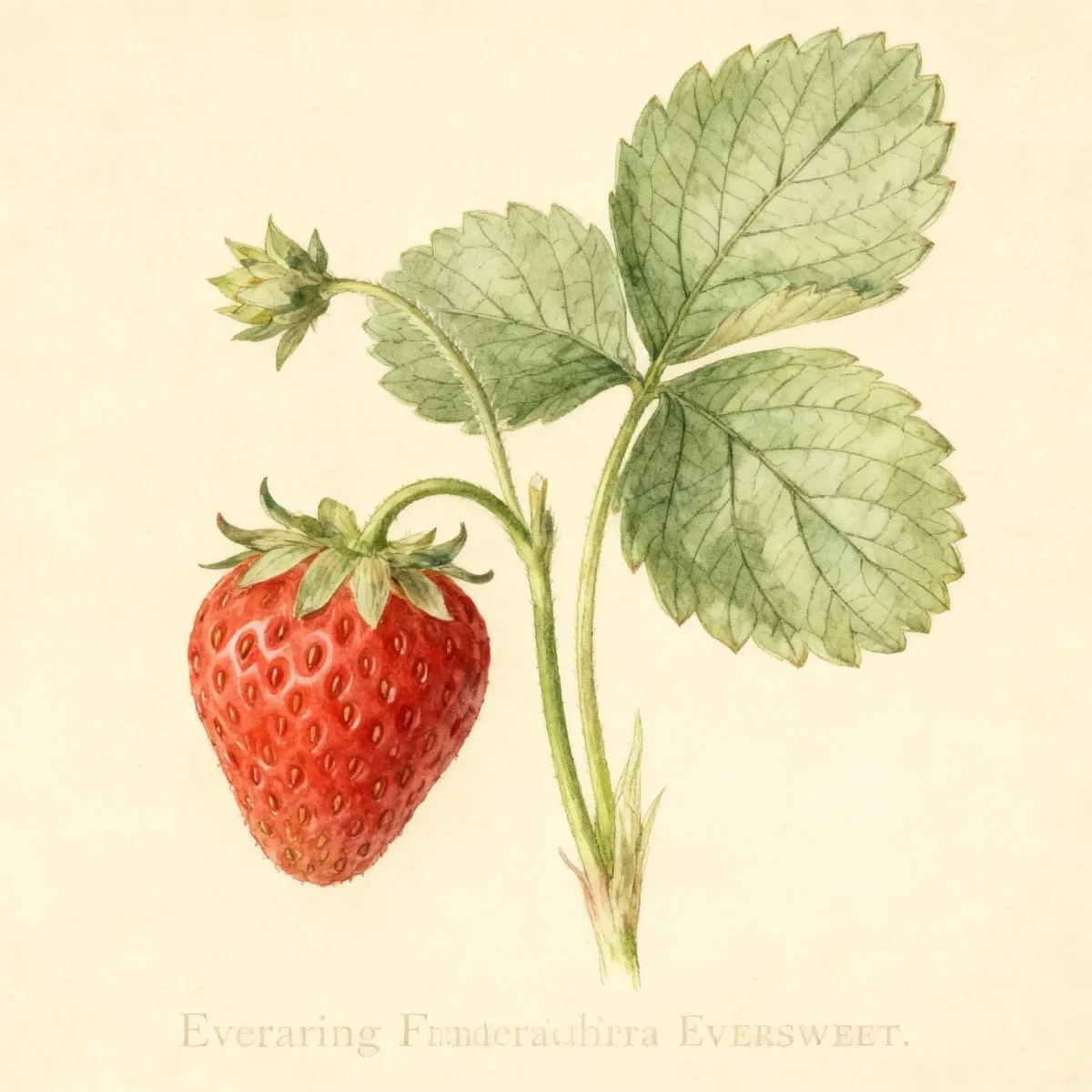
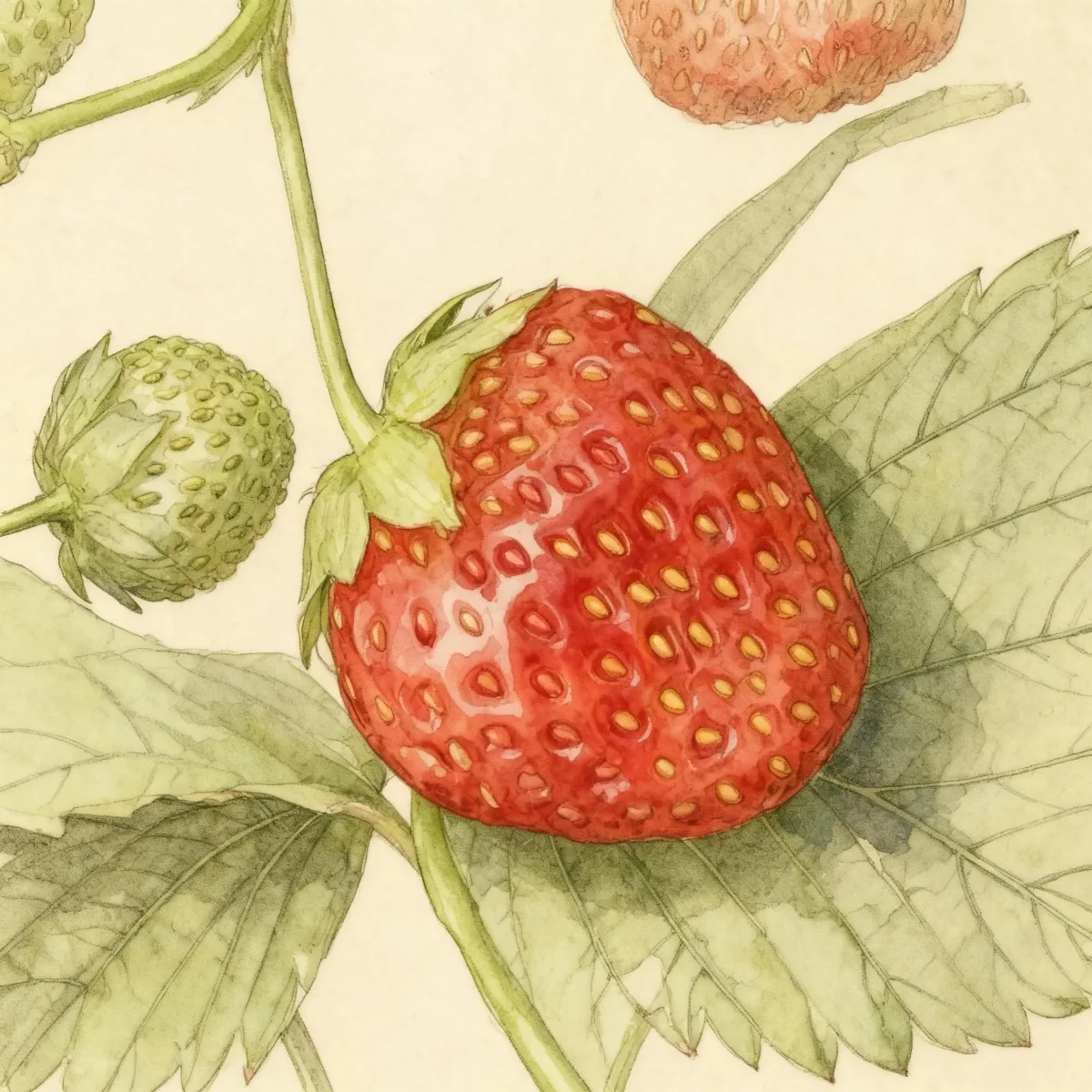
Junebearing strawberry (Fragaria 'Surecrop')
Fragaria 'Surecrop' is a classic Junebearing strawberry producing edible, showy fruit. Thrives in full sun, Zones 4-8.


Bloom Boldly, No Matter the Season - Sweatshirt
Cozy organic cotton sweatshirt featuring our exclusive Purple Coneflower design. Perfect for gardeners who bloom year-round.
Inspired by the beautiful Junebearing strawberry
Limited first batch (50) — join the waitlist for early access
Waitlist closes Feb 15, 2026.
Complete Plant Information
Field Guide Continues
Ready for care notes, companion picks, and planting tips?
The map is just the start. The full guide below covers growth habits, seasonal performance, and landscape uses.
Overview
The Fragaria ‘Surecrop’ Junebearing strawberry is a highly valued addition to home fruit gardens, celebrated for its consistent, large fruit production early in the season. As a Junebearing type, it offers a significant burst harvest, often larger and sweeter than everbearing varieties. This reliable cultivar belongs to the Rosaceae family and contributes both aesthetic appeal with its white blossoms and substantial edible rewards.
While strawberries require high maintenance, the payoff from Fragaria ‘Surecrop’ makes the effort worthwhile for home growers across various climates. This perennial herbaceous plant spreads via runners, quickly establishing a productive groundcover carpet of green, tri-foliate leaves. Successful cultivation relies heavily on selecting disease-resistant stocks, such as this reliable variety, to combat common issues.
Gardeners appreciate Fragaria ‘Surecrop’ for maximizing the early summer berry yield. Although grown primarily for fruit production, the plant performs best when situated in a dedicated area receiving ample light and consistent care. Growing this classic Junebearing strawberry ensures a supply of famously sweet, glossy red fruit when properly managed.
Fast Facts
- Plant Family: Rosaceae
- Plant Type: Fruit
- Hardiness Zones: USDA Zones 4-8
- Size at Maturity:
- Height: 0.5-0.75 ft
- Spread: 1-1.5 ft
- Bloom Time: May to June
- Bloom Description: White
- Sun Exposure: Full sun
- Water Needs: Medium
- Maintenance Level: High
How to Grow
Planting Fragaria ‘Surecrop’ should ideally occur in early spring after the threat of hard frost, ensuring the soil is deeply worked. This plant thrives in organically rich, well-drained, sandy loam soils with a medium moisture level. Always procure certified disease-resistant cultivars to set your patch up for success, as general susceptibility to diseases is high in the genus.
Care for these Junebearing strawberries requires diligence. They demand consistent, medium watering, especially as fruits develop; never allow the soil to dry out completely. Though not specified, general strawberry culture suggests regular feeding with balanced fertilizers focused on phosphorus and potassium post-harvest to encourage strong runner production for the following year.
Maintenance for this high-maintenance crop involves vigilant weeding and runner control. While runners create new plants, unchecked growth leads to overcrowding, reducing fruit quality and size. Ensure good air circulation around the foliage to mitigate fungal diseases. Prepare winter beds by covering plants with clean straw mulch once temperatures remain consistently cold (after three hard frosts) to protect the crowns.
Landscape Uses
Although strawberries are typically selected for their dual function as food and groundcover, Fragaria ‘Surecrop’ offers a neat, low-growing presence throughout the growing season. They are best utilized in dedicated patches or raised beds set aside specifically for intensive fruit production, rather than ornamental borders. Their early spring flowers provide seasonal texture before many other garden plants fully leaf out.
When considering companions, select herbs or vegetables that share the need for full sun and rich, moist soil, such as leafy greens or aromatic herbs that may help deter some minor pests. Avoid planting where tomatoes, potatoes, or peppers have recently grown due to shared susceptibility to Verticillium wilt. The primary function of this Junebearing strawberry remains culinary production.
Standout Features
Flower Qualities
- Showy
Fruit Qualities
- Showy
- Edible
Noteworthy Characteristics
Fragaria is a genus containing about 12 species of low-growing stoloniferous herbaceous perennials commonly known as strawberries. Junebearers like this cultivar produce one crop per year early in the season (typically June), and their berries are usually larger than everbearing types. Flowers are five-petaled and white, leading to plump, fragrant, sweet berries that mature in late spring to early summer.
Tolerances
- Deer
Potential Problems
Strawberries are susceptible to a large number of potential diseases, including foliage diseases (leaf spot, scorch), root rots (red stele, black root rot), and fruit rots (anthracnose, leather rot). Key insect pests include tarnished plant bugs, mites, aphids, and strawberry weevils. While Fragaria ‘Surecrop’ is recognized as one of the more disease-resistant cultivars available, consistent management is vital. To prevent common problems, rotate planting locations every few years, maintain excellent soil drainage, and apply fungicides preventatively if disease pressure is known to be high in your specific microclimate.
Frequently Asked Questions
What hardiness zones is Junebearing strawberry suitable for?
Fragaria ‘Surecrop’ is suitable for gardeners located in USDA Hardiness Zones 4 through 8.
How large does Fragaria ‘Surecrop’ grow?
This Junebearing strawberry typically reaches a low height between 0.5 and 0.75 feet, spreading out 1 to 1.5 feet wide.
What sun exposure does Fragaria ‘Surecrop’ need?
This plant requires full sun exposure to maximize fruit production and overall vigor.
When does Fragaria ‘Surecrop’ bloom?
Fragaria ‘Surecrop’ typically blooms from May to June with attractive white flowers.
Conclusion
Fragaria ‘Surecrop’ remains a cornerstone for anyone seeking a heavy, early harvest of exceptionally tasty fruit, offering the reliability inherent in a proven Junebearing strawberry cultivar. While it demands high maintenance, its disease resistance and large berry size secure its place in dedicated fruit gardens. Before planting, ensure your site receives dedicated full sun and amend the soil heavily to meet the needs of this productive variety.
Companion Planting
When planning your strawberry patch, consider companion planting to enhance yields and manage pests naturally. Since strawberries perform best with rich, well-drained soil and high sun exposure, look for shallow-rooted, non-competitive plants that occupy different soil strata. Pairing them near bush beans can be beneficial, as beans fix nitrogen which benefits the heavy-feeding strawberries.
Avoid planting pungent members of the Brassica family too closely, as they may inhibit growth or share susceptibility to certain molds. Instead, consider utilizing low-growing herbs like borage or thyme around the edges of the strawberry bed. Borage is often cited for improving the flavor and vigor of nearby fruits, while thyme can act as a low-growing, aromatic border.
Propagation Tips
Fragaria ‘Surecrop’ propagates readily through runners (stolons), which are horizontal stems that root themselves to form new, genetically identical daughter plants. Allow runners to set roots in mid-to-late summer for the best chance of establishment before winter arrives. Once the new plant has developed a substantial root system, typically indicated by strong foliage growth, you can sever the stolon connecting it to the mother plant.
For maximum yield from your patch in the subsequent year, it is often recommended that gardeners limit the number of runners allowed to establish. If a bed is too dense, fruit quality declines dramatically. Plan to thin out older, less productive plants after 3-4 seasons, ensuring you have established enough new, vigorous plants propagated via runners to replace them.