White ash(Fraxinus americana 'Autumn Purple')
What to consider before planting or keeping 'Autumn Purple' white ash, including mature size, emerald ash borer risk, siting, and care.
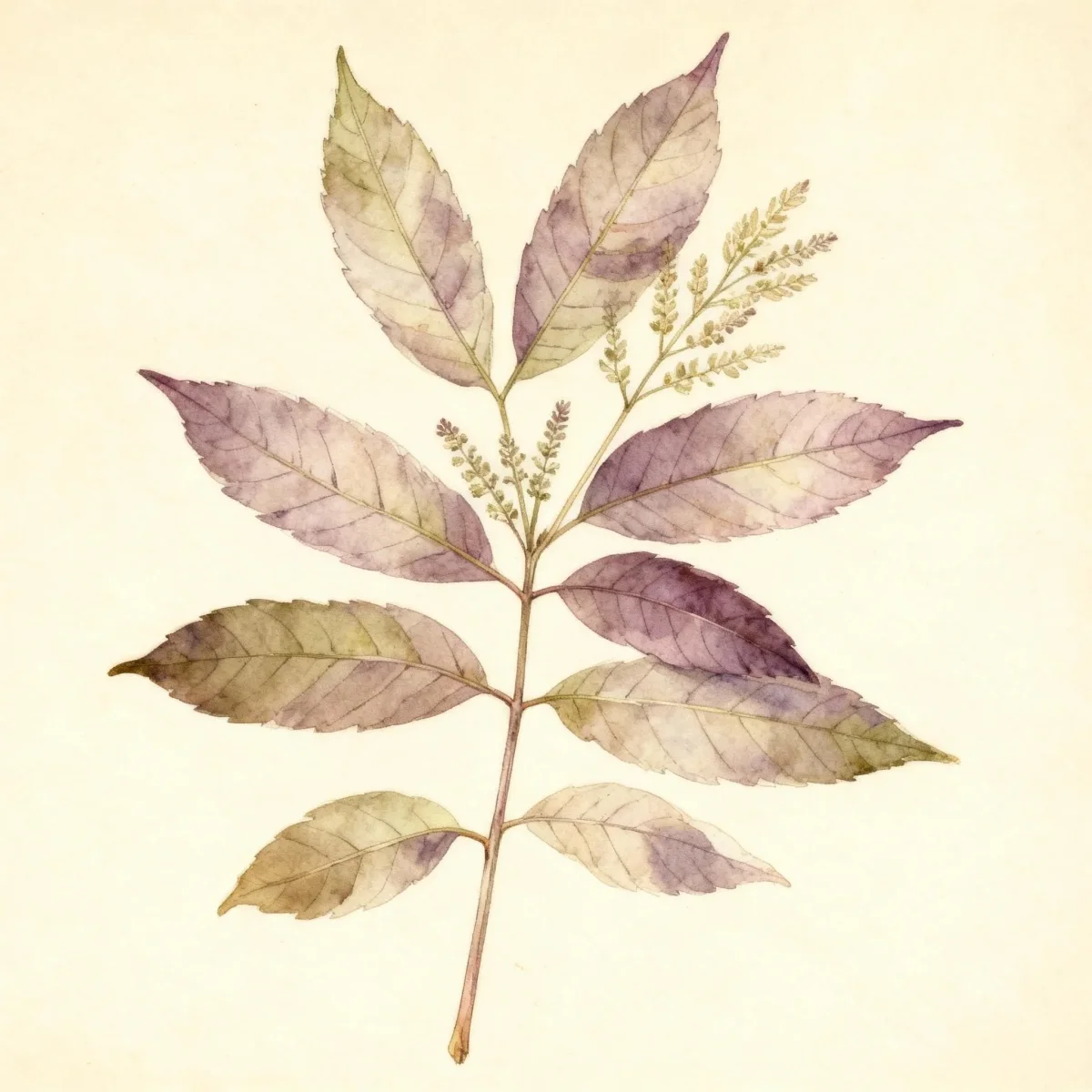
Complete Plant Information
- Hardiness zones
- USDA 3–9
- Plant type
- Tree
- Plant family
- Oleaceae
- Sun exposure
- Full sun
- Water needs
- Medium
- Maintenance
- Medium
- Height
- 45–60 ft (1372–1829 cm)
- Spread
- 35–50 ft (1067–1524 cm)
- Bloom time
- April to May
- Flower color
- Green
- Flower qualities
- Insignificant
- Fruit qualities
- Not recorded
- Tolerances
- Deer
- Garden uses
- Shade Tree, Street Tree
- Native range
- Not recorded
Field Guide Continues
Ready for care notes, companion picks, and planting tips?
The map is just the start. The full guide below covers growth habits, seasonal performance, and landscape uses.
A handsome tree with a serious modern drawback
‘Autumn Purple’ is a male cultivar of white ash selected for a broad crown and reddish-purple to deep purple fall color. Because it is male, it does not produce seed. At maturity it can reach 45 to 60 feet tall and 35 to 50 feet wide, so it belongs in a large lawn or broad streetscape—not beneath utility wires, beside a small patio, or in a narrow foundation bed.
The deciding issue is emerald ash borer. This invasive insect has killed ash trees across much of North America, and a valuable ash may require recurring professional protection where the pest is present. Before planting a new ‘Autumn Purple’, ask your local extension office or municipal forester whether white ash is currently recommended and what long-term treatment would cost. Planting a tree that may depend on indefinite intervention is a different commitment from routine watering and pruning.
If you want a large deciduous canopy without choosing another ash, compare the vase-shaped ‘Princeton’ American elm and the flowering wild service tree. Each has its own climate limits and health concerns, but the comparison helps avoid replacing one vulnerable monoculture with another.
Space, sun, and soil
White ash grows best in full sun and medium-moisture soil with good drainage. Allow the full mature canopy spread when measuring from buildings, property lines, drives, and overhead lines. Also consider what that canopy will shade in 15 or 20 years. A sunny perennial bed under a young tree will eventually become an understory planting.
Plant a nursery tree during dormancy in fall or early spring when local conditions allow. Find the first major roots and keep the root flare visible at finished grade. A hole wider than the root ball, but no deeper, encourages roots to move into surrounding soil. Backfill with native soil, water slowly, and mulch the root area 2 to 3 inches deep without piling mulch against the trunk.
Water deeply through the establishment period, letting the upper soil begin to dry between soakings. Lawn irrigation that only dampens the surface is not a substitute. Avoid staking unless the root ball is unstable, and remove temporary supports promptly. Use the interactive hardiness zone map to check the listed USDA Zone 3–9 range, then verify regional pest guidance separately.
Care for an existing tree
Train a young tree toward a sound framework by removing damaged, rubbing, or poorly attached branches. Large-tree pruning and any work near power lines belong with a qualified arborist. Do not top the crown. Excess nitrogen is not a defense against borers and can create unnecessary soft growth.
Learn the baseline appearance of the canopy so thinning, branch dieback, unusual shoots on the trunk, or bark damage stand out. Emerald ash borer symptoms can overlap with drought and other problems, so have a declining ash diagnosed instead of treating blindly. Timing matters: preventive management is much more realistic for a healthy tree than rescue after extensive canopy loss.
Other possible issues include anthracnose, leaf miners, cankers, and storm damage. Good root-zone care—adequate water, undamaged bark, uncompacted soil, and a mulch ring instead of turf at the trunk—reduces avoidable stress even though it cannot make an ash resistant to emerald ash borer.
Common questions
Is ‘Autumn Purple’ still a sensible tree to plant?
Only after local advice. In many areas, emerald ash borer risk and ongoing treatment needs make a non-ash shade tree the more practical choice.
Does this cultivar drop seeds?
No. ‘Autumn Purple’ is a male clone, so it does not produce the winged seeds associated with female ash trees.
Can it fit in a typical front yard?
It needs room for a canopy up to 50 feet wide. Measure the site at mature scale and include utilities, pavement, nearby buildings, and future shade before deciding.
Recommended Companion Plants
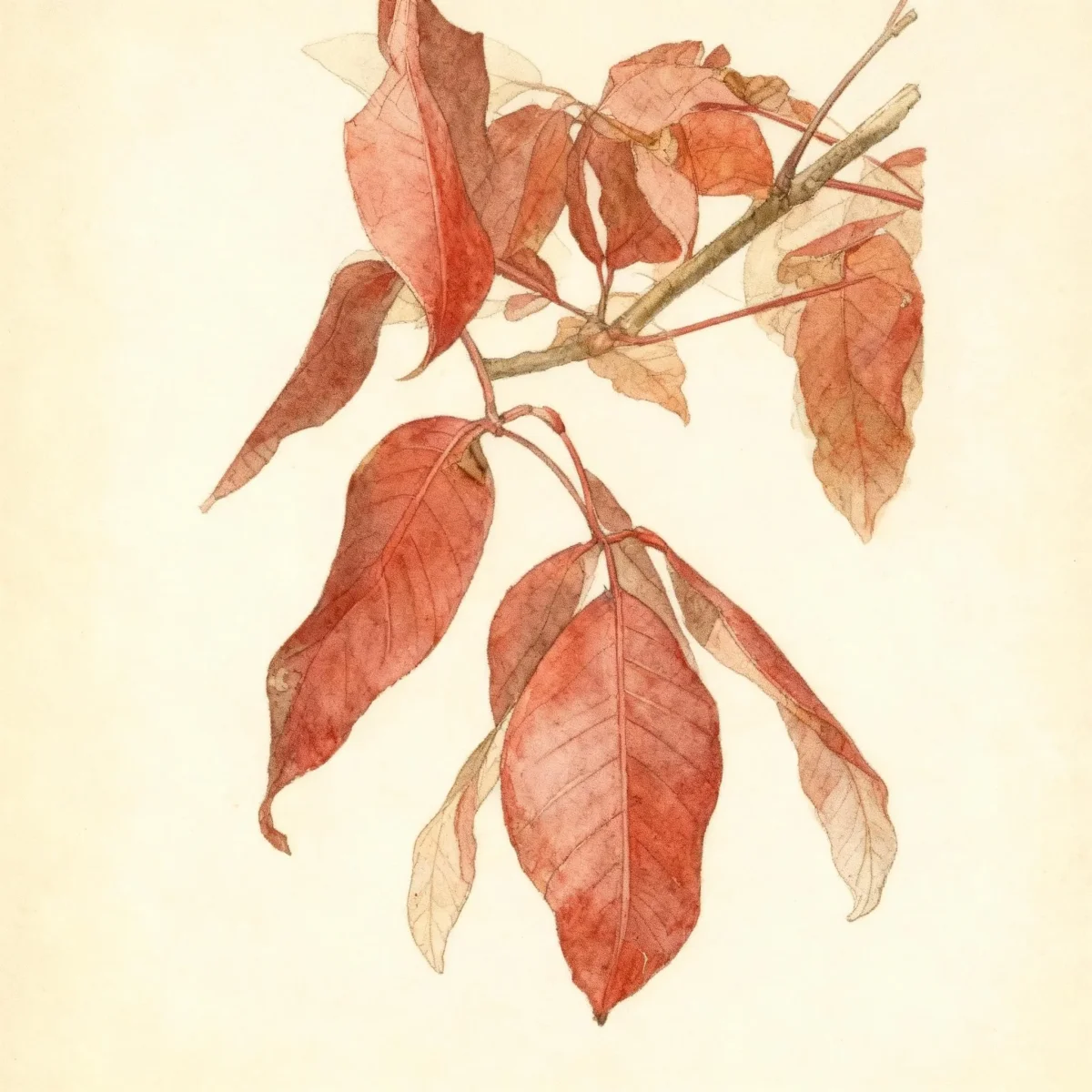
White ash
Fraxinus americana 'Rosehill'
- USDA zones
- 3–9
- Light
- Full sun
- Water
- Medium
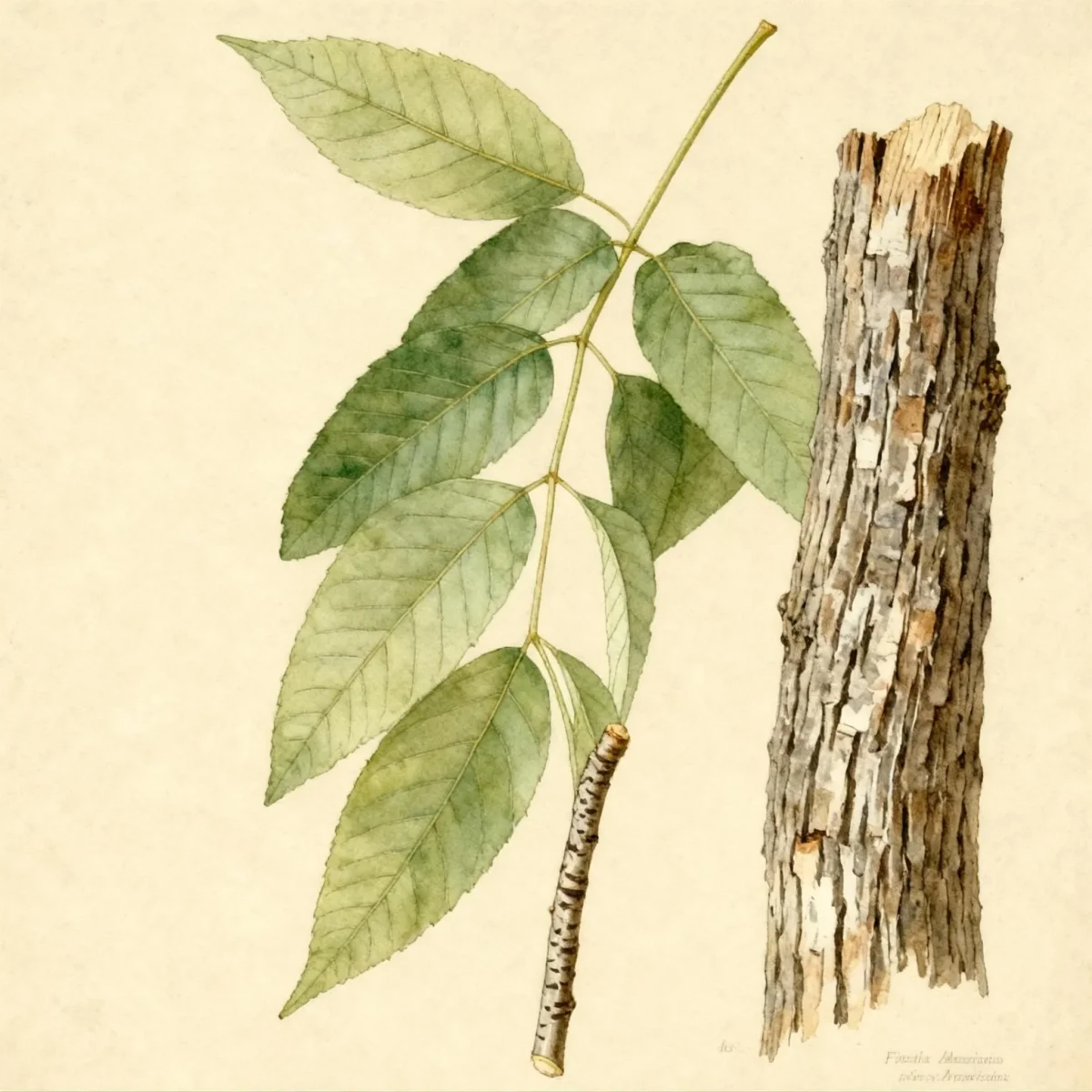
White ash
Fraxinus americana
- USDA zones
- 3–9
- Light
- Full sun
- Water
- Medium
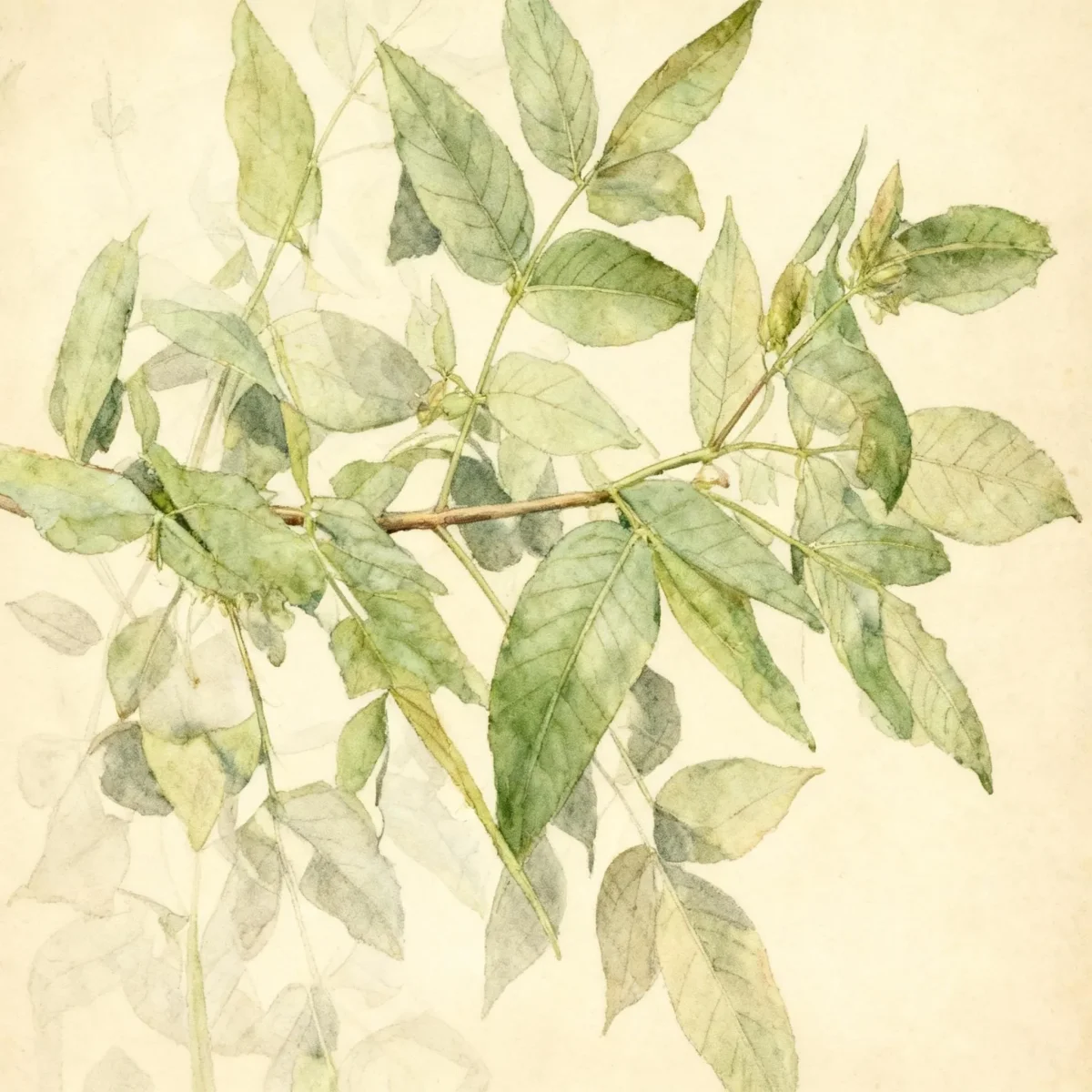
Green ash
Fraxinus pennsylvanica 'Patmore'
- USDA zones
- 4–9
- Light
- Full sun
- Water
- Medium
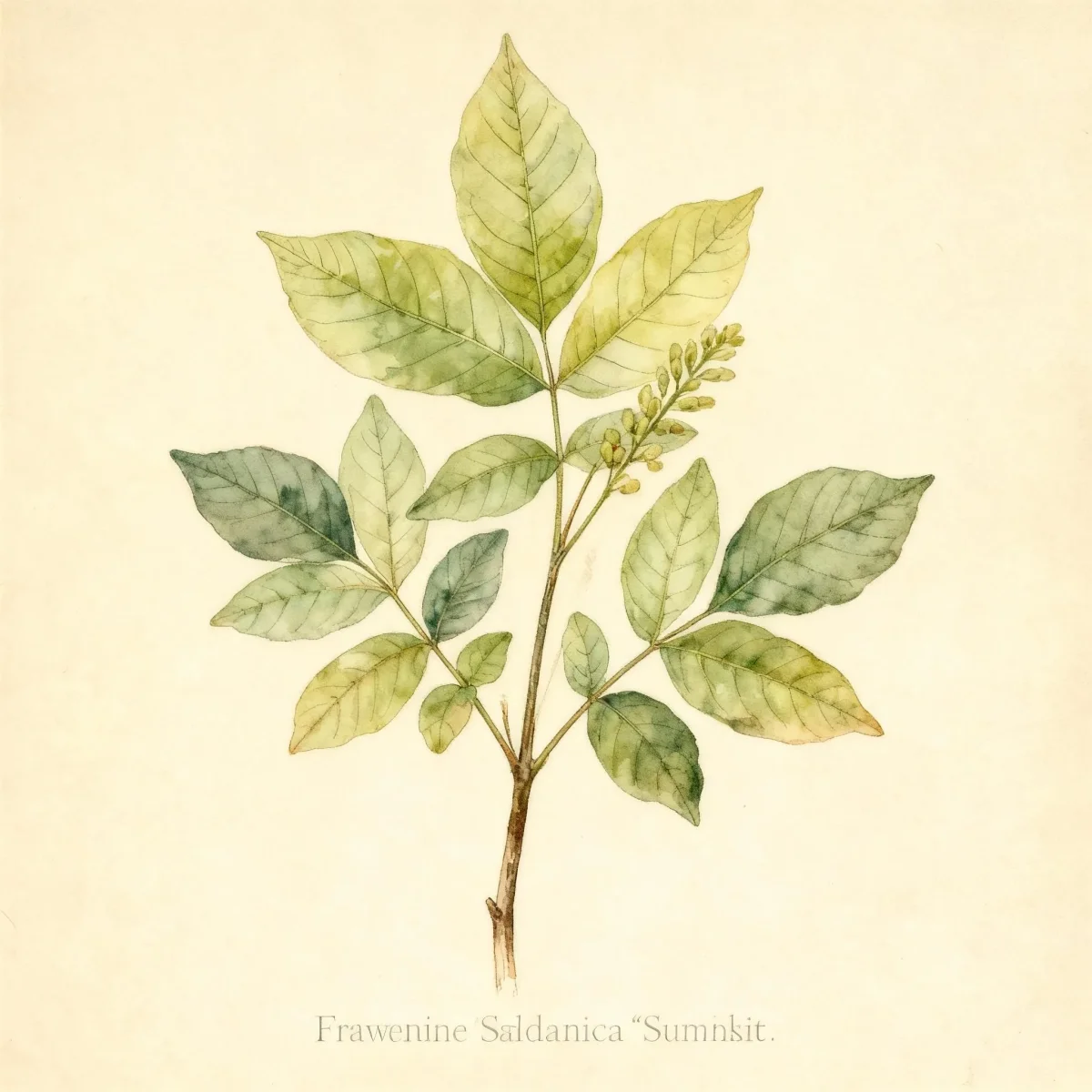
Green ash
Fraxinus pennsylvanica 'Summit'
- USDA zones
- 4–9
- Light
- Full sun
- Water
- Medium
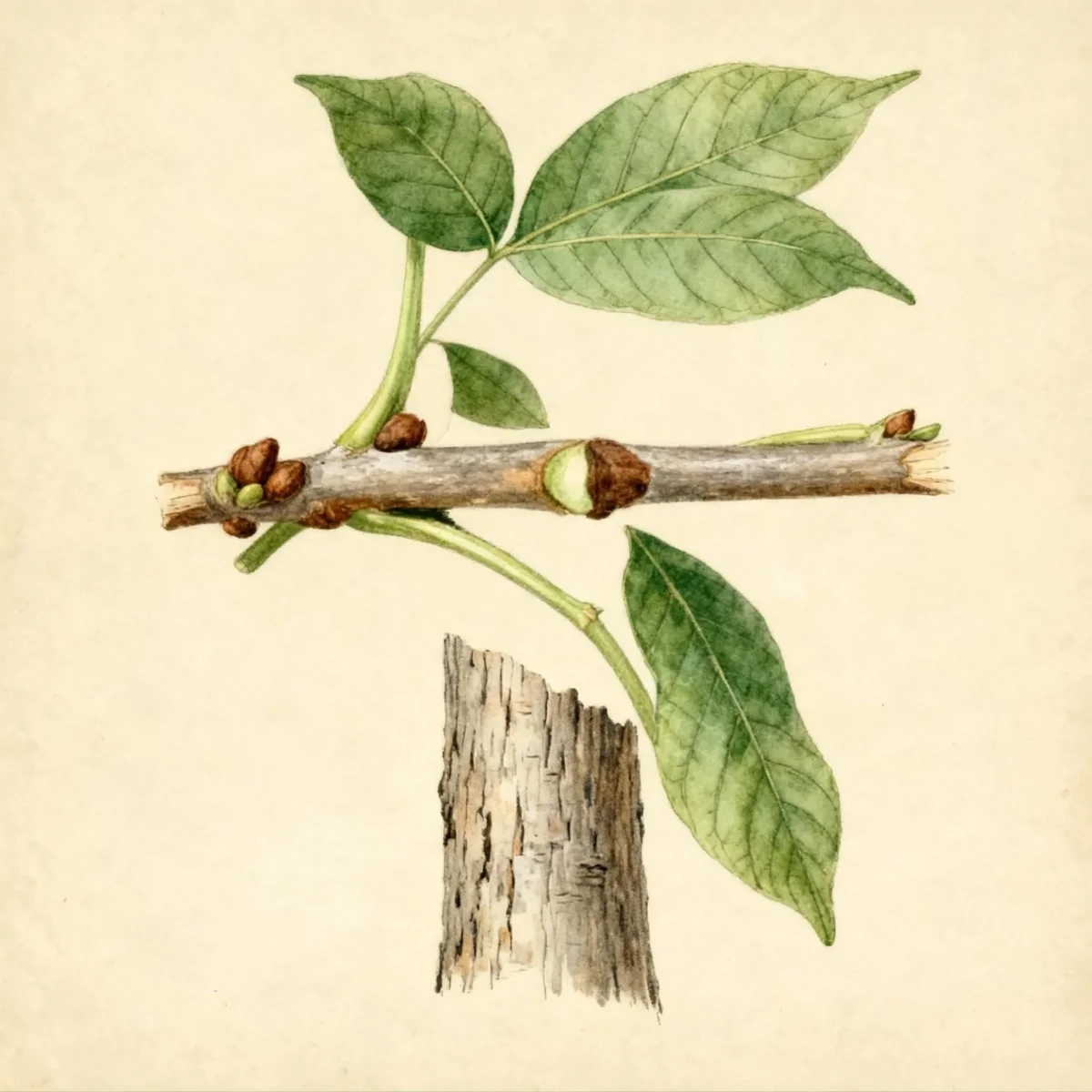
Green ash
Fraxinus pennsylvanica
- USDA zones
- 3–9
- Light
- Full sun
- Water
- Medium
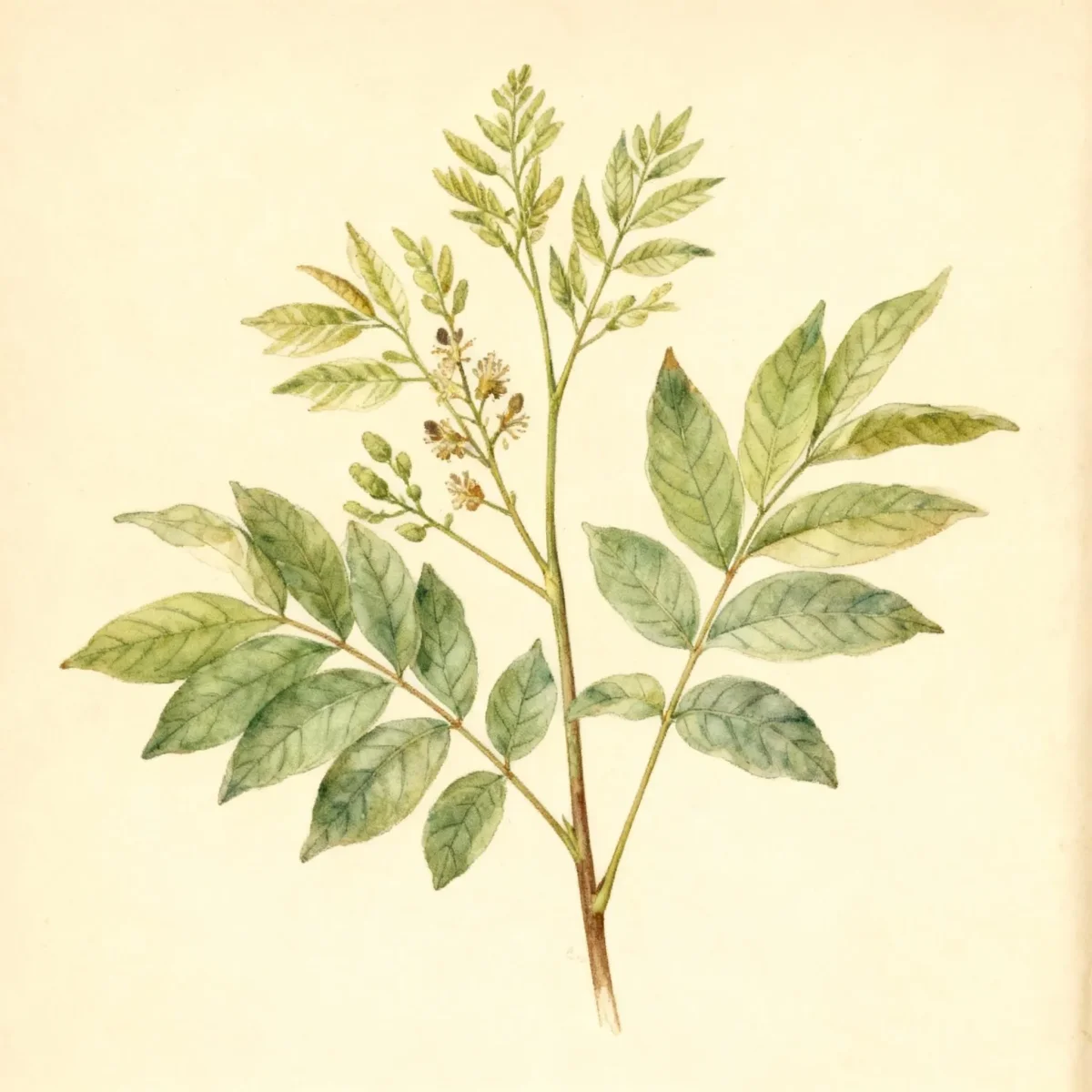
Manchurian ash
Fraxinus mandshurica
- USDA zones
- 3–6
- Light
- Full sun
- Water
- Medium
Keep Learning
Test what you know with a garden quiz
You have the plant facts and care notes. Continue with a related challenge, or browse the complete quiz library.
Can You Identify These Common Garden Plants? Test Your Plant Knowledge
Think you know your roses from your peonies? Test your plant identification skills with our comprehensive garden plant quiz featuring 10 challenging questions.
Start quiz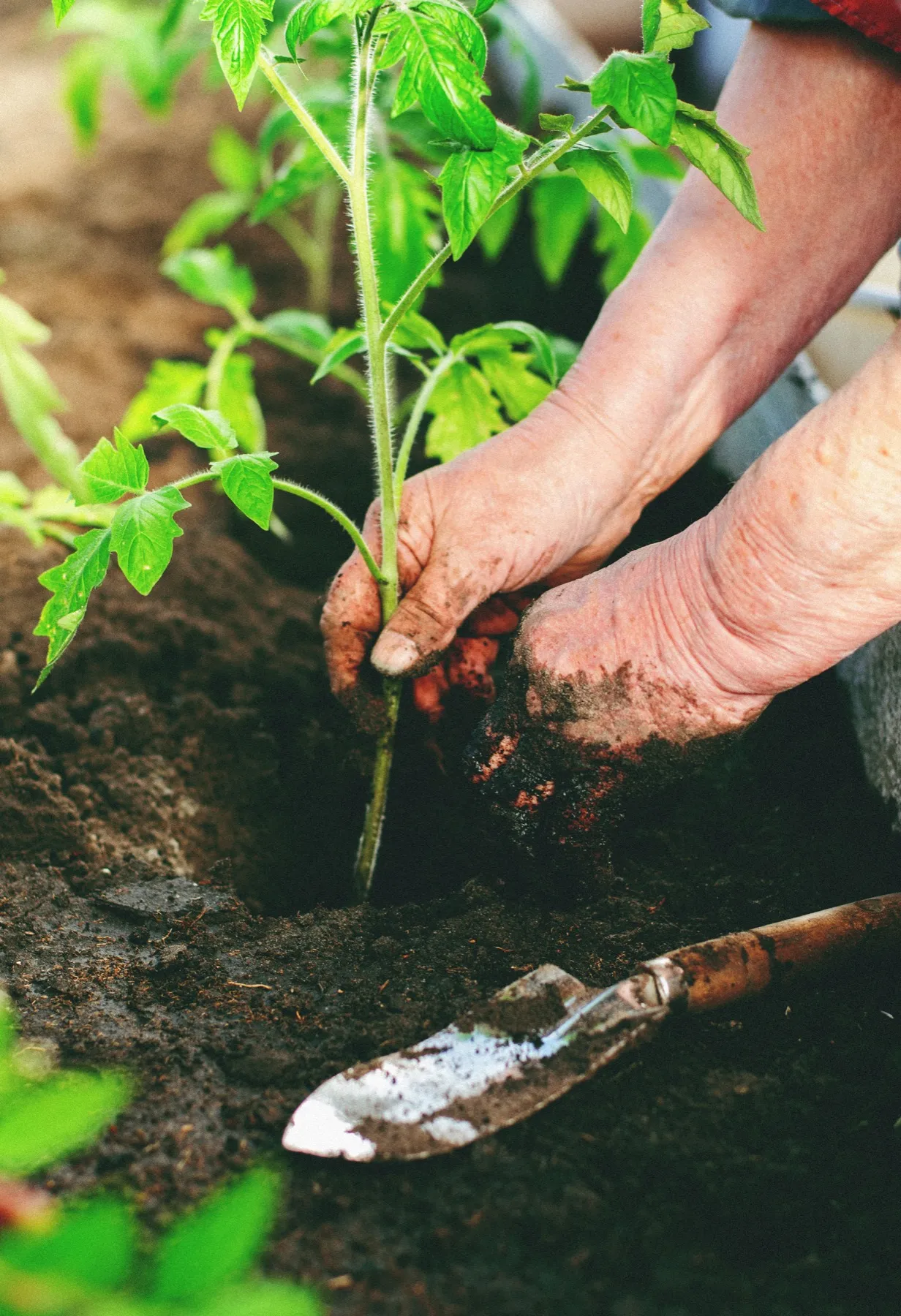
USDA Garden Zone Map Quiz
Use this USDA garden zone map quiz to check whether you can read hardiness zones and choose plants with more confidence.
Start quizBrowse the full quizzes section
Explore plant identification, zone strategy, and seasonal gardening challenges.
View all quizzes