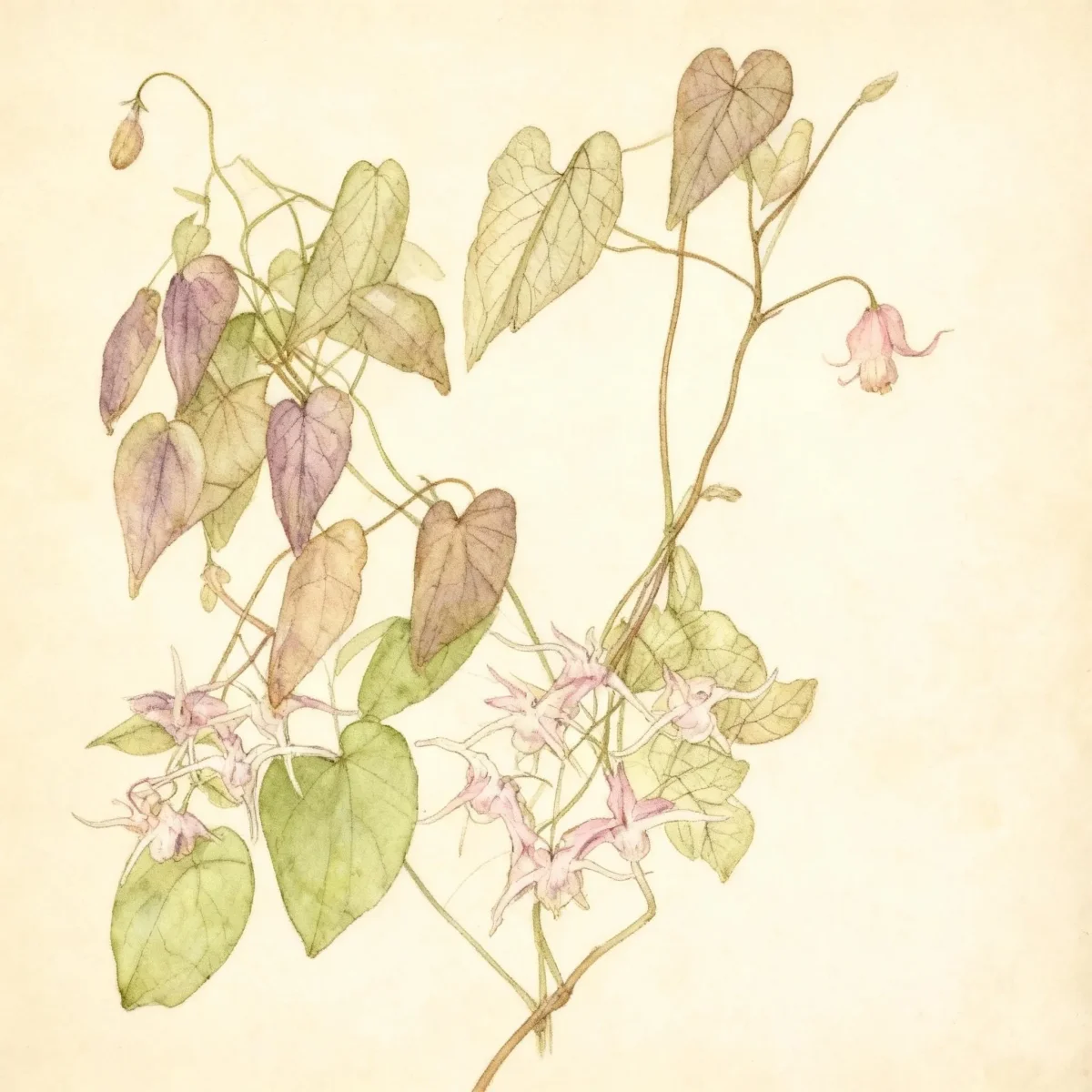
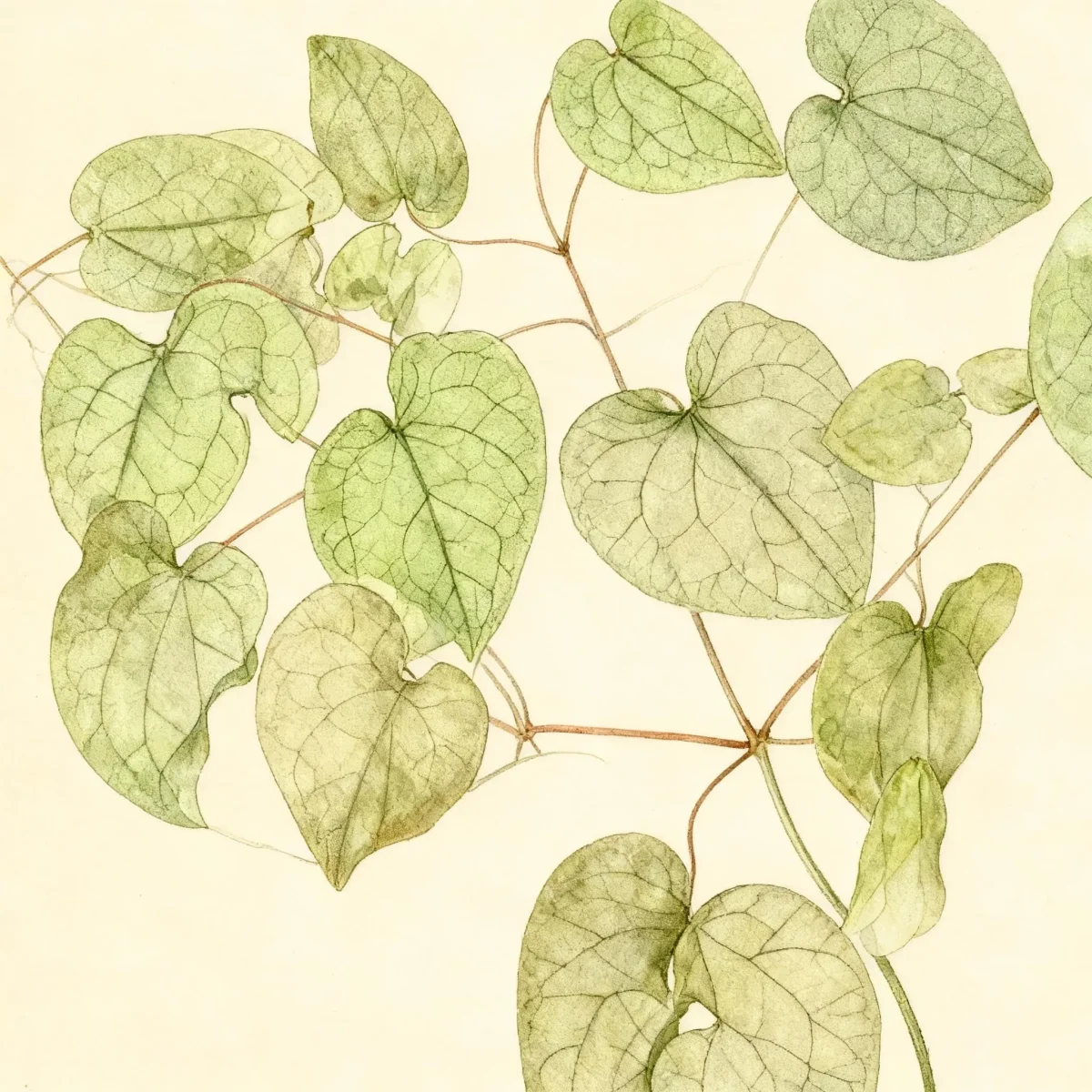
Bishop's hat (Epimedium 'Yubae')
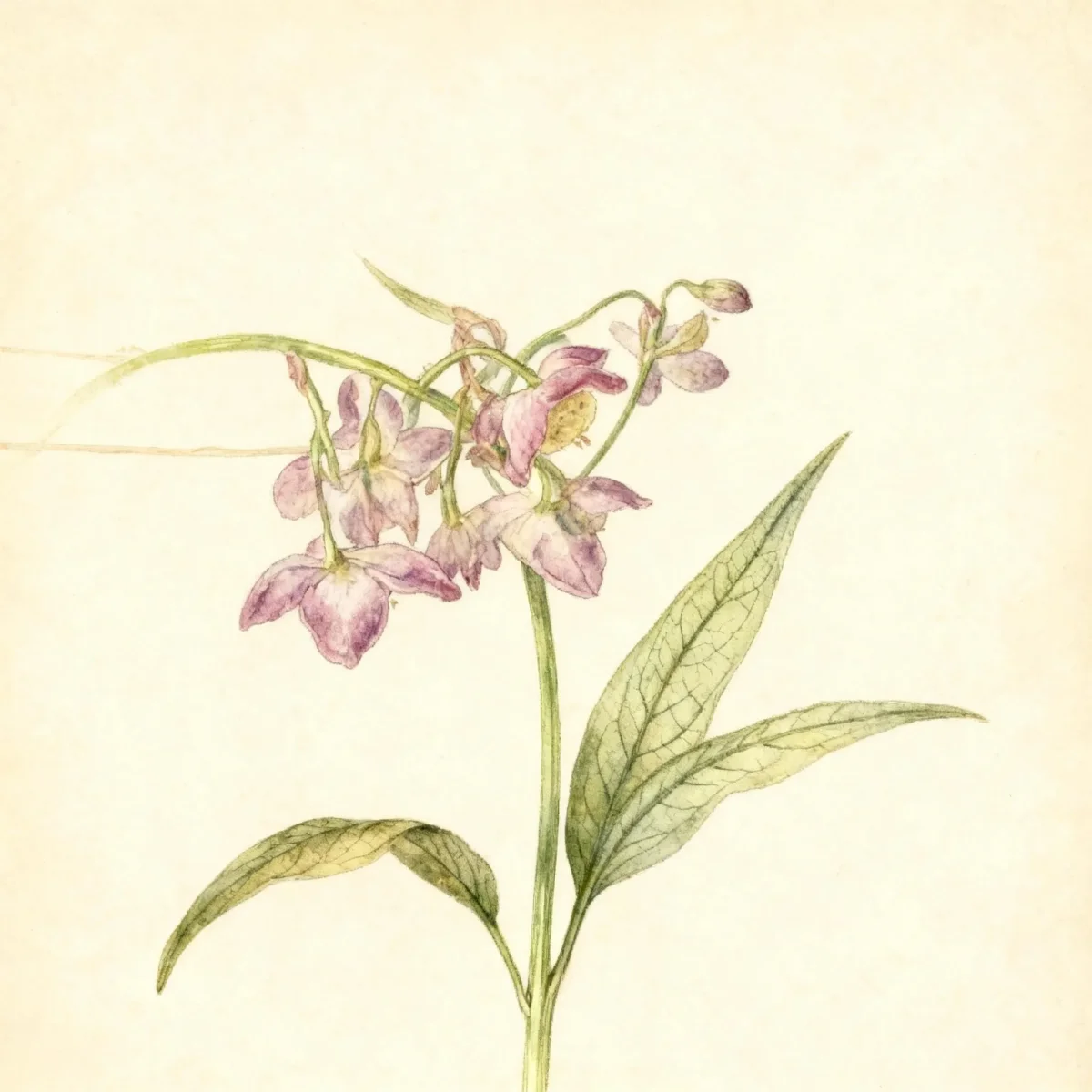
Epimedium 'Yubae' (Bishop's hat) is a low-maintenance perennial groundcover featuring striking purple-red, spidery flowers in spring.
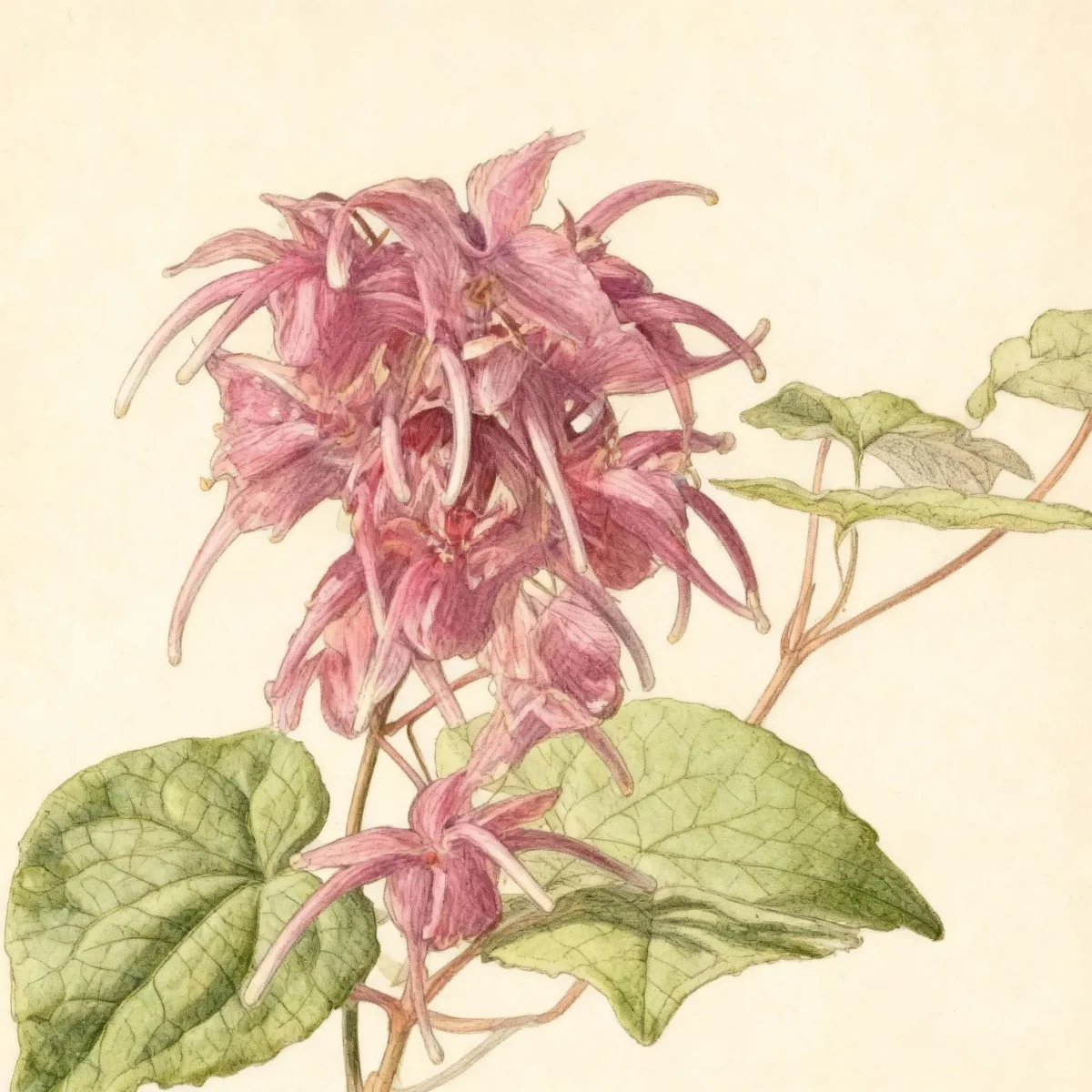

Bloom Boldly, No Matter the Season - Sweatshirt
Cozy organic cotton sweatshirt featuring our exclusive Purple Coneflower design. Perfect for gardeners who bloom year-round.
Inspired by the beautiful Bishop's hat
Limited first batch (50) — join the waitlist for early access
Waitlist closes Feb 15, 2026.
Complete Plant Information
Field Guide Continues
Ready for care notes, companion picks, and planting tips?
The map is just the start. The full guide below covers growth habits, seasonal performance, and landscape uses.
Overview
Epimedium ‘Yubae’, commonly known as Bishop’s hat, is a prized rhizomatous perennial, offering reliable texture and color in the challenging environment of deep shade. This cultivar provides excellent ground cover, forming dense colonies over time with attractive, spidery flowers that emerge early in spring. Gardeners value Epimedium ‘Yubae’ for its exceptional tolerance to dry shade once established, making it a versatile solution for difficult woodland settings.
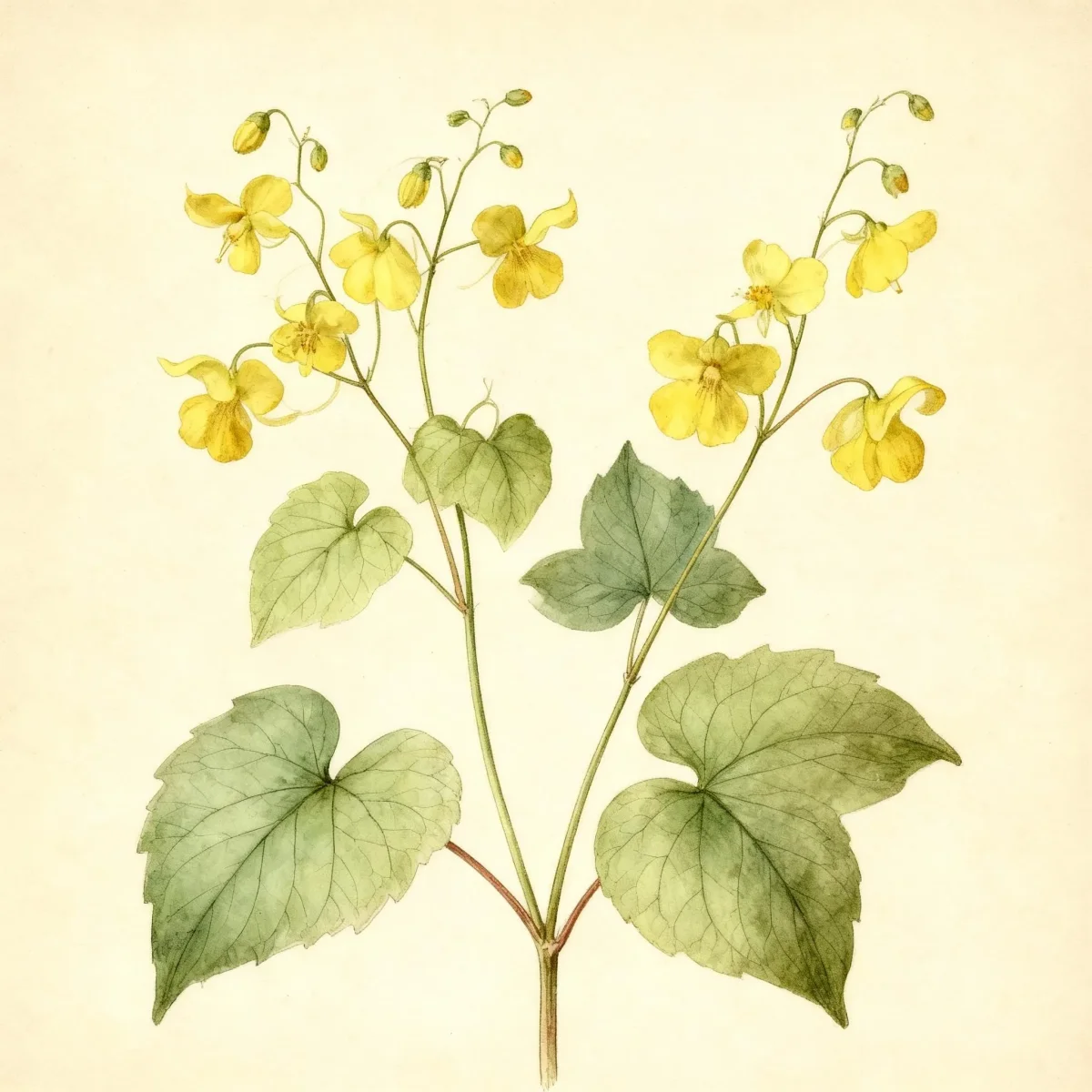
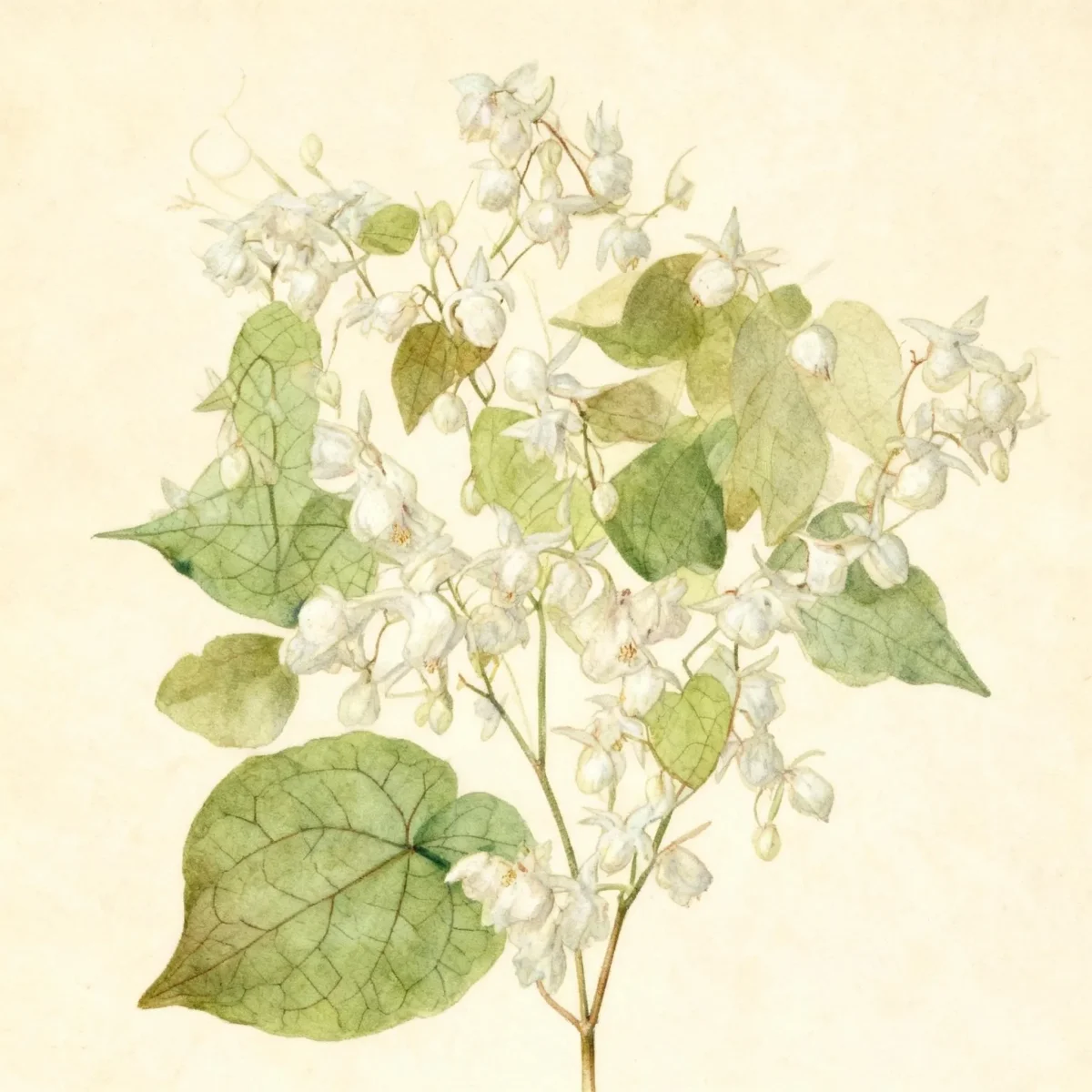
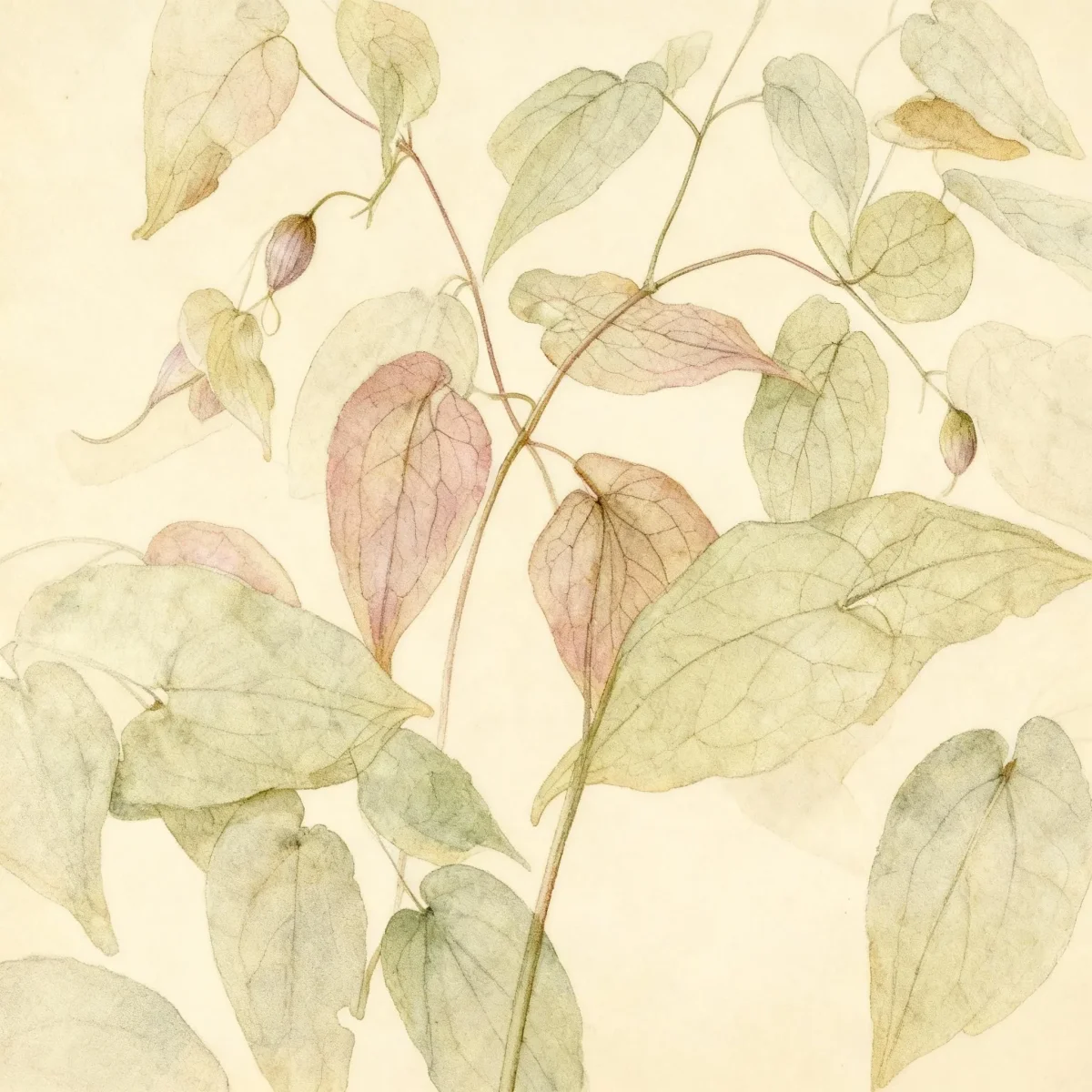
The distinctive bloom of Epimedium ‘Yubae’ features purple-red flowers accented by white-tipped spurs, appearing just as spring awakens. While it spreads slowly, its long lifespan and minimal cultural demands solidify its role as a foundational, low-maintenance plant in shaded perennial borders. Its foliage, often bronze when new, matures to a handsome medium green.
This reliable perennial, Bishop’s hat, is celebrated for its robust nature, resisting common pests and thriving where other plants struggle. Its ability to handle dry soil makes Epimedium ‘Yubae’ an essential component for creating lush, enduring landscapes beneath mature tree canopies.
Fast Facts
- Plant Family: Berberidaceae
- Plant Type: Herbaceous perennial
- Hardiness Zones: USDA Zones 5-8
- Size at Maturity:
- Height: 1-1.5 ft
- Spread: 1-1.5 ft
- Bloom Time: April to May
- Bloom Description: Purple red with white tipped spurs
- Sun Exposure: Part shade to full shade
- Water Needs: Dry to medium
- Maintenance Level: Low
How to Grow
Planting Bishop’s hat is best accomplished in the spring or fall. Locate Epimedium ‘Yubae’ where it receives part shade or even full shade, noting that afternoon sun will likely scorch the foliage. This plant prefers well-drained, acidic soils that are rich in organic matter, though it establishes best with consistent moisture initially. It is notably intolerant of alkaline soil conditions.
Once established, this perennial demonstrates remarkable drought tolerance thanks to its rhizomes, which help retain necessary moisture, making it ideal for dry shade areas. Minimal maintenance is required; fertilizing is rarely needed if the soil is organically rich. Avoid exposing the foliage to the full afternoon sun, as this stresses the plant significantly.
For deciduous varieties like Epimedium ‘Yubae’ in zones 5-7, sanitation is key. Cut back any remaining winter foliage in late winter immediately before new growth emerges to keep the display tidy. Propagation is easily achieved by dividing the slow-spreading clumps in early spring or fall when the plant is not actively blooming.
Landscape Uses
Epimedium ‘Yubae’ excels as functional, elegant ground cover, suppressing weeds while providing texture throughout the year. Its low stature and dry-shade tolerance make it perfect for mass planting beneath large, established trees where competitive root systems make planting difficult for many other perennials. It effectively naturalizes, creating an attractive, low-maintenance carpet over time.
Use Bishop’s hat as an informal edger along woodland paths or walkways where its dense habit can clearly define a border without requiring constant trimming. It pairs beautifully with spring bulbs that complete their cycle before the Epimedium foliage fully emerges, or with other shade lovers like Hosta or Ferns that appreciate richer, moister soil adjacent to areas where the ‘Yubae’ is growing drier.
Standout Features
Flower Qualities
- Showy
Noteworthy Characteristics
Epimedium is a genus of 20-30 species of evergreen and deciduous, rhizomatous perennials from the Mediterranean to East Asia. Many make excellent groundcovers for shady areas. Epimediums have a number of common names, including barrenwort, bishop’s hat, bishop’s mitre and fairy wings. Genus name is of unclear origin and meaning but the Greeks used epimedion for a very different plant. ‘Yubae’, synonymous with ‘Rose Queen’, ‘Crimson Queen’ and ‘Crimson Beauty’, is a dense, rhizomatous, clump-forming, deciduous perennial that features spidery purple-red flowers (each 1 1/4” wide) with long white-tipped spurs which bloom in sprays above the foliage in spring (April-May) atop flowering stems rising to 12-18” tall. Plants spread to 24” or more over time. Compound leaves are both basal and cauline and either biternate or triternate. Narrow ovate to broad ovate leaflets (to 2-4” long) have spiny-toothed margins, cordate bases and acuminate to acute tips. New leaves emerge in spring with a beige to bronze cast but quickly mature to medium green. ‘Yubae’ is considered to be a hybrid, but is sometimes listed as a cultivar of E. Grandiflorum. ‘Yubae’ is the Japanese cultivar name given to this plant prior to its arrival in the West.
Tolerances
- Rabbit
- Deer
- Drought
- Heavy Shade
- Erosion
- Dry Soil
- Shallow-Rocky Soil
Potential Problems
Epimedium ‘Yubae’ generally resists most serious insect or disease issues, contributing to its low maintenance profile. The primary disease concern is Mosaic Virus, which is transmitted infrequently by aphids. To prevent potential virus spread, monitor for aphids in the spring and manage pest populations promptly using horticultural oil if necessary.
Frequently Asked Questions
What hardiness zones is Bishop’s hat suitable for?
Epimedium ‘Yubae’ is reliably hardy in USDA Zones 5 through 8, making it a versatile choice for many temperate gardens.
How large does Epimedium ‘Yubae’ grow?
This perennial typically reaches a height between 1 and 1.5 feet tall, with a similar spread of 1 to 1.5 feet, forming dense clumps over time.
When does Bishop’s hat bloom?
The purple-red flowers of Epimedium ‘Yubae’ are spectacular in mid-spring, usually blooming from April into May.
What sun exposure does Epimedium ‘Yubae’ need?
This plant thrives best in conditions ranging from partial shade to full shade; direct, hot afternoon sun should be avoided.
Conclusion
The exceptional drought tolerance and steadfast performance in deep shade confirm the value of Epimedium ‘Yubae’ as a foundational garden perennial. Its spring flowers and reliable foliage make Bishop’s hat a cornerstone for difficult, shady sites. Before planting, confirm your soil pH is slightly acidic and begin establishing clumps in the cooler seasons for best results.
Companion Planting for Shady Gardens
When planning a woodland garden featuring Epimedium ‘Yubae’, select companions that share similar needs for shade and well-drained soil but offer textural contrast. Consider pairing it with Hellebores (Lenten Rose), which bloom even earlier and also love dry shade once established. Hostas provide bold, broad foliage underneath the finer texture of the Bishop’s hat leaves during the summer months.
For areas needing erosion control beneath deciduous trees, consider incorporating ferns such as Dryopteris species (Wood Ferns), which appreciate the organic content that Epimedium helps build up in the soil. These combinations create a layered, tapestry-like effect that endures across multiple seasons, showcasing the architectural beauty of shade-loving plants.
Seasonal Care Calendar
Spring is the key active period for Epimedium ‘Yubae’. In late winter or very early spring, prune back any persistent dead foliage from the previous year before new growth emerges to encourage a clean presentation. Water sparingly but consistently during the initial establishment phase in spring to help the rhizomes anchor down.
Summer care is largely hands-off due to the drought tolerance of established plants. Monitor for signs of scorching if unexpected dry spells occur, especially if planted near thirsty lawn roots. In autumn, the plant requires no specific attention, though a light top-dressing of well-rotted compost can be beneficial to replenish organic matter slowly. Winter preparation, particularly in Zone 5, involves protecting the plant from heavy foot traffic during freeze-thaw cycles.