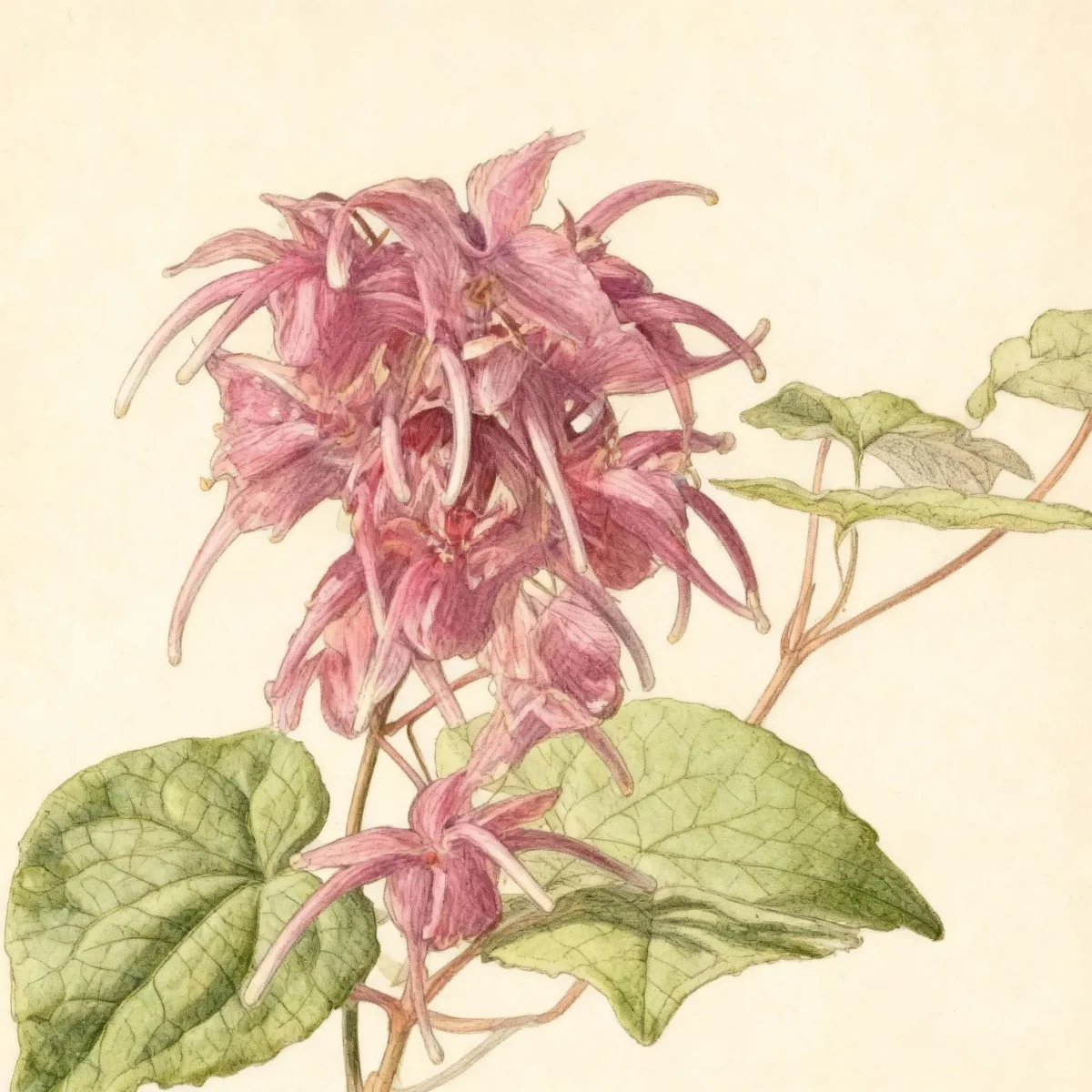
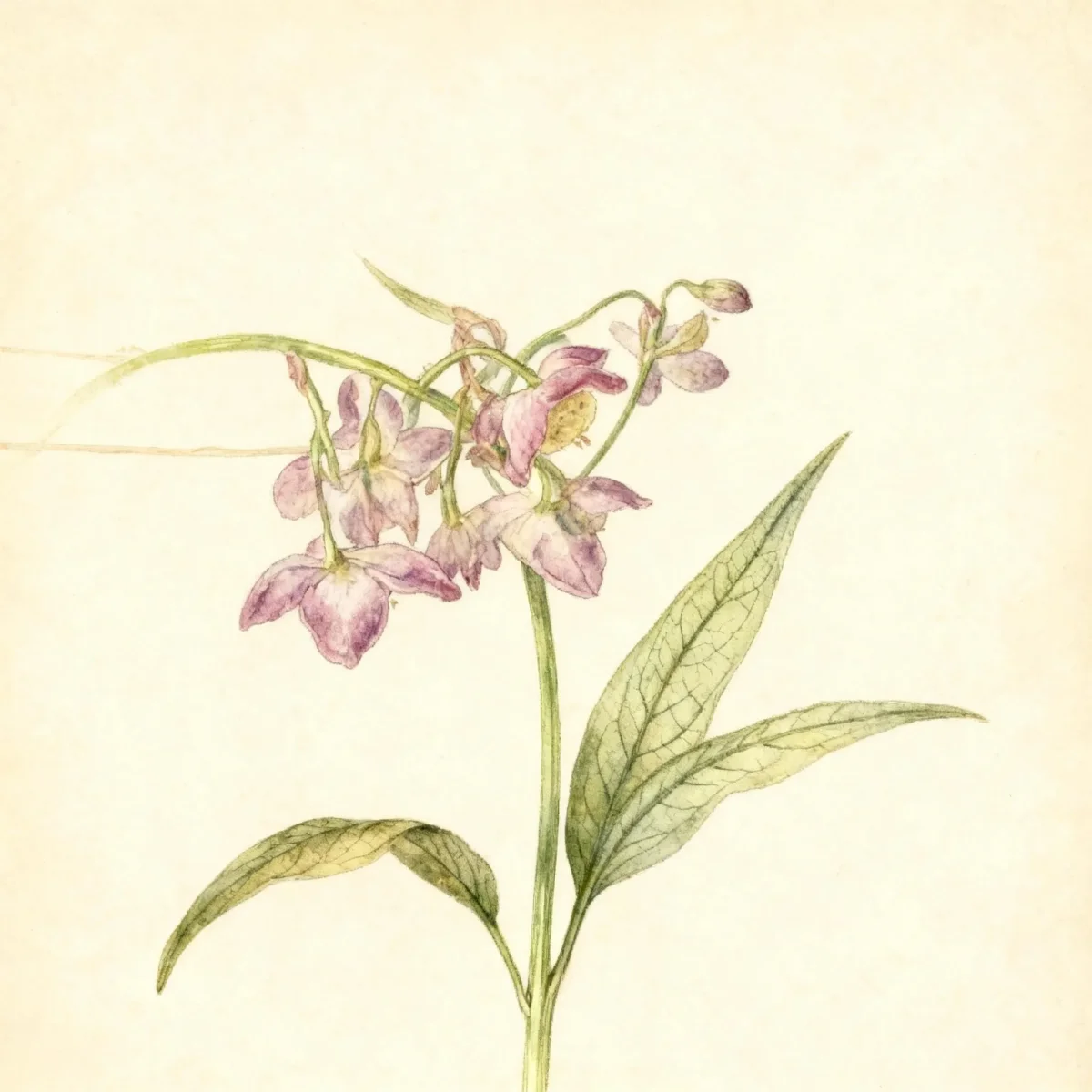
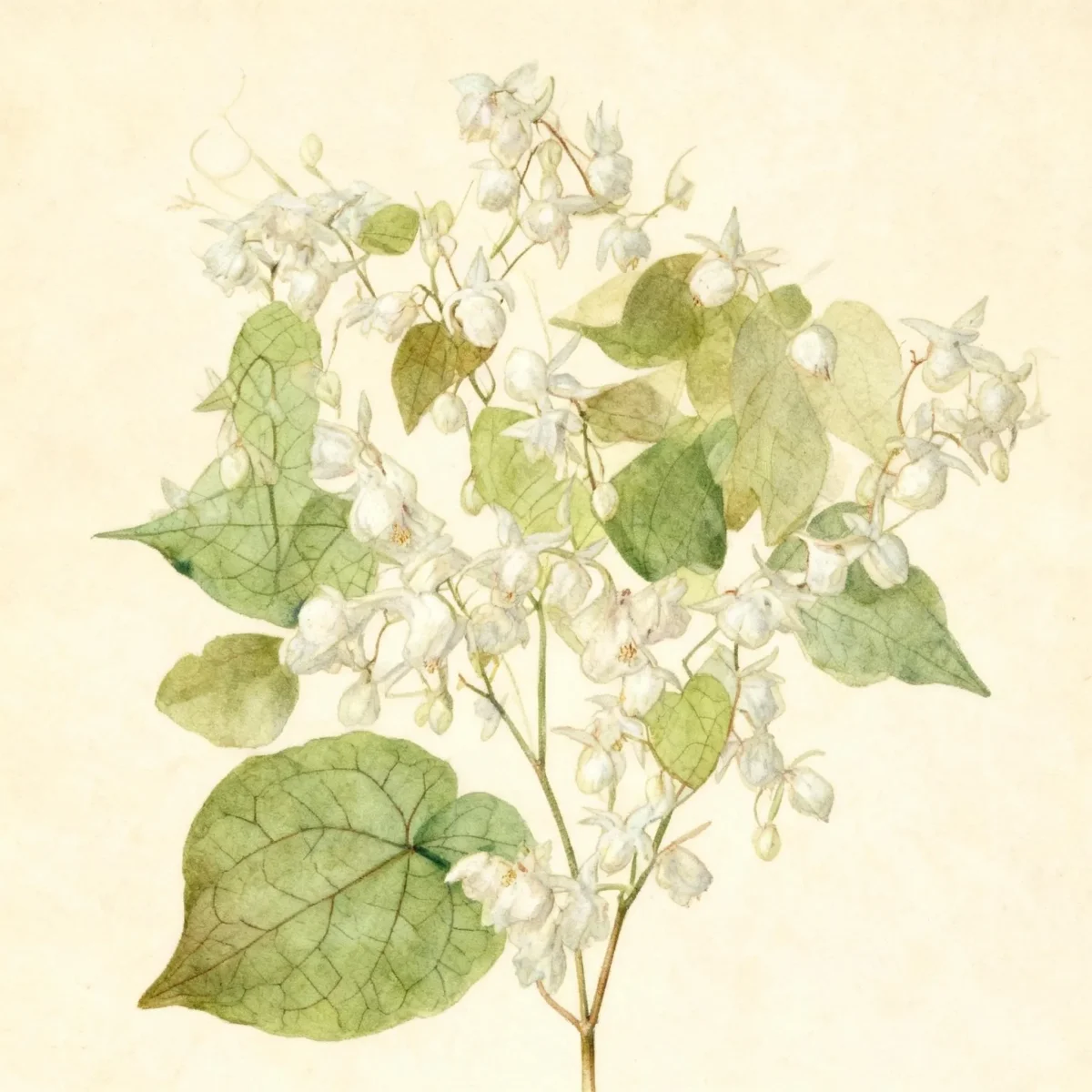
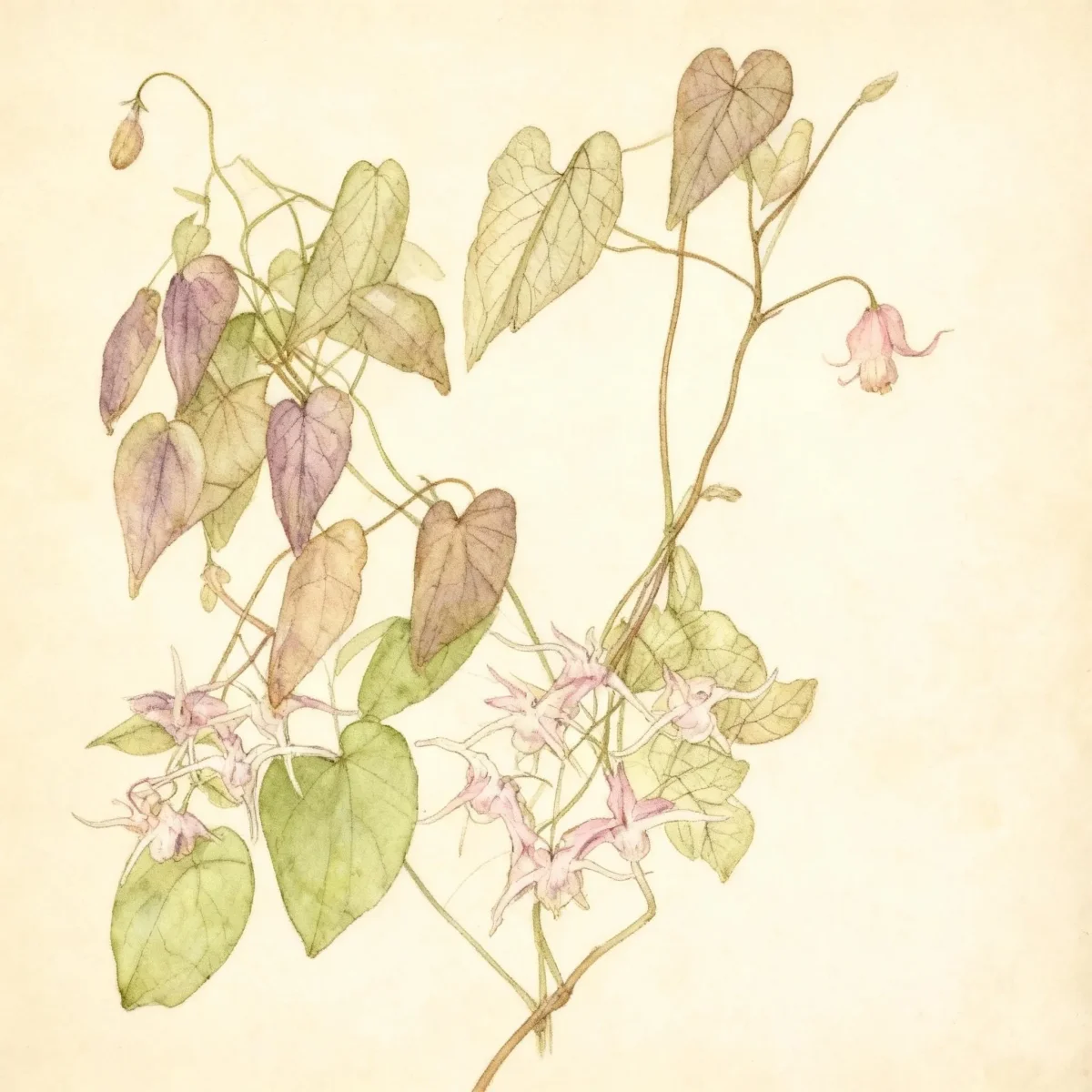
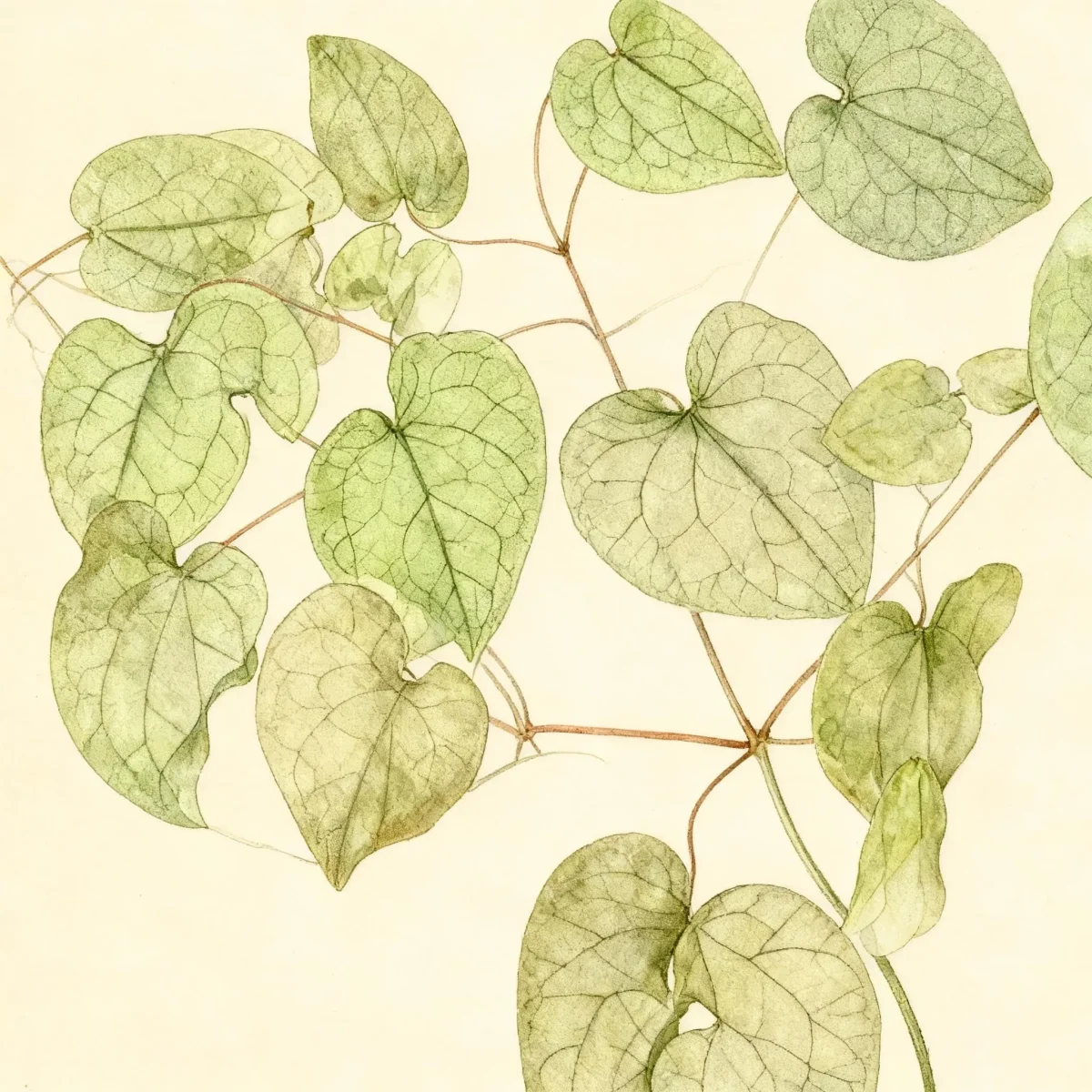
Bishop's hat (Epimedium × versicolor 'Sulphureum')
Epimedium × versicolor 'Sulphureum', or Bishop's hat, offers delicate yellow spring blooms and evergreen foliage, thriving in dry shade.

Bloom Boldly, No Matter the Season - Sweatshirt
Cozy organic cotton sweatshirt featuring our exclusive Purple Coneflower design. Perfect for gardeners who bloom year-round.
Inspired by the beautiful Bishop's hat
Limited first batch (50) — join the waitlist for early access
Waitlist closes Feb 15, 2026.
Complete Plant Information
Field Guide Continues
Ready for care notes, companion picks, and planting tips?
The map is just the start. The full guide below covers growth habits, seasonal performance, and landscape uses.
Overview
Epimedium × versicolor ‘Sulphureum’, commonly known as Bishop’s hat, is a highly desirable herbaceous perennial valued for its robust performance in challenging shady environments. This cultivar provides welcome color in early spring when few other plants are active, showcasing delicate yellow flowers above semi-evergreen foliage. As a rhizomatous perennial, Epimedium × versicolor ‘Sulphureum’ spreads reliably to form dense mats perfect for controlling erosion or blanketing woodland floors.
It is an exceptionally tough plant once established, tolerating dry soil and considerable shade, making it indispensable for filling difficult spots under mature trees. Gardeners prize its low maintenance requirements and resilience against common garden pests, solidifying Bishop’s hat as a foundational plant for shaded borders and naturalized areas.
Fast Facts
- Plant Family: Berberidaceae
- Plant Type: Herbaceous perennial
- Hardiness Zones: USDA Zones 5-9
- Size at Maturity:
- Height: 0.75-1 ft
- Spread: 0.75-1.5 ft
- Bloom Time: April
- Bloom Description: Yellow
- Sun Exposure: Part shade to full shade
- Water Needs: Dry to medium
- Maintenance Level: Low
How to Grow
Plant Epimedium × versicolor ‘Sulphureum’ in the fall or early spring to allow it time to establish its spreading root system before summer heat arrives. While it adapts to average conditions, it thrives best in loose, organically rich loams that offer excellent drainage. Ensure the planting location provides part shade to full shade; intense afternoon sun will scorch the attractive foliage.
Care for established Bishop’s hat is minimal. Water moderately during prolonged dry spells, although it develops significant drought tolerance once its rhizomes are fully anchored. Fertilization is rarely necessary; working compost into the soil surface in spring is usually sufficient to maintain vigor.
A key cultural tip for this dependable perennial is the late winter cleanup. Cut back any remaining old foliage just before new growth emerges in late winter or very early spring. This practice clears space for the spectacular spring bloom display of Epimedium × versicolor ‘Sulphureum’ and allows fresh reddish-tinged new growth to emerge cleanly.
Landscape Uses
The primary recommendation for Bishop’s hat is as an effective, low-growing ground cover, particularly suited for small, shady areas where turf struggles. Mass plantings create beautiful, textured carpets in woodland gardens, naturalized settings, or beneath high-branching deciduous trees. Its ability to suppress weeds through dense clonal coverage makes it superior to mulch in many applications.
Epimedium × versicolor ‘Sulphureum’ also functions excellently as a refined edger along winding paths or walkways, providing structure without obscuring nearby plantings. It integrates well near woodland companions like ferns, hostas, or bleeding hearts, creating a lush, layered shade garden display. Its tolerance for dry soil makes it ideal for drier border fronts where other ground covers might fail.
Standout Features
Flower Qualities
- Showy
Noteworthy Characteristics
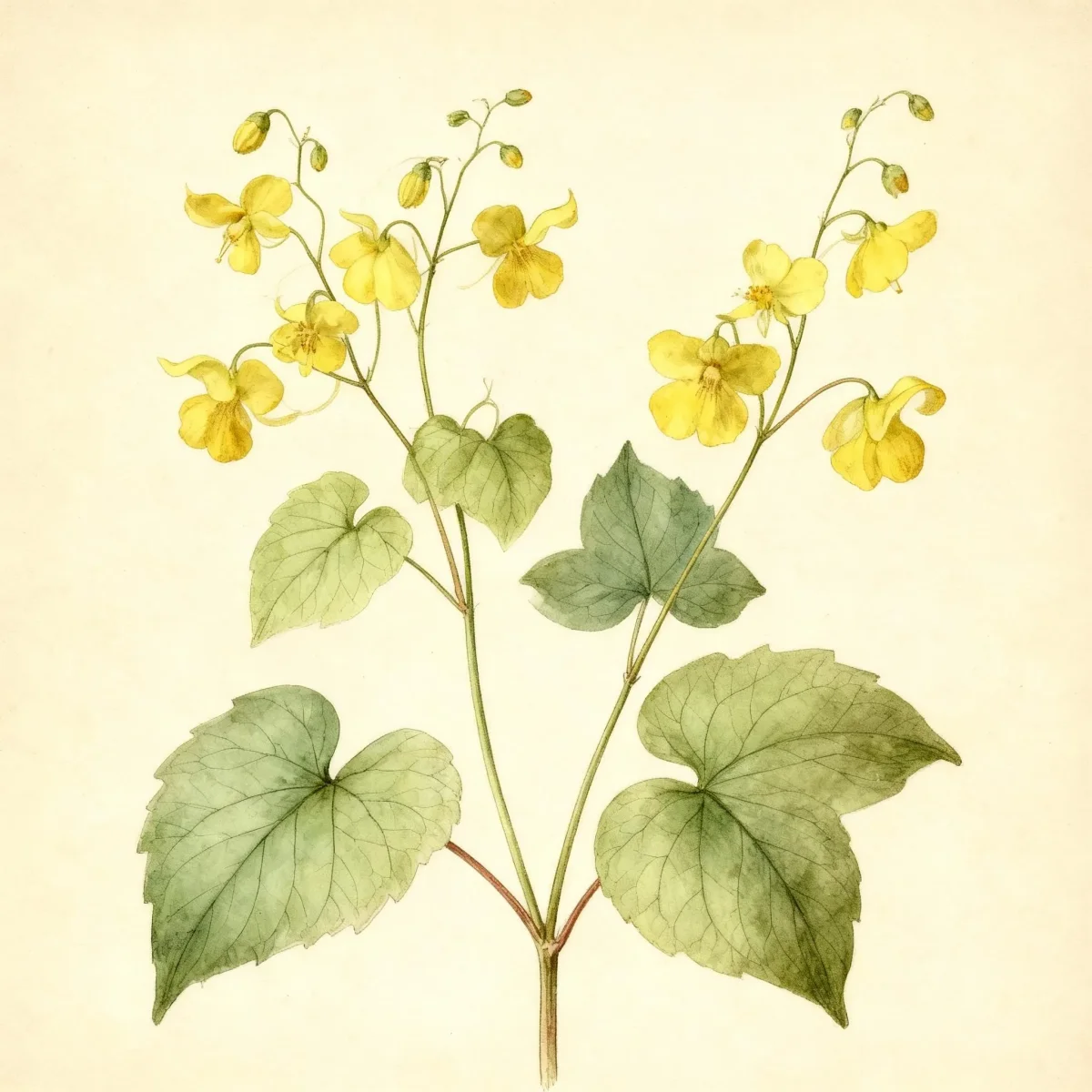
Epimedium × versicolor, sometimes commonly called bicolor barrenwort, is a cross between E. Grandiflorum and E. Pinnatum subsp. Colchicum. It is a rhizomatous, clump-forming perennial which typically grows 8-12” tall and is primarily used as a ground cover or edger in shady or woodland areas. ‘Sulphureum’ features short-spurred yellow flowers (pale yellow sepals, bright yellow petals and deep yellow spurs) which appear in racemes above the foliage in spring. Compound, medium green leaves with pointed, spiny-toothed, heart-shaped leaflets form attractive mounds, often emerging with a reddish tinge in spring before maturing.
Tolerances
- Rabbit
- Deer
- Drought
- Heavy Shade
- Erosion
- Dry Soil
- Shallow-Rocky Soil
Potential Problems
This plant boasts virtually no serious insect or disease problems, which contributes significantly to its low maintenance rating. Gardeners should remain observant for occasional minor aphid infestations, especially on new, tender growth emerging in spring. If mosaic virus symptoms appear (leaf mottling), infected clumps should be removed immediately to prevent potential spread, though this is infrequent.
Frequently Asked Questions
What hardiness zones is Bishop’s hat suitable for?
Epimedium × versicolor ‘Sulphureum’ is reliably hardy in USDA Zones 5 through 9 across the United States.
How large does Epimedium × versicolor ‘Sulphureum’ grow?
This perennial typically reaches a mature height between 0.75 and 1 foot tall, spreading slowly to form clumps between 0.75 and 1.5 feet wide.
What sun exposure does Bishop’s hat need?
This species prefers part shade to full shade conditions, performing best when protected from the intense afternoon sun.
When does Epimedium × versicolor ‘Sulphureum’ bloom?
The yellow flowers of this plant emerge reliably in April, providing early-season interest.
Conclusion
The reliability, shade tolerance, and aesthetic appeal of the yellow blooms make Epimedium × versicolor ‘Sulphureum’ an essential anchor plant for shaded landscapes. This Bishop’s hat variety handles drought and poor soil once established better than many alternatives. Evaluate your garden zones 5-9 compatibility and plan to install this superb ground cover this upcoming spring or fall for guaranteed low-effort beauty.
Companion Planting in Shade
When designing a woodland scene around your Bishop’s hat, focus on textures that contrast well with its heart-shaped leaves. Shade-loving perennials such as Helleborus (Lenten Rose) provide earlier or later blooms, complementing the April display of Epimedium × versicolor ‘Sulphureum’. Consider using large-leafed Hostas or medium-sized ferns to add vertical breaks in the horizontal sheet formed by the spreading perennial.
Since Epimedium × versicolor ‘Sulphureum’ spreads via rhizomes, use it as a living mulch at the base of larger shrubs or trees where grass cannot grow. Its dense, evergreen presence helps keep the base of these larger plants tidy and guards the soil against compaction and dry spots common in established root zones.
Seasonal Care Calendar
Spring is the peak activity time; cut back old, tattered foliage in late winter before new growth begins. This encourages the best bloom show for your Bishop’s hat. Summer care is focused on minimal monitoring, ensuring newly planted specimens receive occasional water if drought is severe, though established plants require none.
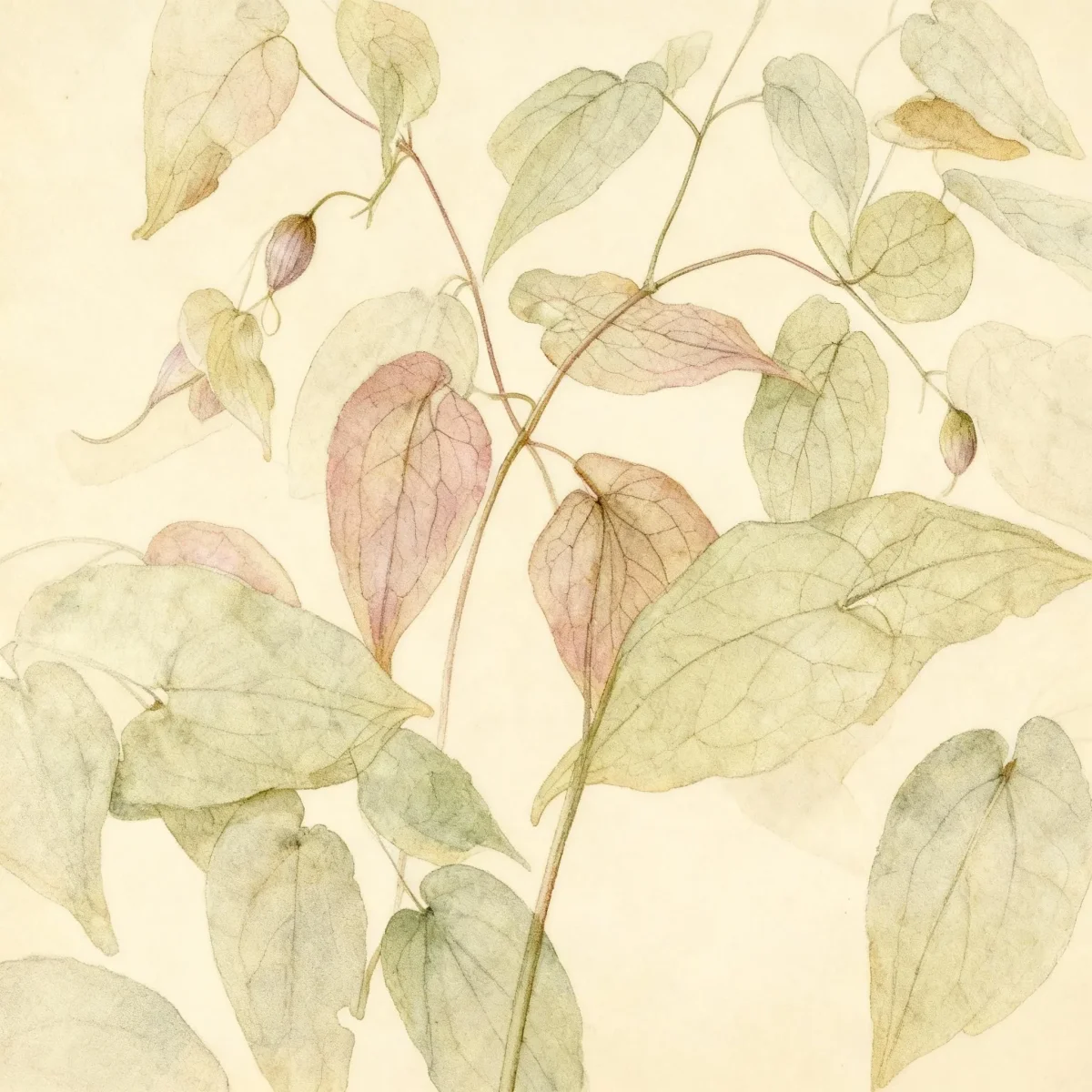
In the fall, the semi-evergreen foliage of Epimedium × versicolor ‘Sulphureum’ will often take on attractive reddish tones, adding seasonal color to the shade garden. Winter preparation is simple; mulch is generally not required in the established hardiness zones (5-9), as the plant is very adaptable to cold dormancy.